Winter Carp Fishing: Find Holding Areas and Catch Carp on Short Feeding Windows
Learn where carp spend time in winter, how to spot subtle signs of activity, and choose the right bait to make the most of short feeding windows.
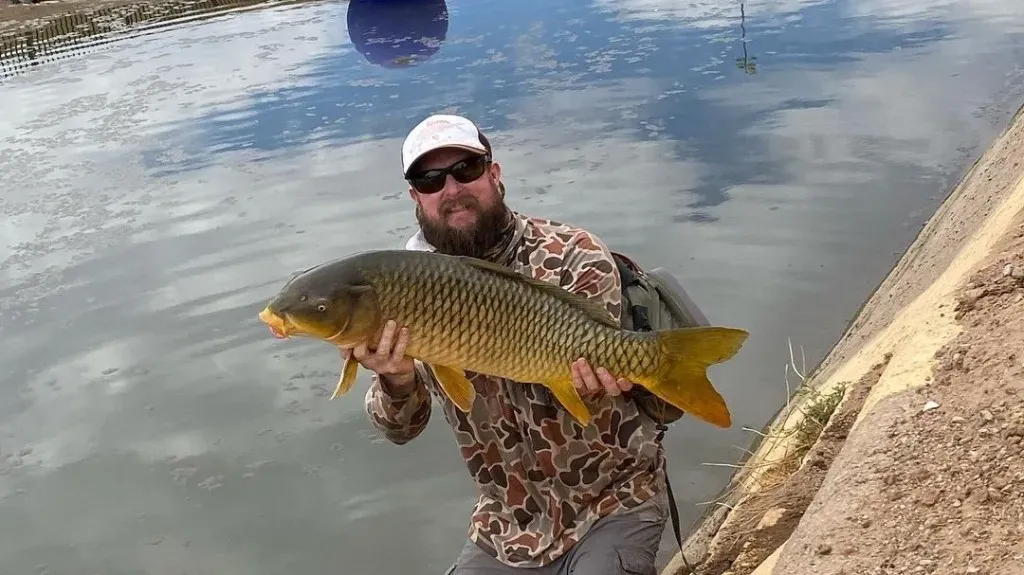


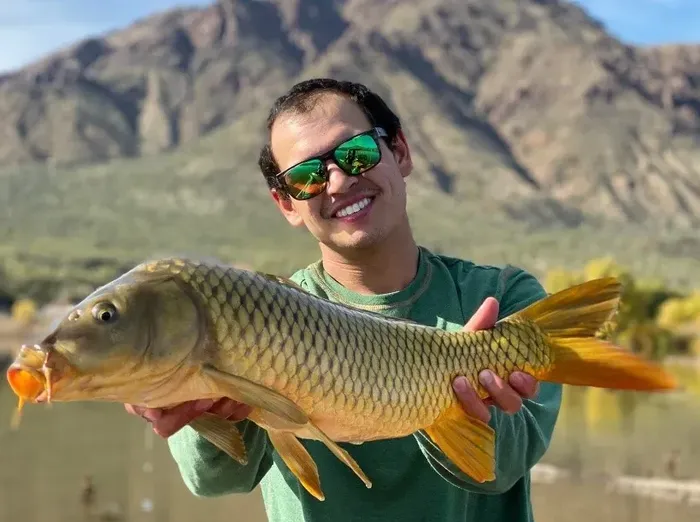
Fishing for carp in winter often comes down to making the most of a short feeding window. You could be on the bank for hours without a sign of activity, only for the fish to switch on briefly.
If your bait is in the wrong part of the water when that happens, the opportunity can pass without you knowing. As water temperatures drop, carp tend to become less mobile, often holding in areas where conditions suit them and feeding in shorter bursts. The challenge, then, isn't simply getting bait in the water, but working out where the carp are spending their time, what might trigger them to move, and how to position yourself to take advantage when they do.
A better understanding of winter fishing spots, subtle signs of activity, and feeding patterns can help you make every session count.
Why Winter Carp Fishing Comes Down to Location and Timing
When water temperatures drop, carp generally become less active than they are during warmer months. Their metabolism slows, their food requirements decrease, and they may travel shorter distances to find food. Instead of moving around the water throughout the day, you may find several carp gathered in a relatively small area for long periods before moving to feed.
All these things change how you should approach a winter fishing trip. Finding where carp are spending time can therefore make a bigger difference than how much bait you introduce or how frequently you recast.
A few factors can influence where carp can be found in winter, and when they become more active:
Water temperature: Carp tend to become less active as water cools, but sudden temperature changes can also influence their movement. Areas with relatively stable temperatures may become more appealing during prolonged cold spells.
Weather changes: A few milder days after a cold spell, a change in wind direction, or continuous sunshine can encourage carp to move. The effect depends on the waterbody and how quickly its water responds to these conditions.
Available food: Bloodworm, insect larvae, and other aquatic organisms remain available in winter. Areas where these food sources are concentrated may attract carp, even when their feeding activity is limited.
Sunlight: Shallow water can warm more quickly during bright, calm conditions. This can make margins, bays, and shallow features worth checking later in the day, particularly when temperatures have been low overnight.
These factors are useful starting points when narrowing down your search, but the conditions at your chosen venue should ultimately guide your decisions.
Now let's take a look at the specific features worth checking and how to identify carp when they're giving you very little to go on.
Where to Find Carp in Winter
Winter carp often gather around features that provide shelter, access to food, or relatively stable water temperatures. Depth, bottom composition, and surrounding cover can help you narrow down your search, particularly when the fish aren't showing themselves.
Deep Water and Gradual Drop-Offs
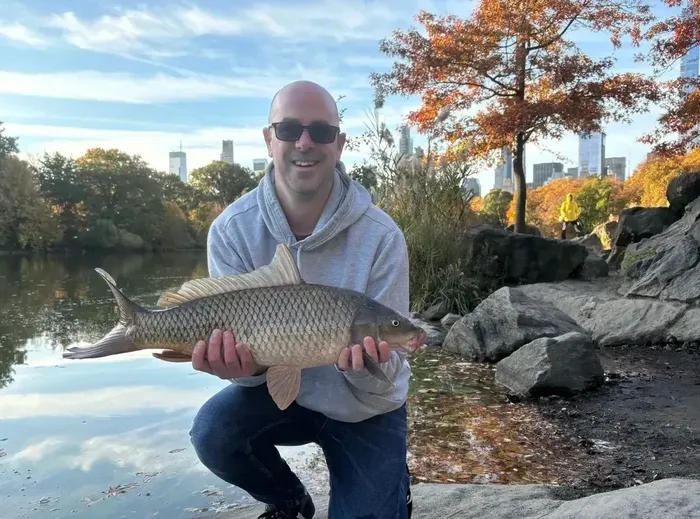
Deeper sections are worth checking during prolonged cold spells because water temperatures often fluctuate less than in shallow areas.
Carp may spend time around deeper areas, particularly when the water has cooled considerably.
Pay attention to the edges of these deeper sections as well. Gradual slopes, shelves, and depth changes give carp access to different parts of the waterbody without requiring long movements. Fishing across this transition gives you a chance to intercept carp moving between deeper and shallower water.
Snags, Reedbeds, and Other Cover
Snags, submerged branches, reedbeds, overhanging trees, and other forms of cover can attract carp during winter. These features provide protection and may offer a sense of security, particularly in waters with little natural cover elsewhere.
If you're fishing near snags, keep your rig placement controlled and make sure you have enough room to land a carp safely. A fish hooked close to submerged branches can quickly become difficult to manage.
Silty Areas and Natural Food
Soft-bottomed areas can be worth investigating, especially where aquatic insect larvae and other natural food sources are present. Carp may continue feeding on these organisms even when they aren't actively searching for large quantities of bait.
Look for distinct changes in bottom composition, such as a soft silty pocket surrounded by firmer ground. These transitions can create small feeding areas that are easy to miss if you're fishing featureless sections of the waterbody.
Sheltered Bays and Areas Protected From the Wind
Wind can influence where carp spend time, but its effect during winter isn't always straightforward. Cold winds can make conditions on exposed banks uncomfortable for anglers and may influence water conditions, while sheltered bays can offer more stable surroundings.
When choosing a bay, consider its depth, exposure, and how it has responded to recent weather. A sheltered area isn't automatically better, but it can be a useful place to investigate when other areas are exposed to prolonged cold winds.
Sunny Shallows
Bright sunshine can warm shallow water more quickly than deeper sections, particularly around dark lakebeds, shallow bays, and margins protected from the wind. This temperature difference can draw carp into water that may have been quiet earlier in the day.
Check these areas as the sun moves across the water, particularly during the afternoon following a cold morning. Carp may enter shallow water for a brief period, so the timing of your visit can matter as much as the feature itself.
Knowing where carp are likely to spend time is one thing; locating them in quiet winter conditions is another. With little visible activity to go by, small signs and changes in conditions can help narrow your search.
You Might Also Like: How to Rig a Grass Carp
How to Find Winter Carp When They Aren't Showing
Winter carp can spend hours without giving away their location. You may not see bubbles, rolling fish, or obvious surface activity, so relying on visual signs alone can leave you struggling to locate them. Look beyond the water's surface and use the conditions, features, and small changes in activity to narrow down where the fish are.
Watch the water before setting up: Give yourself time to scan your surroundings. Look for subtle movement, small patches of bubbles, ripples that don't match the wind, or a fish briefly disturbing the surface. Even a single sign can help you decide where to fish.
Pay attention to the wind: Check its direction and how long it has been blowing. A sustained wind can push warmer water and natural food toward certain banks, depending on the waterbody's shape and depth. The effect may be more noticeable after milder weather.
Look for changes in the water: Slightly clearer or darker patches, floating debris gathering along a bank, and differences in surface movement can reveal how the water behaves around particular features. These observations can help you identify areas worth investigating.
Use previous sessions as a reference: If you've fished the same spot before, remember where you caught carp during similar conditions. Past results won't guarantee a bite, but they can help you narrow your search instead of starting from scratch.
Check the quieter parts of the lake: Carp may gather away from heavily fished banks, footpaths, or areas where anglers frequently cast. A less disturbed section with suitable depth and cover can be a useful alternative when the usual spots appear quiet.
When you have little to go on, take time to observe before setting up. Compare a few likely locations and choose the spot that gives you the strongest reason to believe carp are nearby. In winter, that initial decision can save you hours of fishing in an unproductive location.
How to Respond When Winter Carp Start Feeding
Winter feeding activity can be brief, so what you do during that period matters. Carp might be picking up food from the bottom, moving through a small patch, or feeding along a feature. The way you respond should depend on what you see.
Bubbles and fizzing around your bait: This can indicate carp feeding on the bottom. Leave your presentation in place if it's positioned well, and watch whether the activity continues or shifts elsewhere.
Fish moving through without feeding signs: Avoid scattering bait across a large area. A single hookbait placed along their route may give you a better chance of intercepting them.
Repeated activity in one small patch: If carp keep returning to the same area, concentrate your baiting there rather than spreading it around. Small, accurately placed additions can keep your hookbait near the fish without filling them up.
Activity moving away from your rig: If the signs consistently appear farther away, consider adjusting your casting position. Make the change based on the direction of the fish rather than recasting simply because you've been waiting.
A bite during a short feeding spell: Once you've hooked a carp, keep the fight controlled and avoid rushing it. Other fish may still be feeding nearby, and excessive disturbance could end the activity.
Winter carp fishing rewards decisions based on what is happening in front of you. Rather than following a fixed routine every time activity appears, use the signs to decide whether your bait needs repositioning, whether you should introduce a little more feed, or whether leaving everything alone is the better move.
Bait Strategy for Winter Carp Fishing
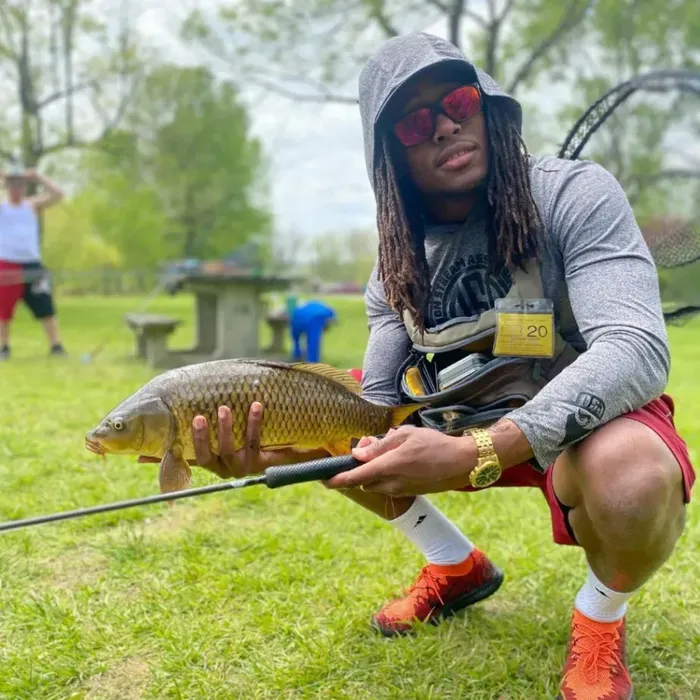
Cold water changes how carp feed, so your bait choices deserve a bit more thought.
Large quantities of bait that work in warmer months may be counterproductive in winter, especially when the fish only feed in short, on-and-off bursts.
Boilies are still a solid option, but you don't need many. A handful around your hookbait is enough to create a small feeding spot without filling the carp up. Smaller boilies can also work well when fish are cautious or picking up food one item at a time. Particles like hemp, maize, and other small seeds work differently. Because they're so small, carp have to search through them, which can keep fish feeding near your hookbait for longer. Even so, a light scattering will usually do more for you than a concentrated pile.
Your hookbait doesn't have to be a perfect match for the free offerings. A brighter one can stand out, while a natural color can blend in. If the fish seem wary, going smaller makes your presentation less obvious.
A few things to keep in mind when choosing your bait:
Start light: A few boilies or a thin scattering of particles is plenty to begin with.
Look for bait with good attraction: Flavors and soluble ingredients release attractive compounds into the water, helping carp locate your bait.
Match what they're eating: If the fish seem to be on small natural food, smaller hookbaits and particles may be better suited than big boilies.
Let the fish decide: Bites or sustained feeding are your cue to add a little more. If the water stays quiet, resist topping up just because the hours are ticking by.
The goal is a hookbait that's easy to find, not one surrounded by so much food that the carp are full before they reach it.
Common Winter Carp Fishing Mistakes
Winter sessions can be frustrating, especially when you spend hours without a bite. A few habits can make those quiet spells even harder.
Overdoing the bait: Carp need less food in the cold, and a big spread can leave them feeding all around your hookbait without ever picking it up.
Fishing summer patterns: A location that produces all summer may become less productive in winter. Depth, cover, weather, and natural food all shape where the fish spend their time.
Changing everything at once: If you swap your rig, hookbait, and casting position after every quiet spell, you'll never know what's actually working. Change things when you have a reason to.
Missing the small signs: A patch of bubbles, an occasional ripple, or a shift in the water is easy to overlook if you're only watching for obvious activity.
Staying too long: You don't always need a full day on the bank. A shorter session timed around favorable conditions can beat hours of fishing through unproductive water.
Overcomplicating things: Winter doesn't demand fancy rigs, extra flavors, or constant tinkering. A well-placed bait and a sensible plan go a long way.
Most of these come back to one thing: treating winter like summer. With carp feeding less frequently in winter, choosing the right location and timing becomes even more important. Try to stay flexible and let the conditions guide your next move.
Make Your Next Winter Carp Fishing Trip Count
Winter carp fishing rewards preparation, good location choices, and a willingness to adapt. Finding where carp spend their time, recognizing subtle signs of activity, and keeping your baiting approach measured can help you make the most of those brief feeding periods.
The difference usually comes down to choosing the right spot, putting your bait in front of the fish, and being ready when they feed. A little local knowledge can go a long way in winter. Find carp fishing guides on Guidesly who can help you read the water, refine your tactics, and make your next session count.