Wilmington NC 6-Hour Nearshore Fishing Charter
Looking to hit both inshore haunts and nearshore hotspots in one epic day? This 6-hour fishing charter out of Wilmington puts you right in the mix of North Carolina's most productive waters. We're talking everything from trolling the blue water for hard-fighting pelagics to working structure for bottom dwellers that'll bend your rod double. With Green Creek Outfitters, you're not just getting a boat ride – you're getting a captain who knows exactly where the fish are holding and how to put you on them. Whether you're a seasoned angler or picking up a rod for the first time, this trip delivers the kind of action that keeps folks coming back season after season.
What to Expect on the Water
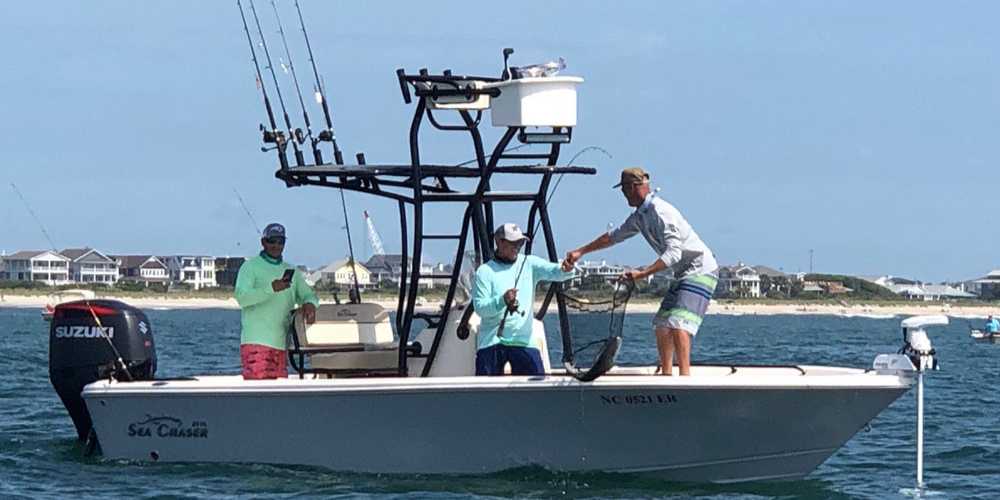
Your day starts early at the marina, where you'll meet your captain and get the rundown on what's been biting lately. We'll head out through the inlet and into waters that stretch up to 10 miles offshore, giving us access to both inshore flats and nearshore structure that holds everything from Spanish Mackerel to monster Cobia. The beauty of this 6-hour window is the variety – we're not locked into one style of fishing. Morning might find us trolling spoons and diving plugs for mackerel, then switching gears to drift fishing over wrecks where Amberjack and Barracuda cruise. Your captain reads the conditions and adjusts the game plan accordingly, whether that means working the thermocline for King Mackerel or sliding into shallower water where Redfish patrol the grass beds. With a maximum of 3 anglers, everyone gets plenty of rod time and personalized instruction. The boat's rigged with quality tackle, but feel free to bring your favorite setup if you've got one.
Techniques and Tackle Setup
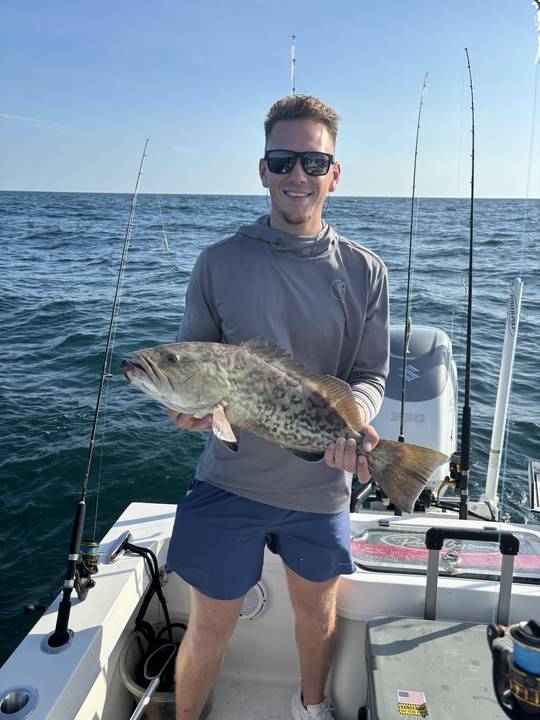
We fish these waters using a mix of trolling and casting techniques that maximize your chances across different species. When we're targeting Spanish Mackerel and Kings, we'll pull a spread of Clark spoons, Drone spoons, and live bait on downriggers or planers. The key is covering water while maintaining the right speed – typically 4-6 knots depending on conditions. Once we hit the wrecks and structure, it's all about vertical presentation. We'll drop live menhaden, cut bait, or jigs down to where Amberjack, Grouper, and Cobia like to hang out. Your captain provides all the tackle, from medium-heavy spinning setups for inshore work to conventional gear for the bigger offshore bruisers. Circle hooks are standard for live bait fishing, and we always carry plenty of leader material because these nearshore predators aren't shy about testing your drag. If you're new to offshore fishing, don't worry – your guide walks you through everything from setting the hook to fighting fish without burning out your arms.
Target Species
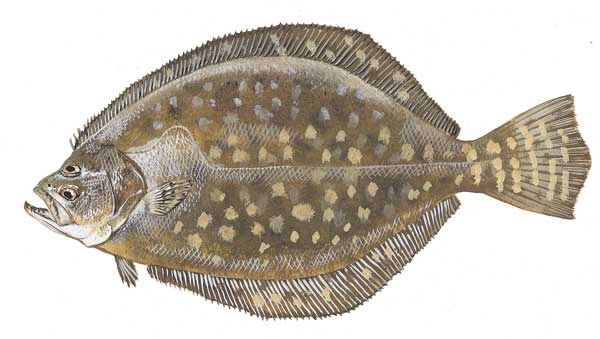
Southern Flounder are the bread and butter of North Carolina's inshore scene, and these flatfish know how to put up a scrap. They're ambush predators that bury themselves in sand near structure, inlet mouths, and drop-offs, waiting for baitfish to swim by. Most fish run 14-20 inches, but doormat flounder pushing 4-5 pounds show up regularly, especially around the jetties and nearshore wrecks. Fall and early winter are prime time when they're fattening up for their offshore spawning run. What makes flounder so popular with anglers is their cooperative nature – they'll hit live finger mullet, mud minnows, or bucktails bounced along the bottom. Plus, they're phenomenal table fare, which doesn't hurt their reputation.
Atlantic Bonito bring serious speed and athleticism to your fishing day, often showing up in schools that create some of the most fast-paced action you'll find off the Carolina coast. These smaller tunas typically weigh 3-8 pounds but fight like fish twice their size, making blistering runs that'll test your drag system. They're structure-oriented fish that love feeding around wrecks, ledges, and temperature breaks, usually in 40-80 feet of water. Bonito are sight feeders with excellent eyesight, so light tackle and small lures work best – think 1/2-ounce jigs, small spoons, or live sardines. When you find a school feeding on the surface, the action can be absolutely electric with multiple hookups. They show up strongest in fall and winter when water temperatures drop into the 60s and 70s.
Sea Trout, or Spotted Seatrout, are year-round residents that provide consistent action in the sounds, creeks, and nearshore waters around Wilmington. These beautiful fish with their distinctive spotted flanks typically run 12-18 inches, though gator trout over 20 inches are always a possibility. They're structure-oriented predators that love oyster bars, grass beds, and drop-offs where they can ambush shrimp and small baitfish. What makes trout fishing so addictive is their willingness to hit artificial lures – soft plastics, topwater plugs, and spoons all produce. They're also excellent eating, with sweet, flaky meat that's perfect for the dinner table. Spring and fall offer the most consistent action, though you can catch them year-round if you know where to look.
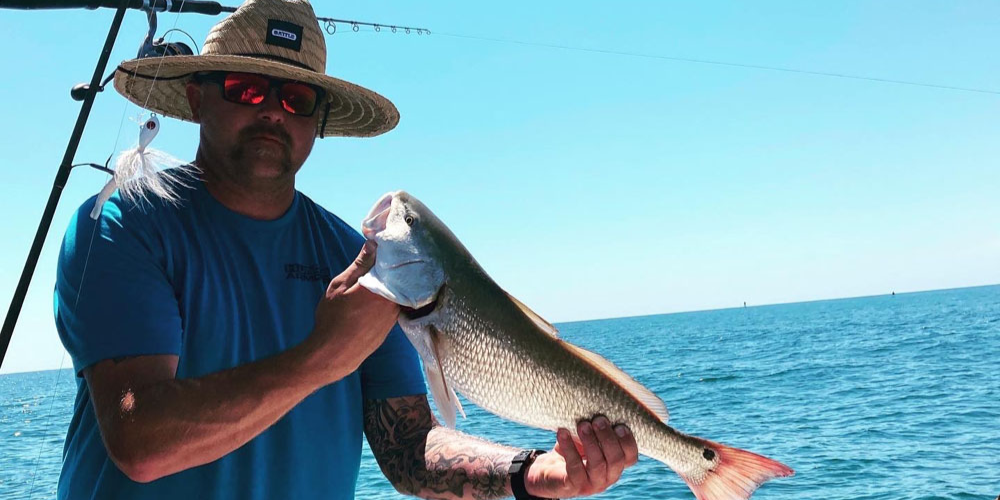
Redfish are the apex predators of North Carolina's inshore waters, and tangling with a bull red in shallow water is something every angler needs to experience. These copper-colored bruisers can push 40+ pounds and have the power to spool you if you're not ready. Reds are incredibly adaptable, feeding in everything from 2 feet of water around oyster bars to 30-foot depths near inlet mouths. They're not picky eaters – live bait, cut bait, and artificials all work, though nothing beats a live blue crab for trophy fish. What sets redfish apart is their stamina; they'll make multiple long runs
 Private Trip
 Offshore Fishing
 Wilmington


 Six-hour charter targets multiple species inshore and nearshore