Half-Day Morning Fishing in Carancahua Bay
Picture yourself casting lines into some of the most productive shallow waters along the Texas coast, where speckled trout cruise grass beds and redfish tail in knee-deep flats. Captain Clay's 4-hour morning trip puts you right in the heart of Carancahua Bay's prime fishing grounds, where the action starts early and the bite stays hot. This isn't your typical crowded charter experience – with space for just one angler, you get personalized attention and the flexibility to fish your way. Whether you're dialing in your technique or just want to enjoy a peaceful morning on the water, this half-day adventure delivers the kind of fishing that keeps locals coming back season after season.
What to Expect on the Water
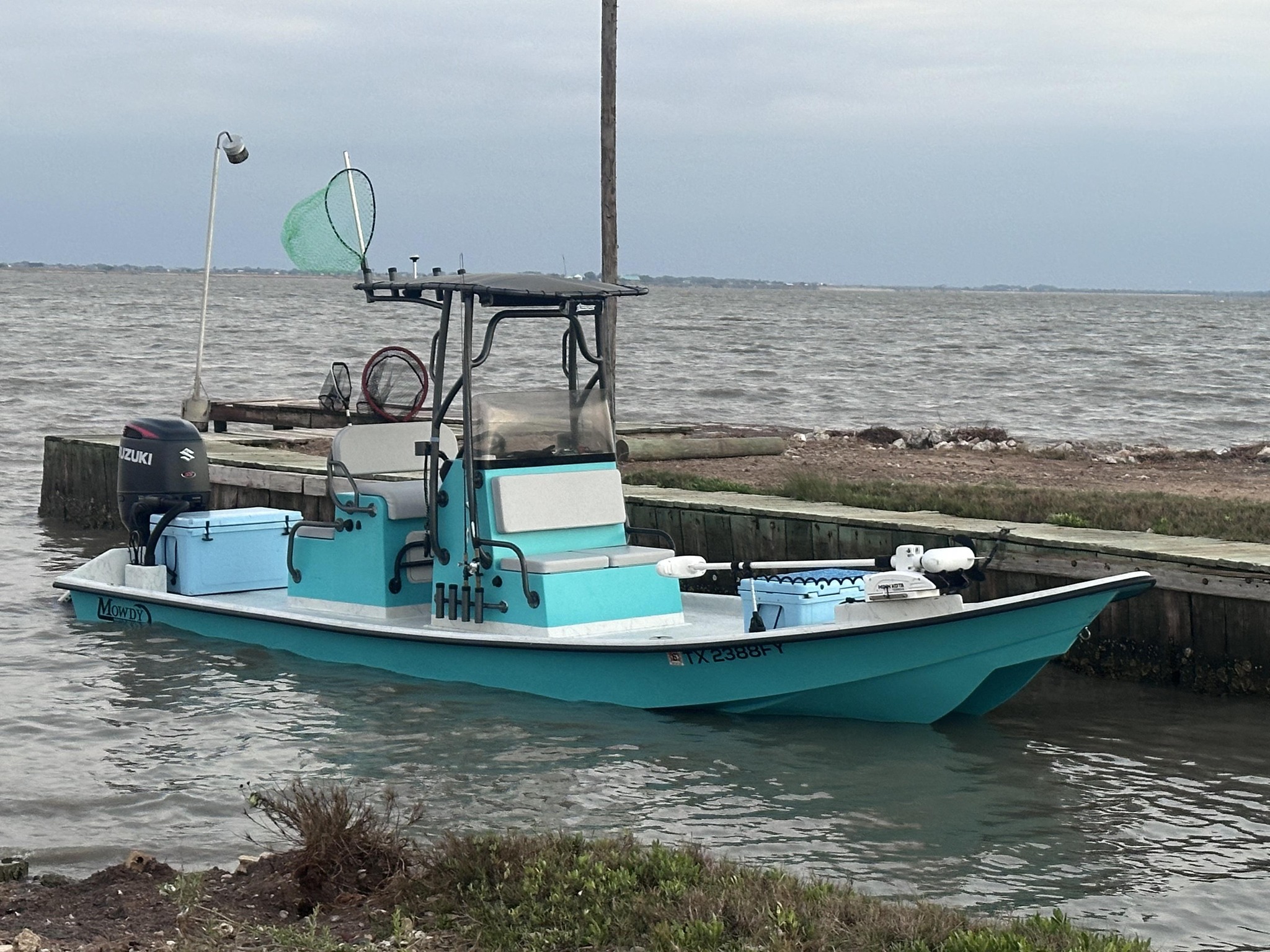
Your morning kicks off aboard Captain Clay's 25-foot Mowdy bay boat, a shallow-water machine built for navigating the intricate maze of flats, channels, and grass beds that make Carancahua Bay special. The early start pays dividends – you'll be fishing prime time hours when the water's still cool and fish are actively feeding. Captain Clay reads the conditions like a book, adjusting the game plan based on tides, wind, and recent fish movement. Some days that means working structure along deeper channels, other times it's sight-casting to cruising reds in skinny water. The beauty of a personalized trip is the ability to pivot quickly when opportunities present themselves. All your tackle comes sorted – quality rods, reels, and a tackle box full of proven local patterns. Just bring your Texas fishing license, plenty of water, good sunglasses, and sunscreen. The boat's stable platform makes it comfortable to fish all morning, whether you're a seasoned angler fine-tuning presentations or someone still getting the hang of setting the hook.
Techniques That Work Here
Carancahua Bay's diverse structure calls for a mixed bag of approaches, and Captain Clay's got them all dialed in. Drift fishing works magic when targeting suspended trout over deeper grass beds – letting baits move naturally with the current while covering water efficiently. Bottom fishing comes into play around shell reefs and channel edges where black drum and bigger trout like to hold. Light tackle presentations shine in the shallows, where a well-placed soft plastic can trigger explosive strikes from redfish working the flats. The 25-foot Mowdy handles it all with ease, from running shallow backwater spots to positioning perfectly on productive structure. Captain Clay switches techniques based on what's happening in real time – if the drift bite slows down, maybe it's time to anchor up and work structure more thoroughly. The provided tackle covers all bases, from light spinning gear for finesse presentations to slightly heavier setups when conditions call for bigger baits or dealing with structure. Learning different techniques during your trip means you're not just catching fish – you're building skills that translate to future fishing adventures.
Target Species
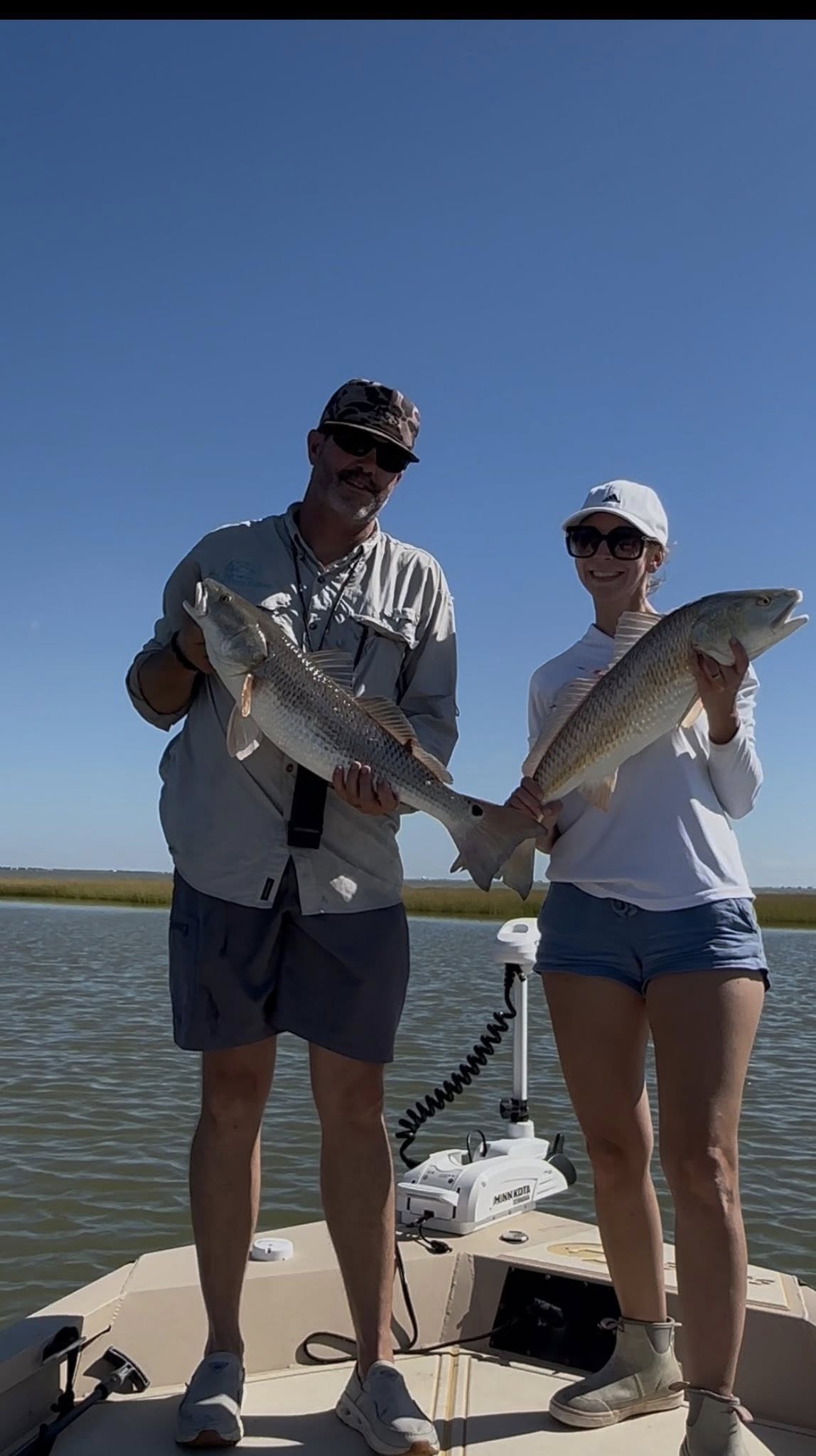
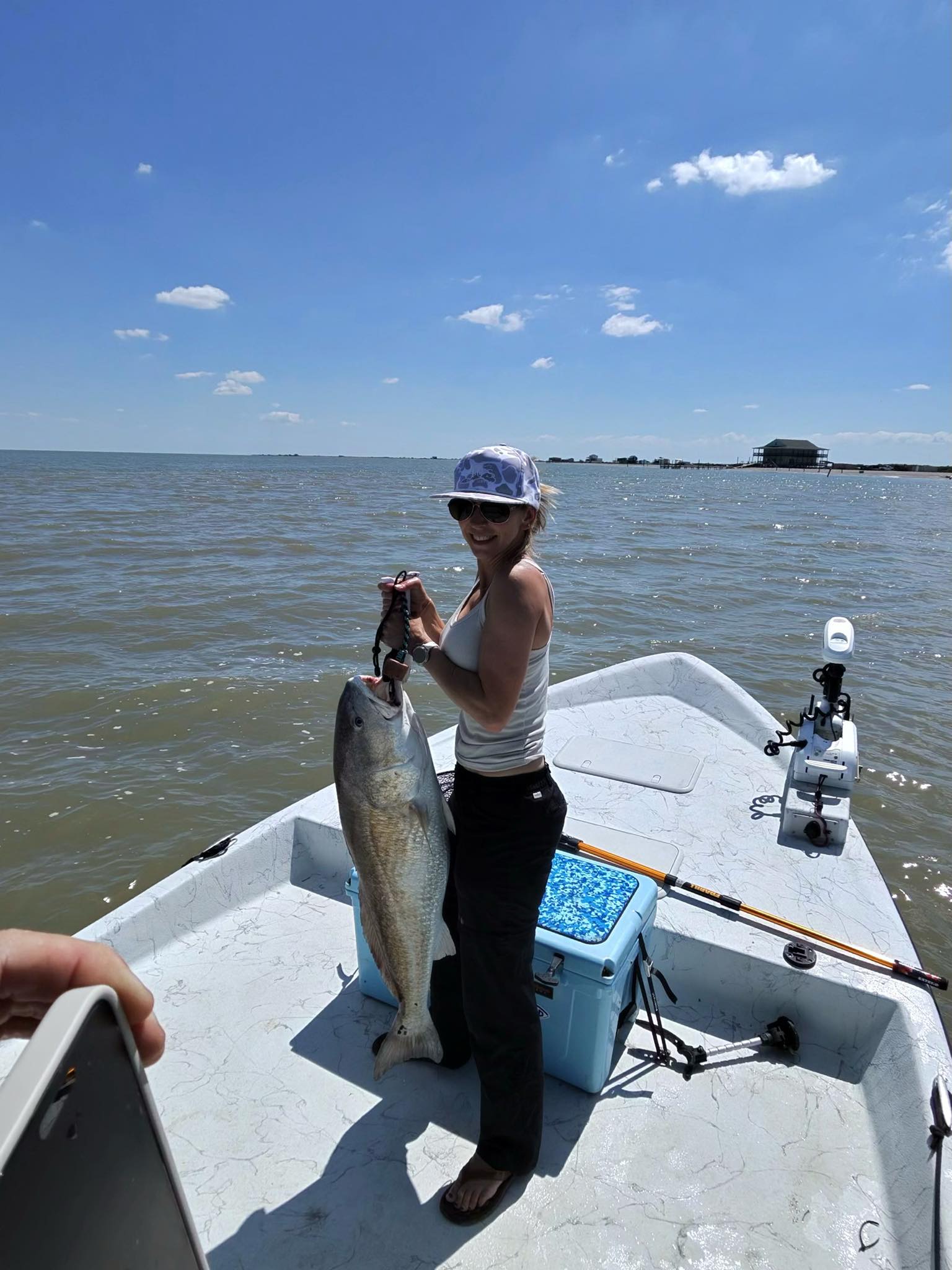
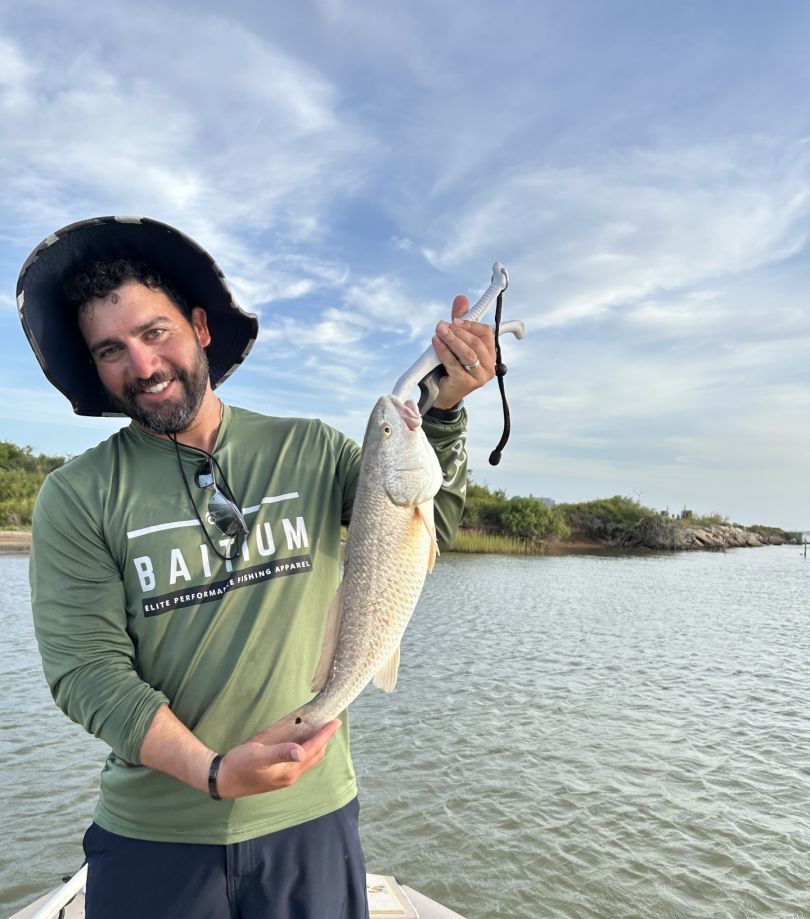
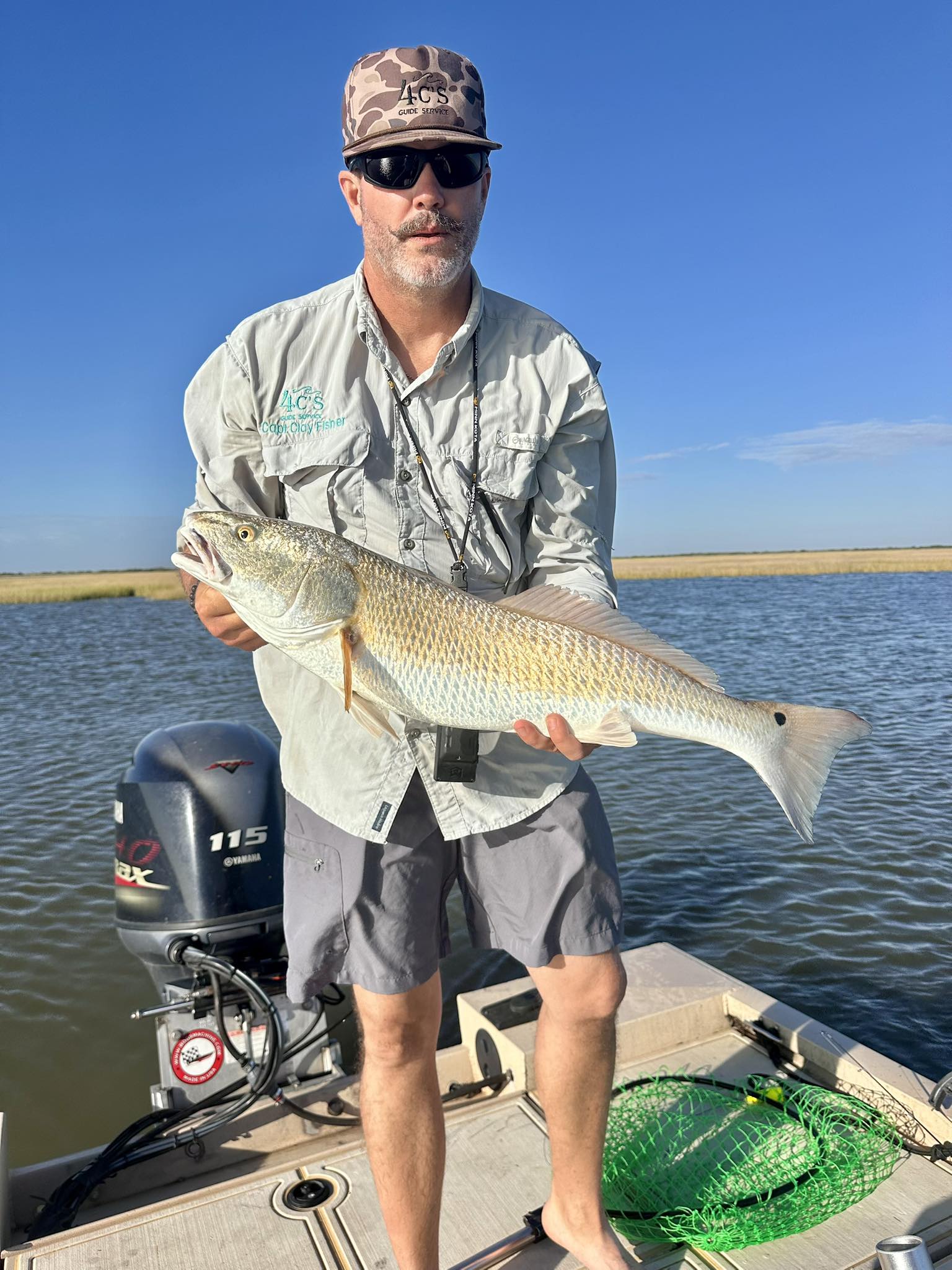
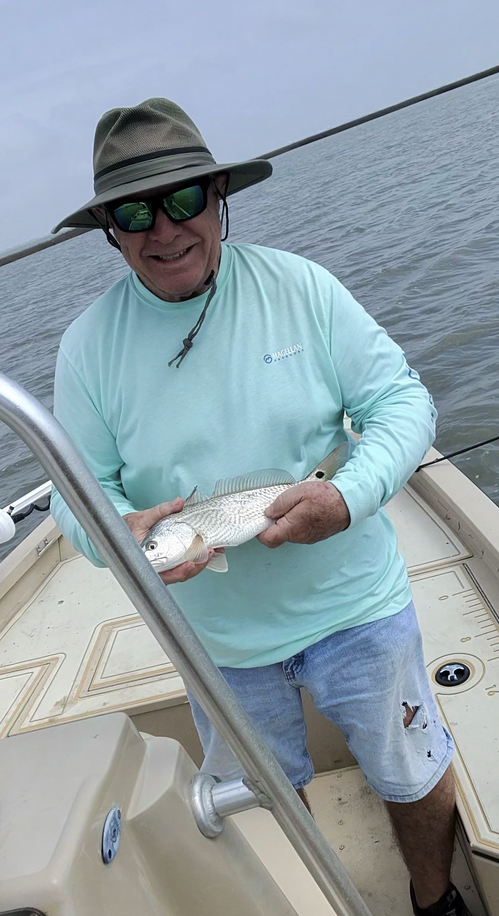
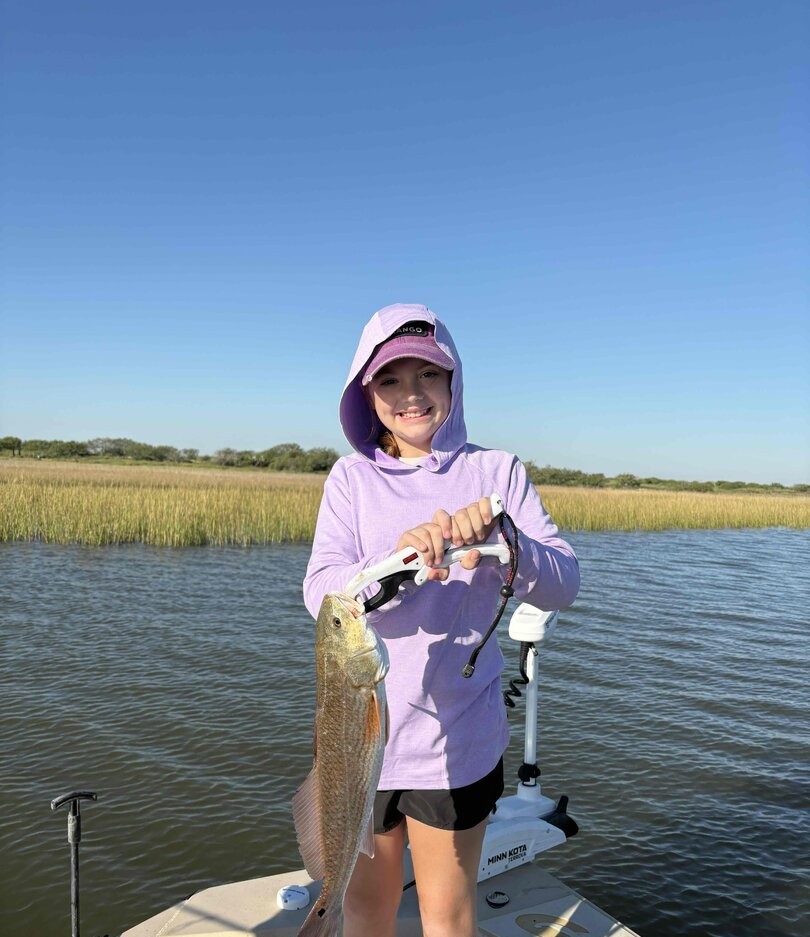
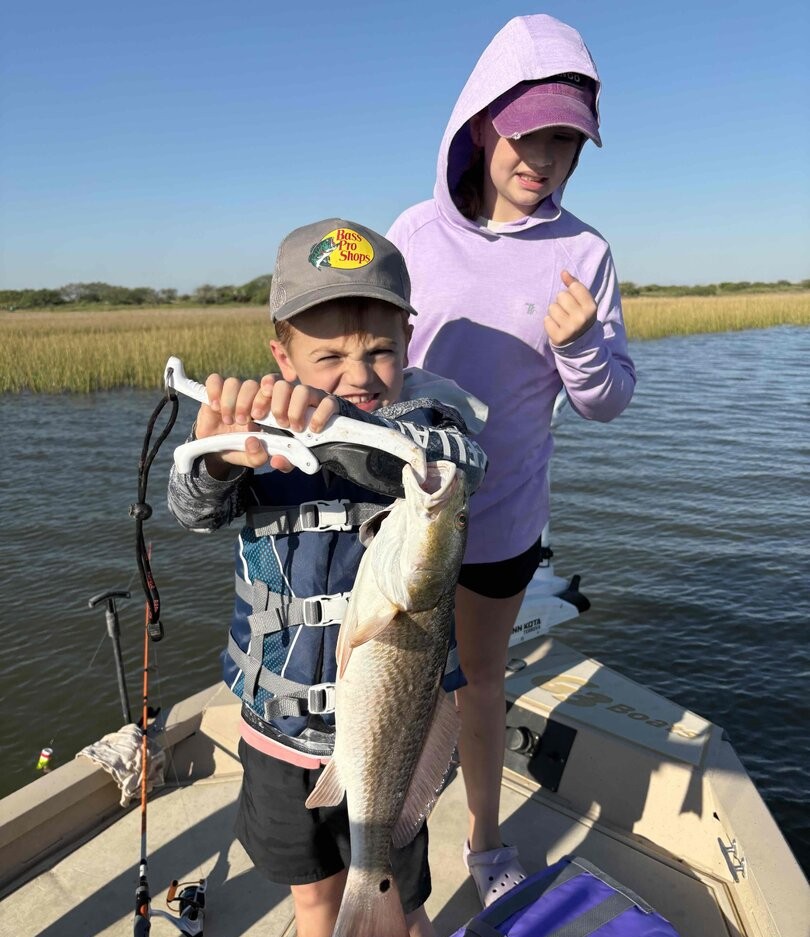
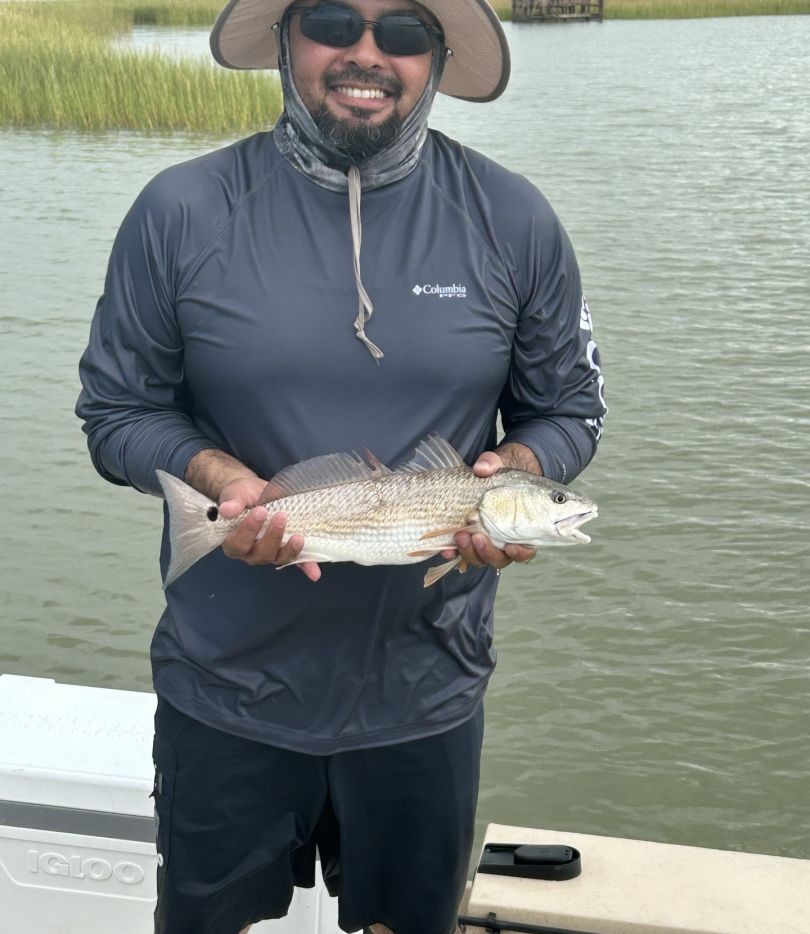
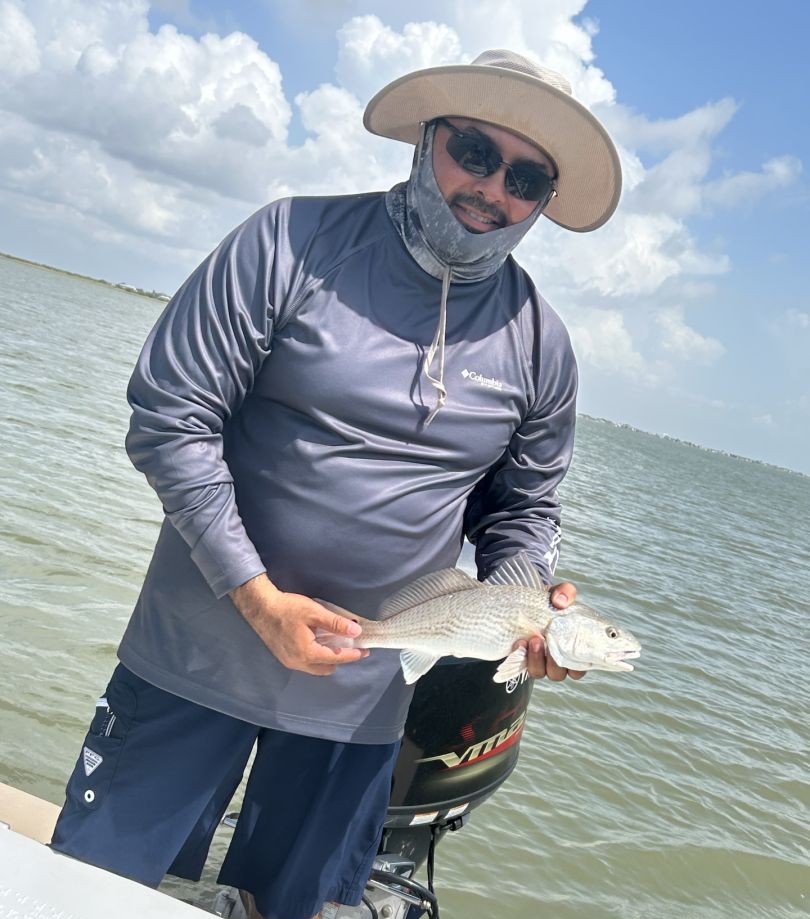
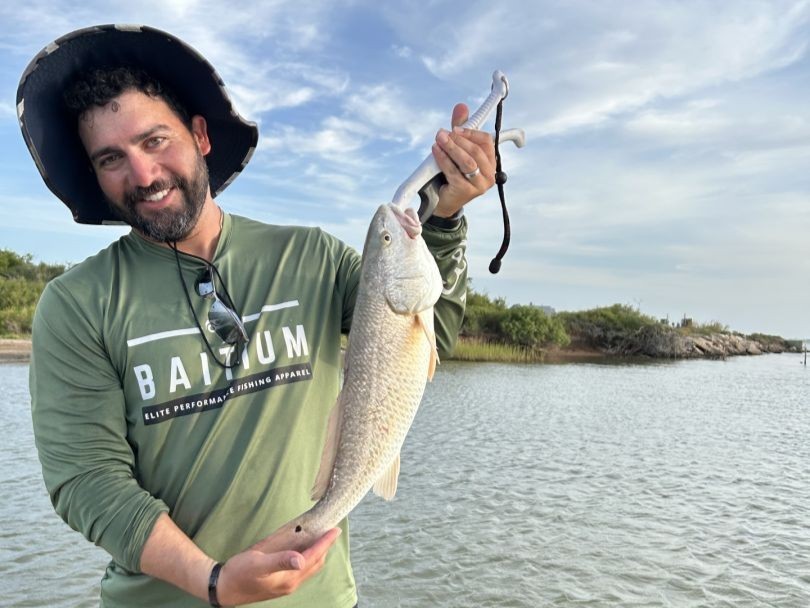
Redfish are the bread and butter of Carancahua Bay fishing, and for good reason. These copper-colored fighters average 20 to 28 inches here, with bigger bulls showing up during cooler months. Reds patrol the flats year-round but really turn on during spring and fall transitions when baitfish concentrate in the shallows. What makes them special is their aggressive nature – they'll crush everything from live shrimp to soft plastics, and the fight in shallow water gets your heart pumping every time. Watching a red's back break the surface as it tails through ankle-deep water never gets old.
Sea Trout bring a different kind of excitement to the bay system. These spotted beauties typically run 14 to 20 inches, with occasional "gator trout" pushing well over two feet. They're most active during dawn and dusk hours, making morning trips prime time for connecting with quality fish. Trout are structure-oriented, hanging around grass beds, shell bars, and drop-offs where they ambush passing baitfish. Their strikes can be subtle or violent, but once hooked, they put on an aerial show that keeps anglers coming back for more. Summer months see the biggest concentrations, though fall fishing can produce the year's largest specimens.
Black Drum offer something completely different – pure brute strength. These bottom-huggers range from slot-sized fish around 16 inches to genuine giants exceeding 40 pounds. They're year-round residents but really shine during cooler months when big schools move into the bay system. Black drum are methodical feeders, using their pharyngeal teeth to crush crabs and shellfish along the bottom. The fight is all about endurance – they don't jump like trout or make blazing runs like reds, but they'll test your drag and patience with their bulldogging power.
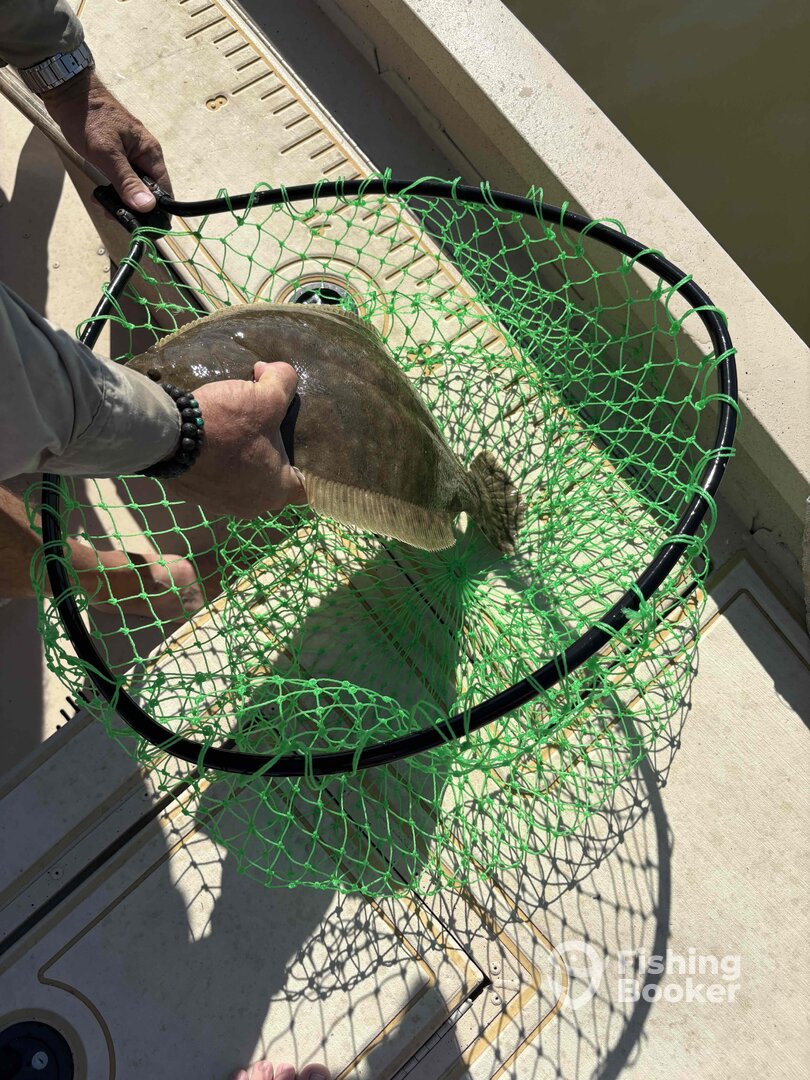
Summer Flounder add an element of surprise to any Carancahua Bay trip. These flat-sided predators are masters of camouflage, lying buried in sandy areas waiting to ambush unsuspecting prey. They're most abundant during warmer months, typically running 14 to 18 inches with occasional doormat-sized fish hitting the scales at 3 to 5 pounds. Flounder fishing requires patience and feel – they often grab baits softly and need time to fully commit before you set the hook. Their unique appearance and excellent table fare make them a favorite target for anglers looking to diversify their catch.
Time to Book Your Spot
Captain Clay's morning half-day trips represent some of the best value fishing on the Texas coast. Four hours gives you plenty of time to work multiple spots, try different techniques, and really get a feel for what makes Carancahua Bay special. The personalized attention means every minute counts – no waiting for other anglers or compromising on spots because of group preferences. Early morning timing puts you on the water during prime feeding periods, when fish are most active and cooperative. With all tackle provided and a captain who knows these waters inside and out, you're set up for success from the moment you step aboard. Remember to book at least two days ahead to secure
 Private Trip
 undefined, undefined


 Four-hour morning inshore fishing trip in Carancahua Bay.