Full-Day Fishing Adventure with Captain Nathan
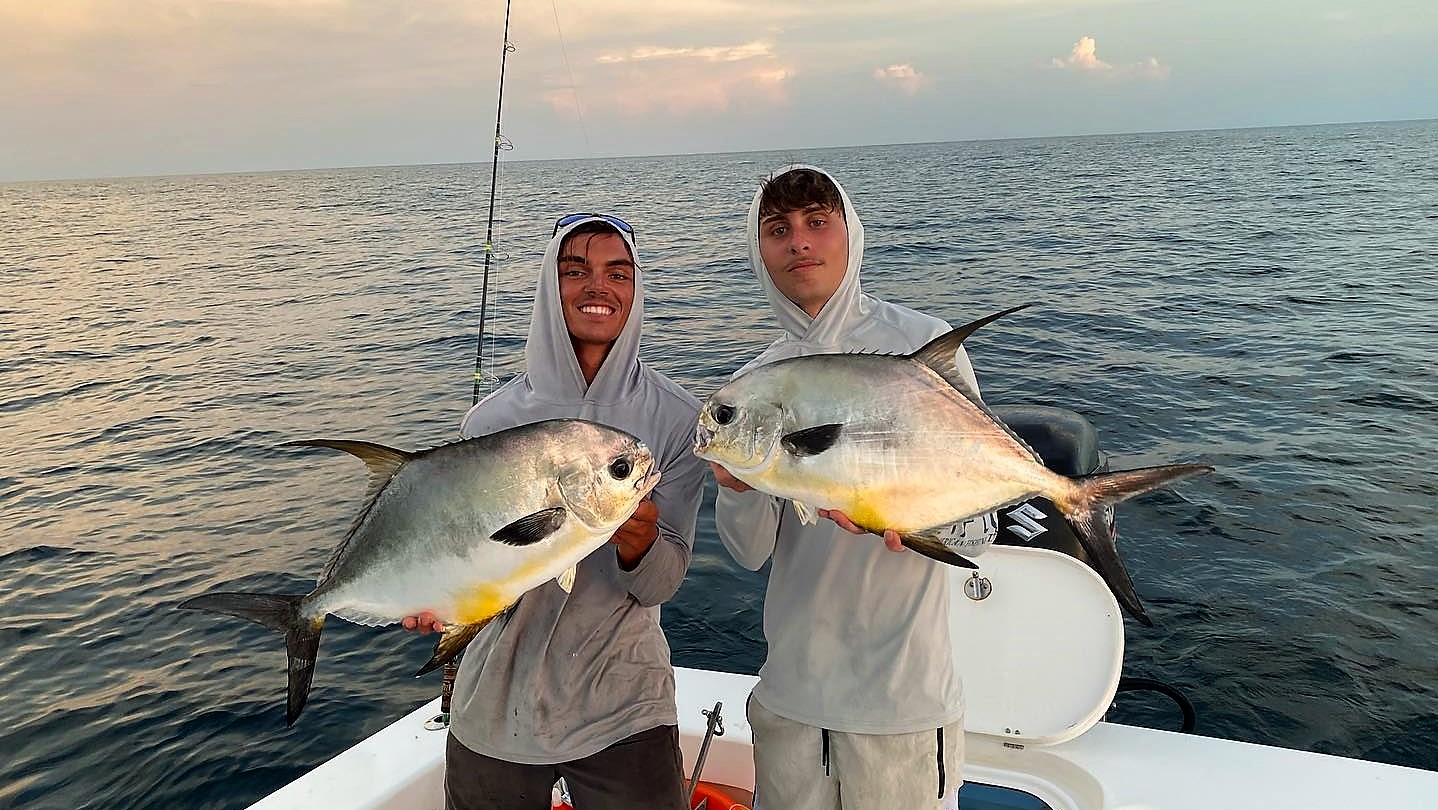
When you're looking for a world-class fishing charter that delivers both inshore action and offshore rewards, Captain Nathan's 8-hour fishing trip around Anna Maria Island hits every mark. Starting bright and early at 8:00 a.m., this customer favorite takes you through the best fishing grounds in Tampa Bay and beyond. You'll spend the morning working the grass flats and mangrove shorelines for aggressive inshore species, then shift gears for some serious offshore action where the bigger fish live. With space for up to 4 anglers, this top-rated charter gives you plenty of room to cast, fight fish, and enjoy one of Florida's premier fishing destinations without feeling crowded.
What to Expect on the Water
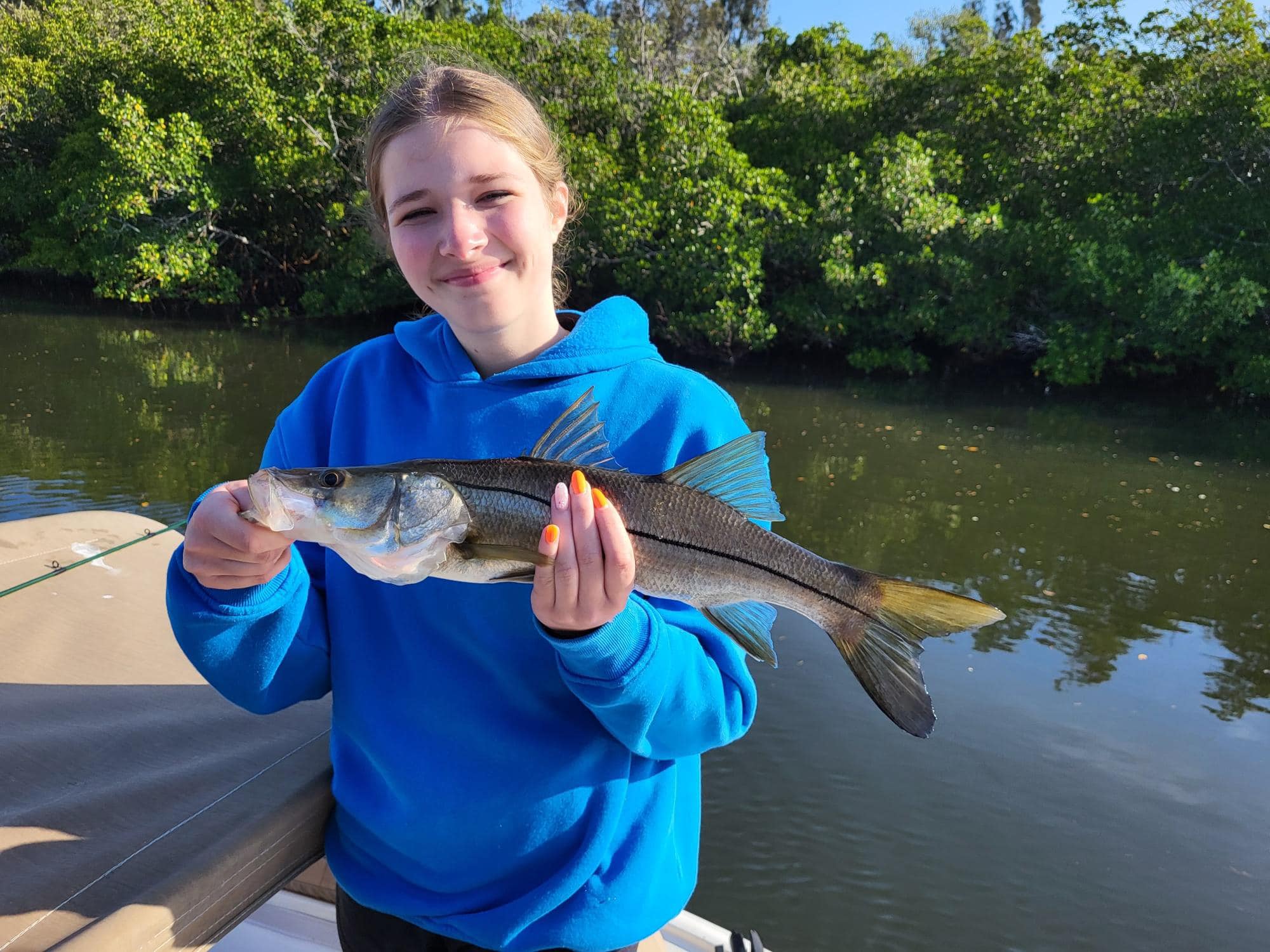
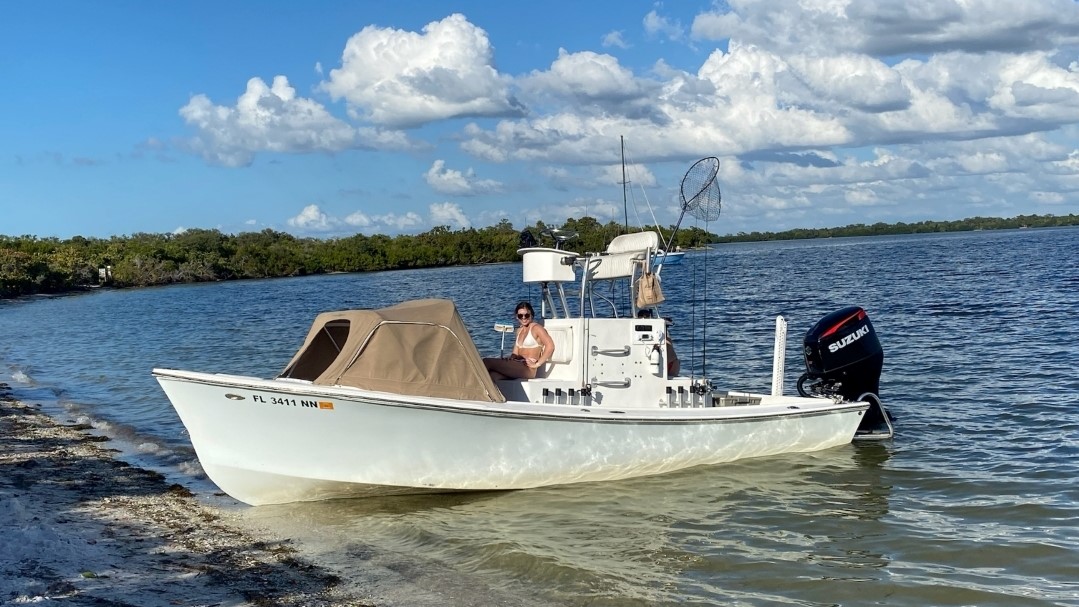
Captain Nathan knows these waters like the back of his hand, and he's got the game plan to put you on fish all day long. The morning hours are prime time for working the shallow grass flats and oyster bars where snook and redfish patrol for baitfish. You'll be sight-fishing in crystal-clear water, watching for wakes and nervous bait that signal hungry predators nearby. The captain runs a clean, well-equipped boat with all the tackle you'll need, from live bait rigs to artificial lures that trigger strikes when the fish get finicky. As the sun climbs higher and the inshore bite slows down, you'll make the run offshore where the water turns deep blue and the fish get considerably bigger. This isn't your typical half-day trip – you're getting a full day of variety that keeps the action fresh and the cooler filling up steadily.
Techniques and Tackle
The beauty of this charter lies in the variety of fishing techniques you'll use throughout the day. Morning inshore fishing means working with live shrimp under popping corks around structure, or throwing soft plastics on light jig heads when you're sight-fishing for cruising reds. Captain Nathan keeps plenty of live bait in the wells, including pilchards, threadfin herring, and jumbo shrimp that drive these inshore species crazy. When you spot a laid-up snook under a mangrove overhang, you'll be pitching that bait with pinpoint accuracy on spinning gear that lets you feel every tap and run. The offshore portion switches to heavier tackle and different tactics entirely – you'll be trolling with planers and downriggers, working live bait around structure, and bottom fishing when the conditions call for it. All rods, reels, and terminal tackle are provided, though seasoned anglers are welcome to bring their own gear if they prefer. The captain supplies everything from circle hooks to wire leaders, ensuring you're rigged right for whatever species decides to play.
Top Catches This Season
The snook fishing around Anna Maria Island is legendary, and these ambush predators are exactly why so many anglers become obsessed with inshore fishing. Snook are incredibly structure-oriented, setting up under docks, around mangrove points, and along seawalls where they can dart out to smash unsuspecting baitfish. They're notorious for their gill-rattling jumps and bulldogging runs that test your drag system. The best bite typically happens during moving water, either on the incoming or outgoing tide when baitfish get pushed around and snook position themselves to feed. What makes them so addictive is their attitude – they hit hard, fight harder, and require precise presentation to fool consistently. King mackerel bring a completely different energy to the fight, and these offshore speedsters are pure adrenaline once they grab your bait. Kings are built for speed with razor-sharp teeth and a tendency to make screaming runs that can strip 100 yards of line in seconds. They show up around Anna Maria Island's offshore waters when baitfish schools are thick, usually from spring through fall. Landing a smoker king requires quick reflexes and steady pressure – let them run when they want to, but stay tight when they turn.
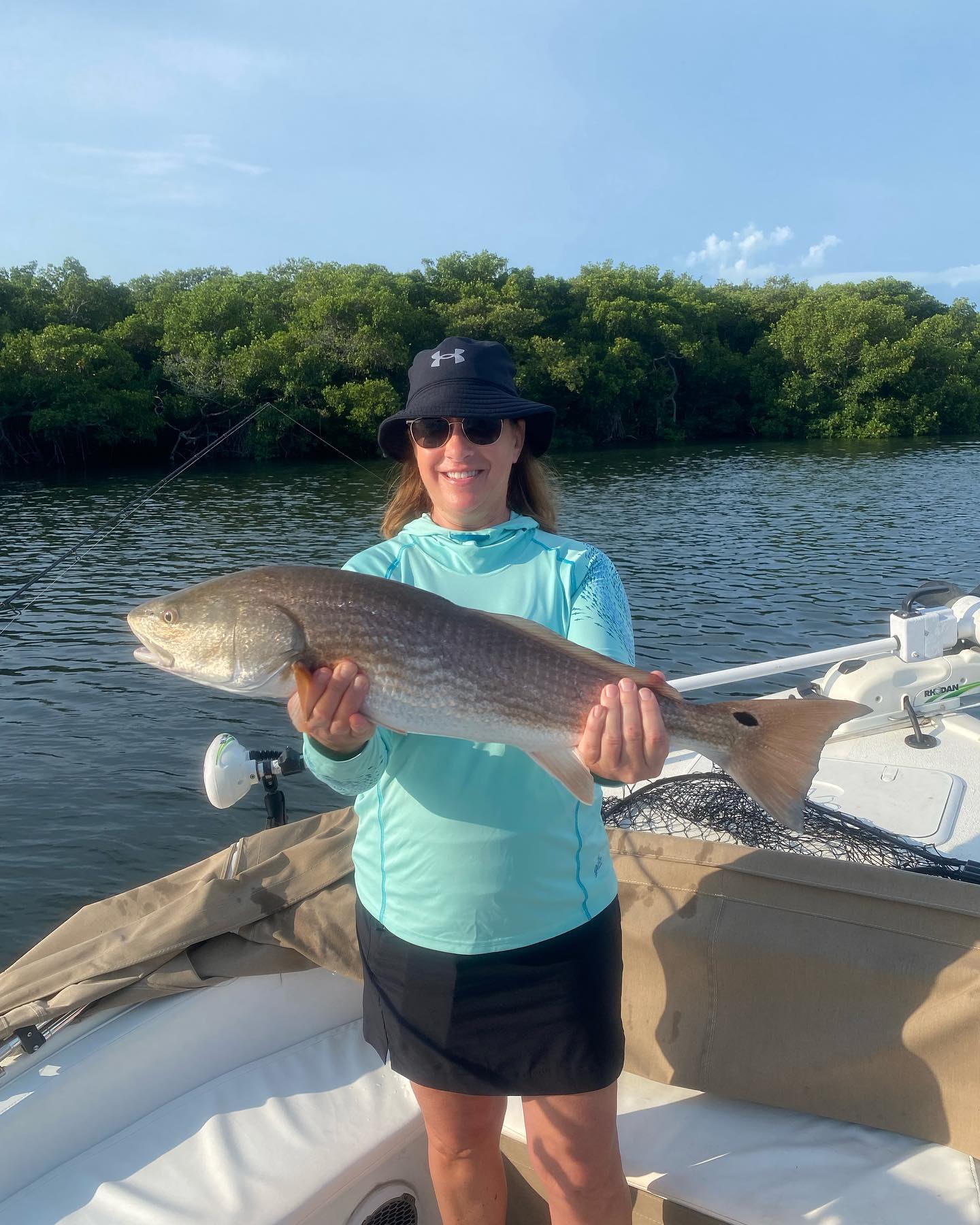
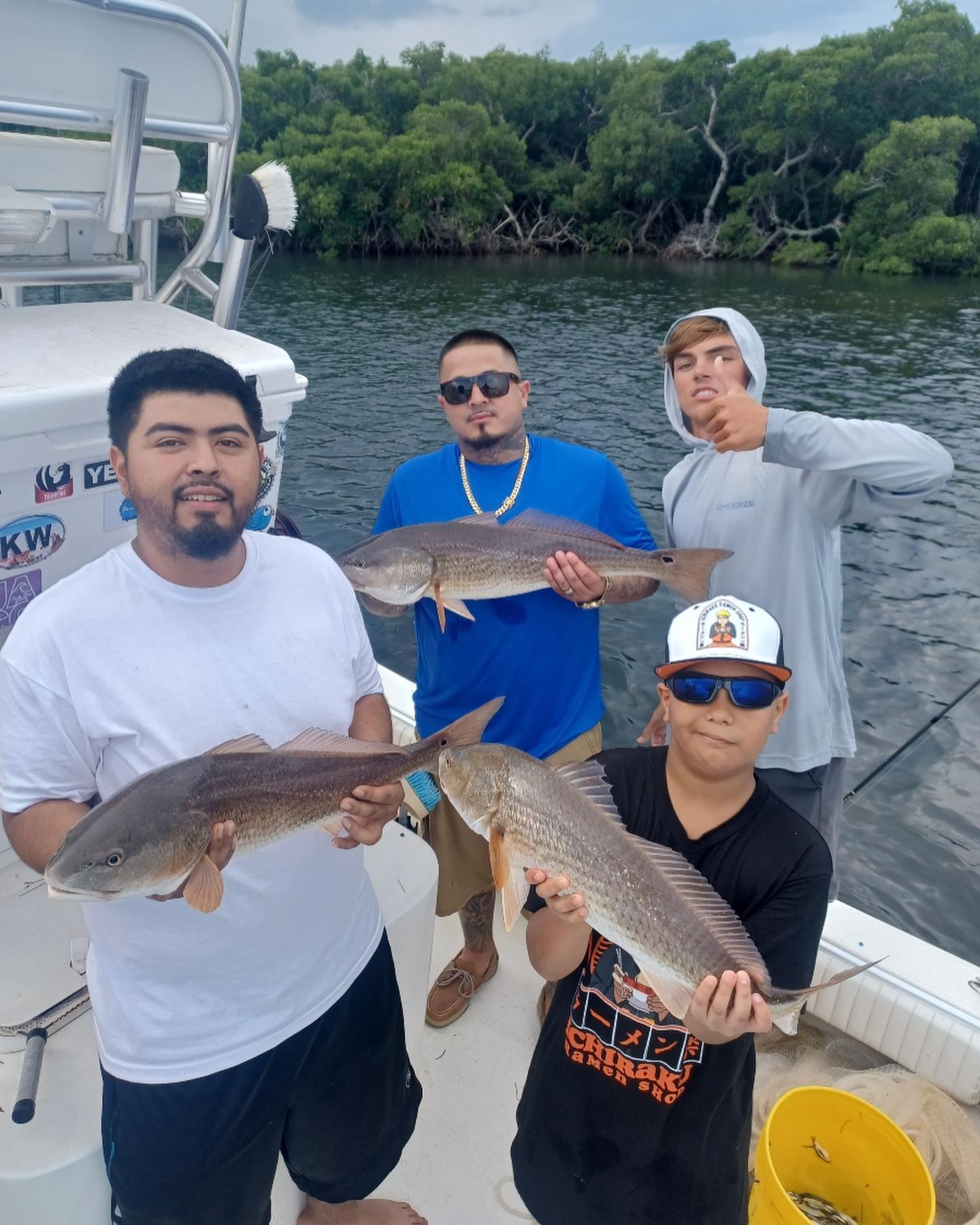
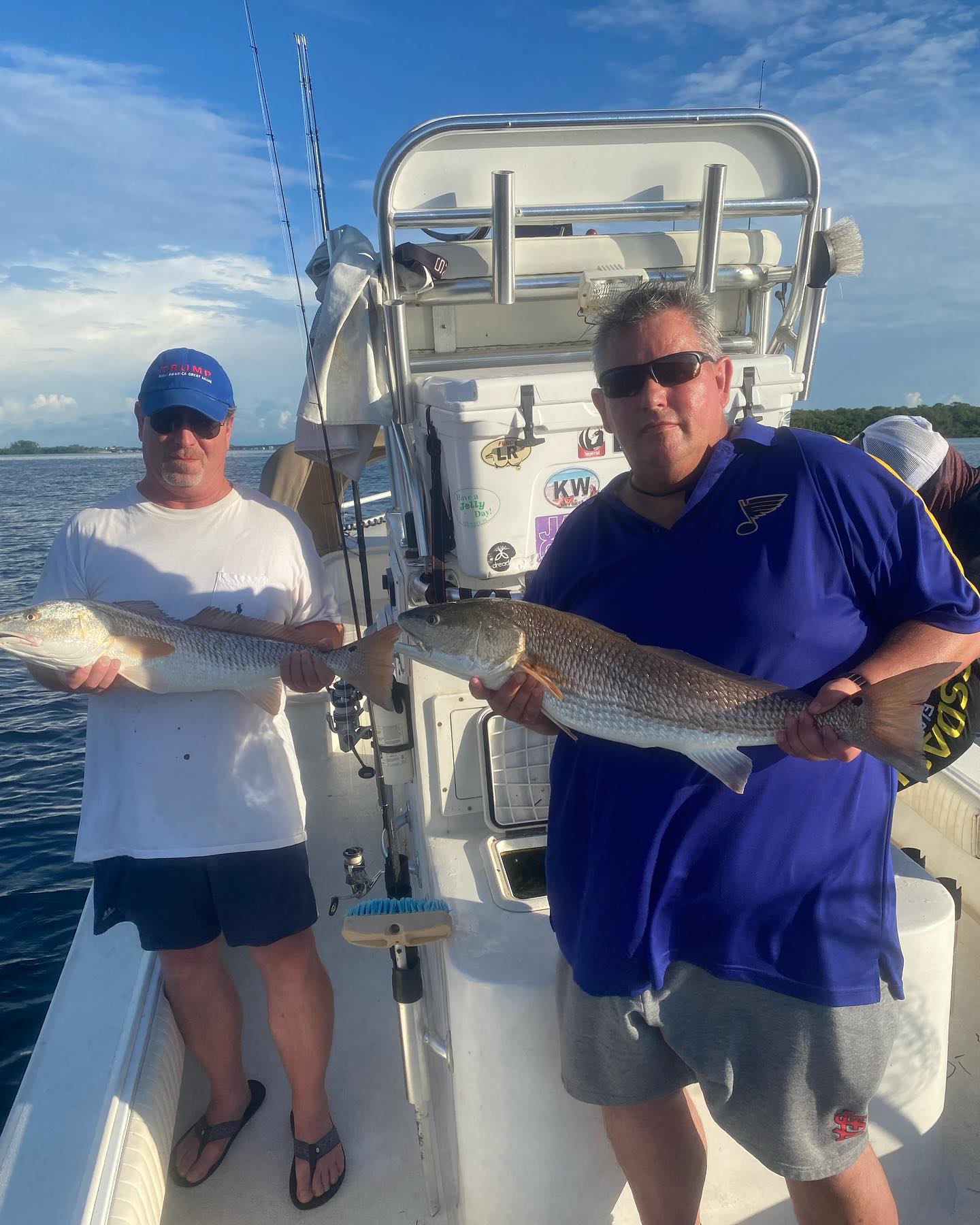
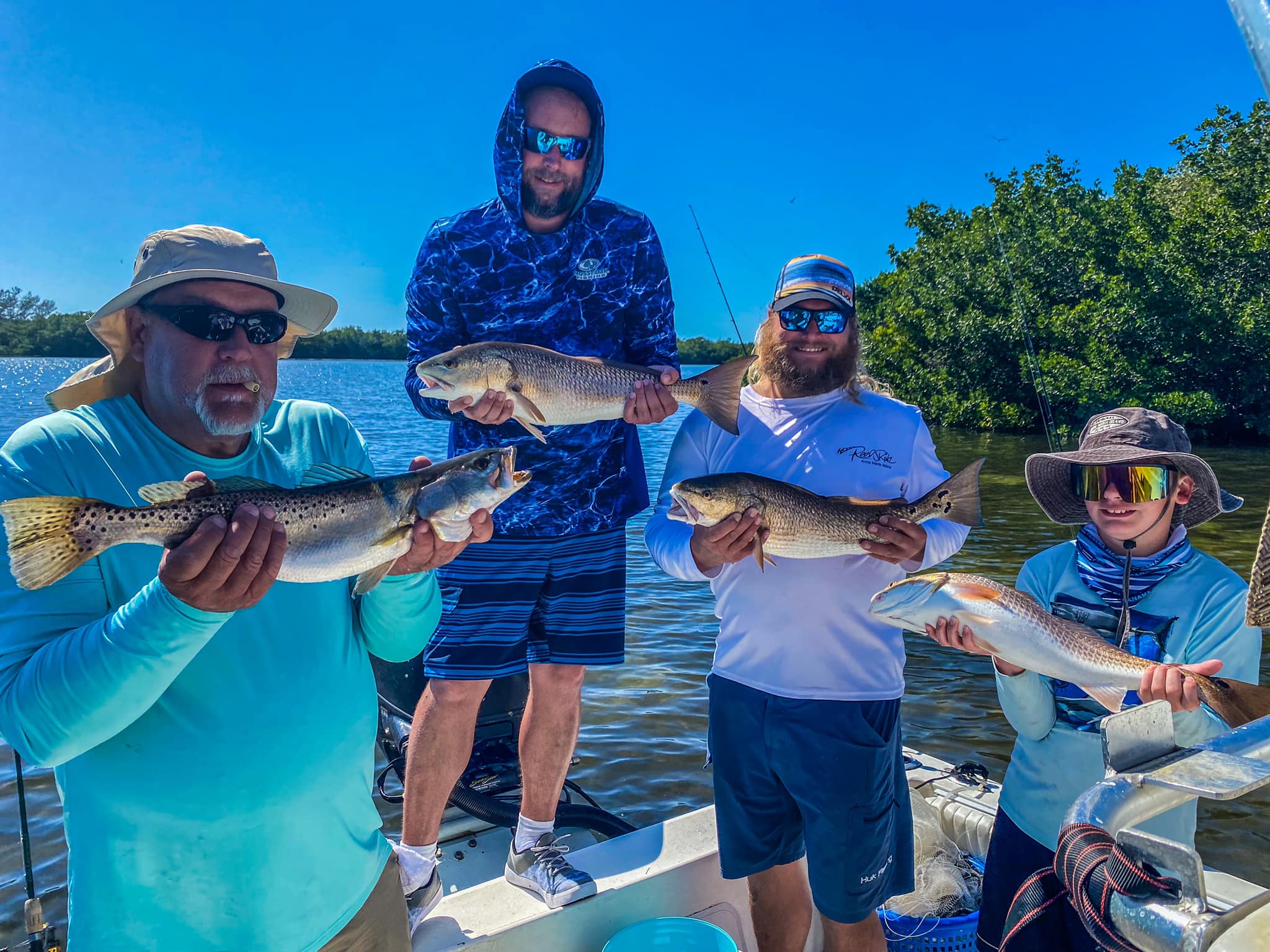
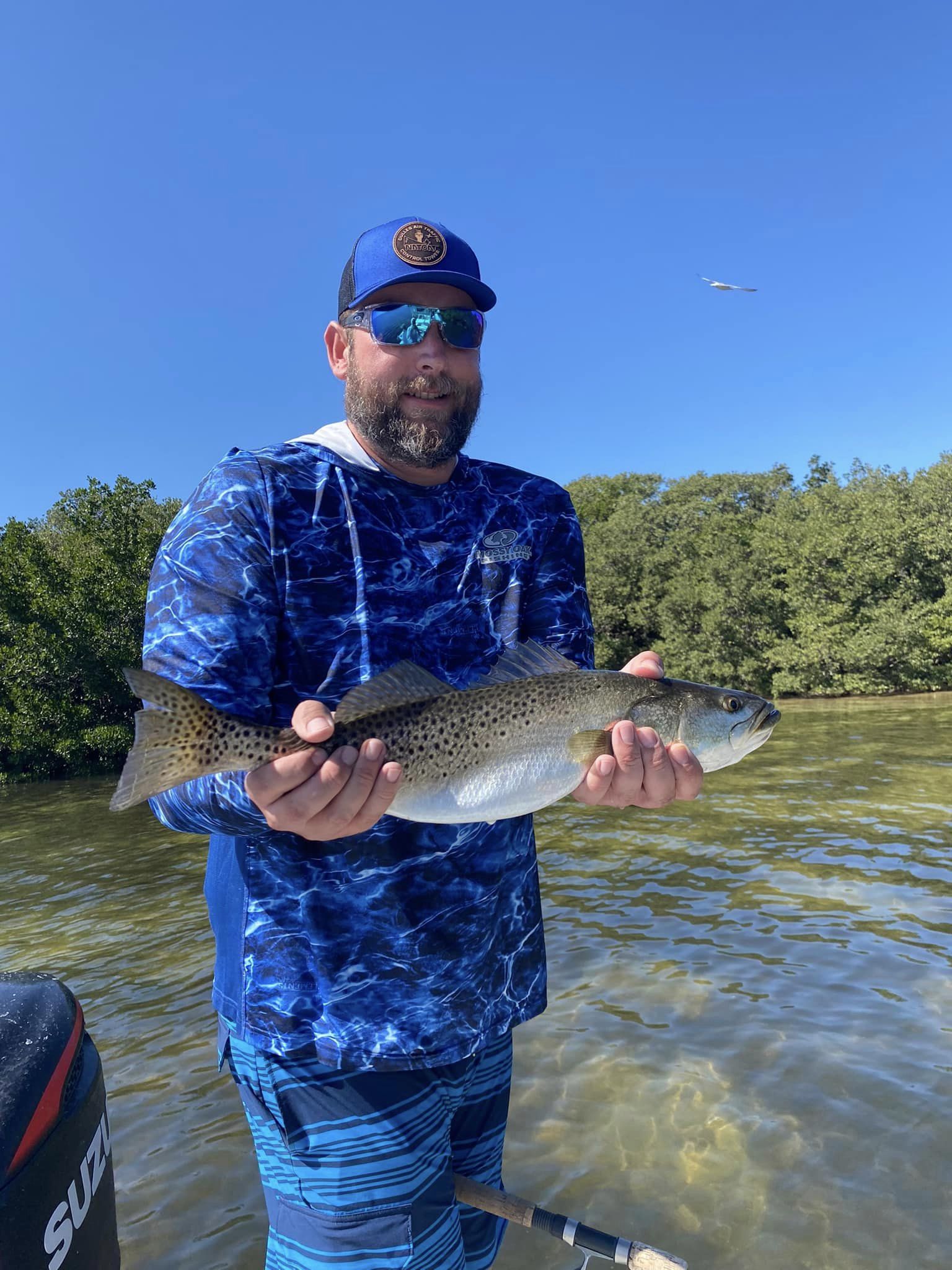
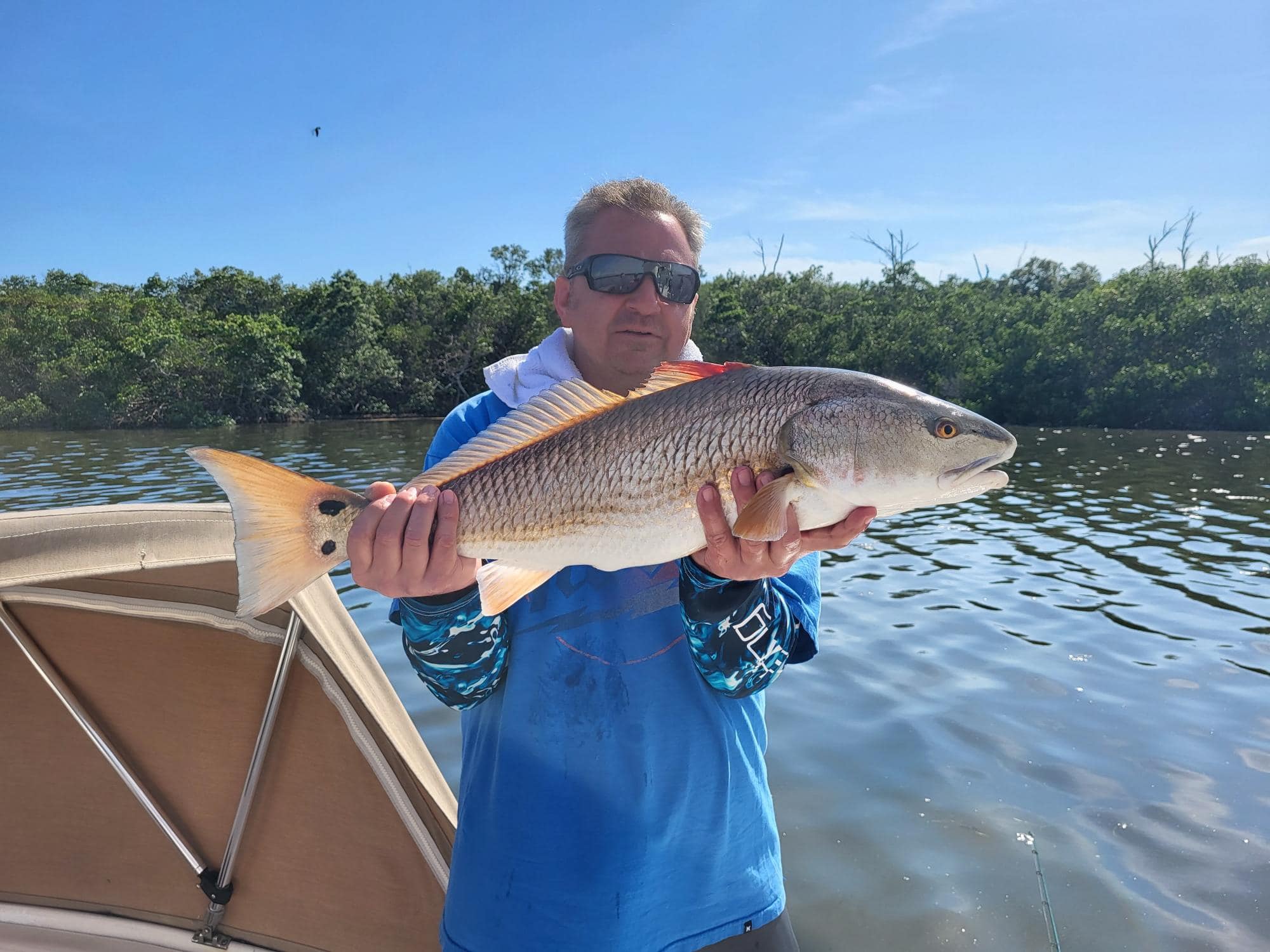
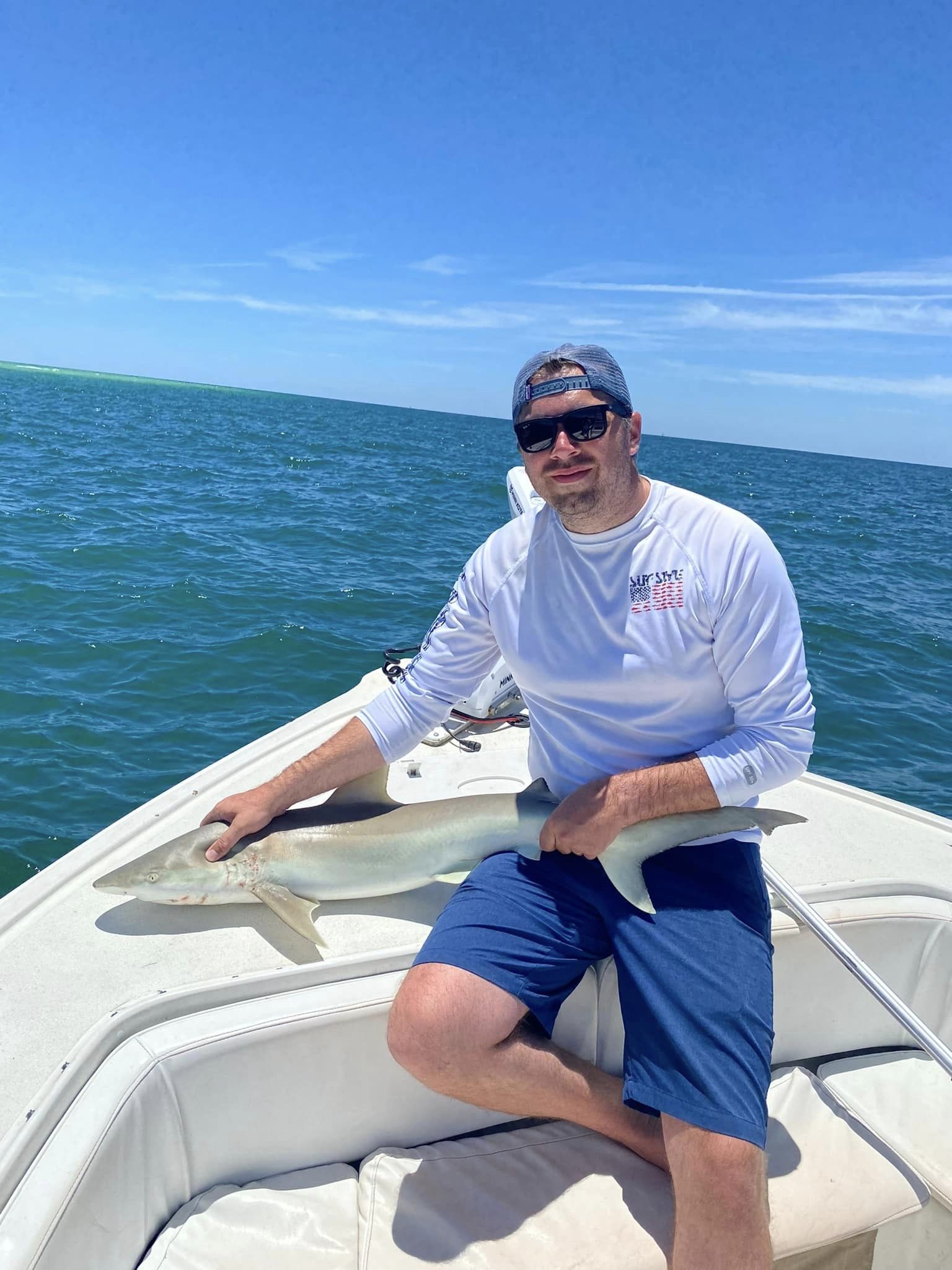
Sea trout might not have the raw power of snook or kings, but they make up for it with incredible table fare and cooperative attitudes that make them perfect for building confidence on the water. These spotted beauties love grass flats and are suckers for a well-presented soft plastic or live shrimp. Trout are year-round residents around Anna Maria Island, though they move between shallow and deeper water depending on the season. Winter months push them into deeper holes and channels, while warmer weather brings them up onto the flats where they're easier to target. Redfish are the ultimate inshore game fish, combining impressive size with incredible power and a willingness to eat just about anything you throw at them. These copper-colored bruisers cruise the flats in schools, creating some of the most visual fishing you'll experience in Florida waters. Reds are famous for their staying power – they don't jump like snook, but they'll drag you around oyster bars and through mangrove roots if you give them the chance. Cobia round out the target species list with their curious nature and impressive size. These brown sharks (as they're often called) frequently approach the boat and will follow a well-worked jig or live bait right to the transom. Cobia are seasonal visitors to Anna Maria Island waters, typically showing up in spring and fall when they're migrating along the coast.
Time to Book Your Spot
Captain Nathan's full-day charter represents everything great about Anna Maria Island fishing rolled into one action-packed trip. You're getting expert local knowledge, top-notch equipment, and access to both inshore and offshore fishing grounds that produce consistent results year-round. The 8-hour format gives you time to really settle into the fishing rhythm and experience different techniques without feeling rushed. Whether you're a seasoned angler looking to explore new waters or a family wanting to create lasting memories on the water, this trending charter delivers the goods. AMI Excursions has built their reputation on putting customers on fish, and Captain Nathan's trip is a perfect example of why anglers keep coming back to Anna Maria Island season after season. Don't wait to secure your spot – the best
 Private Trip
 Inshore Fishing
 Anna Maria Island


 8-hour inshore fishing adventure with Captain Nathan starting at 8am