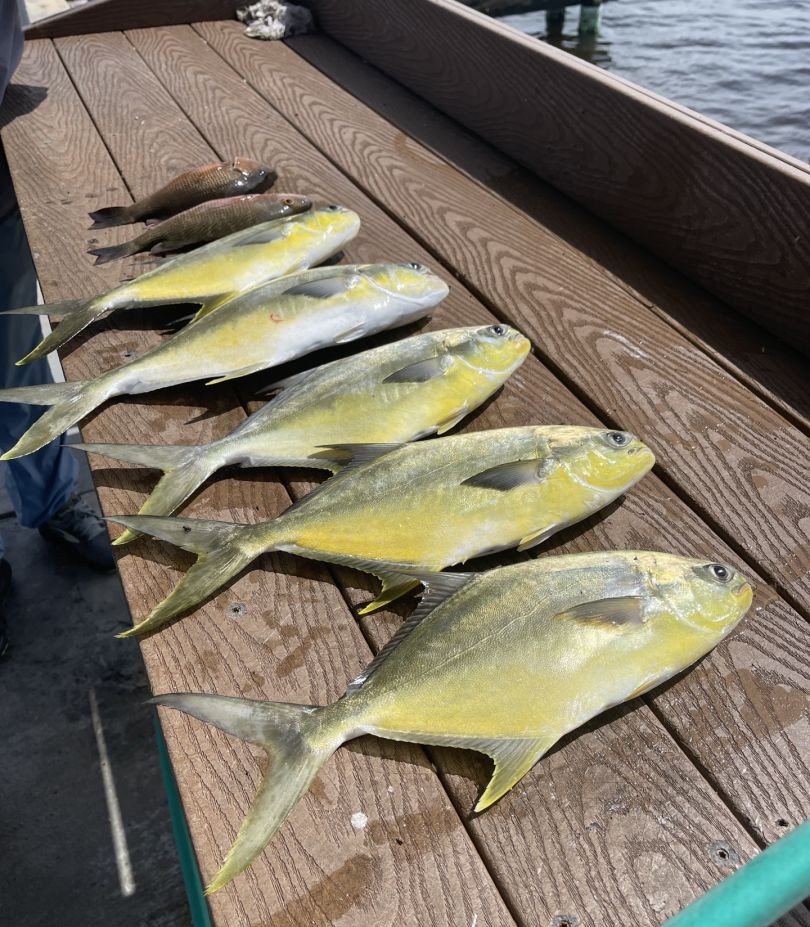
Everglades Veterans & First Responders Charter
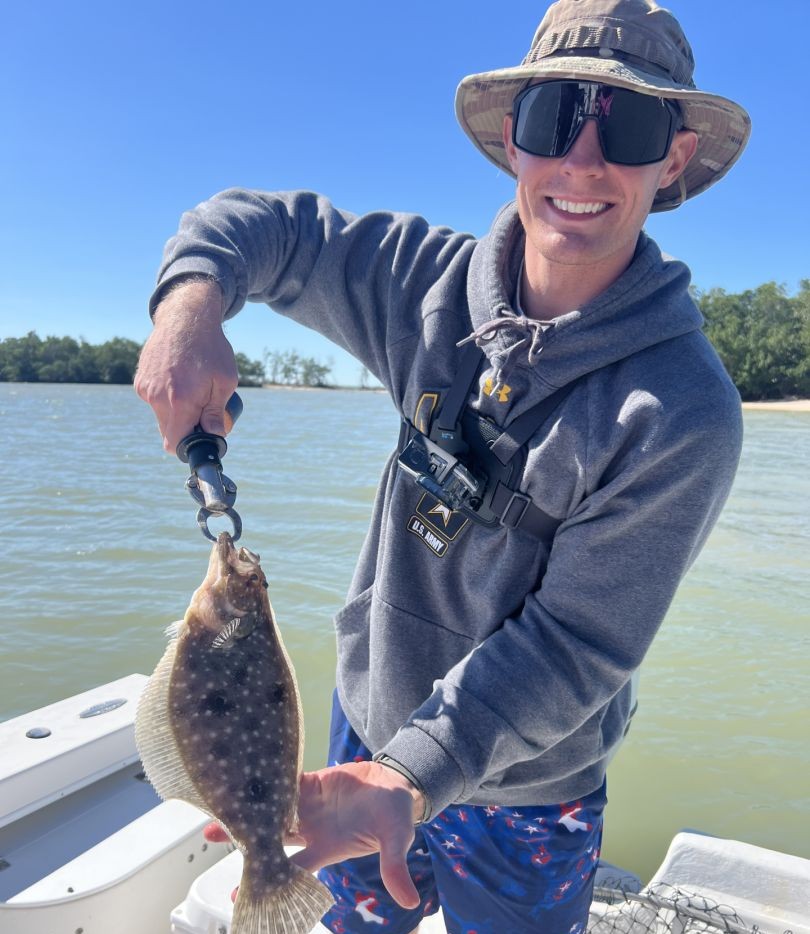
Look, as a veteran myself, I know what it means to serve. That's why ARF Charters offers something special - a dedicated 4-hour Everglades fishing charter exclusively for veterans and first responders. This isn't just another fishing trip; it's our way of saying thanks to the folks who've put it all on the line. You pick your departure time anywhere between 7:00 AM and 1:00 PM, and we'll head out into some of the most productive inshore waters in South Florida. Whether you're looking to unwind after a tough deployment or just want to swap stories with people who get it, this charter gives you that space. The Everglades backcountry has a way of putting things in perspective - just you, the water, and some seriously good fishing.
What to Expect on the Water
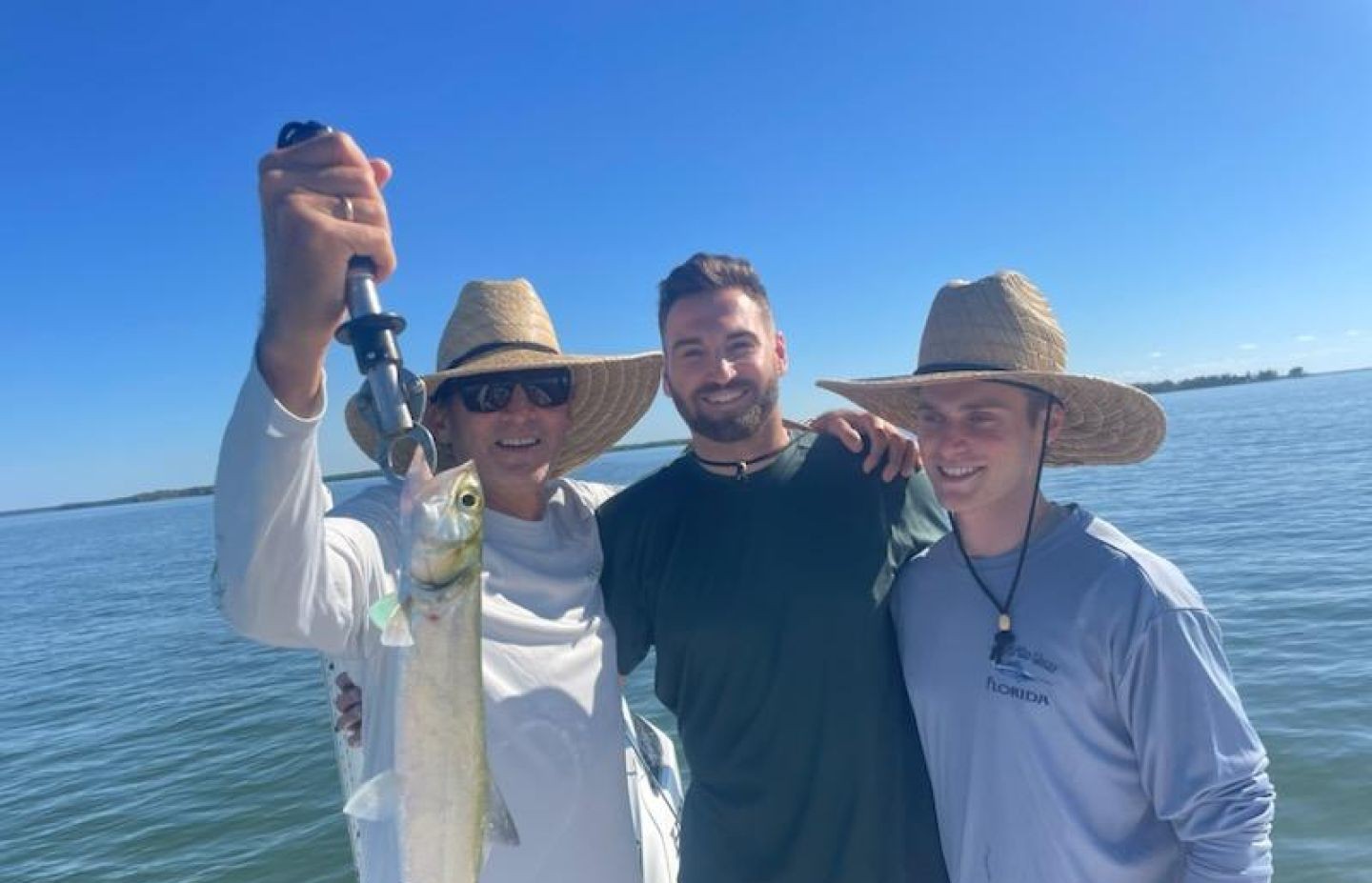
This 4-hour charter takes up to 3 anglers into the heart of Everglades National Park, where the fishing is as good as it gets. We're talking about shallow water fishing in one of the most biodiverse ecosystems on the planet. The mangrove shorelines and grass flats here hold incredible numbers of fish year-round. You'll be casting into crystal-clear water that's typically 2-6 feet deep, perfect for sight fishing when conditions are right. The pace is relaxed but productive - we're not rushing around trying to hit a dozen spots. Instead, we focus on quality areas where the fish are feeding and you can actually enjoy the experience. The boat is equipped with everything you need, from rods and reels to tackle and bait. All you need to bring is sunscreen, a hat, and maybe some snacks if you get hungry. The waters here are protected from big swells, so even if you're prone to seasickness on bigger boats, you'll be comfortable on this trip.
Techniques & Tackle Setup
We fish light tackle in the Everglades - typically spinning gear with 15-20 pound braid and fluorocarbon leaders. The water is shallow and clear, so stealth matters more than heavy gear. Most of our fishing involves casting live bait like pilchards, pinfish, or shrimp near structure - mangrove overhangs, oyster bars, and grass edges where predators ambush their meals. When the water's clear enough, we'll do some sight fishing, which means spotting fish before you cast to them. It's addictive once you get the hang of it. We also use artificial lures like soft plastics, topwater plugs, and spoons depending on what the fish are doing. The beauty of Everglades fishing is the variety - you might be bouncing a jig along the bottom for black drum one minute, then throwing a topwater plug for snook the next. I'll teach you how to read the water, spot fish, and present your bait naturally. Even if you've never picked up a rod before, you'll leave knowing how to fish these flats.
Customer Stories
"This is the best captain in the area. He's wonderful with kids, patient, and truly knows his business." - Ralph
Species You'll Want to Hook
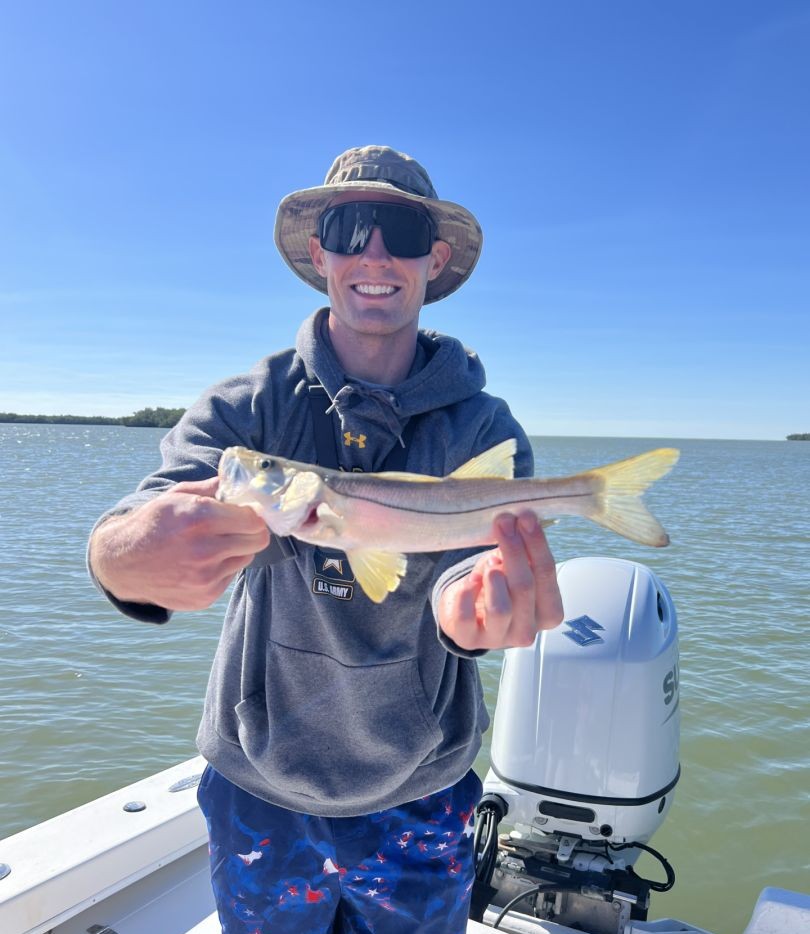
Snook are the crown jewel of Everglades fishing, and for good reason. These ambush predators love hanging around mangrove shorelines and dock pilings, waiting for baitfish to swim by. They're incredibly strong fighters that will pull drag and jump when hooked. Snook are most active during warmer months from April through October, though you can catch them year-round in South Florida. What makes them special is their attitude - they hit hard and fight harder. A 20-inch snook will give you a battle you won't forget. They're also excellent table fare if you're within the slot limit and season, with firm white meat that's perfect for the grill.
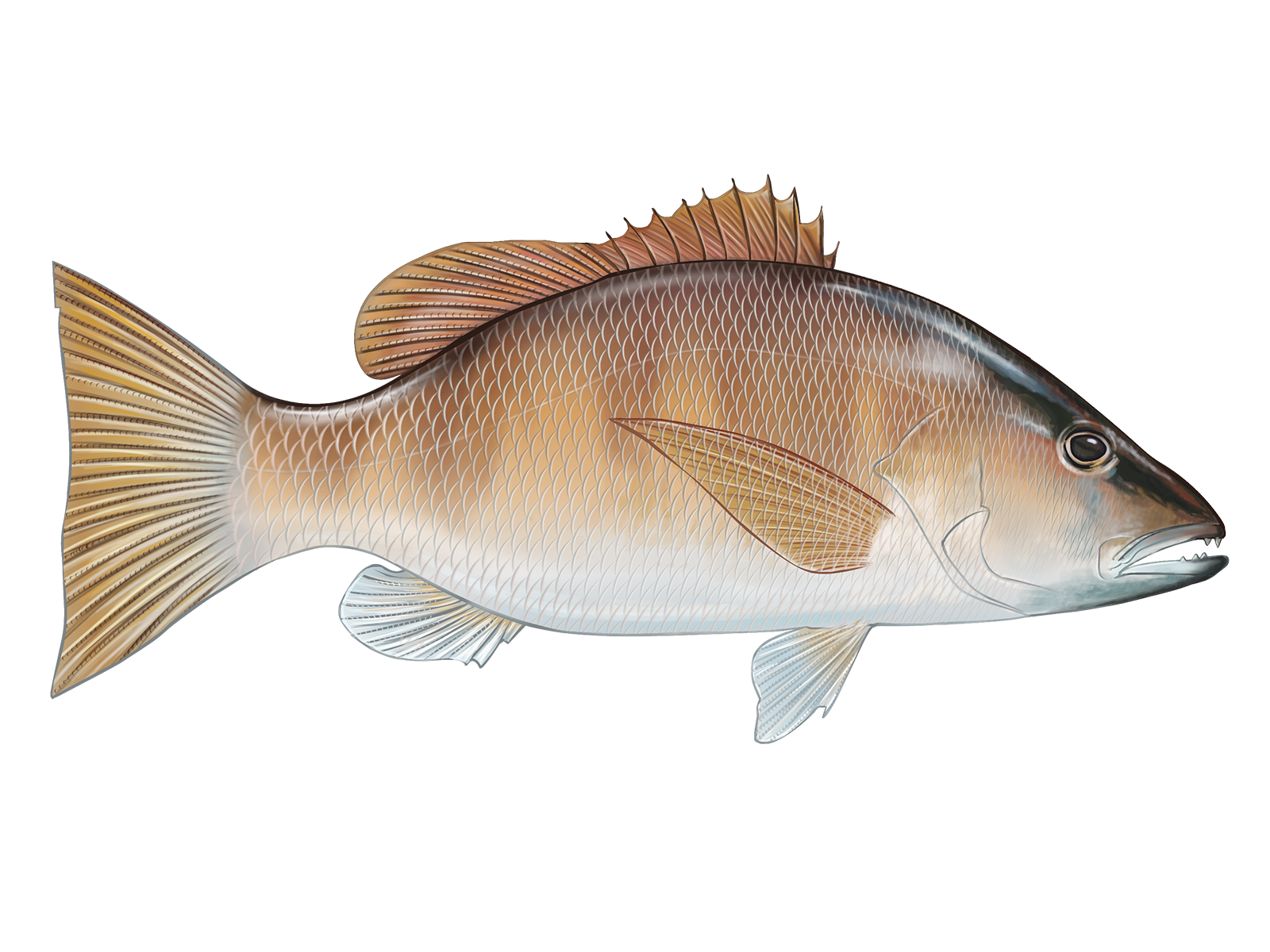
Grey snapper, or mangrove snapper as we call them locally, are some of the smartest fish in the Everglades. They school up around structure and can be incredibly picky about what they eat. These guys require finesse - light leaders, small hooks, and natural presentations. They're active year-round but really turn on during summer months when they move into shallower water to feed. What anglers love about grey snapper is the challenge they present. You might see dozens of them but getting one to bite takes skill. When you do hook up, they make strong runs toward cover, testing your drag and patience. They're also fantastic eating, which makes the challenge worthwhile.
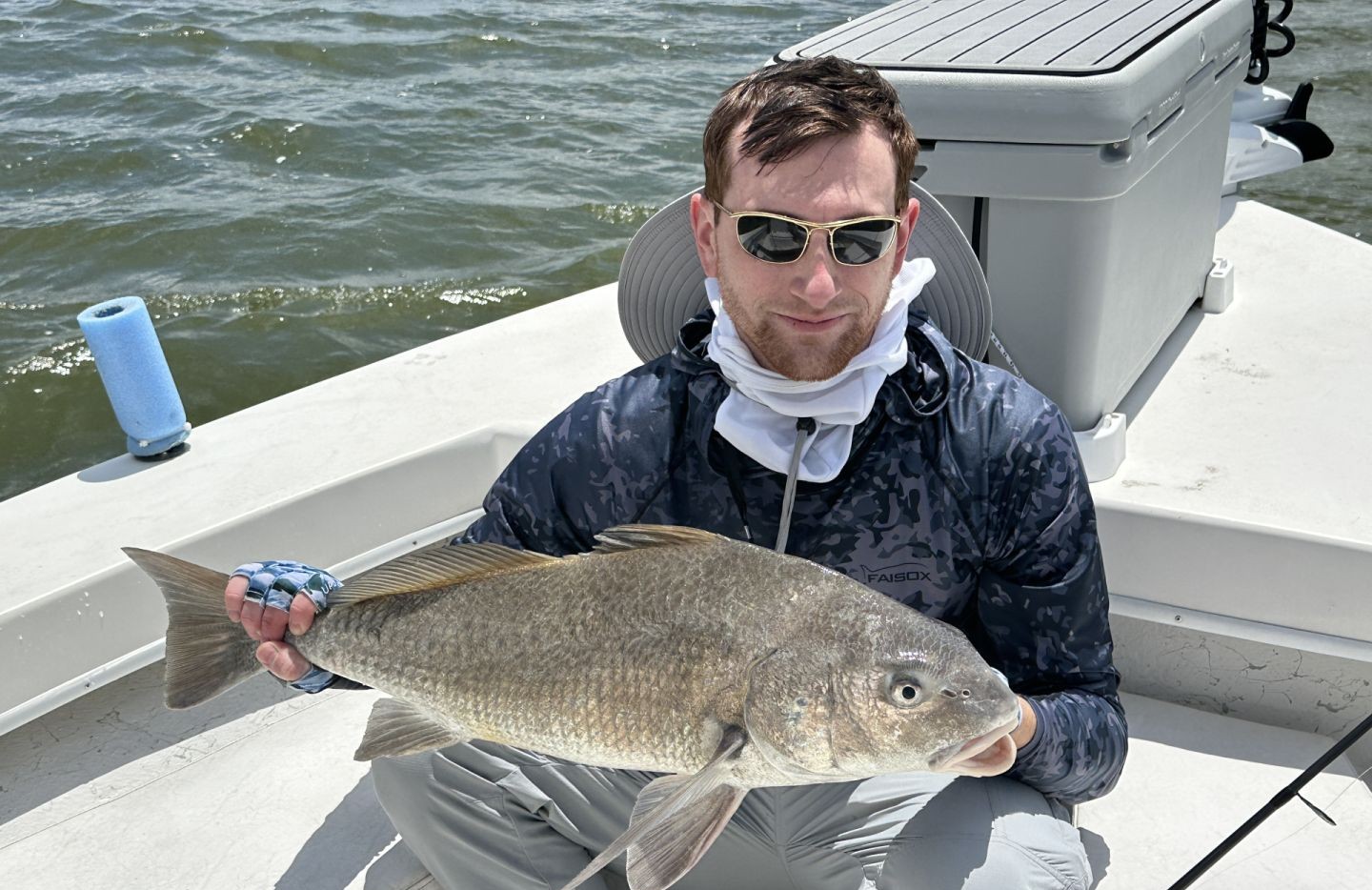
Black drum are the bulldozers of the flats. These bottom feeders cruise grass beds and oyster bars looking for crabs and shrimp, and when they find your bait, they put up a serious fight. They're most active during cooler months from November through March, though you'll find them year-round in deeper holes. What makes black drum special is their power - they don't jump or make flashy runs, but they pull steady and strong like a freight train. Larger drum can weigh 20-40 pounds, giving you an arm workout you won't soon forget. They're also surprisingly good eating when they're in the smaller slot sizes.
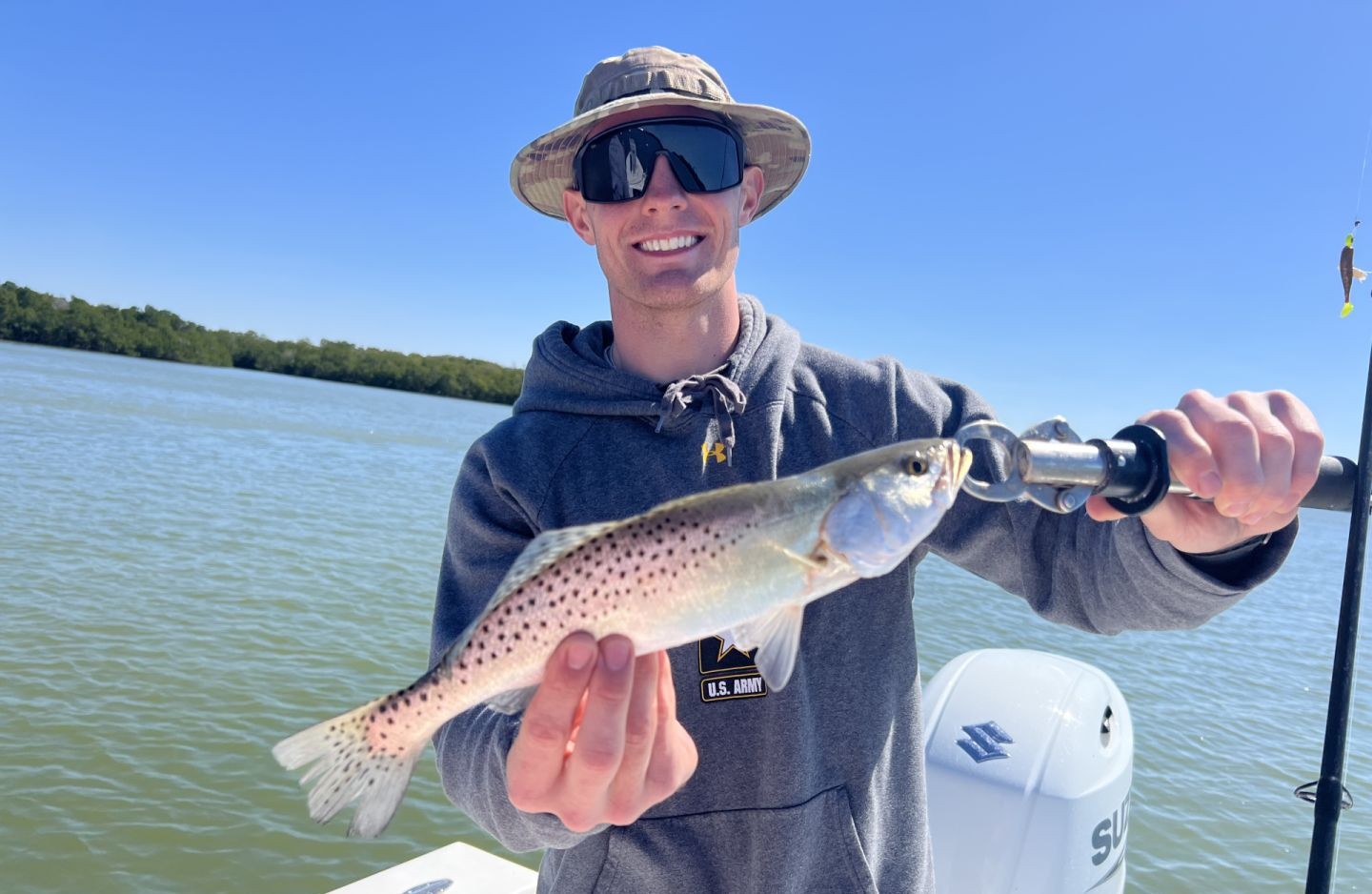
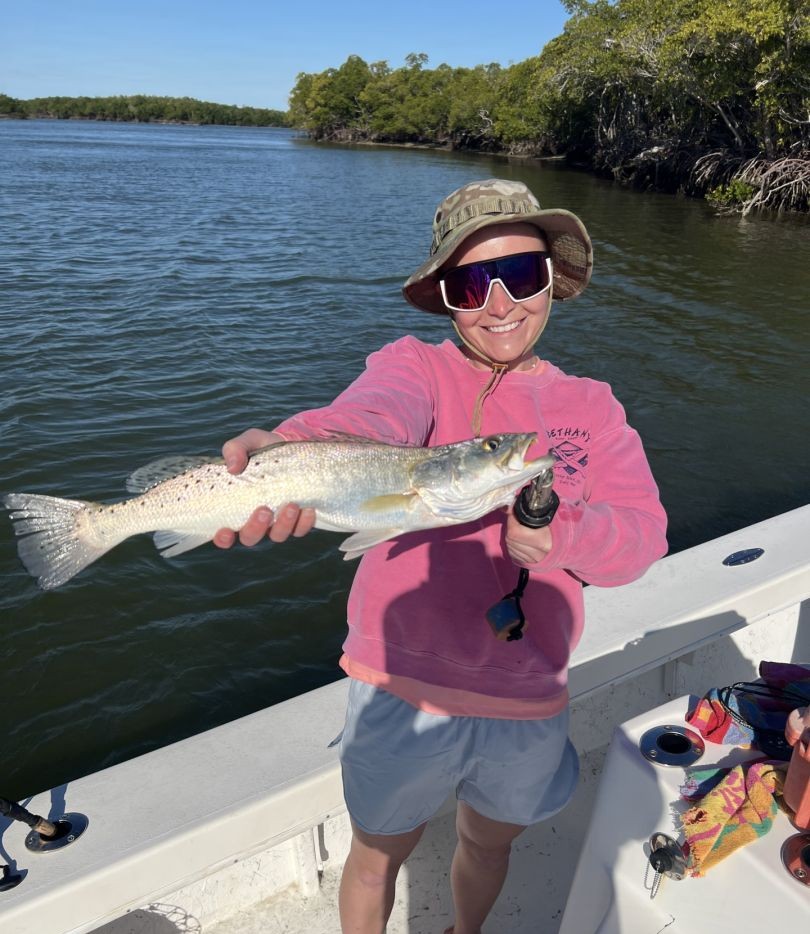
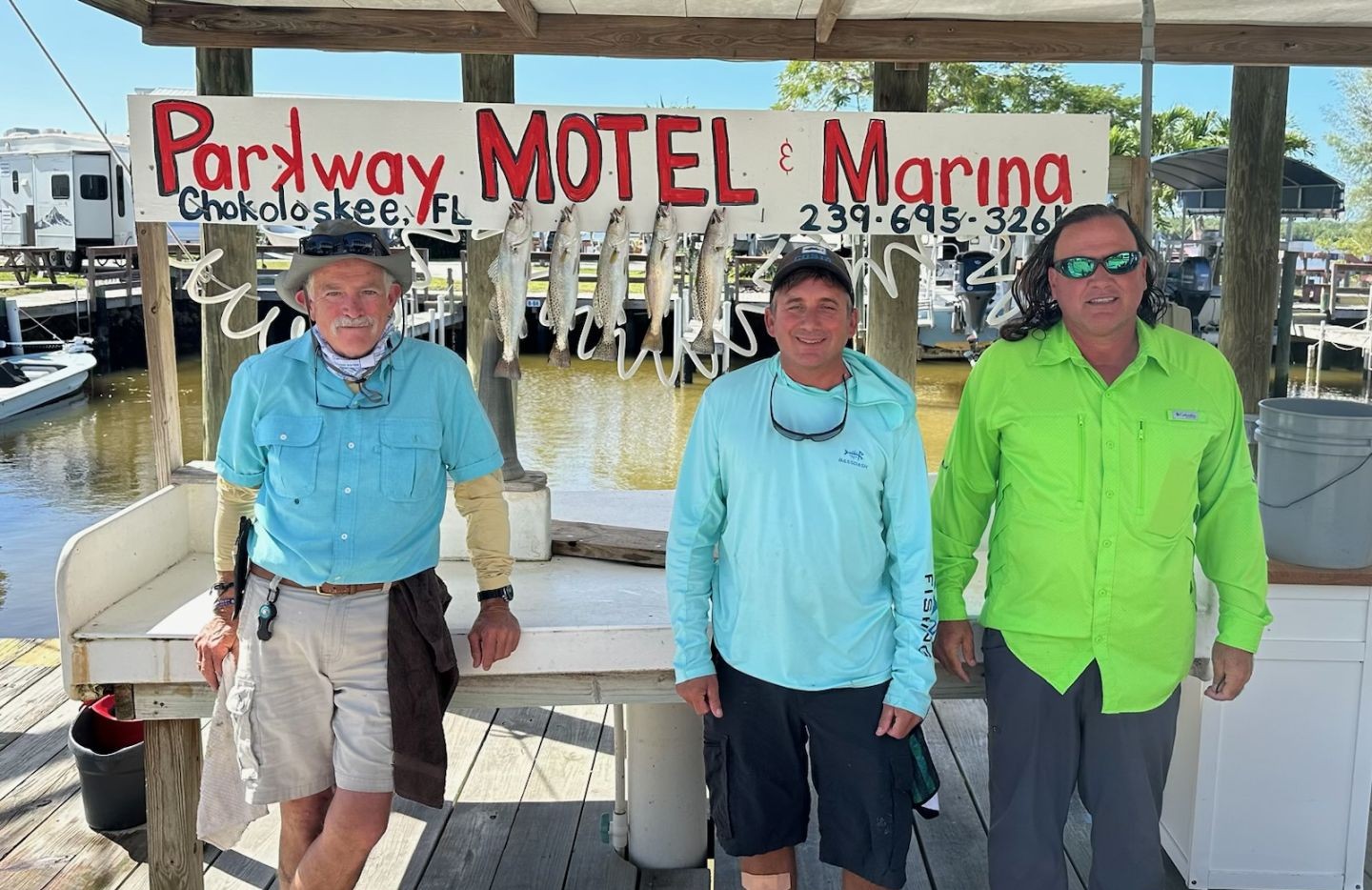
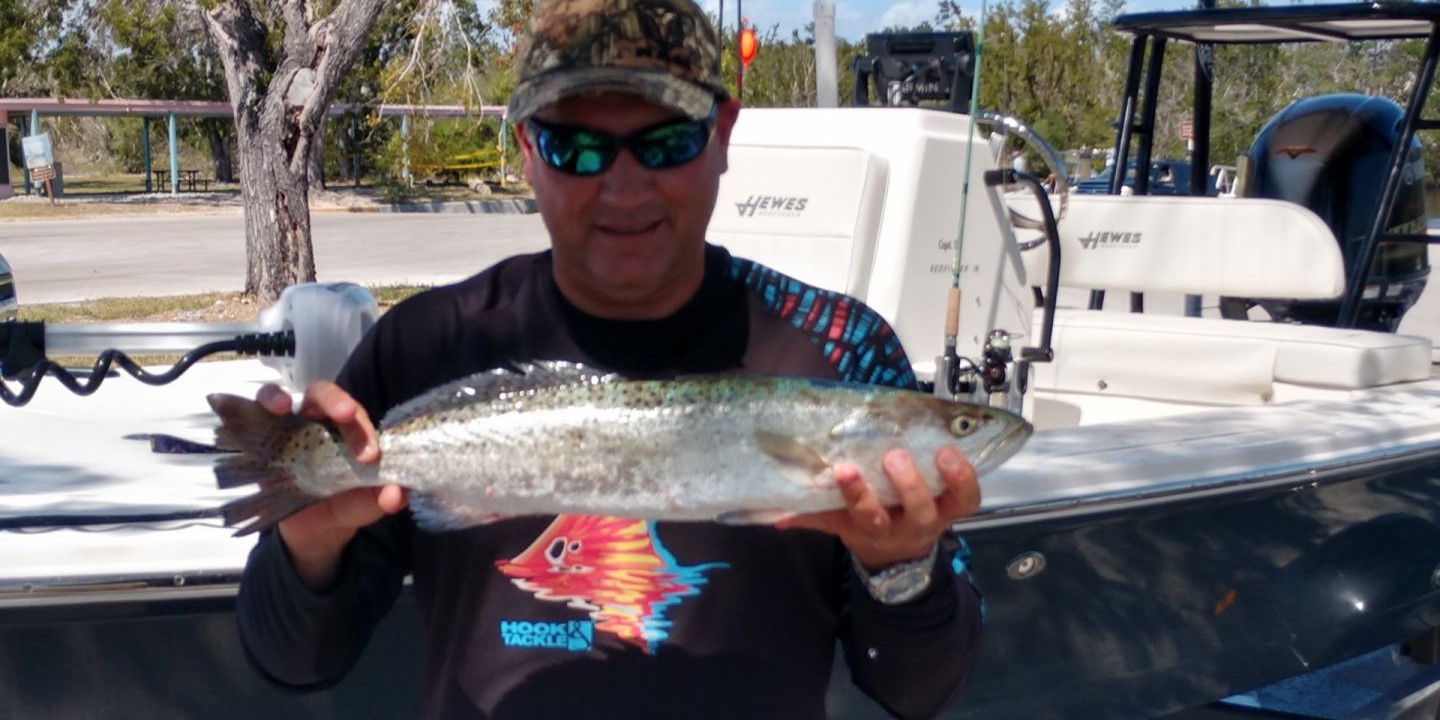
Sea trout, or speckled trout, are probably the most consistent biters in the Everglades system. They school up over grass beds and sandy potholes, feeding aggressively on shrimp and small baitfish. Spring and fall are prime times, but they bite year-round if you know where to look. What anglers love about sea trout is their willingness to eat - they're not as finicky as snapper or as structure-oriented as snook. They also make great action for beginners since they're relatively easy to catch and fight well on light tackle. The bigger ones, called "gator trout," can reach 5-6 pounds and are incredibly fun on spinning gear.
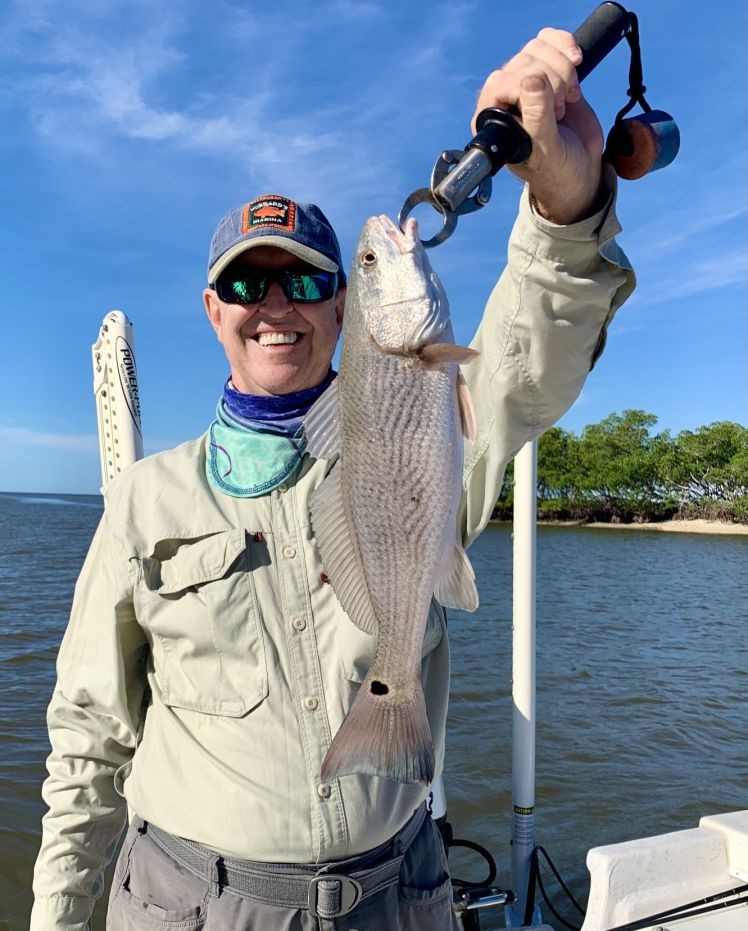
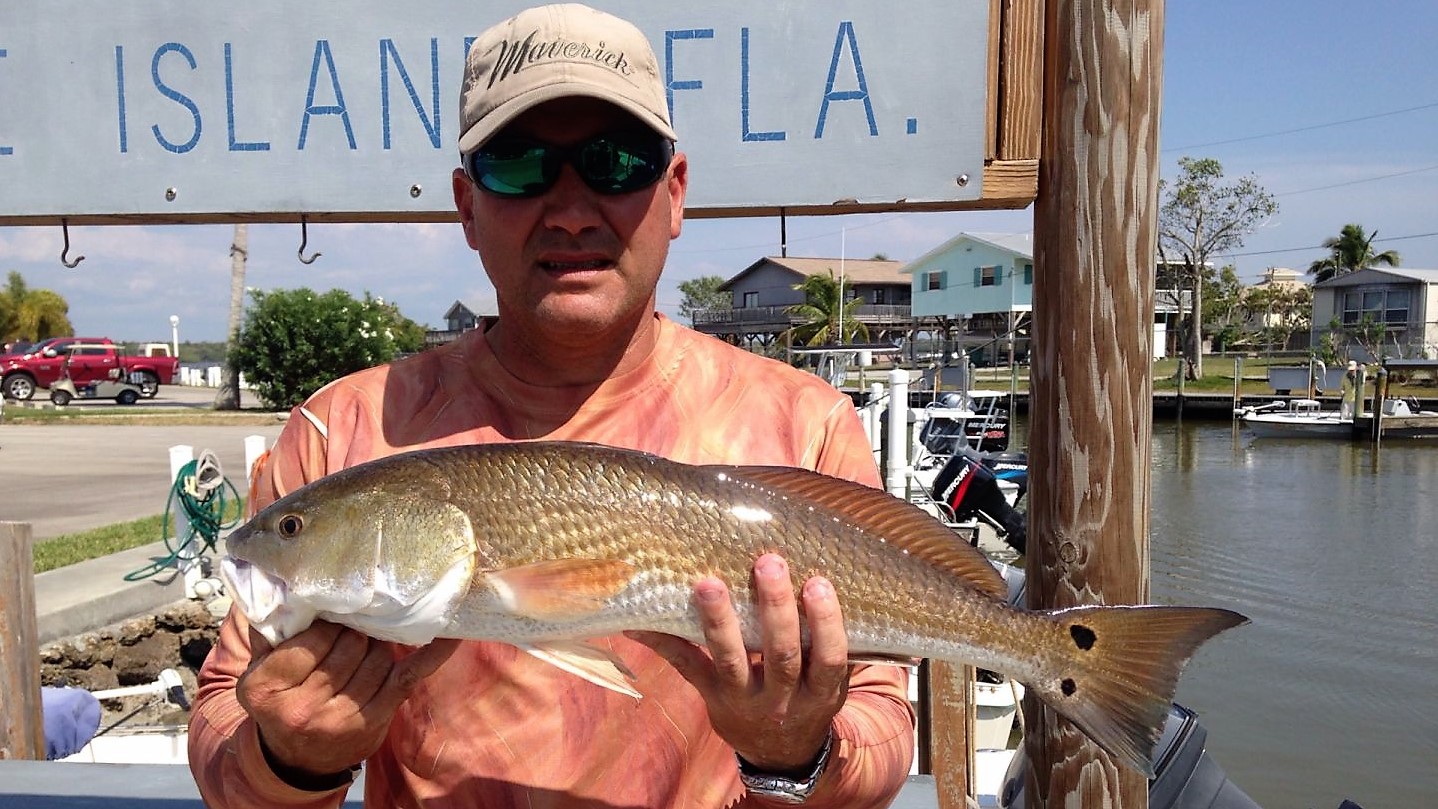
Redfish are the ultimate sight fishing target in the Everglades. These copper-colored bruisers cruise
 5.0(1 Reviews)
 Private Trip
 Inshore Fishing
 Everglades


 Exclusive 4-hour fishing trip for veterans and first responders