8-Hour Full Day Fishing Charter in Key West
Listen, if you're serious about fishing Key West, this full-day charter is where the magic happens. We're talking eight solid hours on some of the most productive waters in the Florida Keys, from the shallow flats around Key West all the way out to the legendary Marquesas. Captain Above the Cut knows these waters like the back of his hand, and with a full day to work with, we can chase whatever's biting – whether that's cruising tarpon rolling on the surface or tracking down those big lemon sharks that cruise the deeper channels. This isn't your typical half-day tourist trip; this is for anglers who want to experience everything Key West fishing has to offer.
What to Expect on the Water
Your day starts early – we're talking sunrise departure to make the most of those prime morning hours when fish are actively feeding. The boat holds up to four anglers, which means plenty of room to work without bumping elbows when that big fish hits. We'll cover serious ground throughout the day, starting in the backcountry flats where bonefish and jacks patrol the shallows, then working our way to deeper water where the sharks and tarpon hang out. The beauty of an eight-hour trip is flexibility – if the tarpon are rolling thick in one spot, we can stay and work them. If the sharks are fired up on the other side of the island, we've got time to run there too. Your captain reads the conditions and adjusts the game plan accordingly, something you just can't do on shorter trips.
Techniques & Prime Spots
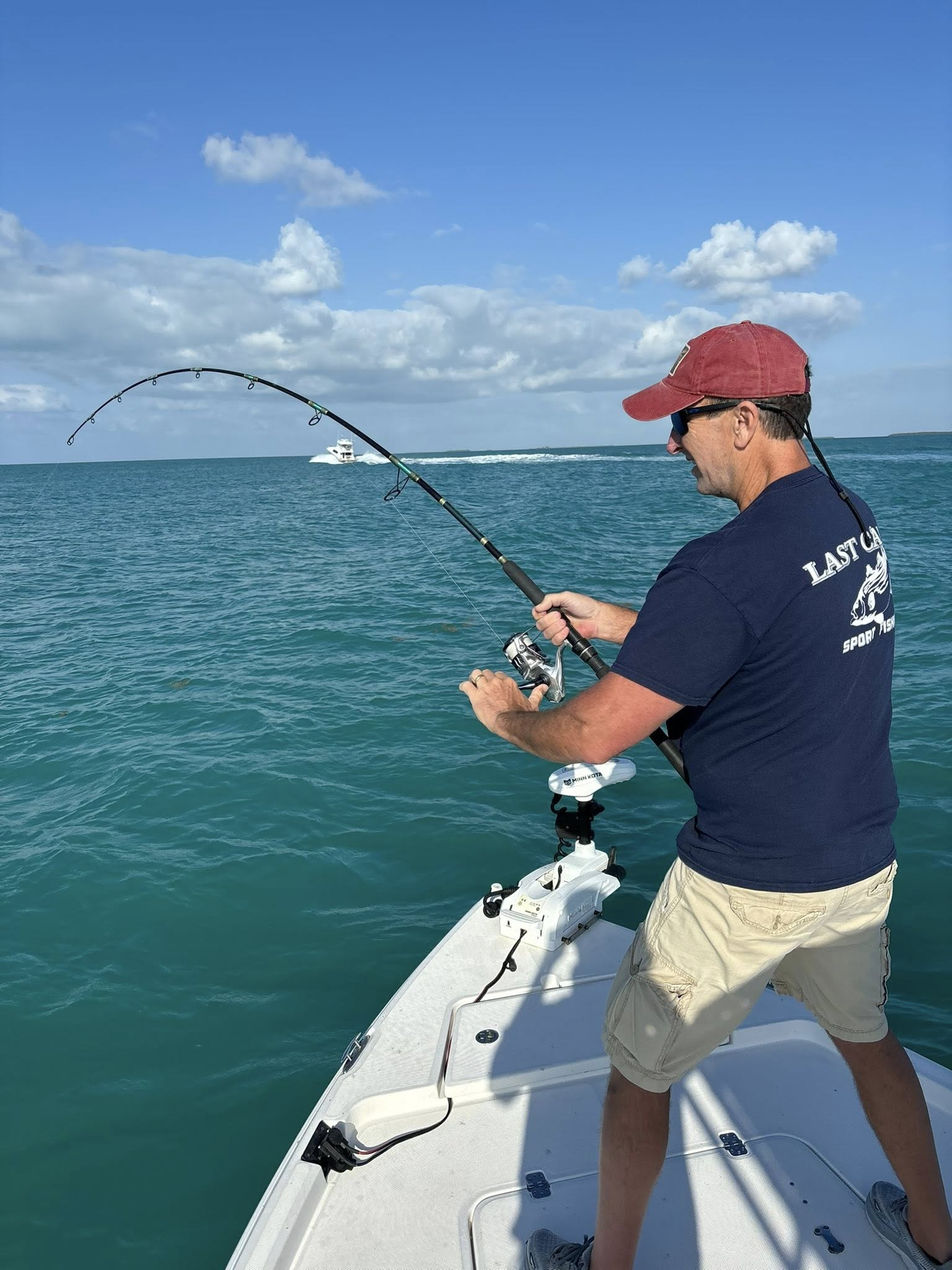
We fish multiple techniques depending on what we're targeting. For bonefish on the flats, we're sight-fishing with live shrimp and small jigs, staying quiet and keeping our eyes peeled for those ghostly shadows cruising the turtle grass. When we're after tarpon, it's all about reading the roll patterns and getting live bait or properly presented lures in their path. The Marquesas area is particularly productive for big tarpon, especially during their migration months. For sharks, we'll set up with chunk bait and circle hooks, letting them find us while we work other techniques. The boat carries a full spread of tackle – from light spinning gear for bones and jacks to heavy conventional setups for the big silver kings and sharks. Live bait is key out here, and your captain knows exactly where to find the pilchards, pinfish, and crabs that drive these fish crazy.
Species You'll Want to Hook
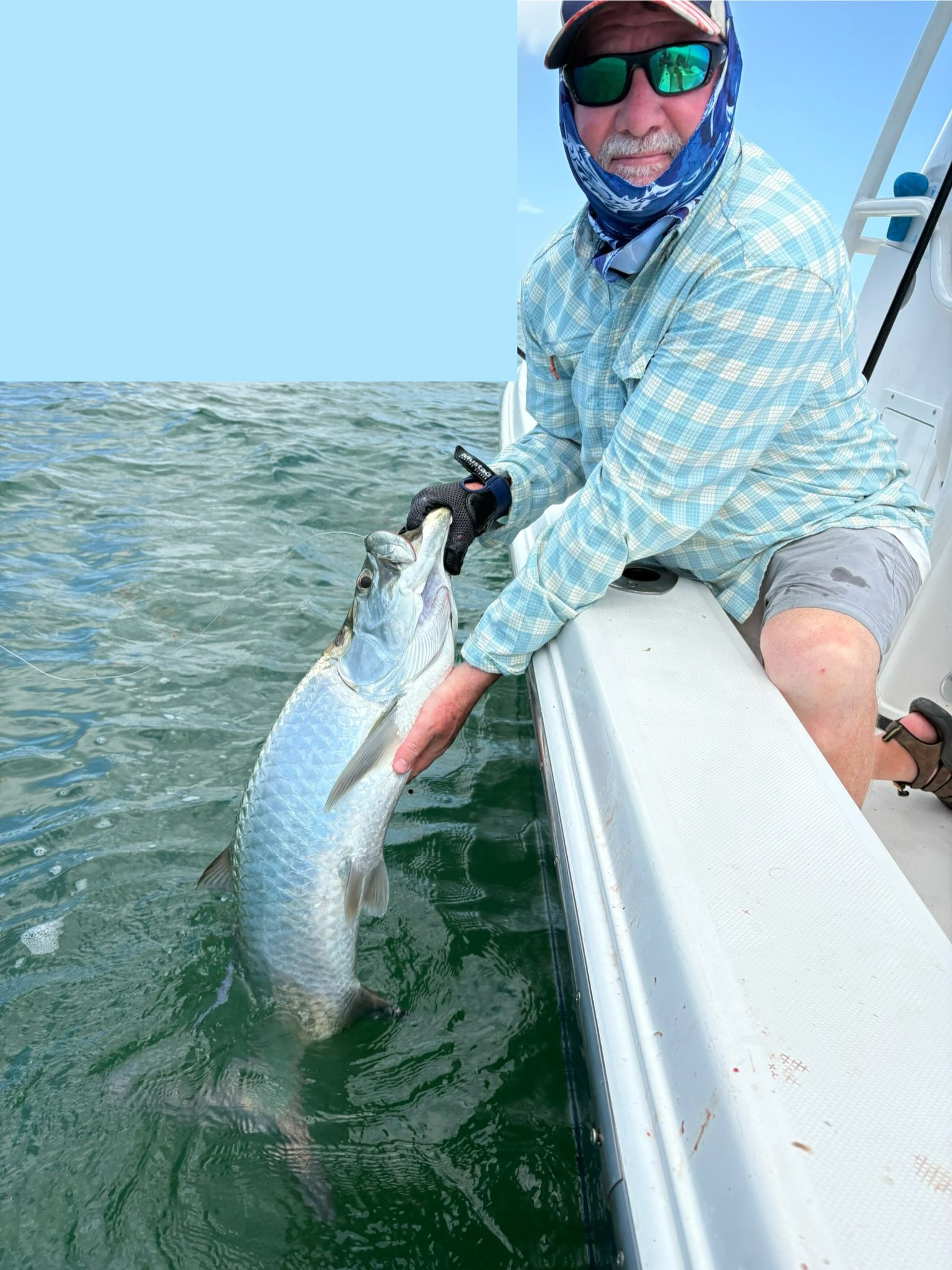
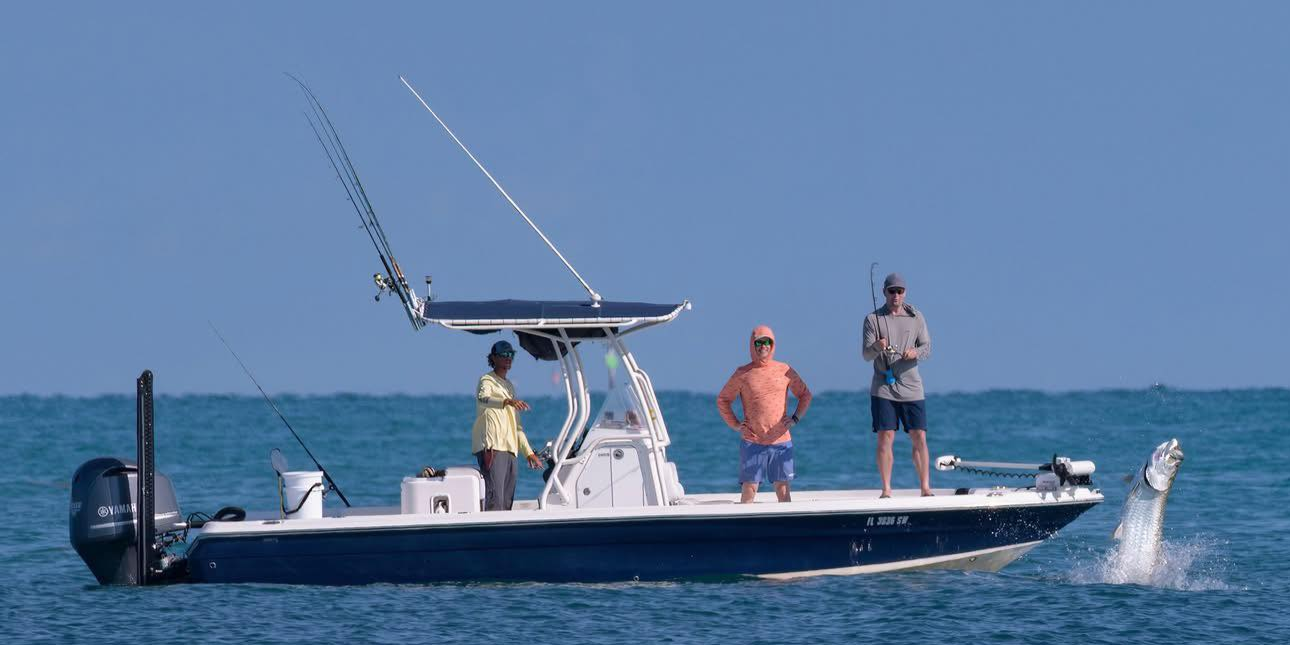
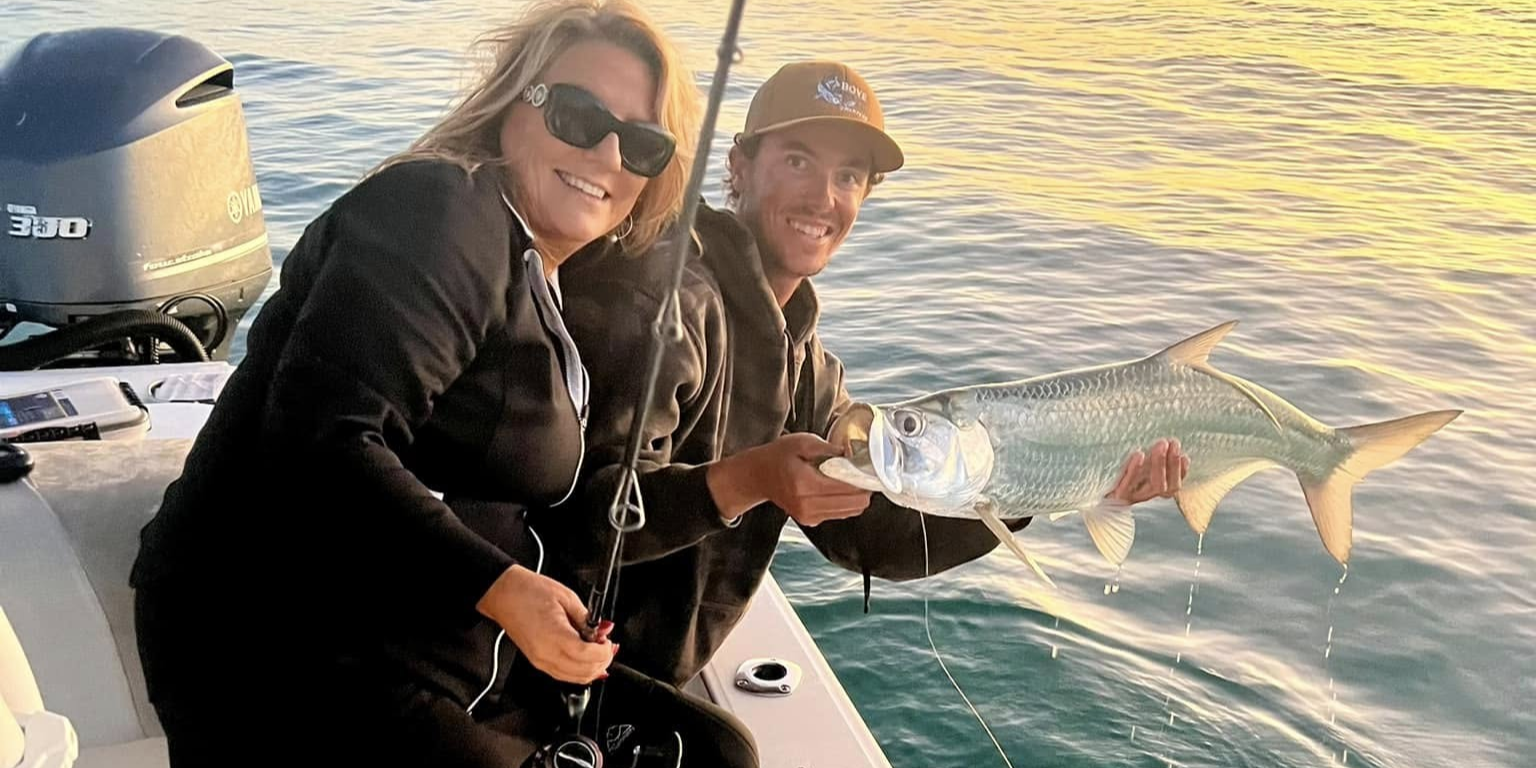
Tarpon are the absolute kings of Key West fishing, and for good reason. These silver giants can push 100-plus pounds and launch themselves completely out of the water when hooked. Peak season runs from March through July, but we see them year-round in these waters. What makes tarpon so special isn't just their size – it's their aerial show. A big poon will jump six, seven, eight times, shaking its massive head and gill plates trying to throw your hook. The Marquesas and channels around Key West hold some genuine giants, and with eight hours to work with, we can really dial in on the schools.
Blacktip sharks bring pure speed and aggression to your line. These guys average 20-40 pounds and are absolute rockets when hooked, making long runs and jumping like miniature tarpon. They're year-round residents but really fire up in the warmer months. What's great about blacktips is their willingness to eat – they'll crush live bait, cut bait, even lures if you work them right. The fight is all about that initial run; they'll peel line like you wouldn't believe.
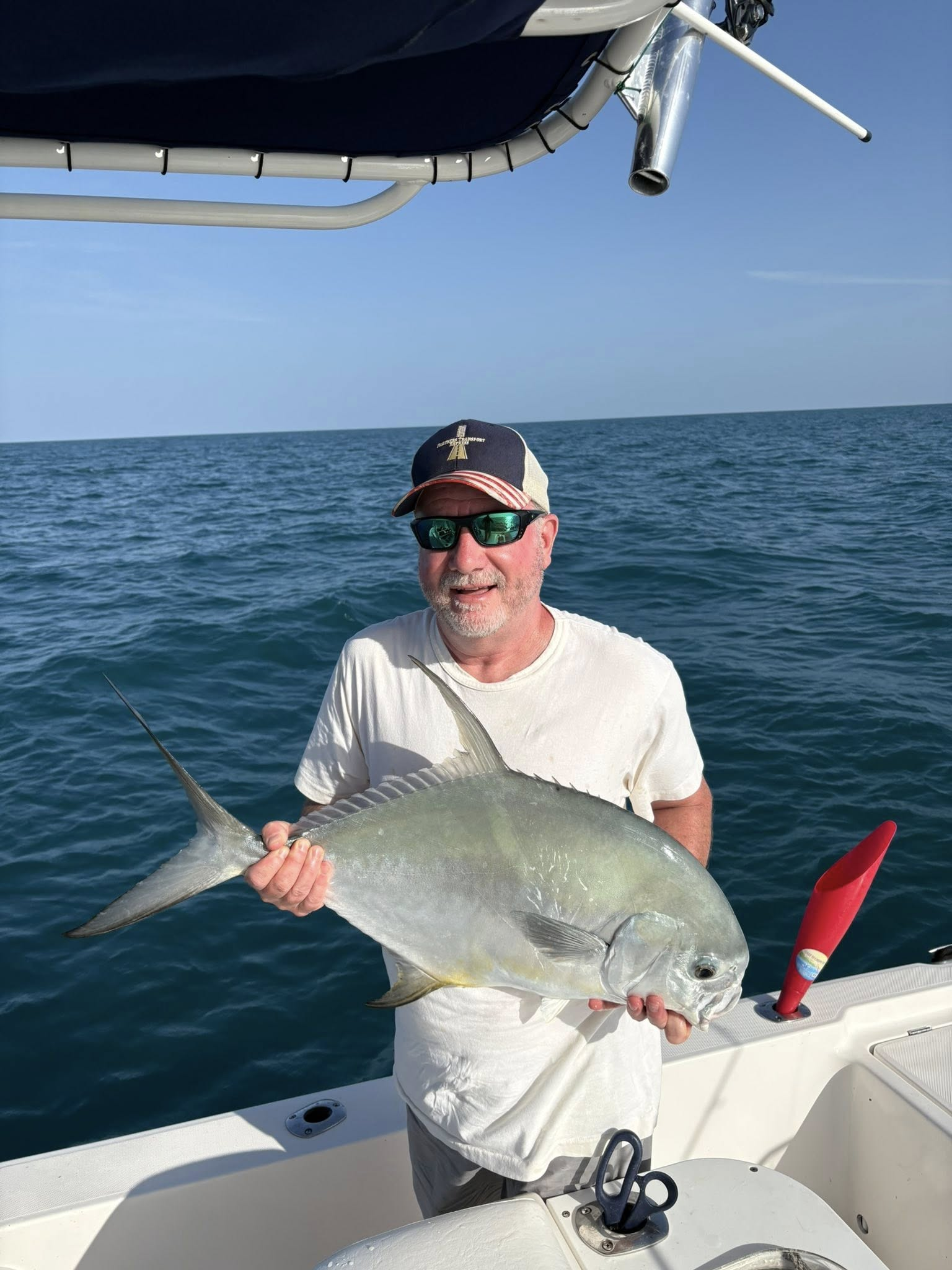
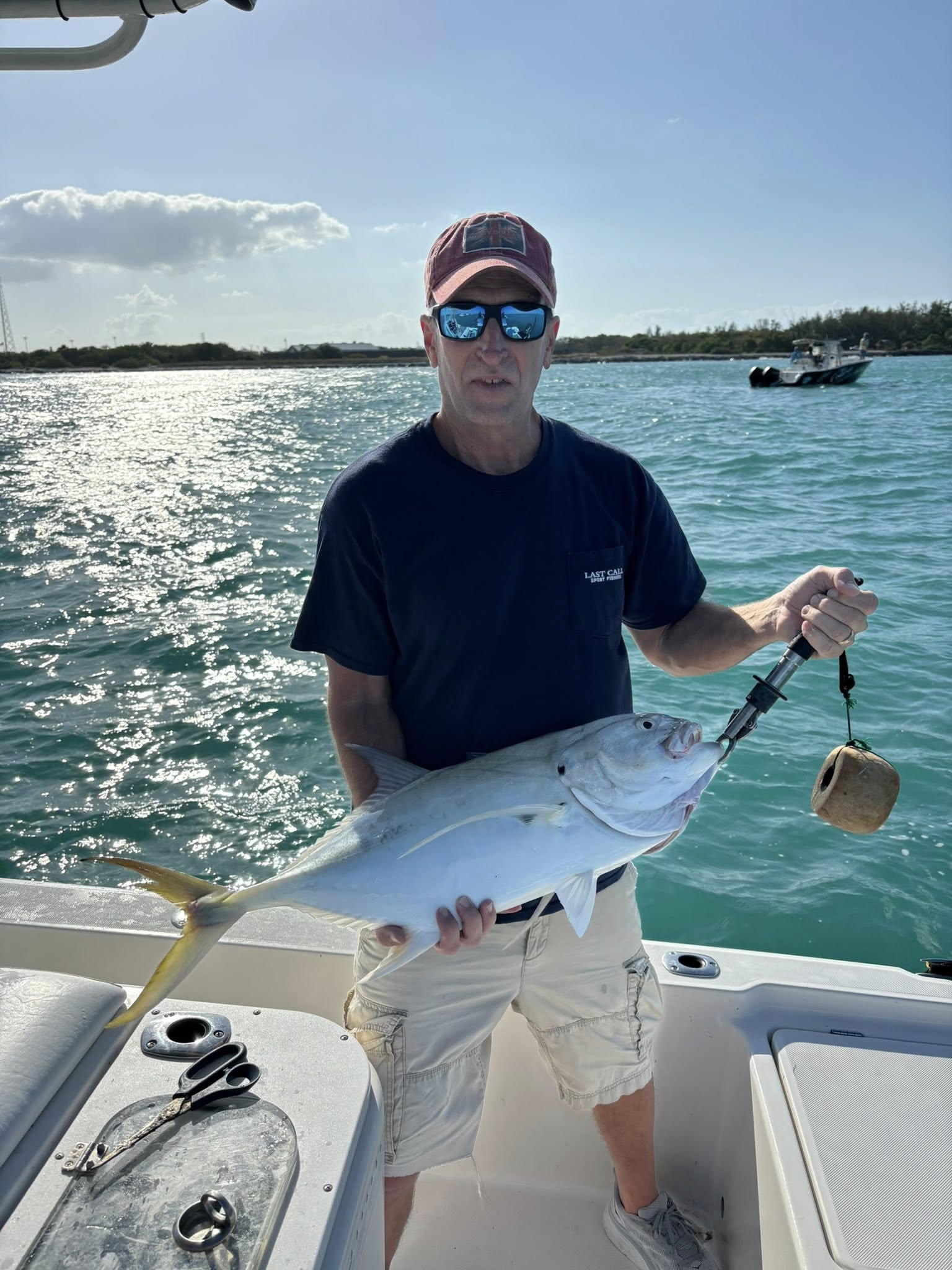
Crevalle jacks might not be the prettiest fish in the water, but pound-for-pound, they're some of the strongest fighters you'll encounter. These bulldogs will test your tackle and your arms, making powerful runs to structure and fighting you every inch of the way back to the boat. They school up in big numbers, especially around bait schools, and when you find them fired up, the action can be non-stop. Spring and fall are prime time, but we catch them throughout the year.
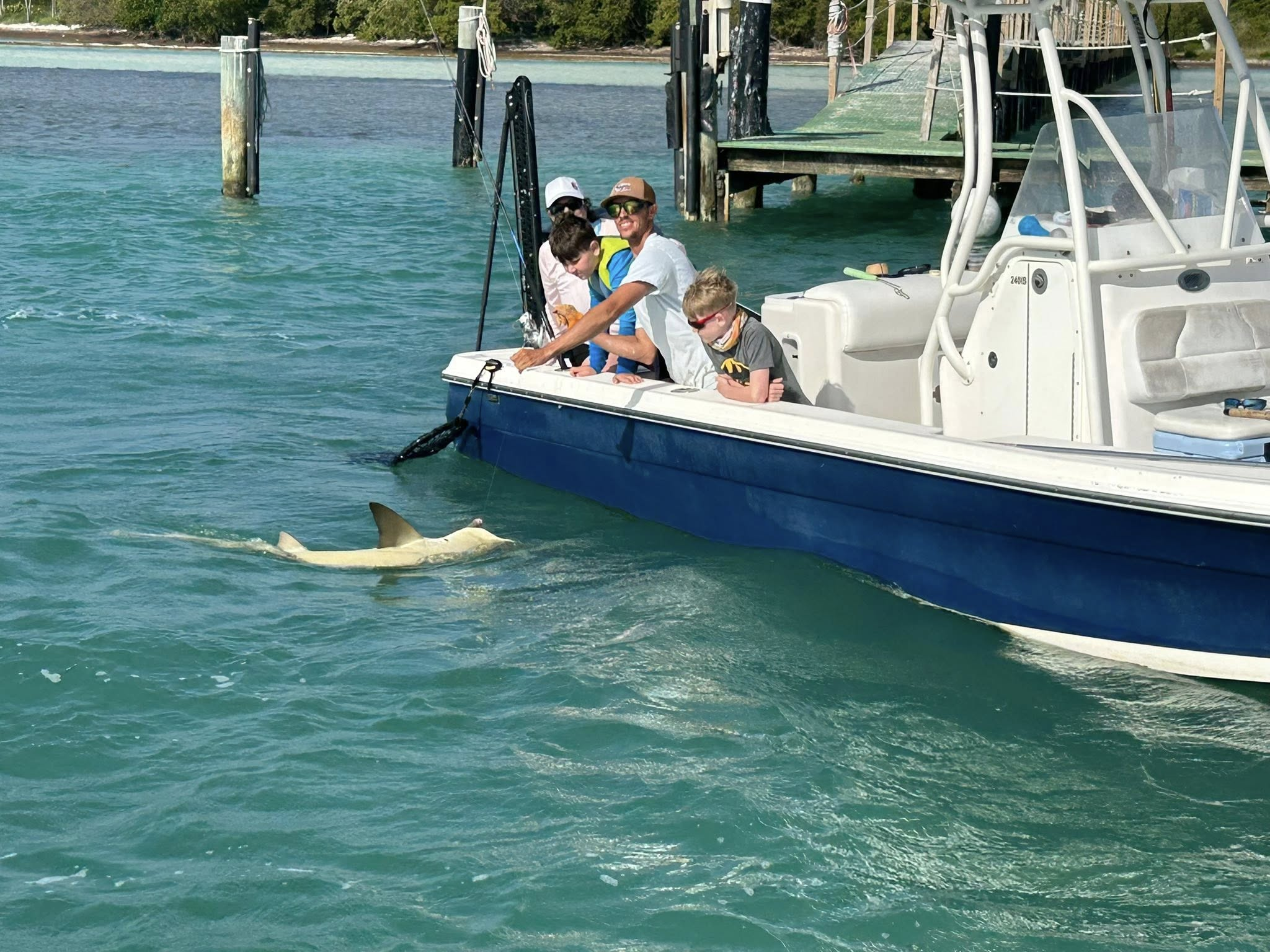
Lemon sharks are the heavyweights of the inshore scene, commonly reaching 6-8 feet in these waters. Unlike their blacktip cousins, lemons rely on power over speed, making long, determined runs that really test your drag settings. They're particularly active in the backcountry channels and around structure. The cool thing about lemons is their predictability – once you locate them, they tend to stick around, giving you multiple shots throughout the day.
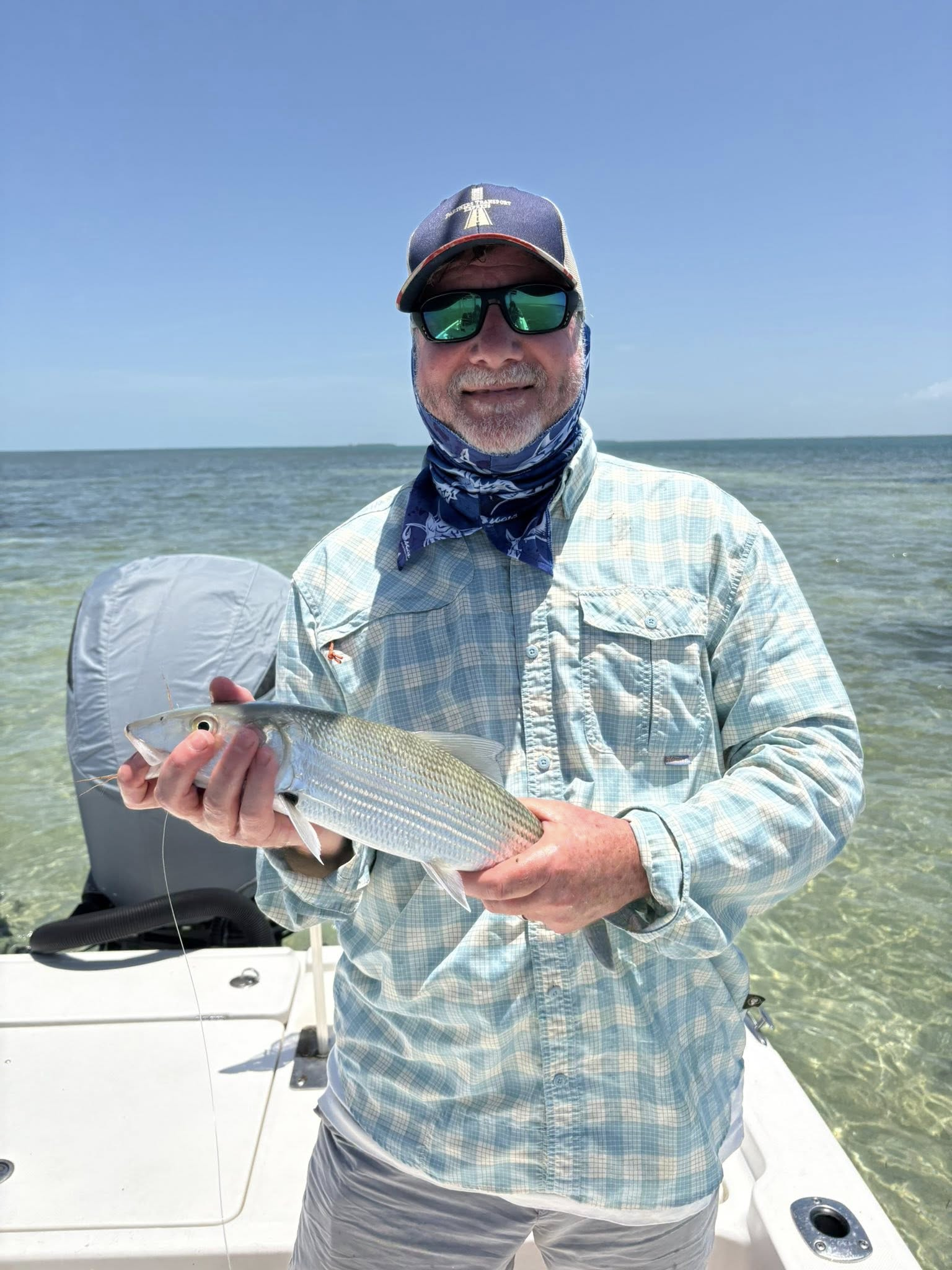
Bonefish are the ultimate challenge for light-tackle enthusiasts. These spooky, intelligent fish cruise the shallow flats in small groups, feeding on crabs and shrimp in water so shallow their backs are often exposed. They're incredibly wary and require perfect presentations – too close and they spook, too far and they won't see your bait. When you hook one, they make impossibly long runs for their size, often taking you well into your backing. Bones are year-round residents, but the cooler months often produce the biggest fish.
Time to Book Your Spot
This full-day charter represents the best value and experience for serious anglers visiting Key West. Eight hours gives you the time to really explore these waters properly, chase multiple species, and adapt to whatever conditions Mother Nature throws at you. With Key West's year-round fishing season and Above the Cut Charters' local expertise, you're looking at a world-class fishing experience that most visitors never get to see. The boat's limited to four anglers, so spots fill up quickly, especially during peak tarpon season. Don't settle for a rushed half-day trip when you can experience the full range of what Key West fishing offers. Book your charter now and get ready for a day on the water that'll have you planning your next trip back before you even reach the dock.
 Private Trip
 Inshore Fishing
 Key West


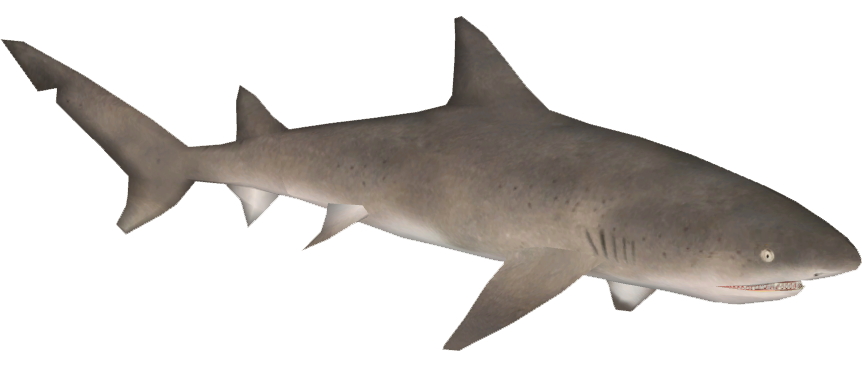

 Full-day charter targets multiple species around Key West waters