Charleston Nearshore Fishing for Trophy Bulls
When you're ready to step up your game beyond the creeks and head into some serious water, this Charleston nearshore charter puts you right where the big fish live. We're talking about pushing 5 to 20 miles offshore, past those familiar jetties, into waters that hold the kind of fish stories are made of. This isn't your typical inshore grind – we're hunting bull redfish, cobia, and whatever else decides to show up in Charleston's world-class nearshore waters.
What to Expect on the Water
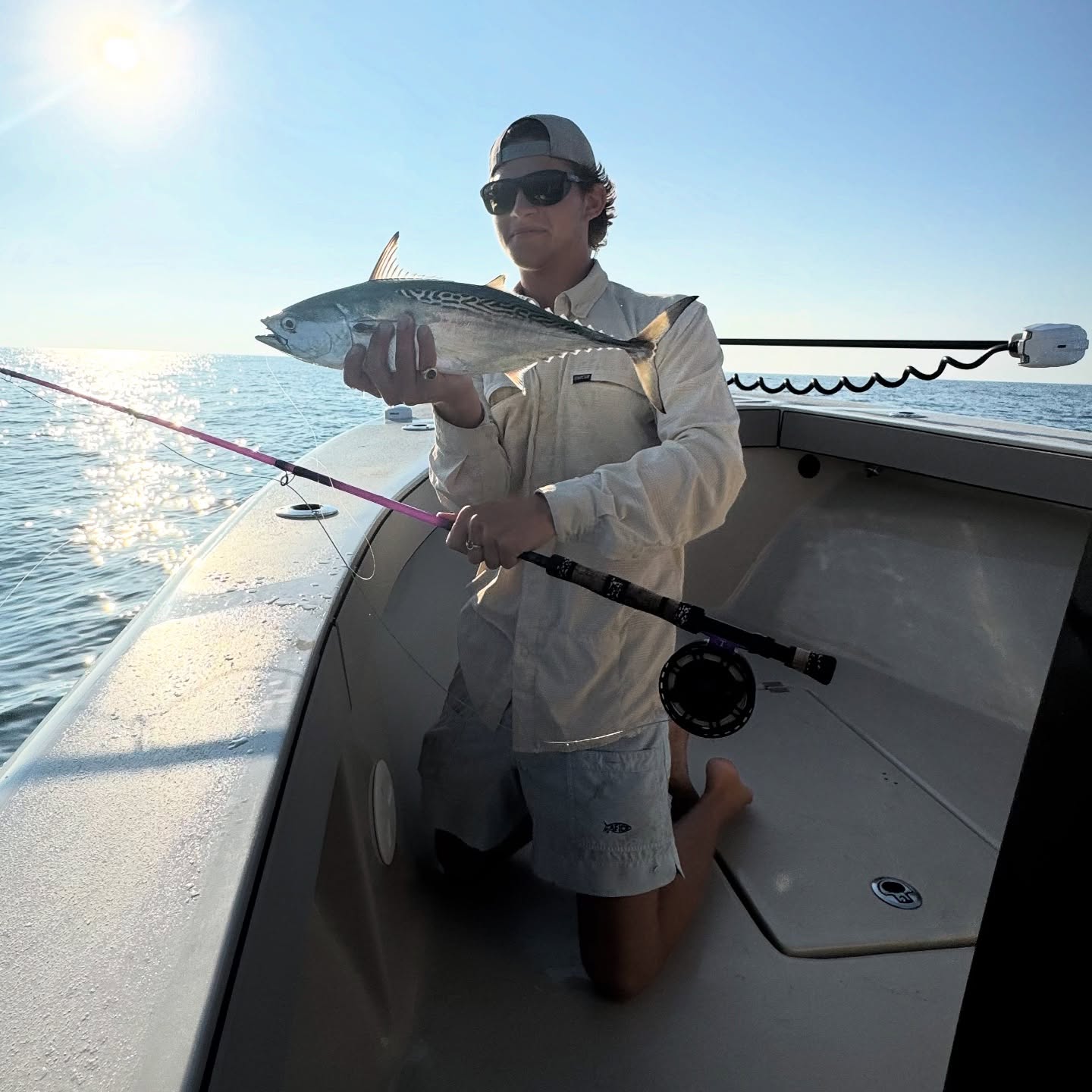
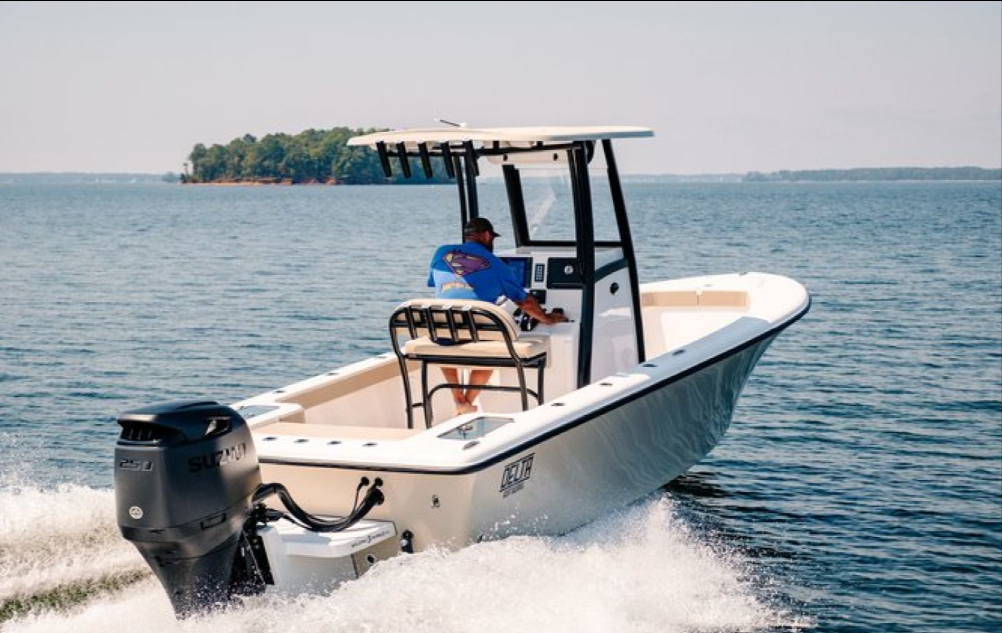
You'll meet at the dock early, because that's when the fish are most active and the conditions are prime. We're running flexible trips anywhere from four to seven hours, depending on what you're after and how the bite's been. The boat's equipped with everything you need – quality rods, reels, tackle, fresh bait, and all the USCG safety gear. This setup works perfect for one or two anglers, though we can squeeze in a third person if your buddy can't stand missing out. The captain knows these waters like the back of his hand, from the productive reefs to the wrecks that hold fish year-round. You'll be targeting different species based on the season – false albacore when they're running, sharks when they're cruising the structure, and whatever's migrating through. Whether you've been fishing for decades or you're still figuring out which end of the rod to hold, the approach adapts to your skill level.
Light Tackle Tactics
We're running light tackle out here, which means you'll actually feel every head shake and run when you hook up. No heavy boat rods that do all the work for you – this is about finesse and fighting fish the right way. The tackle selection changes based on what we're targeting, but expect everything from spinning gear with live bait to artificial lures that trigger aggressive strikes. When we're working structure like reefs and wrecks, we'll often anchor up and fish vertically, dropping baits right into the strike zone. In open water, we might drift or slow troll, covering ground until we find the schools. The key is reading the water, watching the electronics, and adjusting tactics based on what the fish are telling us. Bait selection is crucial – sometimes they want live finger mullet, other days it's cut bait or fresh shrimp. The captain carries a variety because you never know what's going to flip the switch from slow fishing to steady action.
Top Catches This Season
Black drum are some of the most underrated fighters in these waters, and Charleston's nearshore structure holds some real monsters. These fish cruise oyster bars, reefs, and wreck sites looking for crabs and mollusks. Peak season runs from late winter through early summer, when the big breeders move into nearshore waters to spawn. Don't let their reputation as bottom feeders fool you – a 30-pound black drum will test your drag and your patience. They're smart fish that require finesse, often mouthing baits before committing to a full bite. What makes them special is their size potential and the way they use their body weight to fight in the current.
Summer flounder, or fluke as many call them, are the shape-shifters of the nearshore game. These flatfish bury themselves in sandy bottoms around structure, ambushing baitfish with lightning-fast strikes. The best action typically runs from late spring through early fall, when they're most active in the warmer water. Landing a quality flounder requires patience and technique – they're notorious for short strikes and dropping baits at the boat. But when you connect with a doormat fluke, you'll understand why anglers specifically target them. Their fight is different from other species, more subtle but determined, and they're excellent table fare.
Sheepshead are the convict-striped specialists that make you appreciate precision fishing. These fish hang around structure like barnacle-covered pilings, reefs, and wrecks, picking off crabs and shellfish with their human-like teeth. Winter months often produce the best sheepshead action, when they school up in deeper water. They're notorious bait thieves, requiring small hooks, light sinkers, and quick reflexes. A quality sheepshead in the 5-7 pound range provides consistent action and fights harder than their size suggests. They're also phenomenal eating, with firm white meat that's prized by local restaurants.
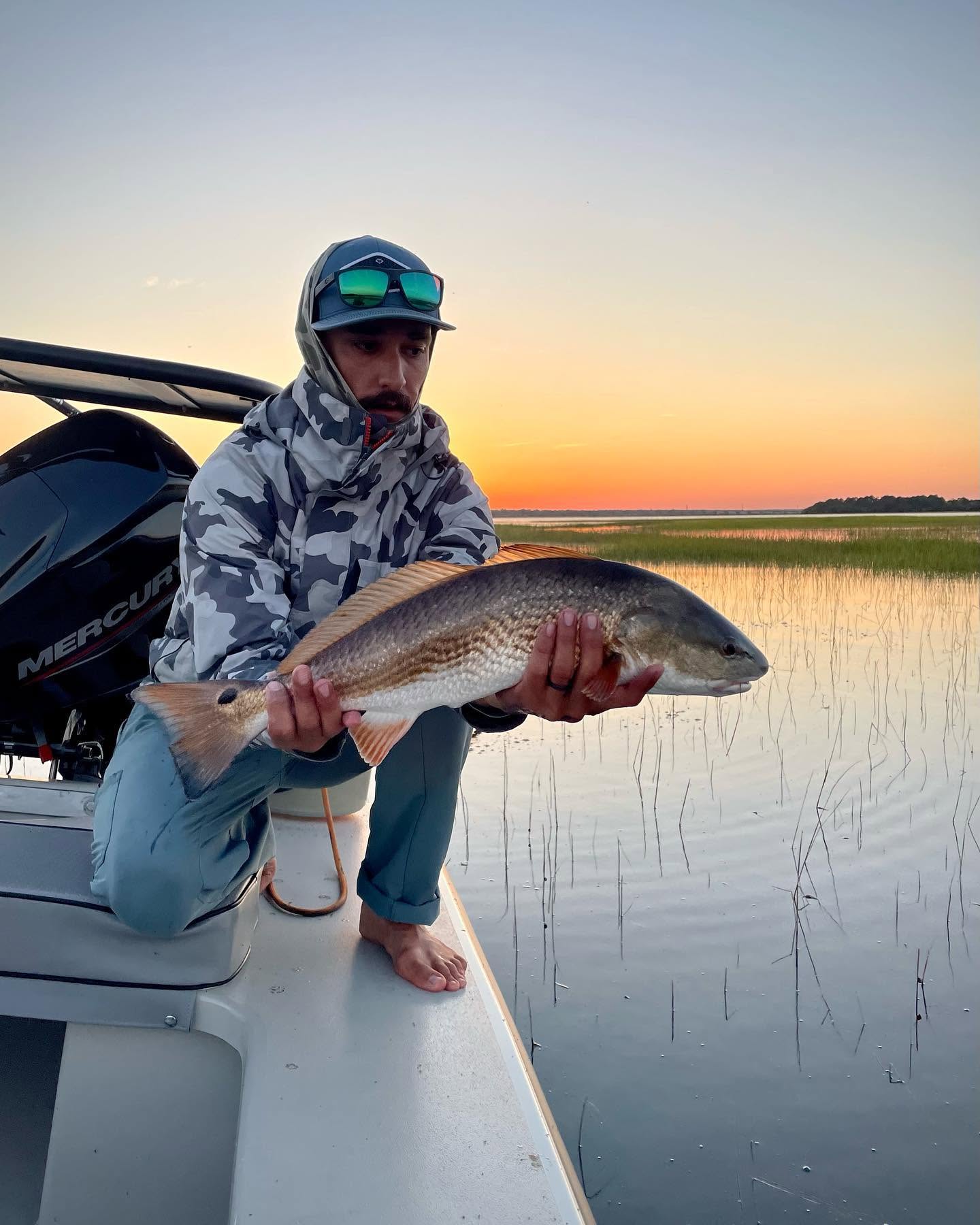
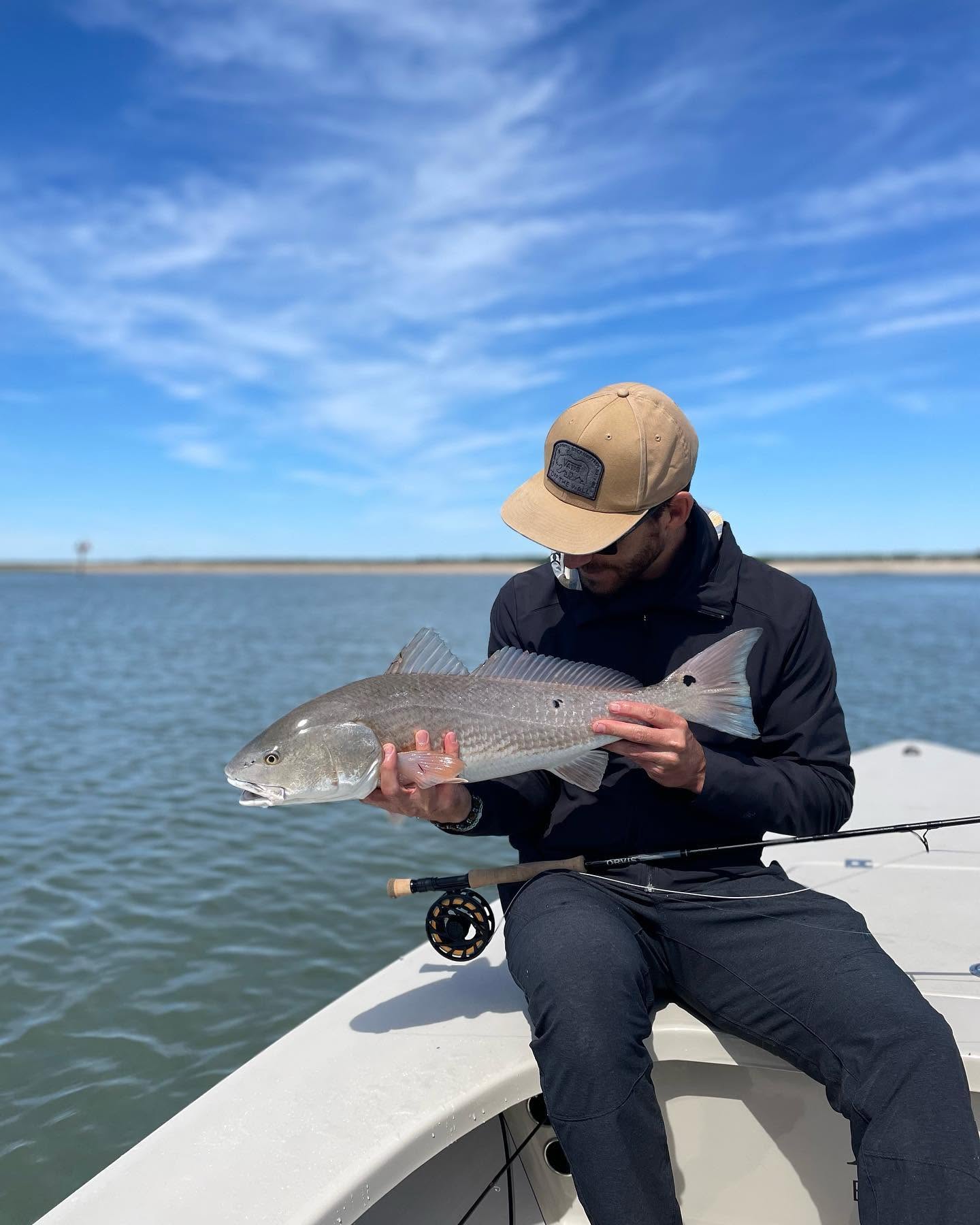
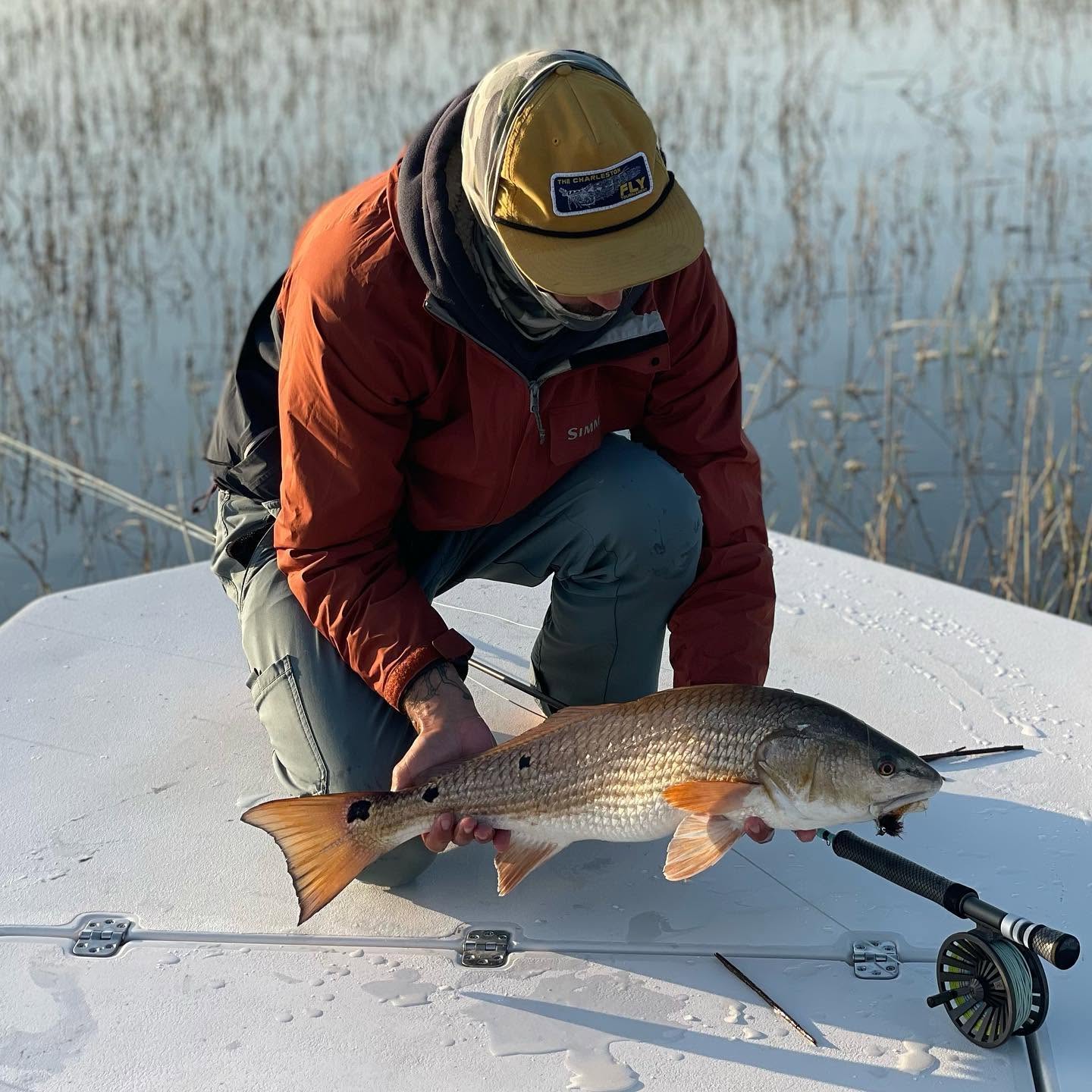
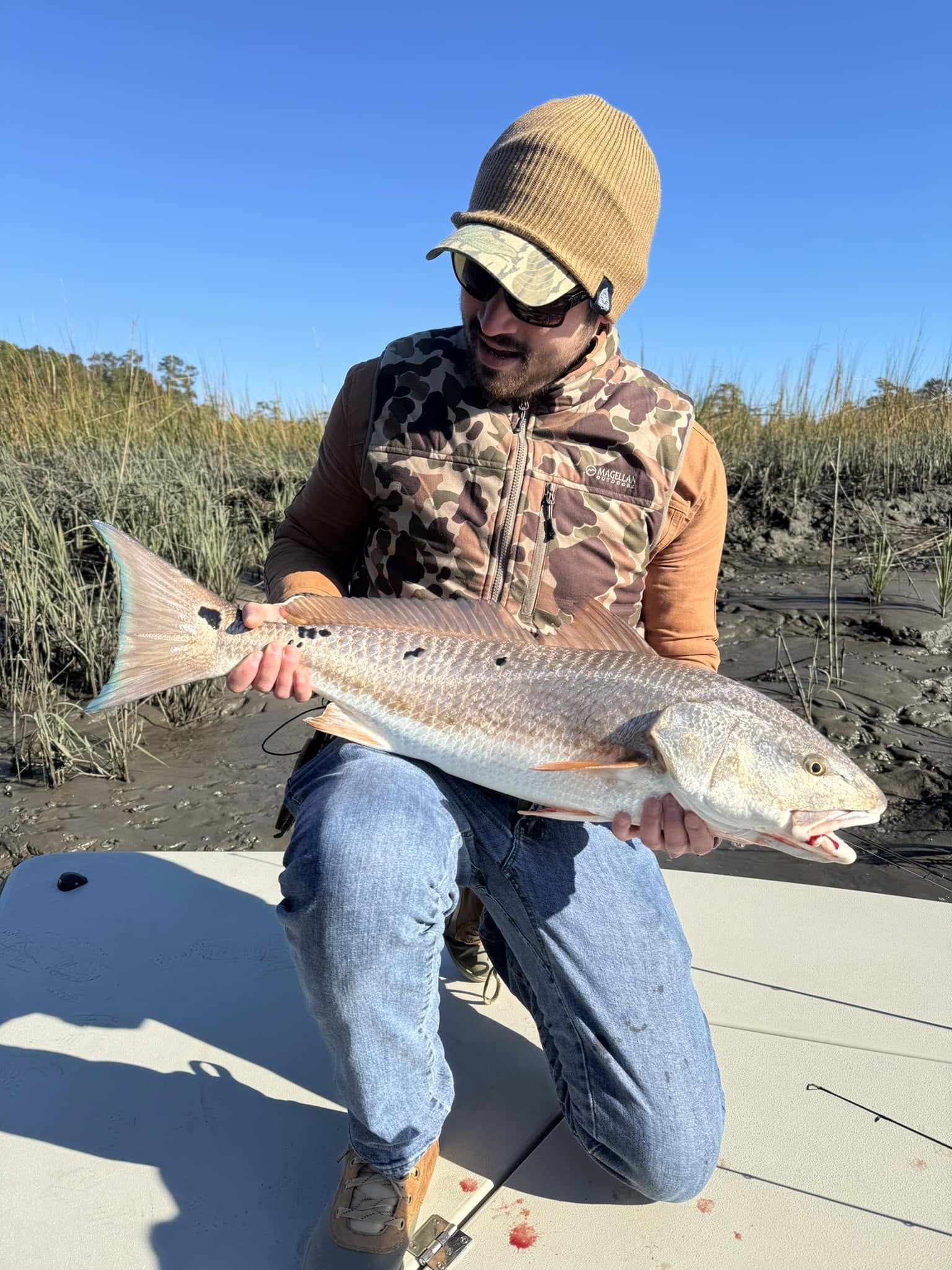
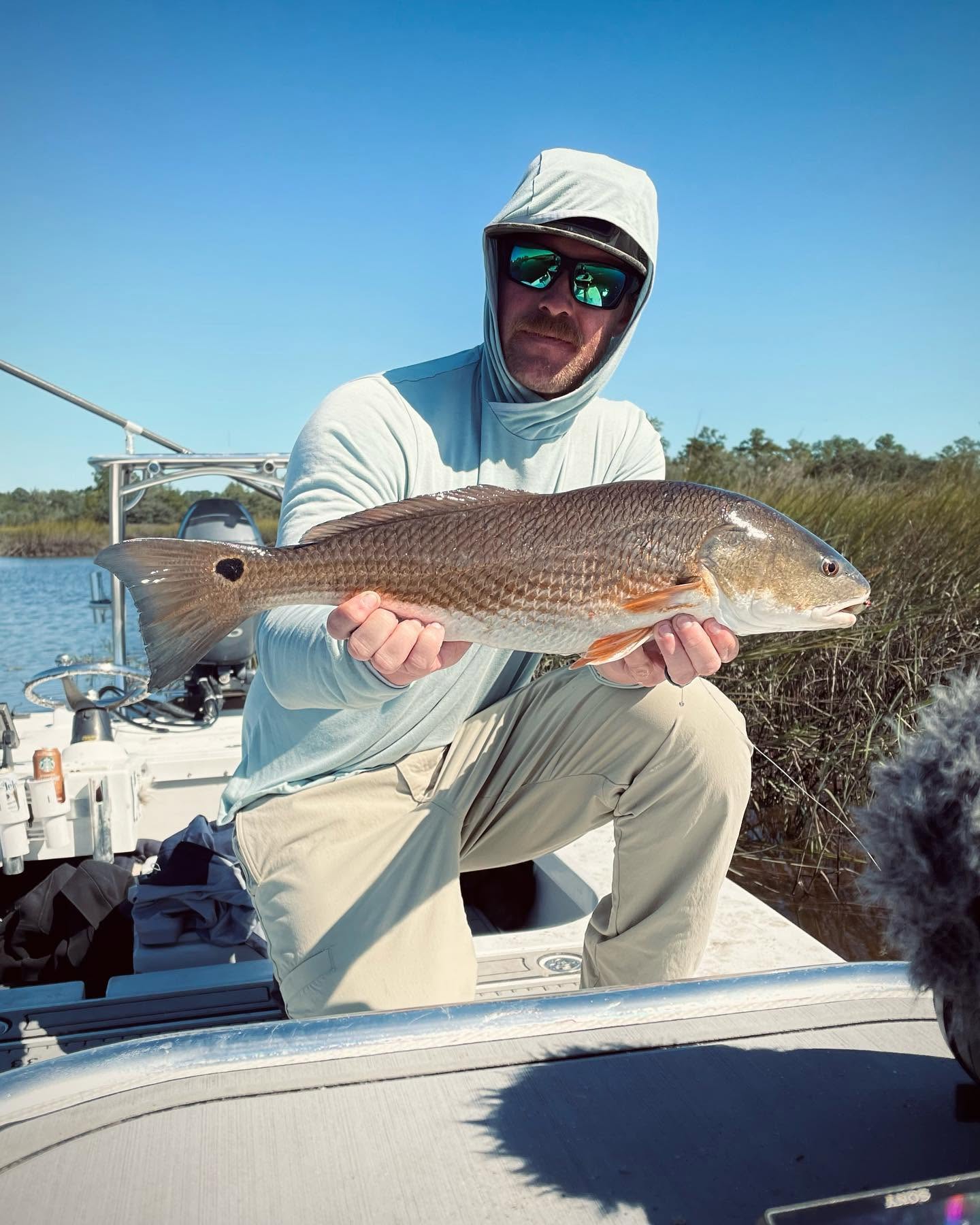
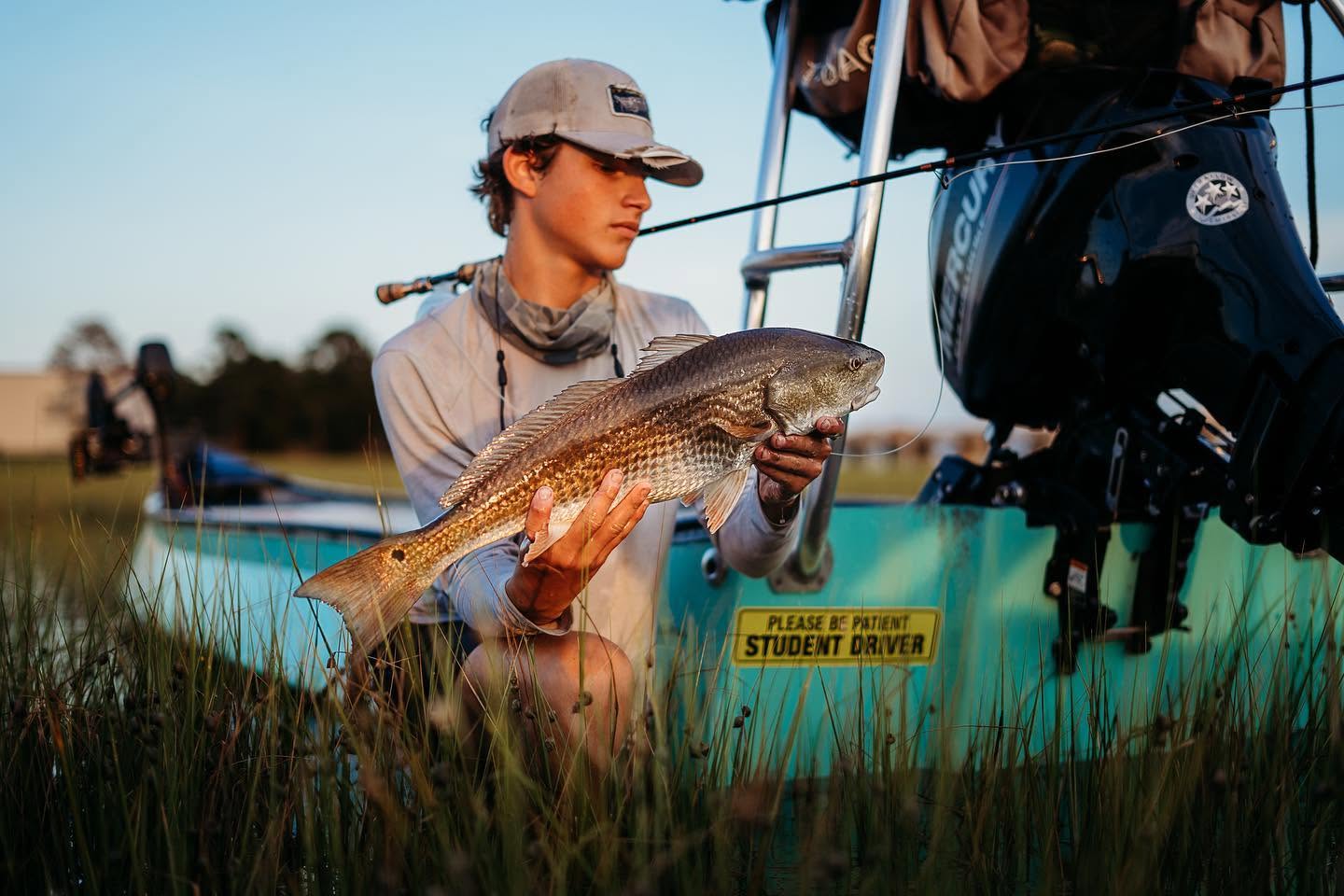
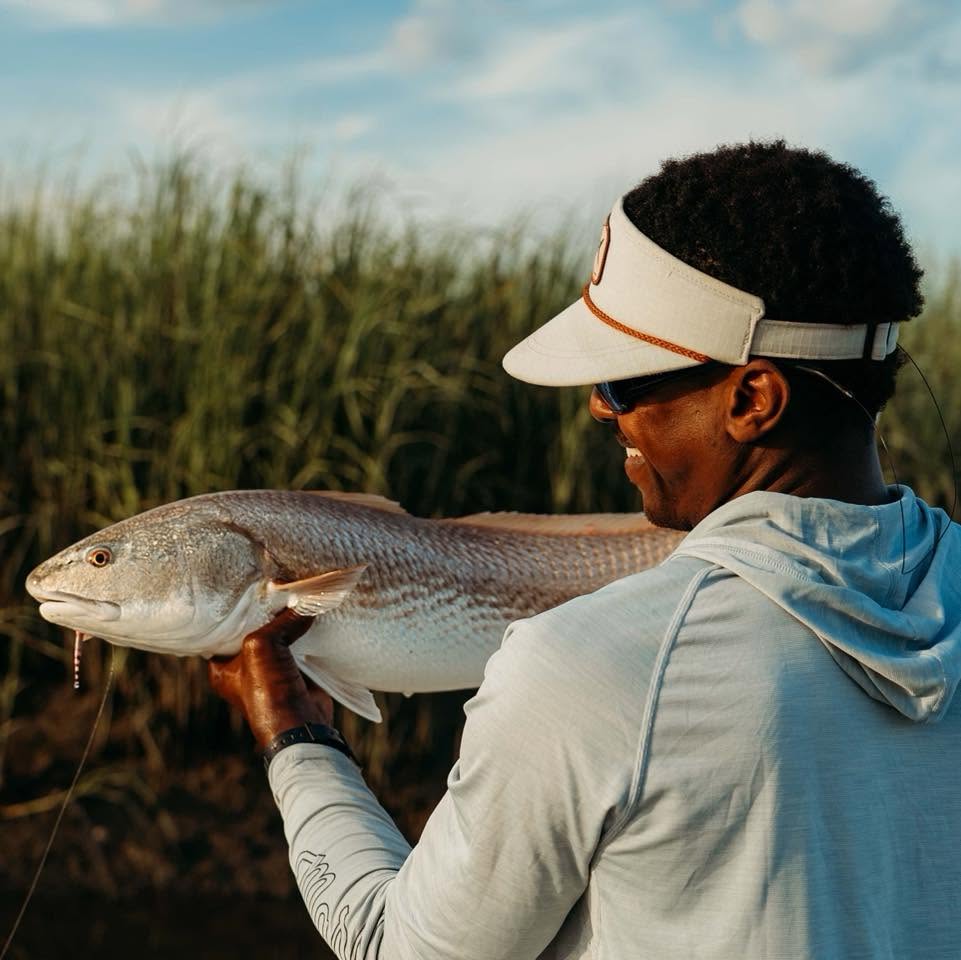
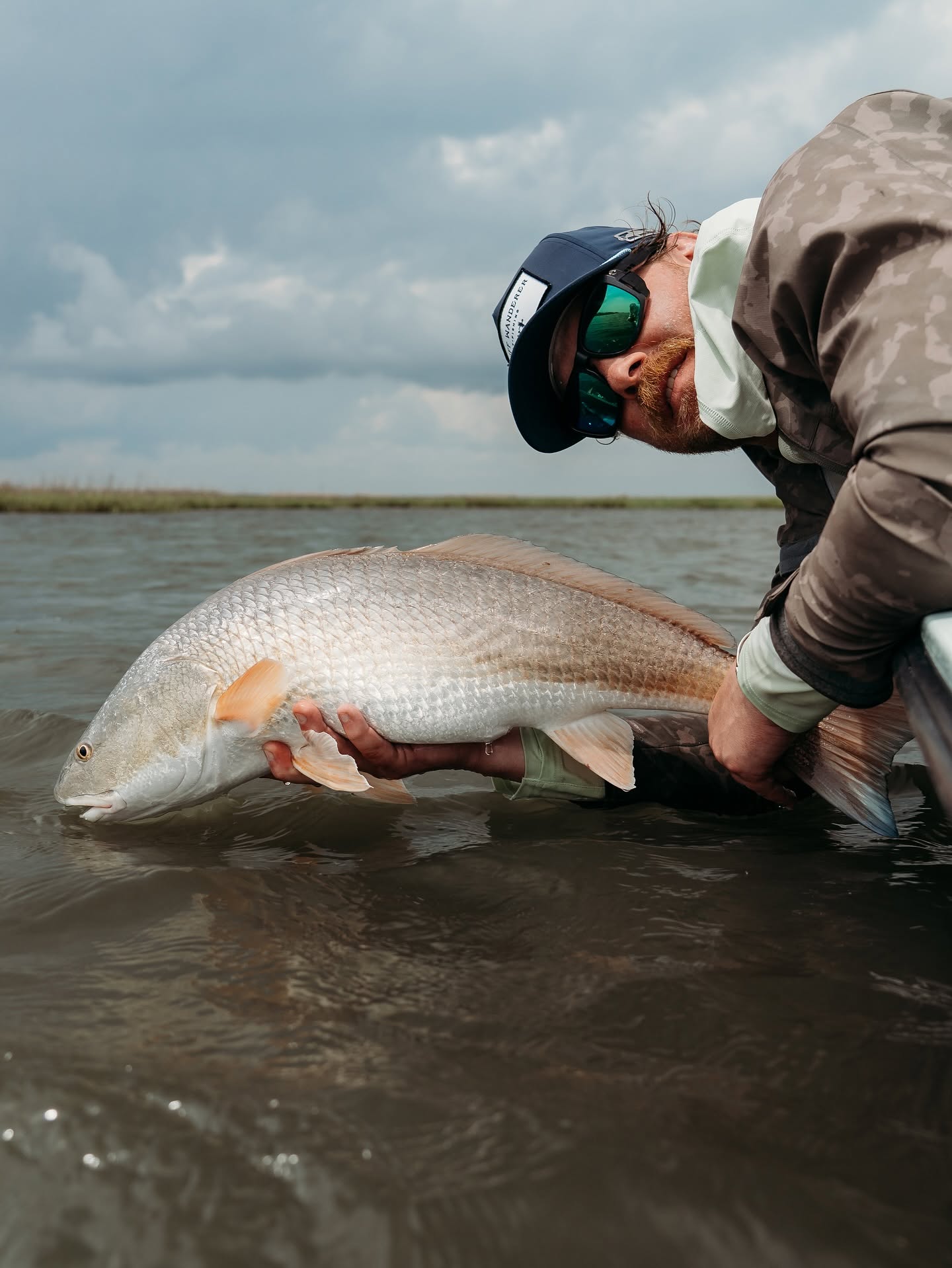
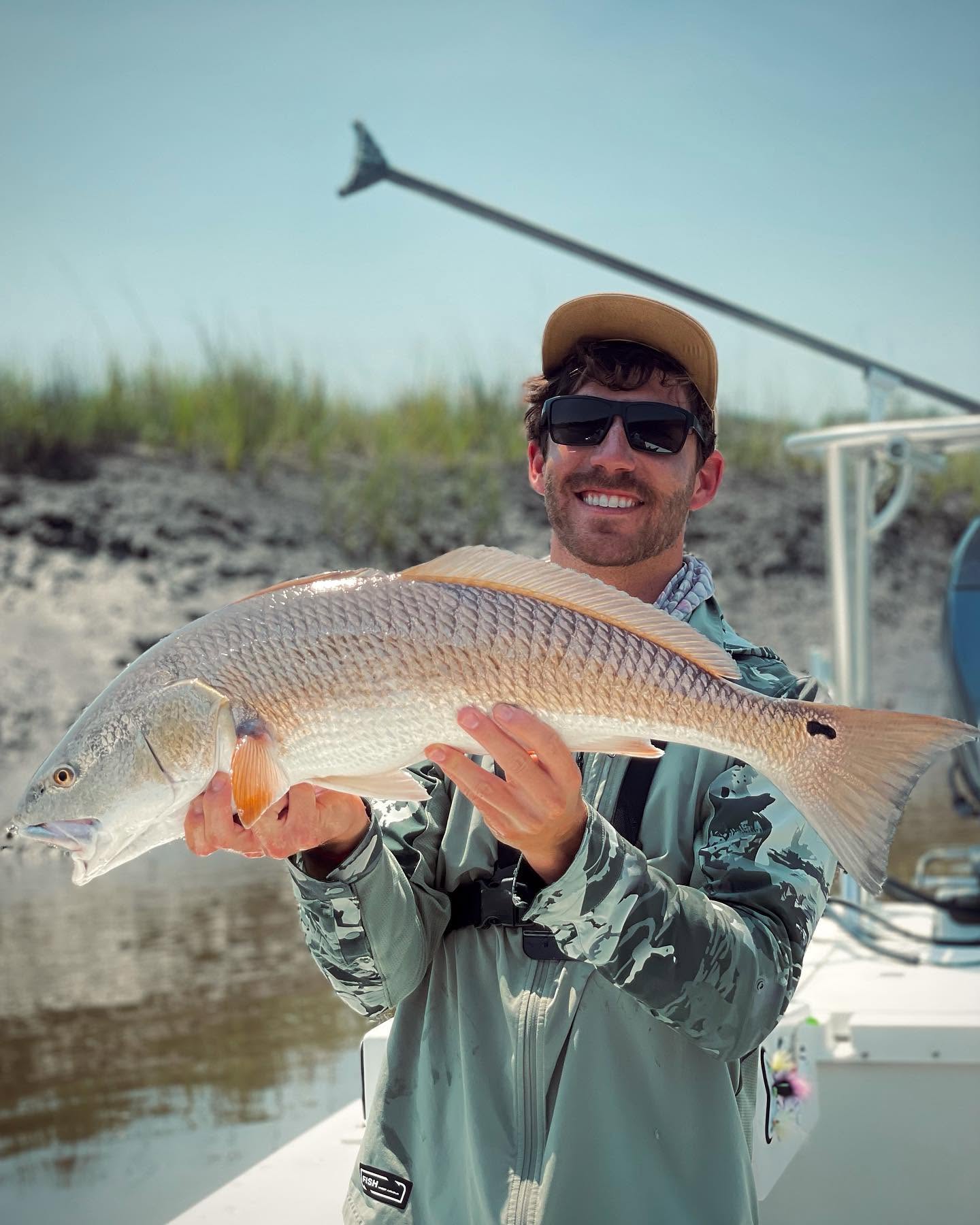
Redfish are the crown jewel of Charleston fishing, and the nearshore waters hold some true bulls that'll change your perspective on what these fish can do. These copper-colored bruisers patrol grass flats, oyster bars, and deeper channel edges, feeding aggressively on crabs, shrimp, and baitfish. While they're catchable year-round, fall and spring offer peak opportunities for trophy-sized fish. The slot-sized reds fight hard, but the oversized bulls are in a completely different league – think sustained runs, head-shaking battles, and fights that can last 20 minutes. They're smart fish that spook easily in shallow water, requiring stealth and proper presentation. Landing a bull red is a milestone for any angler, and Charleston's waters consistently produce fish in the 30-40 pound range.
Time to Book Your Spot
Charleston's nearshore fishing delivers the kind of action that keeps anglers coming back season after season. You're getting access to proven fishing grounds, quality equipment, and the local knowledge that makes the difference between a slow day and a memorable trip. The flexible trip lengths mean you can customize the experience based on your schedule and fishing goals. Whether you're looking to check bull redfish off your bucket list, want to learn light tackle techniques, or just need to get away from the crowds and into some fish, this charter puts you in the right place at the right time. These dates fill up, especially during peak seasons, so don't wait until the last minute to secure your spot on the water.
 Private Trip
 Charleston


 Nearshore fishing charter targeting bull redfish and cobia offshore