Lake Fork Electronics Training for Serious Anglers
Want to finally understand what you're looking at on those fancy fish finders? This 2-hour Lake Fork electronics training session is built for anglers ready to step up their game with modern fishing technology. Starting at 5 PM when the late afternoon bite gets good, you'll learn hands-on how to read Livescope, interpret sonar, and spot fish like the pros do. Perfect for up to 4 people, this isn't just theory – you'll be on the water with a seasoned guide who knows Lake Fork inside and out, getting real-world practice that'll make your next solo trips way more productive.
What to Expect on the Water
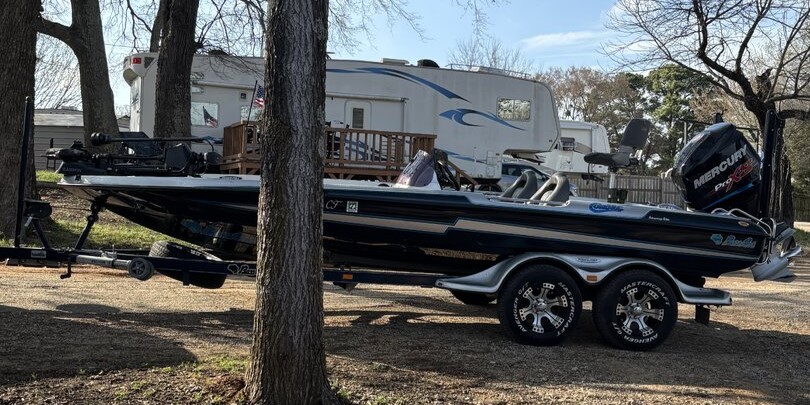
This electronics tutorial happens right where the fish live – on Lake Fork's productive waters where you can see the technology in action. Your guide provides all the high-end electronics gear, so you don't need to bring anything except your Texas fishing license (required for everyone, even during training). We'll start by getting everyone comfortable with the boat setup, then dive into reading screens while actually marking fish and structure. The 5 PM start time is perfect because fish start moving in the evening, giving you live targets to practice on. You'll learn to distinguish between fish marks and debris, understand how depth and bottom composition show up on sonar, and get comfortable with Livescope's real-time imaging. Plus, ice, water, and cooler space are included to keep everyone comfortable during the session.
Mastering Modern Fish Finders
We focus on the electronics that really make a difference – Livescope and advanced sonar units that can transform how you fish. Your guide walks you through interpreting screen colors, understanding fish arches versus actual fish marks, and reading bottom structure that holds bass and crappie. You'll practice adjusting sensitivity settings, learning when to zoom in on specific depths, and understanding how water temperature layers affect what you're seeing. The training covers waypoint marking for productive spots, using mapping features to navigate Lake Fork's submerged timber and creek channels, and setting up different screen views for various fishing situations. By the end, you'll know how to use these tools to locate schools of fish, identify individual bass relating to cover, and understand seasonal patterns that show up on electronics.
Species You'll Target
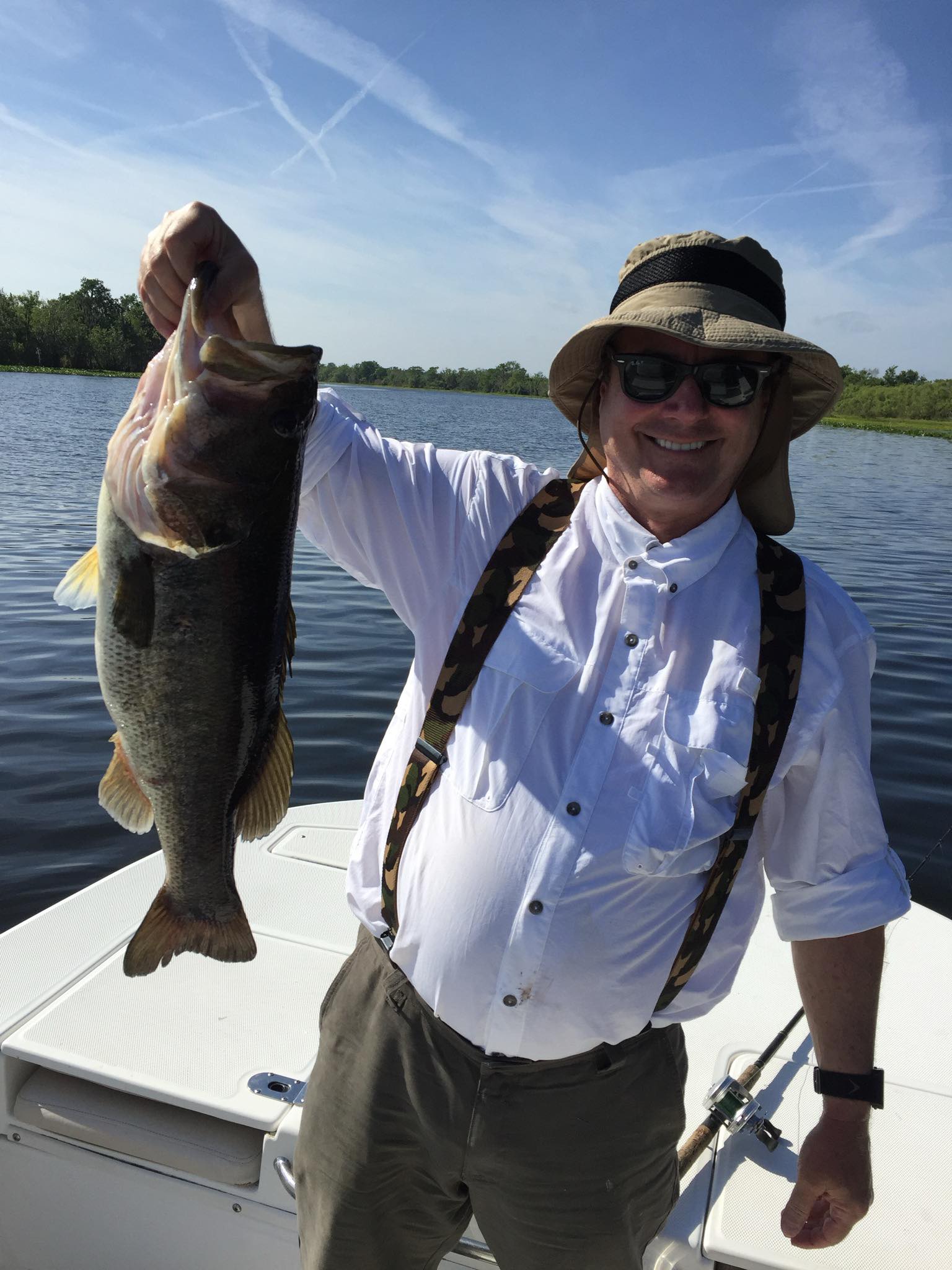
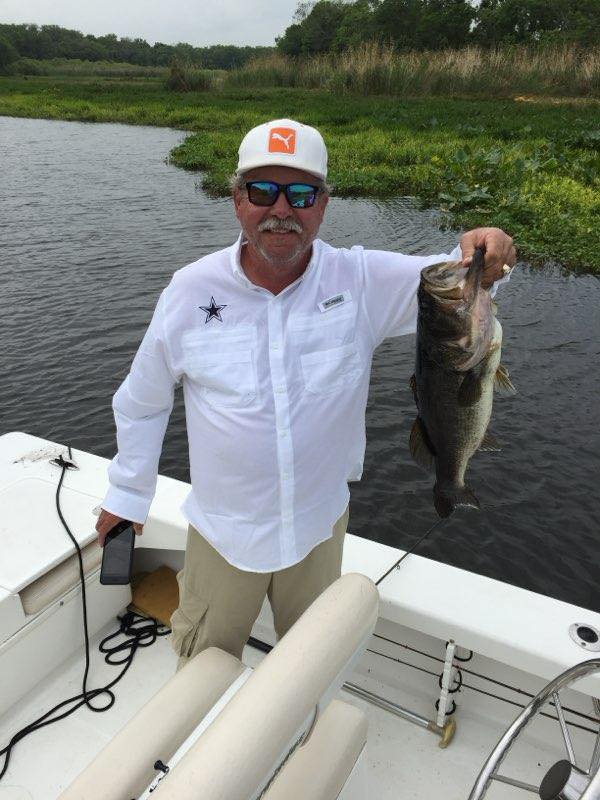
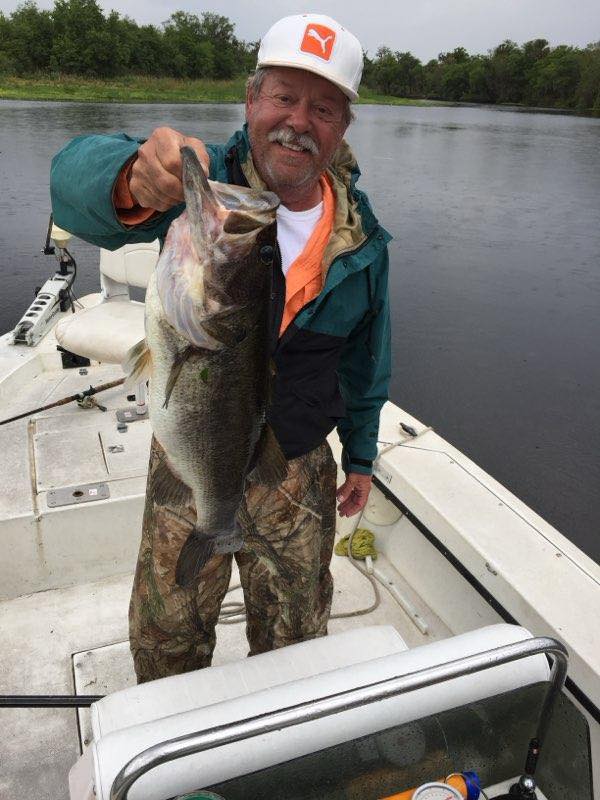
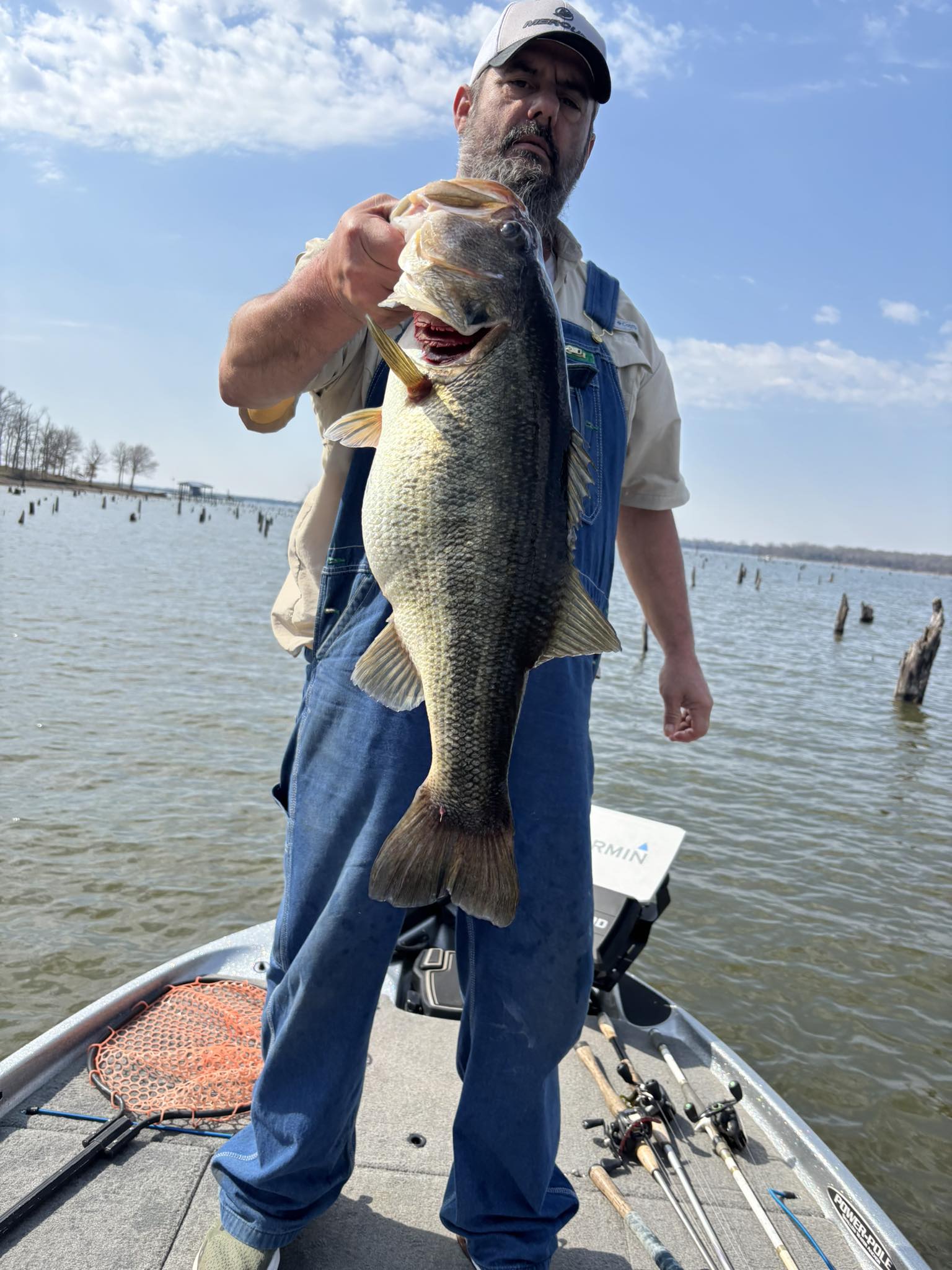
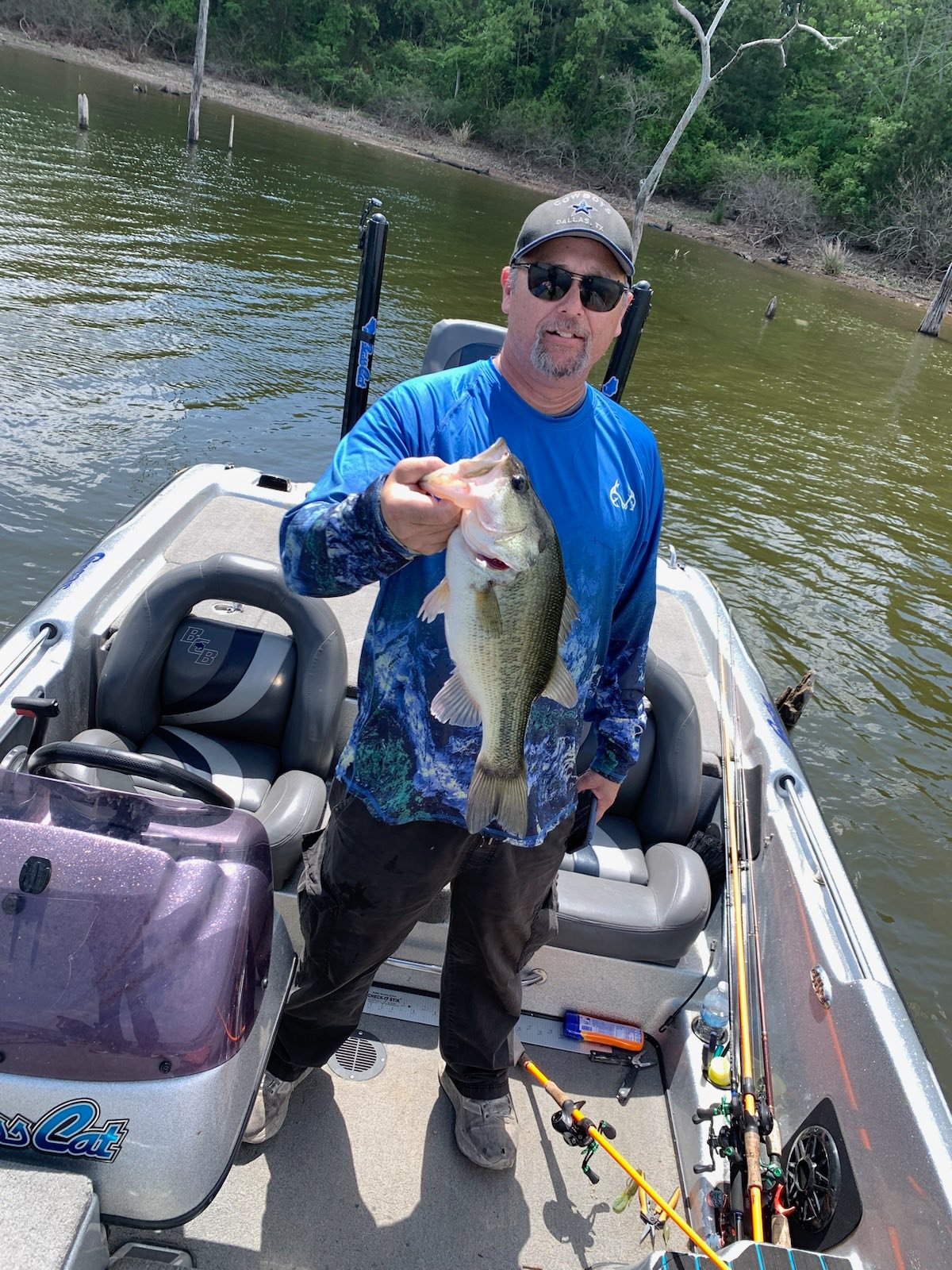
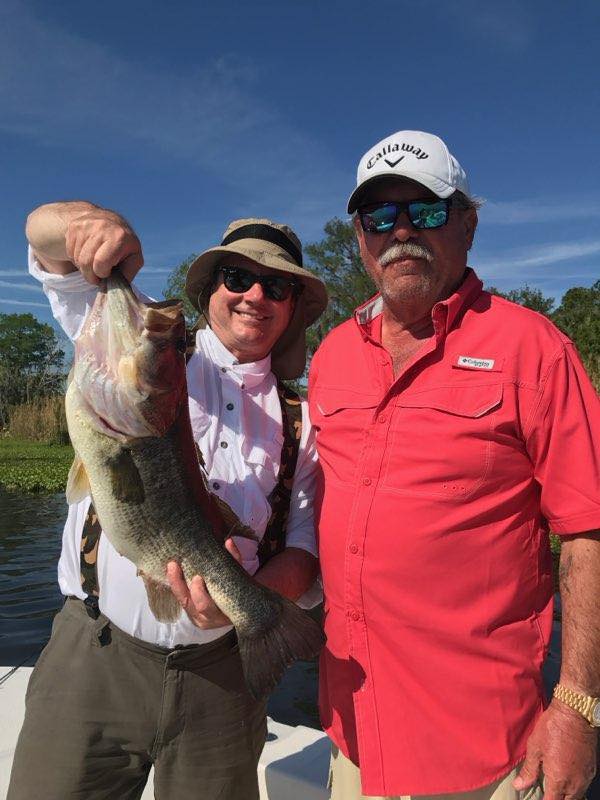
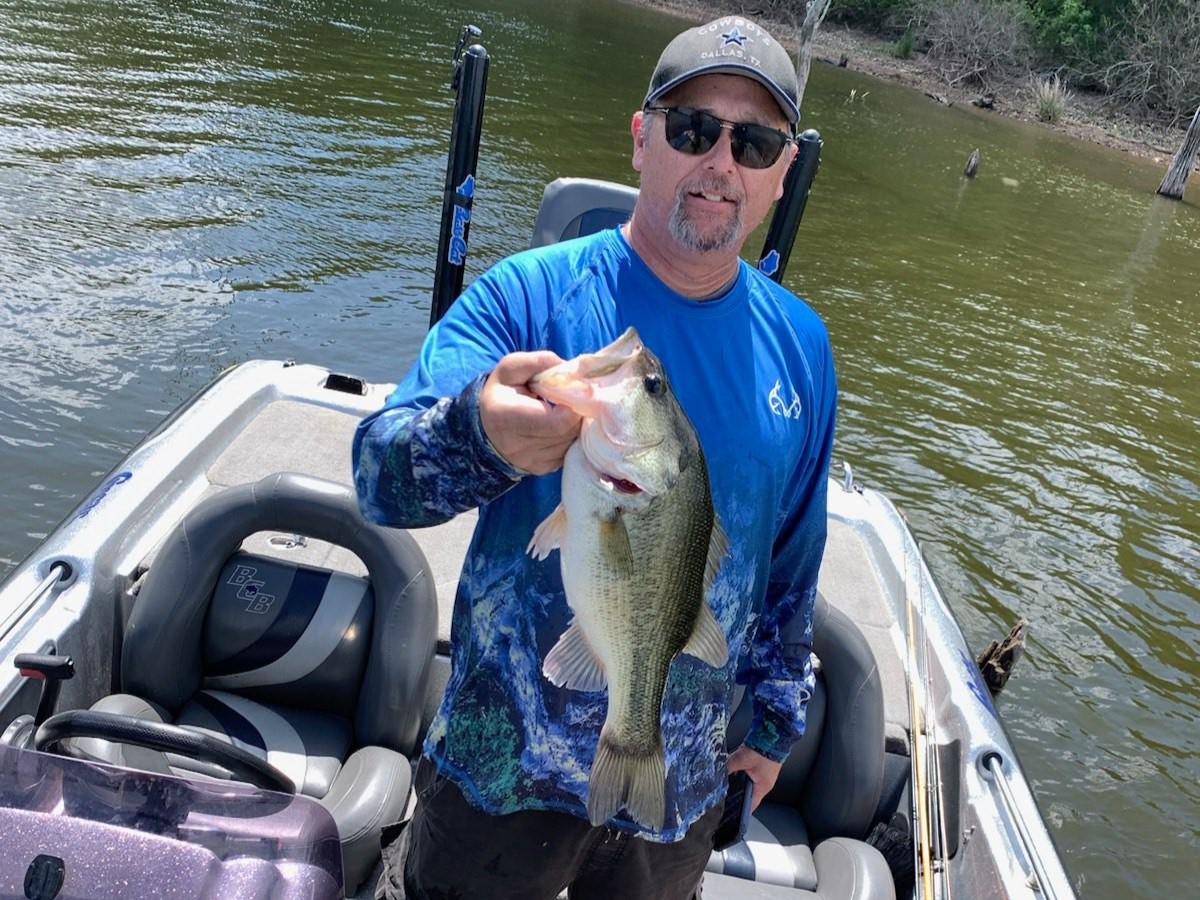
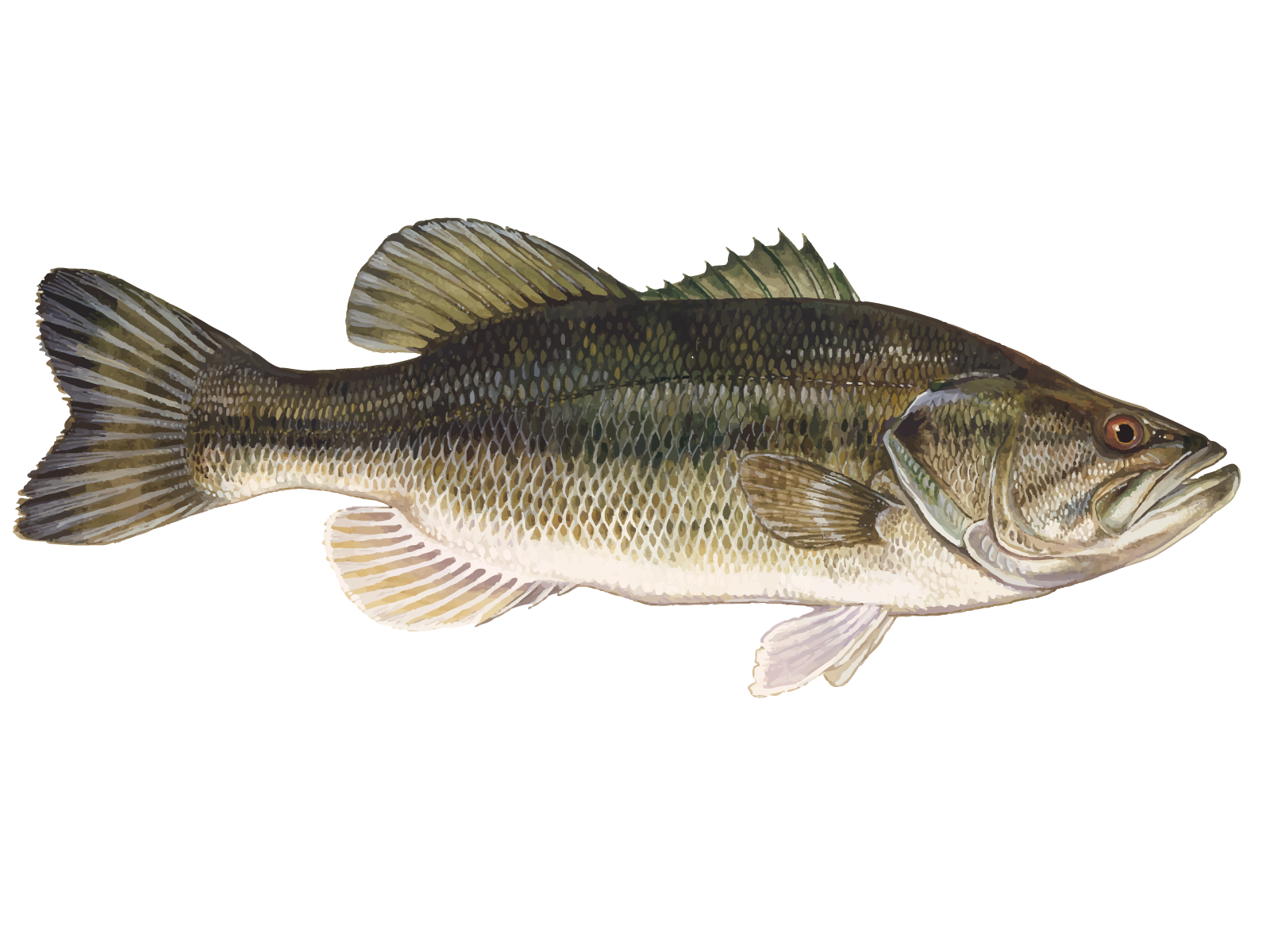
Largemouth bass are the main draw at Lake Fork, and this top-rated Texas fishery consistently produces giants that get anglers talking. These bass love the abundant timber and creek structure throughout the lake, often holding tight to submerged trees and brush piles in 8-25 feet of water. Fall evenings are prime time as bass feed heavily before winter, making them easier to locate on electronics. What makes Lake Fork bass special is their size – this lake regularly kicks out 8-10 pounders that'll test your gear and skills. Learning to spot them on Livescope gives you a huge advantage since you can see exactly how they're relating to cover and adjust your approach accordingly.
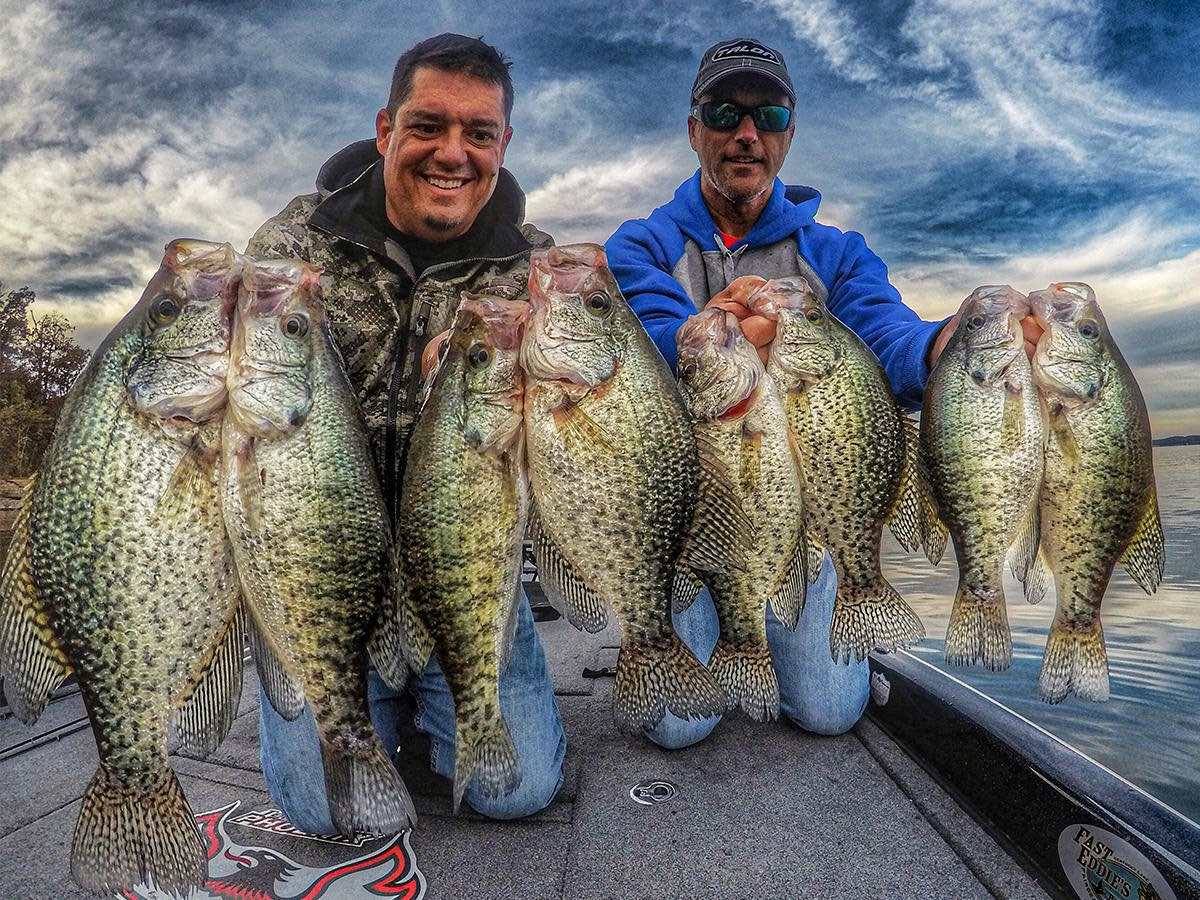
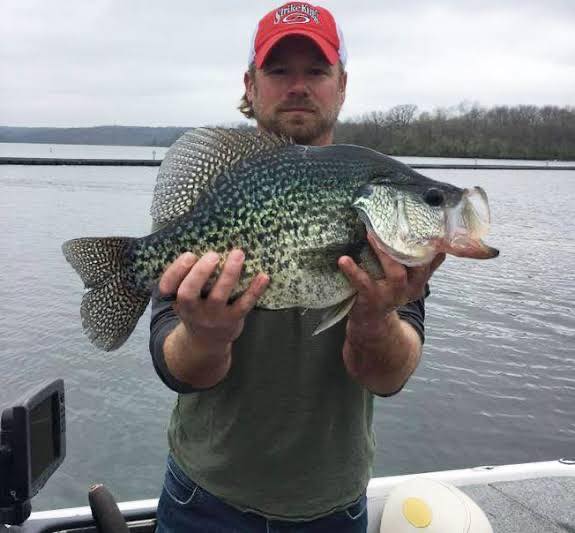
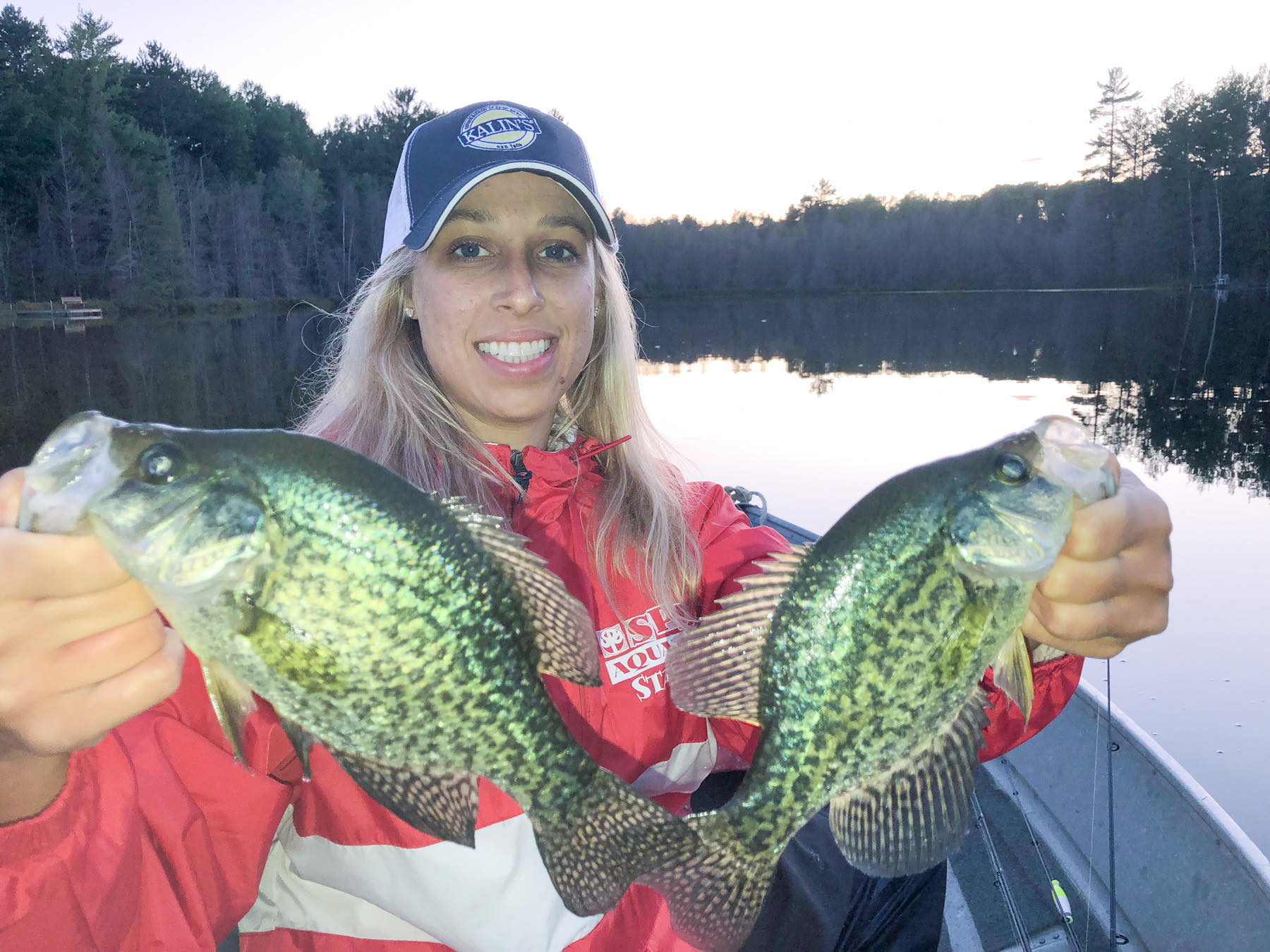
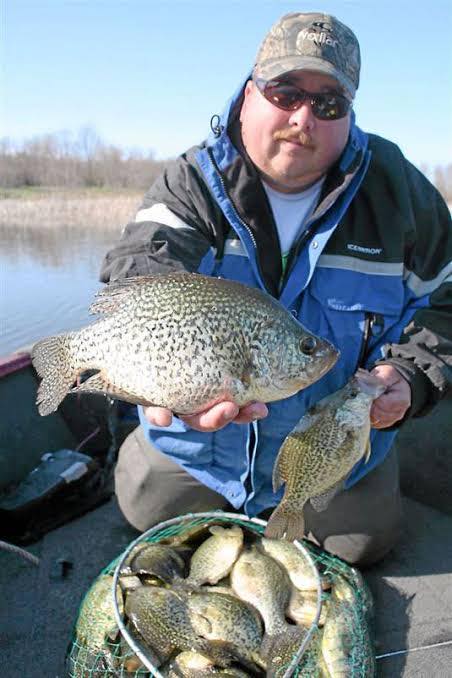
Crappie fishing at Lake Fork offers fantastic action, especially when you know how to find the schools with electronics. These fish suspend around timber in 12-20 feet of water and show up beautifully on sonar as tight clusters. During fall, crappie start schooling up for winter, creating those dense marks that get crappie anglers excited. Lake Fork's crappie run big for Texas – 12-14 inchers are common when you're on the right schools. The key is using electronics to stay on moving fish, since crappie rarely sit still for long. Once you learn to track these schools with modern fish finders, you'll understand why Lake Fork has such a strong crappie following among serious anglers.
Time to Book Your Spot
This hands-on electronics training gives you skills that'll pay off every time you hit the water at Lake Fork or anywhere else you fish. Instead of guessing what those marks mean or fishing blind, you'll have the confidence to read your electronics like a pro and actually find fish consistently. The evening timing works perfectly with most schedules, and having up to 4 people makes it great for families or fishing buddies who want to learn together. Don't spend another season wondering what you're missing under the surface – book this world-class electronics tutorial and start fishing smarter on one of Texas's most renowned bass lakes.
 Private Trip
 Lakes/Reservoirs/Ponds Fishing
 Lake Fork
 2-hour electronics training for advanced fishing sonar and Livescope