Cape Canaveral Inshore Fishing for Skilled Anglers
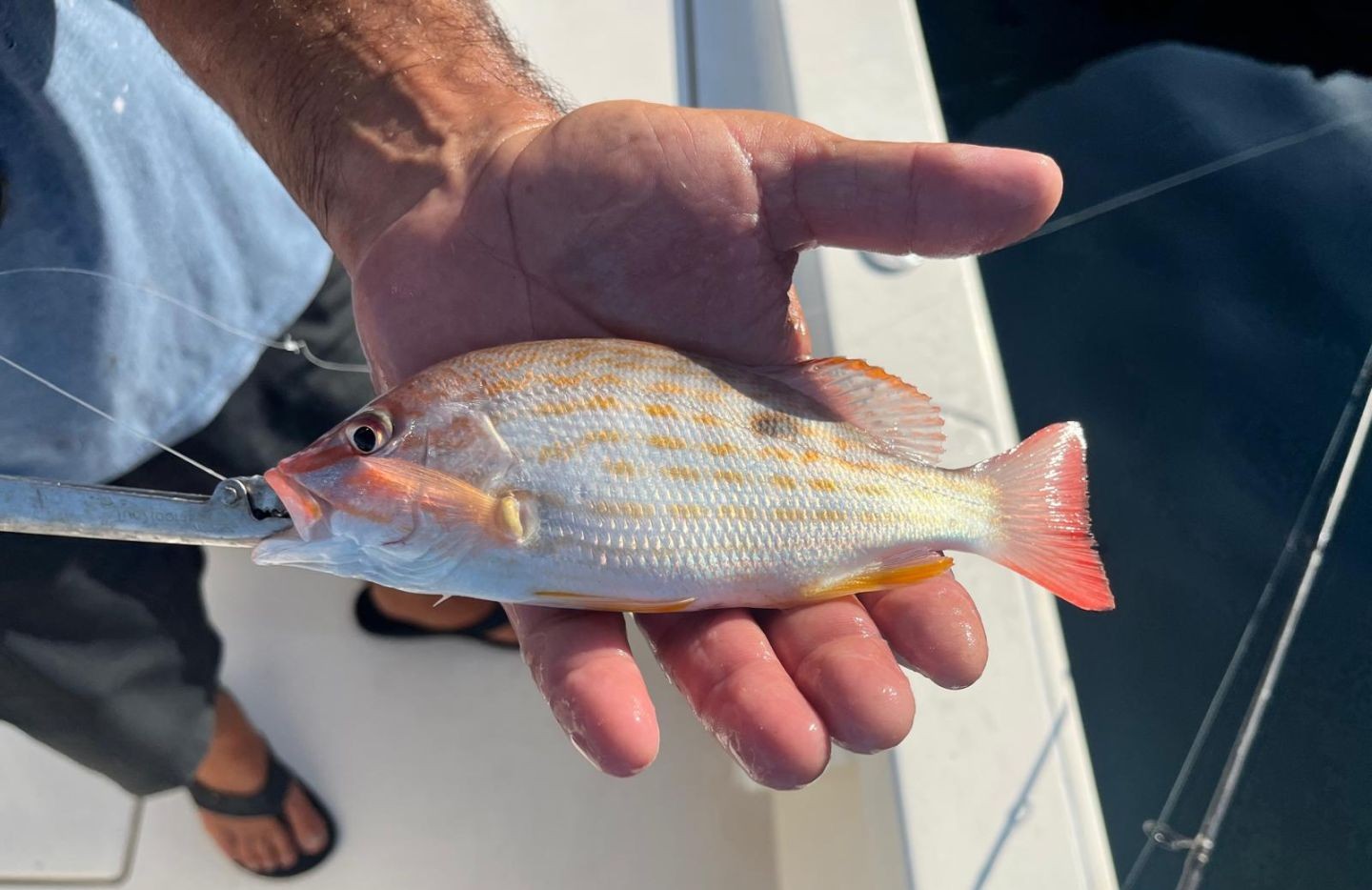
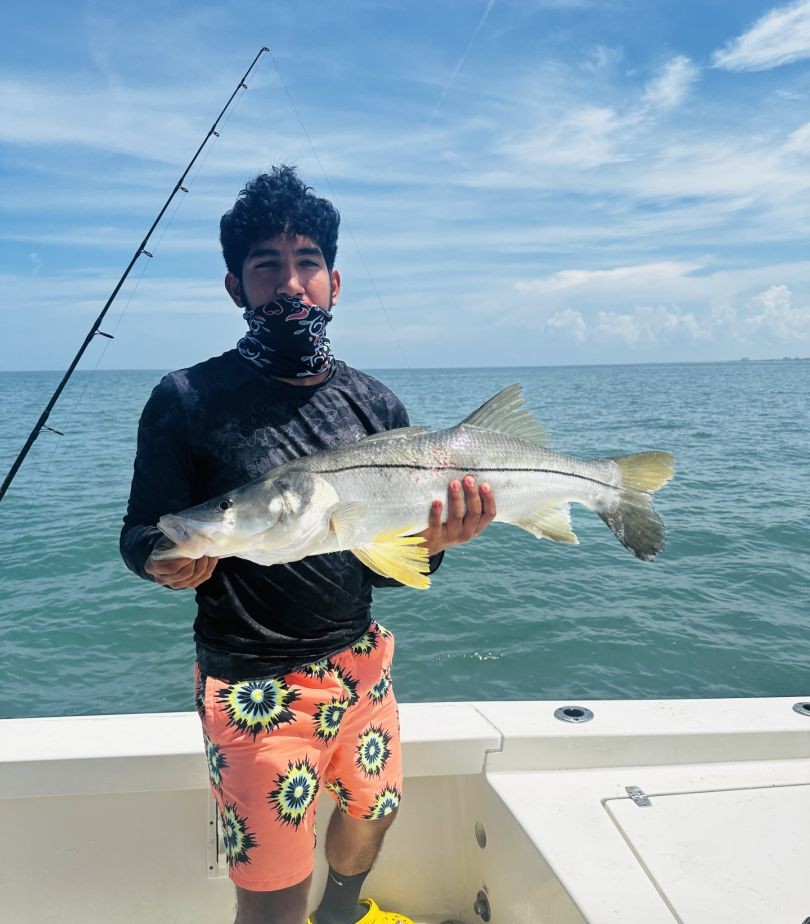
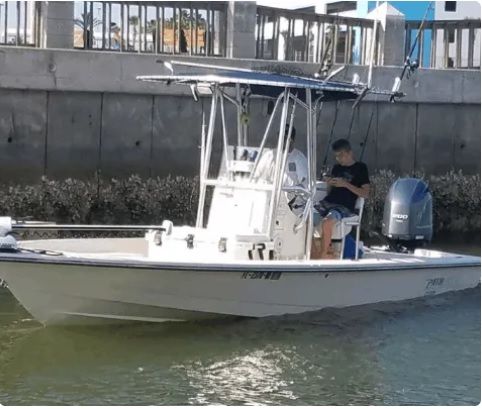
If you're looking to test your skills against some of Florida's most sought-after inshore species, this Cape Canaveral fishing charter delivers exactly what seasoned anglers crave. We're talking about prime fishing grounds where the Indian River Lagoon meets the Atlantic, creating the perfect storm of structure, current, and cover that draws Redfish, Snook, Sheepshead, and Flounder in serious numbers. This isn't your typical tourist fishing trip – it's designed for anglers who know the difference between a good day and a great day on the water. You'll fish from a well-equipped vessel that comfortably handles up to 4 anglers, with room for 6 if your crew needs the extra space. All your gear is covered – premium rods, reels, fresh bait, and fishing licenses – so you can focus on what matters: putting fish in the boat.
What to Expect on the Water
Cape Canaveral's inshore waters offer the kind of diverse fishing that keeps experienced anglers coming back season after season. You're fishing in relatively shallow, protected waters where sight fishing and structure fishing both come into play. The morning trips typically launch early to take advantage of the dawn bite, while afternoon charters capitalize on the moving tides that push baitfish into feeding zones. Your captain schedules trips around optimal tide windows and weather conditions, which means you're not just rolling the dice – you're fishing when conditions give you the best shot at success. The boat setup allows everyone to fish comfortably without bumping elbows, and the captain knows these waters well enough to put you on fish even when they're being finicky. Expect to work different techniques throughout the day, from casting to structure to working grass flats where predator fish ambush their prey.
Techniques & Tackle Setup
The beauty of Cape Canaveral inshore fishing lies in the variety of presentations you'll use throughout the day. You'll be working everything from live shrimp under popping corks around dock pilings to throwing soft plastics on jig heads across grass beds. The provided tackle is matched to the species you're targeting – medium-action spinning setups that can handle the hard pulls of a bull redfish while still having the sensitivity to feel a sheepshead mouthing your bait. Depending on conditions and what's biting, you might find yourself sight fishing in clear water, working oyster bars with careful presentations, or drifting live bait near channel edges where snook lie in ambush. The captain reads the water and adjusts techniques accordingly, whether that means switching from artificials to live bait or moving from shallow flats to deeper cuts where flounder hold. Circle hooks are standard for most presentations, and you'll appreciate having a guide who knows when to switch up leader material based on structure and target species.
Top Catches This Season
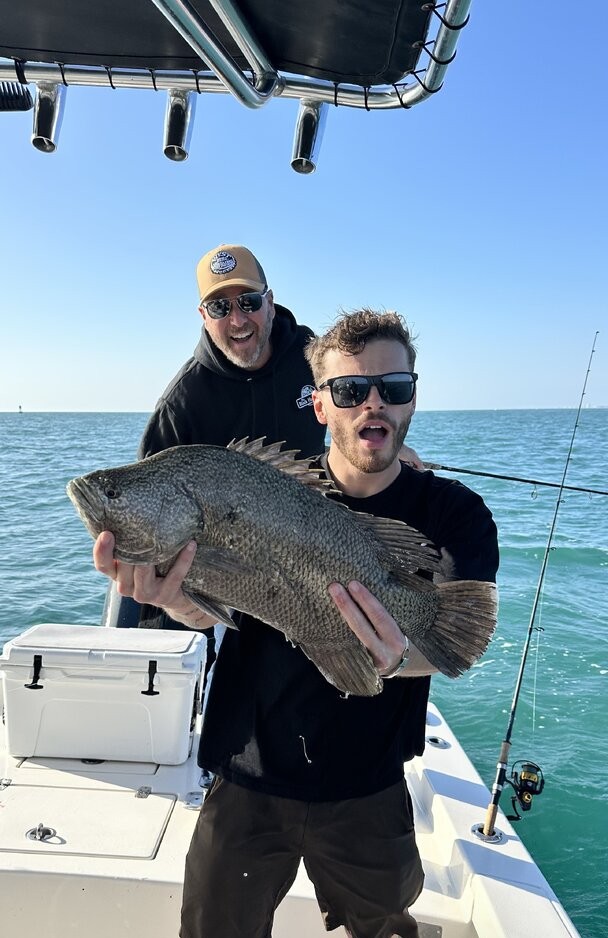
Black Drum around Cape Canaveral are absolute bruisers, especially during cooler months when they school up in deeper channels and around structure. These fish can easily push 20-30 pounds, and when you hook into a big drum, you'll know it immediately from that steady, bulldogging fight. They're suckers for fresh shrimp and blue crab, and the best action usually happens around oyster bars and bridge pilings where they root around for food. What makes drum fishing so addictive is the combination of their size and the technique required – you need to keep your bait on the bottom but still detect those subtle pickups before they spit the hook.
Summer Flounder fishing peaks during warmer months when these flatfish move into the inshore waters to feed. Cape Canaveral's sandy bottoms and grass edges create perfect flounder habitat, and these fish can surprise you with their size – doormat flounder over 5 pounds aren't uncommon here. They're ambush predators that bury themselves in sand and strike fast, so you need to stay alert and set the hook quickly. Live finger mullet or mud minnows work great, but skilled anglers also score with bucktail jigs tipped with shrimp or Gulp baits bounced along the bottom.
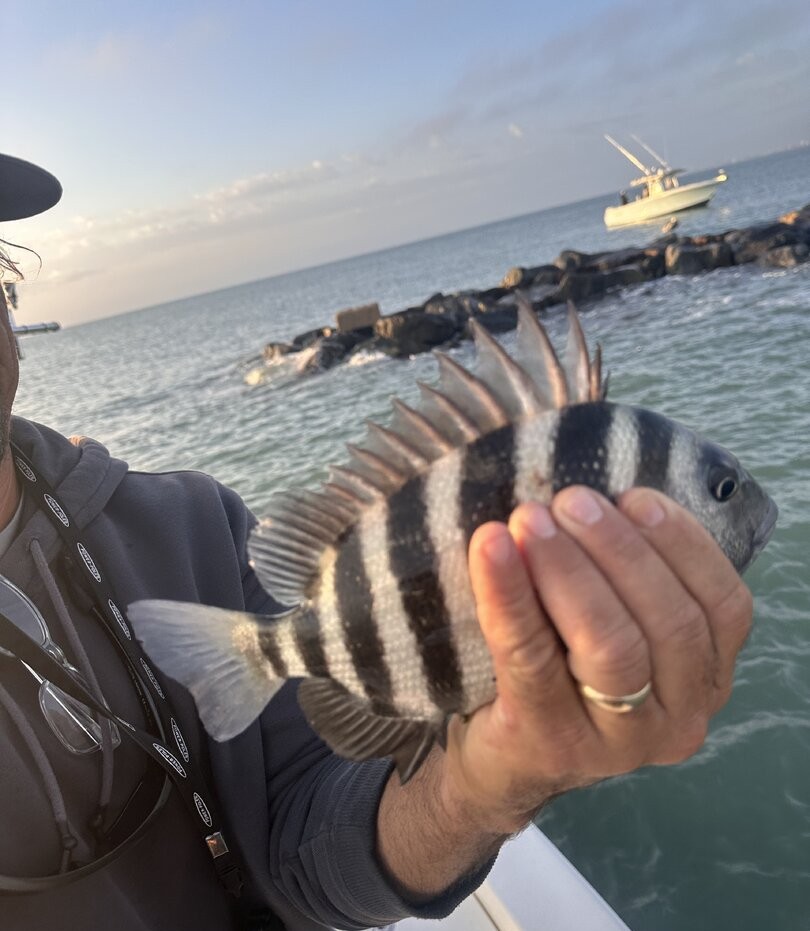
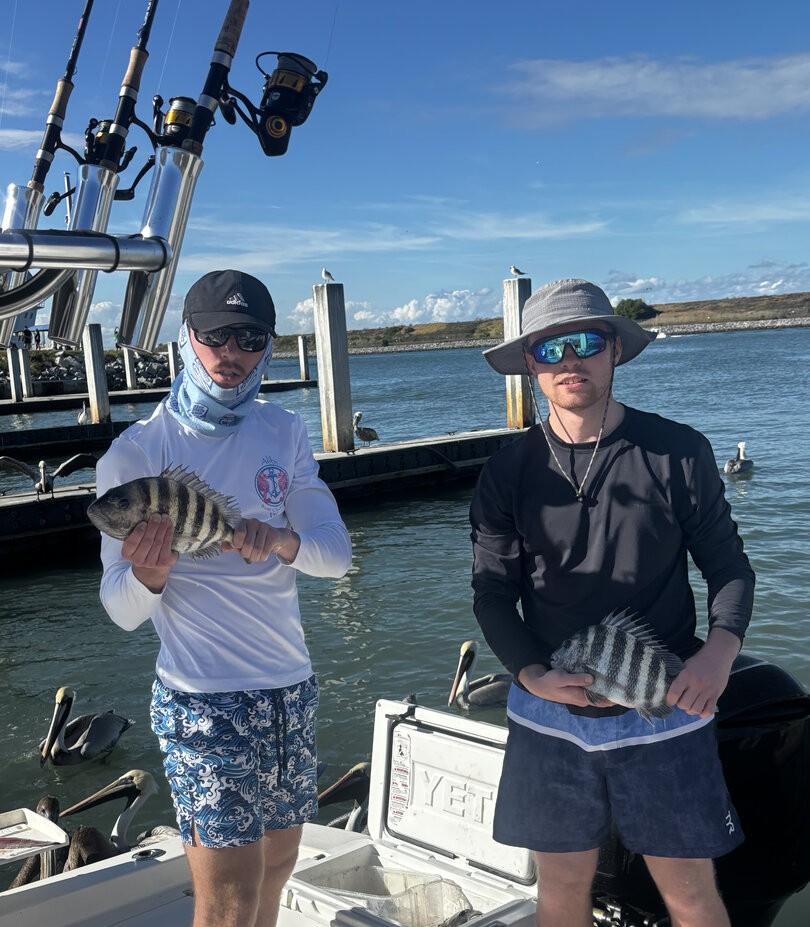
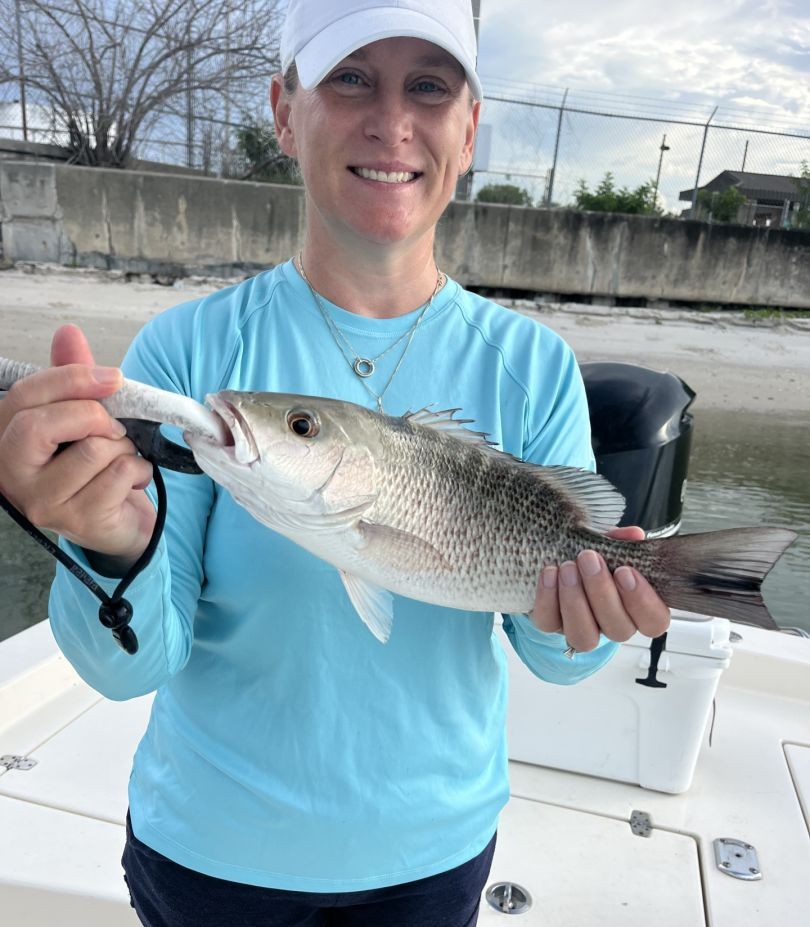
Sheepshead are the technical challenge that separates experienced anglers from weekend warriors. These black-and-white striped fish have incredible eyesight and the wariness to match, plus they're notorious bait thieves with their crushing teeth. Around Cape Canaveral's abundant structure – docks, pilings, rocks – sheepshead provide year-round action, with peak fishing during cooler months. You'll need small hooks, light leaders, and the patience to feel those subtle taps before setting the hook. When you do connect, sheepshead fight harder than their size suggests and make excellent table fare.
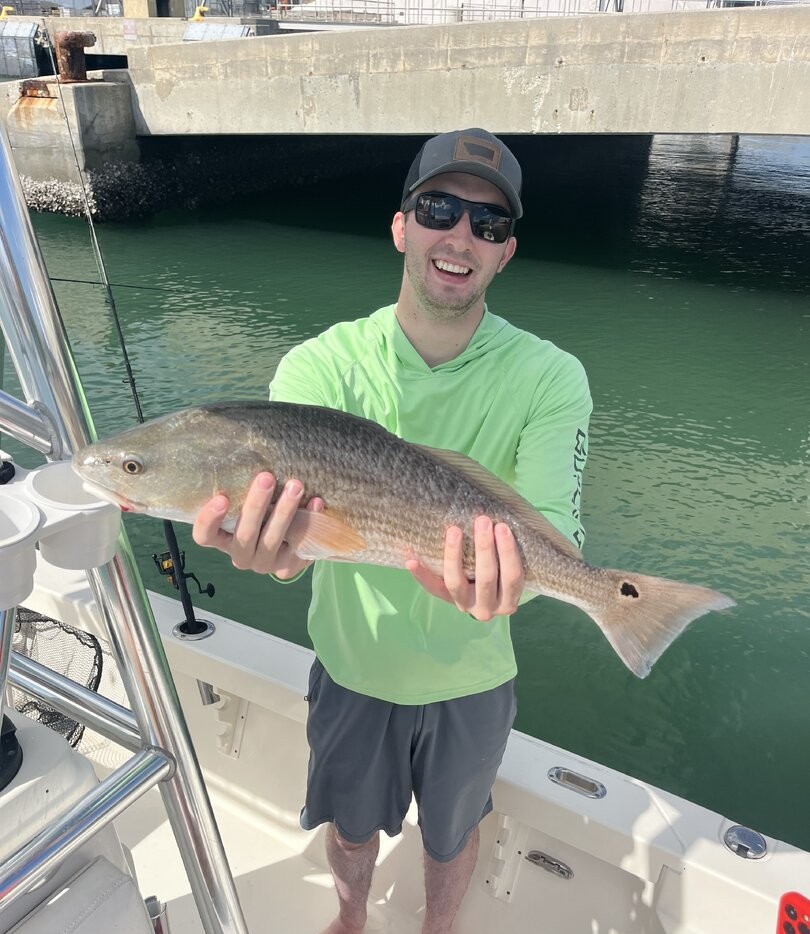
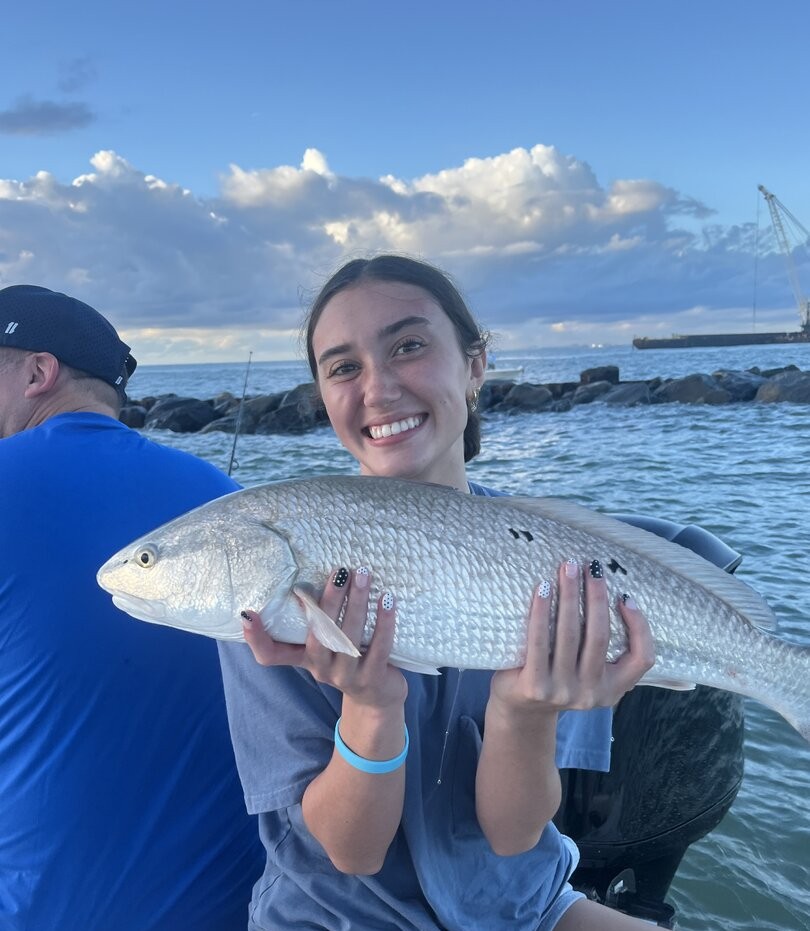
Redfish are the crown jewel of Cape Canaveral inshore fishing, and for good reason. These copper-colored fighters can range from schoolie reds in the 18-24 inch range to bull reds that'll test your drag and your arms. The shallow grass flats and oyster bars provide perfect redfish habitat, and experienced anglers love the variety of ways you can target them – sight fishing in skinny water, working cut bait around structure, or throwing gold spoons and soft plastics. Reds fight dirty, making long runs and using their broad sides to leverage against your rod. The slot-sized fish make outstanding eating, while the big bulls provide pure adrenaline before a careful release.
Time to Book Your Spot
This Cape Canaveral inshore fishing charter delivers exactly what skilled anglers want – productive fishing in prime waters with quality gear and local expertise. You're not gambling on a generic fishing trip; you're booking time with a captain who knows these waters and can adapt to conditions and fish behavior throughout the day. The 4-angler capacity keeps the boat comfortable while ensuring everyone gets quality fishing time, and the flexible scheduling around tides means you're fishing when success is most likely. Whether you choose a morning or afternoon trip, you'll be working proven techniques in waters that consistently
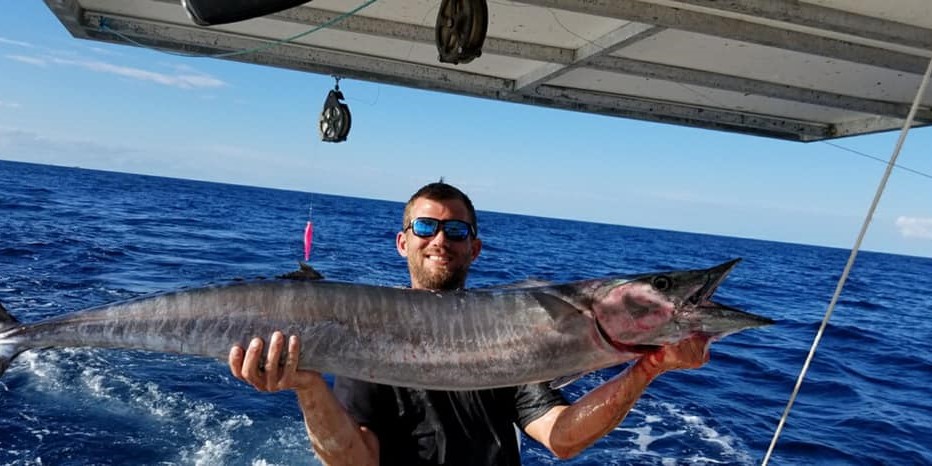
 Private Trip
 Inshore Fishing
 Cape Canaveral


 Skilled angler charter targeting Redfish, Snook, Sheepshead, and Flounder