Sacramento River Fishing for First-Timers
Starting your fishing journey on the Sacramento River near Redding is like learning to drive on the perfect practice course – forgiving waters, gorgeous scenery, and fish that actually want to bite. This 4-hour beginner trip with Andrew Surtees Guide Service takes all the guesswork out of your first real angling adventure. You'll walk away knowing how to cast properly, read the water, and handle a fish with confidence. Most importantly, you'll understand why so many people get hooked on this sport after just one good day on the Sac.
What to Expect on the Water
We're talking about a laid-back half-day that focuses on building your skills without overwhelming you with too much information at once. The Sacramento River around Redding offers some of the most beginner-friendly fishing in Northern California, with steady flows and predictable fish behavior that makes learning easier. Your guide will meet you at the launch point with all the gear you need – rods, reels, tackle, bait, and nets – so you can focus on absorbing the lessons rather than worrying about equipment. The pace is relaxed but productive, giving you plenty of time to practice each technique before moving on to the next. With just two anglers maximum, you'll get personalized attention that makes all the difference between a frustrating day and one that builds real confidence. The river here runs clear most of the year, so you can actually watch fish react to your presentation and start understanding their behavior patterns.
Drift Fishing & Casting Basics
This trip centers around drift fishing, which is hands-down the best way for beginners to catch trout on the Sacramento. Instead of trying to master complex techniques right away, you'll learn how to read current seams, present bait naturally, and feel the difference between a fish bite and bottom contact. Your guide will show you how to cast accurately without backlashing or tangling your line – skills that seem impossible at first but click surprisingly fast with good instruction. We use spinning tackle that's forgiving and easy to handle, matched with the right weight and bait combinations for current conditions. You'll practice different retrieve speeds and learn when to set the hook versus when to let a fish run with the bait. The Sacramento's moderate current is perfect for learning because it's strong enough to teach you proper drift techniques but not so fast that you're constantly fighting snags or losing gear.
Top Catches This Season
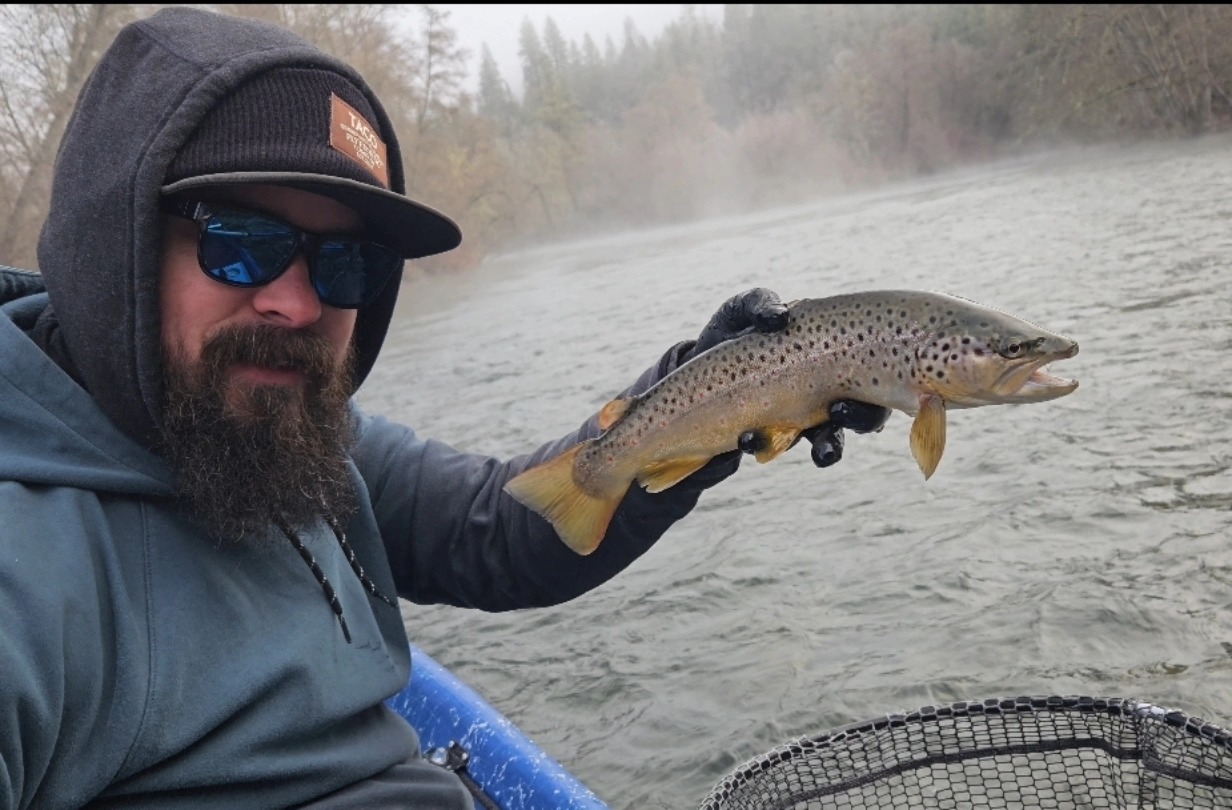
Brown Trout on the Sacramento River are absolute fighters that'll test your new skills right from the start. These fish typically run 12 to 16 inches in the Redding area, with some bruisers pushing 20 inches or more during peak seasons. Browns are most active during the cooler months from October through March, making them perfect targets for winter fishing when other species slow down. What makes them special is their wariness – they're smart fish that require good presentation, so when you hook one, you know you've done something right. They'll make strong runs toward cover and jump when hooked, giving you that heart-pounding experience that turns casual anglers into lifelong enthusiasts. The Sacramento's browns feed heavily on aquatic insects and small baitfish, so they respond well to both natural baits and properly presented lures.
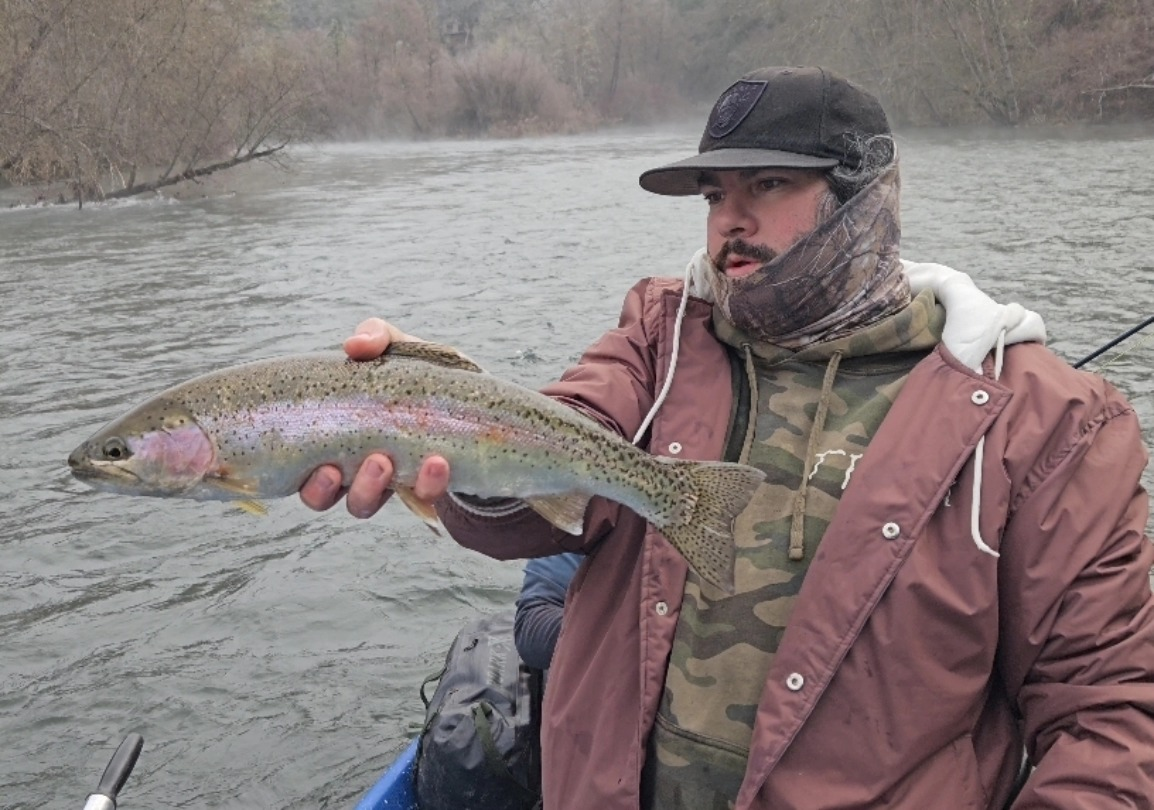
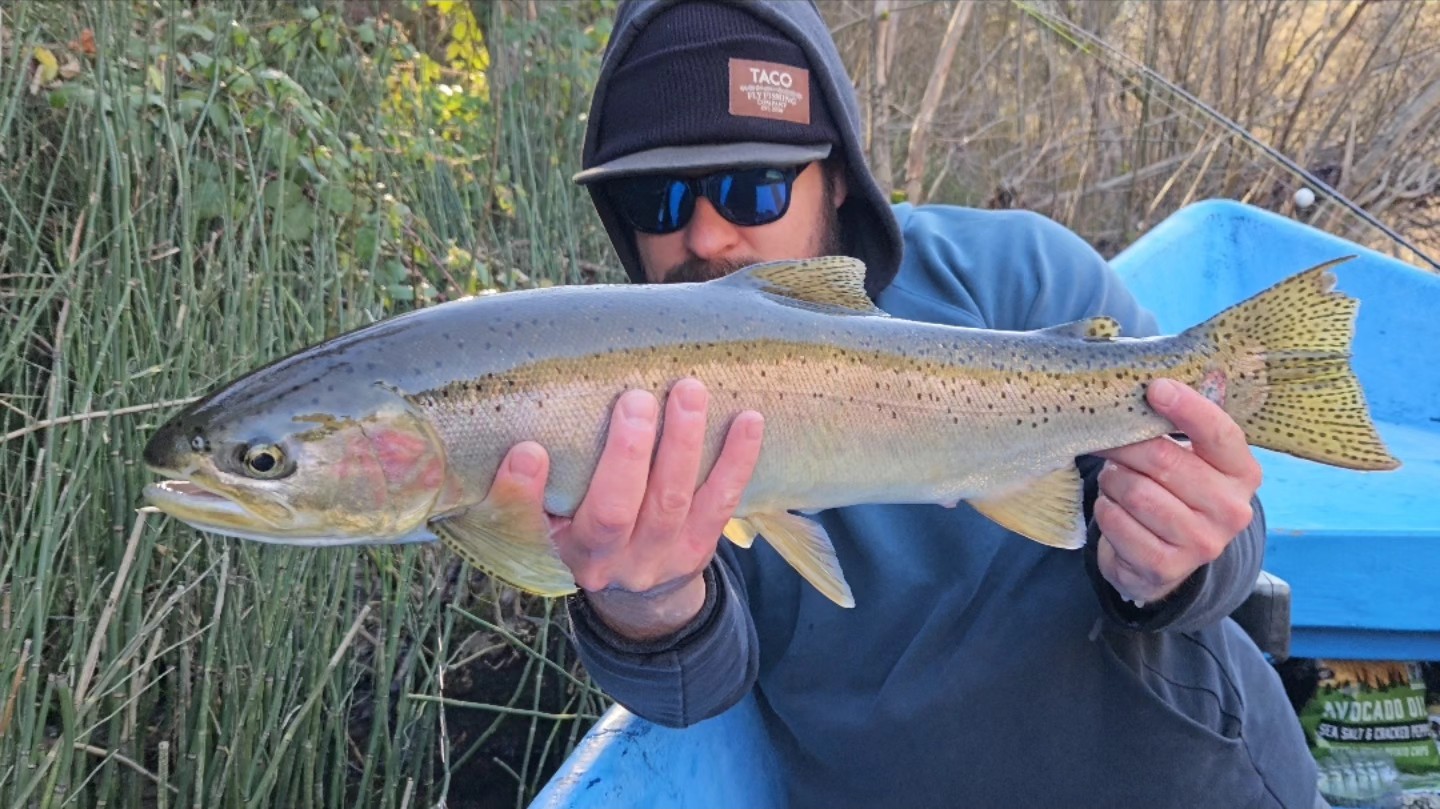
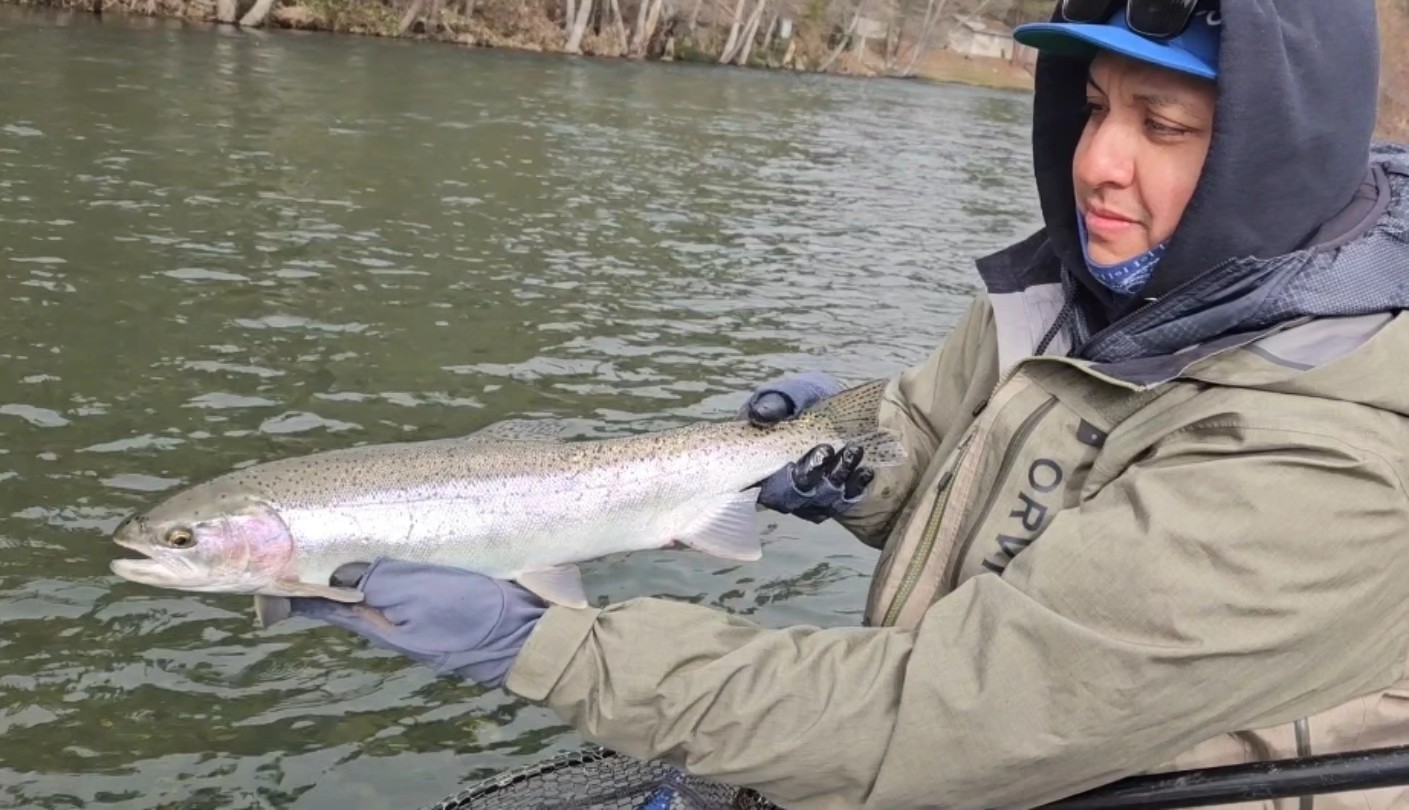
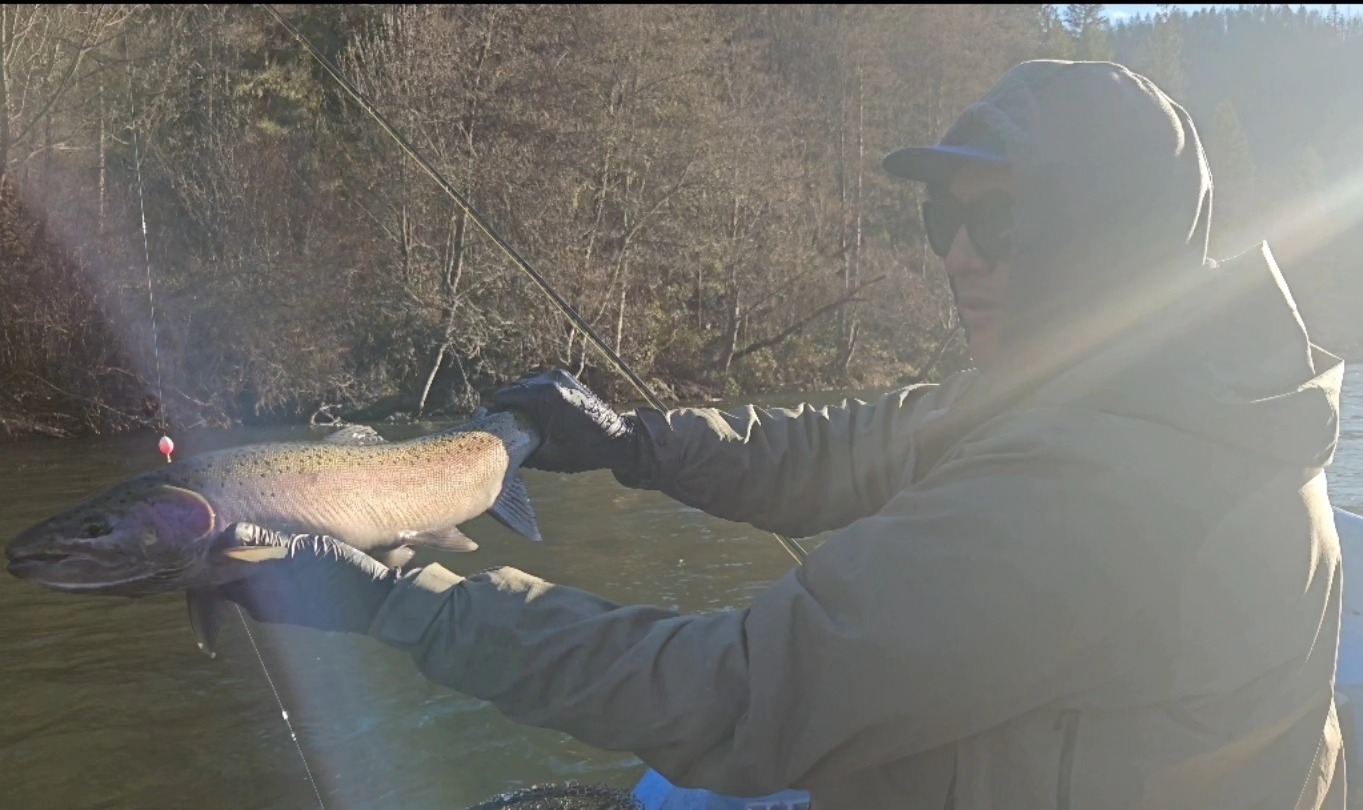
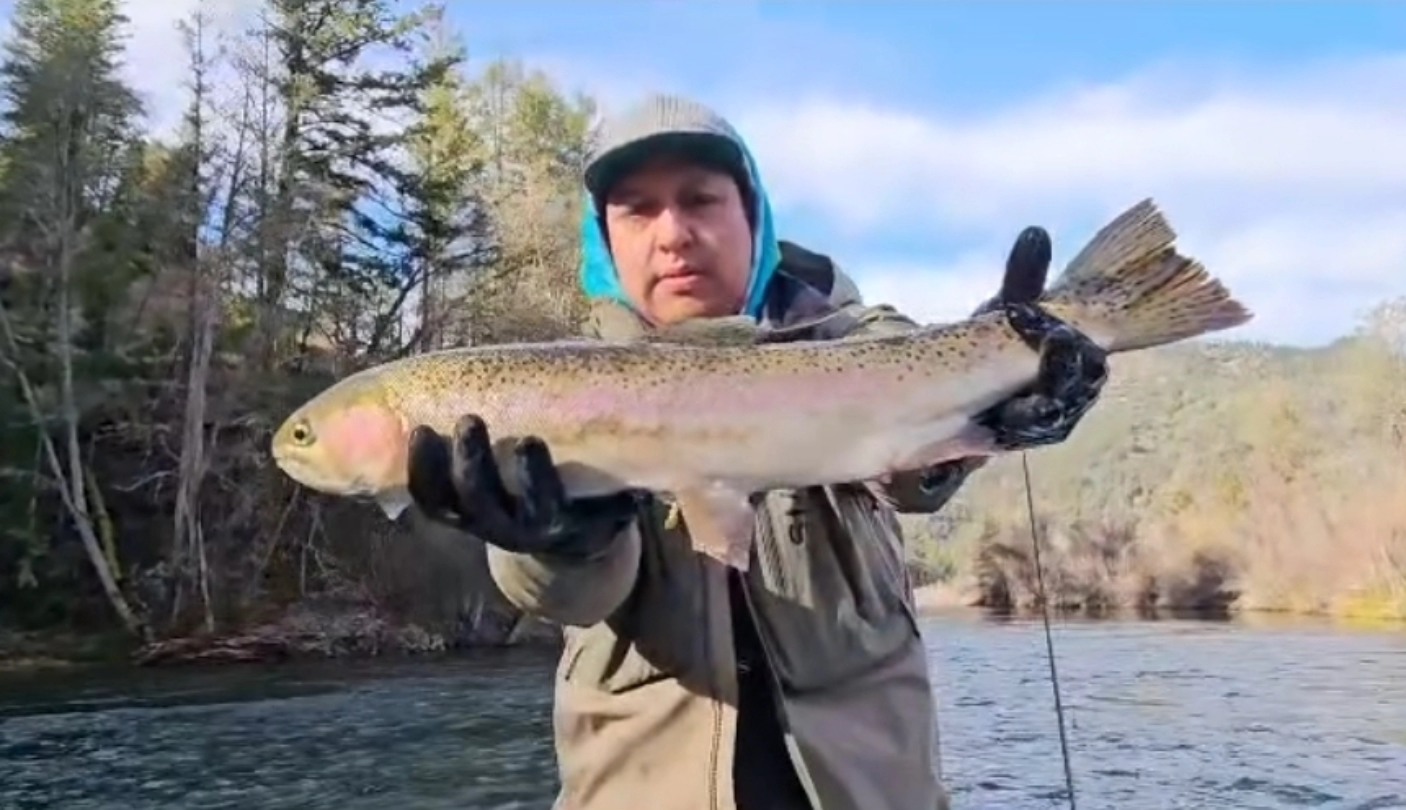
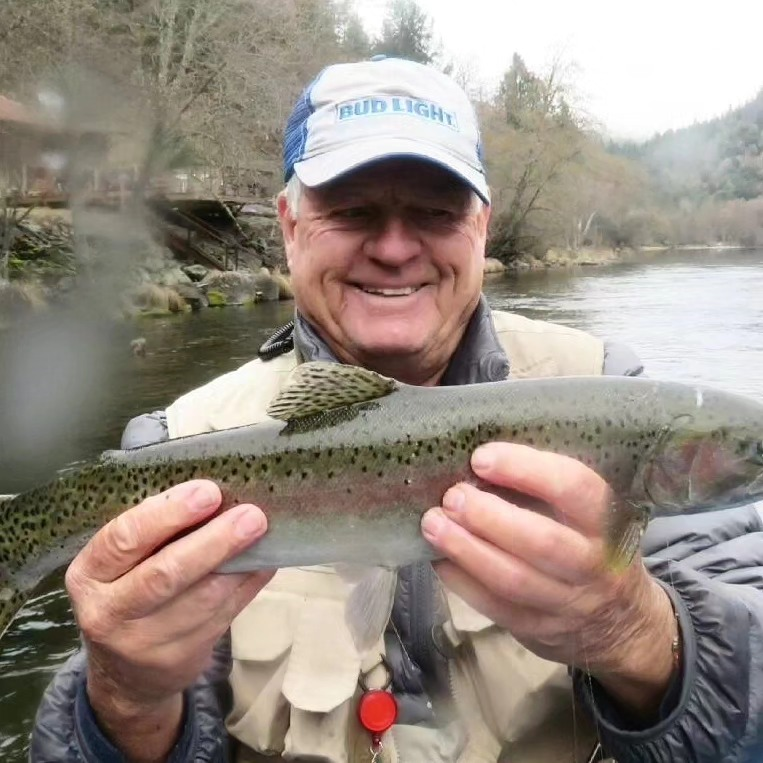
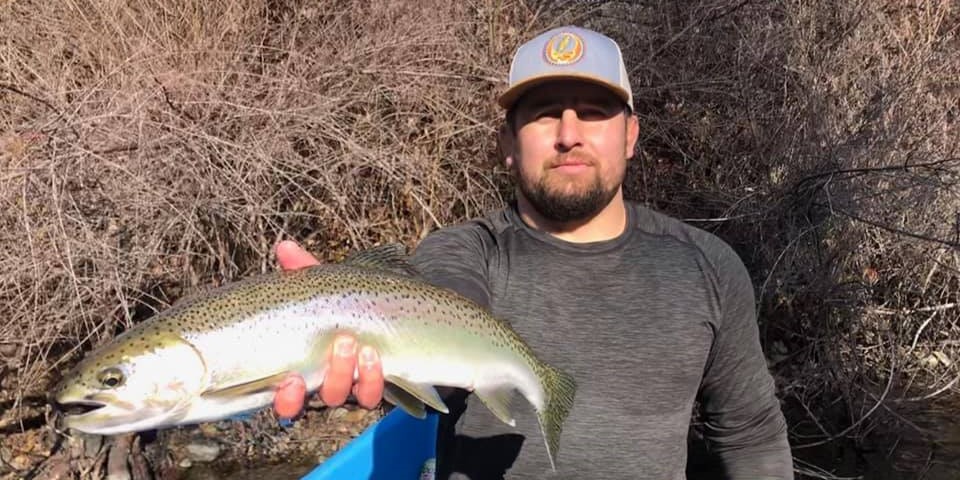
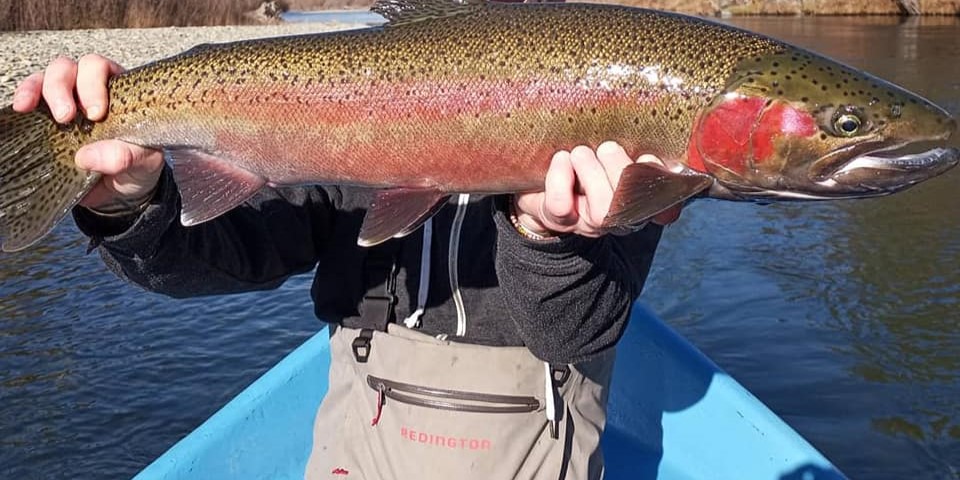
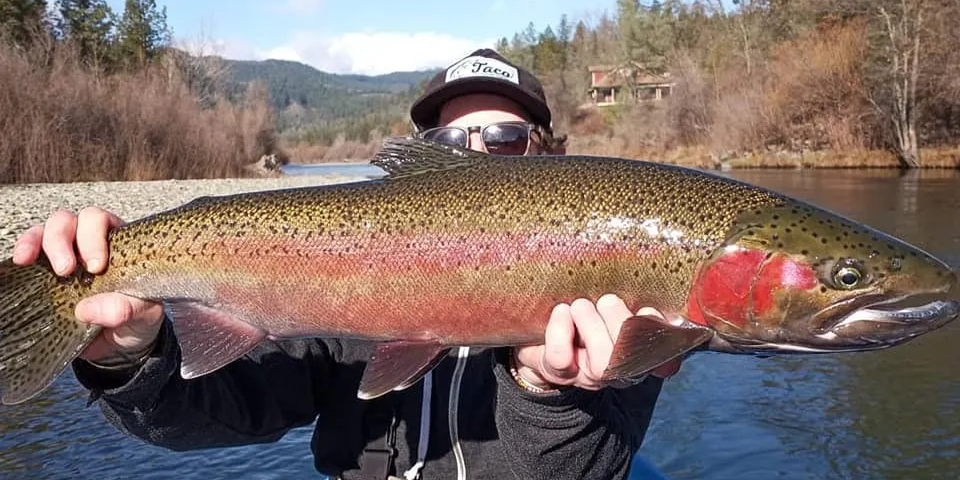
Rainbow Trout are the bread and butter of Sacramento River fishing, and they're incredibly rewarding for beginners because they're both abundant and aggressive. Most rainbows here range from 10 to 14 inches, with their bright silver sides and that classic pink stripe that gives them their name. Unlike browns, rainbows are more forgiving of presentation mistakes and will often give you multiple chances if you don't hook them on the first strike. They're active year-round but really turn on during spring months when water temperatures hit that sweet spot between 55 and 65 degrees. When you hook a rainbow, expect aerial acrobatics – these fish love to jump and will test your drag system and rod-handling skills. They school up more than browns, so catching one often means there are others nearby, making for exciting action that keeps beginners engaged and learning.
Time to Book Your Spot
This beginner-friendly Sacramento River fishing trip delivers exactly what new anglers need – patient instruction, quality equipment, and productive waters that actually hold fish. You'll leave with practical skills that transfer to other fishing situations, plus the confidence that comes from successfully landing your first trout on proper tackle. The 4-hour format gives you enough time to really absorb the lessons without the fatigue that can come with longer trips when you're just starting out. Andrew Surtees Guide Service has built a reputation for turning nervous beginners into enthusiastic anglers, and this trip is designed specifically for that transformation. The Sacramento River near Redding offers consistent fishing year-round, so you can book with confidence knowing the conditions will be right for learning. Don't wait until next season to start your fishing journey – the river is ready when you are.
 Private Trip
 River Fishing
 Sacramento River

 Beginner-friendly half-day Sacramento River fishing experience