3-Hour Vertical Jigging Adventure Offshore
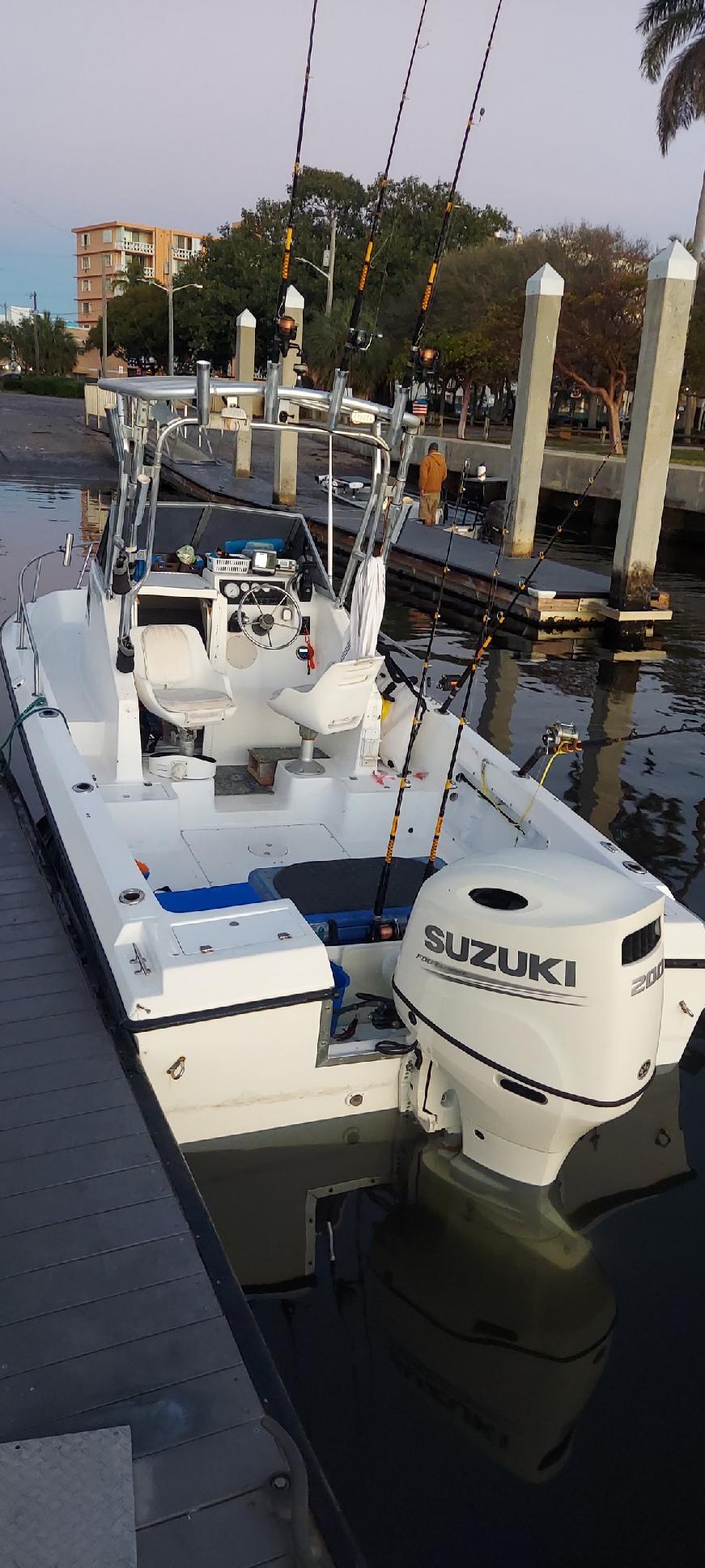
Ready to drop some iron and see what's lurking down there? This 3-hour vertical jigging trip with Angle Drop Charters is your ticket to some serious offshore action. We're talking about targeting structure where the big boys hang out – wrecks, ledges, and productive reefs that hold everything from lightning-fast pelagics to hefty bottom dwellers. With space for up to 6 anglers, you'll get plenty of elbow room and personalized attention from our crew who know these waters like the back of their hand.
What to Expect on the Water
This isn't your typical drift fishing or trolling trip – we're going vertical and getting down to business. Once we reach our offshore marks, we'll position over known structure using GPS and fish finder technology. You'll be dropping heavy jigs straight down, working them with sharp, aggressive lifts and drops to trigger strikes from fish holding tight to the bottom or suspended in the water column. The technique might seem simple, but there's definitely an art to it. Our crew will show you the proper jigging cadence, how to feel the bottom, and recognize when a fish picks up your lure. Most importantly, we'll help you distinguish between a snag and a monster grouper trying to head back to its cave. The action can be fast and furious when we find the right spot – one minute you're working your jig, the next you're doubled over fighting something that doesn't want to come up from 150 feet down.
Jigging Techniques & Gear
Vertical jigging is all about precision and feel. We'll supply the heavy conventional reels spooled with braided line – typically 50-80 pound test – paired with stout rods that can handle the pressure of lifting big fish from deep water. The jigs themselves range from 4 to 12 ounces depending on current and depth, often tipped with assist hooks for better hookup ratios. The key is letting the jig hit bottom, then working it up through the water column with sharp lifts followed by controlled drops. Fish often hit on the fall, so you need to stay connected and feel for that subtle weight or tick that signals a pickup. We'll position over wrecks in 100-200 feet of water, natural ledges, and artificial reefs that concentrate baitfish and the predators that follow them. The structure provides ambush points for everything from aggressive cobia cruising the mid-water to big mutton snappers holding tight to the reef. Current flow is crucial – it positions baitfish and gets the predators feeding actively.
Top Catches This Season
Let's break down what's been crushing the jigs lately and why each species makes this style of fishing so addictive. These offshore structures hold an incredible variety of fish, and you never know what's going to slam your lure on the next drop.
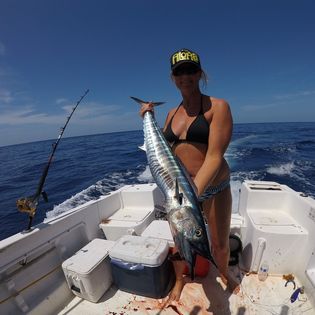
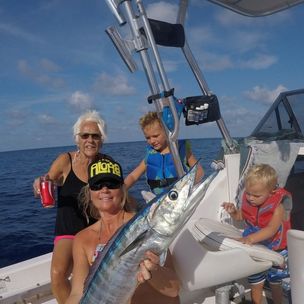
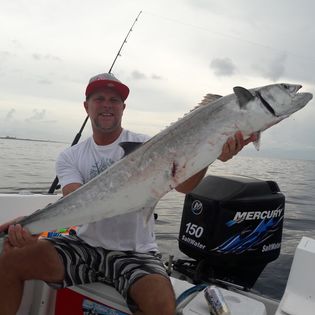
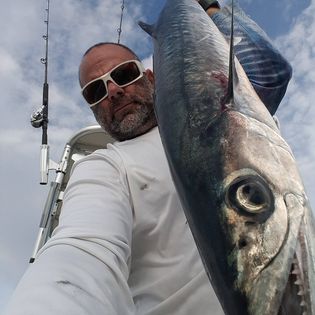
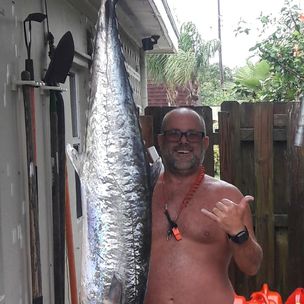
Wahoo are the speed demons of the bunch, and when they hit a vertical jig, it's like getting struck by lightning. These fish can reach speeds over 40 mph and typically run 20-50 pounds, though monsters over 80 pounds lurk out there. Fall and winter months tend to be prime time when they move closer to structure chasing baitfish. What makes wahoo special is their razor-sharp teeth and blistering runs – they'll scream line off your reel faster than almost any other fish in the ocean. The meat is white, firm, and absolutely delicious grilled or blackened.
Cobia are the bulldogs of vertical jigging, known for their incredible power and stubborn fighting style. These brown sharks of the reef world average 30-60 pounds but can push over 100 pounds. Spring and summer bring the best action as they cruise structure looking for crabs and smaller fish. Cobia are curious by nature and will often follow a jig up from the bottom, giving you multiple chances to trigger a strike. Their broad tail and muscular body make them one of the strongest fighters pound-for-pound, often heading straight back to the wreck when hooked.
Mutton snapper represent the classic bottom fishing prize, with their distinctive red coloration and excellent table fare. Most fish run 8-15 pounds, but true trophy muttens over 20 pounds patrol deeper structure. These fish are most active during warmer months and around moon phases when they aggregate to spawn. Muttons are notorious for their excellent eyesight and wariness, making them a challenging target that rewards skill and persistence. The meat is firm, white, and considered among the best eating in the reef fish family.
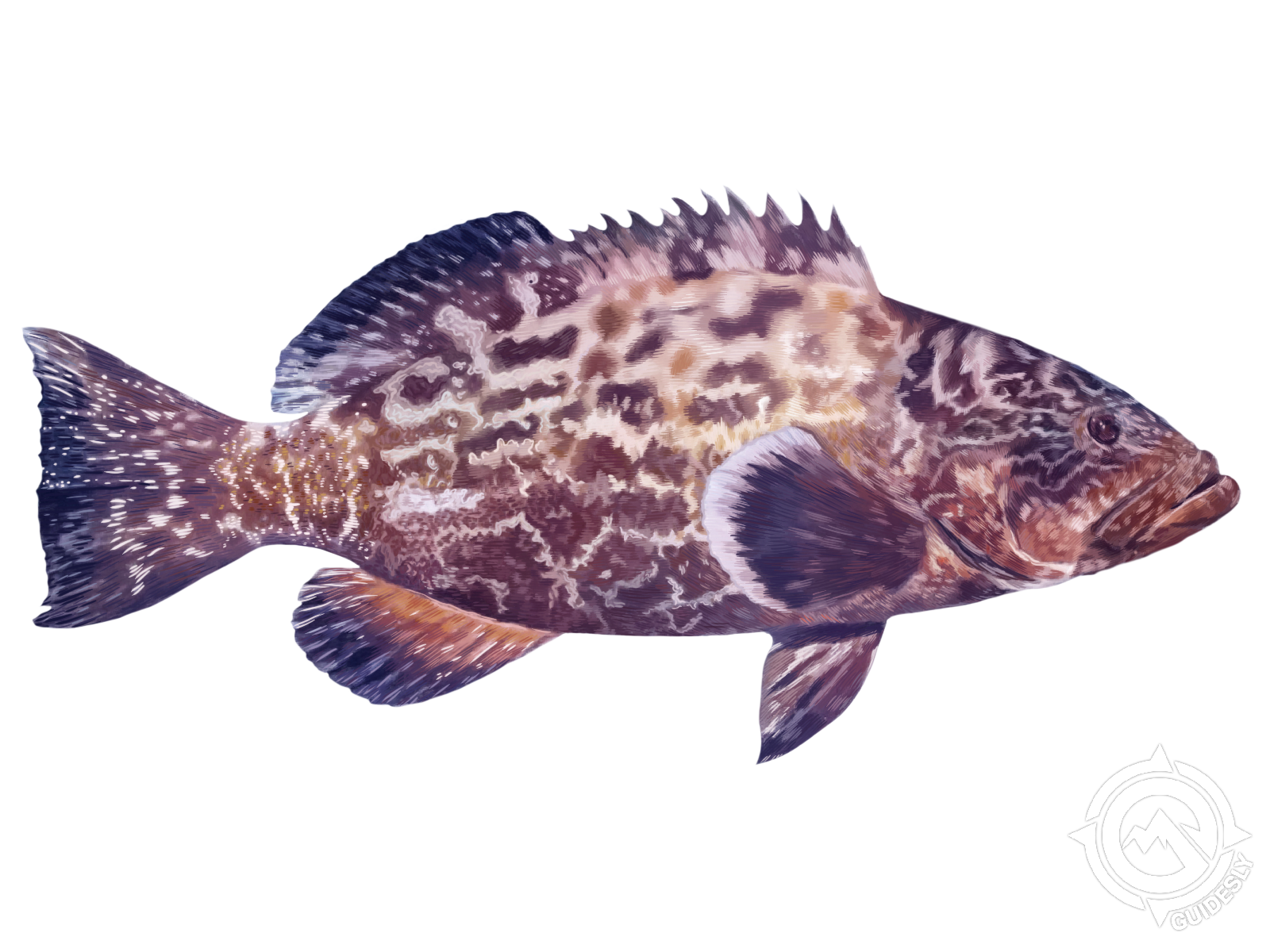
Black grouper are the heavy hitters that test your tackle and technique. These bruisers commonly weigh 20-60 pounds, with true giants exceeding 100 pounds lurking in deeper water. They're most active during summer months but can be caught year-round on the right structure. Black grouper are ambush predators that inhale prey, and when they grab your jig, the first few seconds are critical – you need to winch them up immediately before they reach their cave. The fight is all about power and determination rather than speed, and the thick white fillets are restaurant-quality eating.
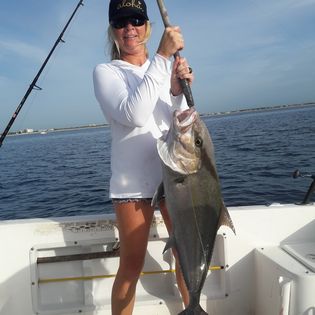
African pompano are the wildcard species that can show up anytime and absolutely torch your drag system. These fish feature elongated dorsal and anal fins when young, developing into deep-bodied powerhouses that can exceed 30 pounds. They're most common during warmer months and are known for spectacular aerial displays when hooked. African pompano are relatively rare catches, making them highly prized among serious anglers. Their silver flanks and distinctive profile make them easy to identify, and they're considered excellent table fare with firm, white meat.
Time to Book Your Spot
This 3-hour vertical jigging adventure delivers maximum action in a focused timeframe, perfect for anglers who want to experience the best of offshore fishing without committing to a full day. Whether you're a seasoned vertical jigging pro or ready to learn this productive
 Private Trip
 Offshore Fishing
 Palm Beach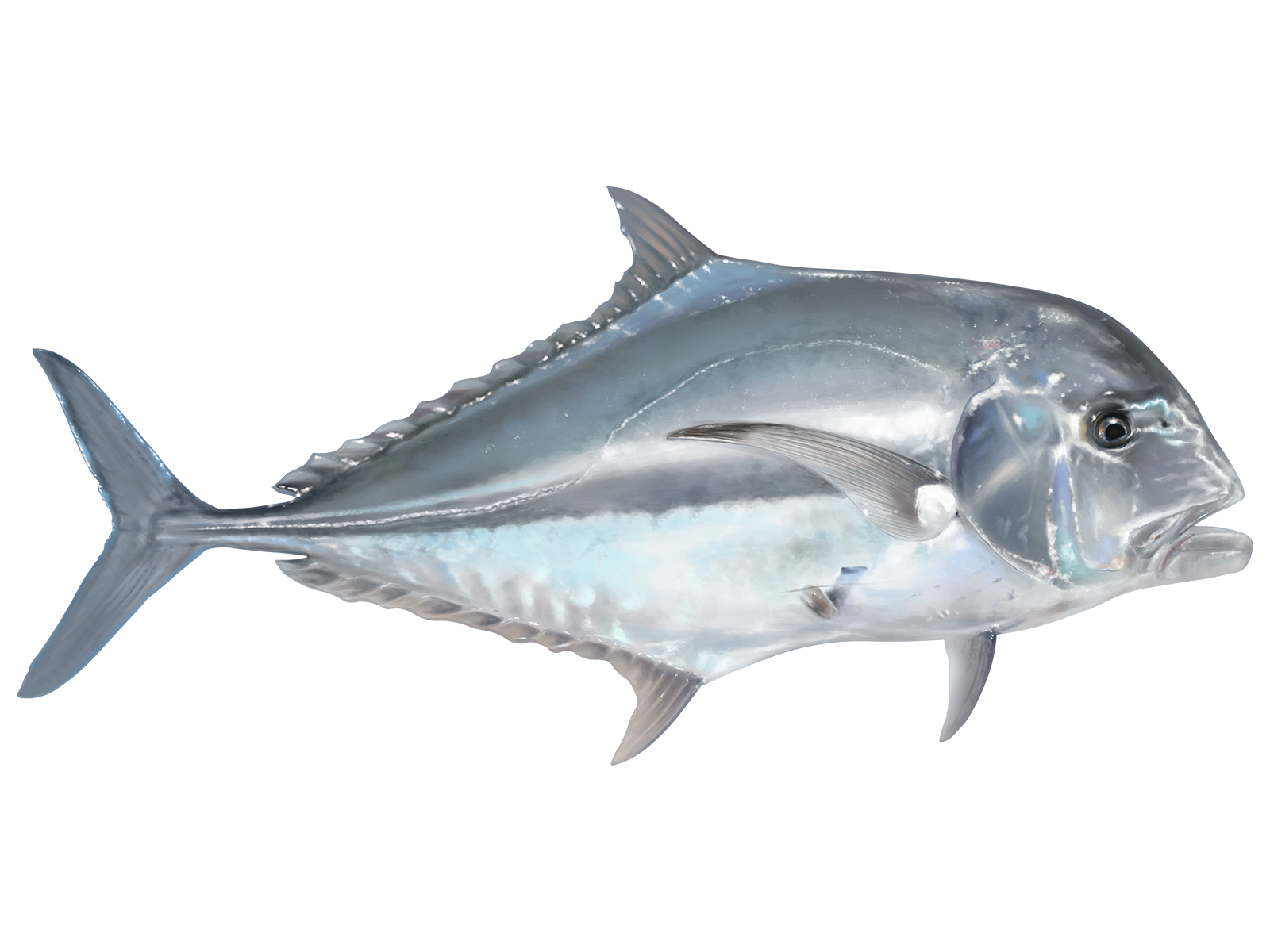


 Three-hour vertical jigging trip targeting pelagic and bottom fish