Full Day Fishing Trip in Chesapeake Bay
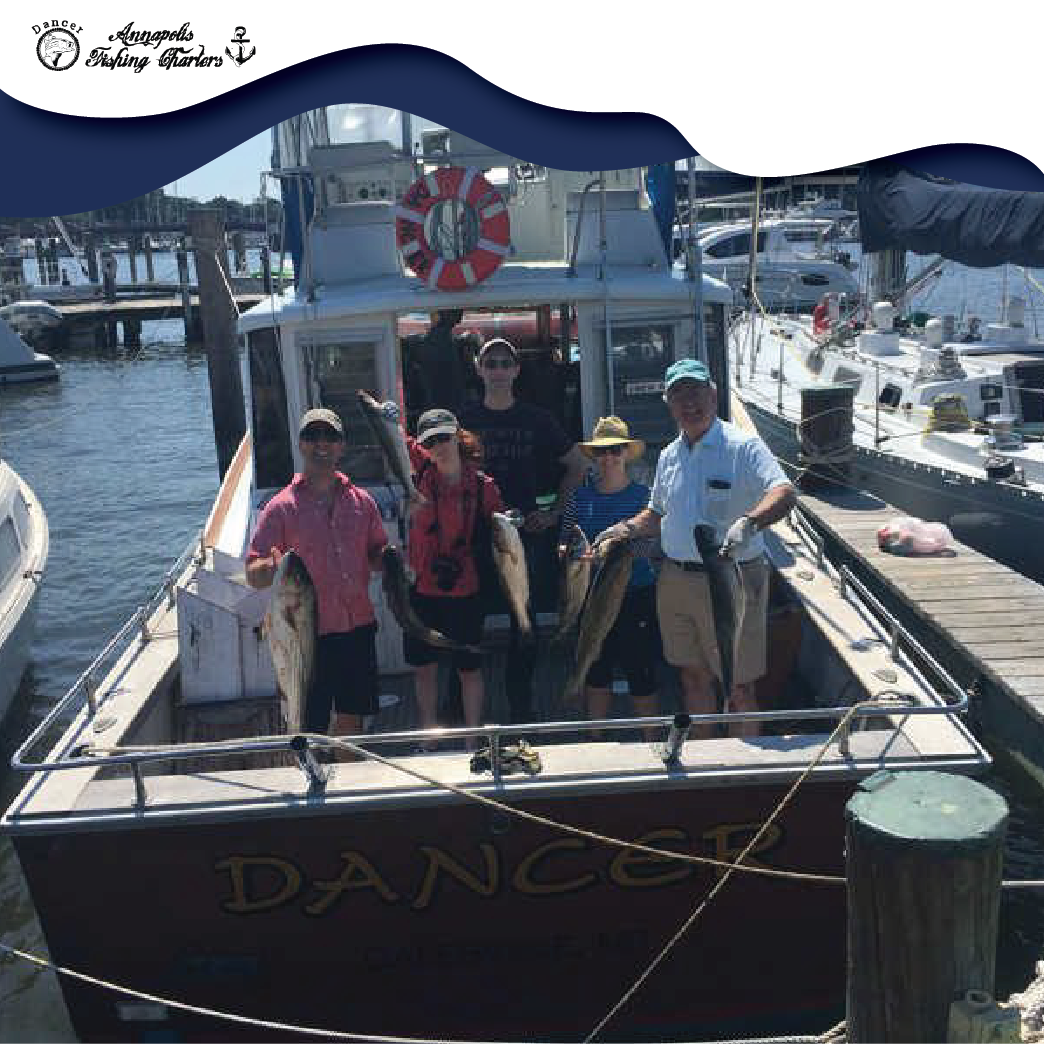
Captain Dorothy Tuohey knows these waters like the back of her hand, and she's ready to put you on fish all day long. This isn't your typical half-day charter where you're just getting warmed up when it's time to head back. We're talking a full day of serious fishing on one of the East Coast's most productive fisheries. The Bay's got everything from schooling stripers to fat flounder, and Dorothy's got the local knowledge to find them when others are coming back empty-handed. Pack your cooler with snacks and drinks, grab your fishing license, and get ready for some real fishing.
What to Expect on the Water
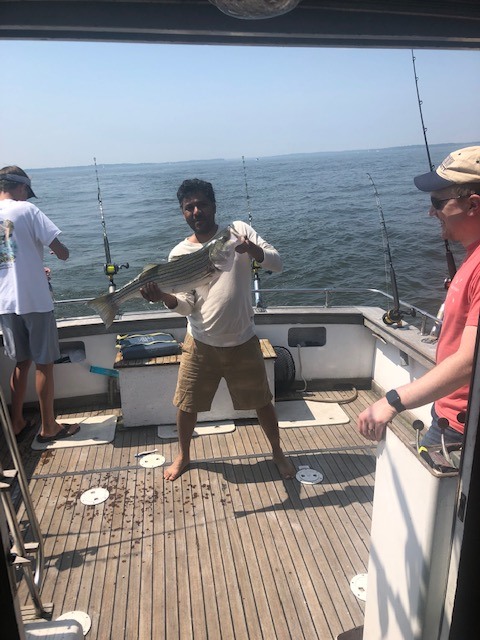
Dorothy runs a tight ship that can handle up to six anglers, so you've got plenty of room to spread out and work different techniques. The beauty of a full day trip is the flexibility - if the stripers are busting bait in the morning, we'll work them hard. When the action slows, we're not stuck in one spot. Dorothy knows where the structure holds fish during different tides, and she's not afraid to run to find active fish. The Chesapeake Bay system offers incredible variety within a single trip. You might start the morning trolling for stripers along the shipping channel, switch to bottom fishing for croaker and white perch over structure, then finish the day casting topwater lures to breaking fish. All tackle and gear comes with the trip, but if you've got favorite rods or lucky lures, bring them along. Dorothy provides everything from circle hooks for live bait to umbrella rigs for trolling.
Techniques and Tackle
The Bay demands different approaches depending on season, tide, and what's feeding. Dorothy's boat comes rigged for multiple techniques, so you're never limited to just one style of fishing. Trolling is huge here - we'll pull everything from spoons and bucktails to live eels depending on what the fish want. The umbrella rigs are deadly on schooling stripers, especially when they're suspended in 20-30 feet of water. Bottom fishing is equally productive, particularly around the countless oyster bars and drop-offs that hold croaker, white perch, and sea trout. We use circle hooks with fresh bait - bloodworms, sand fleas, and cut bait all have their place. When fish are breaking the surface, nothing beats throwing topwater plugs or soft plastics on spinning tackle. Dorothy keeps a variety of weights and sinkers for different conditions, from light jigheads for shallow water to bank sinkers for strong current. The key is reading the water and adjusting your approach, something Dorothy excels at after years of working these waters.
Species You'll Want to Hook
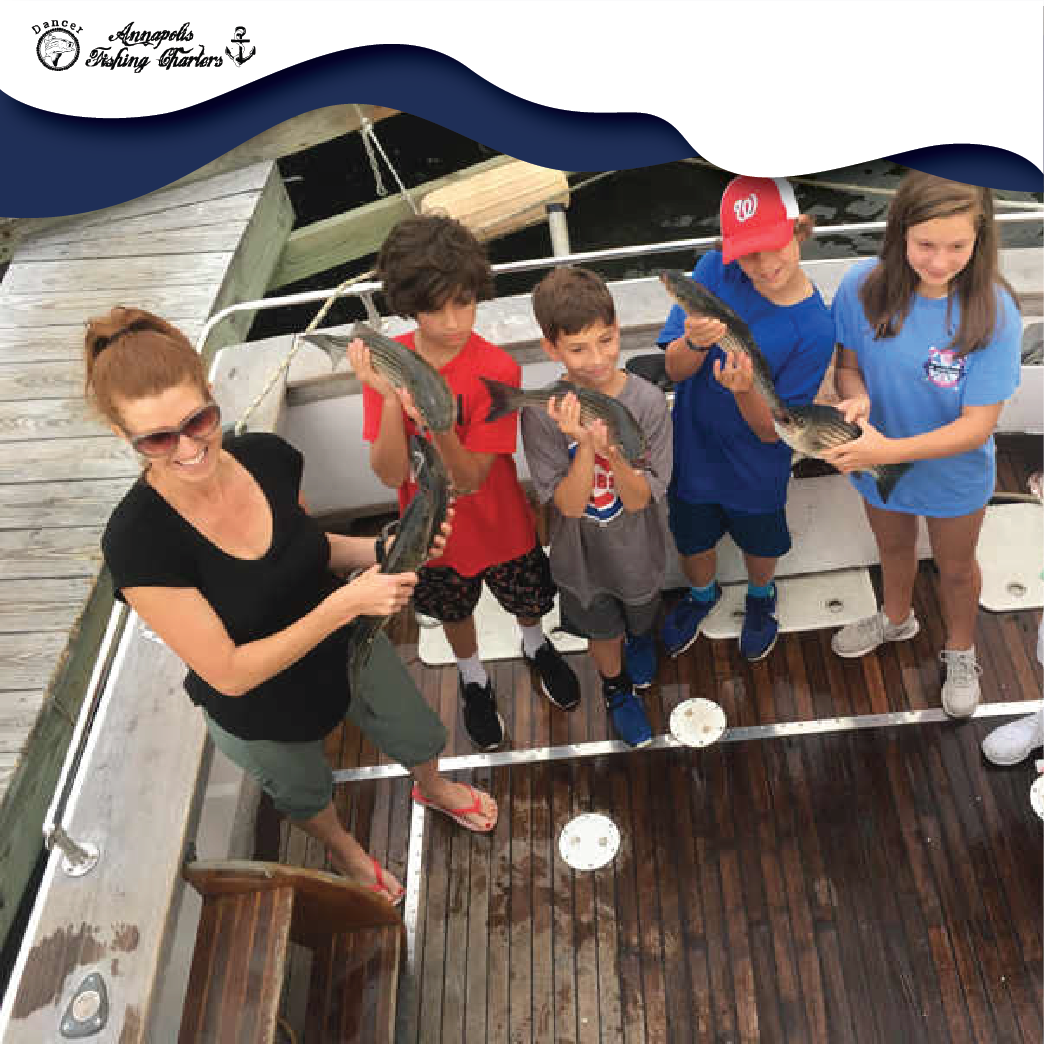
White perch are the Bay's most reliable fighters, and they're active almost year-round. These scrappy little fish average 8-12 inches but fight way above their weight class. They school heavily around structure and are suckers for small jigs tipped with bloodworms. Spring and fall see the biggest concentrations, but even summer evenings can produce fast action. Kids love them because they bite aggressively and are easy to catch, while experienced anglers appreciate their excellent table fare.
Bluefish turn the Bay into a battlefield when they show up in numbers. These voracious predators average 2-5 pounds and absolutely demolish anything they can fit in their mouths. Summer and early fall are prime time, especially when they're chasing bait schools in open water. They'll hit spoons, plugs, and cut bait with equal enthusiasm. Watch your fingers - those teeth are razor sharp. Blues are fantastic on the grill and their aggressive strikes make for exciting fishing.
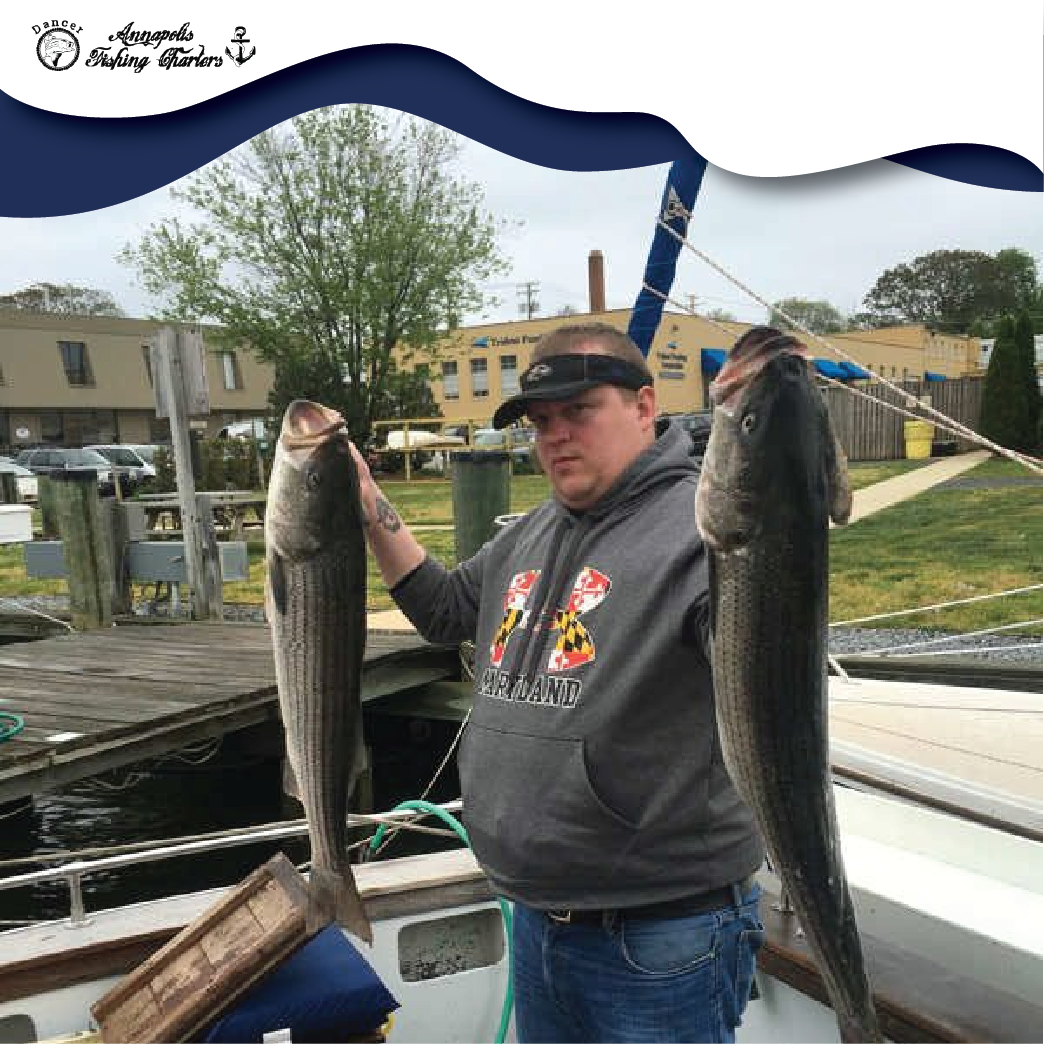
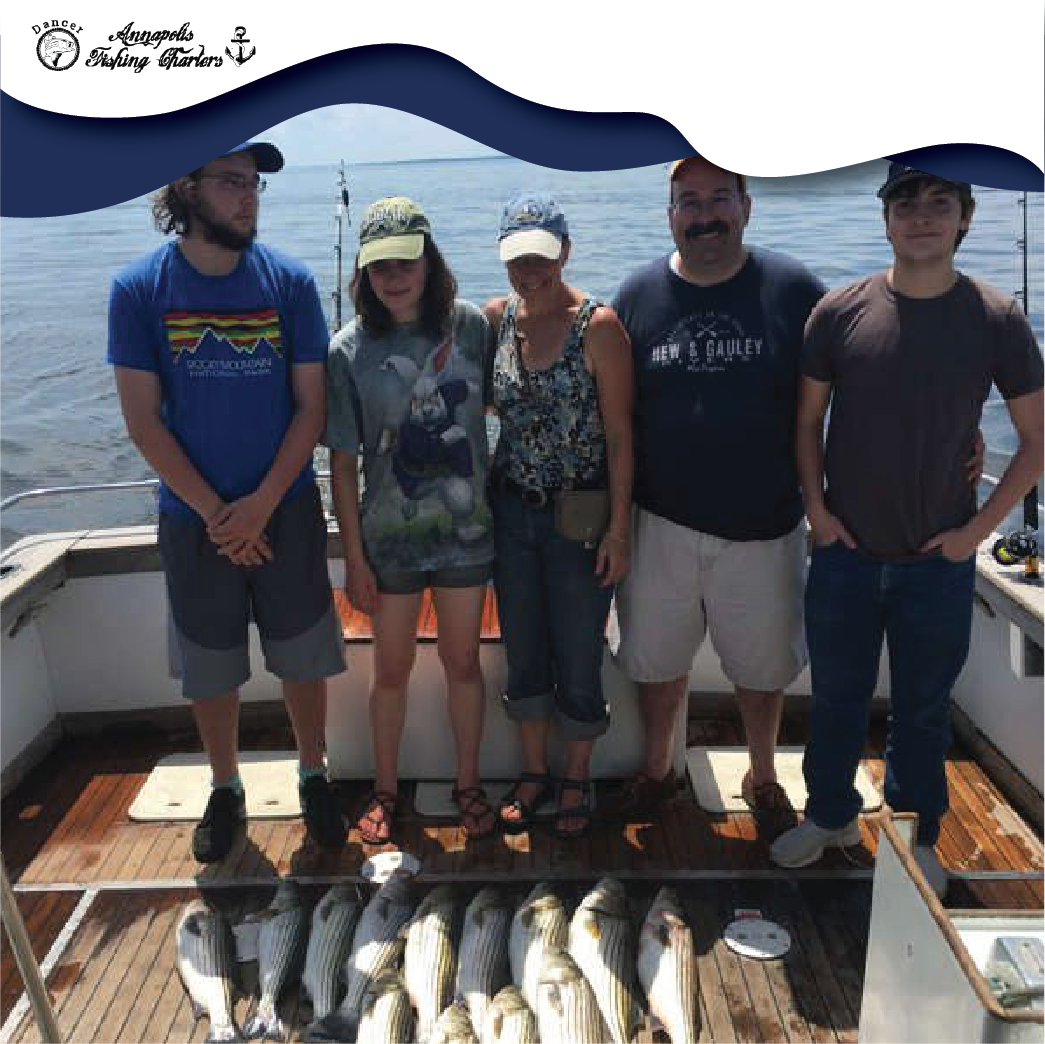
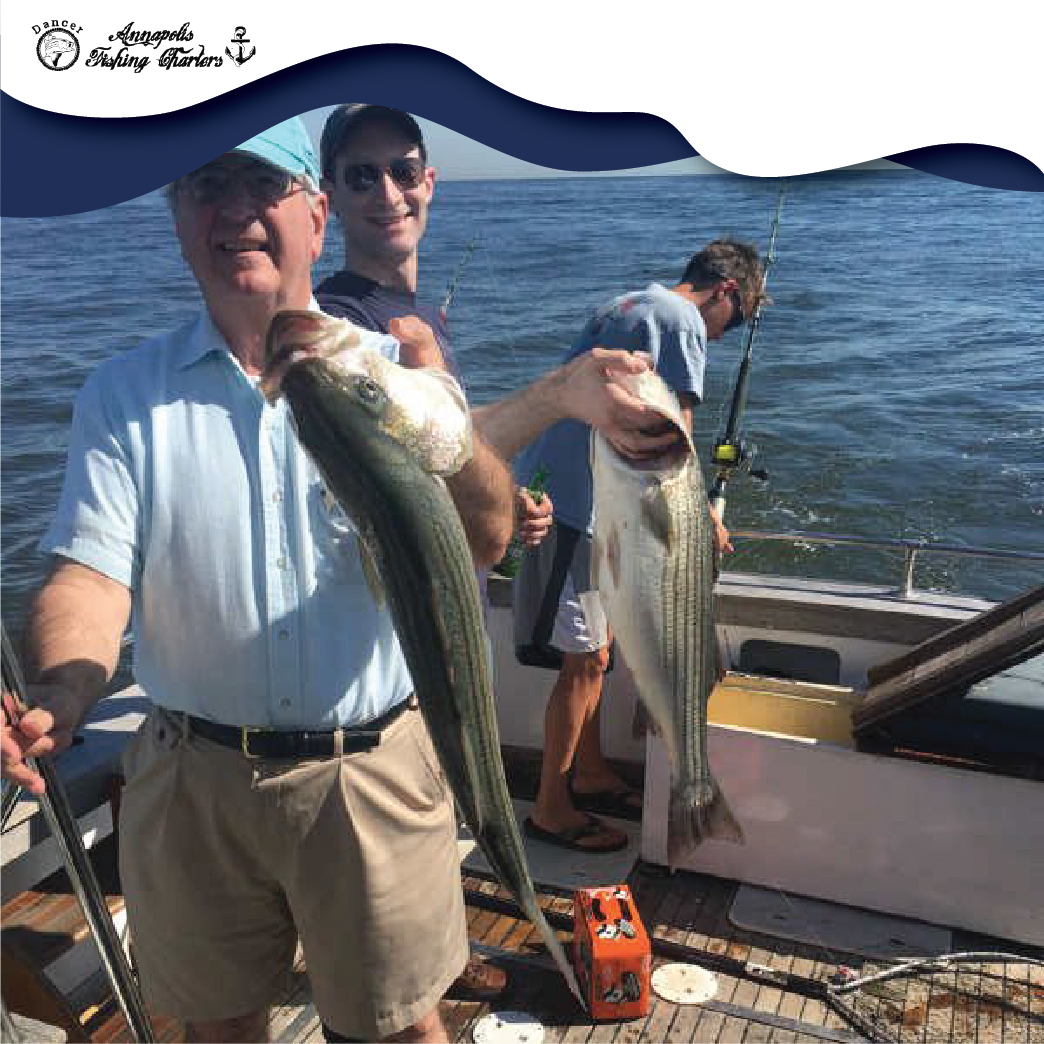
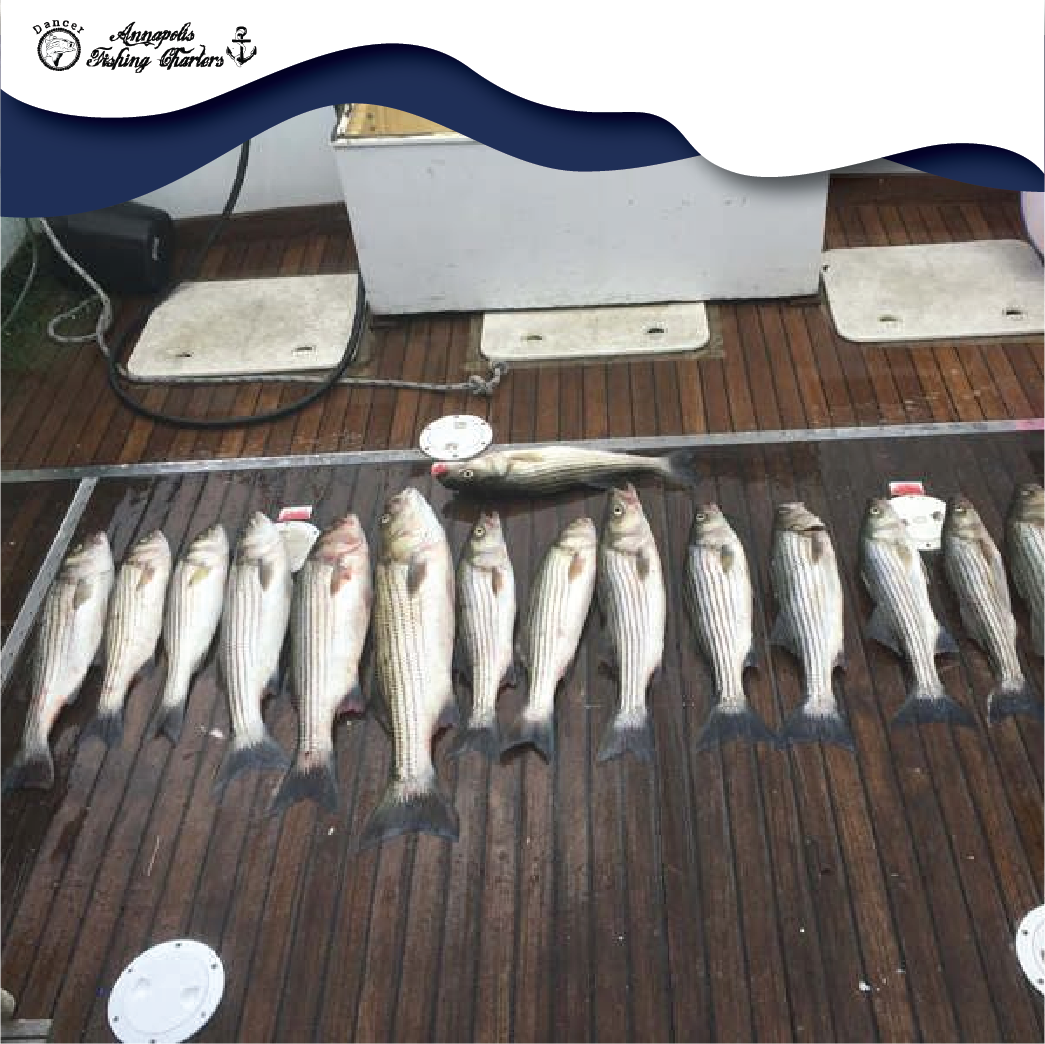
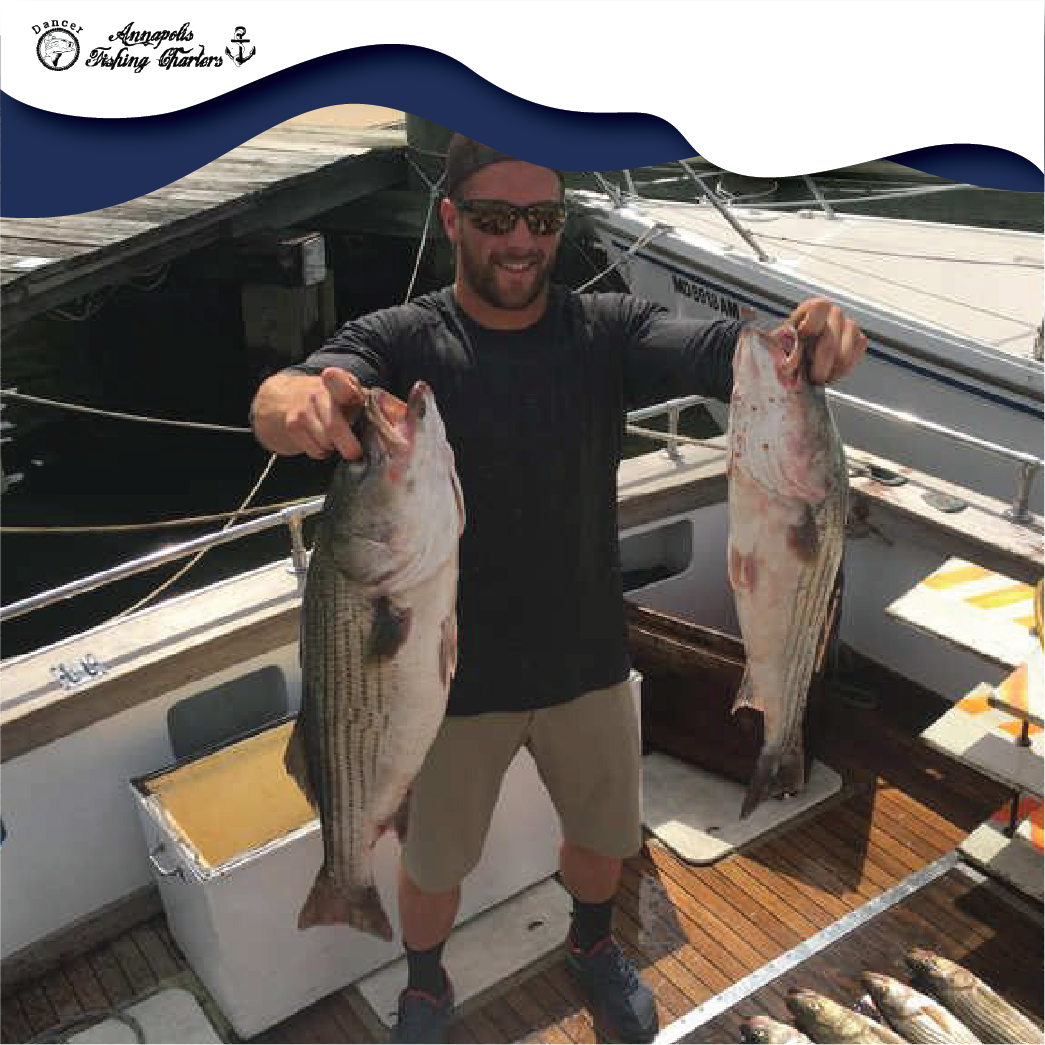
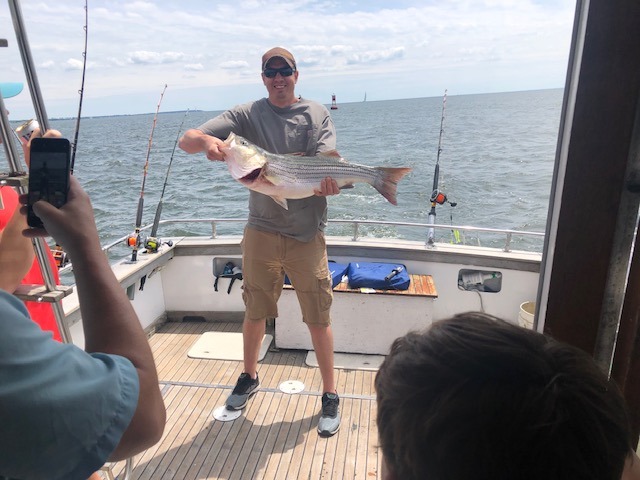
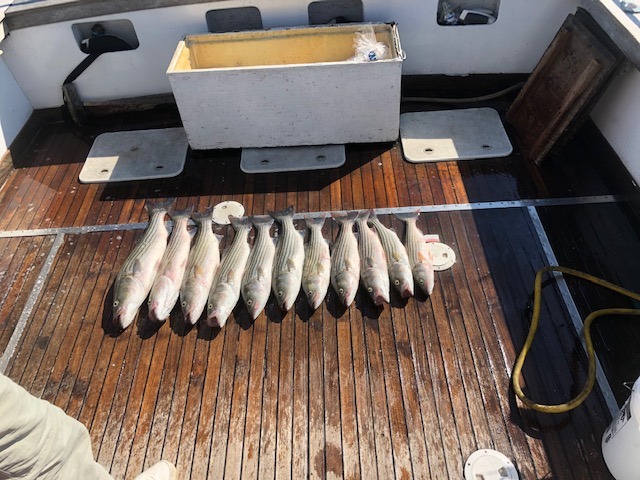
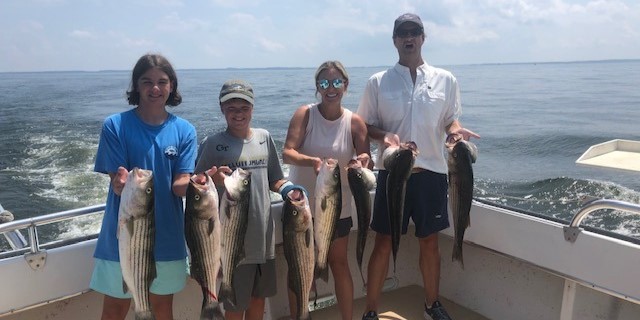
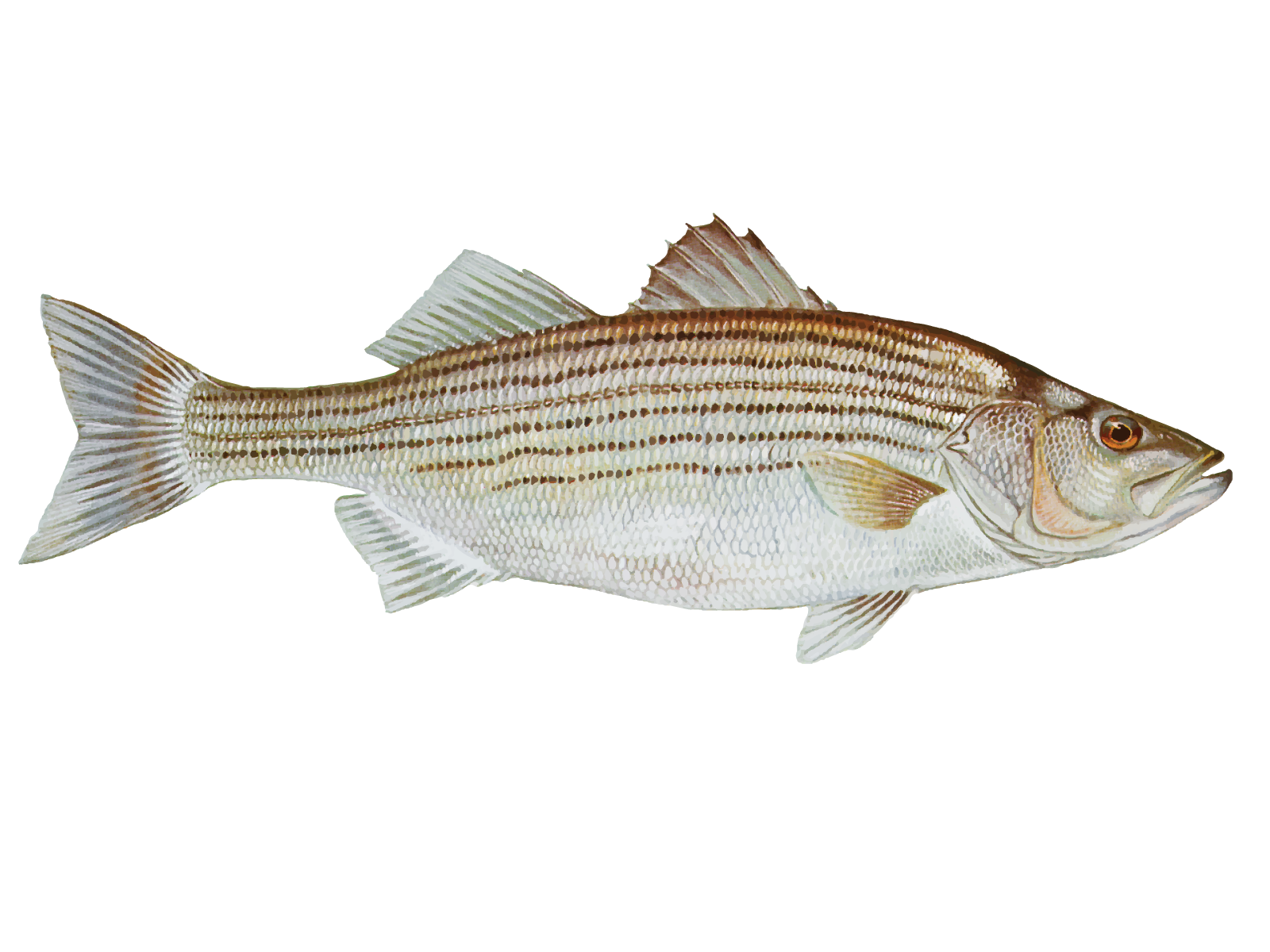
Striped bass are the Bay's crown jewel, and for good reason. These powerful fish range from school-size 18-inchers to trophy fish over 30 pounds. Spring and fall migrations bring incredible numbers through the Bay, but resident fish provide action all season. They're smart, strong, and will test your tackle to the limit. Whether you hook them on live eels, trolling spoons, or topwater lures, stripers always put on a show. The slot limit protects the breeding stock, so we practice selective harvest to keep this fishery strong.
Atlantic croaker might not win beauty contests, but they're steady producers and excellent eating. These bottom dwellers love oyster bars and muddy structure, where they root for crabs and worms. They average 10-14 inches and are most active during warmer months. Croaker respond well to small hooks and fresh bait, making them perfect for novice anglers learning proper bottom fishing techniques. Their distinctive croaking sound is unmistakable when you bring them aboard.
Sea trout, or weakfish as locals call them, are the Bay's most underrated gamefish. These spotted beauties prefer grass flats and channel edges, where they ambush small baitfish. They average 12-16 inches but can reach impressive sizes in deeper waters. Trout are extremely light biters, so sensitive tackle is essential. They're most active during moving tides and low-light periods. Their delicate mouths require careful handling, but their sweet, flaky meat makes them a prized catch for the dinner table.
Time to Book Your Spot
This is what real Chesapeake Bay fishing looks like - no shortcuts, no gimmicks, just a full day of working productive water with a captain who knows how to find fish. Dorothy's been putting clients on fish for years, and she's built her reputation one satisfied angler at a time. The Bay's seasonal patterns mean there's always something biting, but the best dates fill up fast, especially during peak season. Whether you're looking to introduce kids to fishing, celebrate with friends, or just need a day away from everything, this trip delivers the goods. Don't forget your Maryland fishing license - you can get one online or at most tackle shops. Bring plenty of snacks, drinks, and a cooler for your catch. The fish are waiting, but
 Private Trip
 Inshore Fishing
 Annapolis



 Full day fishing adventure with Captain Dorothy Tuohey aboard charter