Inshore Fishing Adventures on Apalachicola Bay
Apalachicola Bay is hands down one of Florida's most productive inshore fishing grounds, and this guided fishing charter puts you right in the middle of the action. You'll spend quality time on the water with a local captain who knows every grass flat, oyster bar, and drop-off where the fish like to hang out. The 21-foot Frontier bay boat handles these shallow waters like a dream, and with a 250HP Yamaha pushing you around, you'll cover serious ground without spooking fish in the skinny water. Whether you're bringing the kids for their first fishing trip or you're a seasoned angler looking to dial in your inshore game, this charter delivers the goods on Florida's Forgotten Coast.
What to Expect on the Water
Your captain will pick you up bright and early, ready to put you on fish in some of the most pristine waters Florida has to offer. Apalachicola Bay is a massive estuary system where fresh water from the Apalachicola River meets the Gulf of Mexico, creating the perfect recipe for healthy fish populations. You'll work everything from shallow grass flats where redfish cruise in barely two feet of water to deeper channels where sea trout stack up during cooler months. The boat's shallow draft means you can access spots that bigger boats can't reach, giving you a real advantage when targeting spooky inshore species. Your guide will have you rigged up with the right tackle and bait for the conditions, and they'll adjust the game plan based on tide, weather, and what the fish are doing that day. Don't worry about experience level – these captains have taught everyone from first-timers to tournament anglers.
Techniques and Tackle
Inshore fishing in Apalachicola Bay is all about reading the water and adapting your approach. Your captain will have you throwing live bait around structure when the fish are being picky, or switching to artificial lures when they're fired up and aggressive. You'll learn to work soft plastics along oyster bars where sheepshead like to hide, and how to present live shrimp to cruising redfish without spooking them. The boat comes rigged with quality spinning gear that's perfect for these techniques – nothing too heavy that kills the fight, but strong enough to turn a big red away from the structure. Depending on the season and conditions, you might find yourself sight fishing in crystal clear shallows, or working deeper grass beds where sea trout like to ambush baitfish. The beauty of fishing this system is the variety – you'll probably use three or four different techniques in a single trip, keeping things interesting and educational.
Top Catches This Season
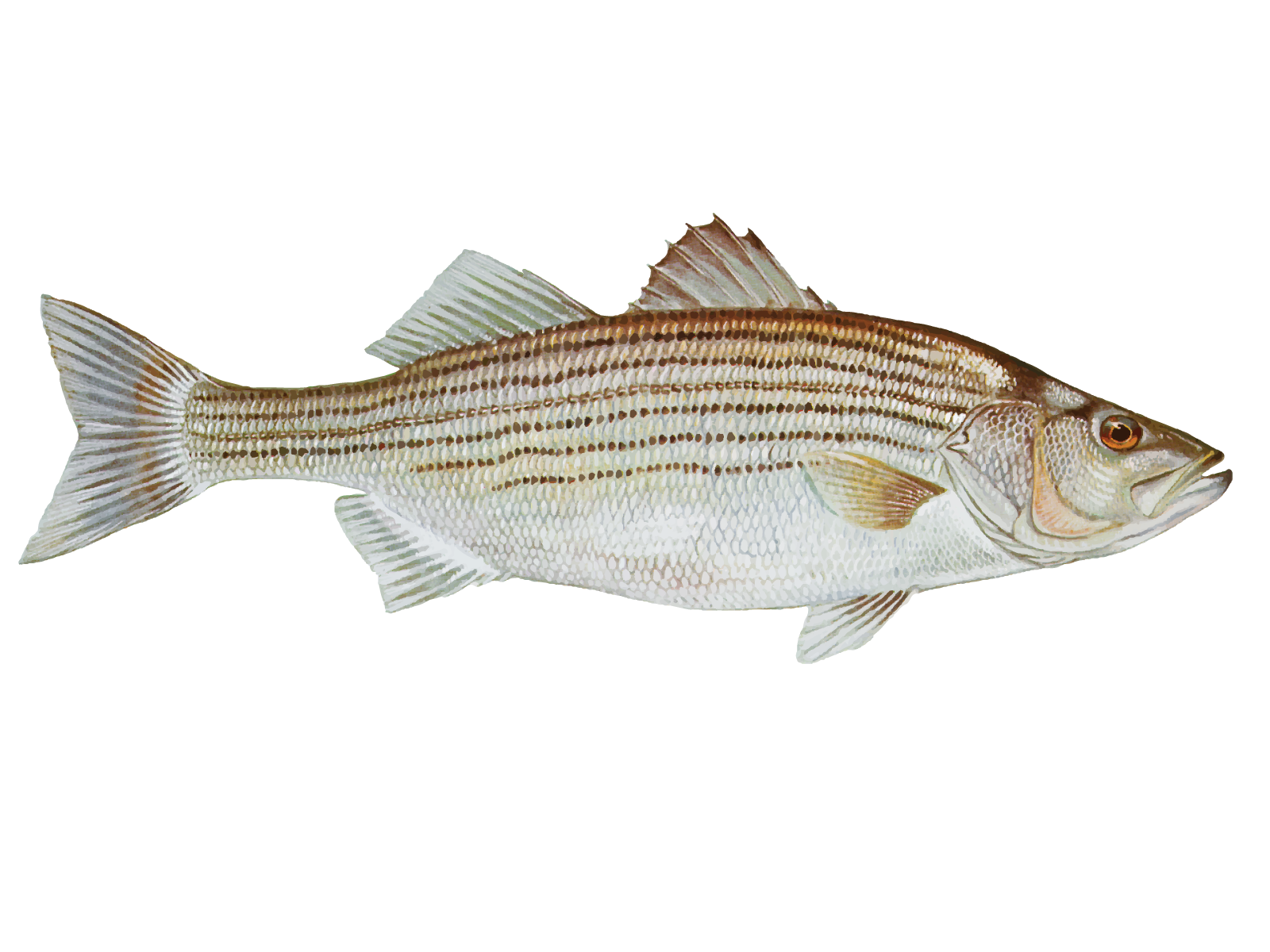
Striped Bass are the crown jewel of Apalachicola Bay, especially during their peak season from late fall through early spring. These fish can push 30+ inches and fight like they're twice their size, making long runs and jumping clear out of the water. They school up around bait pods and structure, and when you find them, the action can be non-stop. Local anglers know that the best striped bass fishing happens when the water temperature drops and these fish move into the bay to feed heavily before heading back to deeper water. What makes them so special here is their size – Apalachicola consistently produces keeper-sized stripers when other areas are struggling.
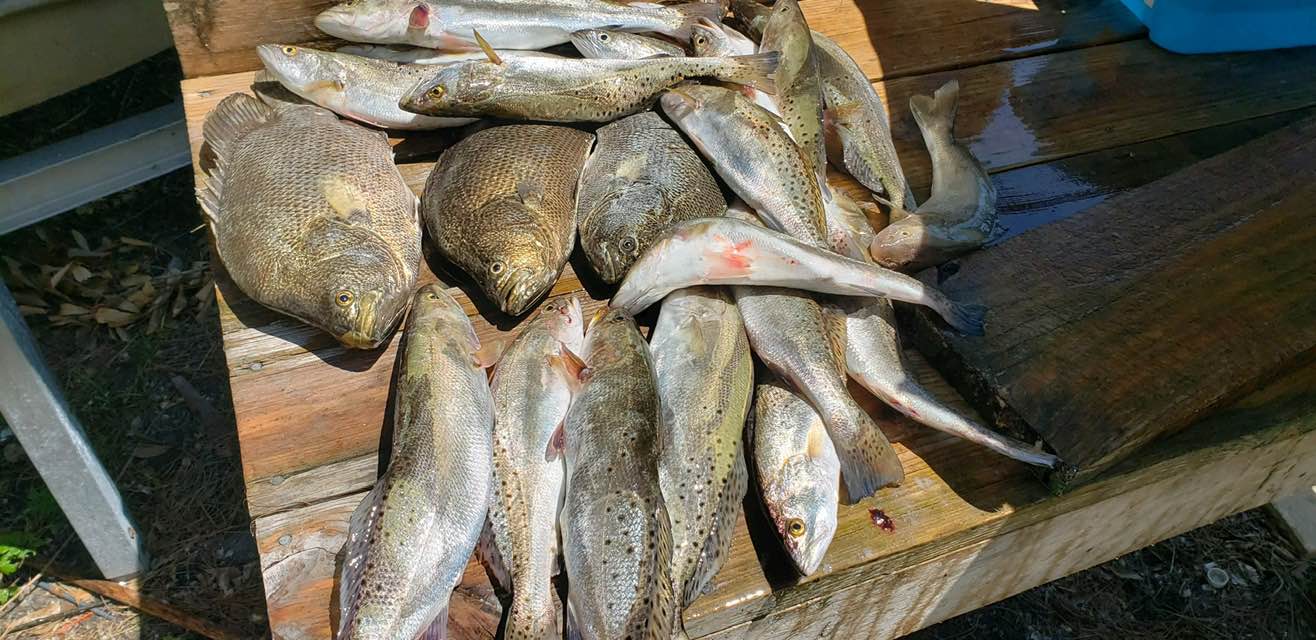
Sheepshead are year-round residents that'll test your patience and skill. These black-and-white striped fish have some of the best table fare in the bay, but they're notorious bait stealers with mouths full of crushing teeth. You'll find them hanging around any kind of hard structure – old pilings, oyster bars, bridge supports – anywhere they can pick off crabs and barnacles. The trick is using small hooks and fresh bait, and setting the hook at the slightest tap. Once you figure out their game, sheepshead fishing becomes addictive. They average 2-4 pounds in these waters, with occasional slabs pushing 6-8 pounds that'll really test your drag.
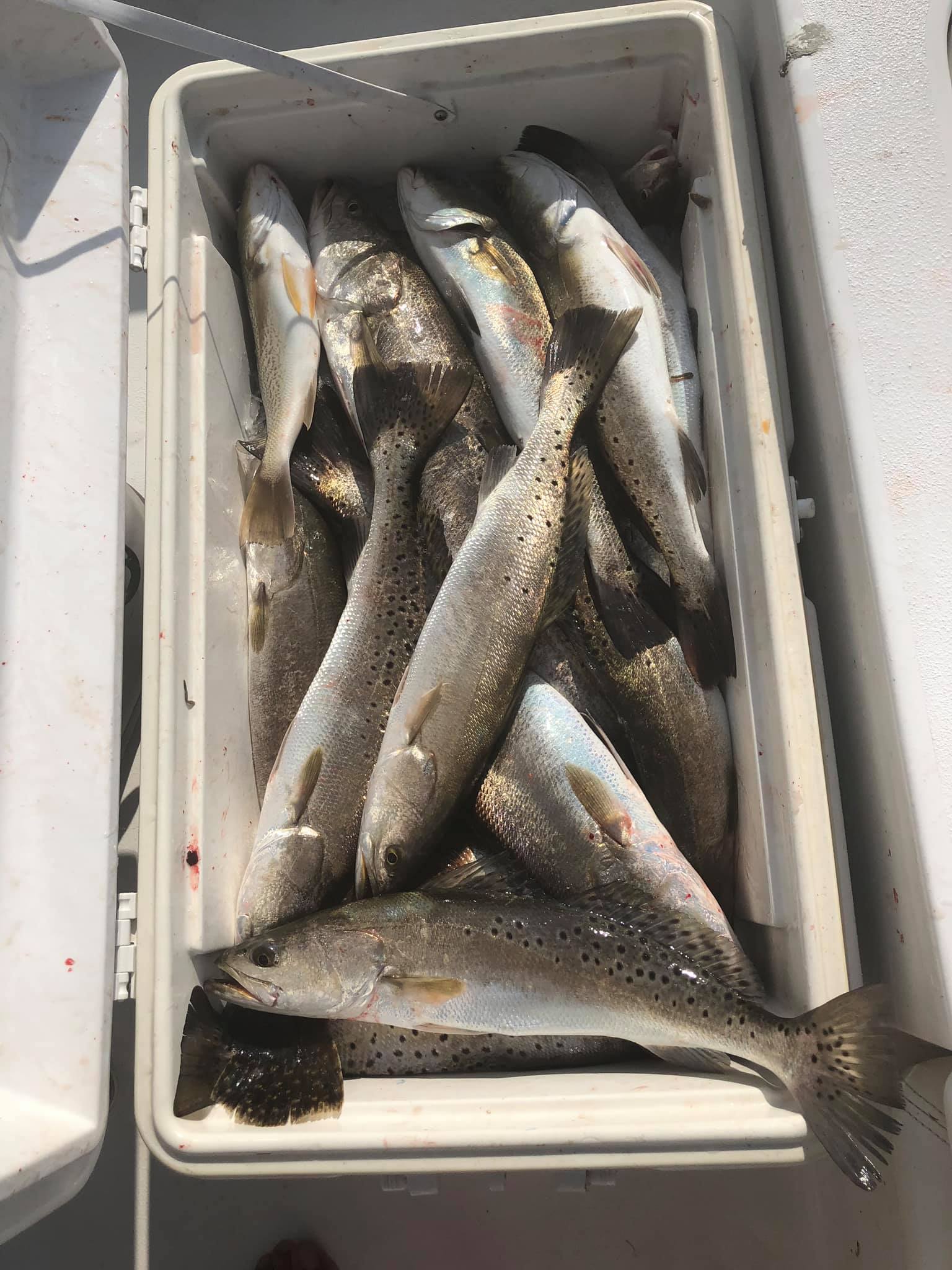
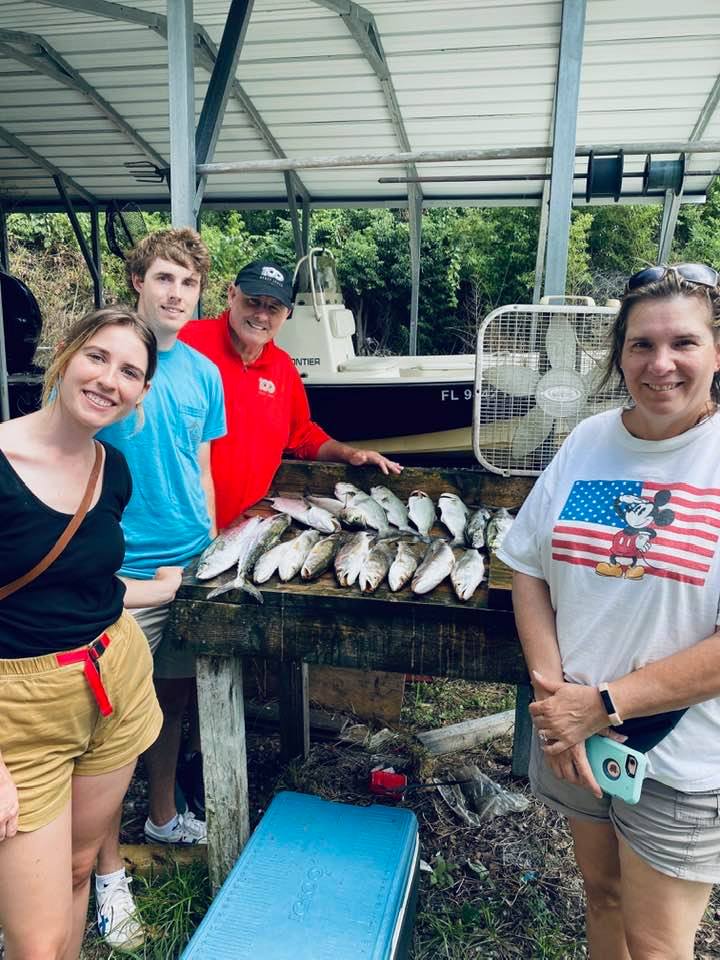
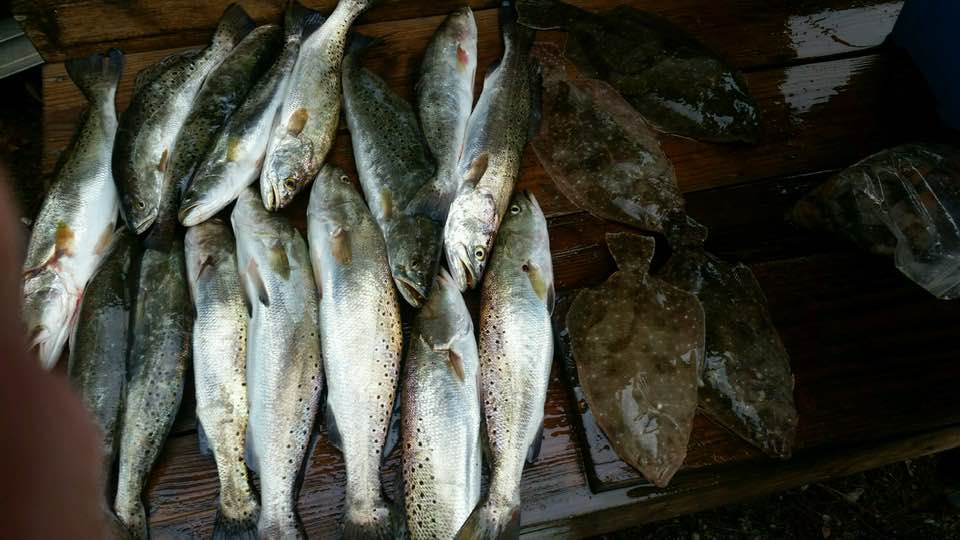
Sea Trout are the bread and butter of inshore fishing here, and Apalachicola Bay grows some beautiful fish. These spotted beauties love grass flats and drop-offs, especially during warmer months when they're actively feeding on shrimp and small baitfish. They hit both live bait and artificials with enthusiasm, making them perfect for anglers who like variety in their techniques. The best sea trout fishing typically happens during moving water, either incoming or outgoing tide, when these fish position themselves to ambush food getting swept around. A good day might see you land a dozen or more, with fish ranging from 15-20 inches and the occasional "gator trout" stretching past two feet.
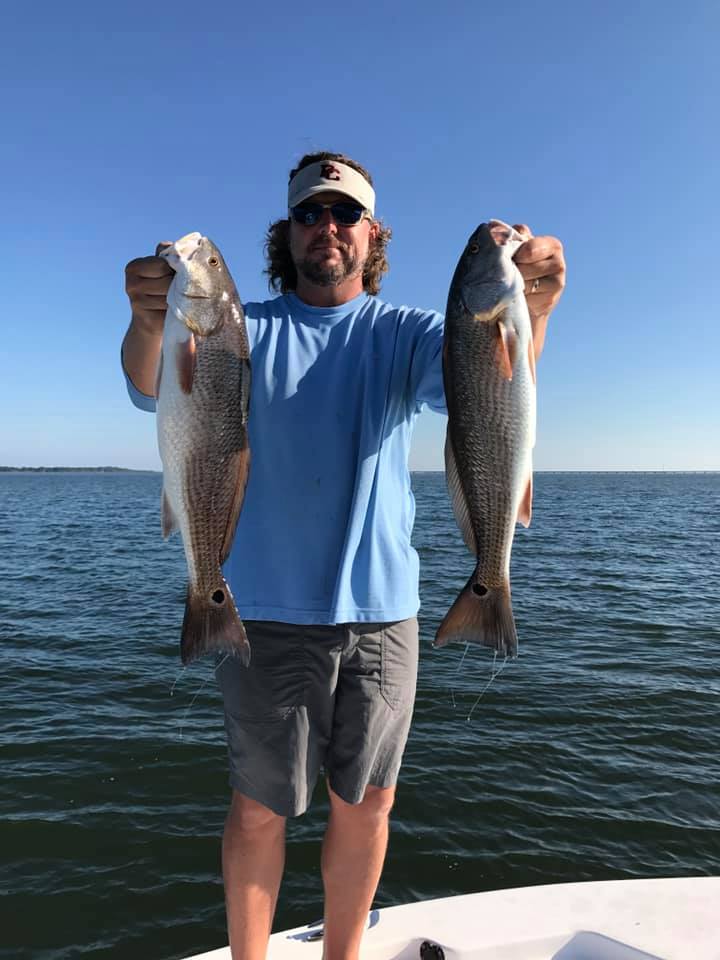
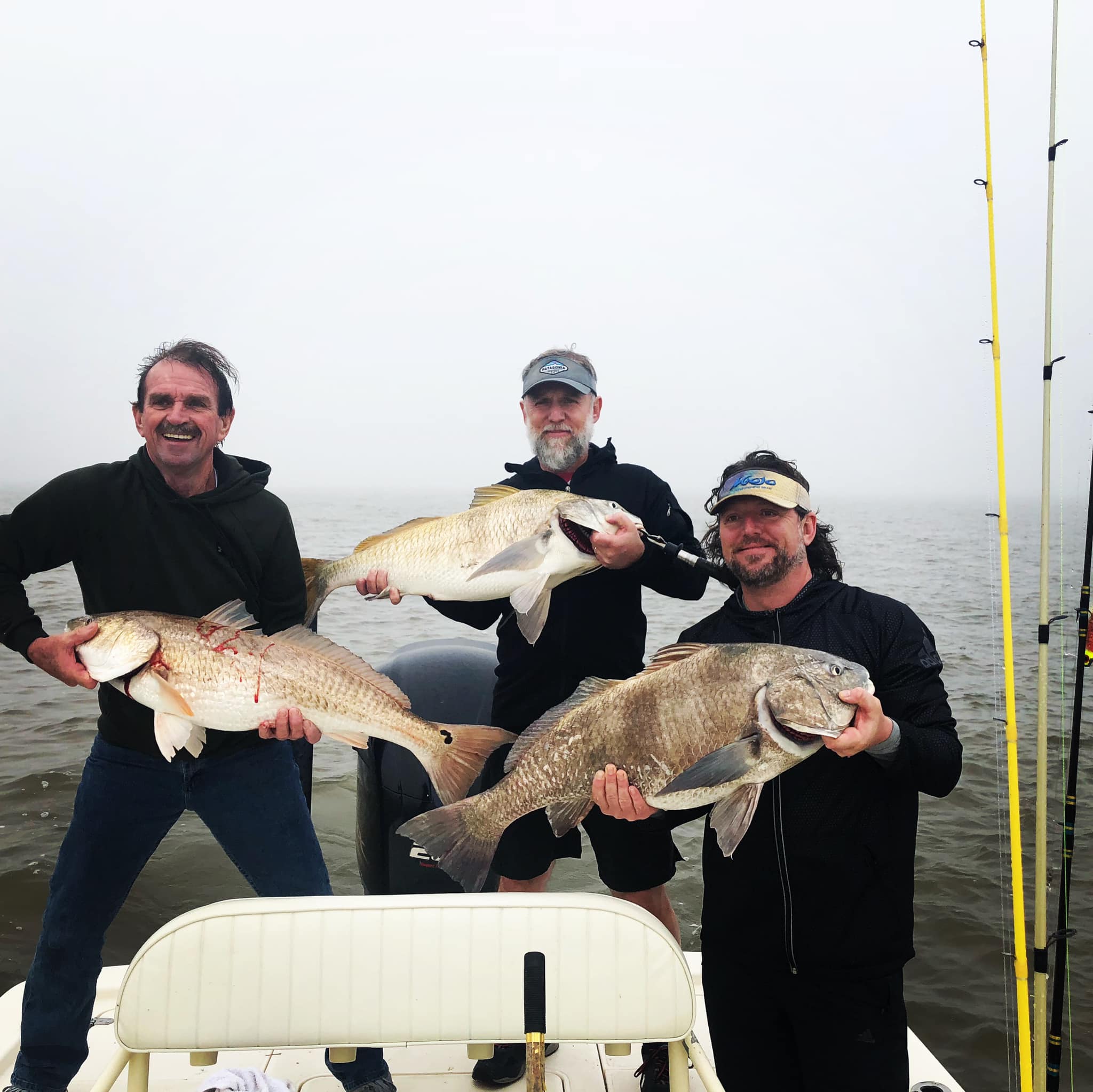
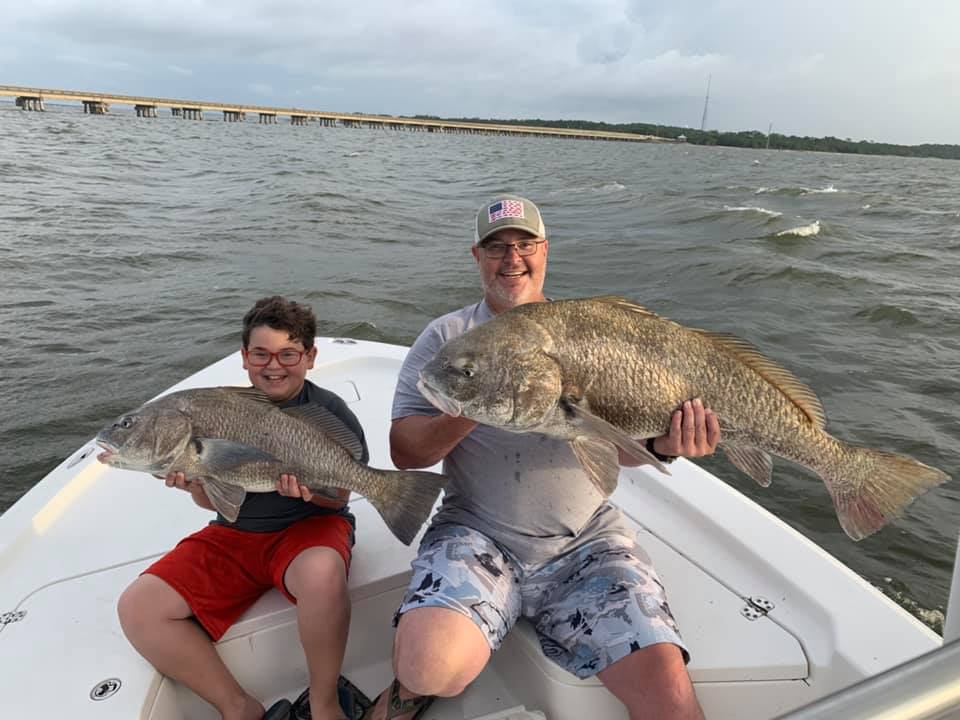
Redfish are the ultimate inshore game fish, and this bay system holds some bruisers. These copper-colored fighters are incredibly aggressive and will eat just about anything you throw at them when they're feeding. You'll spot them tailing in shallow water, see their backs cutting the surface as they cruise, or watch them blow up on topwater lures in spectacular fashion. Reds are available year-round, but fall and winter often produce the biggest fish as they fatten up and school together. The slot-sized fish fight harder than anything their size, and the over-slot bulls will absolutely wear you out on light tackle. Many anglers consider catching their first redfish on sight a milestone moment.
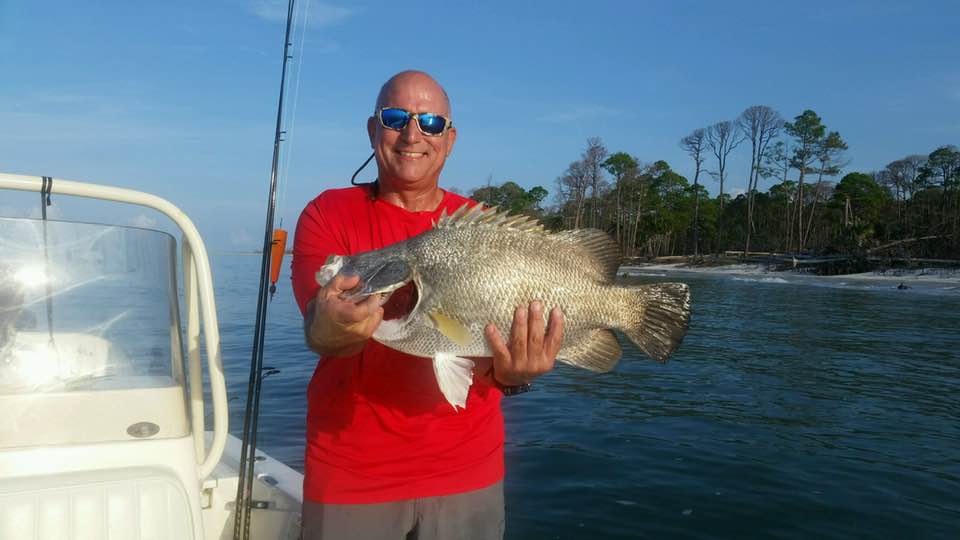
Tripletail are the wild card species that can make any fishing trip memorable. These odd-looking fish float around like leaves near structure, crab trap floats, or channel markers, waiting to ambush prey. They're not easy to find, but when your captain spots one, the excitement level goes through the roof. Tripletail are phenomenal table fare and put up a surprisingly strong fight for their size. They require a stealthy approach and precise bait presentation, making them a favorite target for experienced anglers looking for something different. When conditions are right, usually during warmer months, finding tripletail becomes a fun game of spot-the-fish
 Private Trip
 Inshore Fishing
 undefined, undefined



 Three-hour guided shelling trip across Apalachicola Bay's barrier islands