Apalachicola Bay Beginner Inshore Fishing Charter
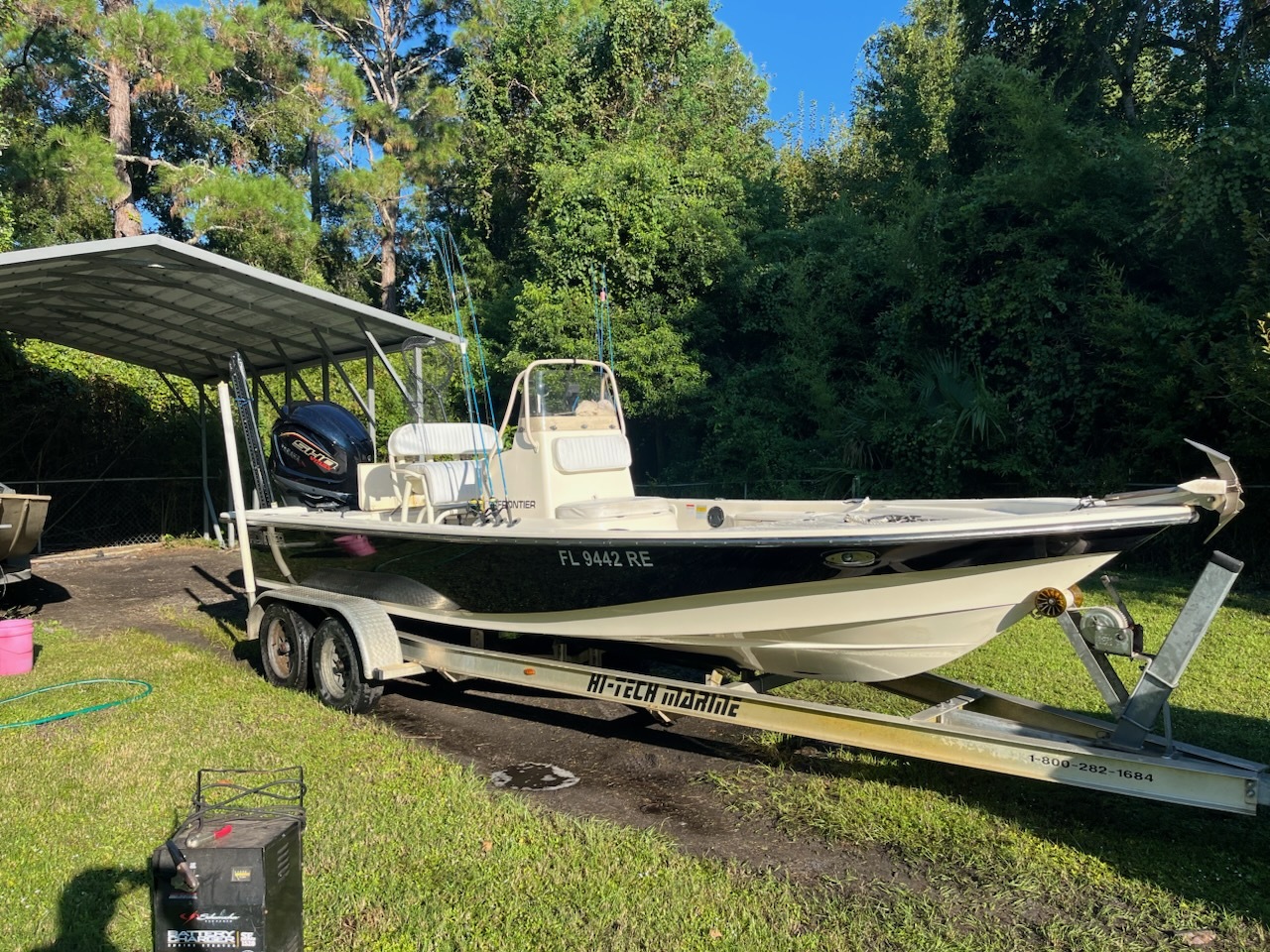
Looking for a solid day of fishing without the hassle of running offshore? This 6-hour inshore charter on Apalachicola Bay puts you right where the fish live. We're talking about Florida's Forgotten Coast here – less crowded than the Panhandle's tourist spots, but packed with hungry redfish, speckled trout, and plenty of other species that'll keep your rod bent. You'll fish from a 21-foot Frontier bay boat that's built for these shallow waters, with enough room for up to four anglers to spread out and work different spots without getting in each other's way. The captain handles all the gear, bait, and know-how while you focus on what matters most – putting fish in the boat.
What to Expect on the Water
Your day starts early when you meet the captain at the launch, and from there it's all about reading the water and finding fish. Apalachicola Bay is famous for its mix of structure – oyster bars that hold sheepshead and black drum, grass flats where trout and redfish cruise for baitfish, and deeper channels where tripletail hang around floating debris. The 250HP Yamaha gets you between spots quickly, but most of your time is spent sight fishing and working the shallows where these fish feel comfortable. The boat's equipped with livewells to keep your catch fresh, plus casting decks that give you clean shots when you spot a tailing red or see trout busting bait on the surface. Don't worry if you've never fished these waters before – the captain knows where fish hold during different tides and weather conditions, and he'll put you on productive water whether you're throwing artificial lures or fishing with live bait.
Techniques and Tackle Setup
Inshore fishing here is all about versatility and reading what the fish want on any given day. You'll likely start with live shrimp under popping corks around oyster bars, where sheepshead and black drum like to feed. When the tide starts moving, switching to soft plastics or spoons lets you cover more water and find schools of trout working the grass flats. The captain provides medium-action spinning rods spooled with 15-20 pound braided line – perfect for feeling light bites but strong enough to turn a bull red away from structure. Artificial baits like paddle tail swimbaits, gold spoons, and topwater plugs are go-to options when fish are active, while live bait setups work great when you need to slow down and target specific structure. The key is staying mobile and adjusting your approach based on water clarity, wind direction, and what the fish are feeding on. Most of the fishing happens in 2-8 feet of water, so you're always close enough to see what's happening below the surface.
Target Species Breakdown
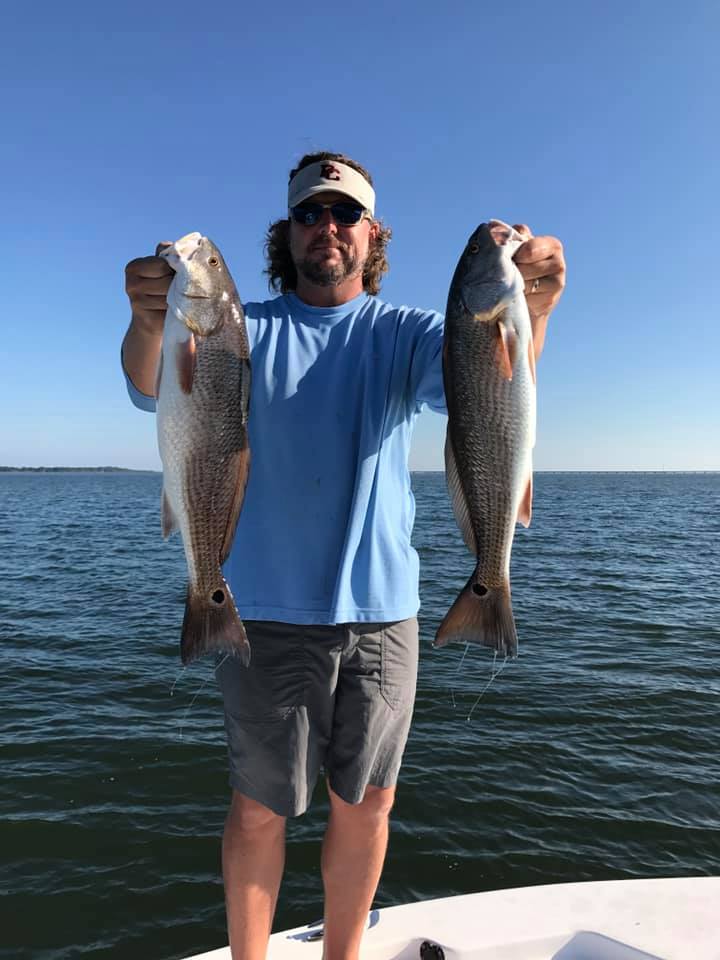
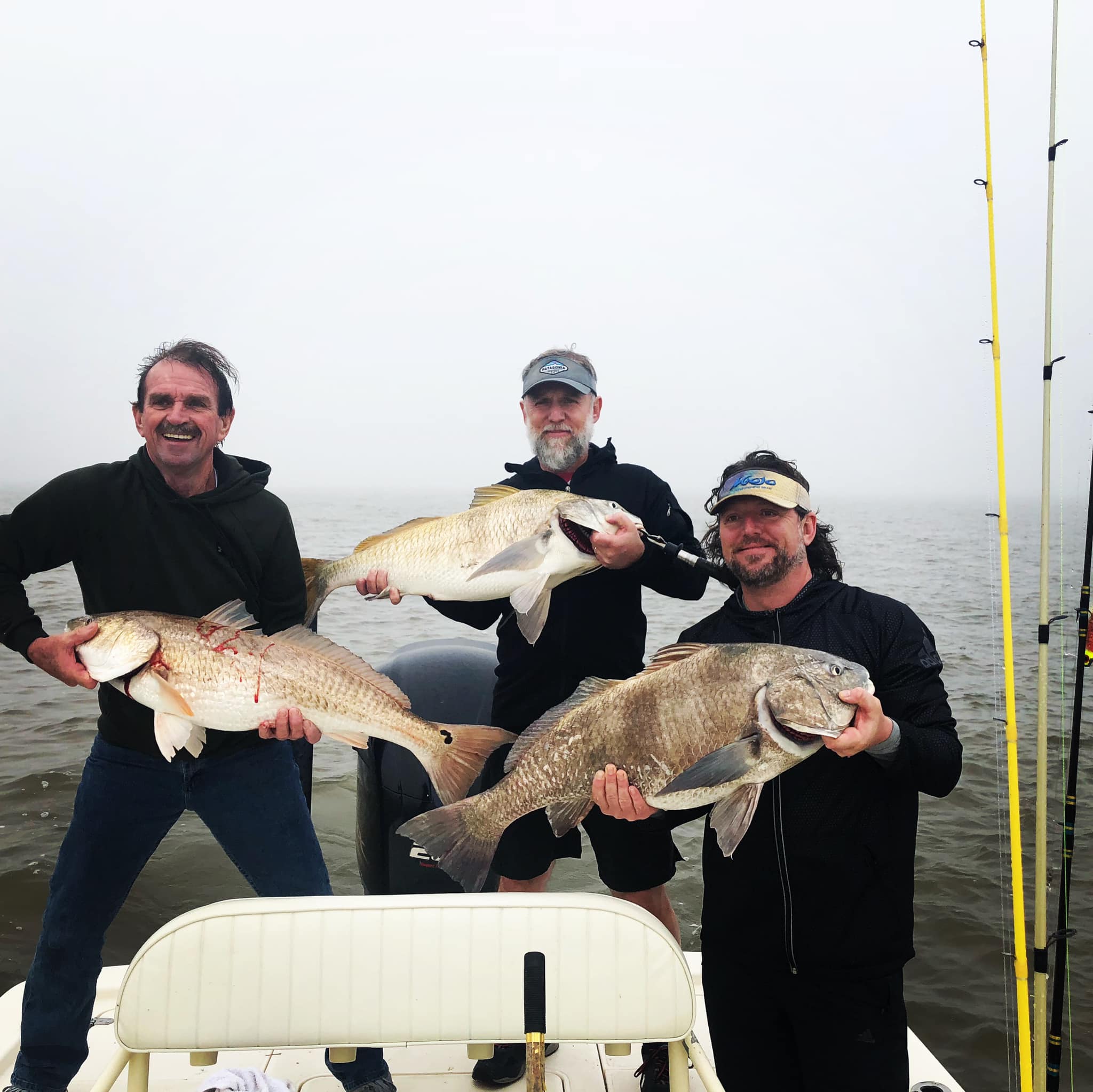
Redfish are the stars of this show, and Apalachicola Bay holds some of the most consistent populations on the Gulf Coast. These copper-colored bruisers range from slot-sized fish around 18-27 inches up to oversized bulls that'll test your drag system. Fall and winter months are prime time for big schools of reds working the flats, while summer fishing focuses on individual fish cruising shallow water during early morning and late afternoon. What makes redfish so exciting is their willingness to eat – they'll crush a topwater plug, inhale a live shrimp, or track down a slow-rolled soft plastic. Plus, they fight hard in shallow water with long runs and head-shaking jumps.
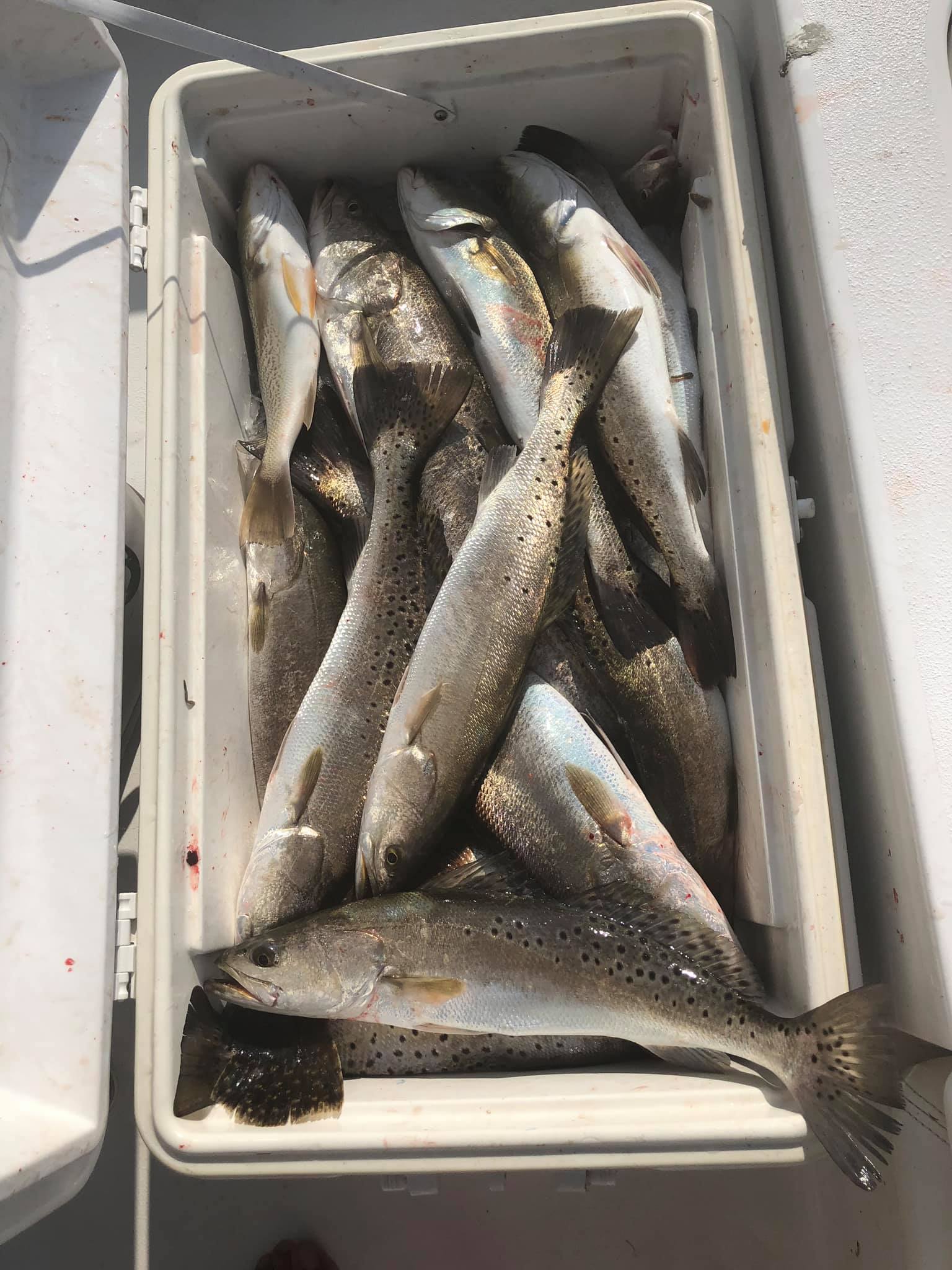
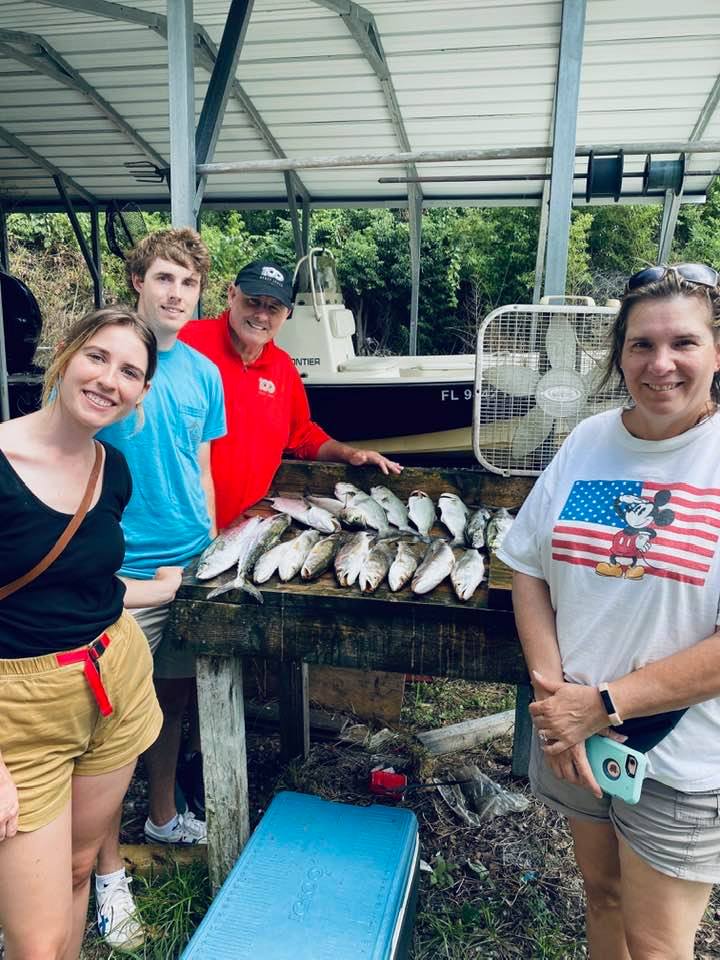
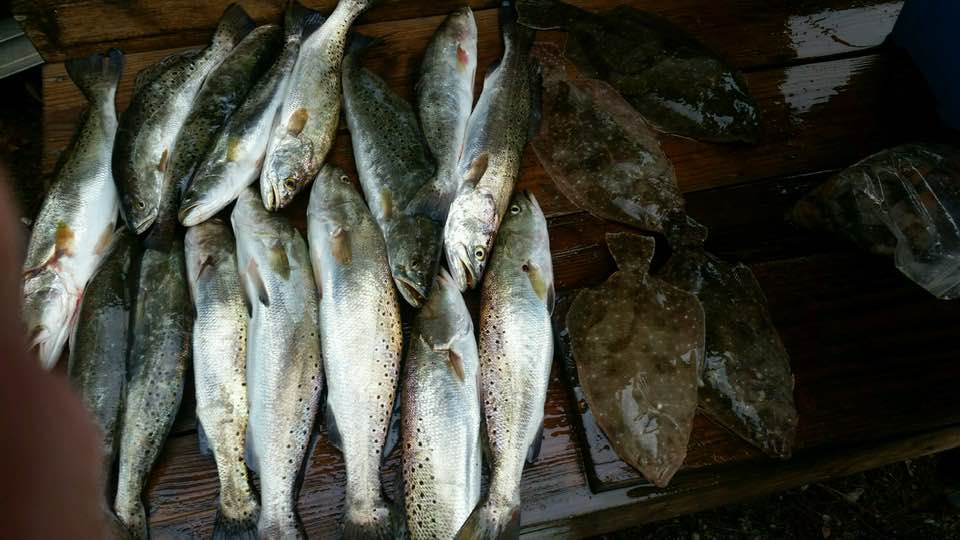
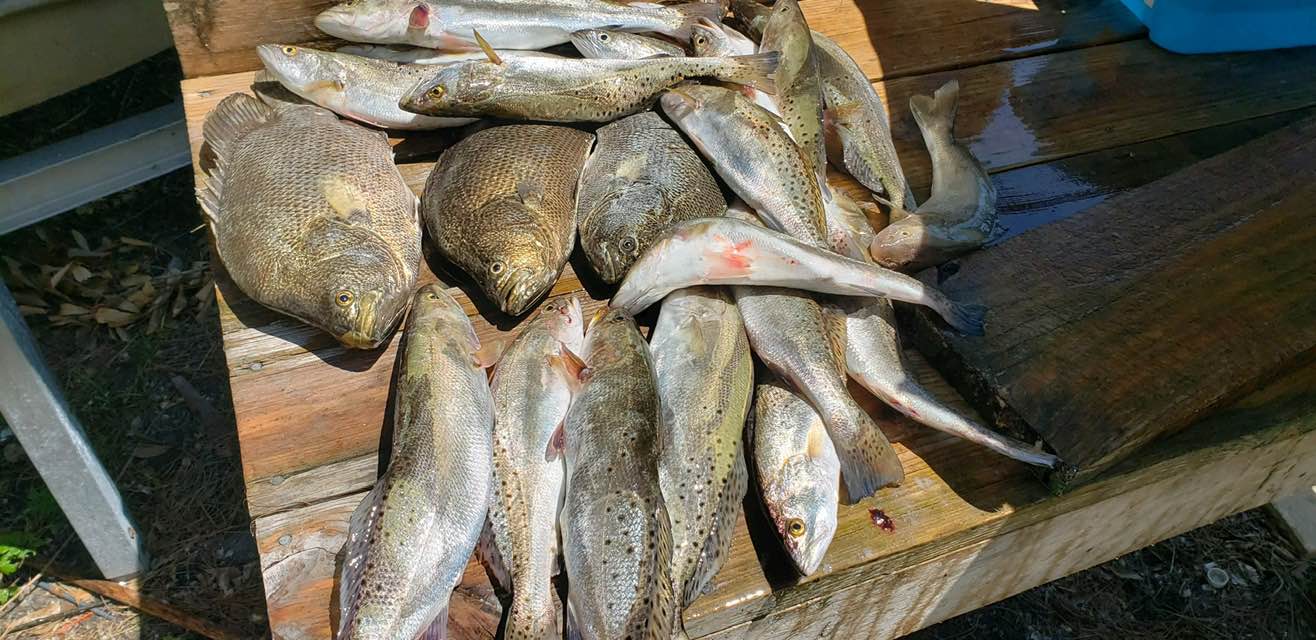
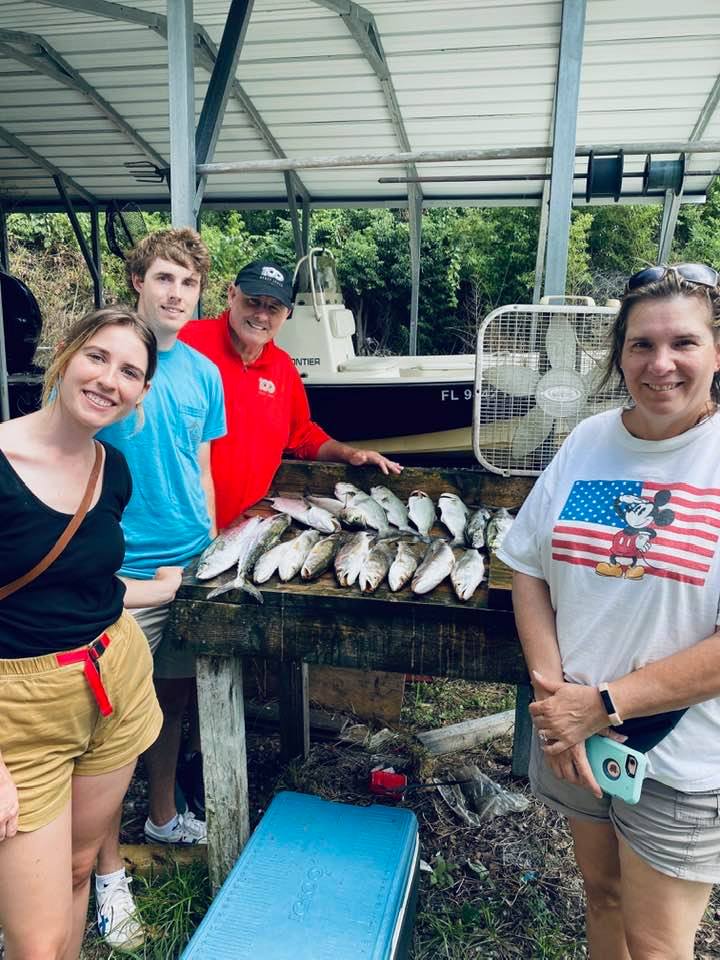
Speckled trout are the other main target, and these spotted beauties are pure fun on light tackle. Most trout in the bay run 14-20 inches, with occasional "gator" trout over 25 inches showing up around deeper grass edges. They're more temperature-sensitive than reds, so cooler months see them holding in deeper holes while warmer weather spreads them across the flats. Trout have soft mouths, so the fight is more about finesse than raw power – but they'll jump and throw hooks if you're not careful with your drag. They're also excellent table fare, which makes them a customer favorite for families wanting to take home a fresh fish dinner.
Sheepshead are the bay's resident structure specialists, hanging around oyster bars and pilings where they use their human-like teeth to crush barnacles and crabs. These black-and-white striped fish are notorious bait thieves, so catching them requires patience and quick hook sets. They typically run 1-3 pounds in the bay, but their firm white meat makes them worth the effort. Winter months are best for sheepshead when they move into shallow water to spawn.
Tripletail are the bay's most unique catch – these odd-looking fish float on their sides near debris, channel markers, and grass mats, mimicking floating leaves. They're ambush predators that'll eat live shrimp or small crabs, and their fight combines powerful runs with acrobatic jumps. Tripletail season runs from spring through fall, and they're considered excellent table fare with flaky white meat similar to grouper.
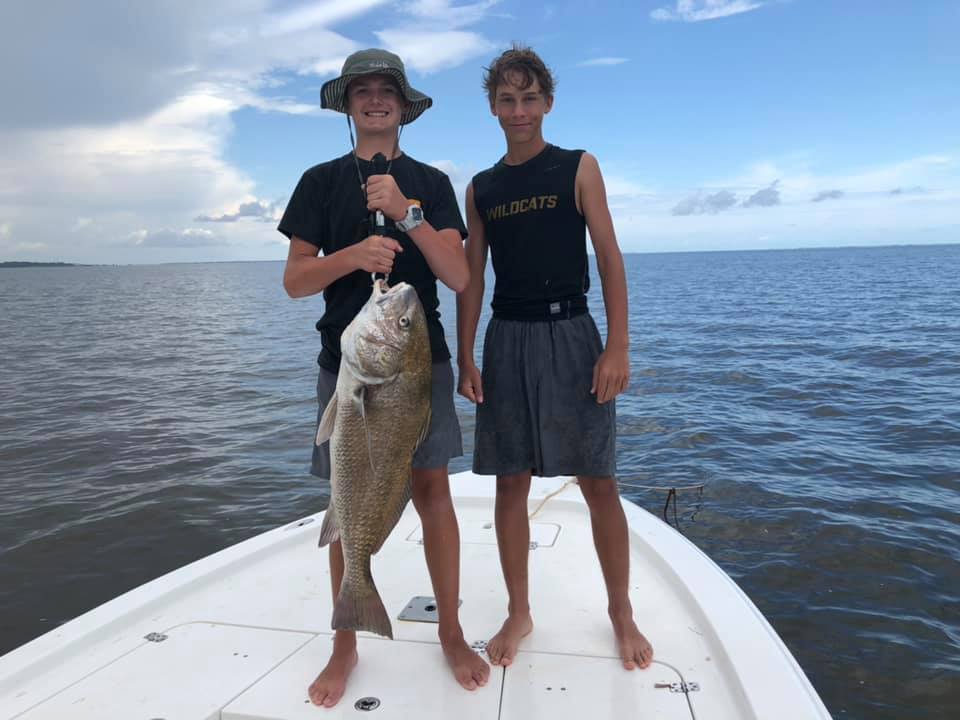
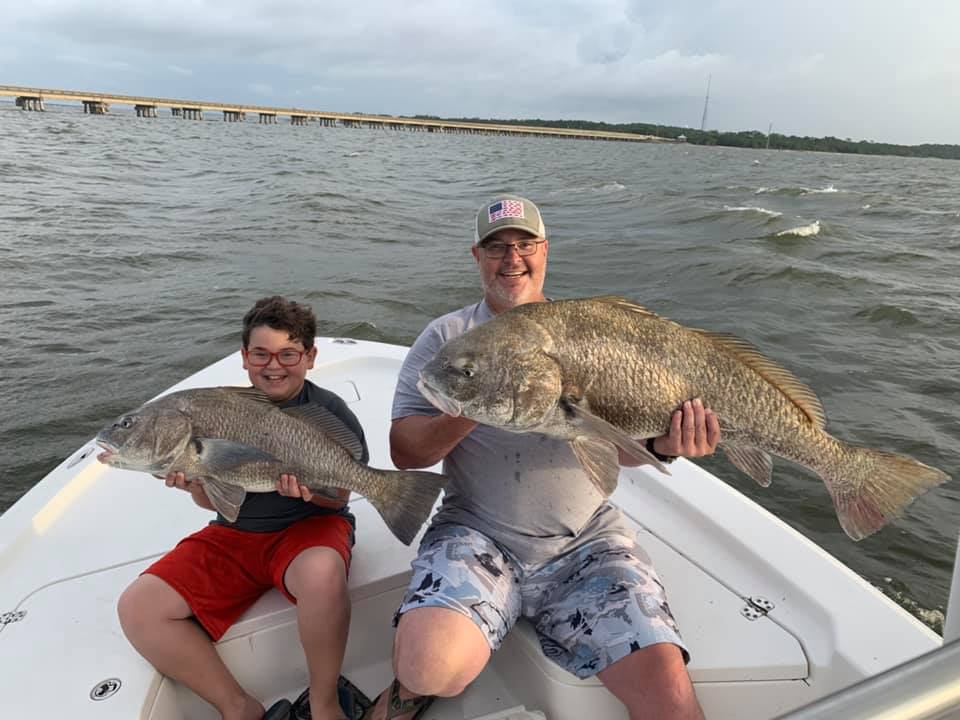
Black drum round out the regular cast of characters, especially during cooler months when they school up around oyster bars. These bottom-feeders use their downturned mouths to root out crabs and worms from the mud, and bigger fish can put a serious bend in your rod. They're not the prettiest fish in the bay, but smaller drum under 16 inches are good eating, while the big bulls provide memorable fights in shallow water.
Time to Book Your Spot
Apalachicola Bay consistently produces fish year-round, but the best action happens when you're fishing with someone who knows these waters inside and out. This charter takes care of all the details – tackle, bait, safety gear, and cleaning your catch – so you can focus on fishing instead of logistics. The 6-hour trip length gives you time to
 Private Trip
 Inshore Fishing
 undefined, undefined



 Six-hour beginner-friendly charter targeting redfish and speckled trout