Private Flyfishing 101 - Learn To Fly Fish
There's something special about your first proper fly fishing lesson that really clicks. This isn't just another casting clinic in someone's backyard – we're talking about a real 3-hour session on the stream where you'll actually learn to read water, present flies naturally, and understand what makes fish tick. Tyler from Around The Bend Fly Fishing has built this beginner-friendly program around the kind of practical skills that separate weekend warriors from confident anglers. Whether you've never held a fly rod or you've been struggling with your cast for months, this one-on-one instruction gets you sorted out fast.
What to Expect on the Water
This top-rated lesson starts with the fundamentals but moves quickly into real fishing situations. You'll spend your morning learning proper casting mechanics – not the fancy stuff you see in videos, but the bread-and-butter casts that actually catch fish. Tyler breaks down everything from loading the rod correctly to controlling your line on the water, then moves into rigging techniques that match what the fish are seeing. The beauty of this private format means you get personalized attention for whatever's holding you back, whether that's timing your cast or figuring out which flies to tie on. Plus, with lunch included, you can focus entirely on soaking up knowledge without worrying about logistics. The hands-on approach means less talking, more doing – exactly what new fly fishers need to build real confidence.
Essential Techniques & Gear
Reading water is probably the most important skill you'll pick up during this session, and it's something most beginners completely skip over. Tyler walks you through spotting feeding lanes, understanding how current affects your drift, and recognizing the kind of structure that holds fish. You'll learn to rig your leader properly for different conditions – something that makes a huge difference but gets glossed over in most instruction. The casting portion covers forward cast, roll cast, and mending techniques that actually work in real stream conditions, not just on a pond. All gear is provided, so you don't need to invest in equipment before you know what works for you. By the end of the lesson, you'll understand fly selection basics, proper knot tying, and how to adjust your approach based on what the water's telling you. This isn't theory – it's practical stuff you'll use every time you hit the stream.
Customer Stories
"Had a great time this morning. I did the fly fishing 101 and Tyler is a fantastic teacher. He breaks things down really well. I feel a lot more confident about getting out on the water on my own, and I'll definitely be signing up for one of his walk and wade trips." - dan
Species You'll Want to Hook
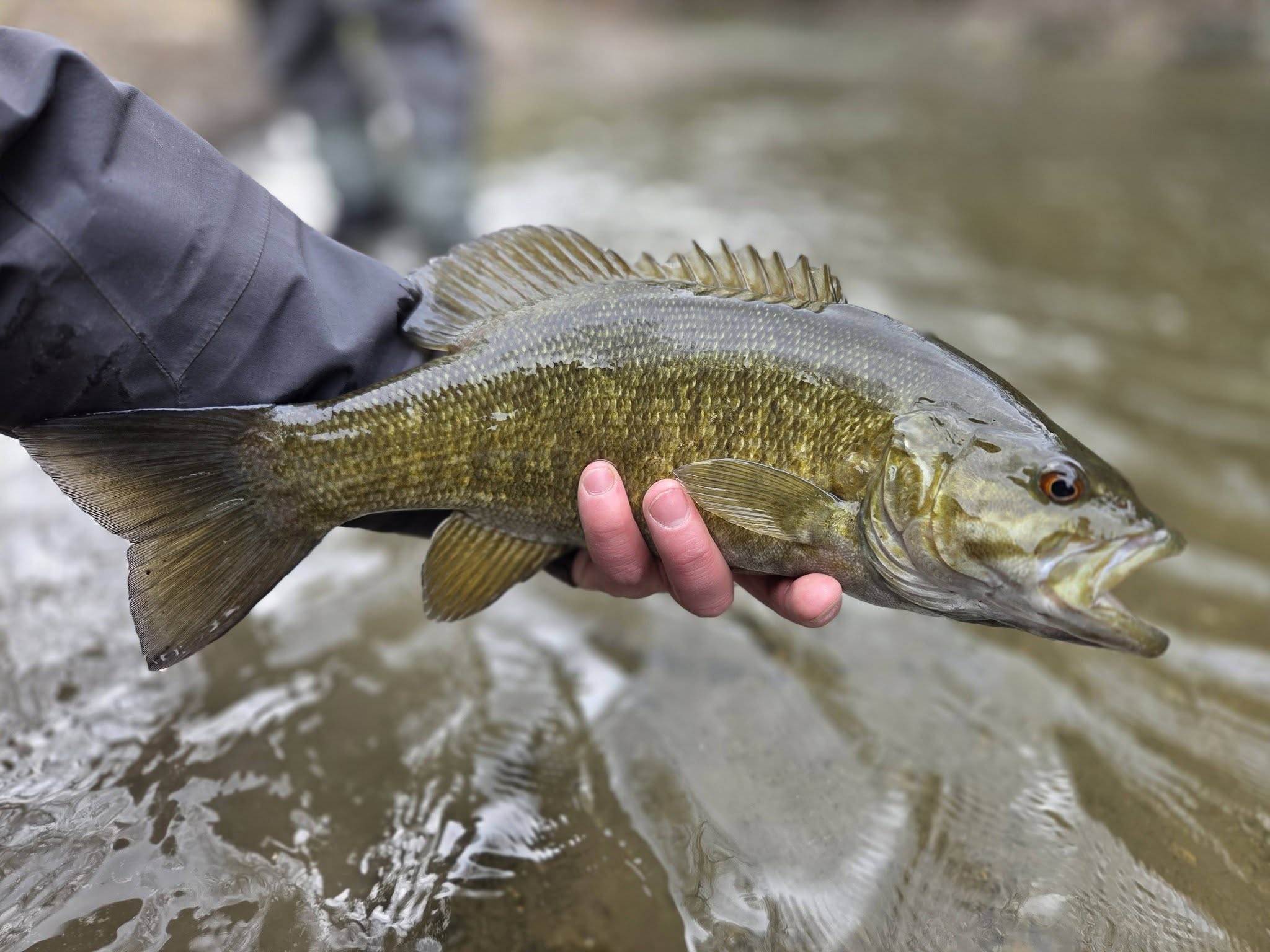
Smallmouth Bass are absolute fighters that'll test everything you just learned about line control and drag settings. These bronze-backed beauties love rocky structure and current breaks, making them perfect targets for practicing your water-reading skills. They typically run 12-16 inches in most systems, with bigger fish pushing 18+ inches if you're lucky. Spring through fall offers the best action, especially when they're feeding actively in the mornings and evenings. What makes smallmouth so rewarding for new fly fishers is their aggressive nature – they'll often hit streamers, poppers, and nymphs with equal enthusiasm, giving you chances to practice different presentation techniques.
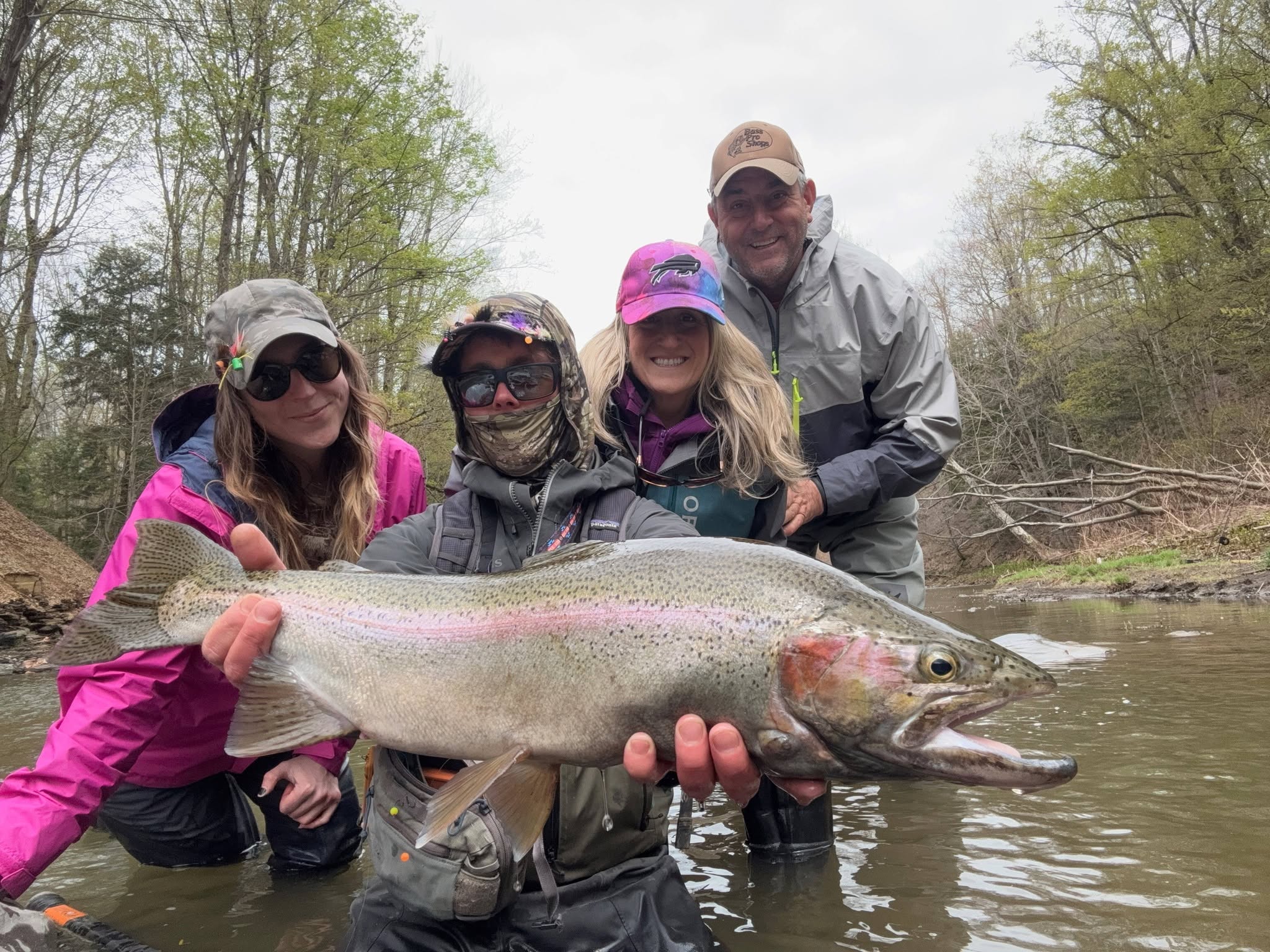
Rainbow Trout represent the classic fly fishing experience that most anglers dream about. These colorful fish are incredibly selective feeders, which means they'll push your newly learned skills right from the start. Most rainbows you'll encounter range from 10-14 inches, though occasional surprises can stretch well beyond that. They're most active during cooler parts of the day and respond beautifully to proper fly presentation – making them excellent teachers for understanding drag-free drifts and subtle takes. The satisfaction of fooling a picky rainbow with the right fly and perfect presentation is exactly why people get hooked on this sport.
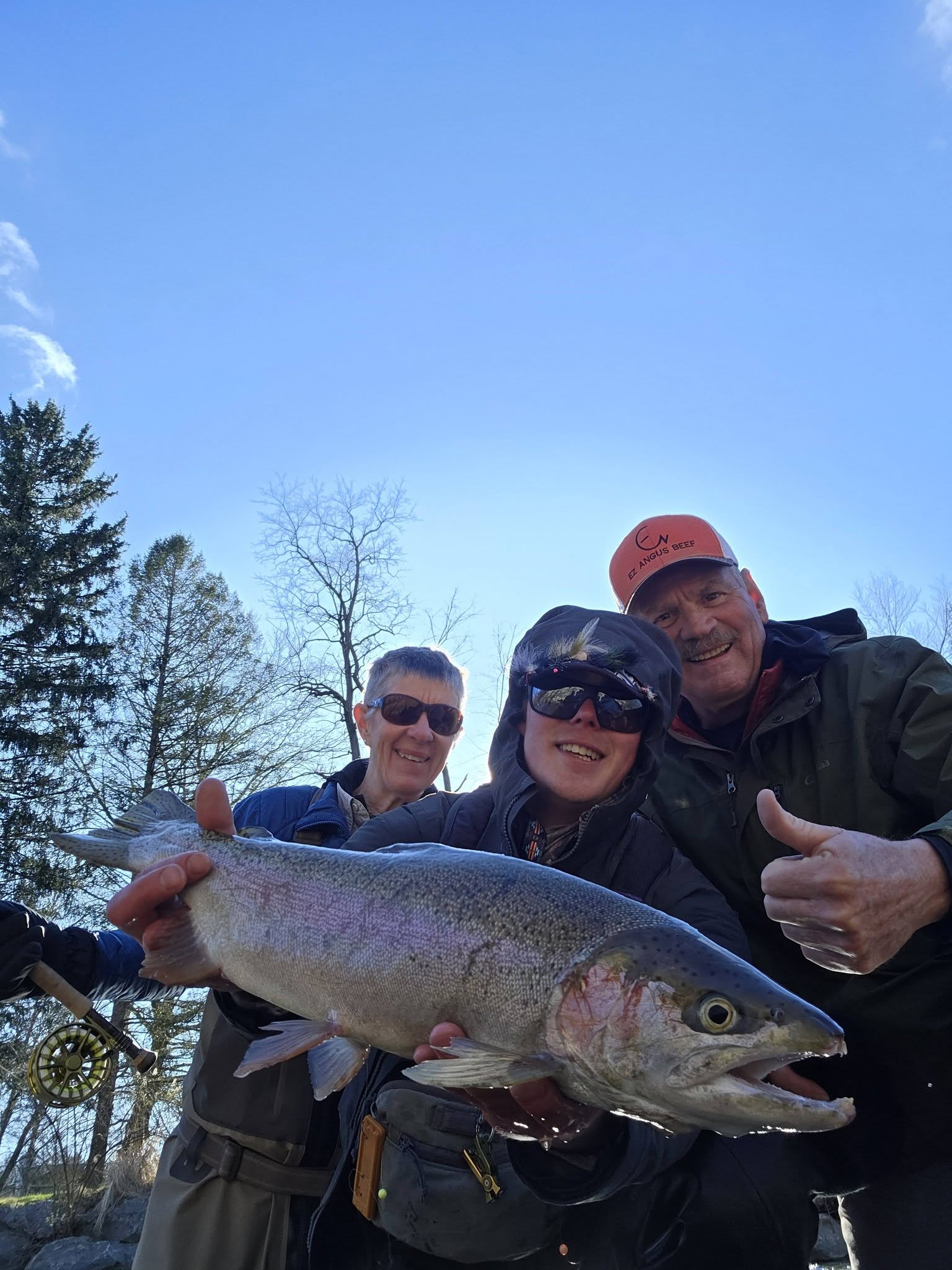
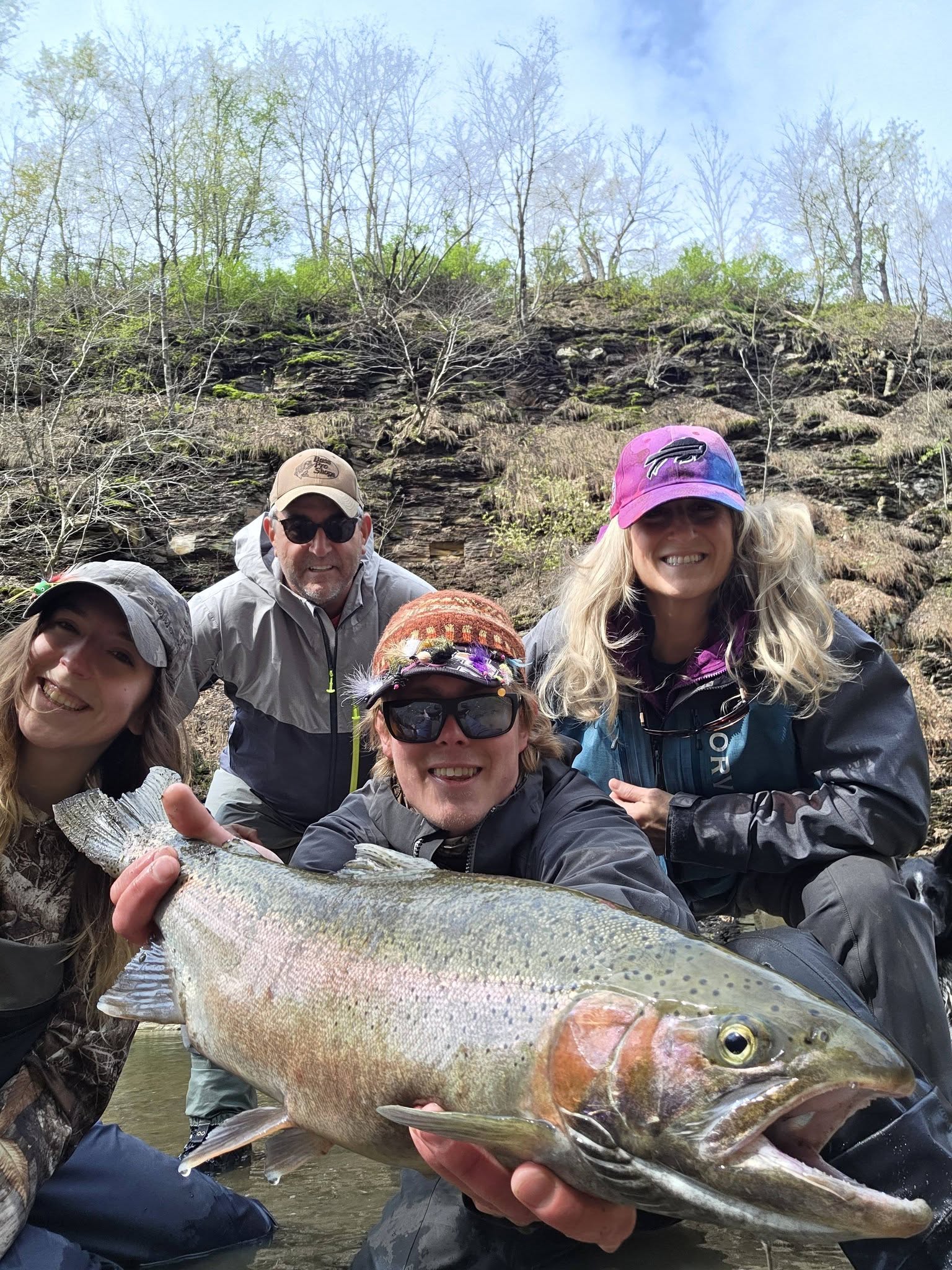
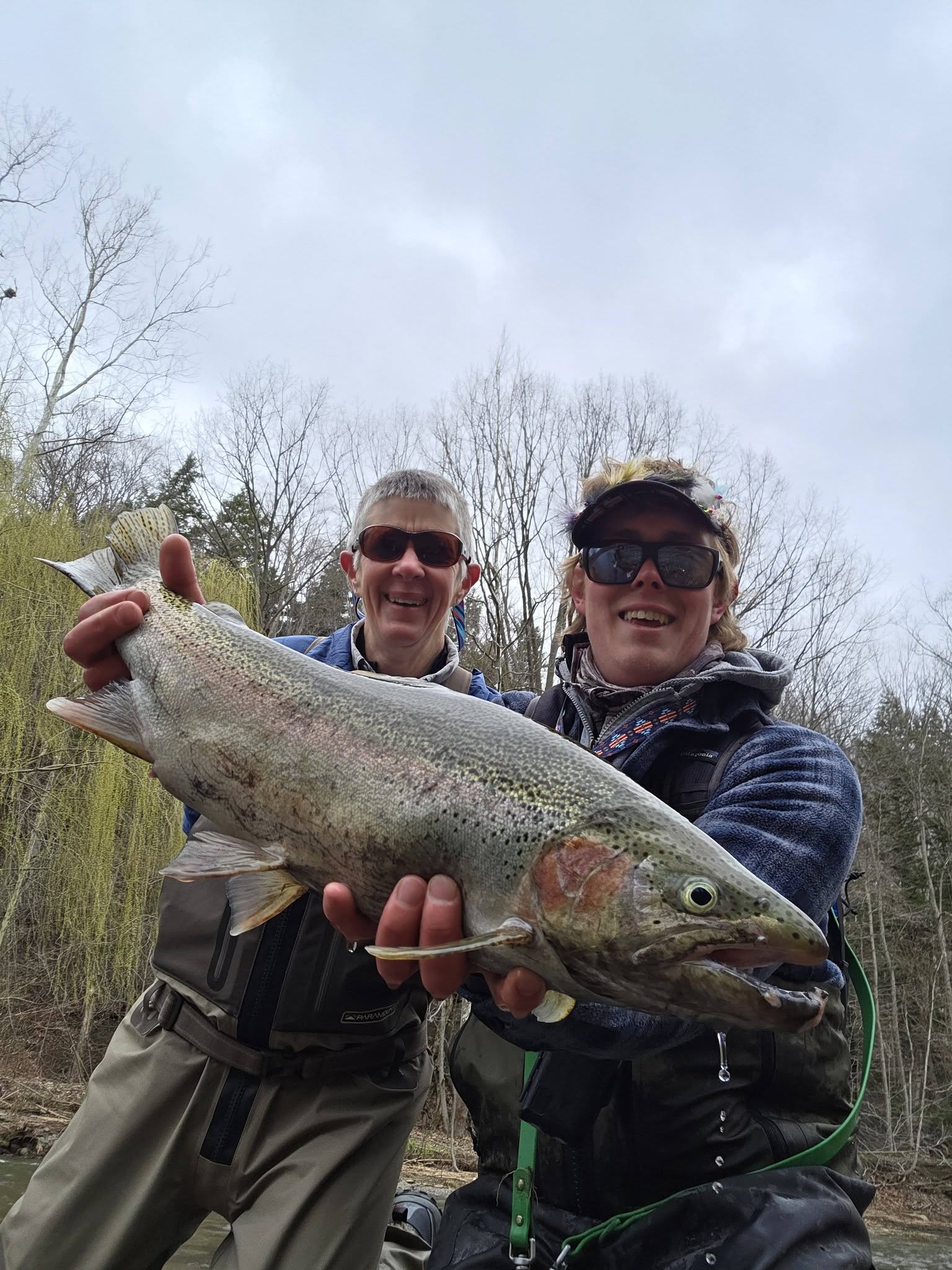
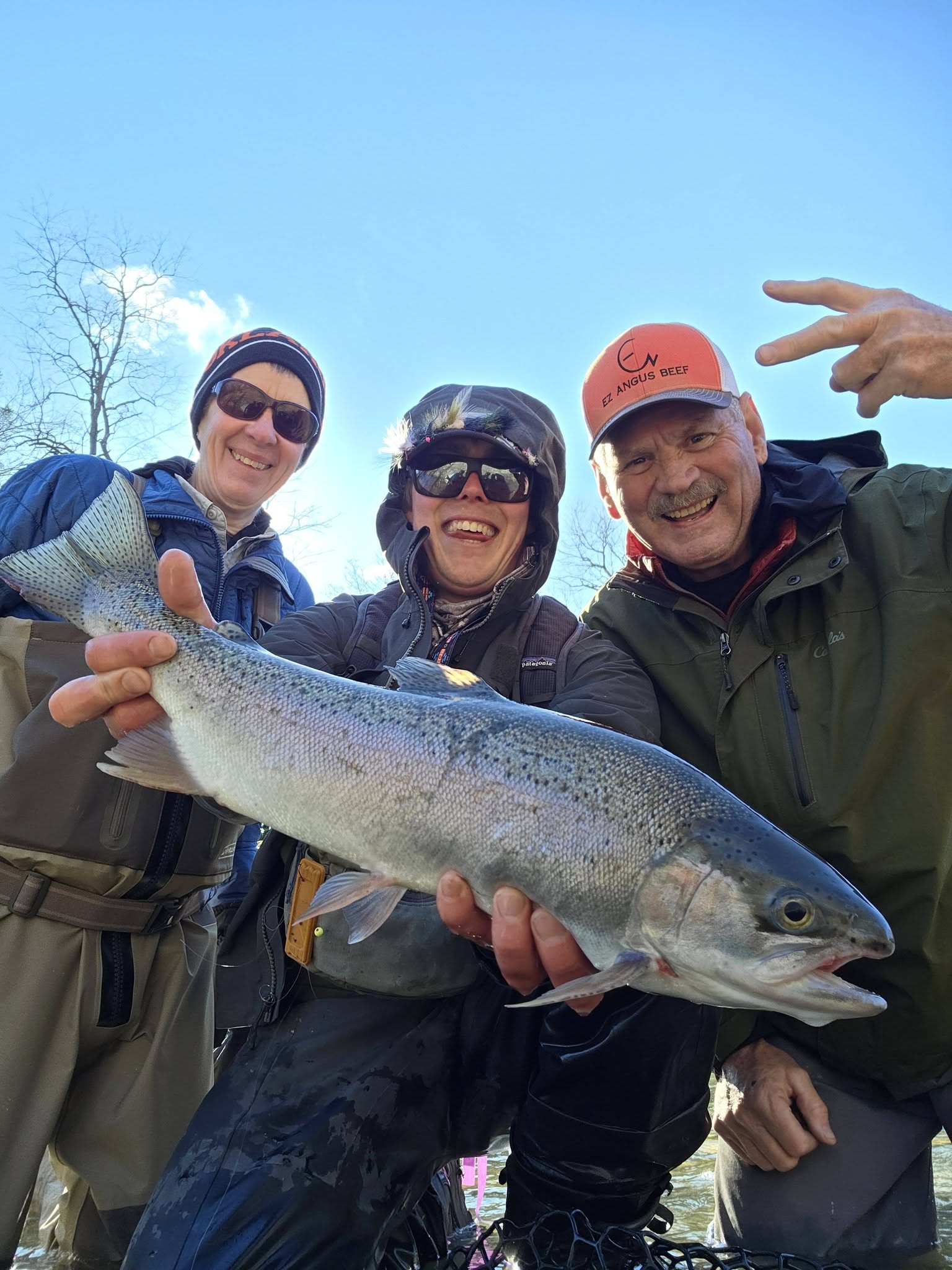
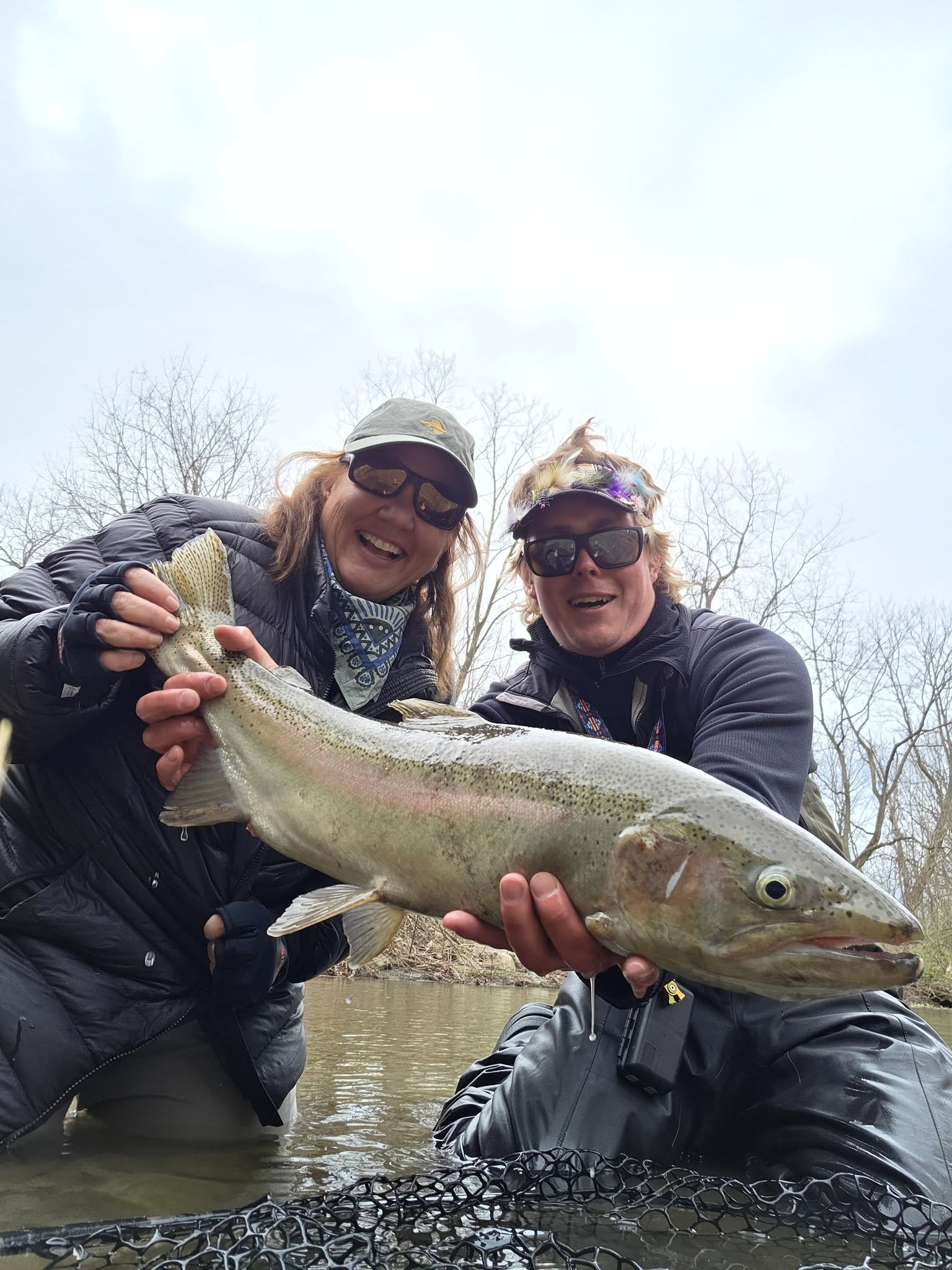
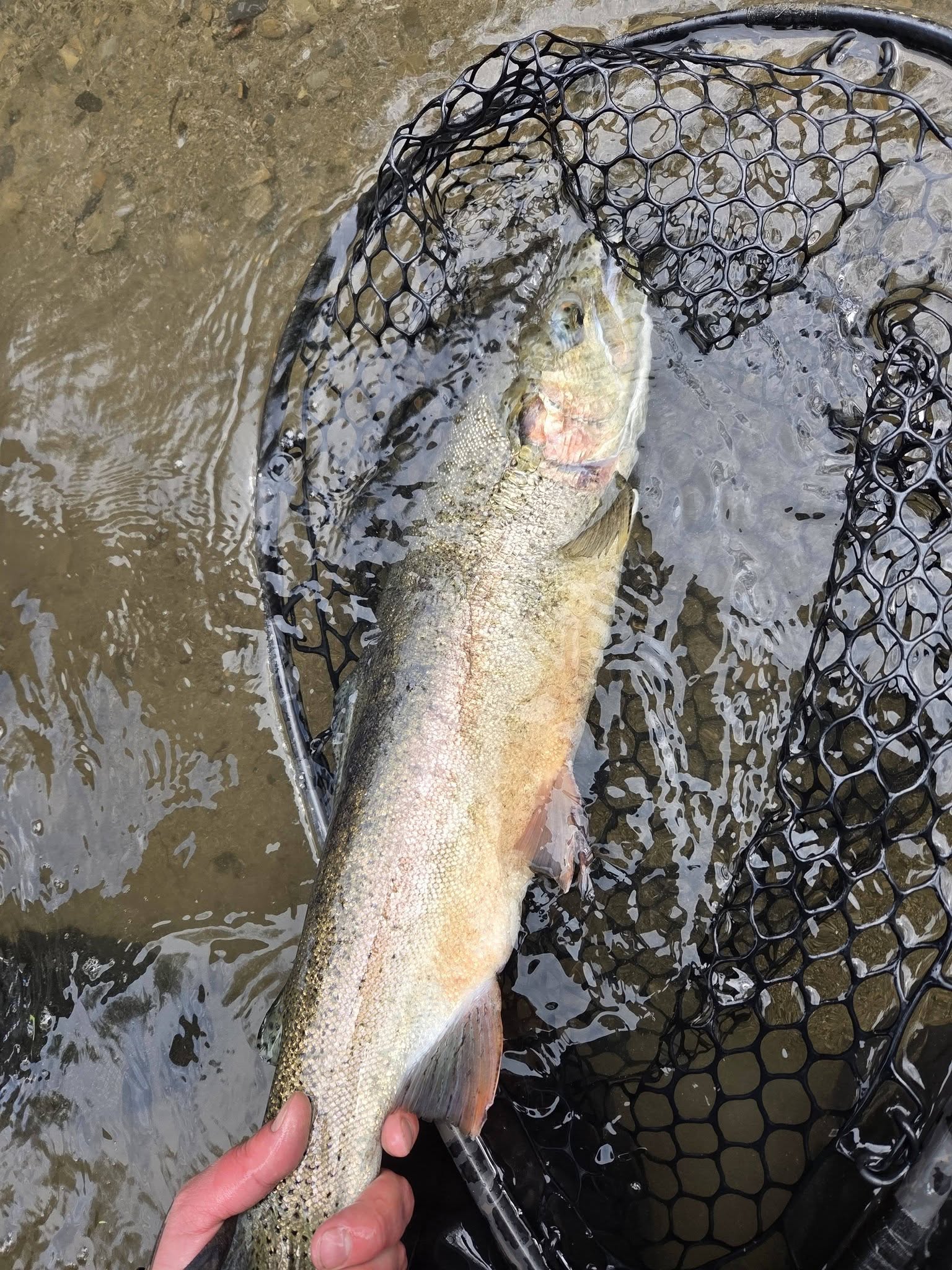
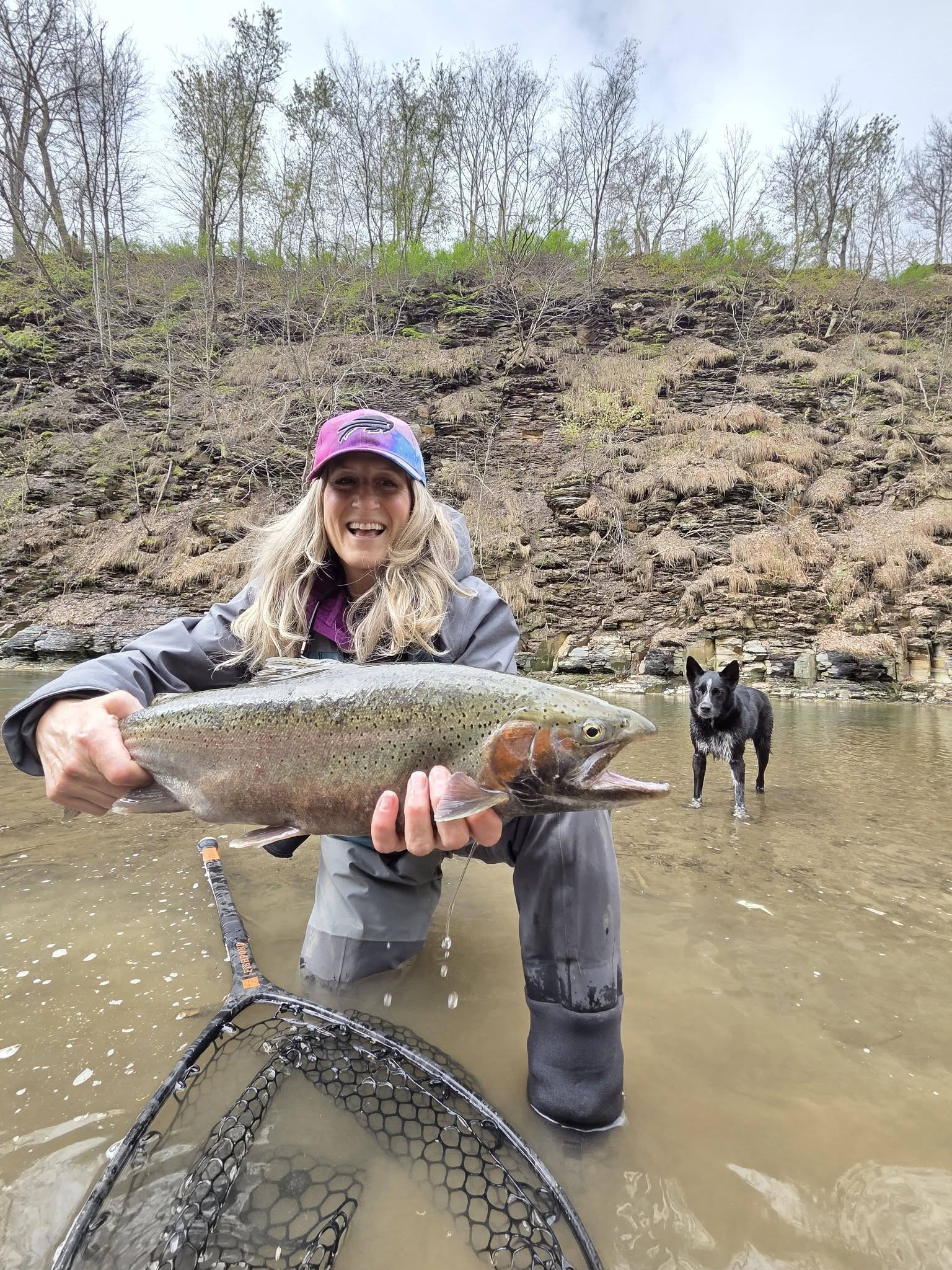
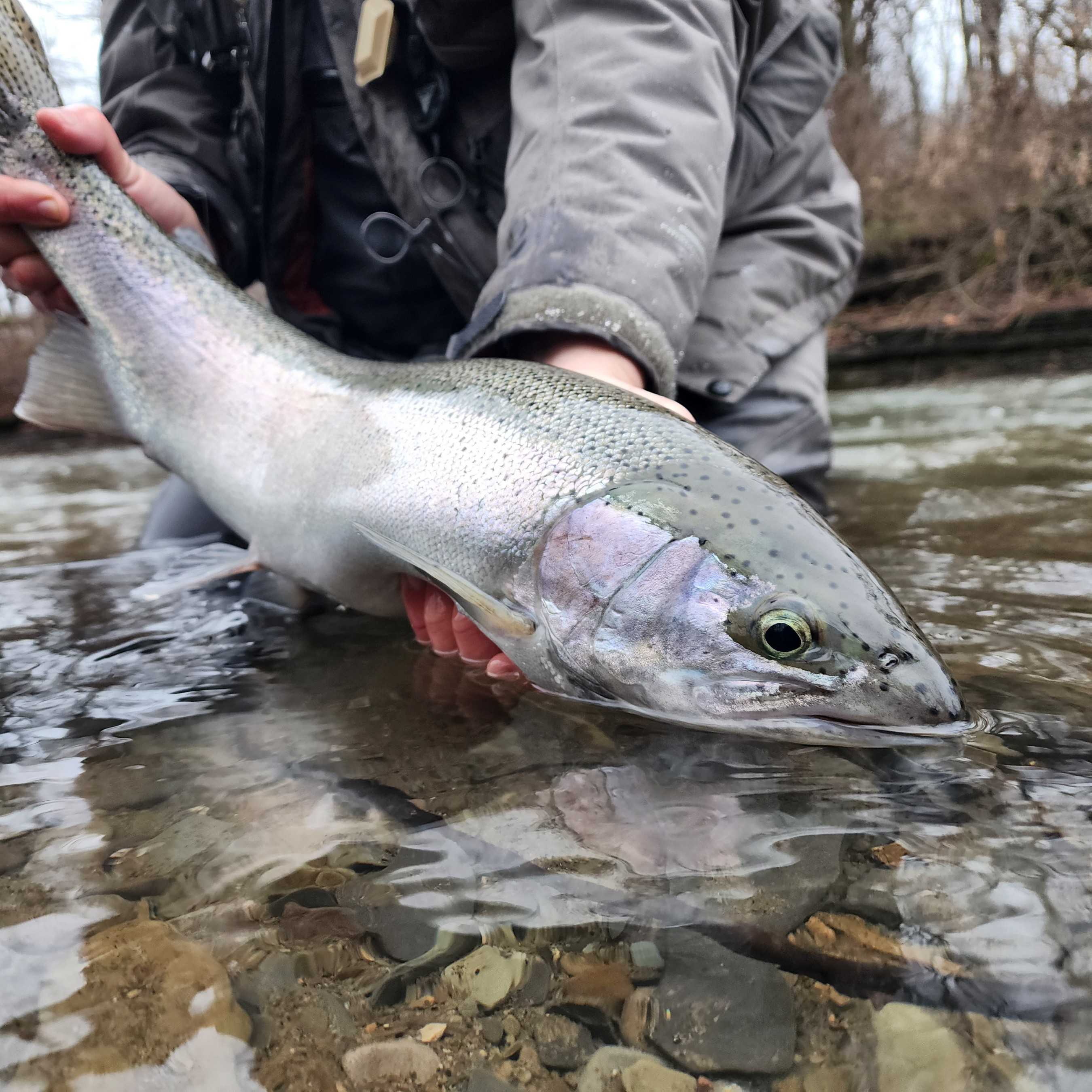
Steelhead Trout are the holy grail for many fly fishers – powerful, acrobatic fish that can turn a quiet morning into an adrenaline rush in seconds. These sea-run rainbows average 24-30 inches and have the strength to test every knot you've tied and every technique you've learned. They're seasonal visitors to most systems, typically running in fall, winter, and spring depending on your location. Landing your first steelhead on a fly rod is a milestone that stays with you forever. Their combination of size, strength, and wariness makes them challenging targets, but Tyler's instruction gives you the foundation needed to eventually tackle these legendary fish with confidence.
Time to Book Your Spot
This world-class instruction combines everything you need to start fly fishing the right way – proper technique, real-world application, and the confidence that comes from learning on actual fishing water. Tyler's teaching approach focuses on building solid fundamentals rather than overwhelming you with advanced concepts, which means you'll leave ready to fish independently. The private format ensures you get exactly the instruction you need, whether you're starting from scratch or fixing bad habits that have been holding you back. With target species like smallmouth, rainbows, and steelhead available, you'll have plenty of opportunities to put your new skills to work. Don't spend another season frustrated with your casting or wondering why the fish aren't biting – book this customer favorite lesson and start fishing with the confidence that comes from proper instruction.
 5.0(2 Reviews)
 Private Trip
 River Fishing
 Lake Erie Watershed


 Expert-led 3-hour beginner fly fishing class on stream