Boca Grande Wreck Fishing Adventures
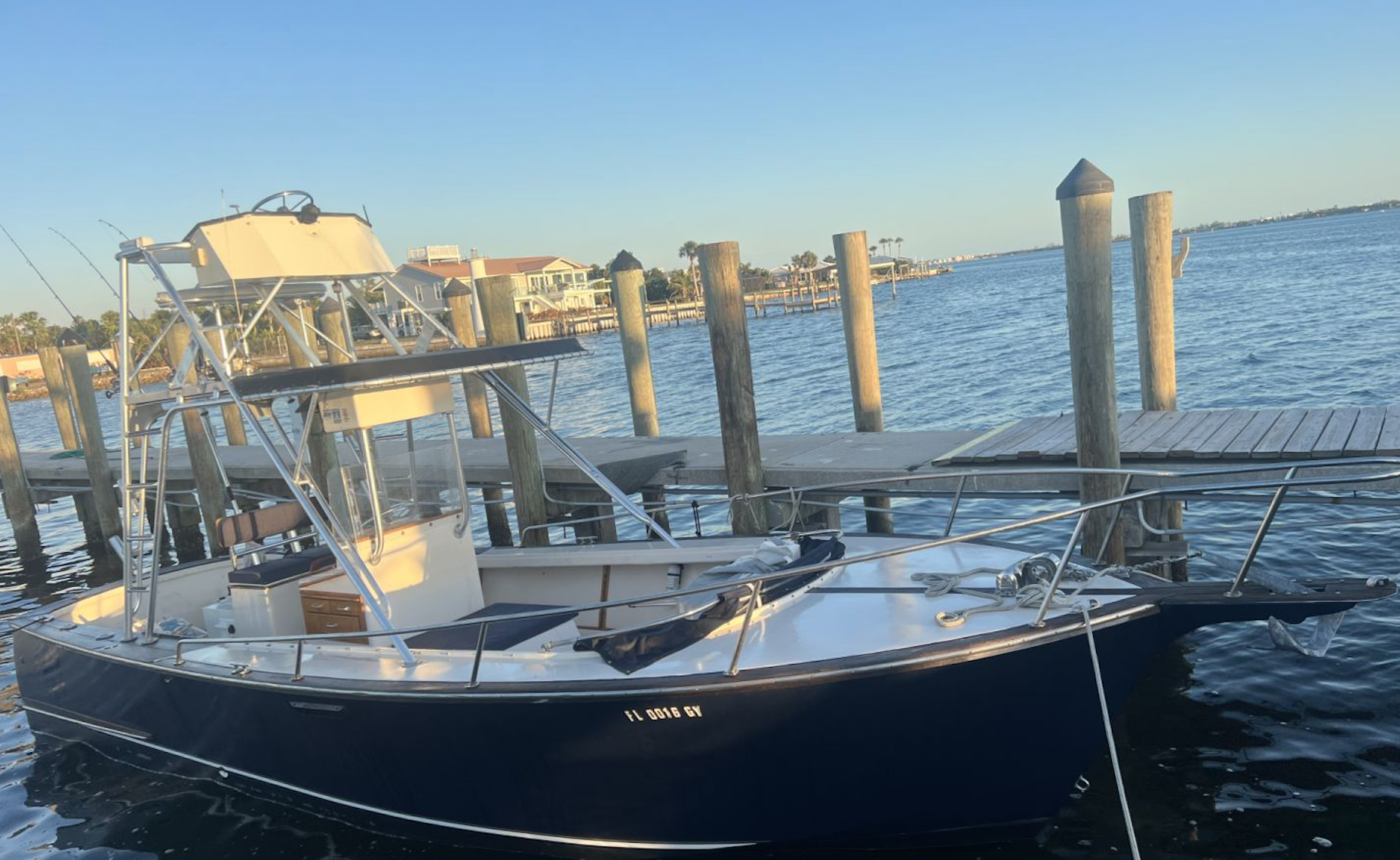
When you're ready to get serious about fishing the wrecks around Boca Grande, Atlantic Gulf Fishing Charters has exactly what you're looking for. This isn't your typical near-shore trip – we're talking about a custom 3 to 10-hour fishing experience that puts you right on top of some of the most productive wreck sites in the Gulf. Whether you're a weekend warrior or someone who's been chasing fish for decades, these underwater structures hold some of the best fishing opportunities you'll find anywhere along Florida's coast. Our 30-foot boat gives you the stability and range to reach those prime spots where the big fish live, and with only 2 anglers maximum, you'll have plenty of room to work and all the personal attention you need to make the most of your day on the water.
What to Expect on the Water
Wreck fishing around Boca Grande is a different animal than your typical reef trip. We're targeting artificial and natural structures that sit anywhere from 40 to 120 feet down, and these underwater havens are magnets for some of the Gulf's most sought-after species. The day starts early – usually around sunrise – when the fish are most active and the competition from other boats is minimal. Your captain knows these wrecks like the back of his hand, from the old Liberty ships to smaller tugboats and barges that have become home to entire ecosystems. The key to success here is precision positioning and understanding how fish relate to structure. We'll anchor up-current from the wreck and let our baits drift back into the strike zone, or position ourselves for vertical jigging when the fish are holding tight to the bottom. The beauty of wreck fishing is that you never know what's going to come up – one minute you're battling a hefty red grouper, the next you've got a cero mackerel screaming drag off the reel.
Techniques and Tackle
Wreck fishing demands a specific approach, and that's where our experience really shows. We fish with heavy conventional tackle – typically 50 to 80-pound class gear – because when you hook something big around structure, you need the power to turn it away from the wreck before it cuts you off. Bottom fishing is the bread and butter technique here, using circle hooks with live pinfish, sardines, or cut bait. We'll also work jigs and heavy spoons when fish are suspended in the water column or when we want to target more aggressive species like cero mackerel. The key is reading the fish finder and adjusting your presentation based on what you're seeing. Sometimes the fish are stacked right on the wreck, other times they're cruising 20 feet off the bottom. GPS positioning is critical – being off by even 50 feet can mean the difference between a banner day and going home empty-handed. That's why we use top-of-the-line electronics and maintain waypoints for all our productive spots. When conditions are right, we might also troll the edges of wrecks for pelagic species that cruise these areas looking for an easy meal.
Species You'll Want to Hook
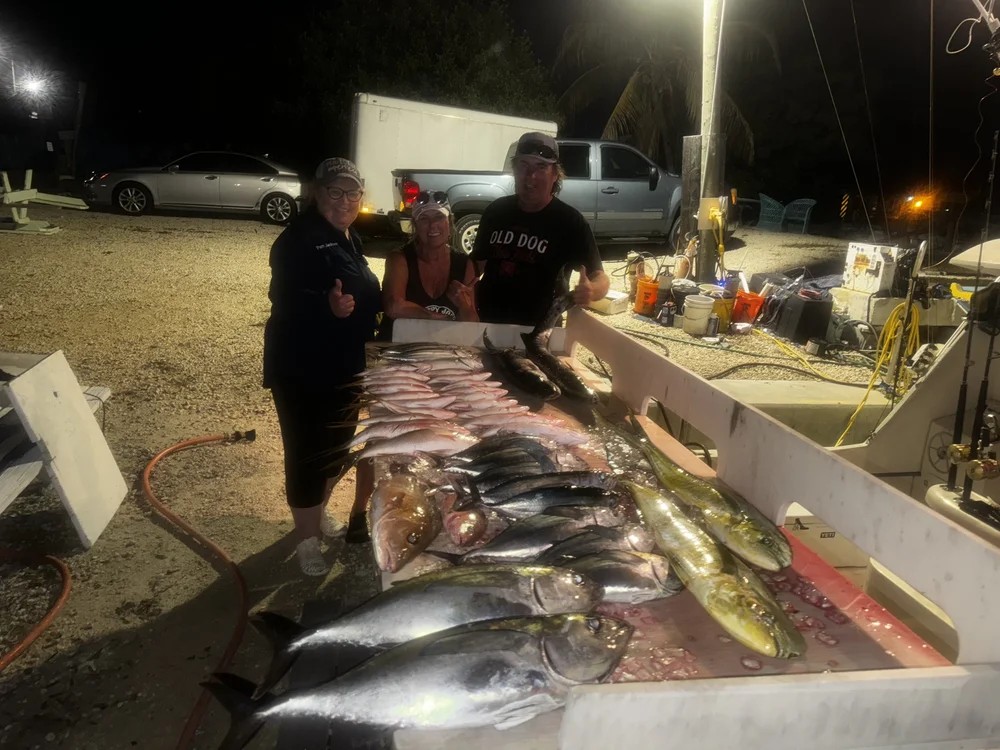
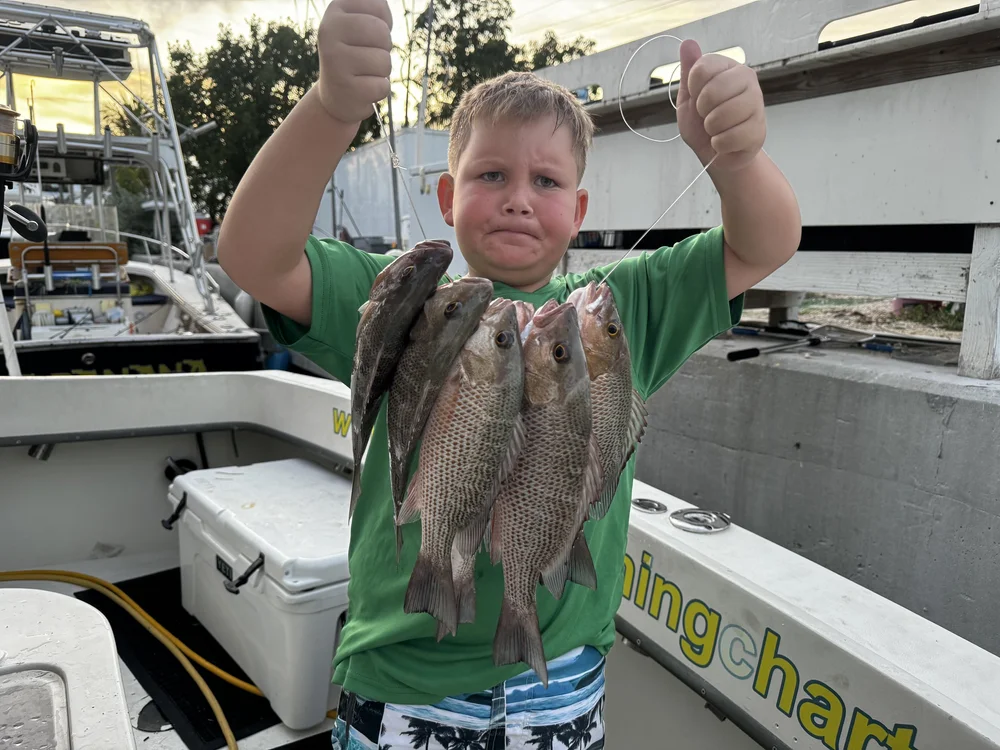
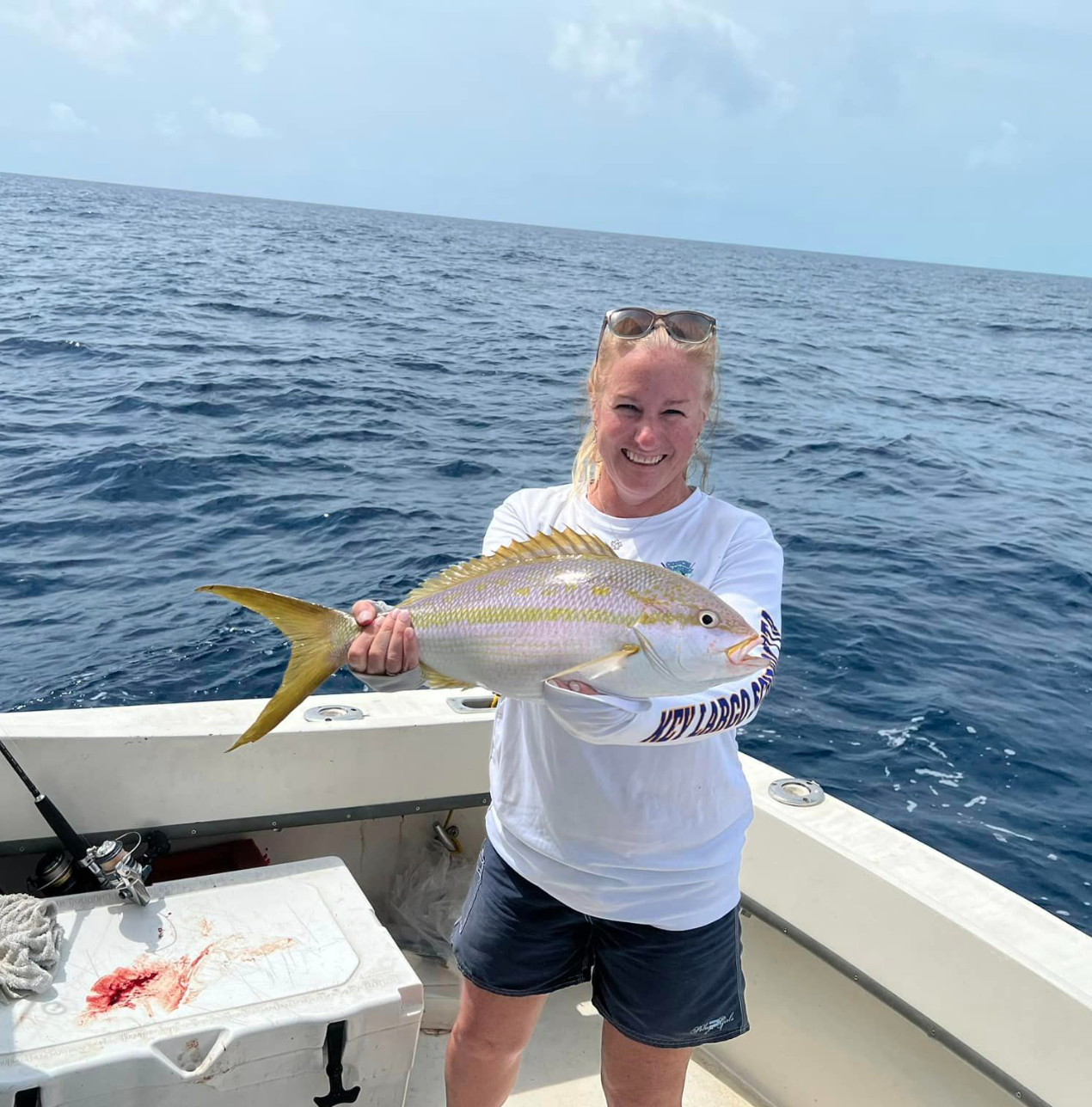
Grey snapper are the workhorses of wreck fishing around Boca Grande, and for good reason. These fish love structure and can be found around virtually every wreck we fish. They typically run 2 to 8 pounds, with the occasional double-digit fish that'll test your skills. Grey snapper are most active during low-light periods – early morning, late afternoon, and overcast days. They're notorious for their light bite, so you need to stay focused and set the hook at the first sign of weight. What makes them so popular is their consistent availability and excellent table fare. They fight harder than their size suggests and are smart enough to head straight for the wreck when hooked, making every fight a chess match between angler and fish.
Red grouper are the crown jewel of wreck fishing, and Boca Grande's wrecks hold some real quality fish. These bottom-dwellers can reach 20 pounds or more, and they're built like linebackers – broad shoulders and a powerful tail that can drag you into the structure if you're not ready. Reds are most active during cooler months, typically October through April, when they move into shallower wrecks to feed. They're ambush predators that sit in holes and crevices, waiting for an easy meal to drift by. When you hook a red grouper, there's no mistaking it – they hit hard and immediately dive for cover. The key is keeping steady pressure and working them up gradually. Their white, flaky meat makes them one of the most prized catches in the Gulf, and landing a quality red grouper is something every angler remembers.
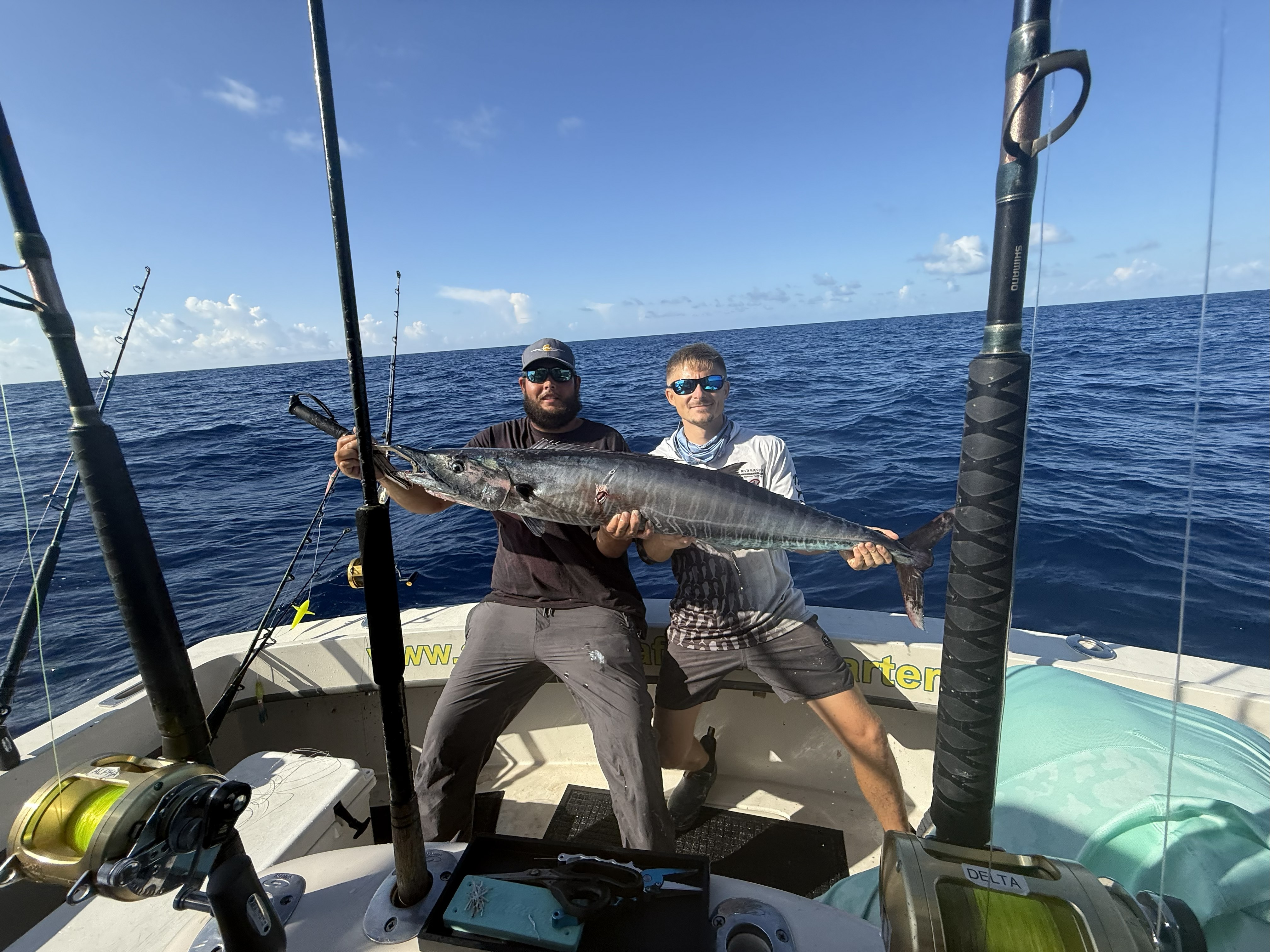
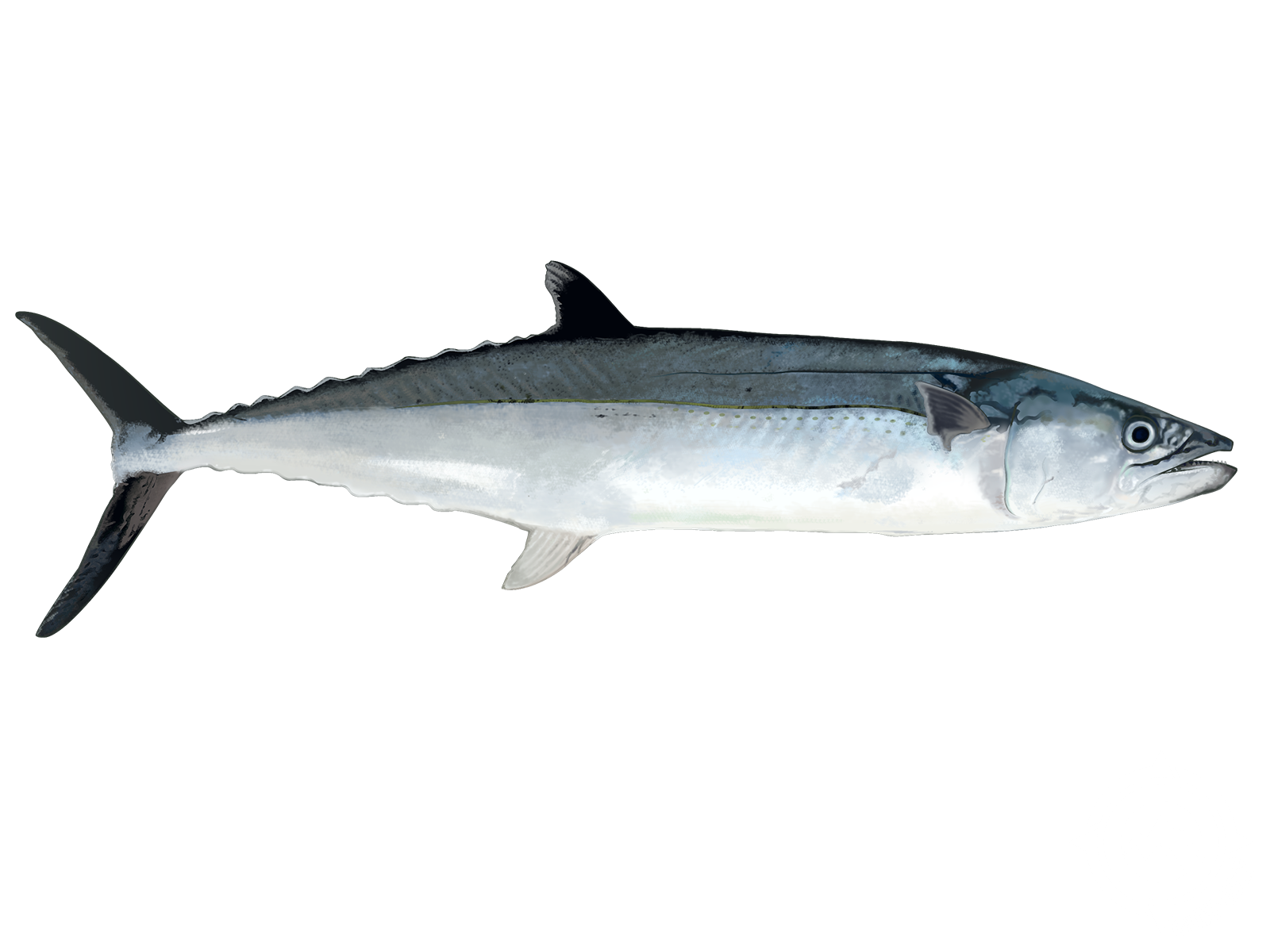
Cero mackerel bring a completely different energy to wreck fishing. These speedsters cruise the mid-water column around wrecks, feeding on baitfish and keeping anglers on their toes. They typically run 3 to 10 pounds but fight like fish twice their size, making blistering runs and aerial displays that'll get your heart pumping. Ceros are most active during warmer months and are often found in schools, so when you find one, there are usually more around. They're perfect for light tackle enthusiasts who want fast action, and they respond well to both live bait and artificial lures. Their distinctive yellow spots and torpedo-shaped body make them easy to identify, and their excellent eating quality makes them a favorite among local anglers.
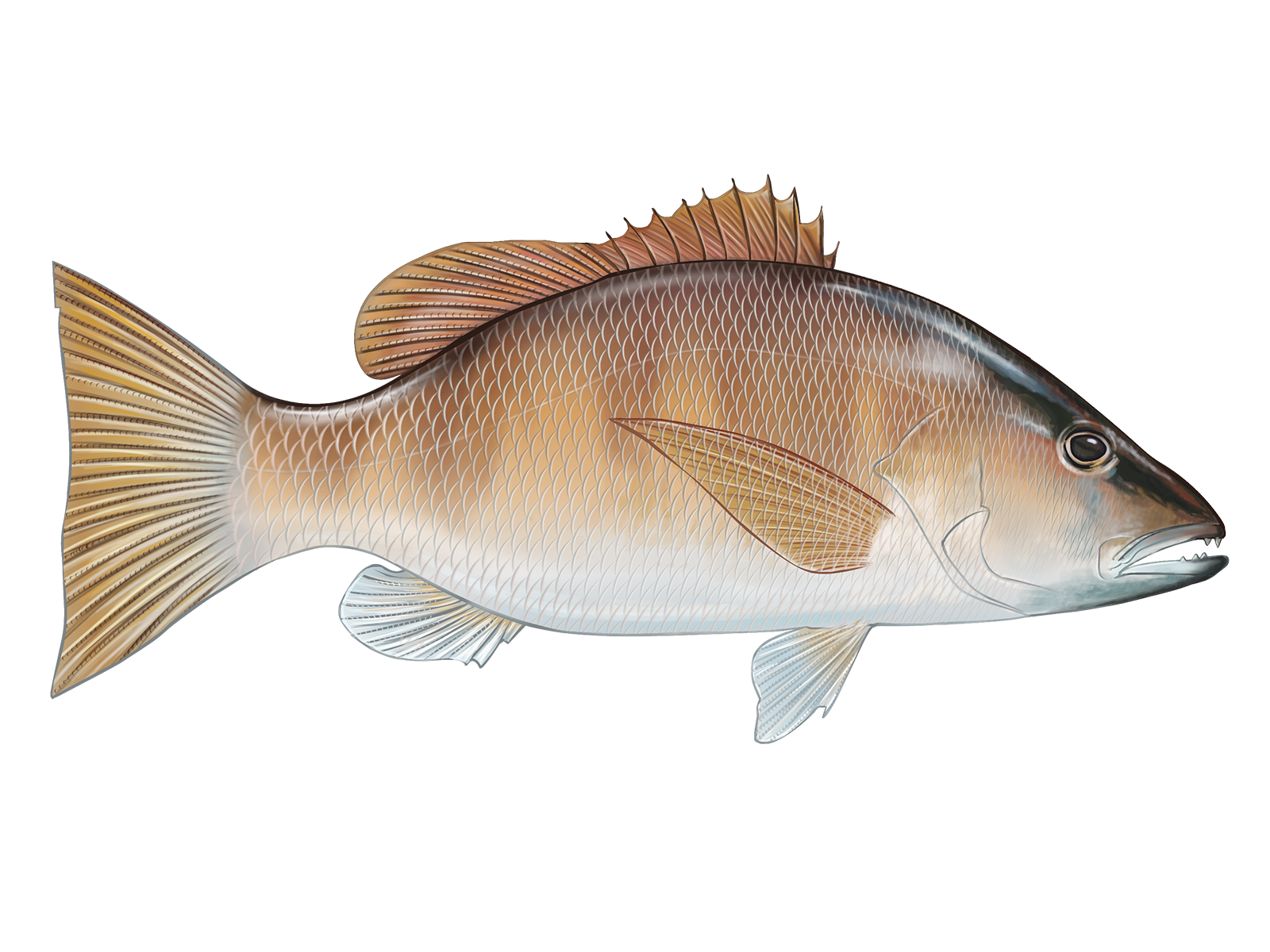
Mutton snapper are the wildcards of wreck fishing – they don't show up every trip, but when they do, they make it memorable. These fish can reach impressive sizes, often exceeding 15 pounds, and they're known for their stubborn fighting style. Muttons are most active during summer months and are often found around deeper wrecks where they feel more secure. They're extremely structure-oriented and will use every piece of cover available to try to break you off. What makes mutton snapper special is their rarity and the challenge they present. They're spooky fish that require finesse
 Private Trip
 Wrecks/Reefs Fishing
 Marathon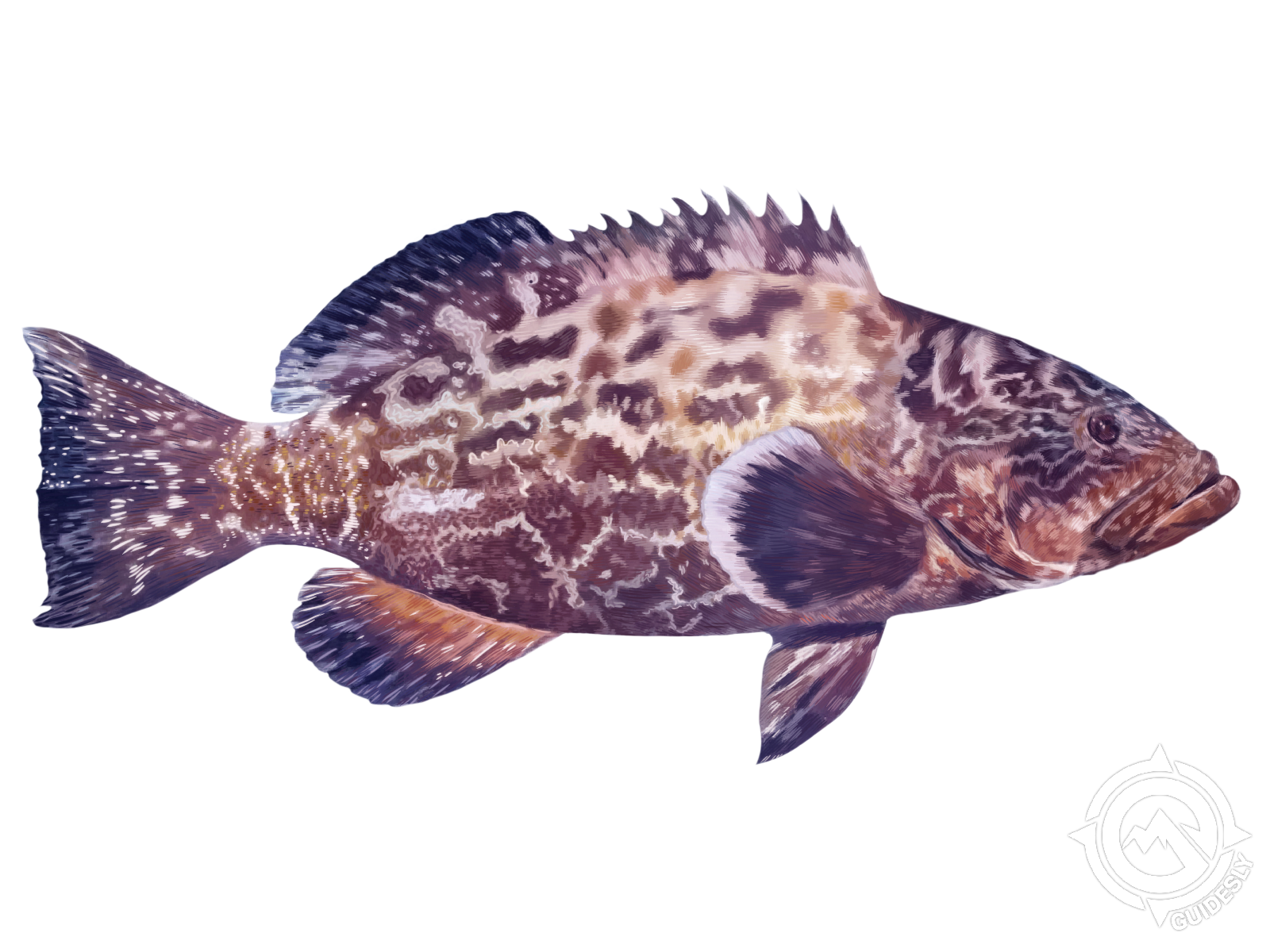


 Target reef and wreck fishing in 30-foot vessel