Marathon Wreck Fishing: Deep Water Action
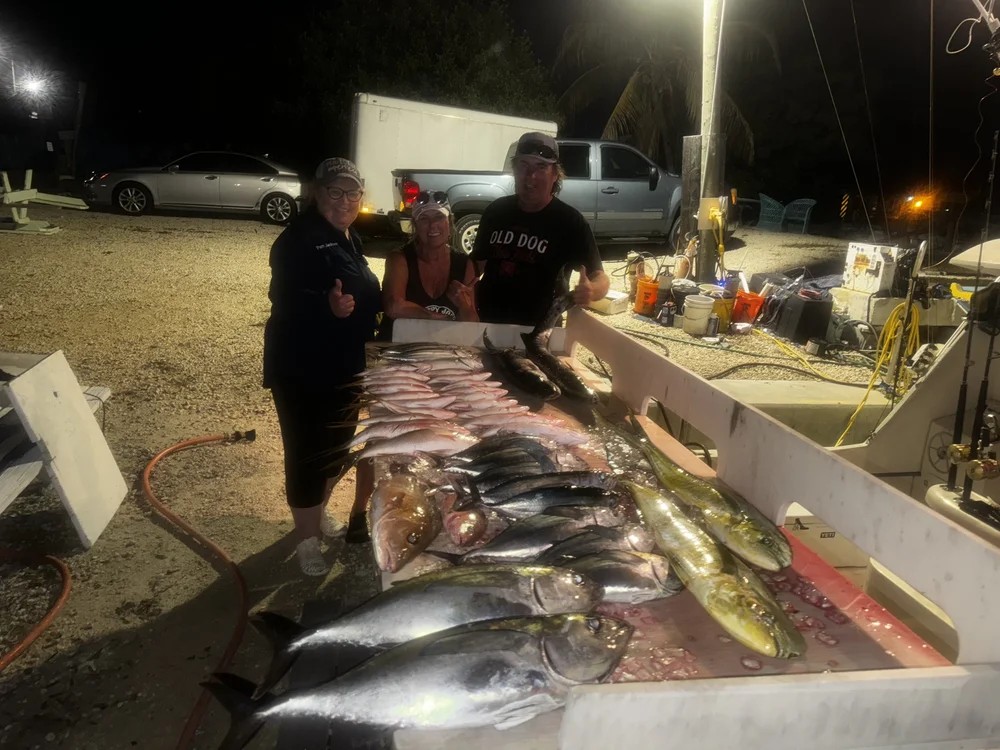
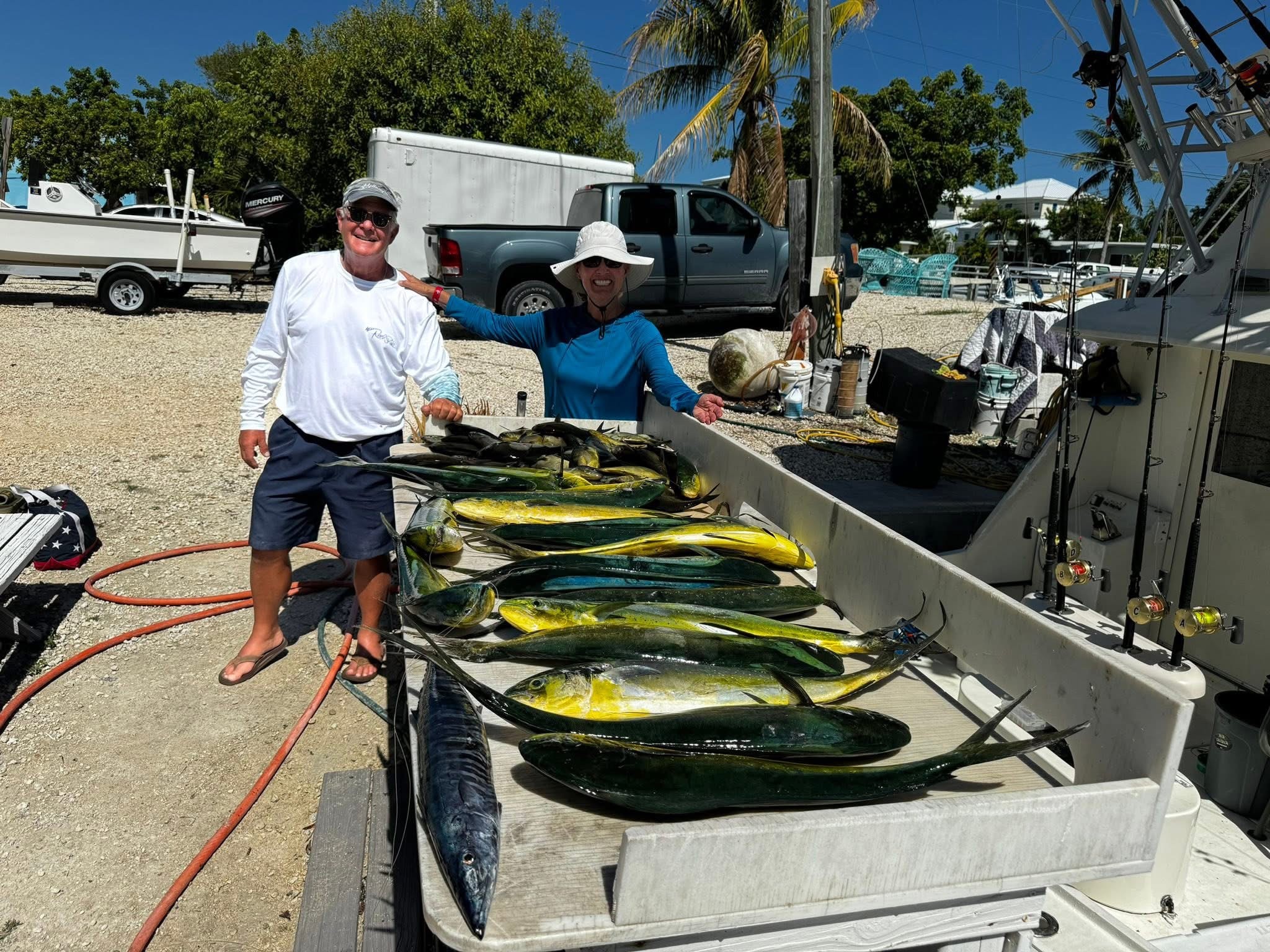
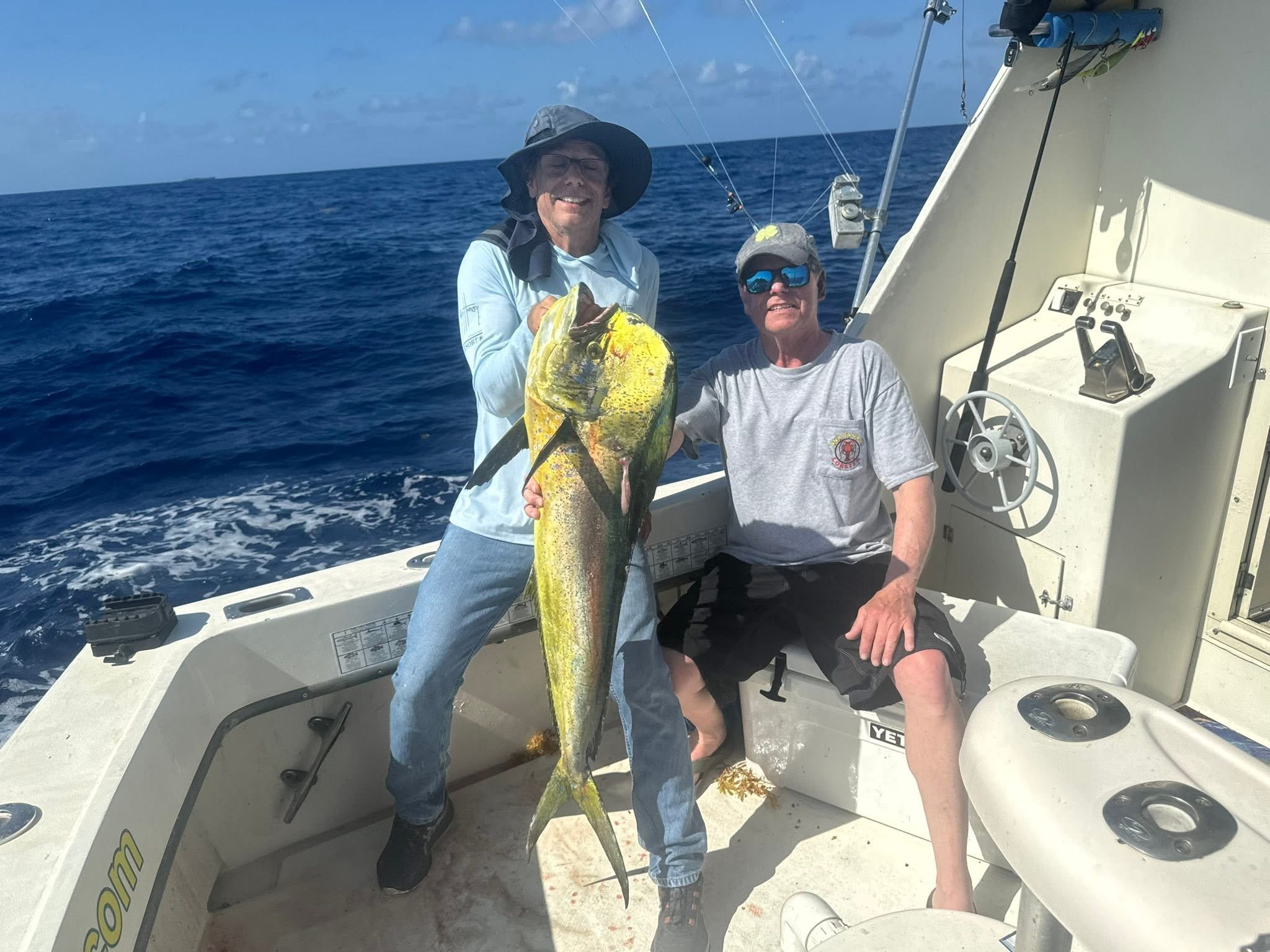
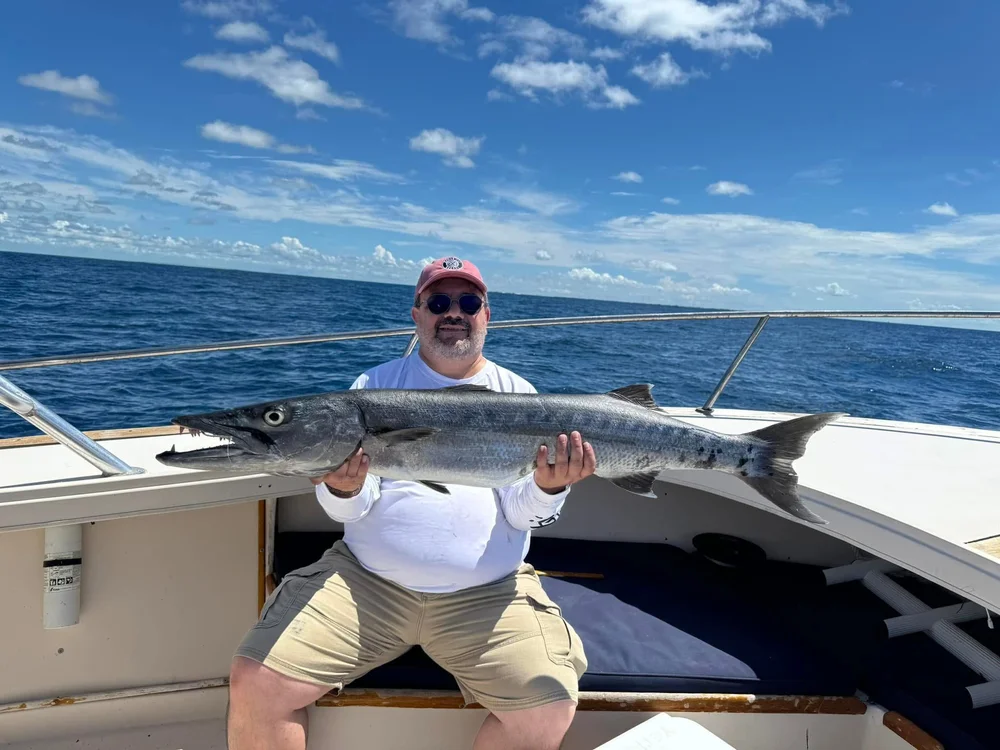
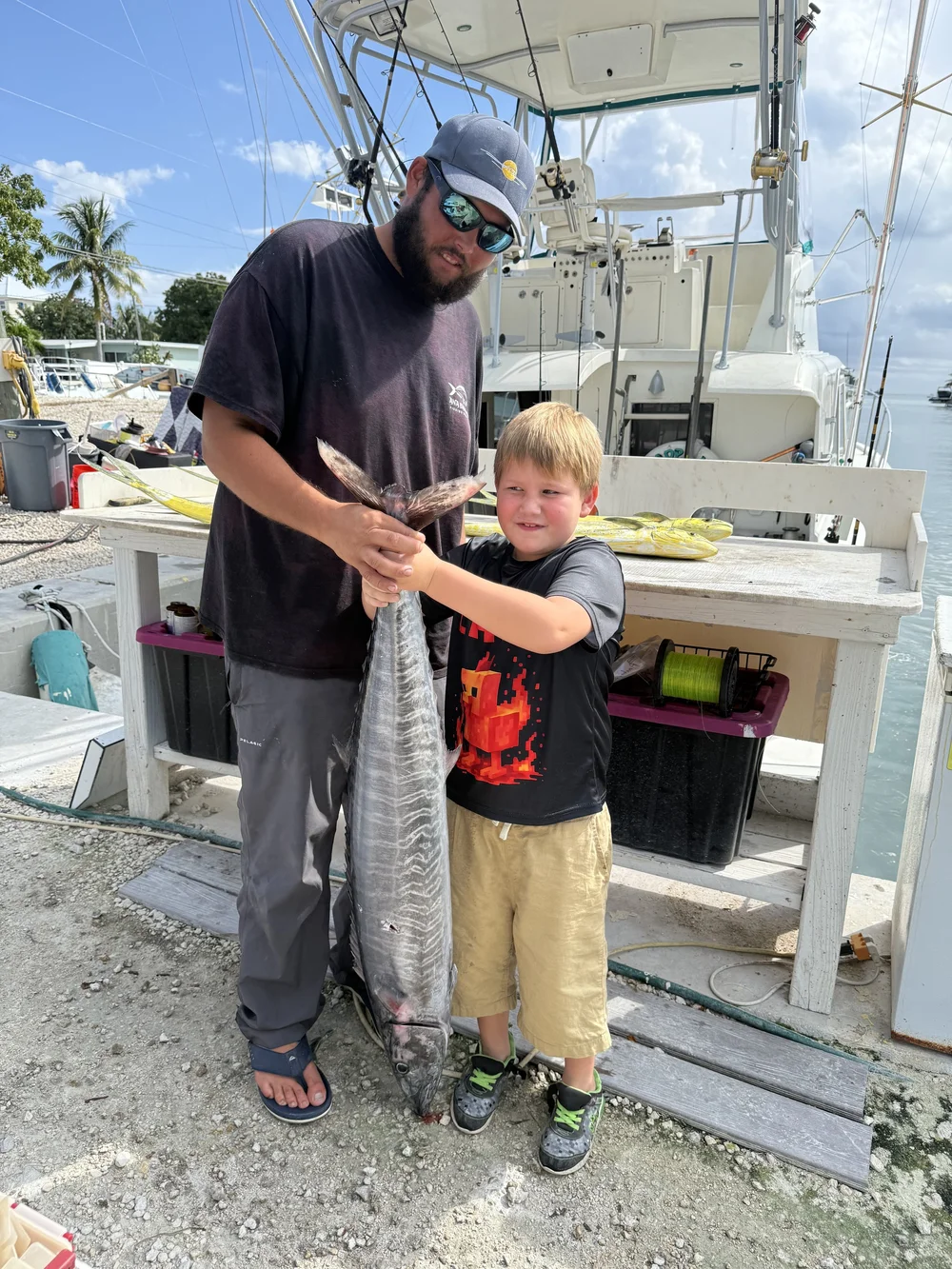
Looking for some serious fishing action in the Florida Keys? This Marathon wreck fishing charter puts you right where the big fish hang out - around deep water structure that holds everything from monster grouper to blazing fast cobia. Captain and crew know these wrecks like the back of their hand, and they'll put you on fish that most anglers only dream about. With 4 to 10 hours on a solid 40-foot Hatteras, you've got the time and platform to really get after it. Whether you're after bottom dwellers or pelagics cruising the structure, these wrecks deliver the kind of fishing that keeps you coming back for more.
What to Expect on the Water
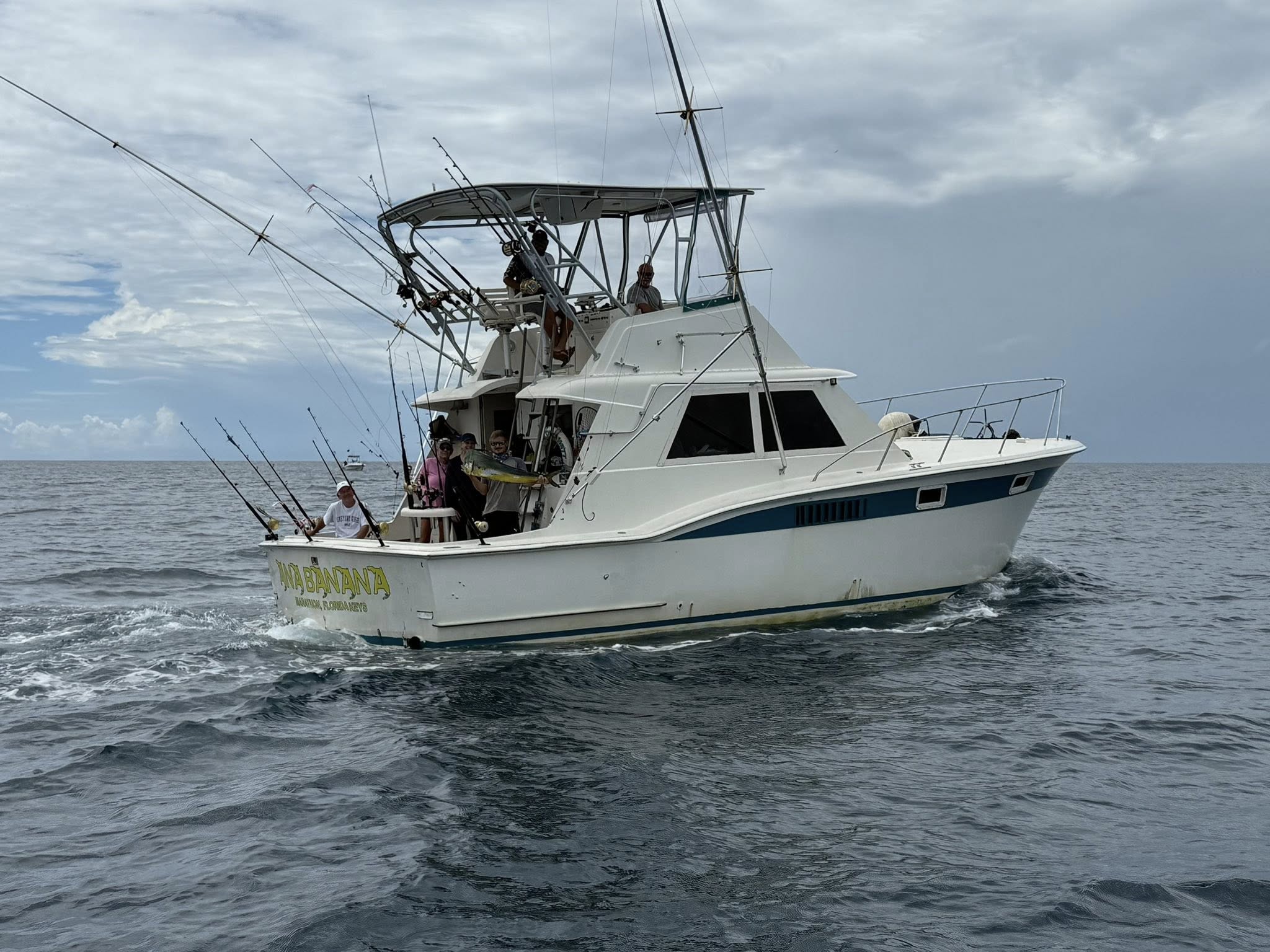
You'll be fishing some of Marathon's most productive wrecks aboard a well-equipped 40-foot Hatteras that handles the deeper waters with ease. The boat accommodates up to 6 anglers, so you've got plenty of room to work without bumping elbows. Your captain follows fish movements and weather patterns religiously - these guys aren't just running to the same spots every day. They're constantly adapting based on what's biting and where. Expect to target structure at various depths, from shallower reef areas to deeper wrecks that hold the real trophies. The beauty of these longer trips is you can cover serious ground and fish multiple spots until you find where they're feeding. Pack your own food and drinks since meals aren't included, but trust me, you'll be too busy fighting fish to think much about eating anyway.
Wreck Fishing Techniques
Wreck fishing is all about precision and the right approach for each structure. Your crew will position the boat perfectly over or near the wreck, using GPS and fish finder technology to locate the sweet spots where fish are stacked up. You'll be dropping heavy tackle straight down to the bottom for grouper and snapper, using circle hooks and natural baits that get their attention fast. For the pelagics like cobia and kings, expect to see live bait presentations and some trolling around the structure edges. The key is having enough weight to get your bait down in the current and keeping it in the strike zone. Don't be surprised if you're using 8 to 12-ounce sinkers - that's just what it takes to fish these deeper wrecks effectively. The crew handles all the technical stuff like marking waypoints and reading the electronics, so you can focus on feeling those bites and setting the hook.
Species You'll Want to Hook
Red Grouper are the bread and butter of wreck fishing here, and these guys fight like they mean business. They typically run 5 to 20 pounds, with bigger fish possible on the deeper structure. Spring through fall gives you the best shot at them, and they love live pinfish or big chunks of cut bait dropped right to the bottom. What makes them special is that bone-jarring initial run when they try to get back to their hole - it's a tug-of-war you won't forget. Plus, they're fantastic eating, which makes the fight even more worthwhile.
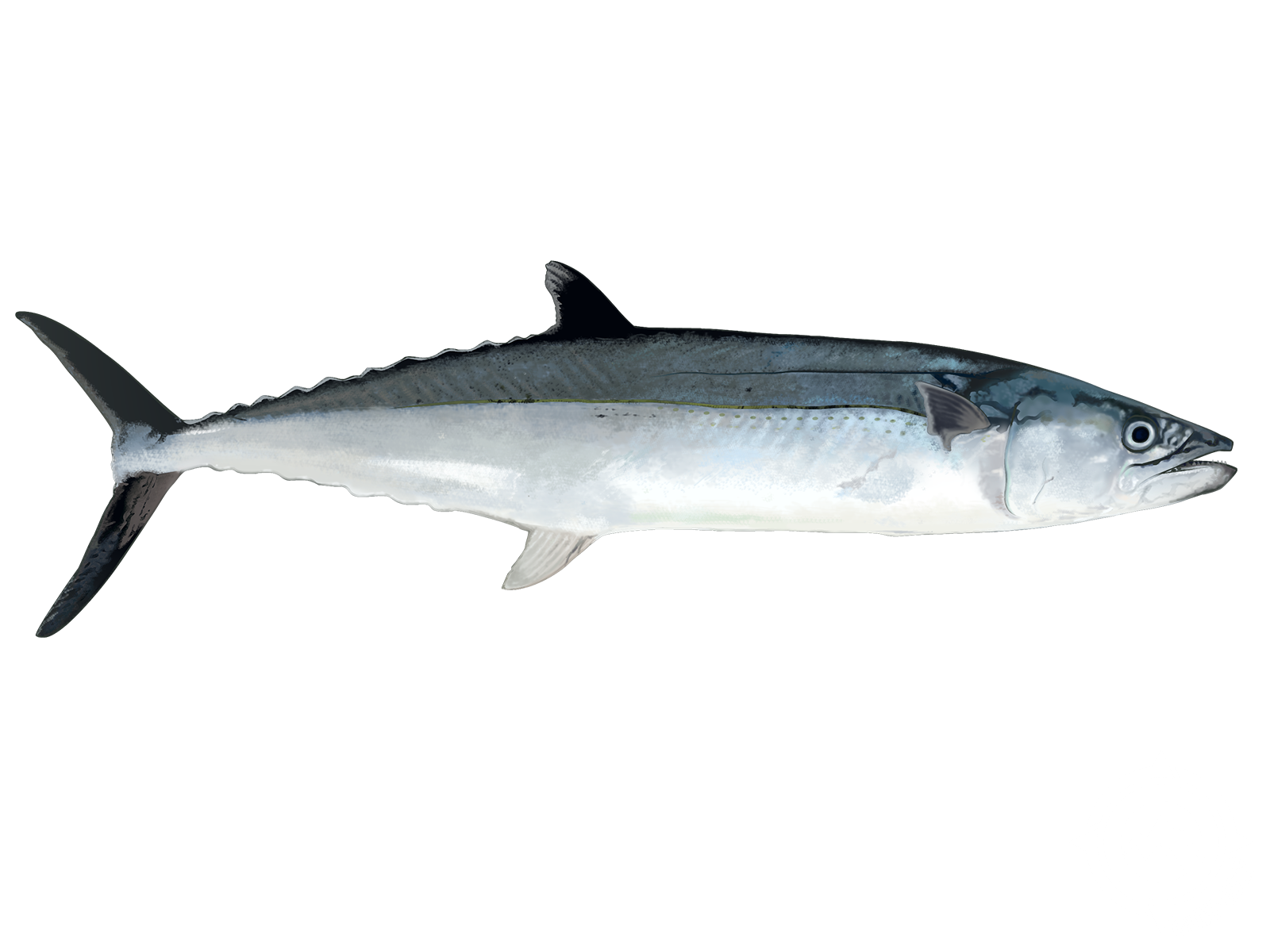
Cero Mackerel bring speed and acrobatics to your wreck fishing day. These smaller cousins of the king mackerel average 2 to 8 pounds but make up for size with pure energy. They're around year-round but peak in spring and summer months. Look for them cruising the edges of the wreck or up in the water column. They'll hit live bait, small jigs, or trolled spoons with aggressive strikes that get your heart pumping. The multiple runs and jumps make them a blast on lighter tackle.
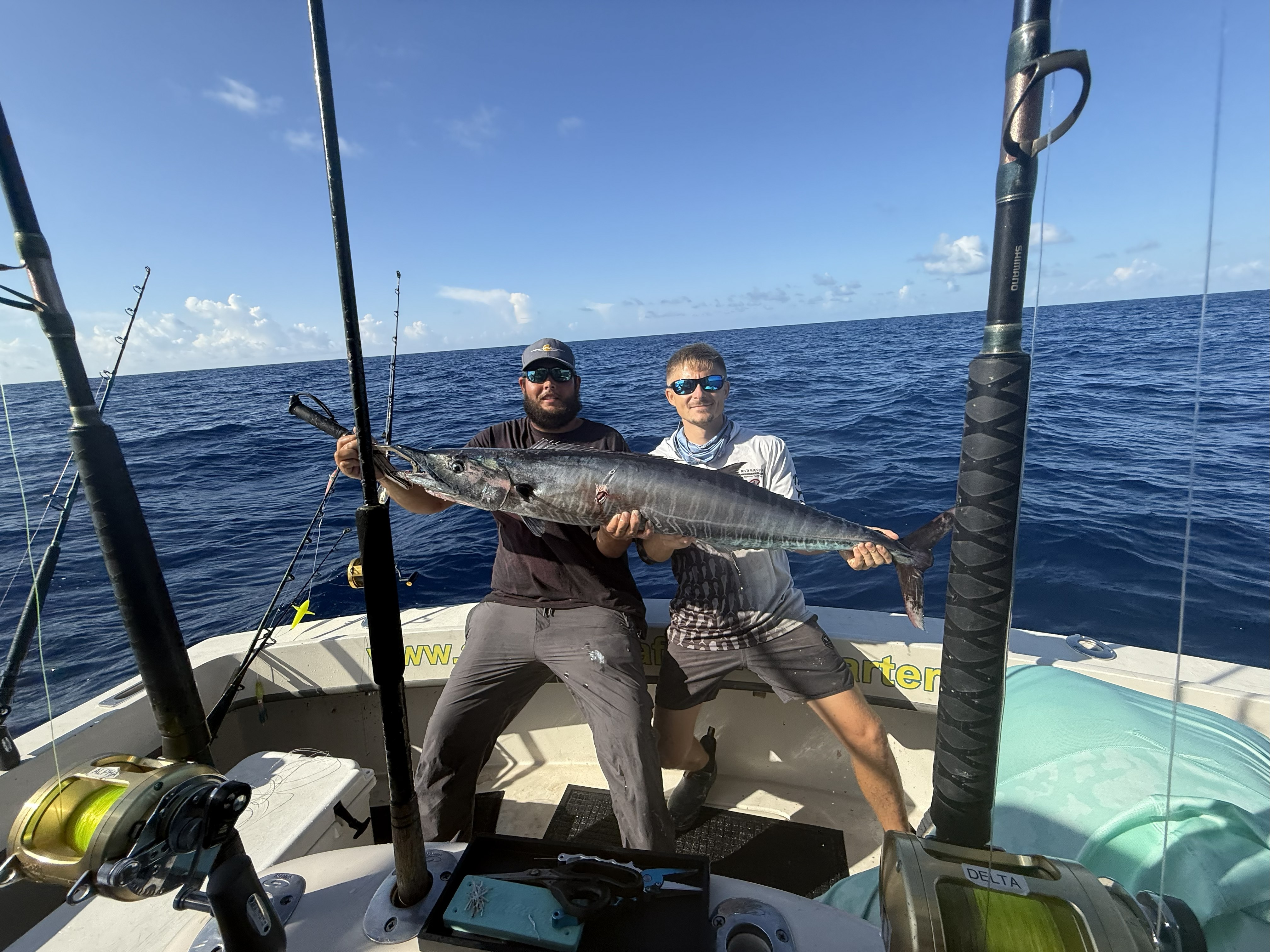
Cobia are the wildcards that can show up anytime and absolutely make your day. These brown sharks with attitude typically run 20 to 50 pounds around here, and they're curious fish that will come right up to the boat to investigate. Peak season runs from March through June, but don't count them out other times of year. They love live crabs, eels, or big pinfish, and once hooked, they make long, powerful runs that test your drag system. Cobia are also some of the best eating fish in the ocean, so landing one is always a win.
Mutton Snapper are the pretty boys of the wreck, with their distinctive red coloring and yellow fins. They're typically 2 to 8 pounds around these structures, though bigger fish lurk in the deeper water. Summer months are prime time, and they can be picky eaters that require finesse. Light leaders and natural baits like shrimp or small fish work best. They're notorious for their delicate bite, so you need to stay alert and set the hook at the first sign of weight.
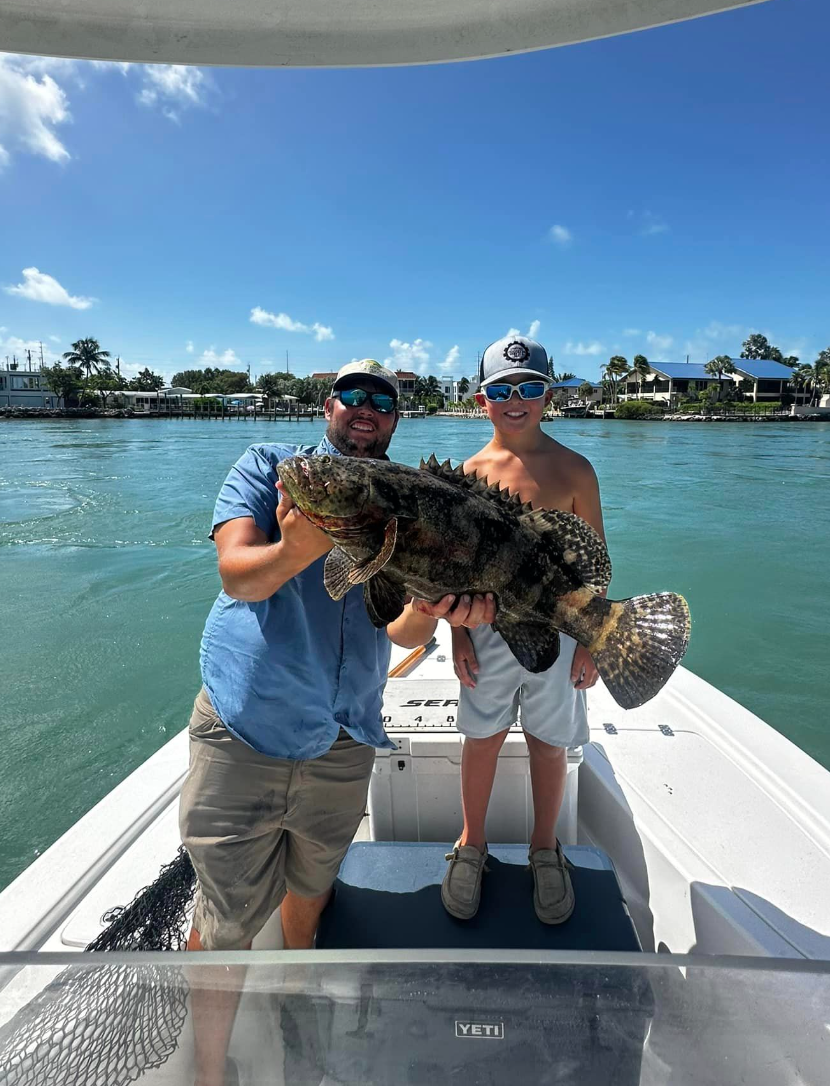
Black Grouper are the heavyweights that every wreck angler dreams about. These bruisers can reach 20 to 40 pounds or more, and they use every ounce of that weight to try and break you off in the structure. They're more common in deeper water and can be caught year-round, though cooler months often produce better results. When you hook a big black grouper, it's all about keeping steady pressure and preventing that first dive back to the wreck. The fight is intense but relatively short - they either break you off quick or come up fairly readily once you get their head turned.
Time to Book Your Spot
This Marathon wreck fishing charter delivers the kind of action that serious anglers live for. You're getting access to proven structure, experienced crew, and a boat that can handle whatever the day throws at you. With flexible trip lengths from 4 to 10 hours, you can customize your adventure based on how deep you want to go - literally and figuratively. The diversity of species around these wrecks means every drop could bring something different to the boat. Whether you're after dinner or just the fight of a lifetime, these Marathon wrecks consistently deliver both. Book your trip with Atlantic Gulf Fishing Charters and get ready to
 Private Trip
 Wrecks/Reefs Fishing
 Marathon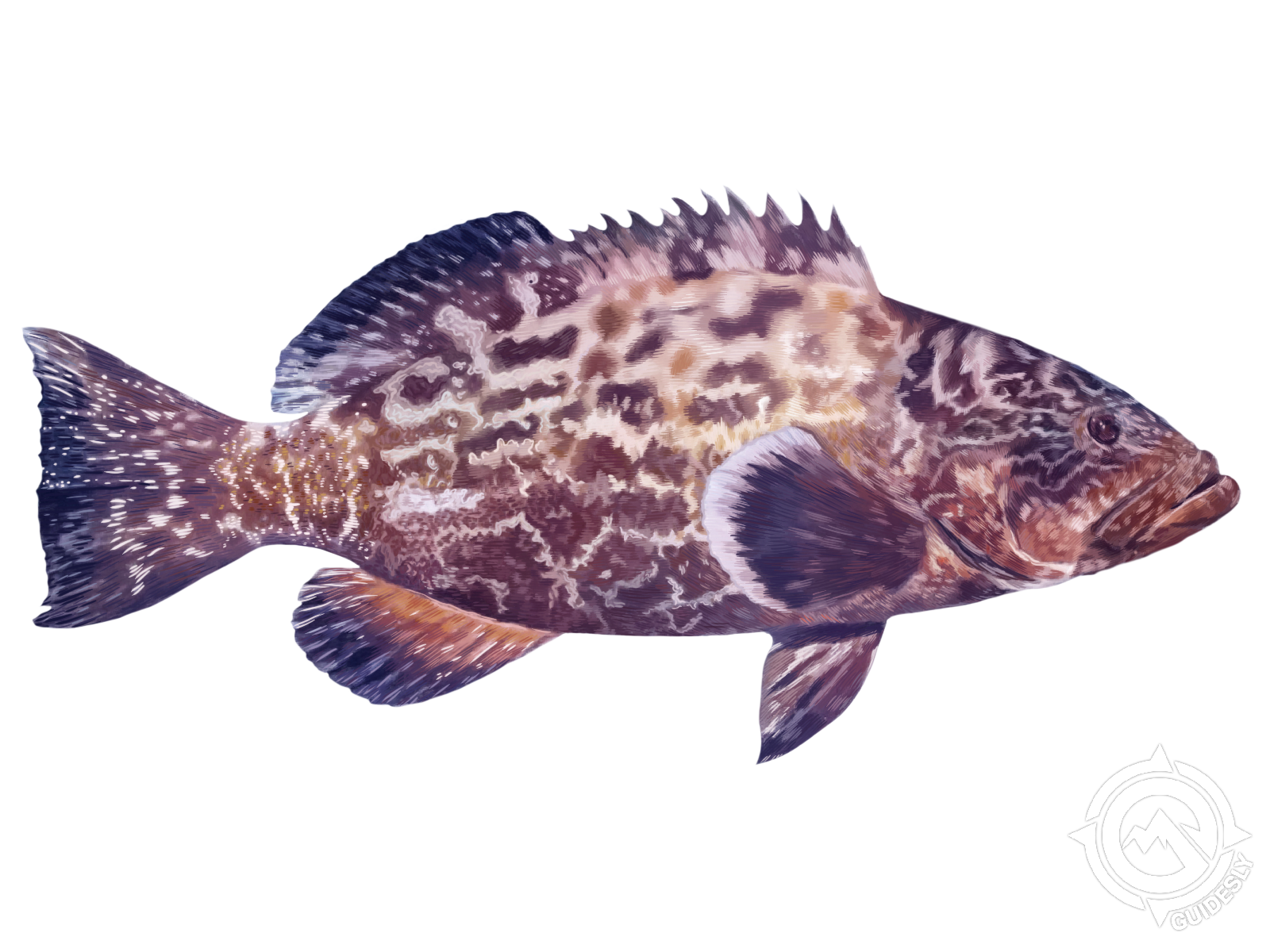


 Target 13+ species including grouper, snapper, and pelagics