Oak Island Offshore Fishing Charter
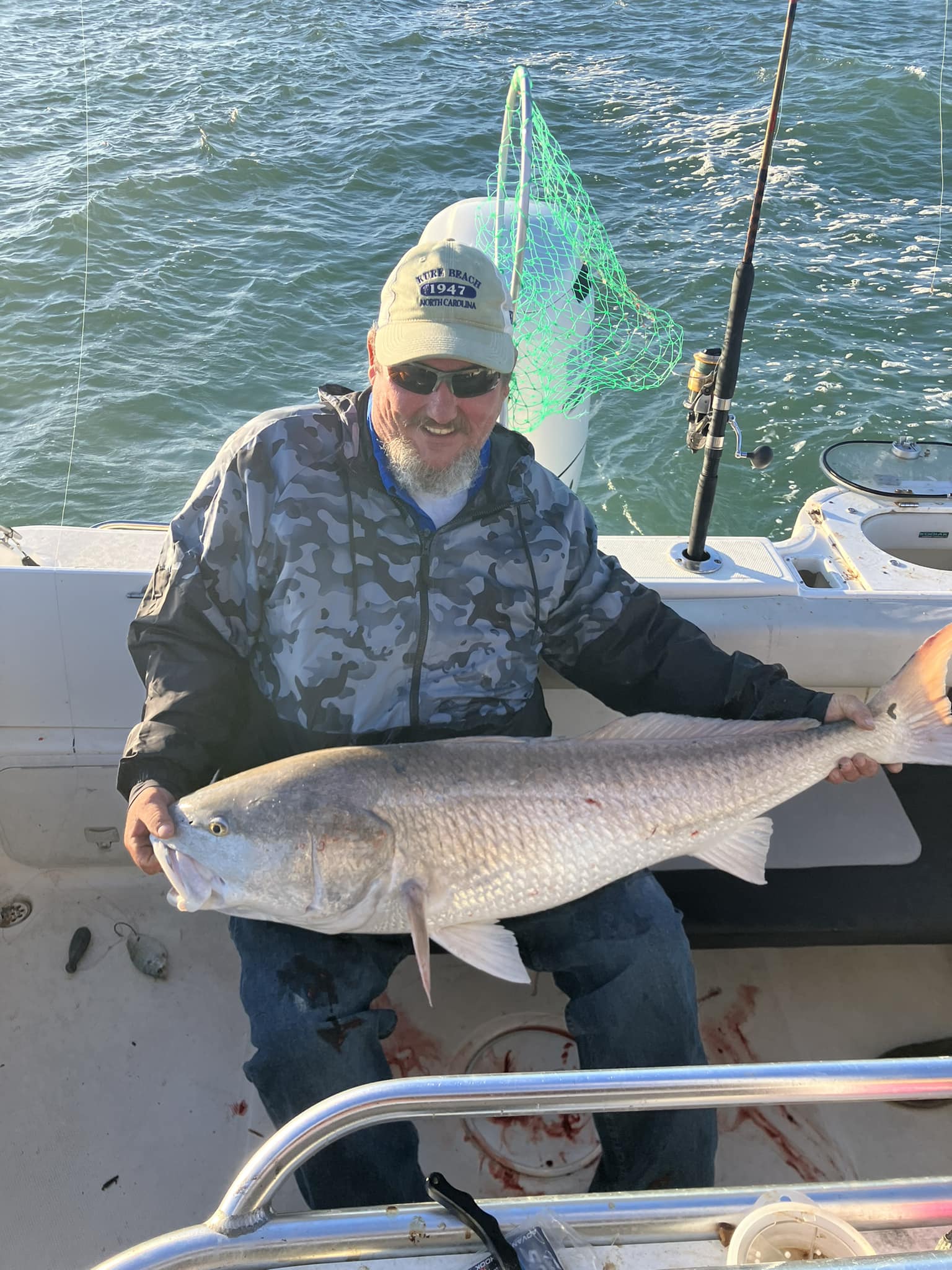
When you're ready to get serious about offshore fishing, Oak Island delivers some of the most productive waters along the North Carolina coast. Captain Ava Lynn knows these fishing grounds like the back of her hand, and she's ready to put you on the fish that'll have you talking for years. Whether you choose our 6-hour trip hitting the 10-15 mile range or go all-out with an 8-hour adventure 20-25 miles offshore, you're looking at prime fishing territory where the Gulf Stream brings in the kind of action that keeps anglers coming back season after season.
What to Expect on the Water
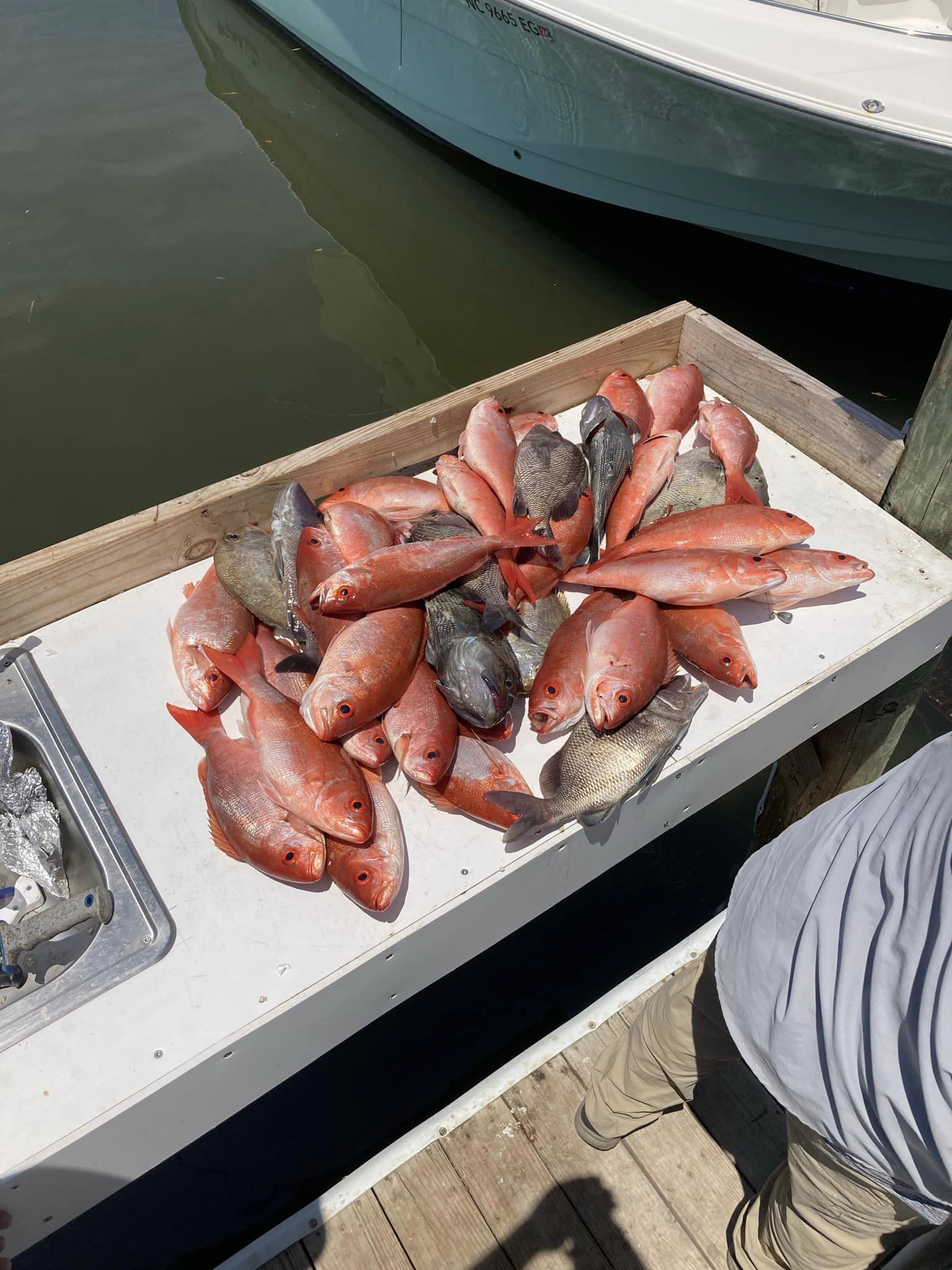
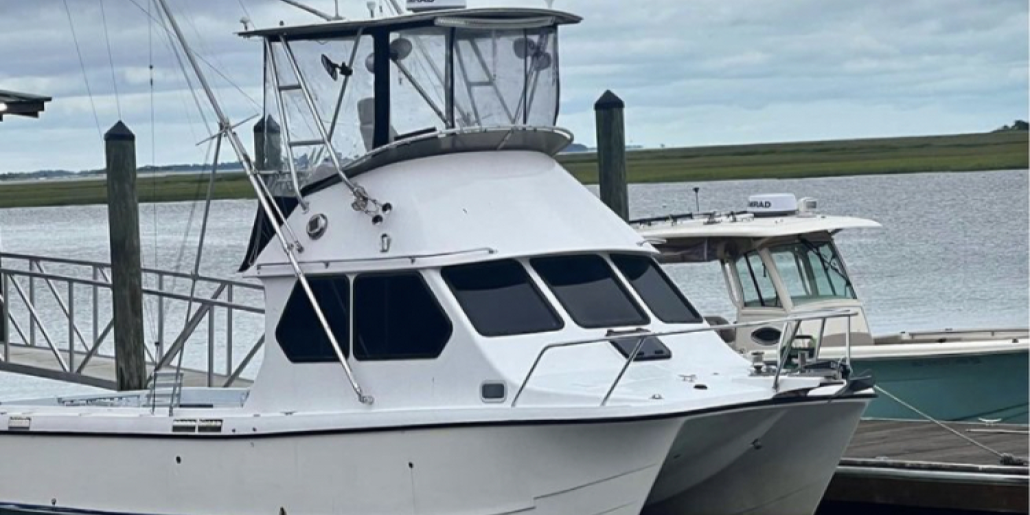
Your day starts early – that's just how offshore fishing works if you want to maximize your time on the productive spots. We'll cruise out from Oak Island with up to 6 anglers aboard, giving everyone plenty of room to work without getting tangled up in each other's lines. The 6-hour trips focus on that sweet 10-15 mile zone where the bottom structure holds plenty of Amberjack, Seabass, and Grunt, while the blue water edges often produce Kingfish and the occasional Mahi Mahi when conditions are right. If you're booking the 8-hour charter, we're heading out to the 20-25 mile range where the real magic happens – this is where you'll find the bigger Grouper, more consistent Mahi-Mahi action, quality Snapper, and those Triggerfish that'll test your tackle and technique. The extra time and distance mean more opportunities to hit multiple spots and really dial in on what's biting that day.
Tackle and Techniques
We run a mix of trolling and bottom fishing depending on what we're targeting and what the fish are telling us. For the pelagic species like Mahi and Kings, we'll have the spread out – typically four to six lines with a combination of ballyhoo, cedar plugs, and artificial lures that match the baitfish in the area. When we're working structure for Grouper, Amberjack, and Seabass, it's all about getting baits down to the bottom quickly and keeping them in the strike zone. We use circle hooks for most bottom fishing – they're better for the fish and they hook up solid when you just lift and wind instead of trying to set the hook like you would with a J-hook. All tackle is provided, but if you've got favorite rods or reels you like to fish with, bring them along. Just make sure your drag systems are in good shape because these offshore fish will test every component of your setup.
Target Species Breakdown
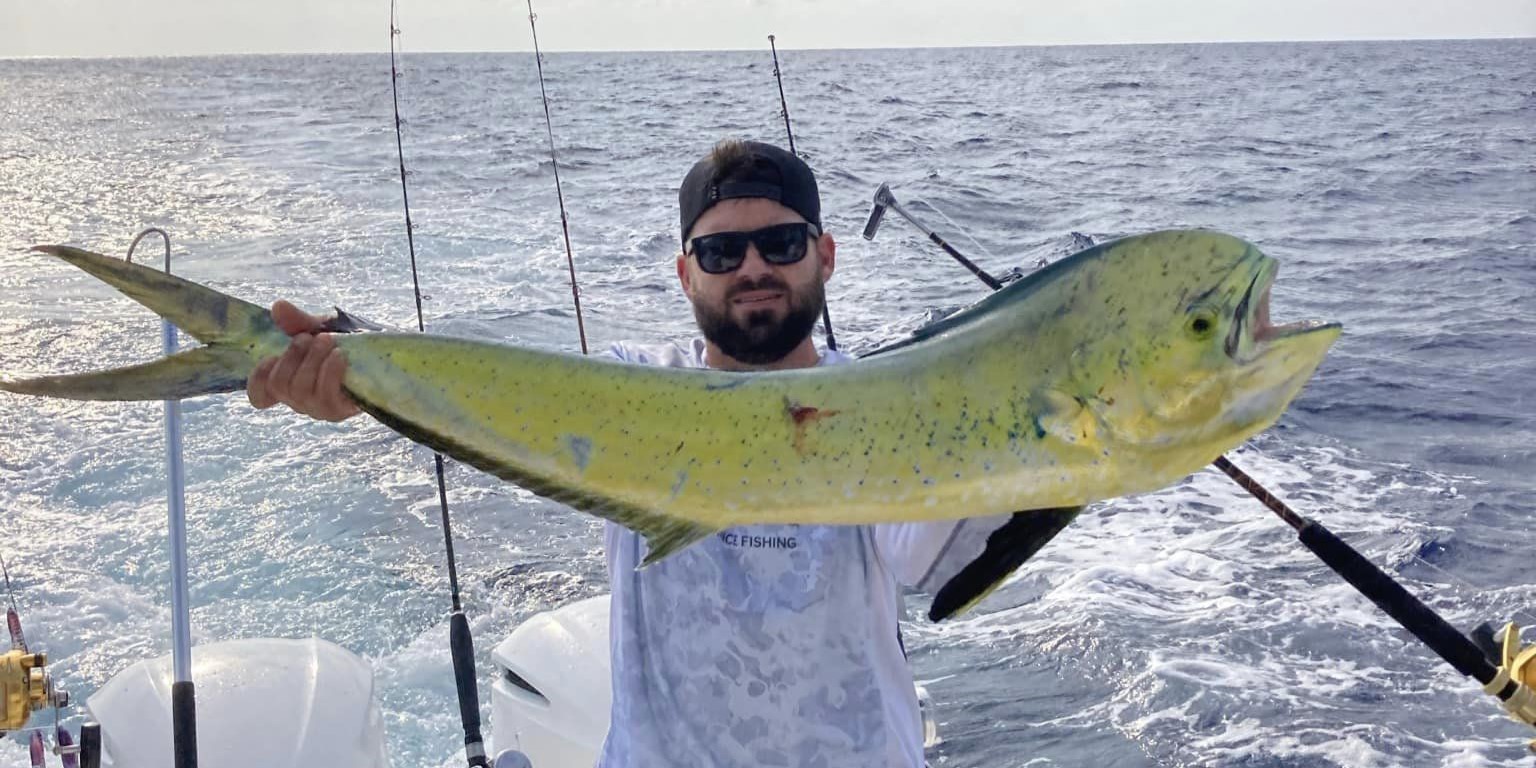
Mahi Mahi are the crown jewel of our offshore trips, and when we find them, the action can be absolutely electric. These fish typically show up in our waters from late spring through early fall, with peak season running May through September. They're drawn to floating debris, weed lines, and temperature breaks where baitfish congregate. What makes Mahi so special isn't just their incredible colors – those electric blues, greens, and yellows – but how they fight. They'll jump, they'll run, and they'll test every knot in your rig. A good Mahi will average 10-25 pounds out here, though we see plenty of bigger bulls that'll push 40 pounds or more. The best part? Where there's one Mahi, there are usually more, so once we hook up, everyone on board better be ready.
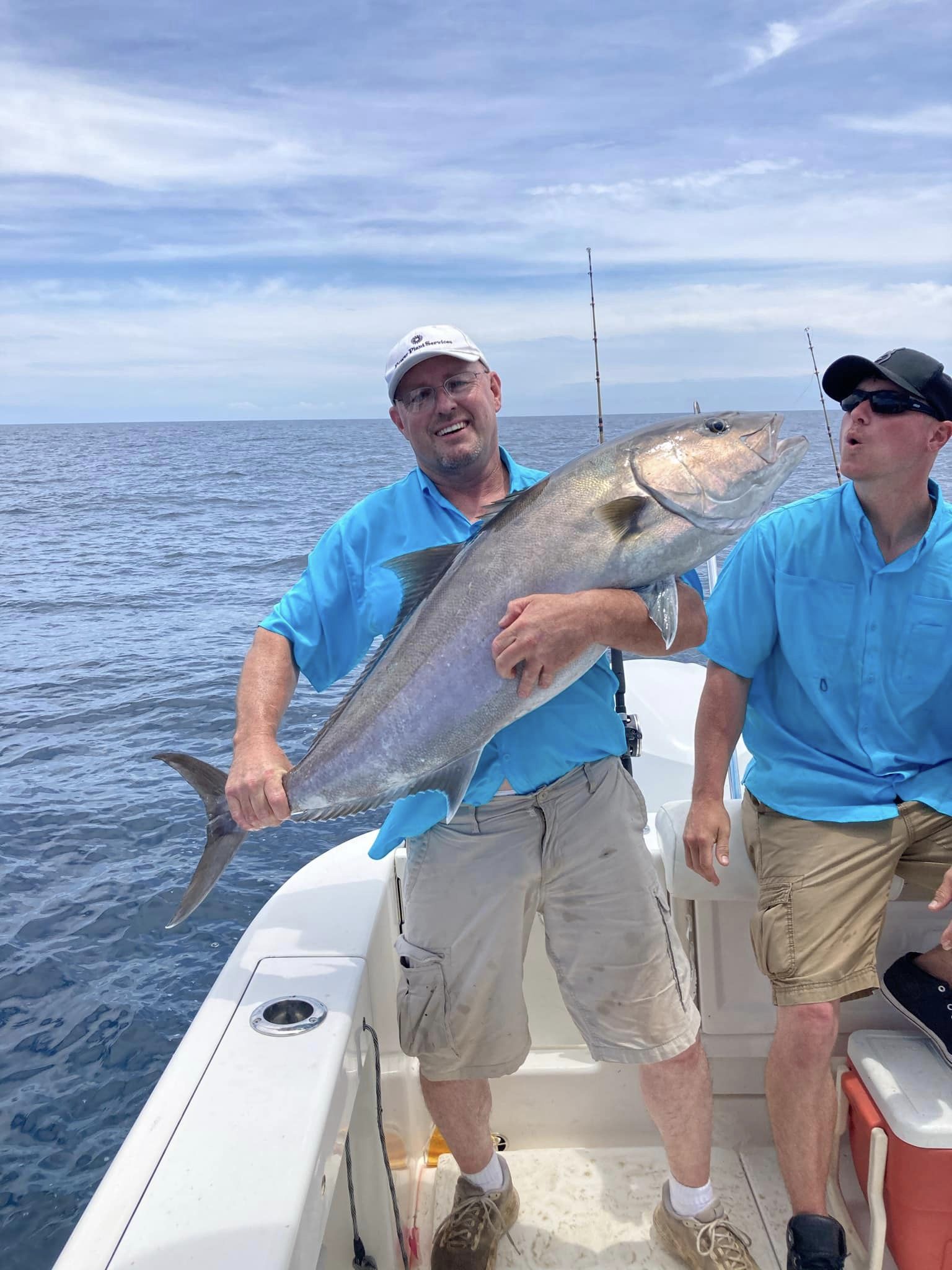
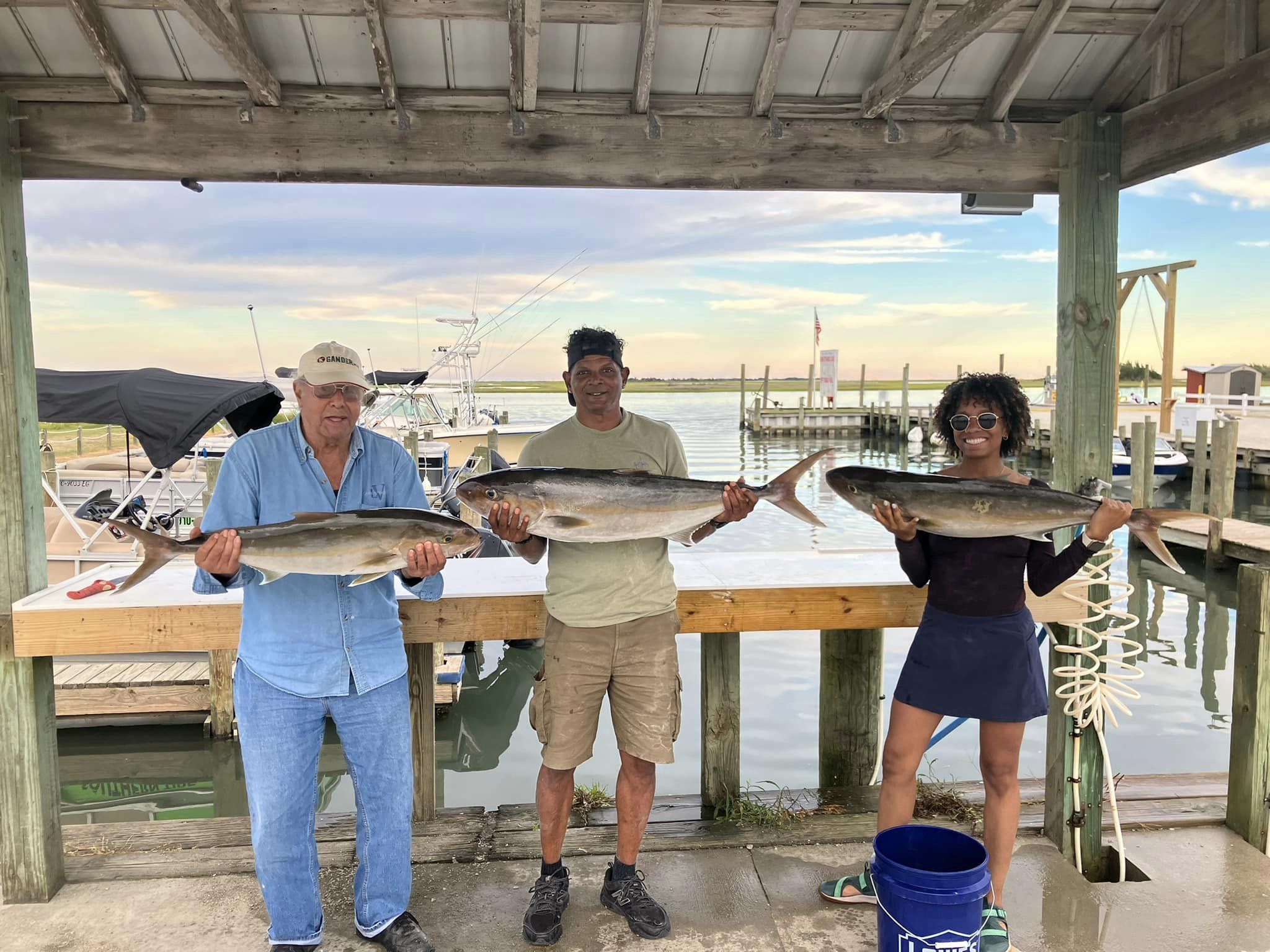
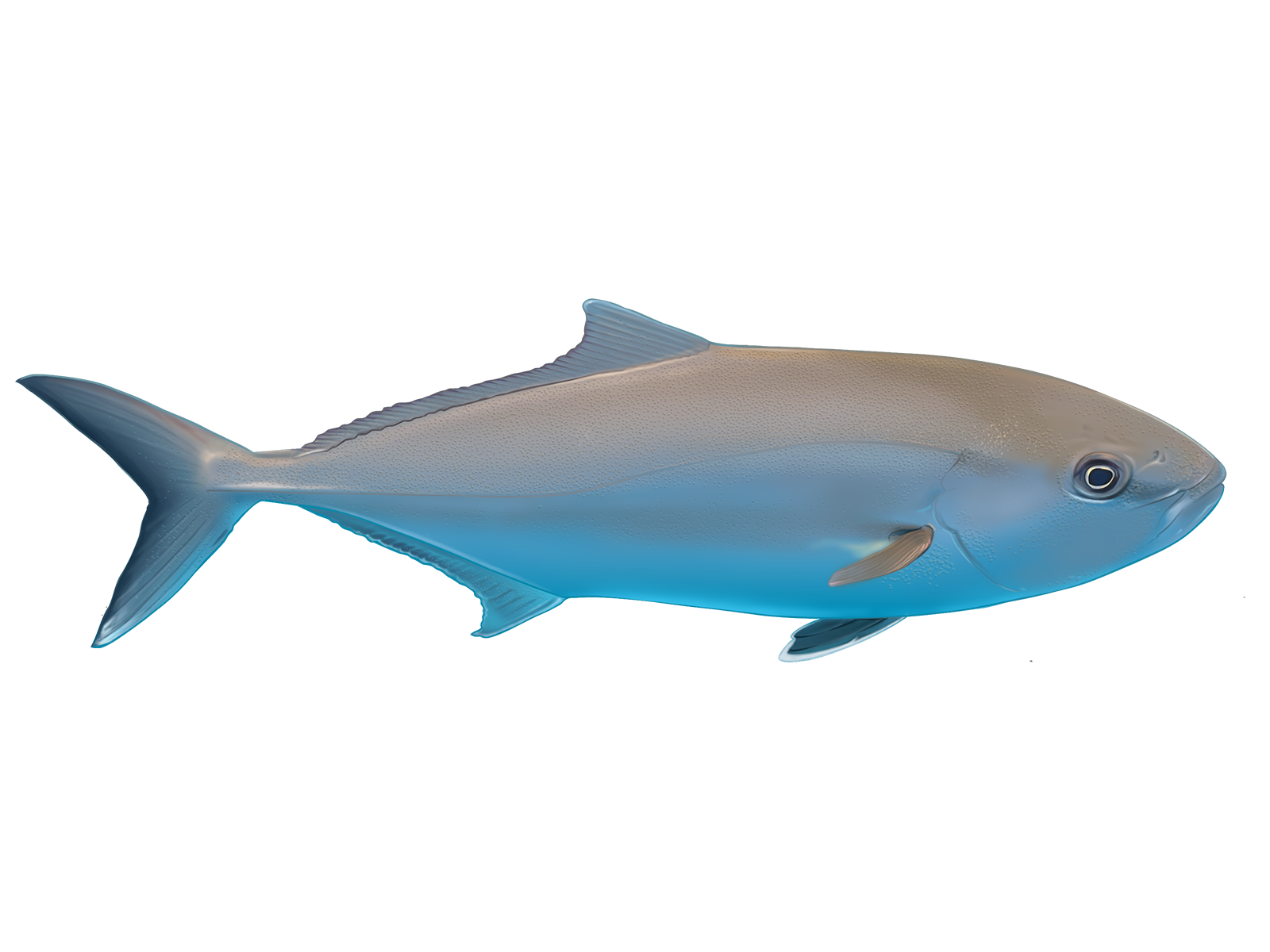
Greater Amberjack are the muscle cars of the reef – pure power from the moment they feel the hook. These fish live around structure in 60-150 feet of water, and they know every ledge, wreck, and hiding spot down there. A typical Amberjack in our area runs 20-50 pounds, but the big ones can easily top 60 pounds and will absolutely smoke your drag on that first run. They're year-round residents, but they're most active in the warmer months when they're feeding heavily. What anglers love about AJ's is that fight – they'll head straight for the bottom and try to cut you off on whatever structure they can find. It's a tug-of-war that'll leave your arms burning, but landing a big Amberjack is one of those fishing moments you'll remember forever.
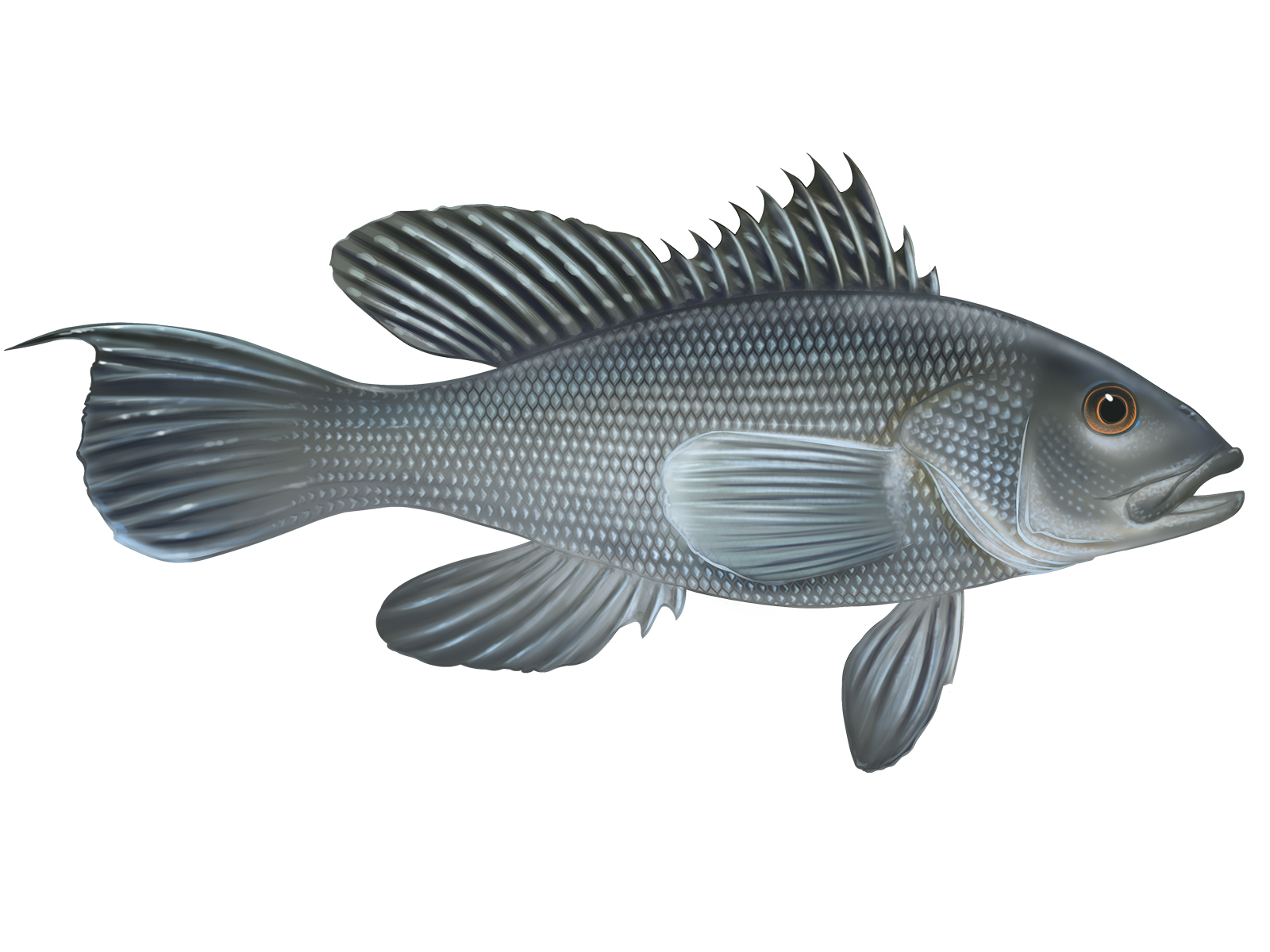
Sea Bass might not be the biggest fish we catch, but they're absolutely delicious and they bite consistently when you put baits in front of them. Black Seabass are structure-oriented fish that live around reefs, wrecks, and rocky bottom in 40-120 feet of water. They typically run 1-4 pounds, with the occasional bigger fish pushing 5-6 pounds. What's great about Seabass is their willingness to bite – they're not particularly line-shy or picky about baits, so they're perfect for keeping the action going between bigger fish. They're also excellent table fare with firm, white meat that's perfect for the grill or the fryer.
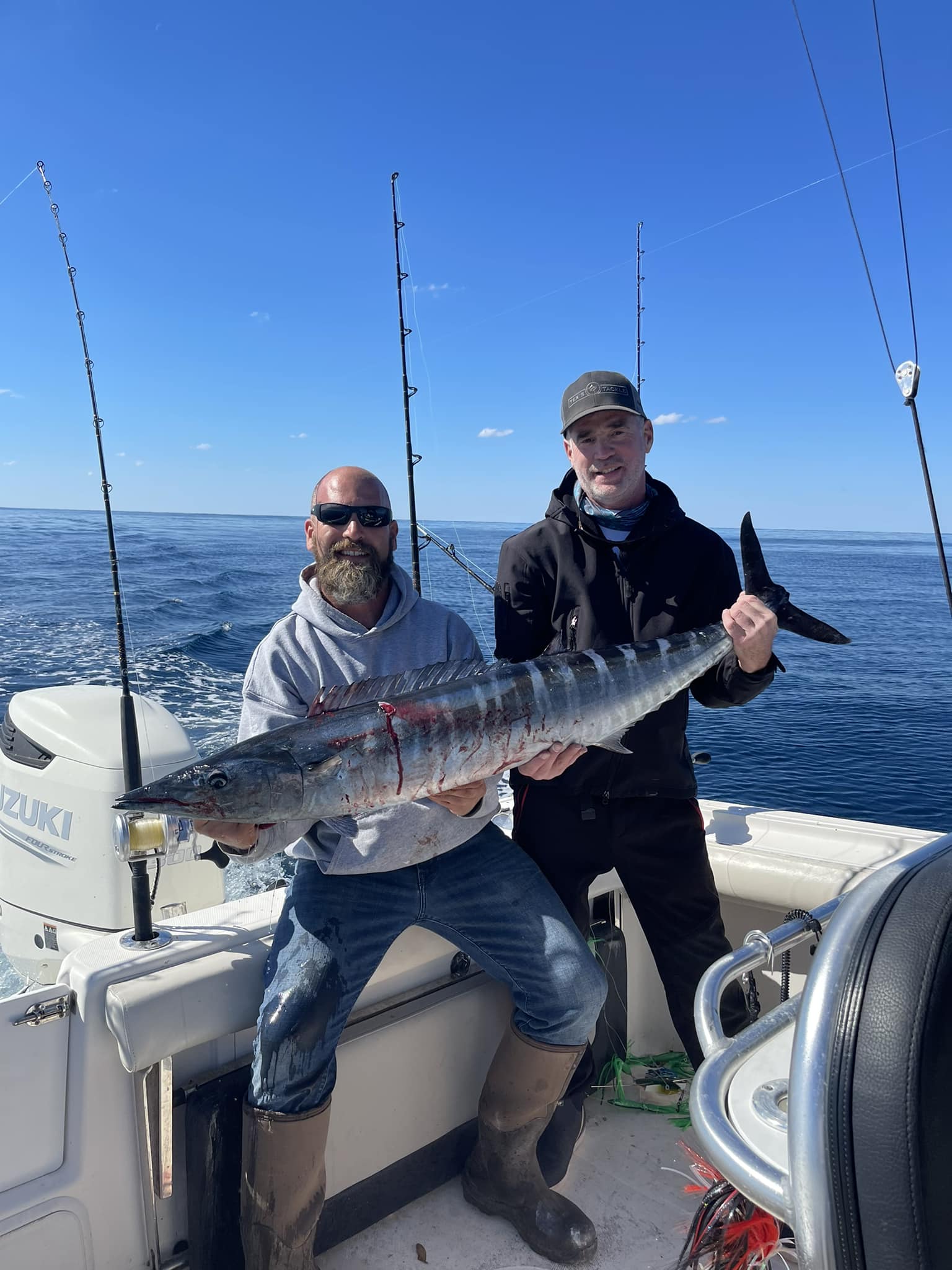
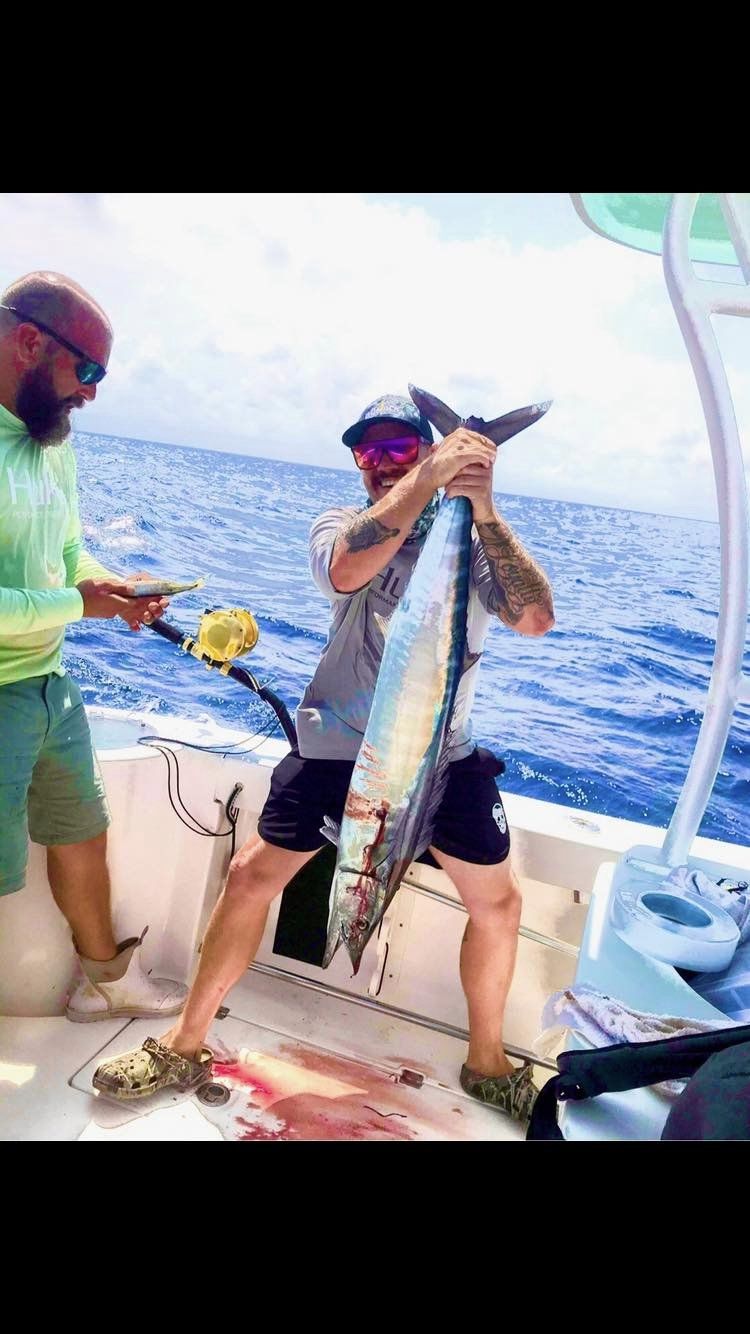
Spanish Mackerel are speed demons that provide some of the most exciting light-tackle action you'll find offshore. These fish are typically caught while trolling small spoons, jigs, or live baits, and when they hit, it's explosive. Spanish Mackerel average 1-3 pounds, but what they lack in size they make up for in attitude – they'll jump, they'll run, and they'll put on a show that's particularly exciting on lighter tackle. They're most abundant in late spring through early fall, and they often travel in schools, so when you find them, you can usually catch several before they move on.
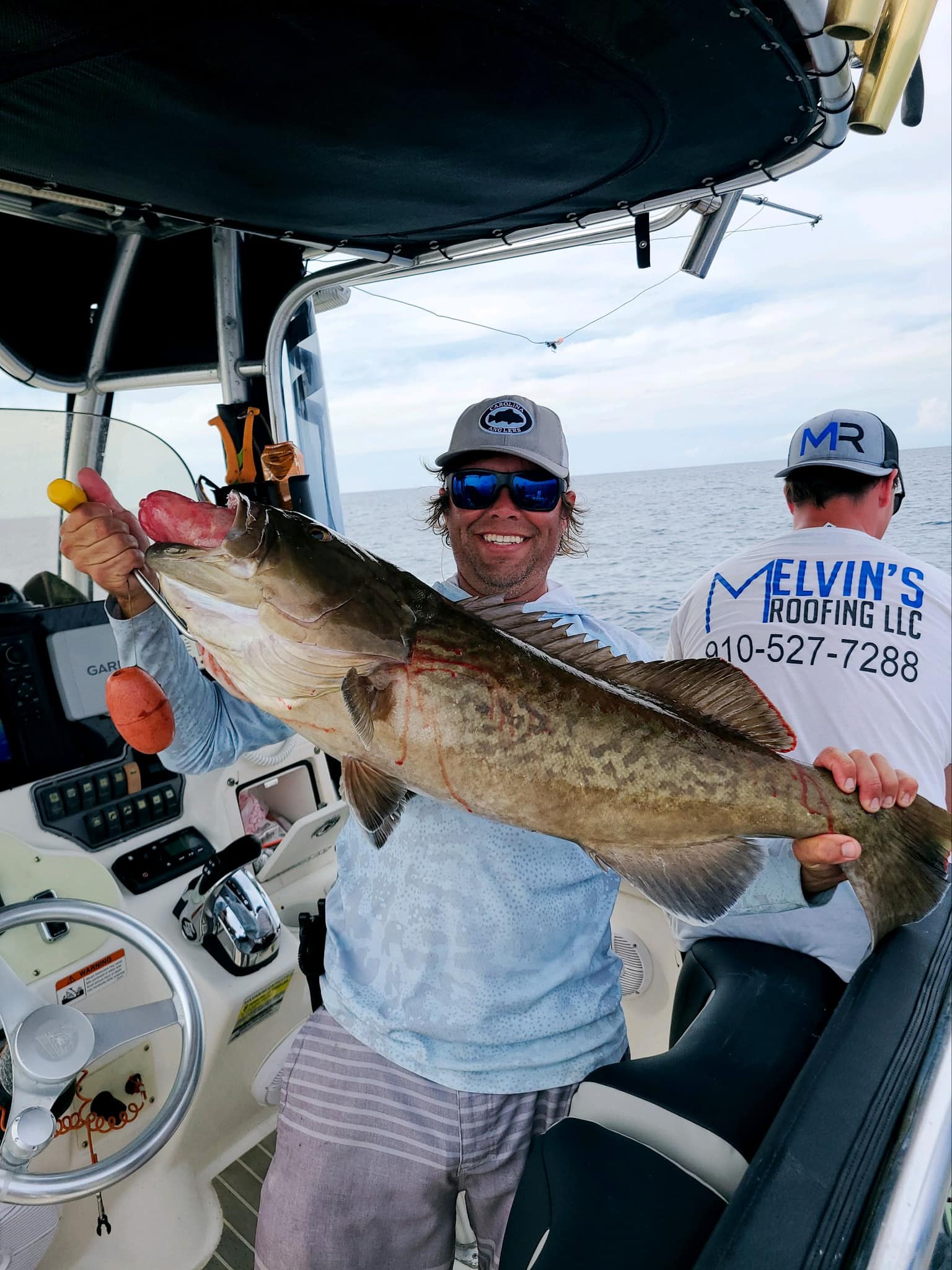
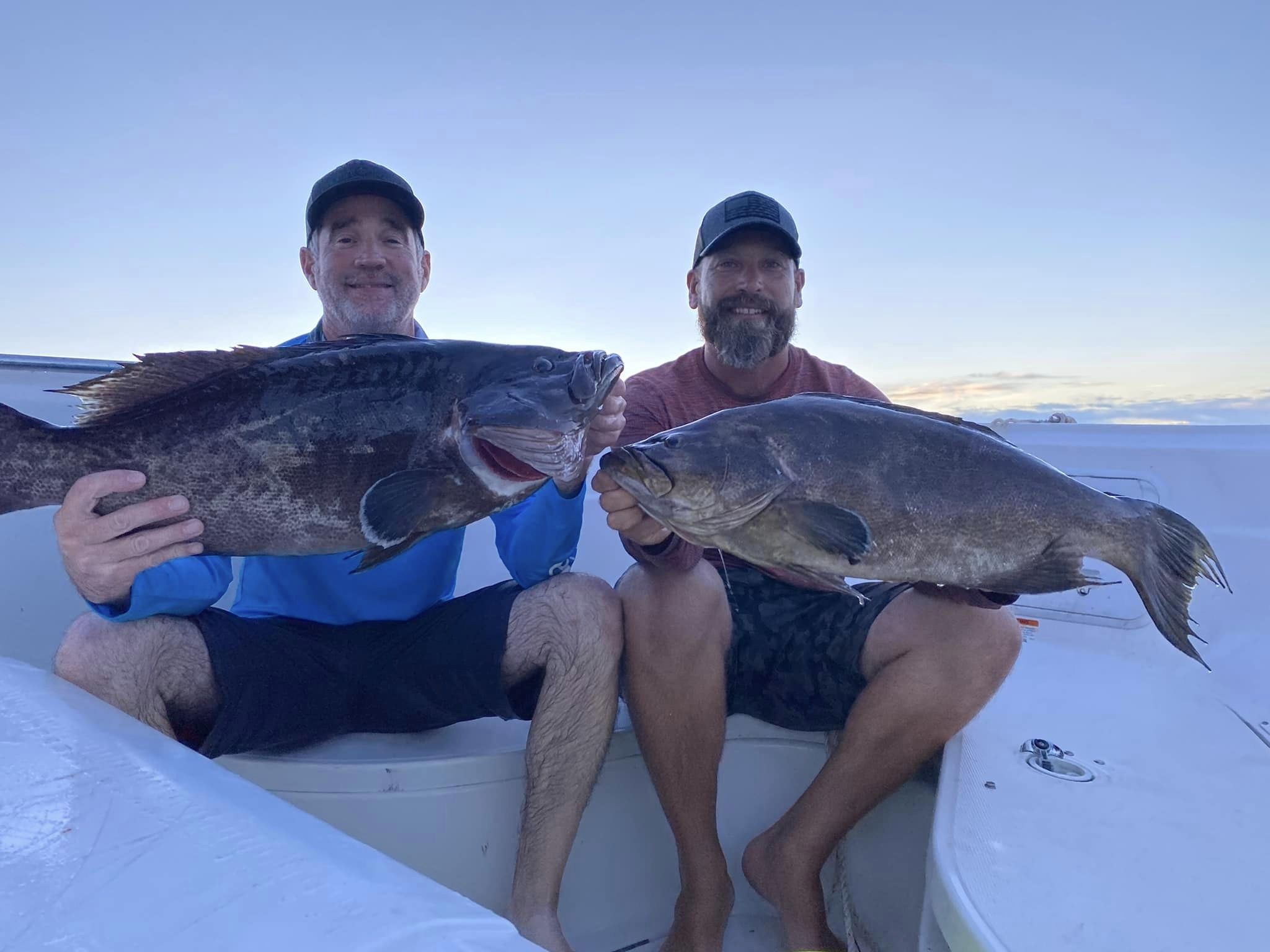
Gag Grouper represent some of the best eating and most challenging fishing we have out there. These fish are ambush predators that live around structure and use their powerful jaws and incredible strength to their advantage. A good Gag will run 5-15 pounds, with trophy fish reaching 20 pounds or more. They're notorious for their habit of diving straight into whatever hole or crevice they can find the moment
 Private Trip
 Offshore Fishing
 Wilmington


 Six and eight-hour offshore fishing trips available