Fishing The Coronado Islands
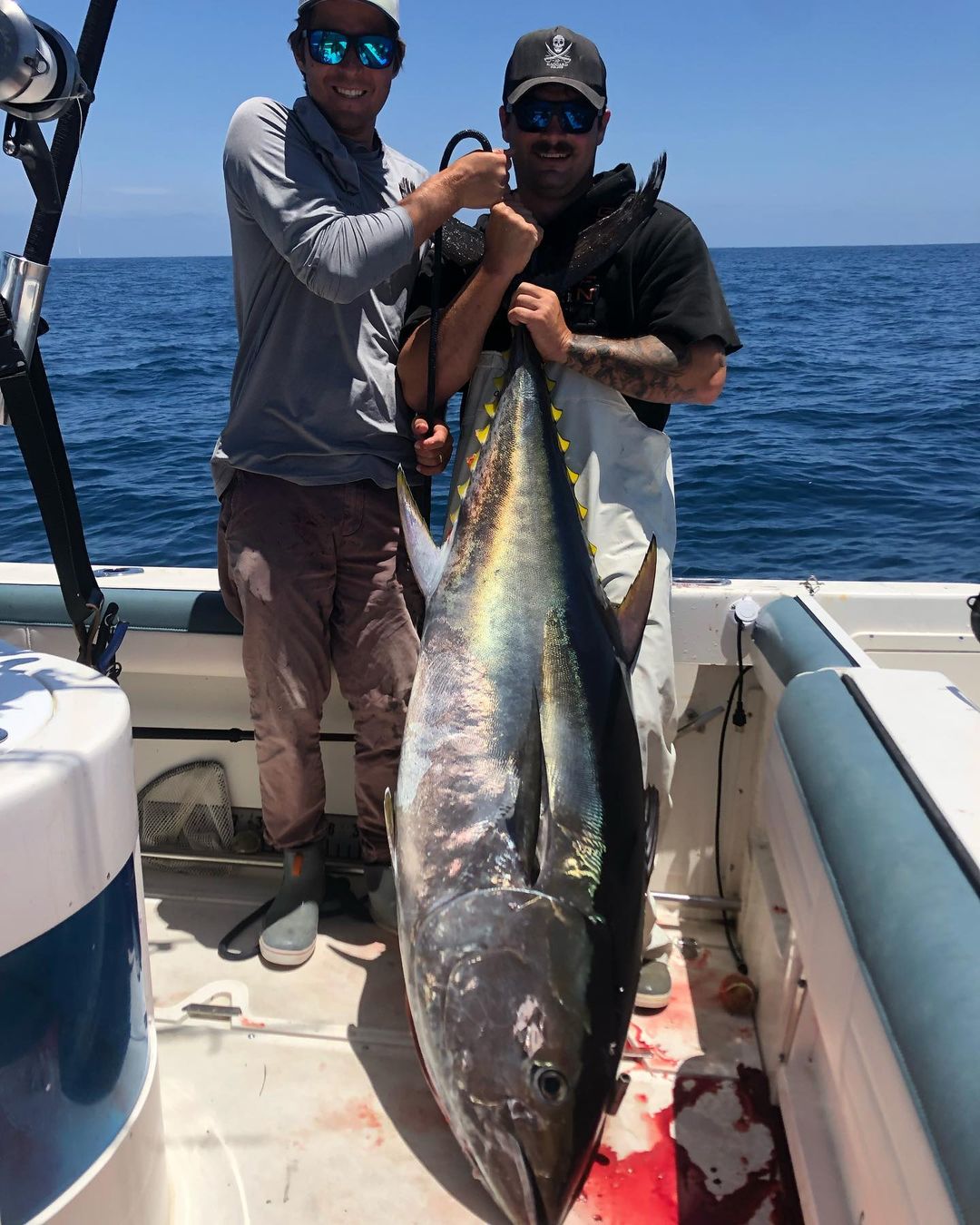
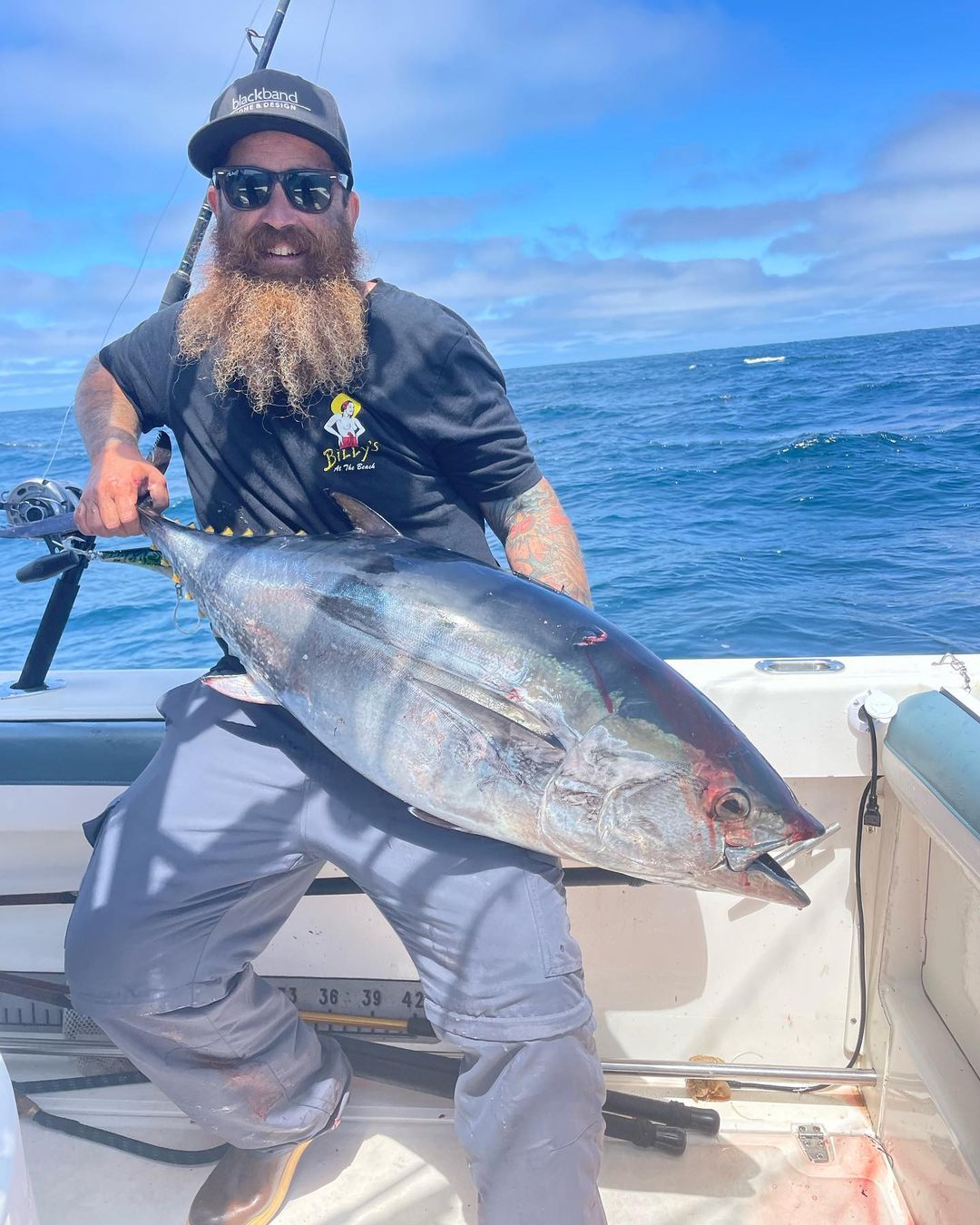
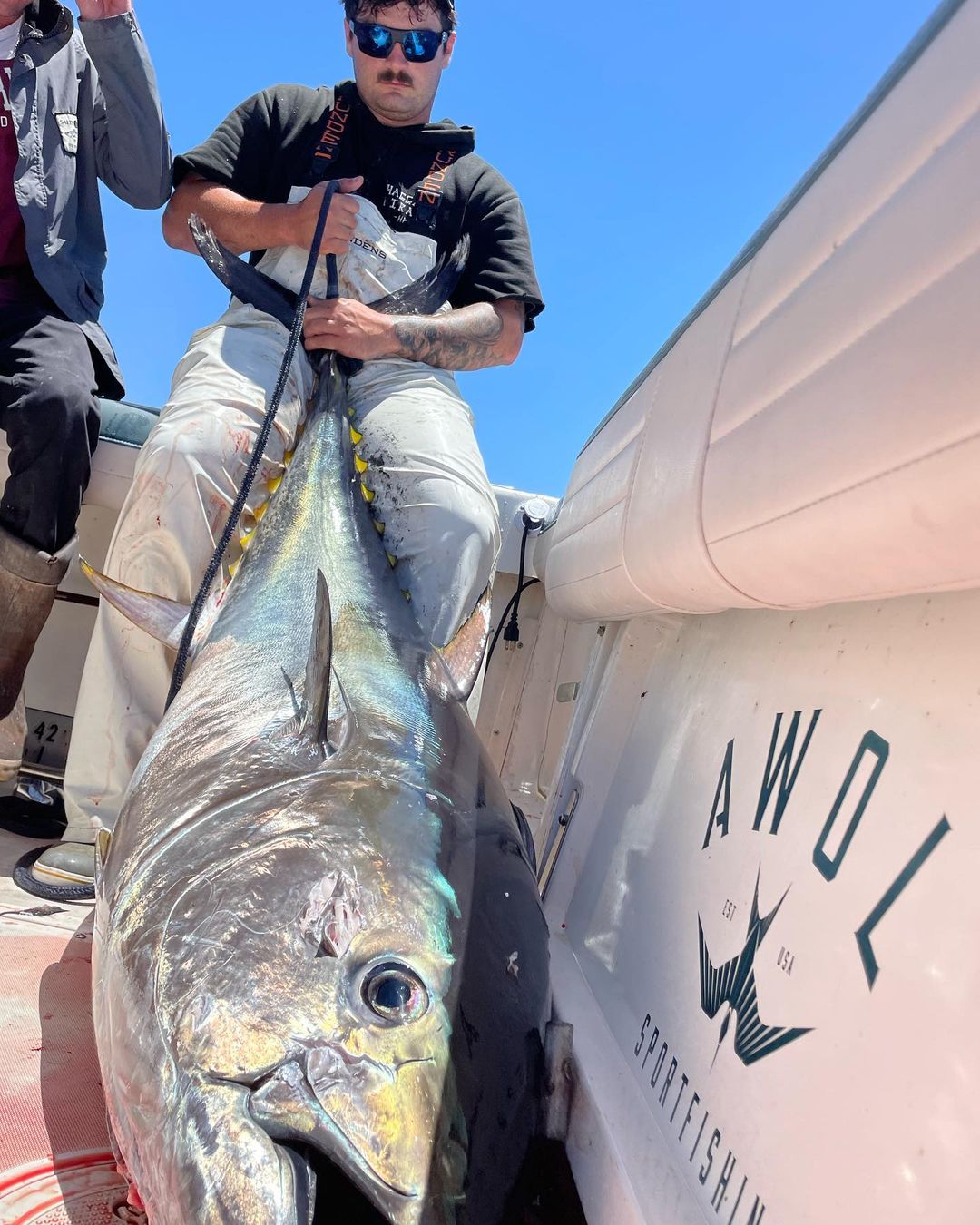
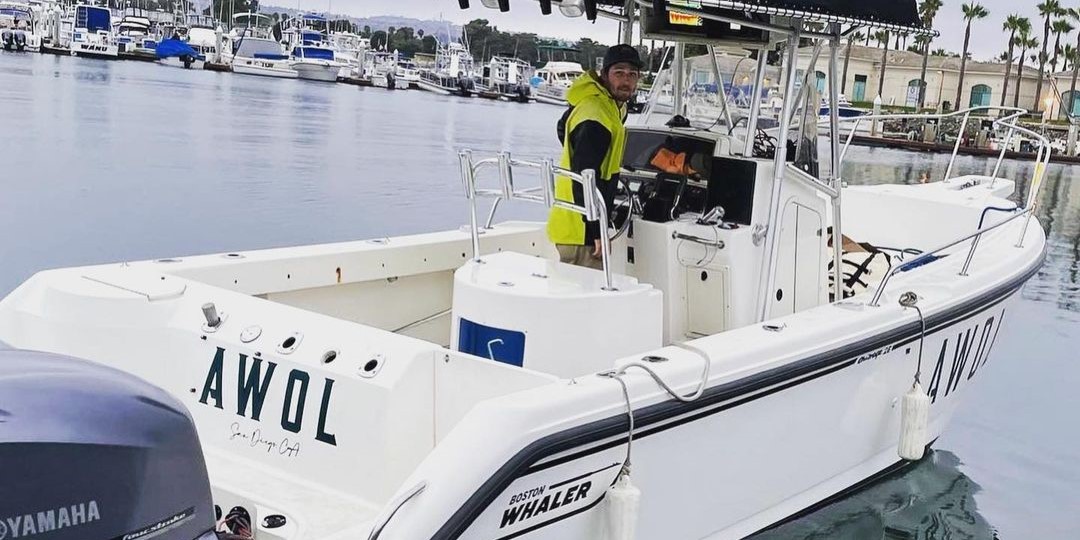
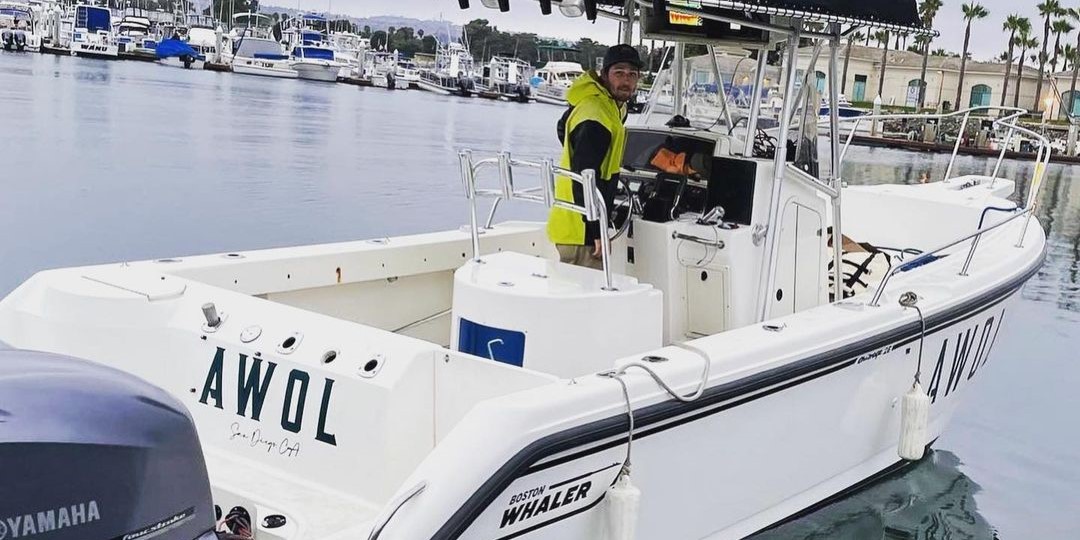
Picture this: you're standing on the deck of a well-equipped sportfishing boat, the morning sun casting golden reflections across the Pacific as the Coronado Islands rise from the horizon like ancient guardians. This isn't just another fishing trip – it's your ticket to some of the most productive waters off the Southern California coast. With Awol Sportfishing, you'll spend nine solid hours working these legendary fishing grounds where yellowtail patrol the kelp beds and rockfish stack up along underwater pinnacles. The boat's limited to just four anglers, which means plenty of elbow room and personalized attention from your captain who knows these waters like the back of his hand.
What to Expect on the Water
Your day starts early, meeting at the dock before sunrise to maximize your time on the prime fishing spots. The run to the Coronados takes about an hour, giving you time to rig up your gear and grab some coffee while your captain briefs you on the day's game plan. These islands sit in Mexican waters, so make sure you've got that valid passport – it's absolutely required, no exceptions. The rocky structure and kelp forests around the islands create perfect habitat for multiple species, and you'll be rotating between different techniques throughout the day. Spring is when these waters really come alive, with baitfish moving in thick and predators following close behind. The small group size means your captain can adapt to what's biting and put you on fish without having to worry about managing a crowded boat.
Techniques & Tactics
You'll be working a variety of methods depending on what's showing on the fish finder and how the fish are behaving. Live bait fishing with sardines or mackerel is often the ticket for yellowtail, especially around the kelp edges where they cruise looking for an easy meal. For the bottom dwellers like lingcod and rockfish, you'll be dropping heavy jigs and cut bait down to the rocky structure, sometimes in 100-200 feet of water. The captain provides all the tackle you need, but if you've got your own favorite rods, bring them along – just make sure they can handle fish in the 10-30 pound range. Circle hooks are the standard here for conservation reasons, and you'll learn how to let the fish hook themselves rather than setting the hook aggressively. When the yellowtail are really fired up, you might switch to iron jigs or surface lures, working the schools as they push bait to the surface.
Top Catches This Season
Vermilion rockfish are the bread and butter of these waters, and for good reason. These beautiful red and orange fish hang out along the rocky bottom in depths ranging from 60 to 300 feet, though you'll typically find the best action in the 80-150 foot range around the Coronados. They're chunky fighters that pull hard on the way up, and they make excellent table fare with their firm, white meat. Spring through fall gives you the best shot at vermilions, with the larger specimens – some pushing 6-8 pounds – showing up more consistently as the water warms. What makes them so fun to target is their aggressive nature; when you find a school, you can often pull several fish before they wise up and move off the structure.
Lingcod are the monsters lurking in the shadows, and hooking into one will absolutely make your day. These prehistoric-looking predators can reach impressive sizes around the Coronados, with fish in the 15-25 pound range not uncommon and real bruisers pushing 30-40 pounds. They're ambush hunters that stay tight to the bottom, so your bait needs to get down into their zone and stay there. The best time for lingcod is typically late winter through early summer when they're in shallower water for spawning. They've got mouths full of needle-sharp teeth and an attitude to match – once hooked, they'll try every trick in the book to wrap you around the rocks or kelp.
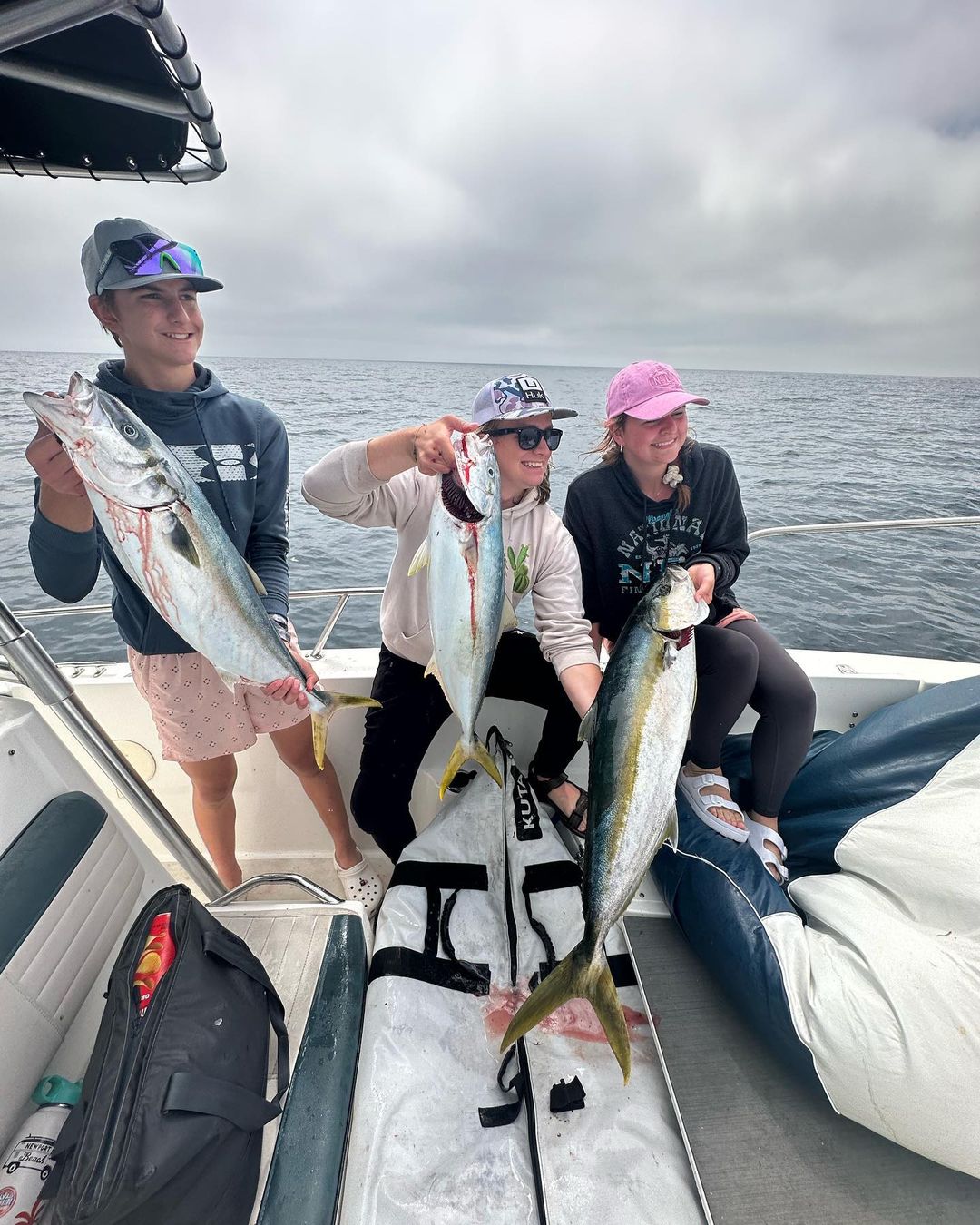
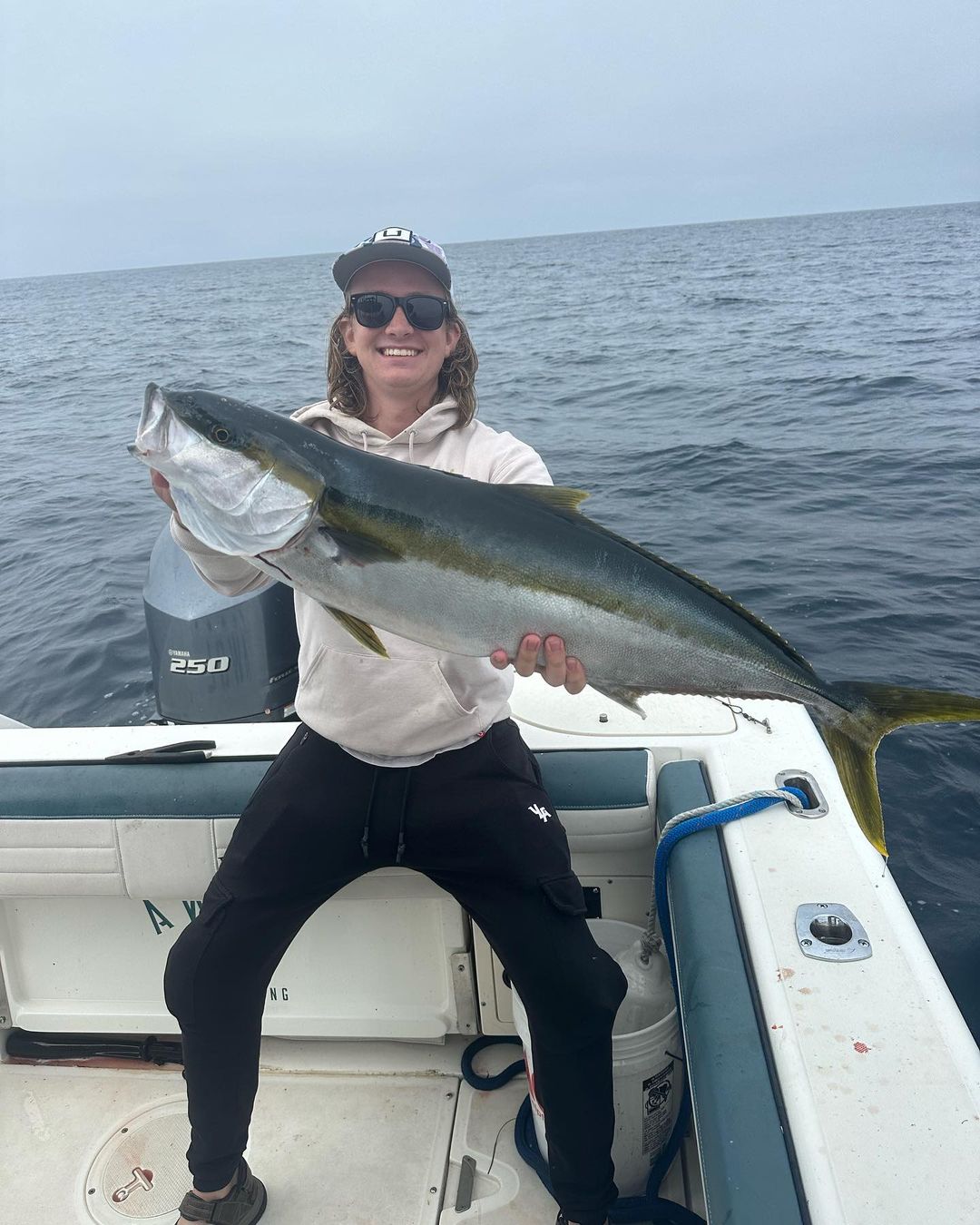
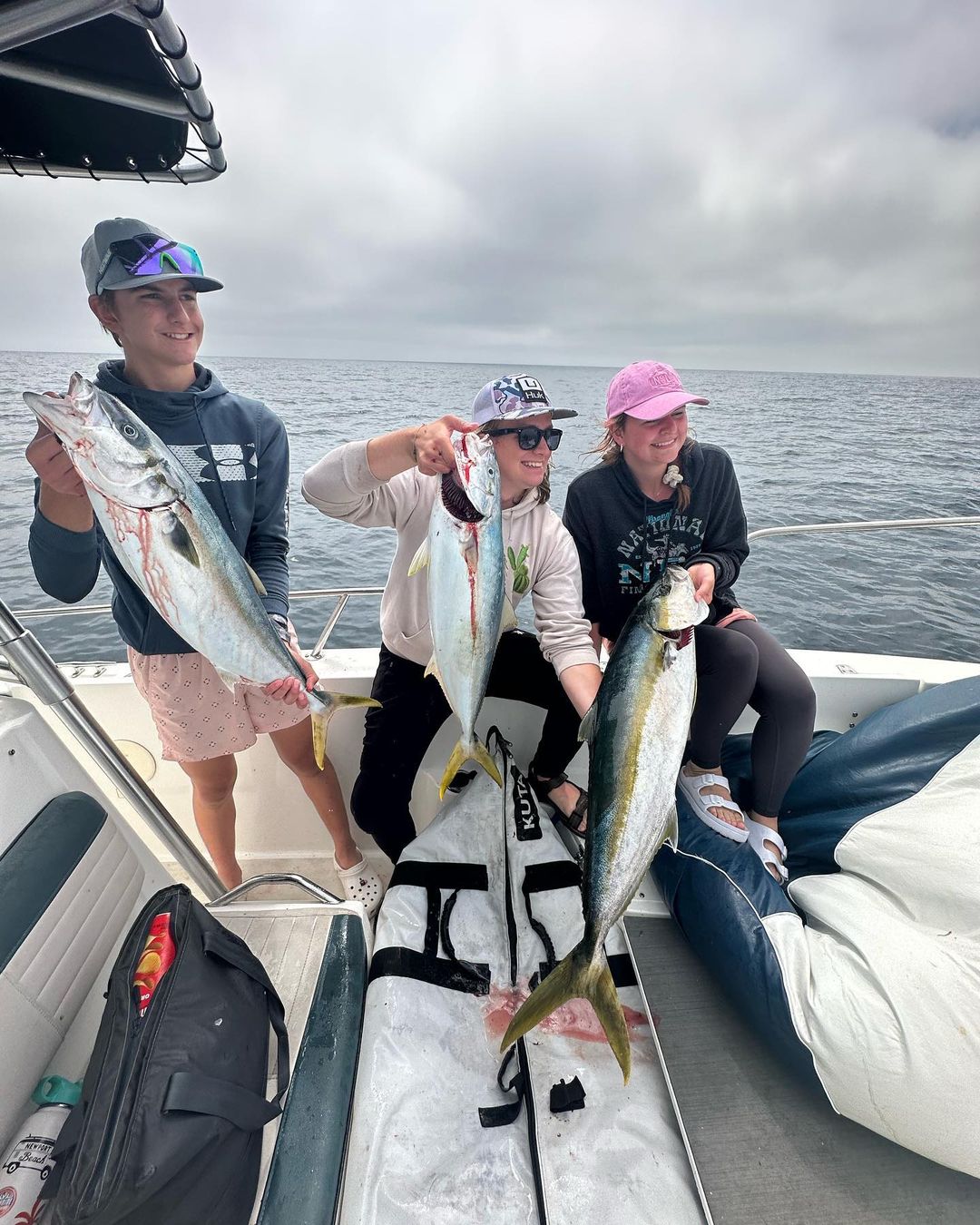
Yellowtail amberjack are the speed demons that'll test your drag and your stamina. These sleek fighters are built for the open ocean, with powerful tails and an instinct to run long and hard when hooked. Around the Coronados, you'll find them cruising the kelp beds and offshore structure, typically in the 8-20 pound class with occasional larger fish mixed in. Spring and summer offer the most consistent yellowtail action, especially when the water temperature climbs into the mid-60s and baitfish are abundant. What makes yellowtail so addictive is their unpredictability – they might be picky and finicky one moment, then absolutely savage the next when a school decides to feed.
Kelp bass are the local favorites that know every inch of their rocky neighborhood. These bronze-colored scrapplers might not be the biggest fish you'll catch, but pound-for-pound they're some of the toughest fighters in these waters. They use the kelp forest like their personal jungle gym, diving for cover the moment they feel the hook. Most kelp bass around the Coronados run 2-5 pounds, with the occasional larger specimen keeping things interesting. They're year-round residents, but spring and early summer provide the most action as they become more aggressive during spawning season. The challenge with kelp bass is keeping them out of the thick kelp once they're hooked – it becomes a chess match between angler and fish.
Time to Book Your Spot
The Coronado Islands represent some of the most consistent fishing grounds within striking distance of San Diego, and this nine-hour adventure with Awol Sportfishing puts you right in the heart of the action. With only four spots available, you're getting a premium experience without the crowds and chaos of larger party boats. Your captain's local knowledge combined with top-notch equipment gives you every advantage for a successful day on the water. Whether you're after a cooler full of dinner or just the satisfaction of battling these Pacific gamefish, the Coronados deliver in a big way. Remember to bring
 Private Trip
 Offshore Fishing
 San Diego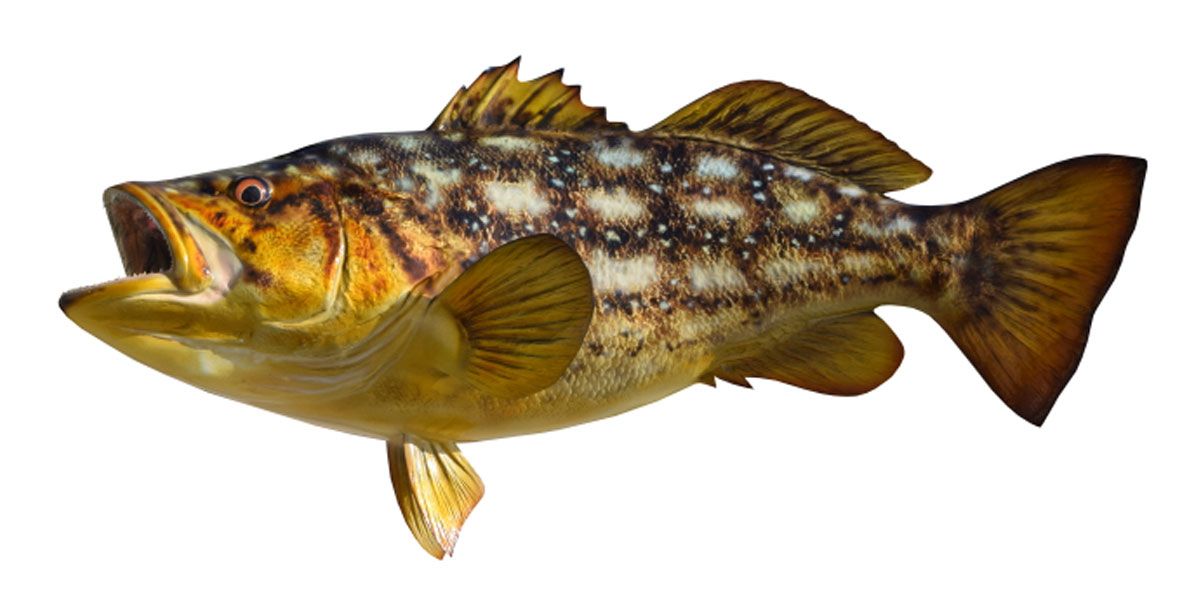


 Nine-hour offshore fishing adventure around Coronado Islands waters