6 Hour Winter Surf Fishing – Cape Lookout Area
Winter surf fishing along the Cape Lookout shoreline offers some of the most rewarding angling you'll find on the North Carolina coast. This 6-hour adventure with Back Sound Fishing Charters takes you to pristine surf zones where structure and current create perfect ambush points for hungry gamefish. You'll be wading into waters that hold serious potential for red drum, bluefish, flounder, and speckled trout. The winter months bring cooler water temperatures that concentrate baitfish in predictable zones, making this season a favorite among local anglers who know where to look. Fair warning though – this isn't a lazy day of fishing. You'll be covering ground, reading water, and working hard for your fish, but that's exactly what makes each hookup so satisfying.
What to Expect on the Water
Your guide will position you along the Cape Lookout area's most productive surf zones, where deep channels, sandbars, and current breaks create natural feeding stations. Winter surf fishing here means you'll be targeting fish that are actively feeding in the cooler months, often in deeper holes and along drop-offs where the water stays a bit warmer. The trip involves considerable walking along the beach as you move between spots, reading the water for signs of life like bait schools, diving birds, or subtle current changes that indicate structure below. You'll need to bring your own waders since you'll be stepping into the surf to reach the best casting positions. The physical demands are real – soft sand, moving water, and long walks between productive areas mean you should be prepared for a workout. But for anglers who appreciate the hunt aspect of surf fishing, this challenge is part of what makes each fish so rewarding. The Cape Lookout area's unique geography creates a mixing zone where different water masses meet, concentrating baitfish and attracting the predators that follow them.
Techniques & Tackle Setup
Surf fishing success in these waters comes down to reading the structure and presenting baits where fish expect to find them. Your guide will help you identify productive water – those deeper troughs parallel to the beach, points where sandbars create current breaks, and holes where fish stage during feeding periods. The tackle setup typically involves medium to heavy surf rods that can handle the casting distances needed to reach fish holding in deeper water beyond the breaking waves. Circle hooks are standard for live and cut baits, while artificial lures like spoons, jigs, and soft plastics work well when fish are actively feeding. Winter conditions often mean the fish are holding in specific temperature zones, so your guide's local knowledge becomes crucial for finding the right depths and current edges. Bait selection varies with conditions – fresh cut mullet, shrimp, and live finger mullet are go-to options, while artificial lures can trigger reaction strikes from aggressive fish. The key is staying mobile and adapting to what the fish are telling you on any given day.
Target Species Breakdown
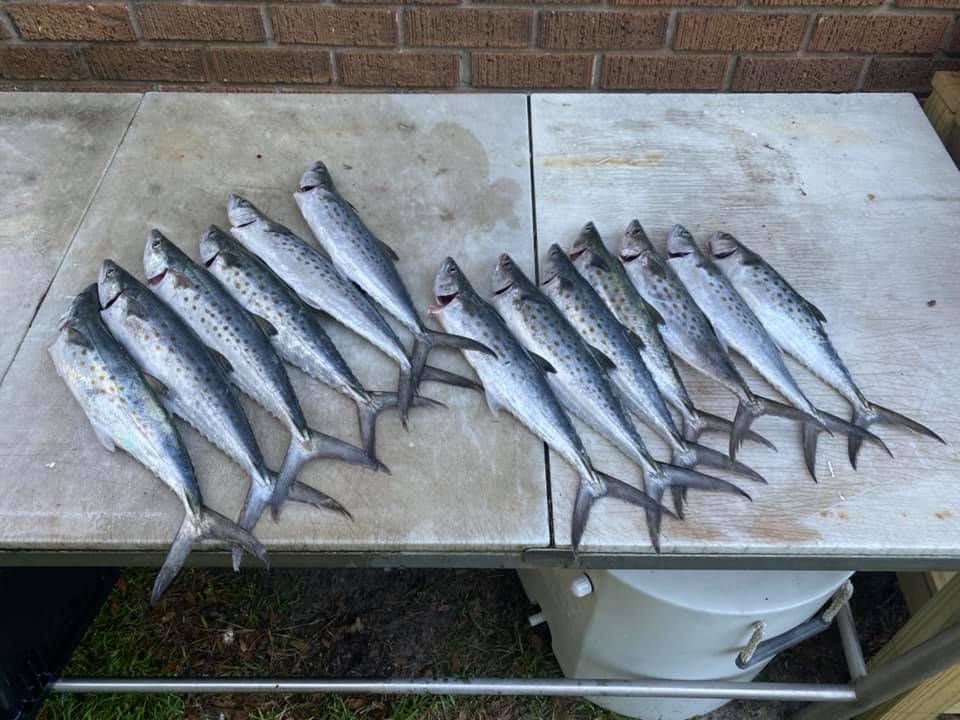
Sea trout, or speckled trout as locals call them, are winter favorites in these waters because they remain active when water temperatures drop into the 50s and 60s. These fish typically run 14 to 20 inches in the surf zones, with occasional specimens pushing the 24-inch mark that gets every angler's attention. They feed heavily on shrimp and small baitfish during winter months, making them prime targets for both live bait and artificial presentations. What makes specks so appealing is their willingness to bite when other species slow down, plus they're excellent table fare when properly handled.
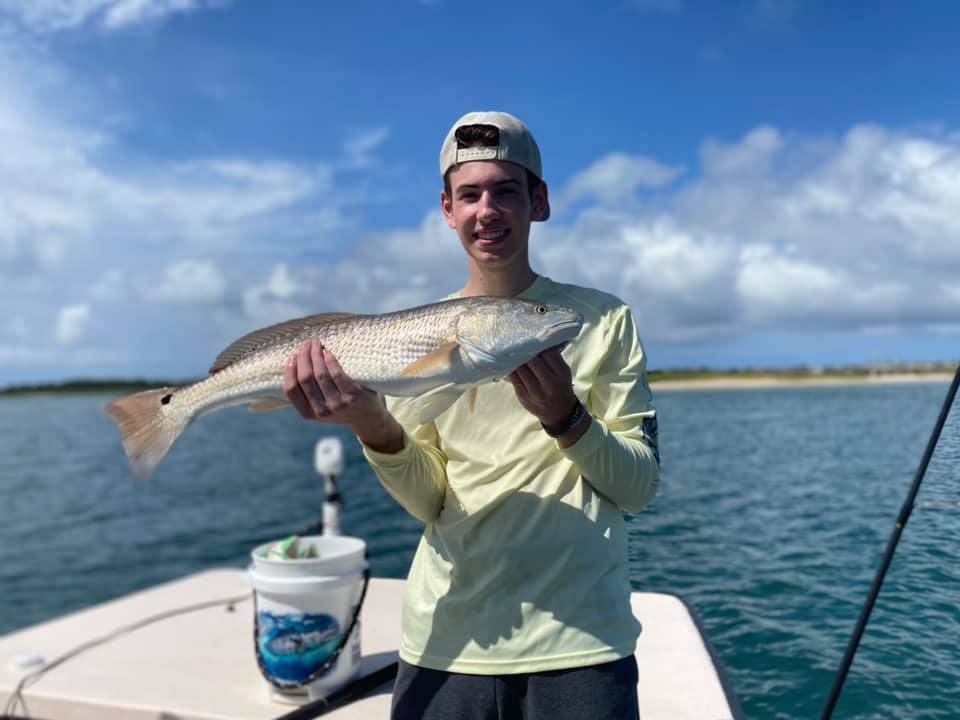
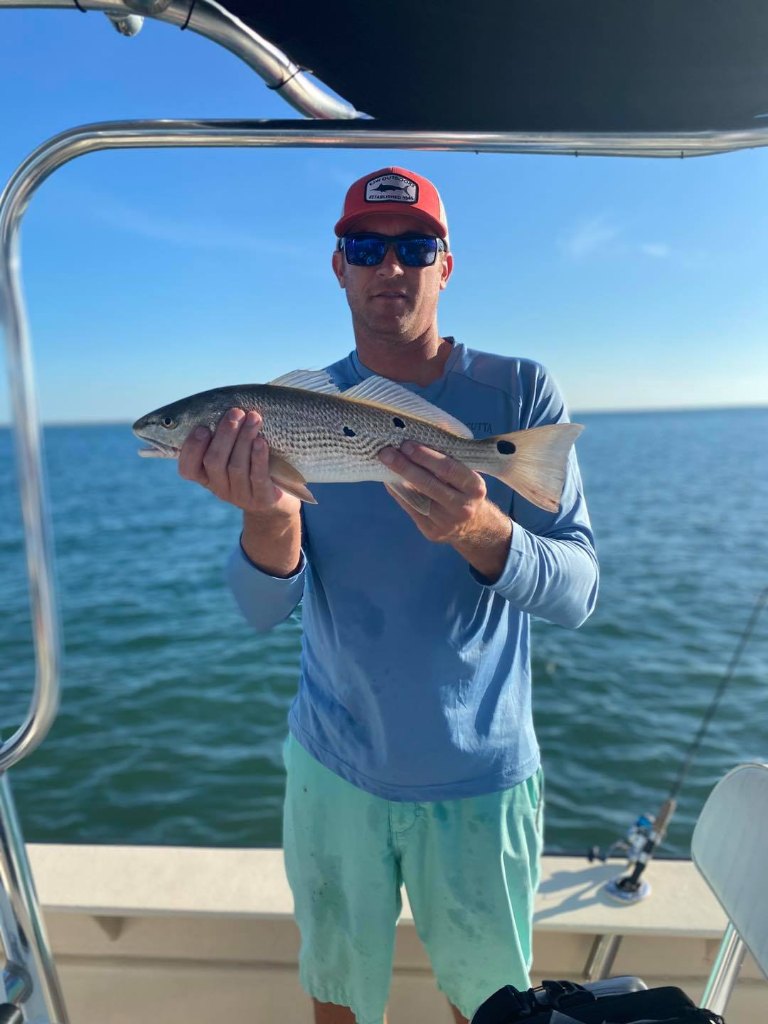
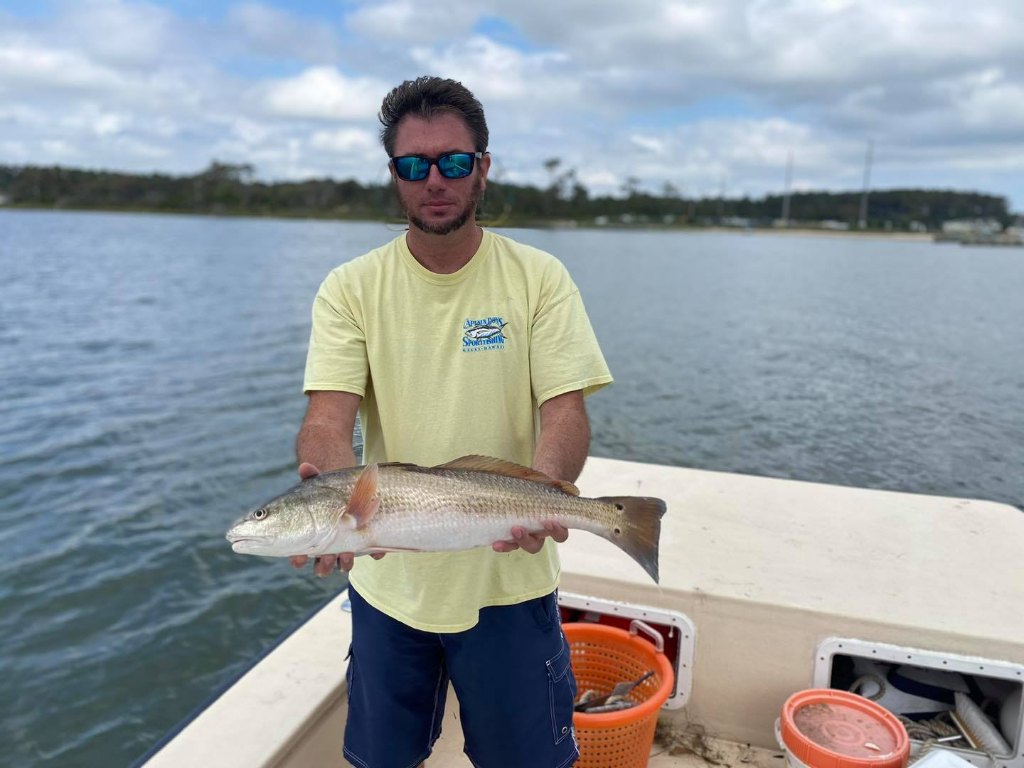
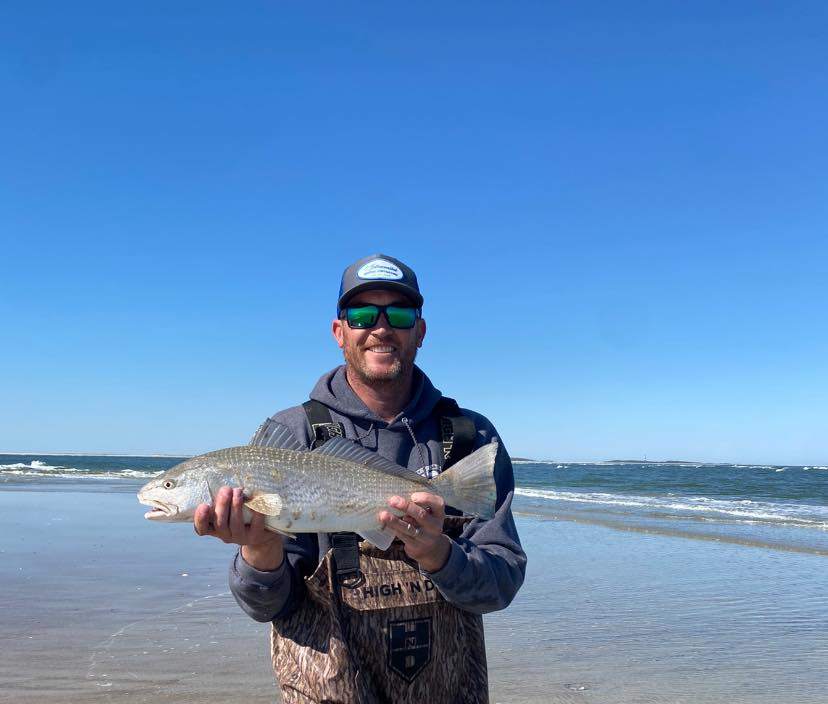
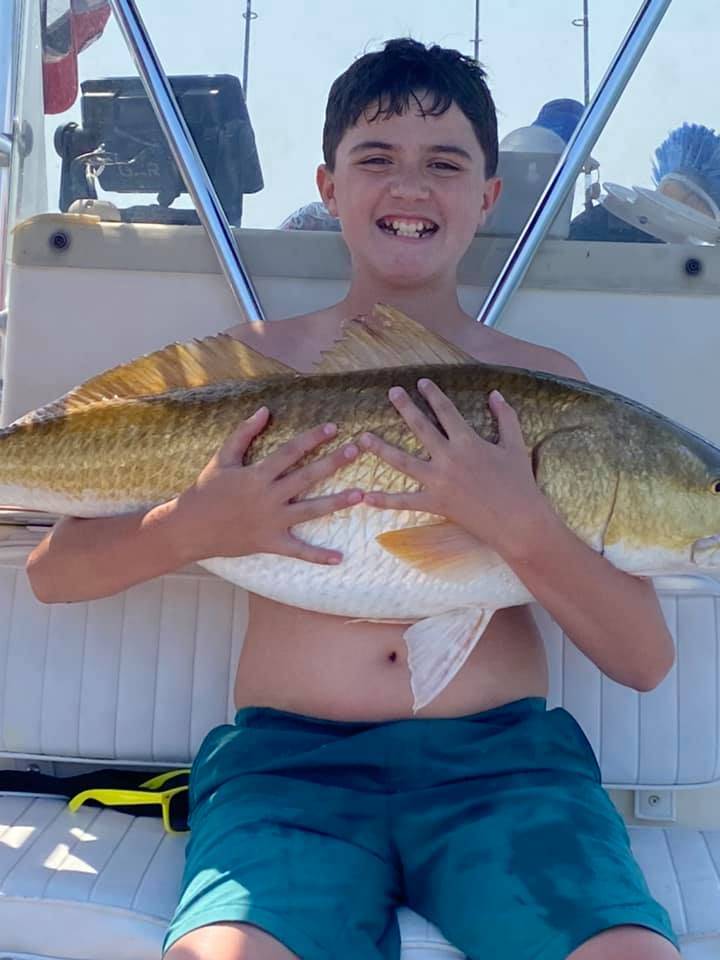
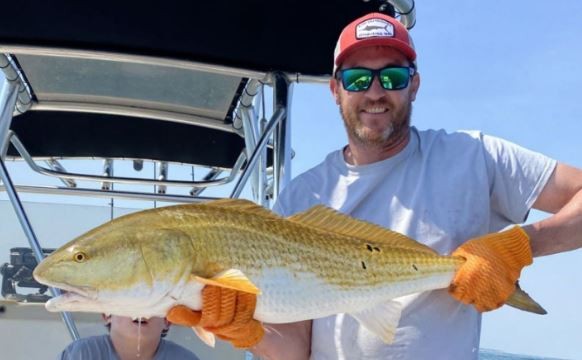
Redfish are the powerhouse species that make winter surf fishing so exciting along the Cape Lookout area. These bronze-colored fighters typically range from 18 to 35 inches, with the occasional over-slot fish that'll test your drag system and stamina. Winter reds often move into the surf to feed on crabs, mullet, and other forage that gets stirred up by wave action. They're ambush predators that use structure and current to their advantage, which is why your guide's knowledge of bottom contours becomes so valuable. The fight from a 25-inch red in the surf – with waves helping the fish and sand under your feet – creates one of the most memorable battles in coastal fishing.
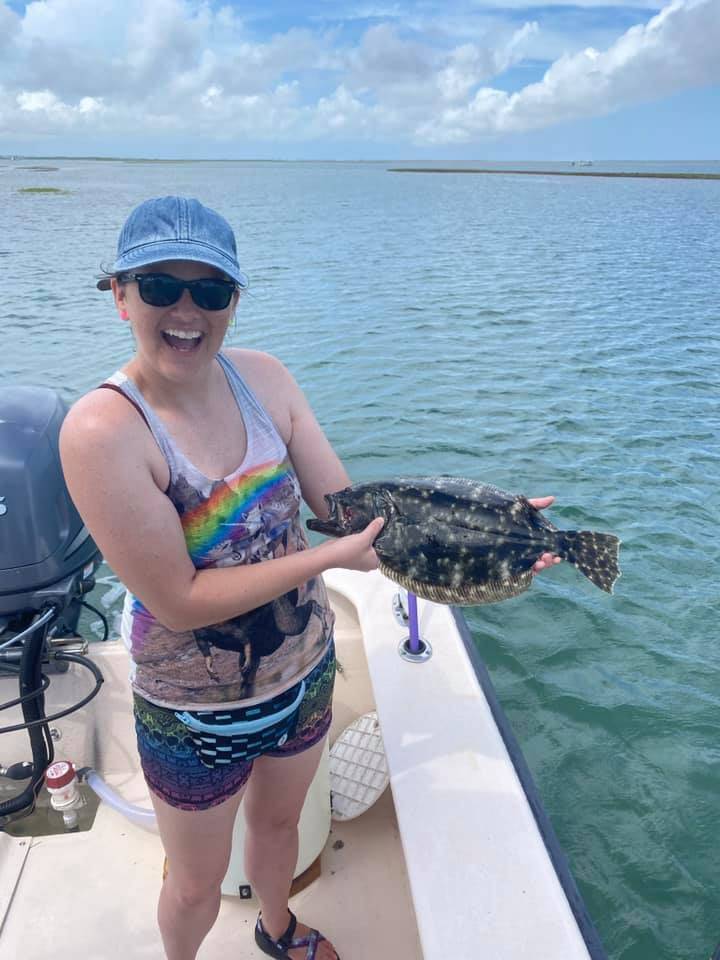
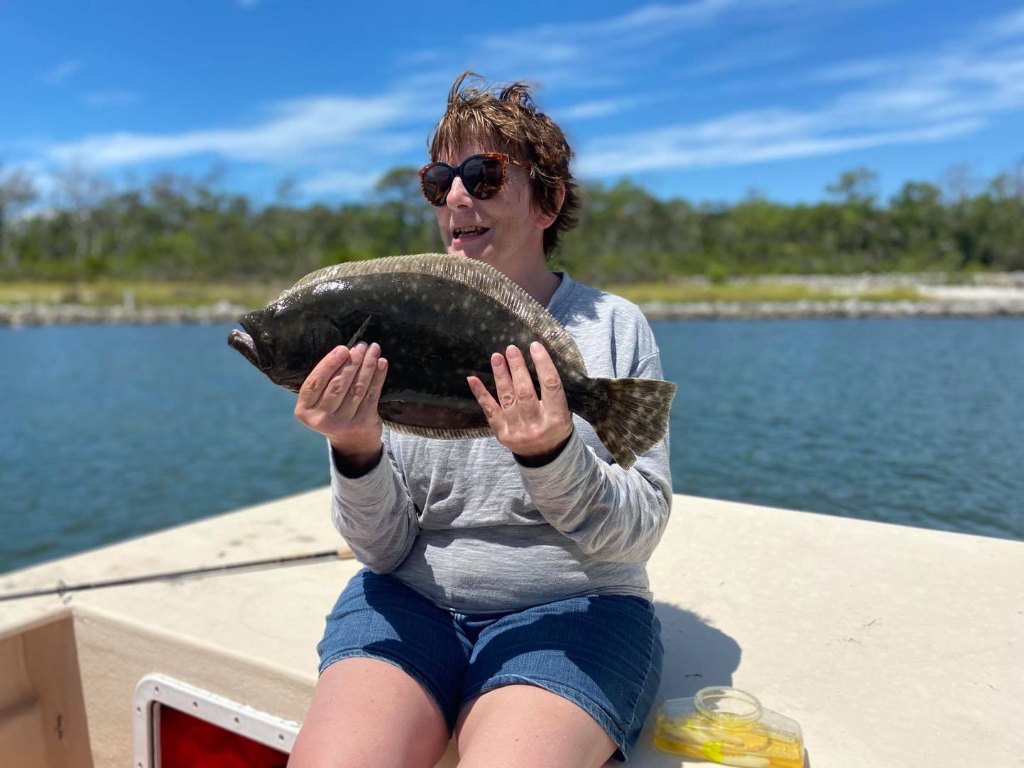
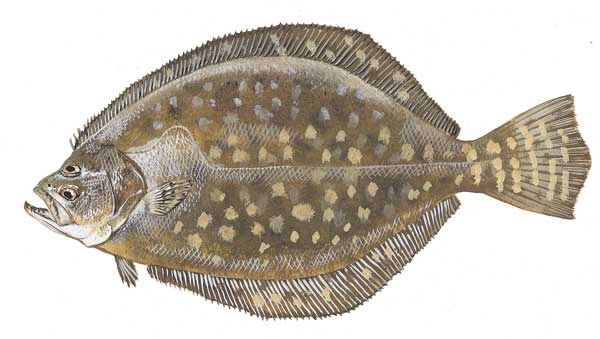
Southern flounder provide a different kind of challenge during winter surf sessions. These flatfish typically measure 15 to 22 inches, with doormat-sized specimens over 24 inches possible when conditions align perfectly. Winter flounder often hold in deeper holes and along channel edges where they can ambush passing baitfish. They require patience and the right presentation – often a slow, methodical retrieve with live or cut bait worked near the bottom. What makes flounder special is their incredible table quality and the satisfaction of fooling such a deliberate predator.
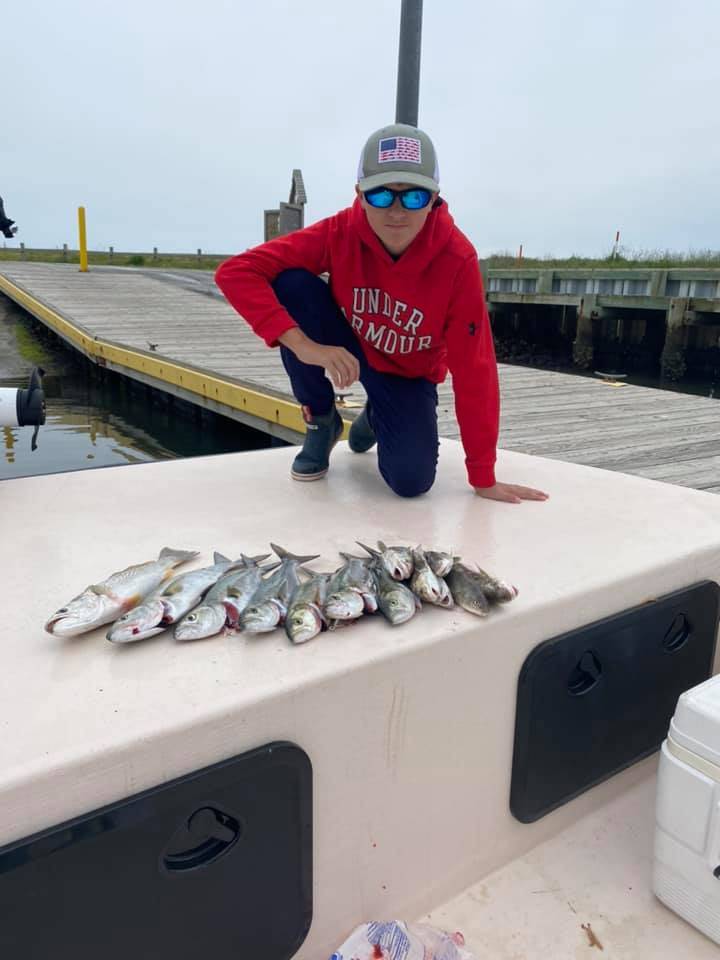
Bluefish bring the aggressive action that keeps winter surf sessions exciting. These voracious predators typically run 12 to 20 inches in the surf, though larger specimens frequently crash the party when bait schools are thick. Winter blues often travel in schools, feeding aggressively on whatever forage is available. They'll hit artificials hard and fight with surprising strength for their size. While not everyone's favorite table fare, fresh bluefish properly handled and prepared can be excellent, and their aggressive nature makes them perfect targets when you need some rod-bending action to warm up on cold winter days.
Time to Book Your Spot
This winter surf fishing adventure offers the kind of authentic North Carolina coastal experience that keeps anglers coming back season after season. You'll work for your fish, learn productive water, and experience the satisfaction that comes from succeeding in challenging conditions. The combination of Back Sound Fishing Charters' local expertise and the Cape Lookout area's winter fishing potential creates opportunities for memorable catches and genuine skill development. Whether you're targeting your first citation red drum, looking to master surf fishing techniques, or simply want to experience some of the coast's best winter angling, this trip delivers the goods. The single-angler format means personalized attention and the flexibility to adapt to conditions and your skill level. Don
 Private Trip
 Inshore Fishing
 Beaufort, NC


 Six-hour winter surf fishing adventure at Cape Lookout area