Full Day Bottom Fishing in St. Bernard
If you're looking for a solid day of fishing in Louisiana's legendary marsh country, Captain James Hanson's full-day bottom fishing trip hits all the right notes. This 8-hour private charter takes you through St. Bernard's productive inshore waters where redfish, black drum, speckled trout, and sheepshead are waiting to test your drag. With room for up to four anglers, you'll get personalized attention and local knowledge that only comes from years of working these waters. The calm backwater areas provide perfect conditions for bottom fishing, and the scenery isn't too shabby either—endless marsh grass stretching to the horizon with wildlife around every bend.
What to Expect on the Water
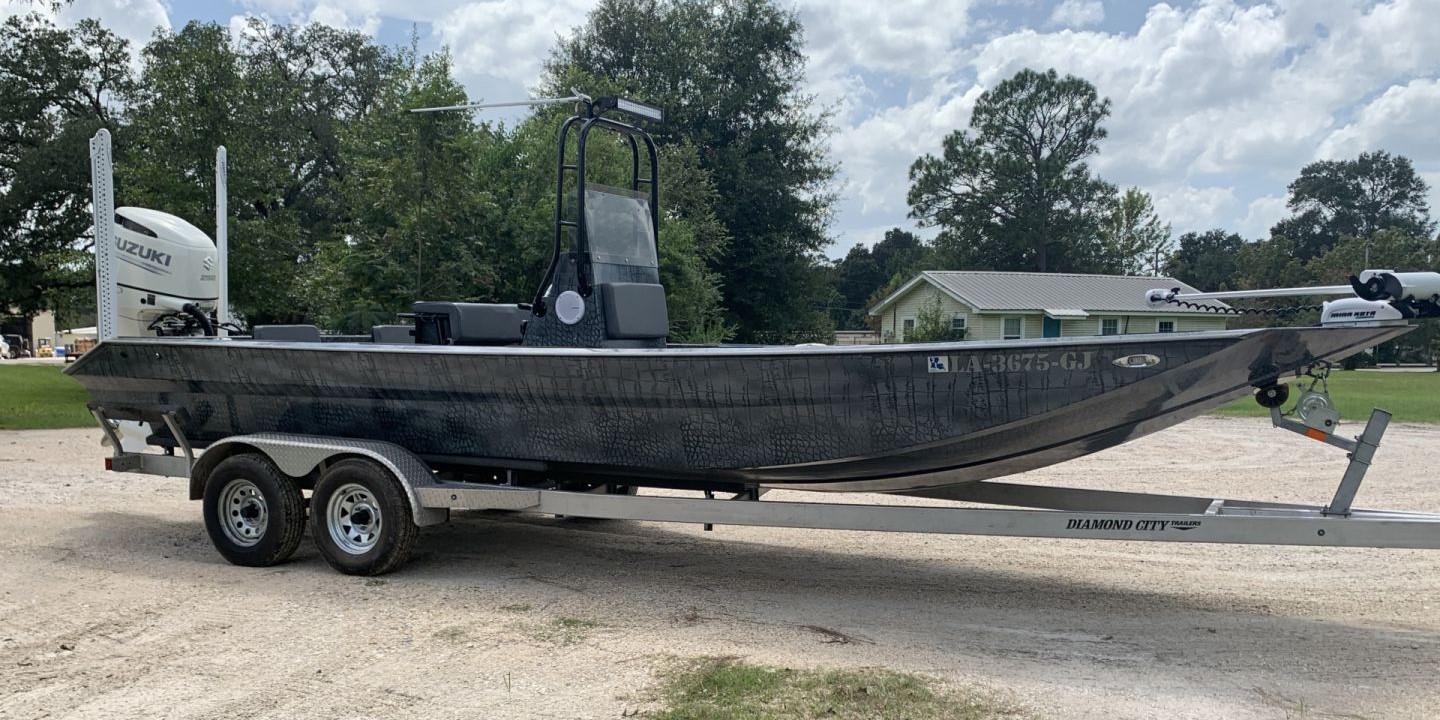
This isn't your typical crowded fishing trip. Captain James keeps groups small at four guests max, which means more fish per angler and plenty of one-on-one instruction if you need it. You'll launch into St. Bernard's extensive marsh system, where shallow flats and deeper holes create ideal habitat for bottom-dwelling species. The waters here stay relatively protected, so you won't be fighting big swells while trying to feel that subtle bite. Expect to anchor up over structure, oyster beds, and drop-offs where fish congregate to feed. The captain provides all tackle and bait, plus he knows exactly where to position the boat based on tides, weather, and recent fish activity. Don't worry about experience level—whether you're a weekend warrior or just getting started, James adjusts the approach to match your skills.
Bottom Fishing Breakdown
Bottom fishing in St. Bernard means dropping your rig down to where the fish live and eat. You'll be using circle hooks with fresh bait like shrimp, cut mullet, or crab depending on what's working best that day. The technique is straightforward but requires patience and feel—once your weight hits bottom, you reel up just enough to keep your bait in the strike zone without getting hung up in the structure. Captain James will show you how to detect the difference between a fish bite, current movement, and bottom contact. The gear is medium-heavy action to handle the strong runs these inshore species are known for, especially when a bull redfish decides to make a break for deeper water. You'll fish multiple spots throughout the day, moving when the action slows to keep lines tight and coolers filling.
Target Species
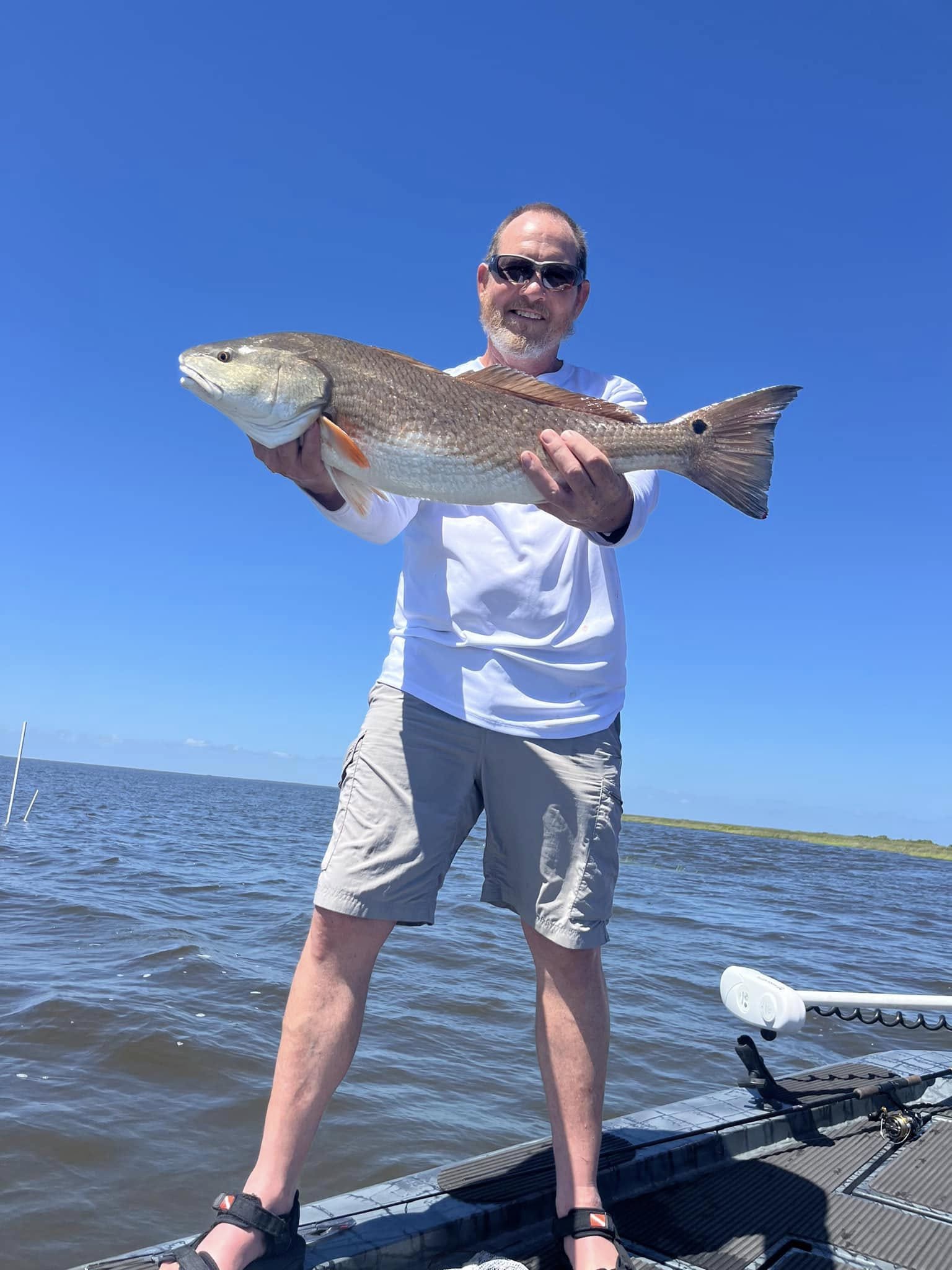
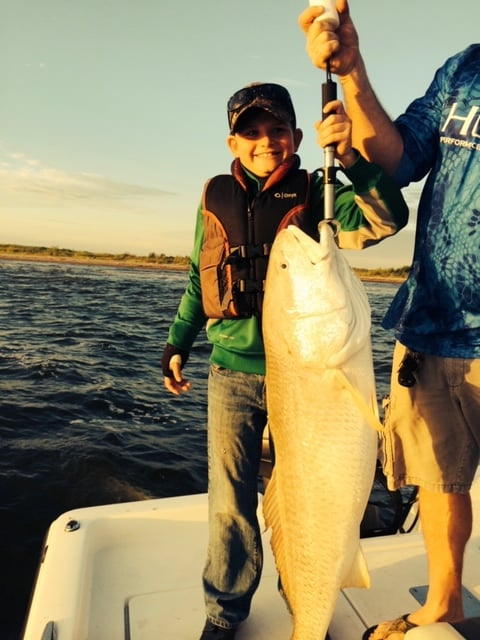
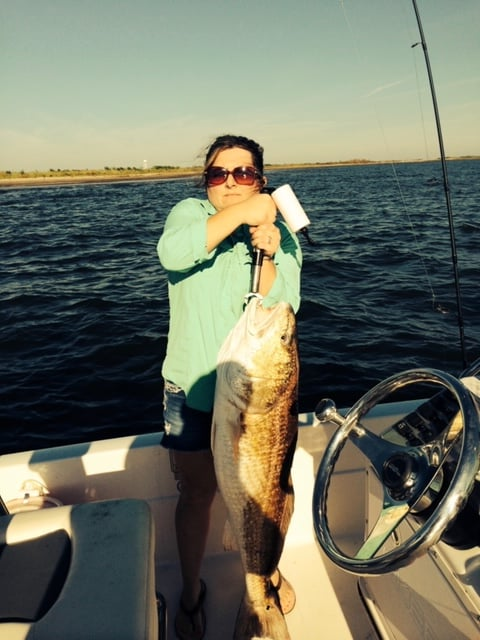
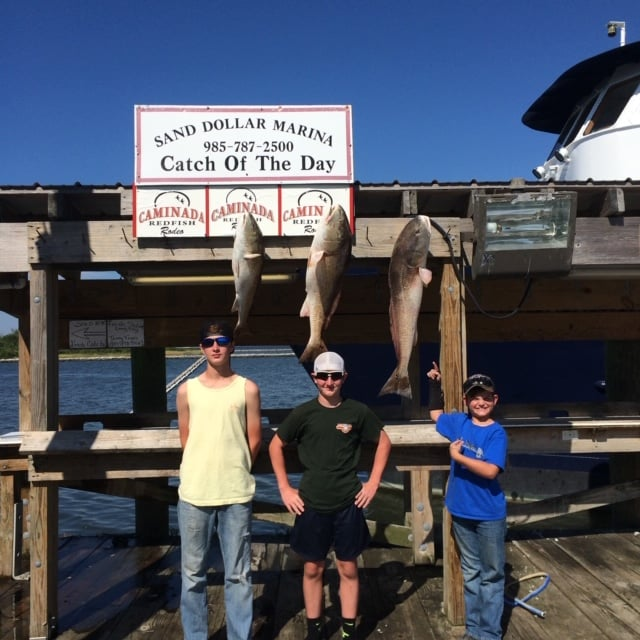
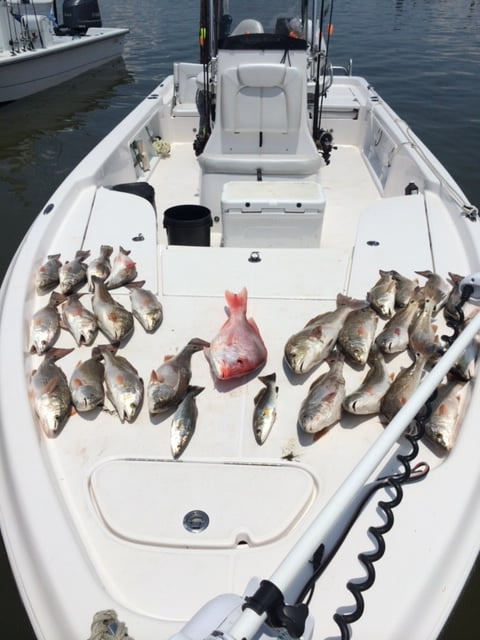
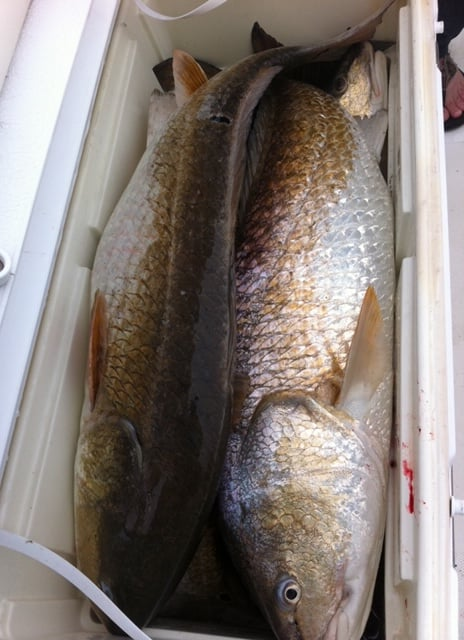
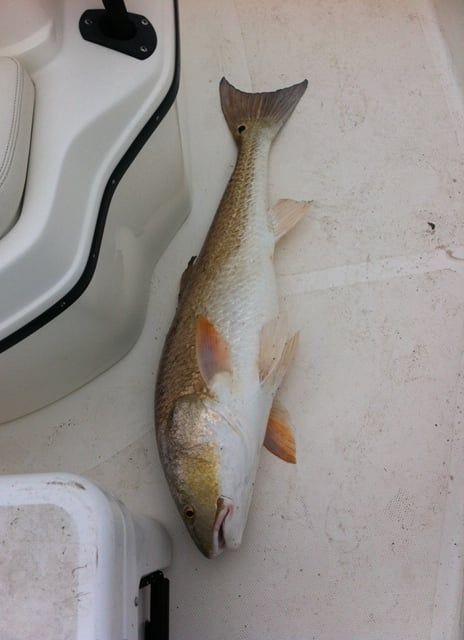
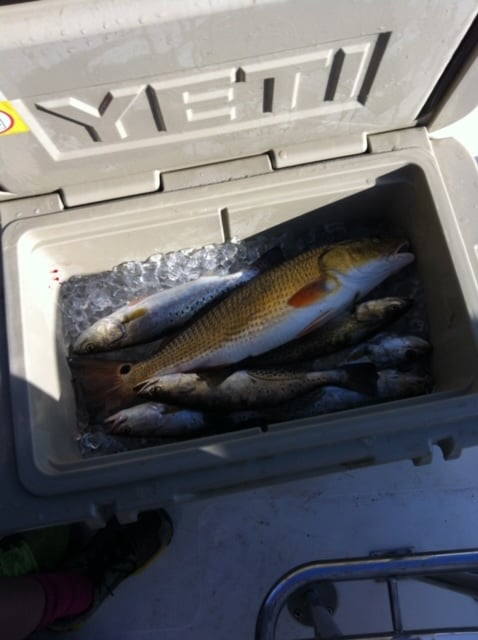
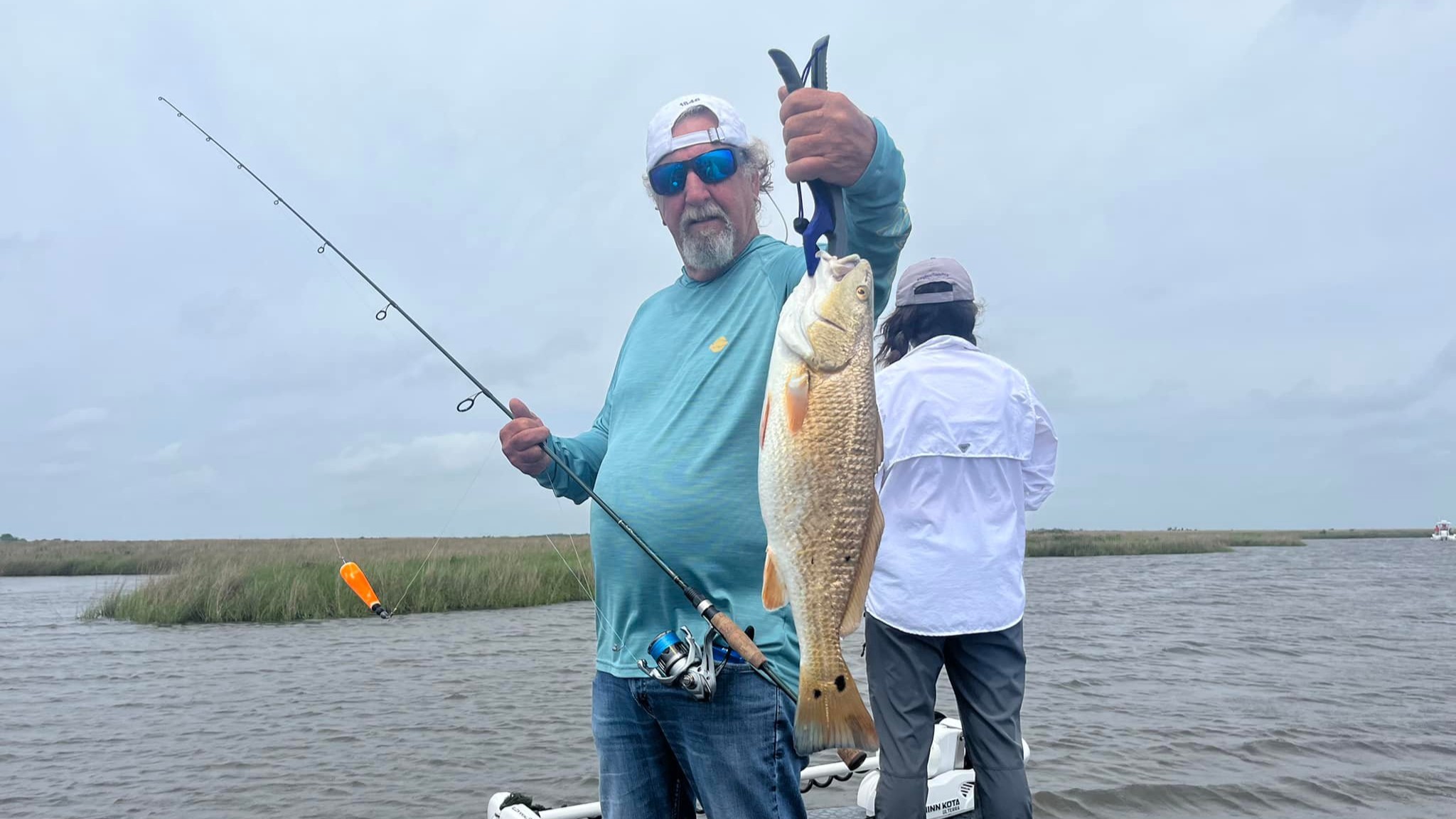
Redfish are the bread and butter of St. Bernard fishing, and for good reason. These copper-colored fighters range from slot-size fish around 20 inches up to bull reds that can stretch past 40 inches and weigh 30-plus pounds. They're aggressive feeders that cruise the shallows looking for crabs and baitfish, making them perfect targets for bottom rigs. Redfish bite year-round in these waters, but fall and winter often produce the biggest fish as they stage for their offshore spawning runs. When a red takes your bait, you'll know it—they make powerful runs and use their broad sides to fight every inch of the way to the boat.
Black drum might not win beauty contests, but they're absolute bulldogs that will test your tackle and your patience. These fish can grow massive in Louisiana waters, with specimens over 50 pounds not uncommon around structure and oyster beds. They're bottom feeders with powerful crushers for teeth, perfect for munching crabs and shellfish. Black drum bite best during cooler months and are known for their slow, methodical fights that just don't quit. They're also excellent table fare when kept in the slot limit, with firm white meat that's perfect for the grill.
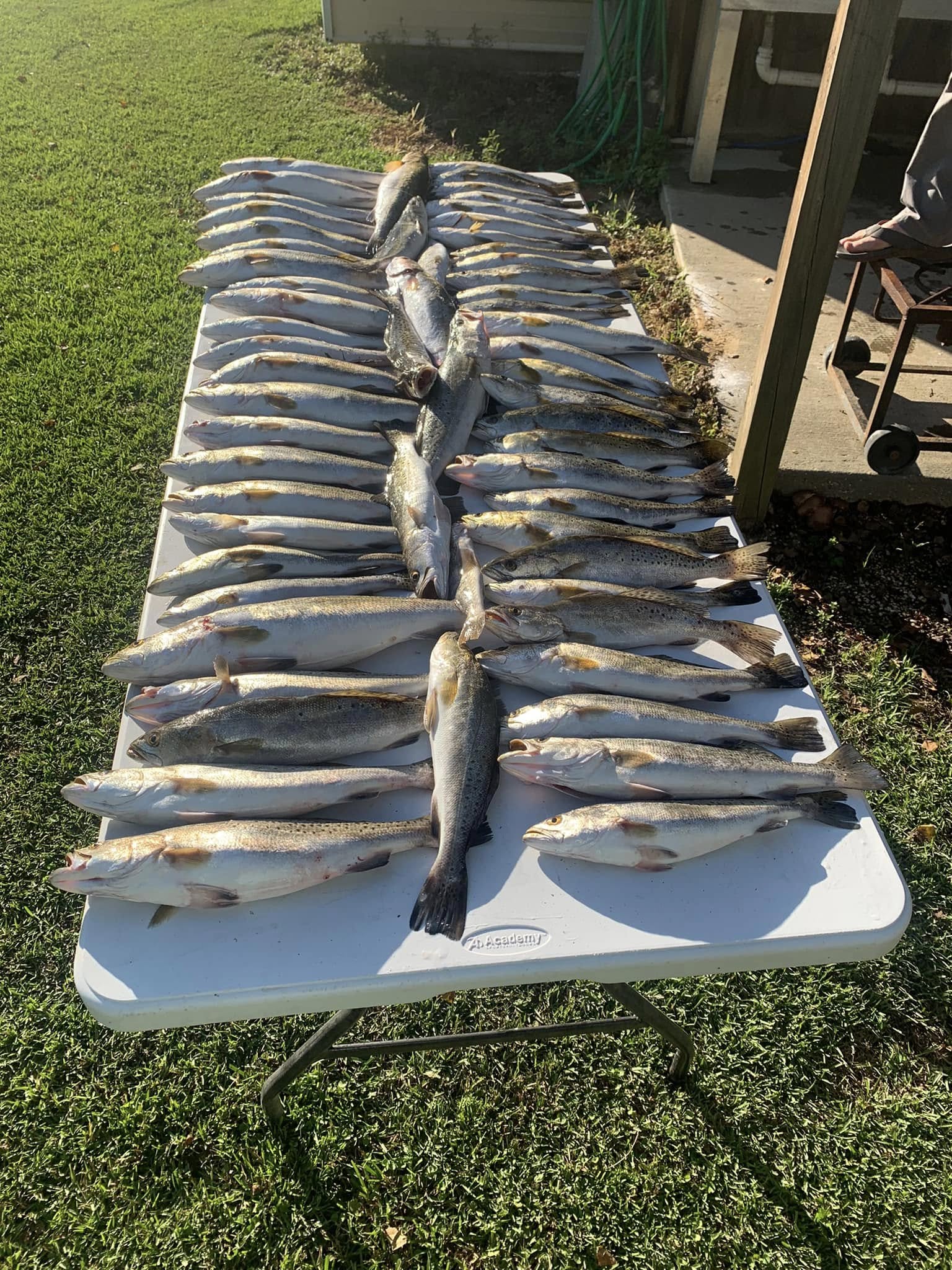
Speckled trout add finesse to the mix, often found in slightly deeper holes adjacent to the flats. These spotted beauties are more delicate fighters than reds or drum, but they make up for it with their willingness to bite and excellent eating qualities. Spring and fall are prime times for specks, when they school up in predictable areas. They're also more sensitive to cold weather, so winter fishing requires finding the right depth and structure to stay on them consistently.
Sheepshead round out the target species list and are arguably the most challenging to hook consistently. These black-and-white striped fish have small mouths and are notorious bait stealers, but once you figure out their feeding pattern, they're addictive to target. They love structure like pilings, rocks, and oyster beds where they can pick off barnacles and small crustaceans. Sheepshead bite light and fast, so you need to stay alert and set the hook at the first sign of movement. They're also fantastic eating with sweet, flaky meat that rivals any inshore species.
Time to Book Your Spot
St. Bernard's bottom fishing delivers consistent action in a beautiful setting, and Captain James Hanson knows how to put you on fish while keeping the day relaxed and enjoyable. This full-day trip gives you enough time to really get into a rhythm, learn the techniques, and experience the variety that makes Louisiana inshore fishing world-class. Whether you're planning a guys' trip, family outing, or just want to get away from the dock fishermen, this charter offers the personal touch and local expertise that separates good fishing from great fishing. The marsh country scenery is just a bonus—though watching a bull redfish crash your bait with pelicans flying overhead makes for memories that last long after the fish are cleaned and iced.
 Private Trip
 Inshore Fishing
 St Bernard


 Full-day private bottom fishing for up to four guests