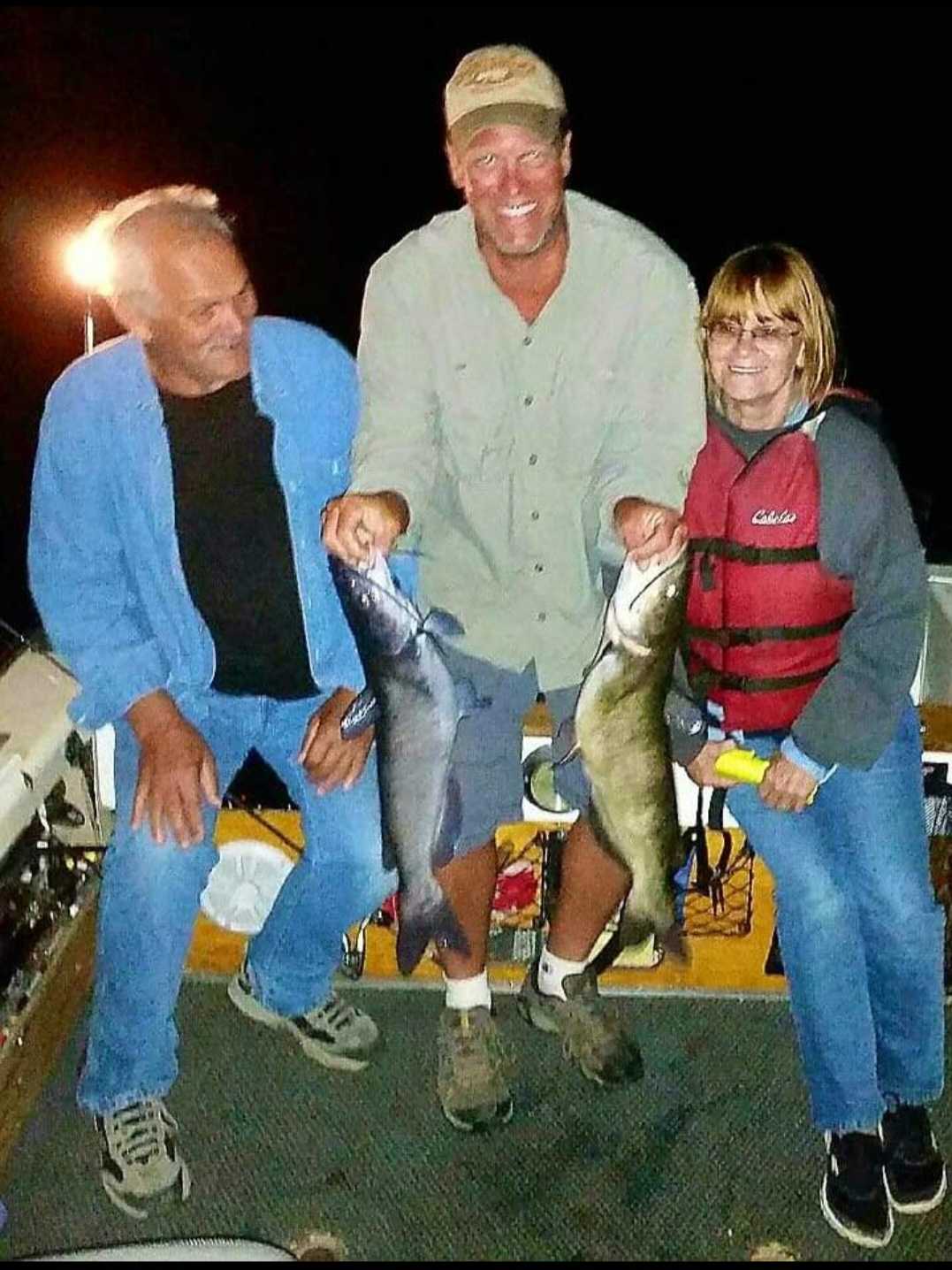
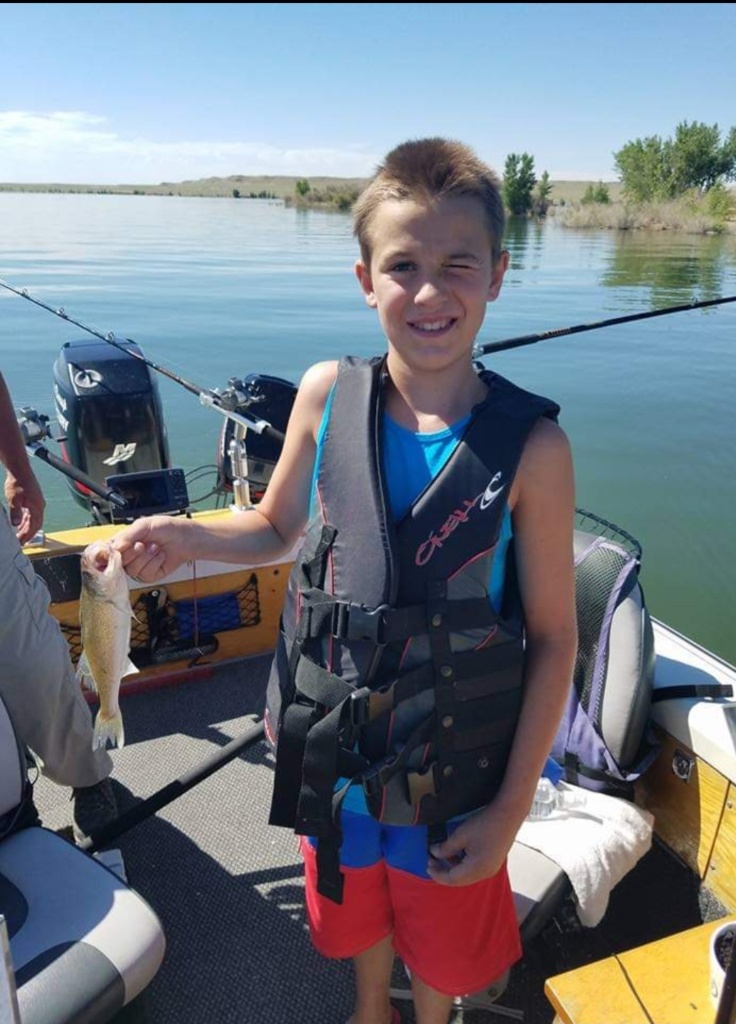
Wyoming Full Day Fishing Charter for Beginners
Picture this: you're out on Wyoming's pristine waters at sunrise, coffee steam mixing with morning mist, while Guide Scott Borup sets you up with your first cast of the day. This isn't your typical rushed half-day trip – we're talking a full 8 hours of hands-on fishing education that'll have you feeling confident with a rod in your hands. Scott's been guiding these waters for years, and he knows exactly how to turn complete beginners into anglers who actually know what they're doing. With space for just 2 guests, you get the kind of personal attention that makes all the difference between going home empty-handed or with stories worth telling.
What to Expect on the Water
Scott's approach is all about taking the pressure off and letting you learn at your own pace. No rushing, no showing off – just solid instruction and plenty of time to get comfortable with your gear. You'll start the morning with a quick rundown of basic techniques, then spend the day putting theory into practice on some of Wyoming's most productive fishing spots. The beauty of an 8-hour charter is that you're not constantly watching the clock. Got a tangle? No problem, we'll sort it out. Miss a few strikes? That's what learning looks like. Scott brings all the quality tackle you need, from rods and reels to terminal tackle, so you can focus on the fundamentals without worrying about gear. These Wyoming waters hold some serious fish, and Scott knows where they hang out during different times of day and season. He'll read the water conditions, adjust techniques as needed, and make sure you're always fishing where the action is. The scenery alone is worth the trip, but when you combine it with hands-on instruction from someone who lives and breathes these waters, you're looking at a day that'll stick with you long after you head home.
Techniques & Gear Breakdown
Scott's not the kind of guide who hands you a rod and hopes for the best. He'll walk you through everything from proper casting mechanics to reading water structure and understanding what different fish are looking for. Depending on conditions and what's biting, you might be working jigs along rocky drop-offs, trolling crankbaits over deeper structure, or casting spinners into shallow bays where fish come to feed. The gear setup varies based on target species – lighter tackle for trout that requires finesse, or beefier rigs when you're after northern pike that'll test your drag system. Scott provides rods matched to the techniques you'll be using, reels spooled with appropriate line weights, and a tackle box full of proven lures for Wyoming waters. He'll show you how to tie knots that actually hold, explain why certain colors work better in different conditions, and teach you to feel the difference between a snag and a fish pickup. These are skills that transfer to any fishing situation you'll encounter later. The boat comes equipped with fish finders to locate structure and mark schools, but Scott also teaches old-school methods like reading surface activity and understanding how weather affects fish behavior. By the end of 8 hours, you'll have a solid foundation in multiple techniques and the confidence to use them.
Species You'll Want to Hook
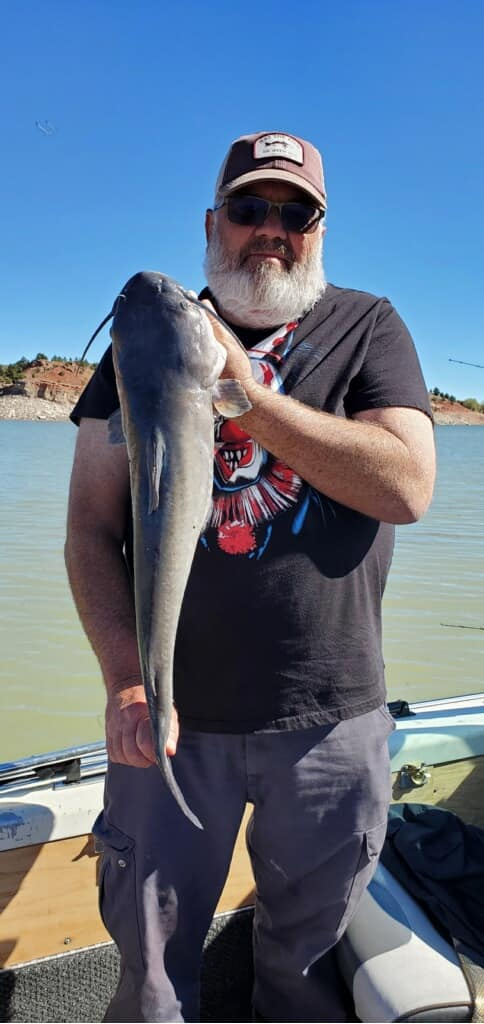
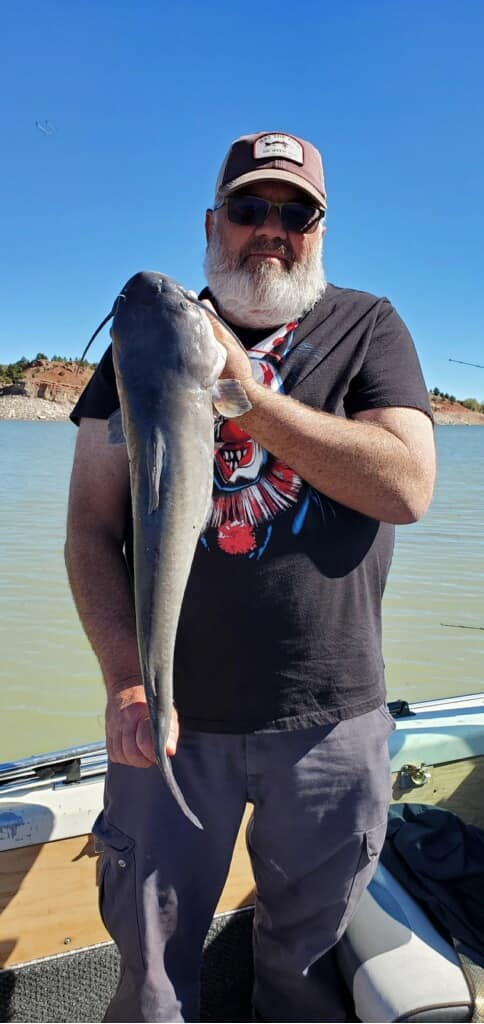
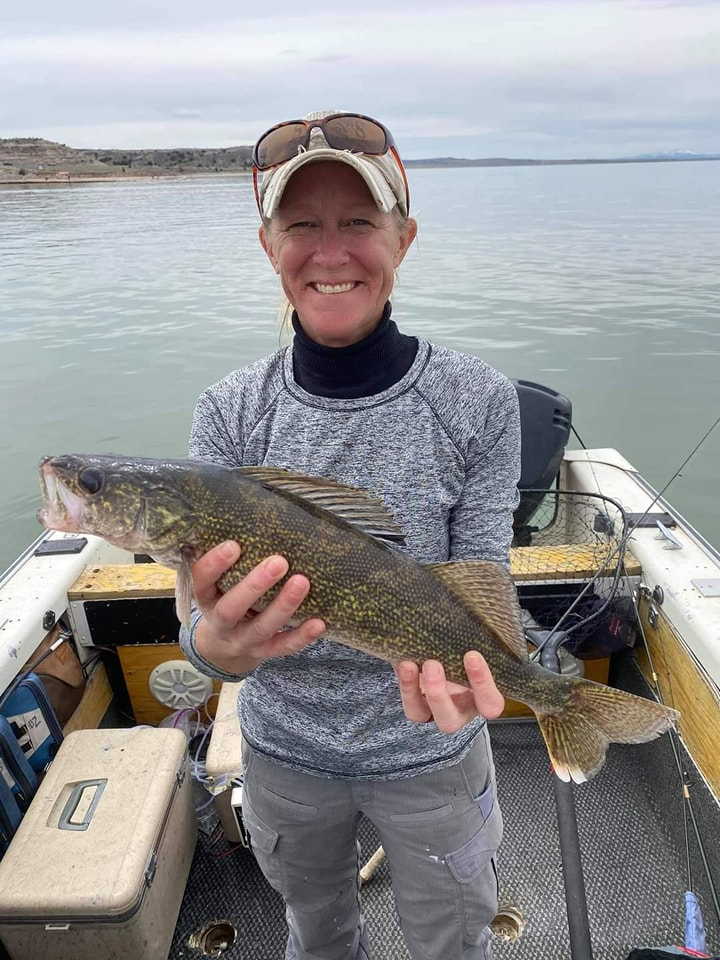
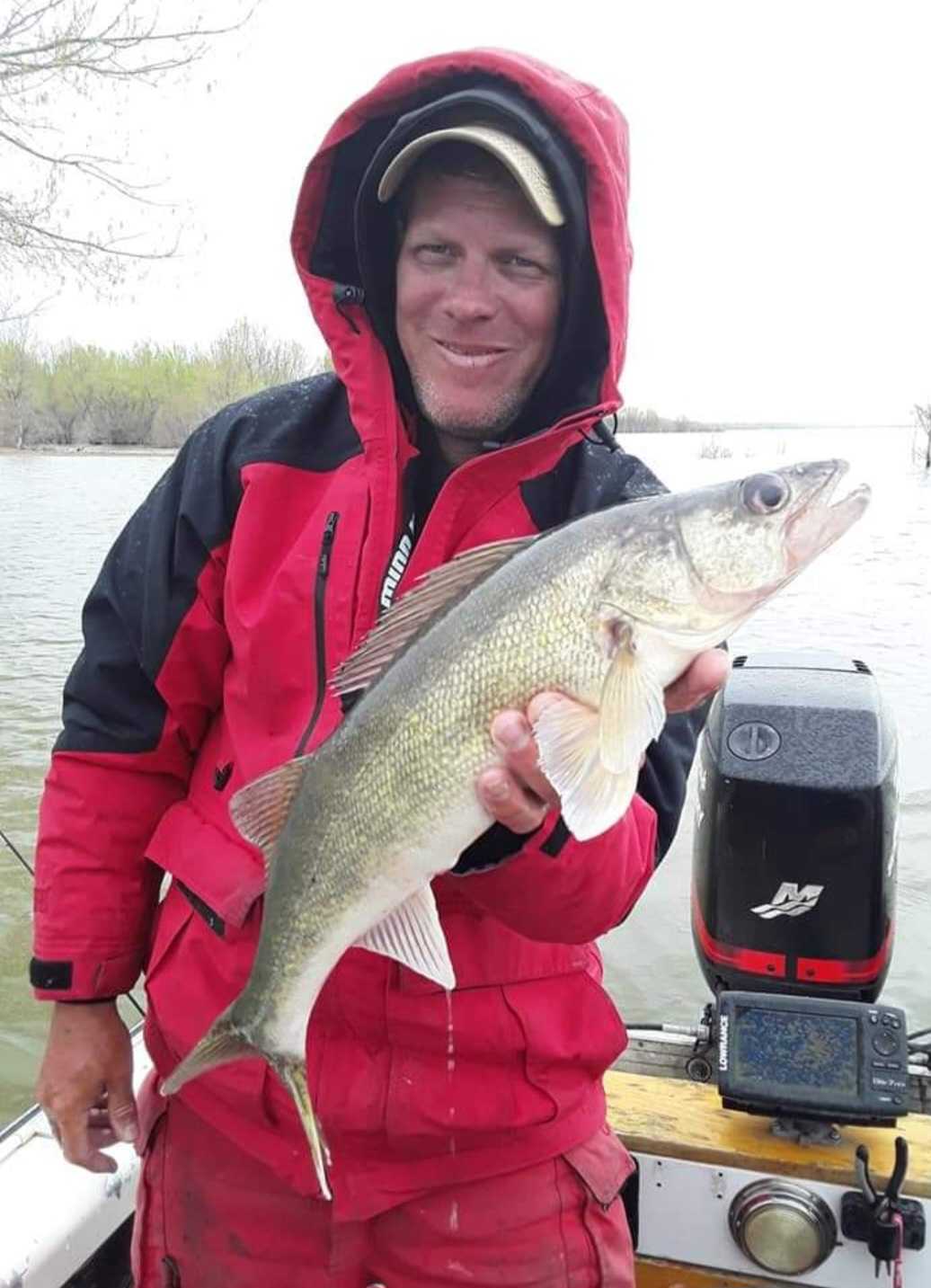
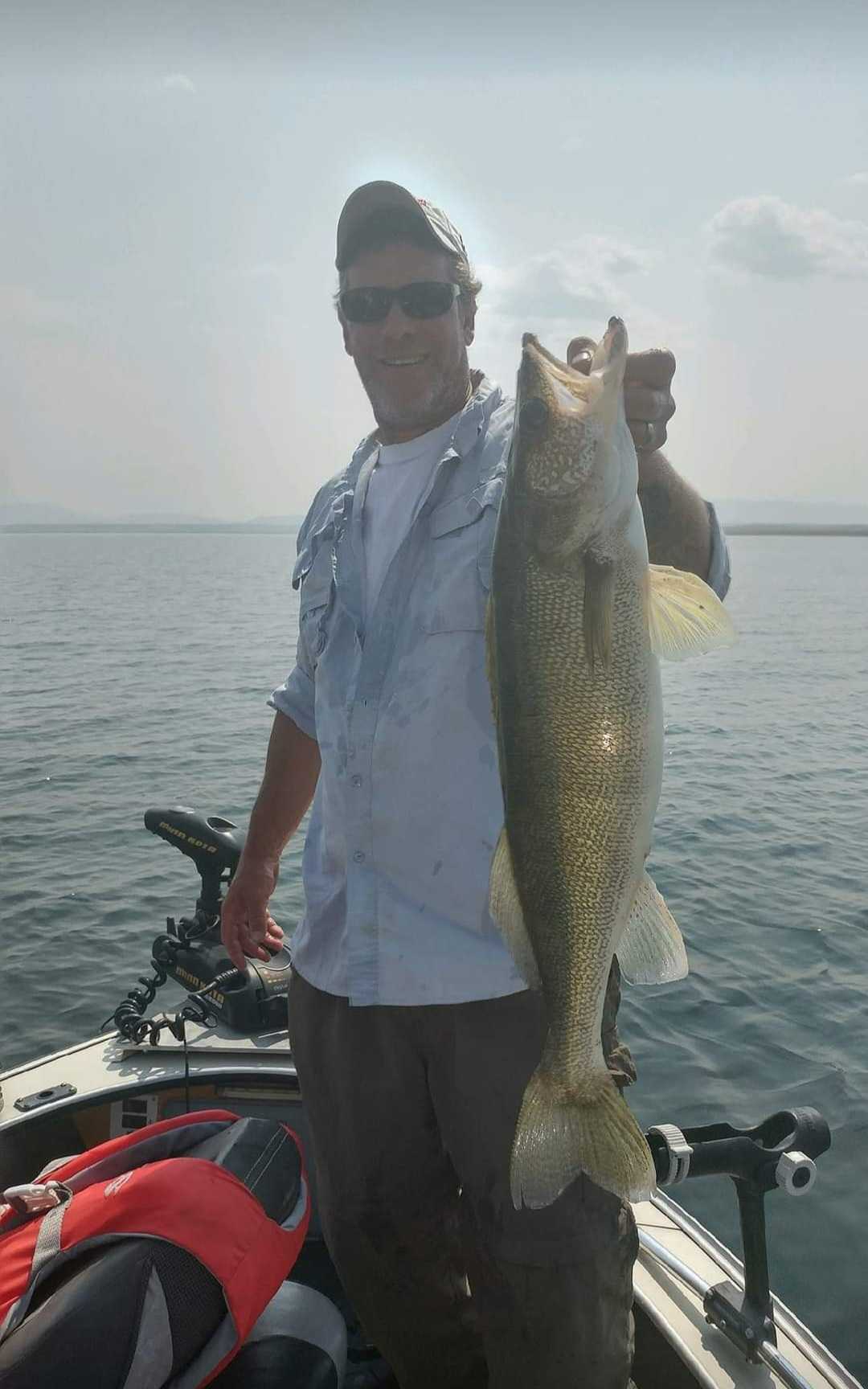
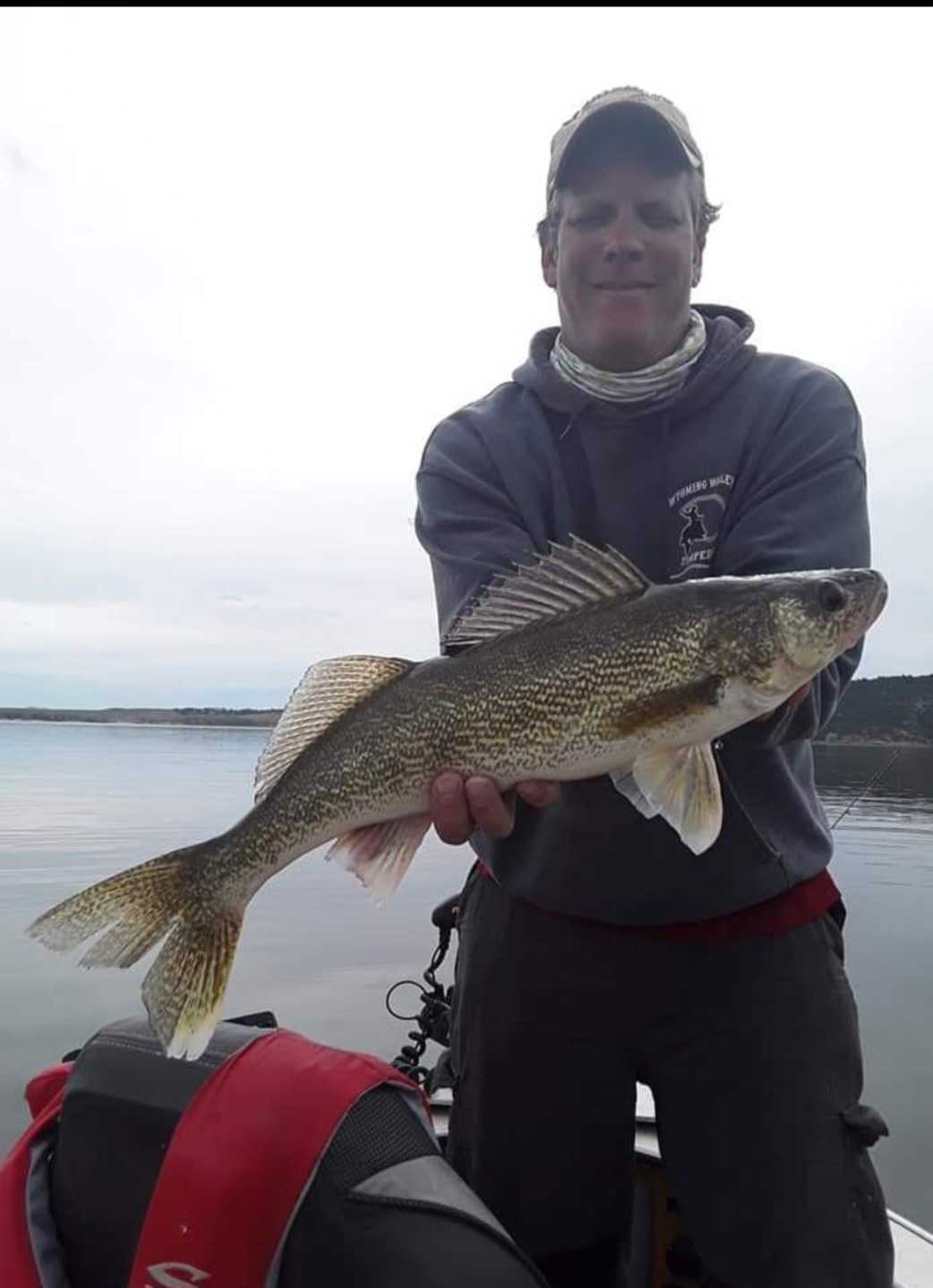
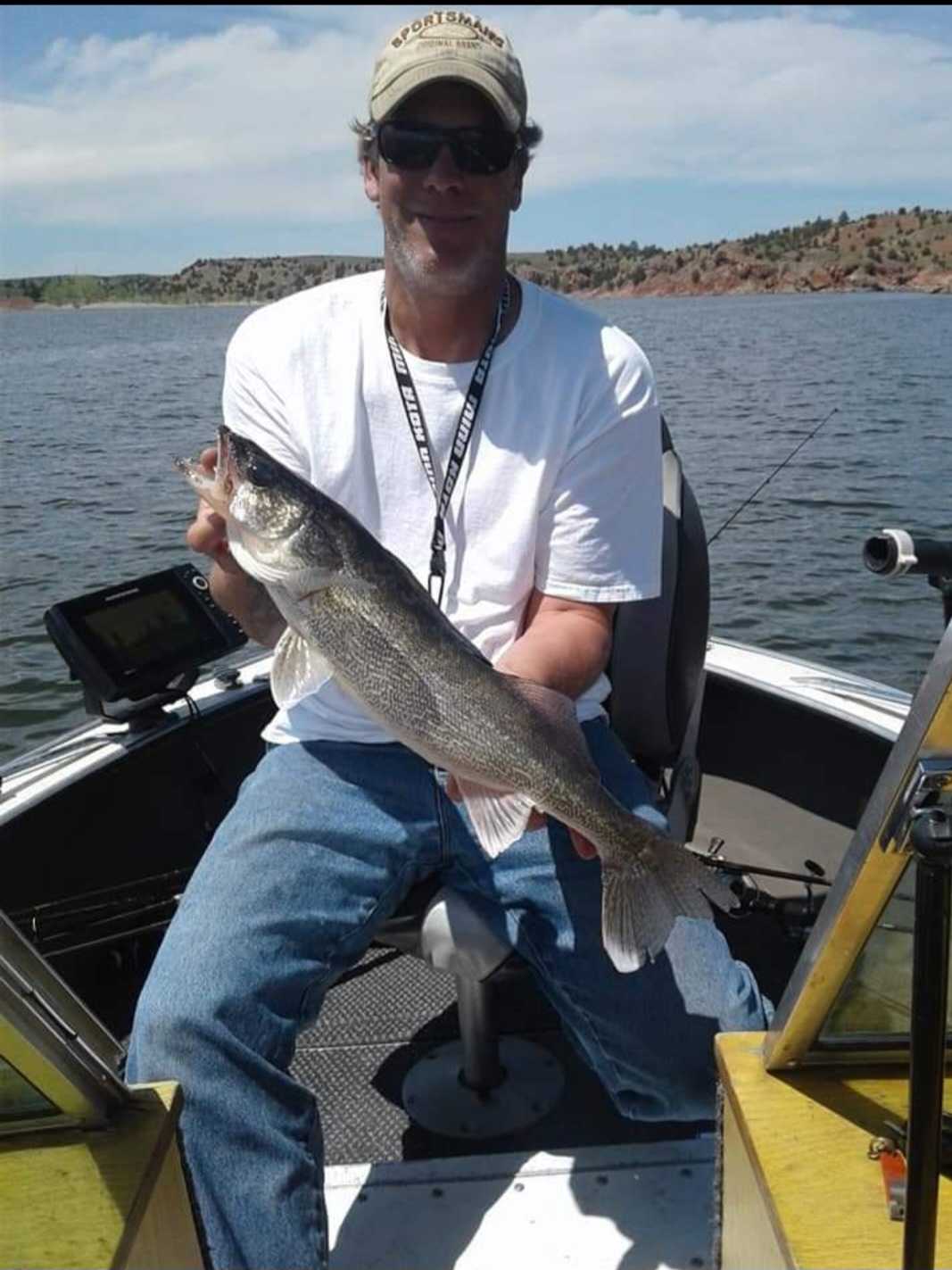
Walleye are the bread and butter of Wyoming fishing, and for good reason. These golden beauties typically run 14-20 inches in these waters, with plenty of bigger fish mixed in for those who know where to look. They're structure-oriented fish that love rocky points, weed edges, and drop-offs, making them perfect for teaching beginners how to read water. Walleye have excellent table fare, so they're rewarding to catch in more ways than one. Spring and fall are prime times when they're aggressive and feeding heavily, but Scott knows summer patterns that keep the action going even in warmer months. What makes walleye special is their fighting style – not flashy jumpers, but strong, determined fighters that'll test your drag and teach you how to work a fish properly.
Rainbow trout bring a completely different element to Wyoming fishing. These chrome-sided fighters are known for their acrobatic displays, often launching clear out of the water when hooked. They're incredibly visual feeders, which means presentation matters more than with other species. Scott will teach you the subtle techniques needed to fool these wary fish, from proper lure retrieval speeds to understanding how light conditions affect their behavior. Rainbows in Wyoming waters typically range from 12-18 inches, but the occasional trophy fish over 20 inches keeps things interesting. They prefer cooler water temperatures, making early morning and evening some of the best fishing times. The excitement of watching a rainbow cartwheel across the surface while you're trying to keep tension on the line is something every angler needs to experience.
Northern pike are the aggressive predators that add serious excitement to any fishing trip. These toothy critters can exceed 30 inches and aren't shy about crushing lures with authority. Pike are perfect for beginners because they're not particularly finicky – they'll hit big, flashy baits and give you plenty of visual feedback when they're around. Scott will set you up with wire leaders and teach you safe handling techniques, because pike demand respect. They're ambush predators that lurk in weed beds and shallow bays, making them relatively easy to locate once you understand their behavior. Fall is prime time for big pike as they bulk up for winter, but they're catchable throughout the open water season. The initial strike from a good pike will get your heart pounding and remind you why fishing can be so addictive.
Lingcod might surprise you in Wyoming waters, but they're here and they're worth targeting. These bottom-dwellers are excellent for teaching beginners how to fish vertically and work jigs along structure. They're not the prettiest fish, but they make up for looks with attitude and decent size. Lingcod are structure-oriented, so finding them teaches valuable lessons about reading sonar and understanding fish habitat. They're also relatively easy to hook once located, making them confidence-builders for new anglers. Scott knows the specific spots where lingcod hold, and targeting them adds variety to your

 Private Trip
 Lakes/Reservoirs/Ponds Fishing
 Douglas, WY


 Full-day guided fishing charter designed specifically for beginners