6 Hour Fly Fishing in Baffin Bay | Expert Charters
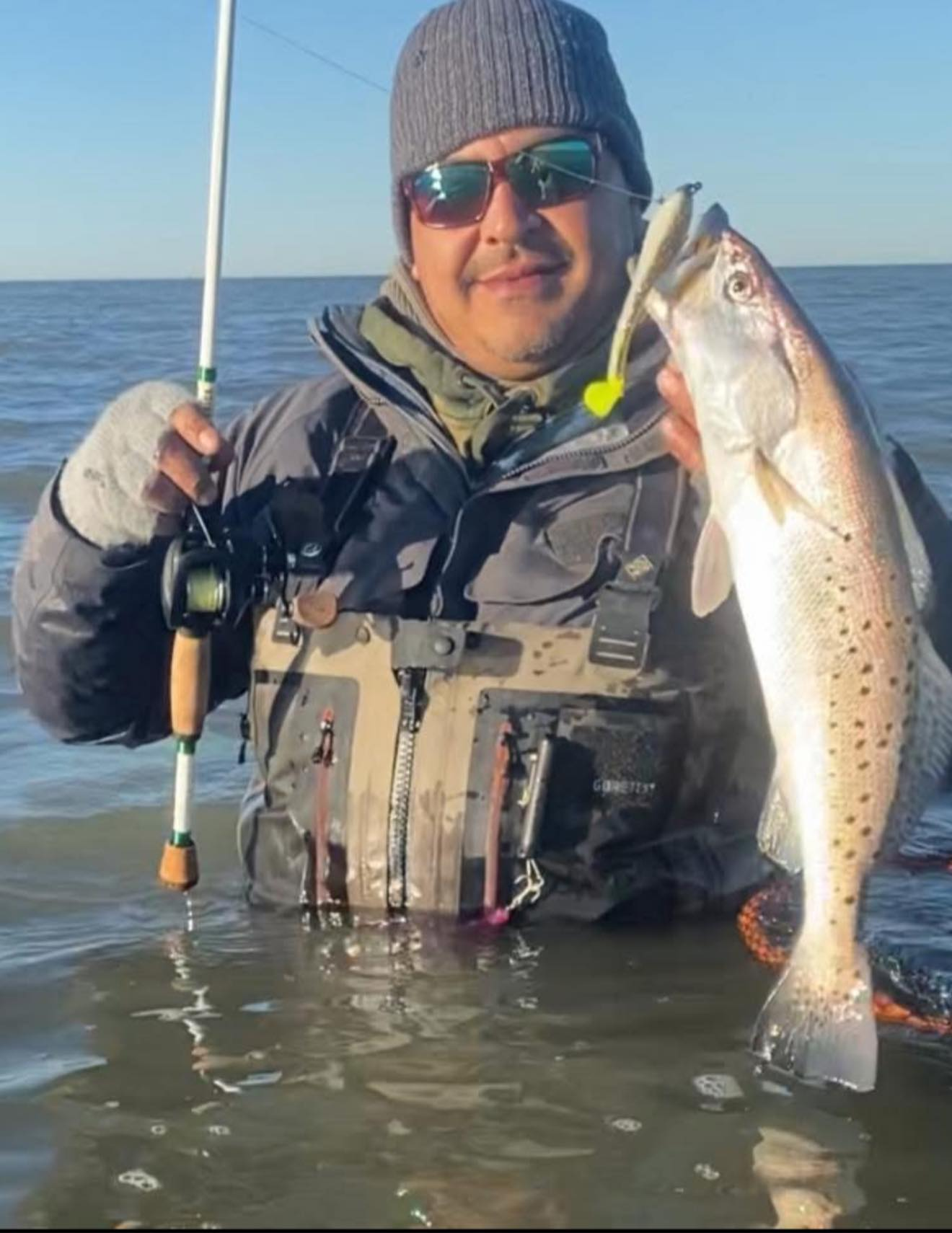
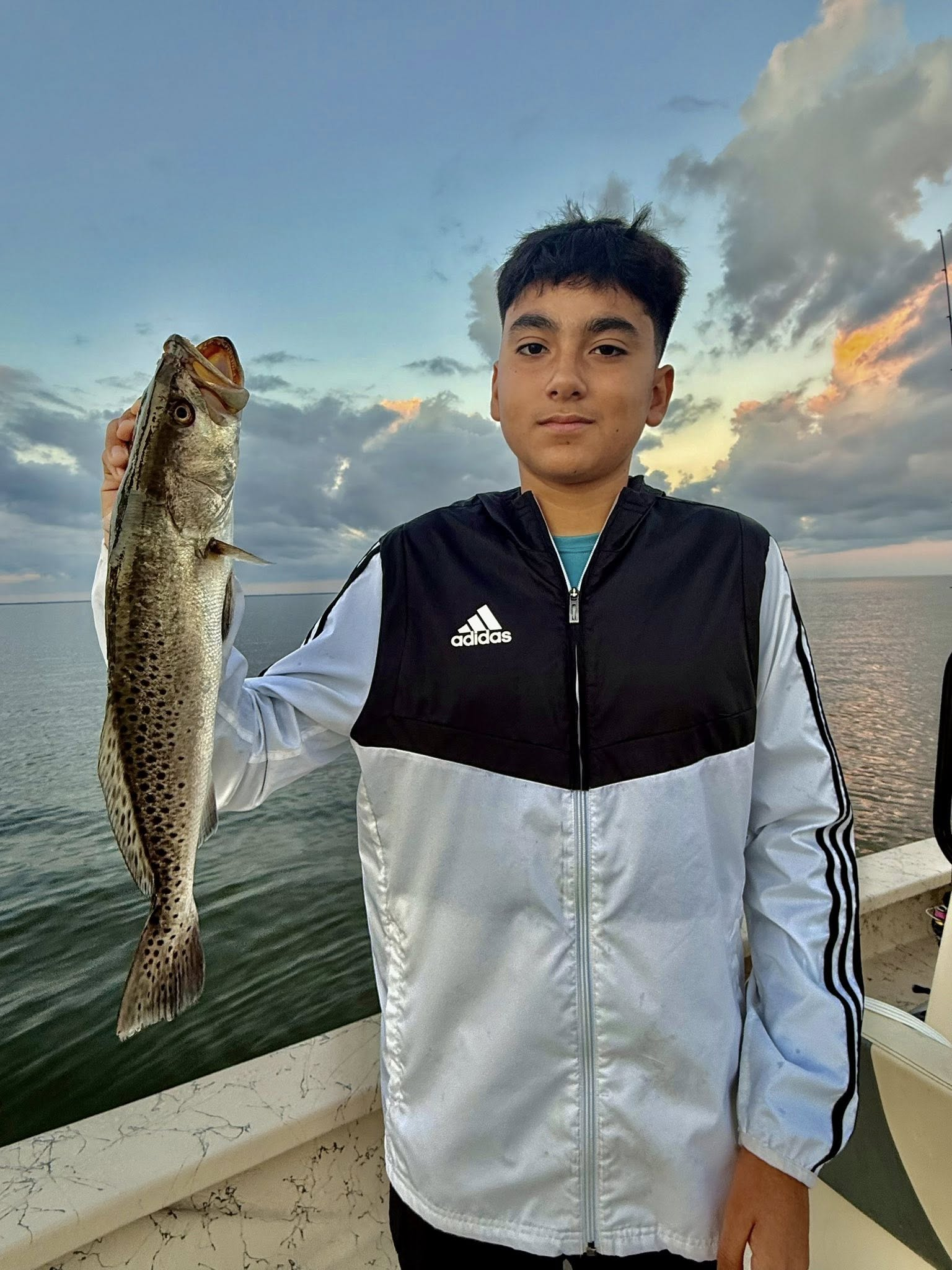
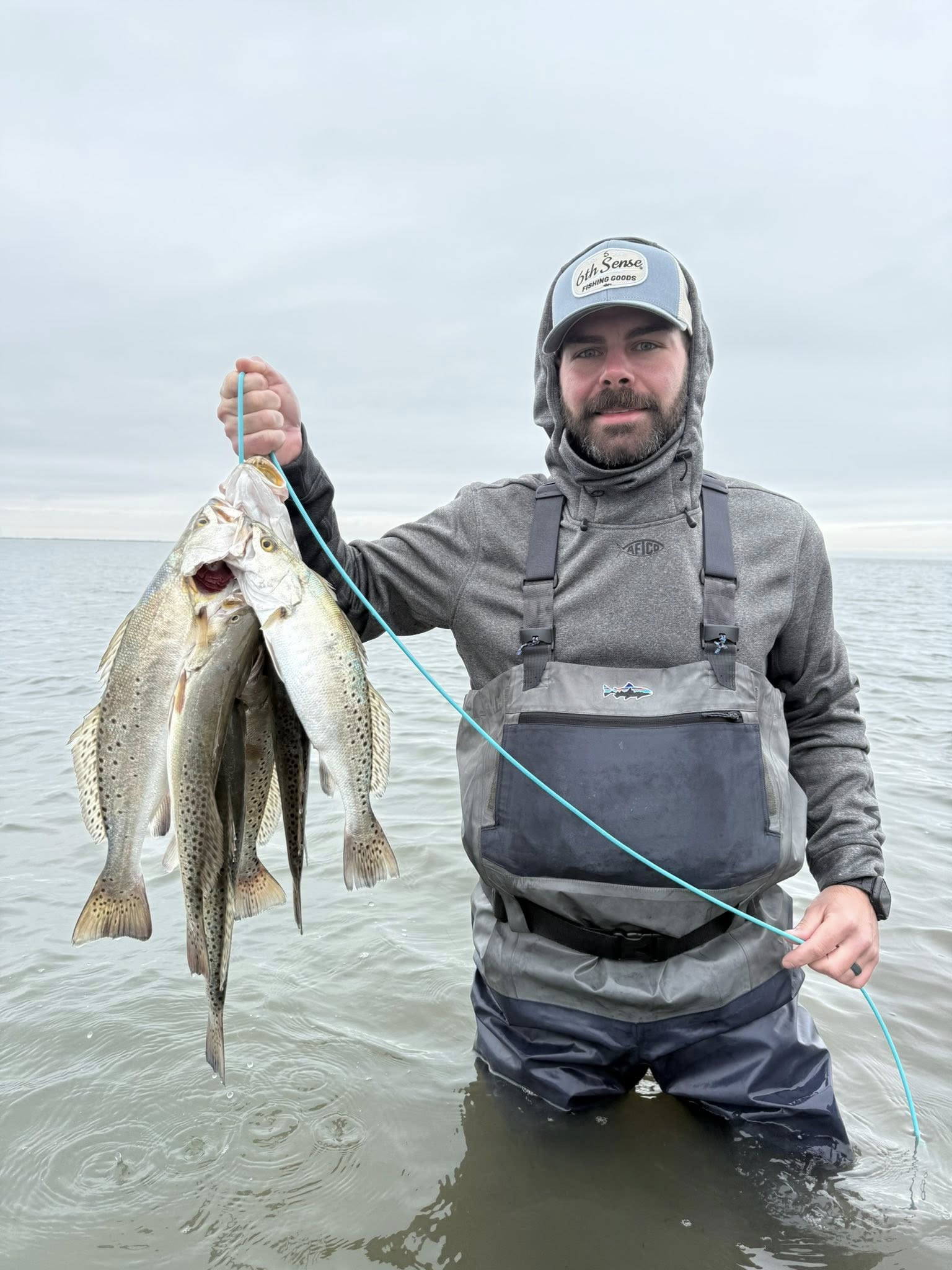
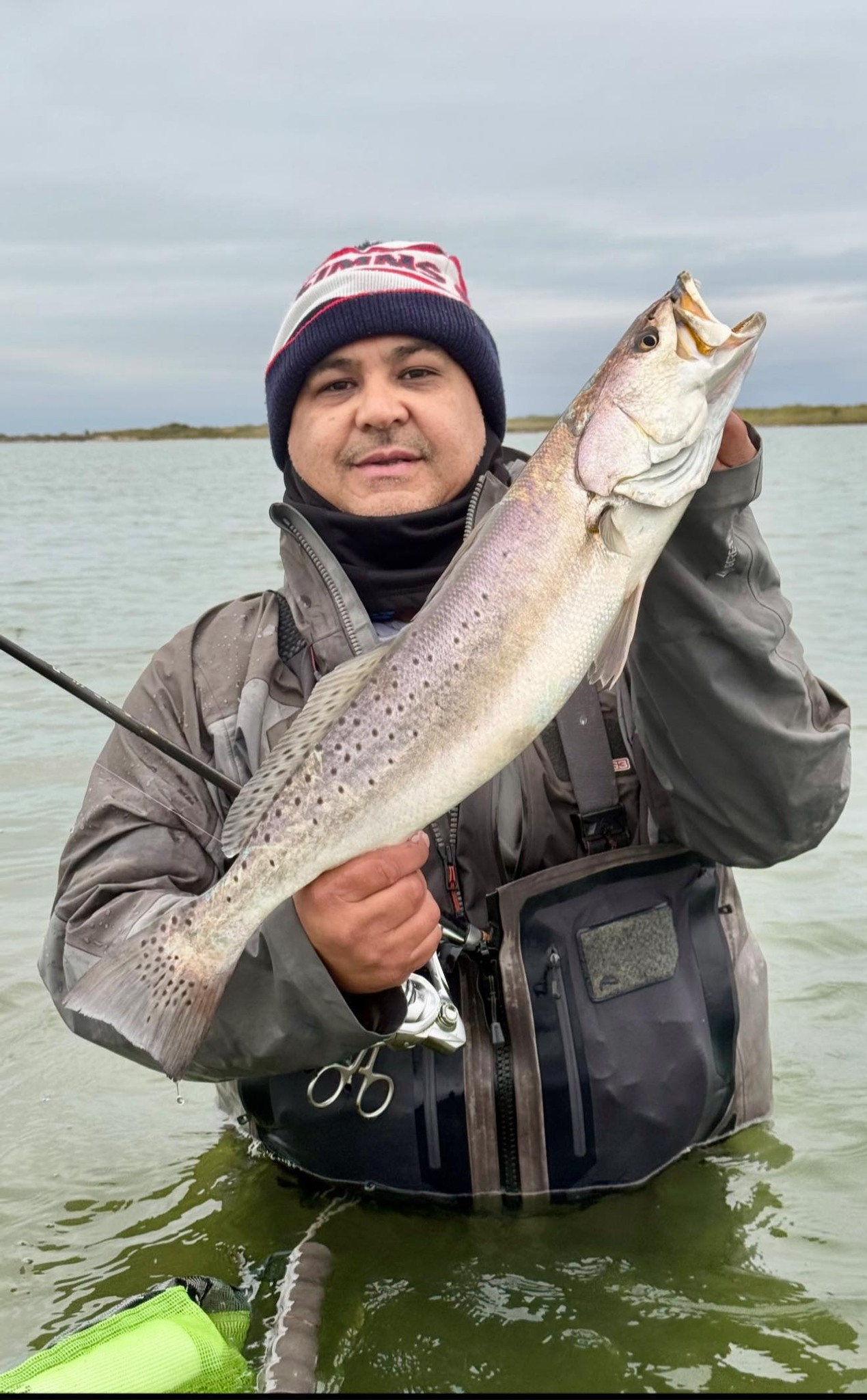
If you're serious about targeting trophy speckled trout in Texas, Baffin Bay is where you need to be. This legendary body of water has earned its reputation as the "Holy Grail" of Texas trout fishing, and our 6-hour fly fishing charter gives you the best shot at landing the fish of a lifetime. Captains Charlie Barrera and Gilbert Esquivel know these waters like the back of their hands, and they'll put you on the fish whether you're casting your first fly or you've been working these flats for years. We're talking about prime inshore fishing where 28-inch trout aren't just dreams – they're real possibilities every time you step aboard.
What to Expect on the Water
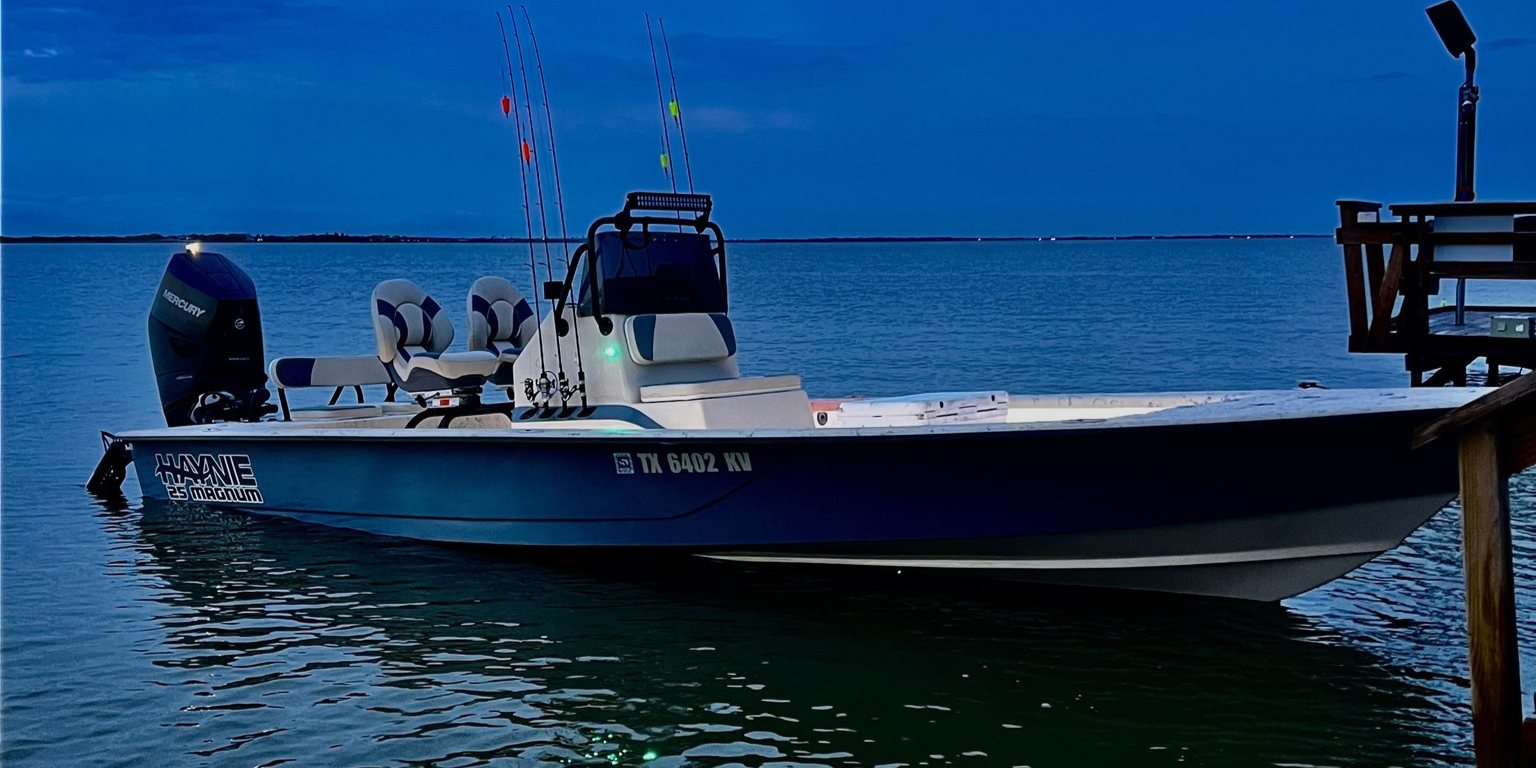
Your day starts early when we meet at the boat ramp, because the best fishing happens when most folks are still hitting the snooze button. Baffin Bay's shallow grass flats and shell reefs come alive at first light, and that's when our fly fishing really shines. You'll be working water that ranges from knee-deep to waist-deep, perfect for sight fishing when conditions allow. The bay's crystal-clear water lets you see fish before they see you – if you know where to look. Our captains will position the boat to give you clean casting lanes while keeping noise to a minimum. This isn't about power fishing or covering tons of water fast. Fly fishing here is about precision, patience, and reading the signs that tell you where the big fish are holding. We provide all the fly rods, reels, and flies you'll need, plus we'll match your tackle to the conditions and what the fish are eating that day. Expect to spend most of your time standing and casting, working the flats methodically while your captain poles or uses the trolling motor to keep you in prime position.
Fly Fishing Techniques & Gear
Baffin Bay fly fishing is all about matching your presentation to what's happening below the surface. We typically fish 8 to 9-weight rods that can handle the wind that comes with this open water, and the line weight gives you the backbone to fight big trout without babying them. Most of our fishing happens with intermediate sinking lines that get your fly down into the strike zone where these fish feed. Popular patterns include Clouser minnows, spoon flies, and shrimp imitations in chartreuse, pink, and white – colors that have been producing here for decades. The technique is usually a slow strip retrieve with pauses, letting the fly sink and flutter like wounded baitfish. When you're sight fishing, it's all about the approach. You'll cast beyond the fish and strip the fly into their field of vision, watching for that telltale flash or the subtle movement that means game on. The grass beds require a different approach than the shell reefs, and our captains will coach you through both scenarios. Wind is almost always a factor, so we'll teach you to cast efficiently and work with the conditions rather than fighting them. The key is staying focused and being ready – when a big trout decides to eat, everything happens fast.
Target Species
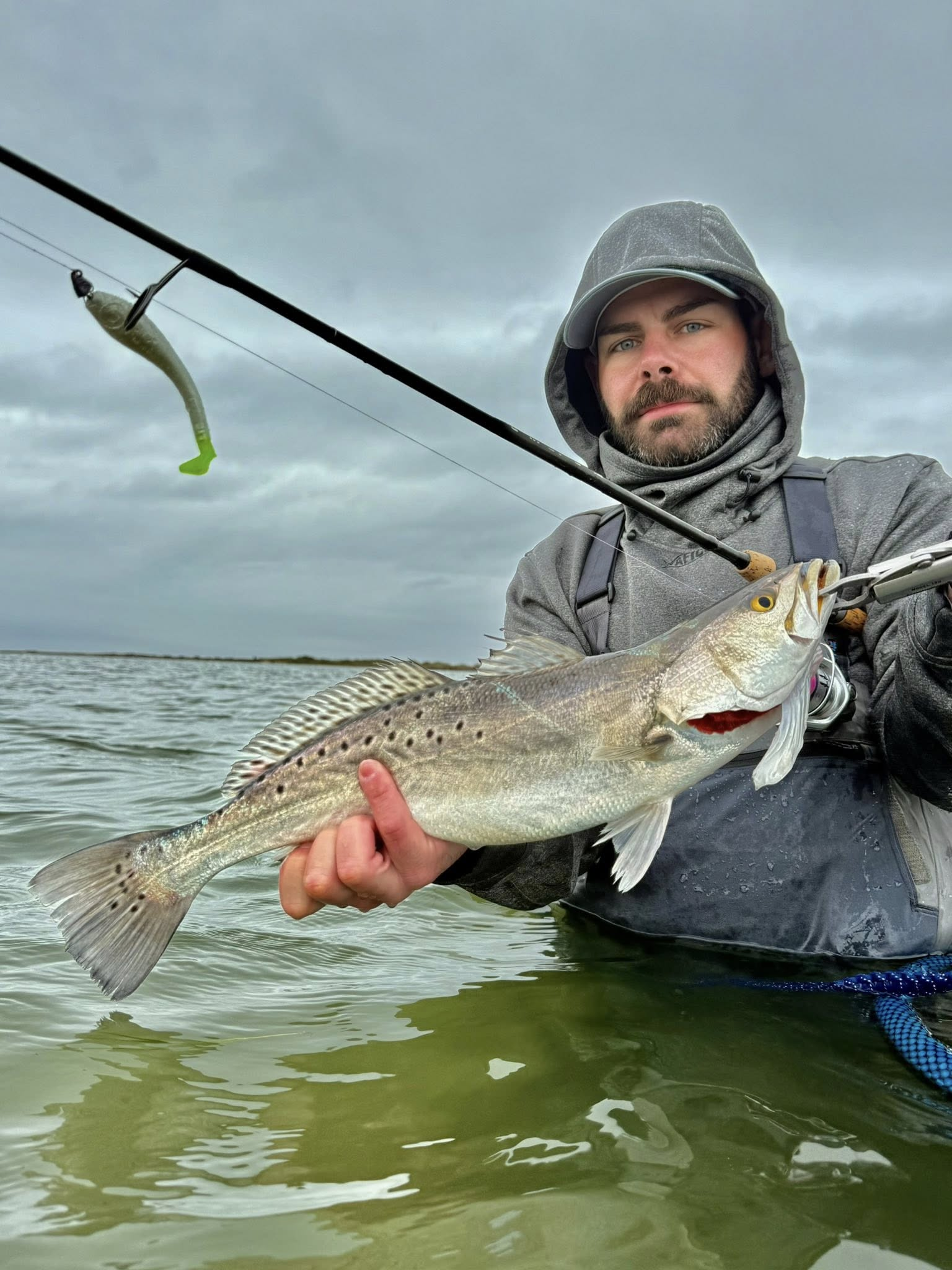
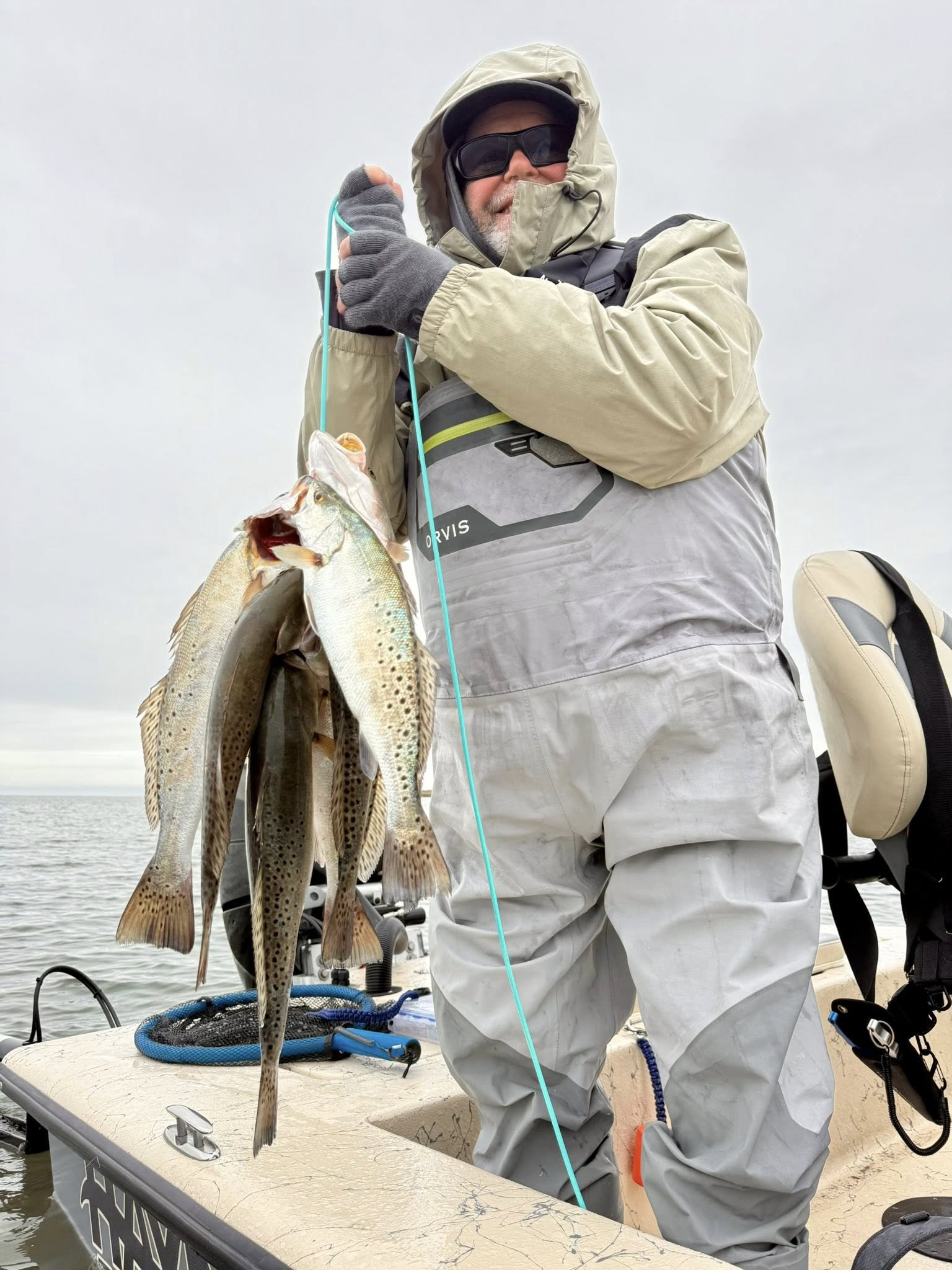
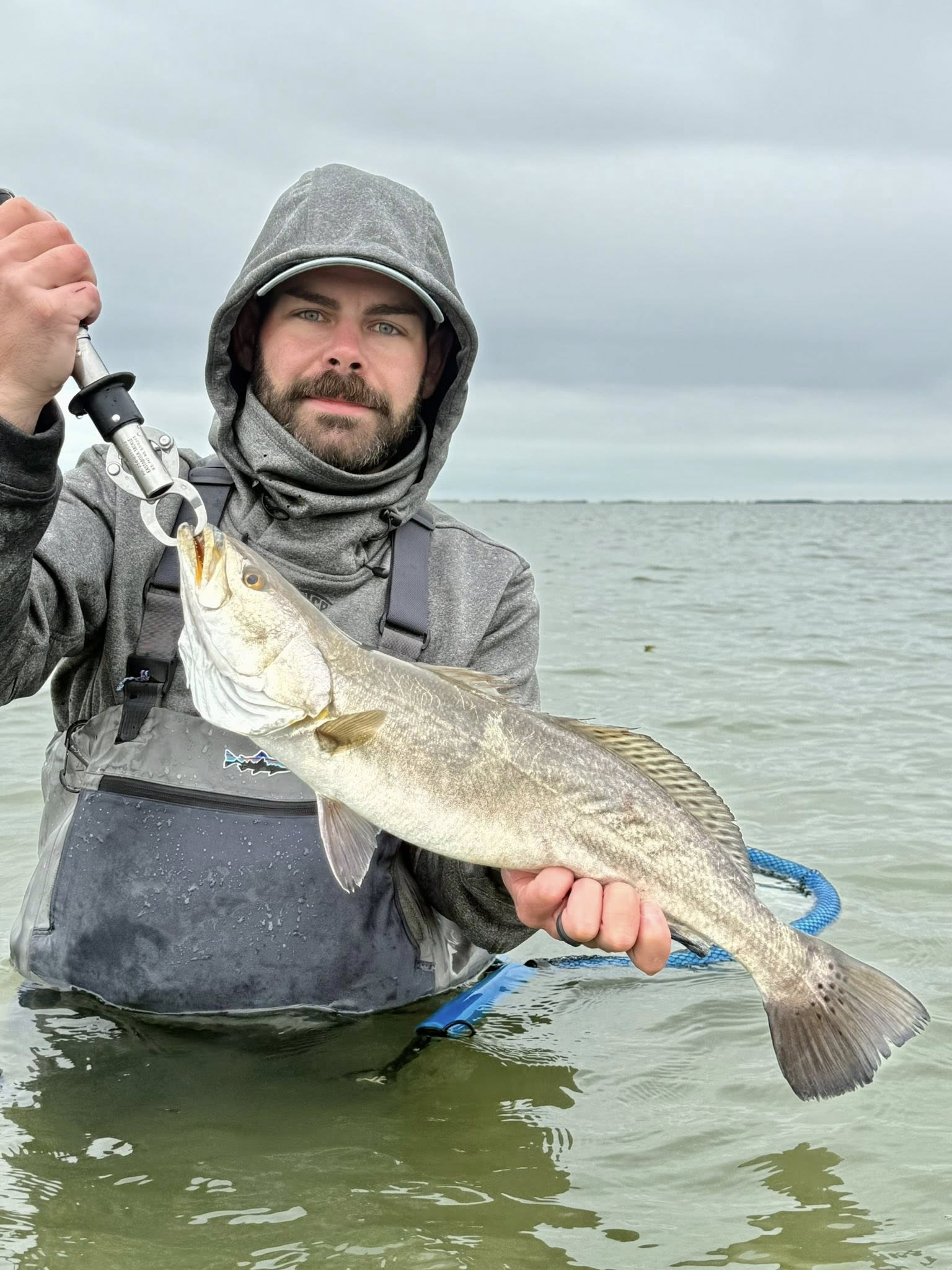
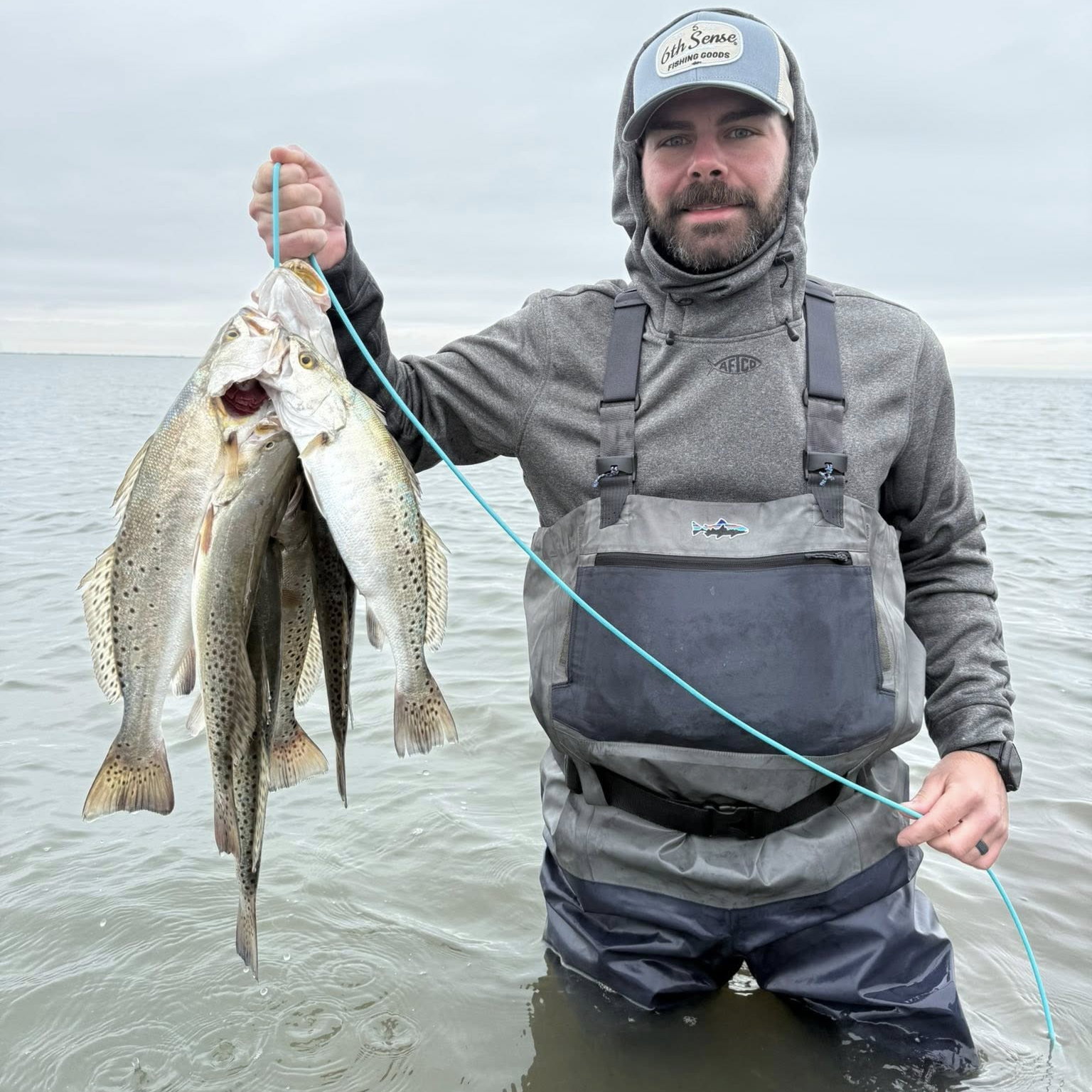
Sea trout are the main event in Baffin Bay, and these aren't your average specks. This bay system produces some of the largest speckled trout in Texas, with fish over 25 inches being caught regularly during peak season. Spring and fall are prime time, when cooler water temperatures get these fish feeding aggressively on the grass flats. What makes Baffin Bay trout special is their size and fight – a 6-pound trout on a fly rod will test your skills and your tackle. They're ambush predators that hold near structure like grass beds and shell reefs, waiting for baitfish to swim by. The hypersaline water in parts of the bay concentrates the food chain, creating perfect conditions for trophy-class fish.
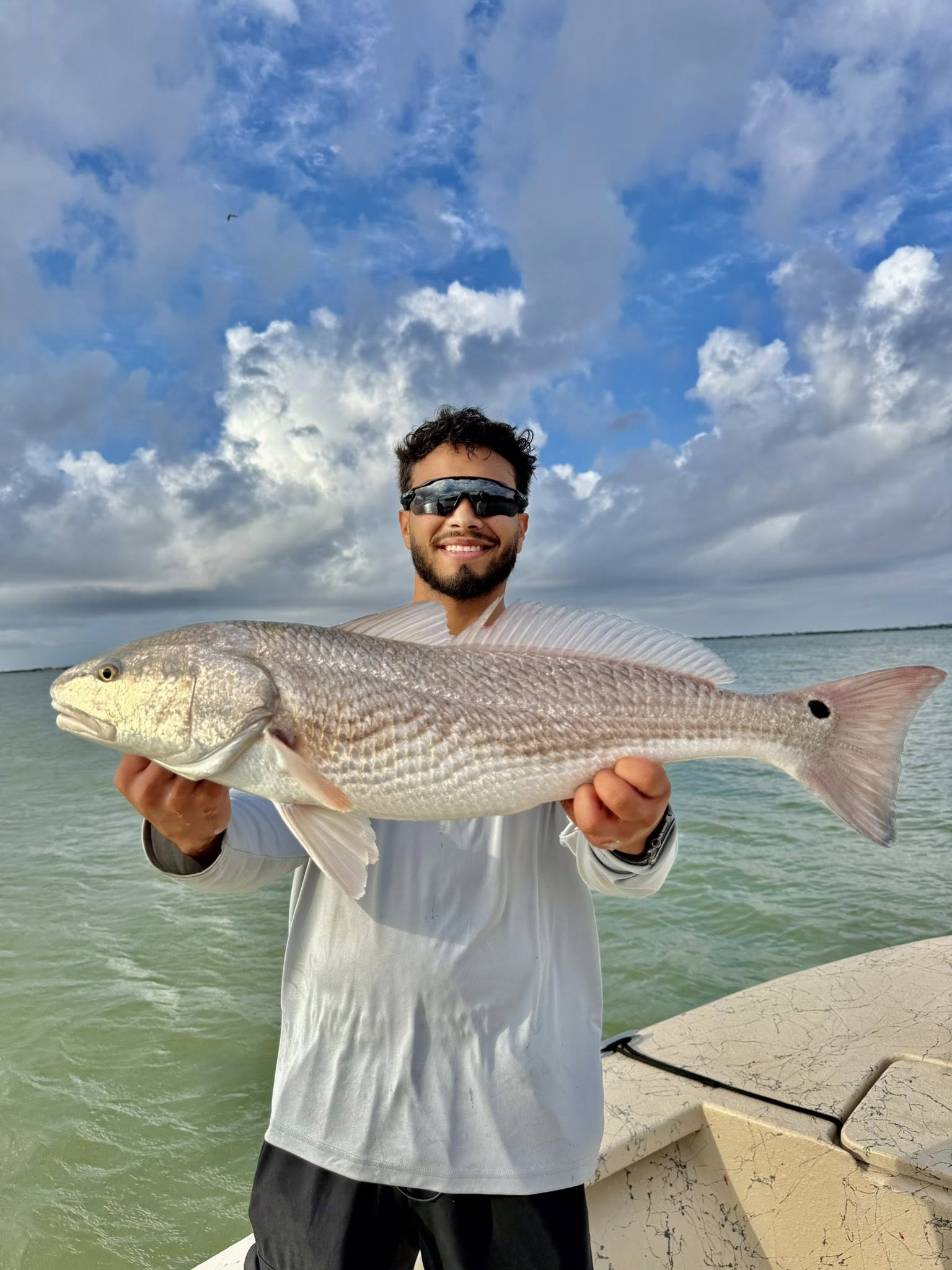
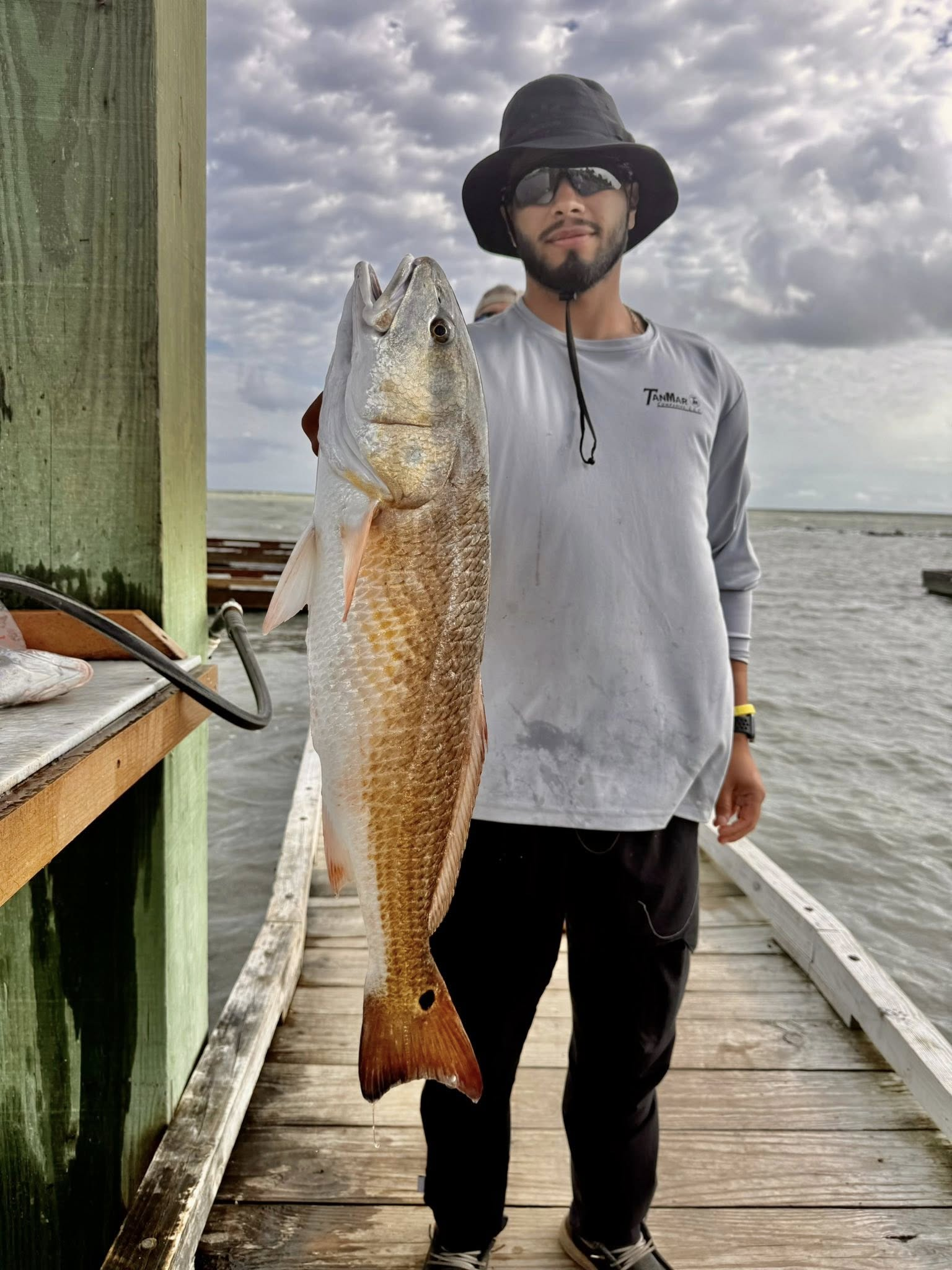
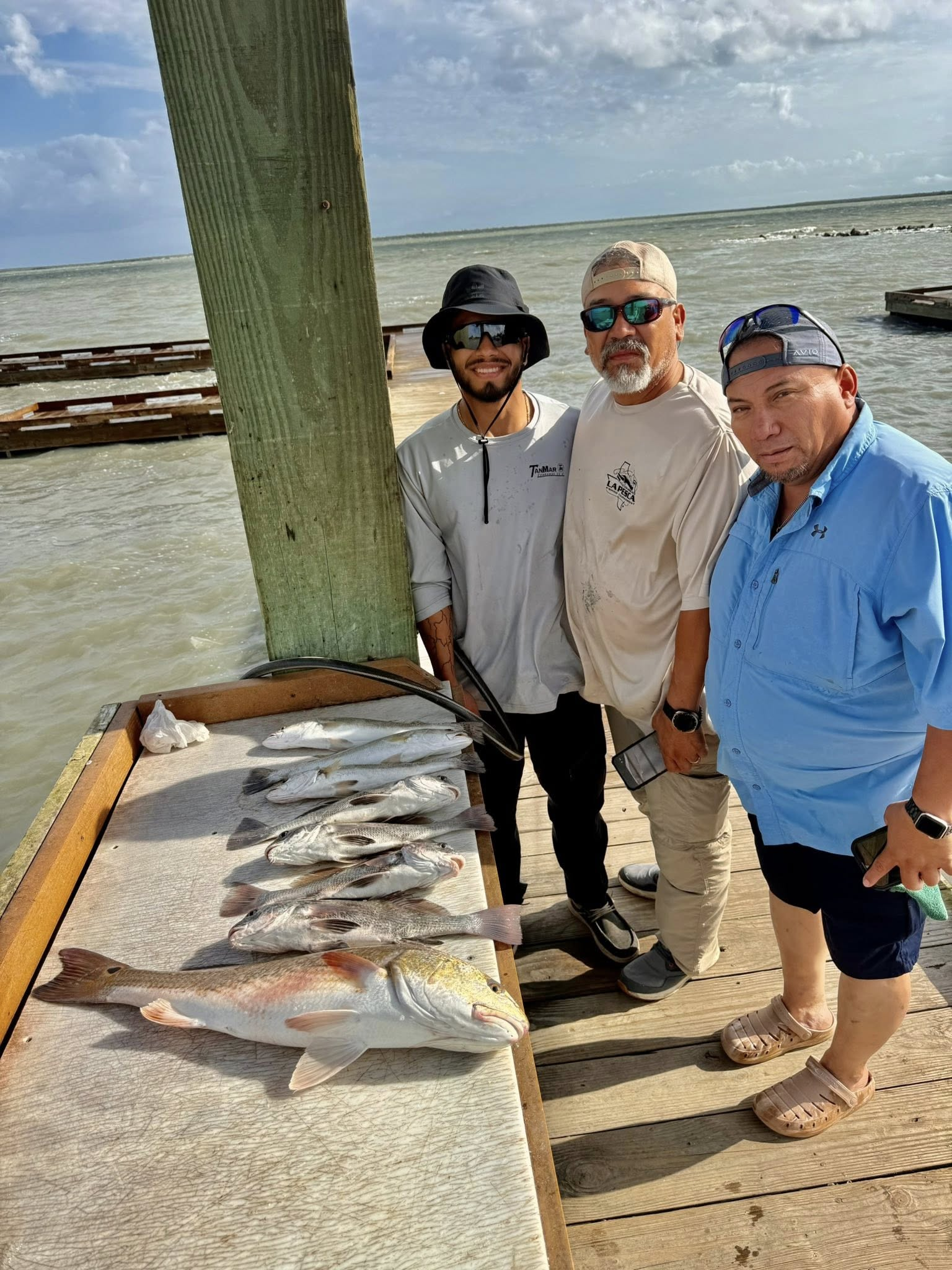
Redfish in Baffin Bay are bulldogs that love the shallow water where fly fishing really shines. These copper-colored fighters typically run 20 to 30 inches and provide some of the most visual fishing you'll find on the Texas coast. They cruise the flats in small schools or as singles, tailing in super shallow water when they're feeding on crabs and shrimp. Summer through early fall gives you the best shot at sight fishing for reds, and watching one turn on your fly in clear water never gets old. They're not as finicky as trout, but they're twice as strong once hooked.
Black drum are the heavyweights of our target species list, with fish ranging from 5 to 40 pounds showing up around the shell reefs and deeper grass beds. These fish are most active during cooler months and are known for their impressive runs and stubborn fighting style. They feed primarily on crabs and shellfish, so crab patterns work well when you can get them down to where the drum are feeding. Landing a big drum on fly tackle is a real accomplishment and something most anglers remember for years.
Summer flounder add variety to your fishing day, especially around sandy areas and channel edges where they ambush small fish. These flatfish typically range from 14 to 20 inches in Baffin Bay, with some reaching doormat proportions. Spring through summer offers the best flounder action, and they're suckers for a well-presented baitfish pattern worked slowly along the bottom. They hit hard and fight with surprising strength for a flatfish.
Sheepshead might be the trickiest fish on this list to catch on fly, but that's what makes them interesting. These black-and-white striped fish hang around structure and have mouths designed for crushing shellfish, so they require precise presentations and quick hook sets. Winter and spring are peak sheepshead season, and catching one on a fly is considered a real achievement among local anglers. They're excellent table fare and provide a technical challenge that keeps experienced fly fishers coming back.
Time to Book Your Spot
 Private Trip
 Inshore Fishing
 Baffin Bay


 Six-hour fly fishing charter targeting trout and redfish