Inshore Fishing In Berlin | 6 Hour Charter
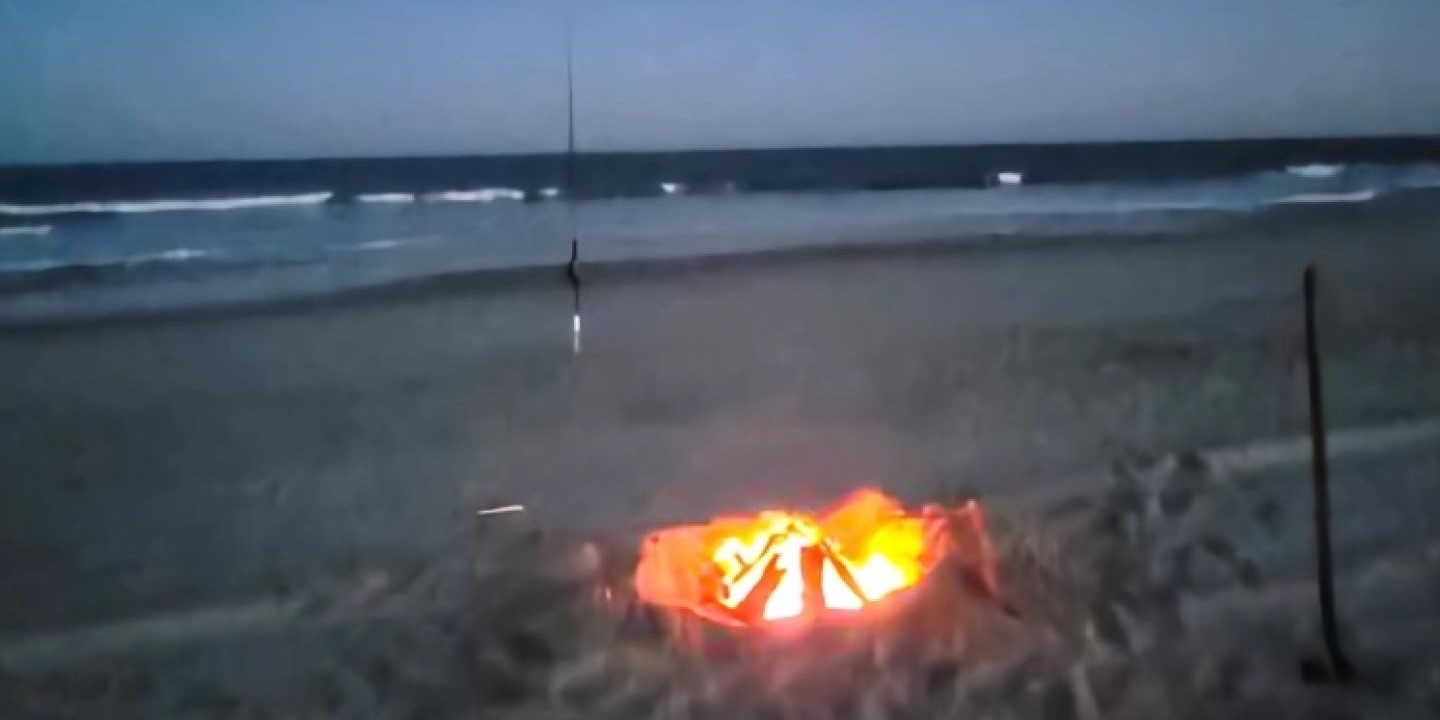
Looking for a family-friendly fishing adventure that won't break the bank? Our 6-hour inshore charter along the scenic waters near Berlin puts you right in the heart of some of the East Coast's most productive fishing grounds. With Assateague Island as your backdrop, you'll spend the day casting lines in shallow bays and protected waters where the fish are biting and the scenery never gets old. We keep groups small at just 5 anglers max, so everyone gets plenty of attention and elbow room. Plus, we've got cold drinks and snacks covered – and if you want to make it extra special, we can set up a beachside bonfire with hotdogs for just $75 more. Trust me, there's nothing like grilling up some dogs while swapping fish stories as the sun sets.
What to Expect on the Water
This isn't your typical deep-sea charter where you're bouncing around in 6-foot swells all day. Inshore fishing means we're working the shallows, back bays, and protected waters where the ride stays smooth and the fish are hungry. We'll cruise along grass flats, work structure like oyster bars and channel edges, and hit the productive zones where baitfish stack up. The whole family can get in on the action – kids do great on these trips because we're not dealing with rough water or complicated deep-drop techniques. You'll be sight-casting to feeding fish, working topwater lures at dawn, and maybe even spotting some rays or dolphins cruising by. The boat stays close enough to shore that you can always see land, which puts nervous first-timers at ease. Weather rarely shuts us down since we can duck into protected water if things get choppy.
Tackle and Techniques
We fish light and keep it fun – no need for heavy tackle when you're working 2-15 feet of water. Most of the time we're using spinning gear loaded with 15-20 lb braid, perfect for feeling every bump and fighting fish in shallow water. Depending on what's biting, we'll run everything from live bait rigs with spot or minnows to artificial lures like spoons, soft plastics, and topwater plugs. The grass flats are perfect for working weedless jigs, while the channel edges call for bottom rigs with circle hooks. I love putting people on topwater action when the conditions are right – there's nothing like watching a big red blow up on a popper in 3 feet of crystal-clear water. We'll adjust techniques throughout the day based on tide, wind, and what the fish want. Some days they're aggressive and hitting anything that moves, other days we need to slow down and finesse them with lighter tackle.
Species You'll Want to Hook
Bluefish are the workhorses of our inshore waters and they're always ready to party. These aggressive feeders travel in schools and when you find them, it's game on. Blues typically run 2-8 pounds in our area, with the occasional chopper pushing double digits. They're most active during moving tides and love to ambush baitfish in the surf and around inlet mouths. What makes blues so much fun is their attitude – they'll hit lures, live bait, even bare hooks sometimes. Kids love them because they fight hard and aren't too picky about presentation.
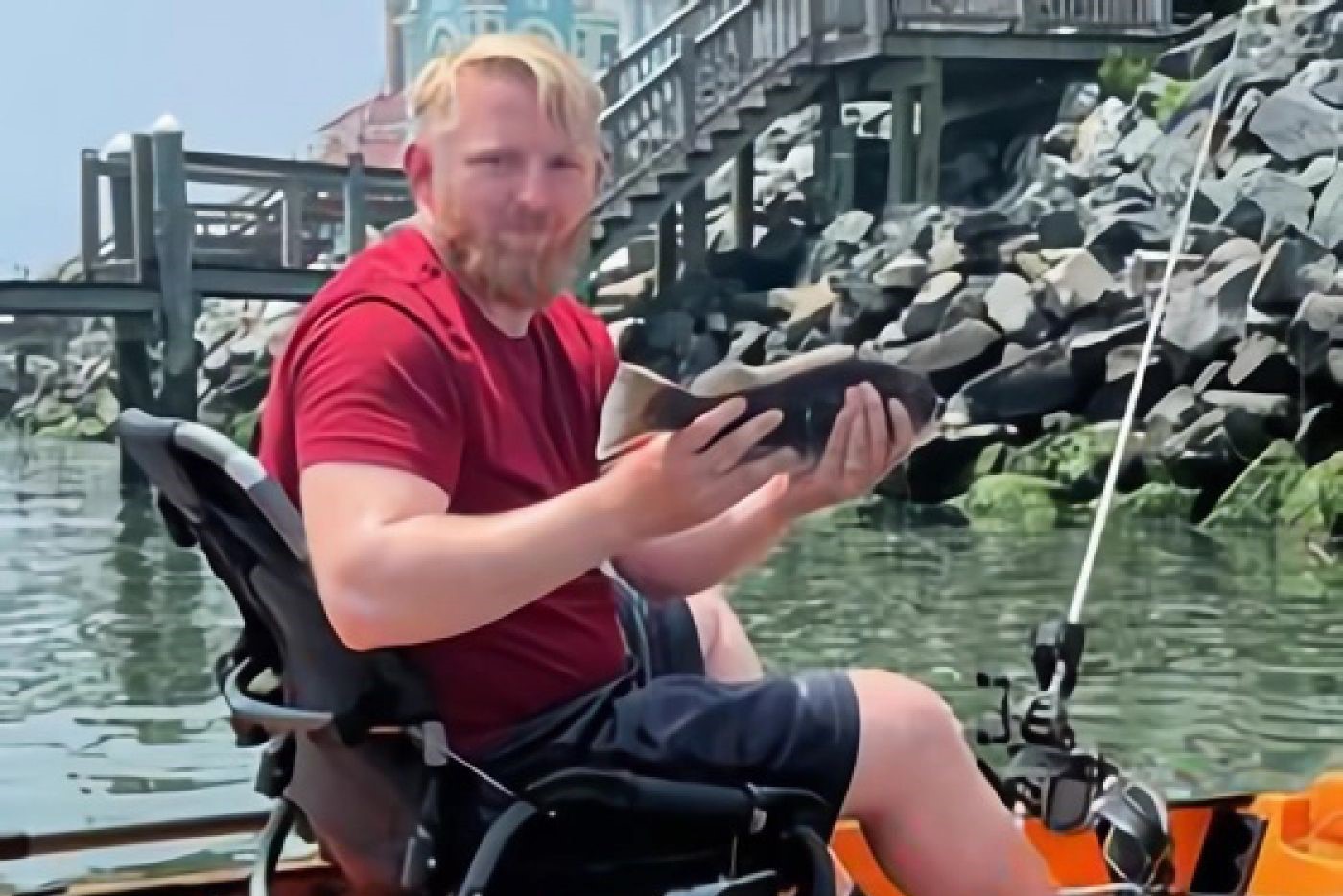
Black Drum are the heavyweights of the flats, and landing a big one is something you'll remember forever. These bottom feeders can push 30-50 pounds, though we catch plenty of smaller "puppy drum" in the 5-15 pound range too. They love working over oyster bars and mud flats, using their pharyngeal teeth to crush crabs and clams. Spring and fall are prime time for the big girls, while smaller drum are around most of the year. They're not flashy fighters like reds, but they'll put a serious bend in your rod with their bulldogging runs.
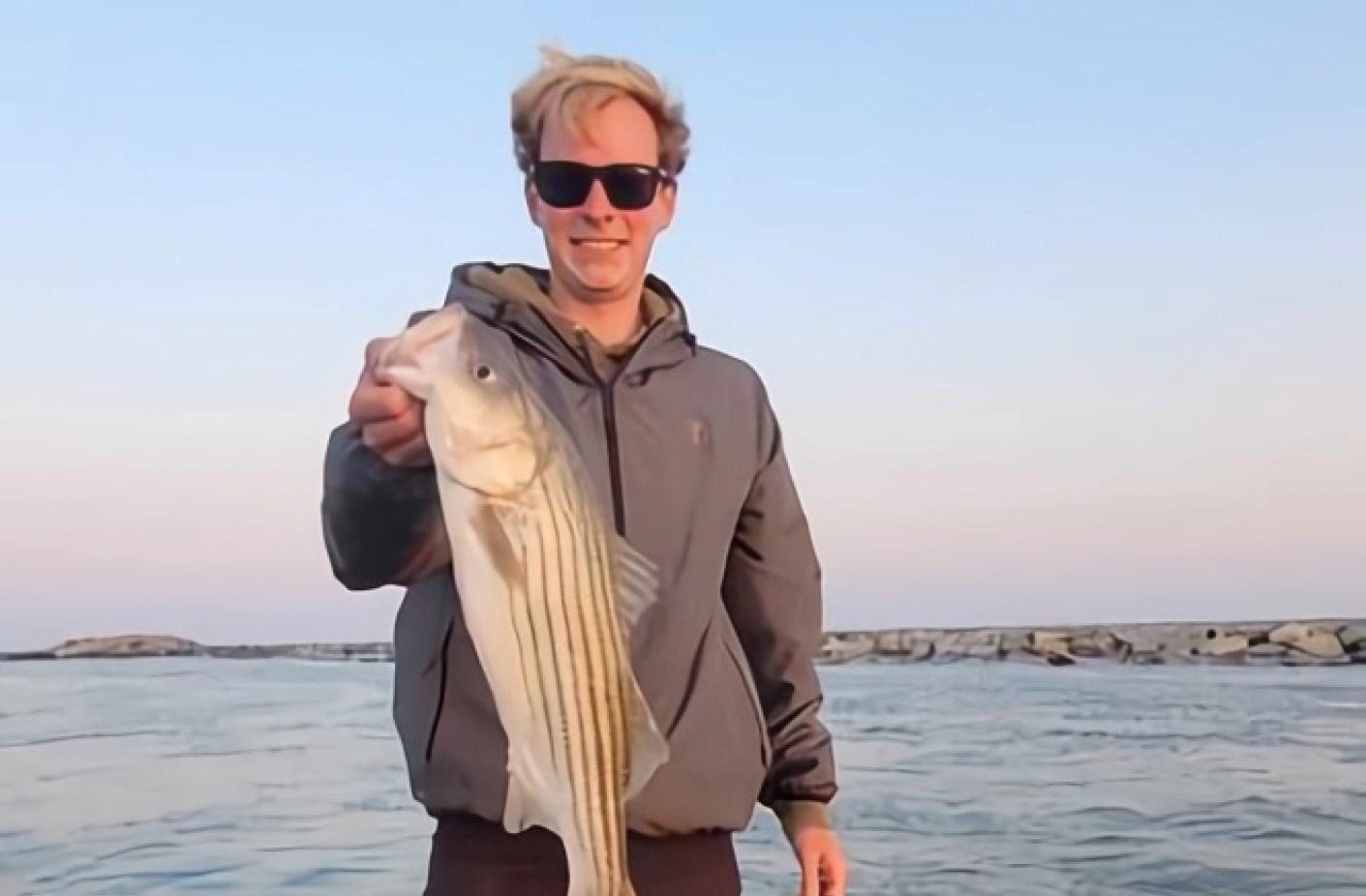
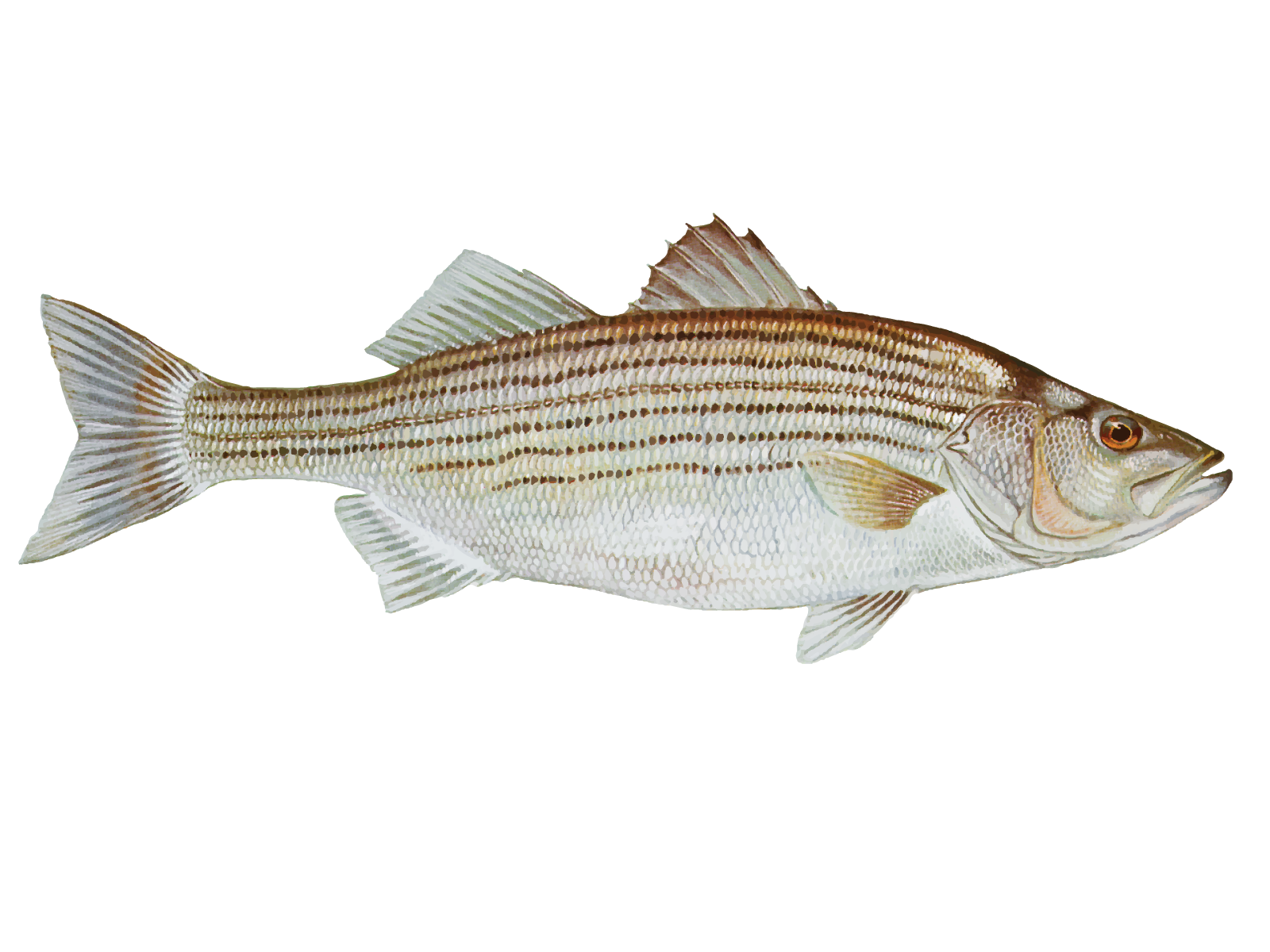
Striped Bass are the crown jewel of East Coast fishing, and our inshore waters see good runs during their spring and fall migrations. School fish in the 18-28 inch range are common, with the occasional keeper over 28 inches. Stripers are structure-oriented fish that love channel edges, bridge pilings, and rocky areas. They're also one of the smartest fish we target, so matching the hatch and proper presentation matter. Early morning topwater action can be absolutely electric when they're feeding on the surface.
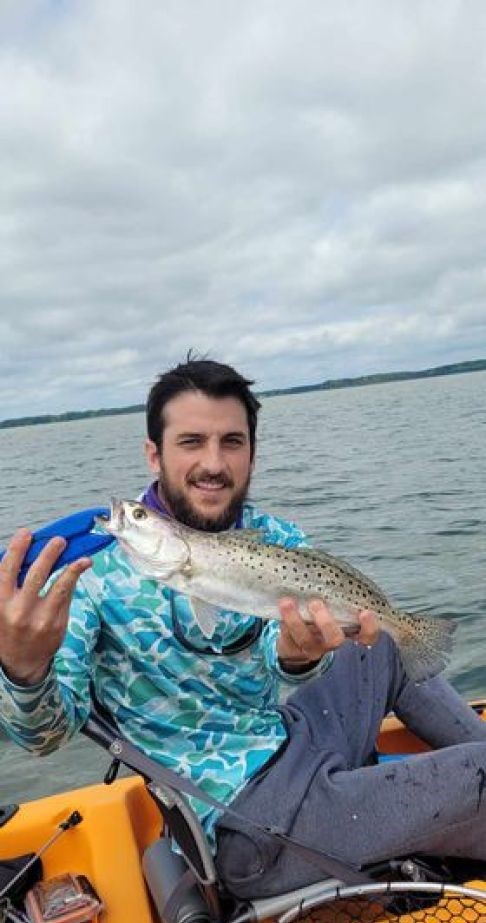
Sea Trout, or "specks" as we call them locally, are beautiful fish that love our grass flats and shallow bays. Most run 12-20 inches with their distinctive spotted sides and soft mouths that require a gentle touch. They're sight feeders that respond well to live shrimp and soft plastic lures worked slowly over the bottom. Speckled trout are also some of the best eating fish we catch, with flaky white meat that's perfect for the dinner table.
Redfish are the poster child of inshore fishing, and for good reason. These copper-colored bruisers love shallow water and put up incredible fights in skinny water where they can't sound deep. Slot-size reds typically run 18-27 inches, though we see plenty of oversized "bull reds" that have to go back. They're year-round residents that school up heavily in fall, creating some of the most exciting fishing of the season. Reds will eat just about anything, but they're suckers for cut bait and paddle-tail soft plastics worked near the bottom.
Time to Book Your Spot
Look, I've been guiding these waters for years, and I can tell you that our 6-hour inshore trips consistently deliver the goods. Whether you're introducing kids to fishing, planning a family outing, or just want to catch some fish without the expense and rough ride of offshore fishing, this is your trip. The combination of productive fishing, beautiful scenery, an
 Private Trip
 Inshore Fishing
 Berlin, MD


 Six-hour inshore fishing charter along Assateague Island shores