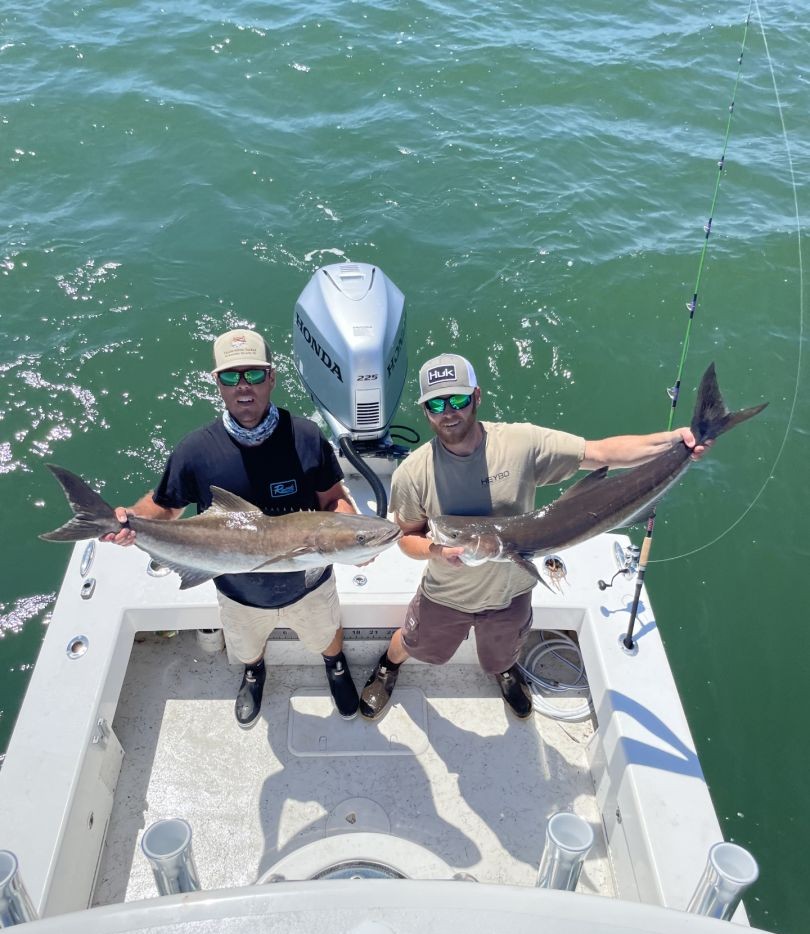
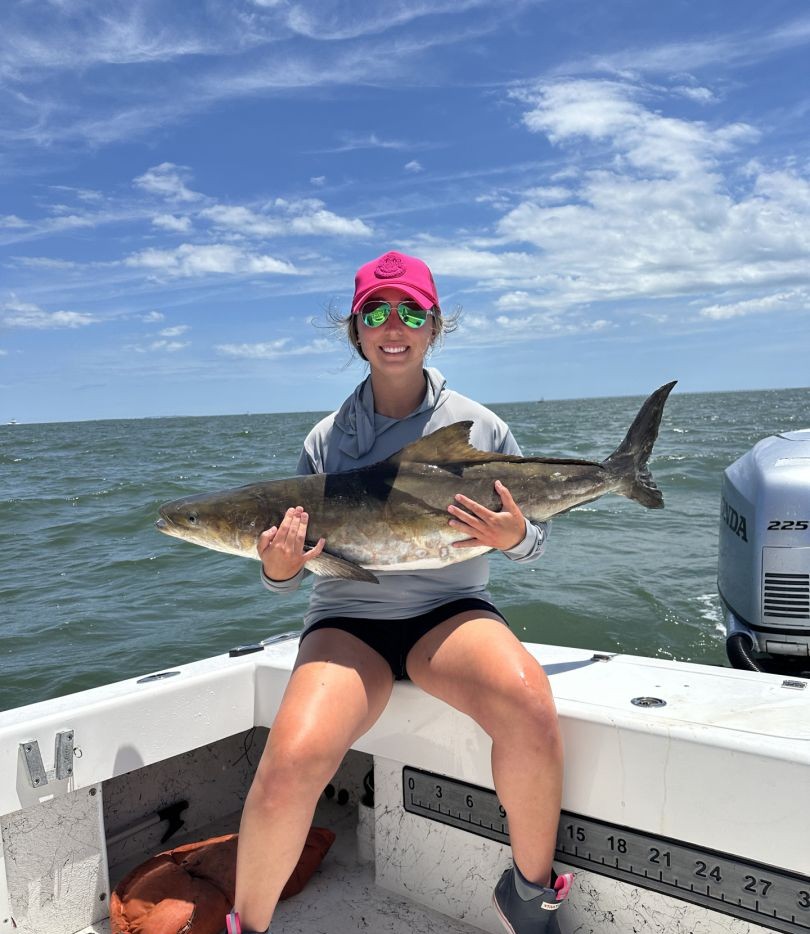
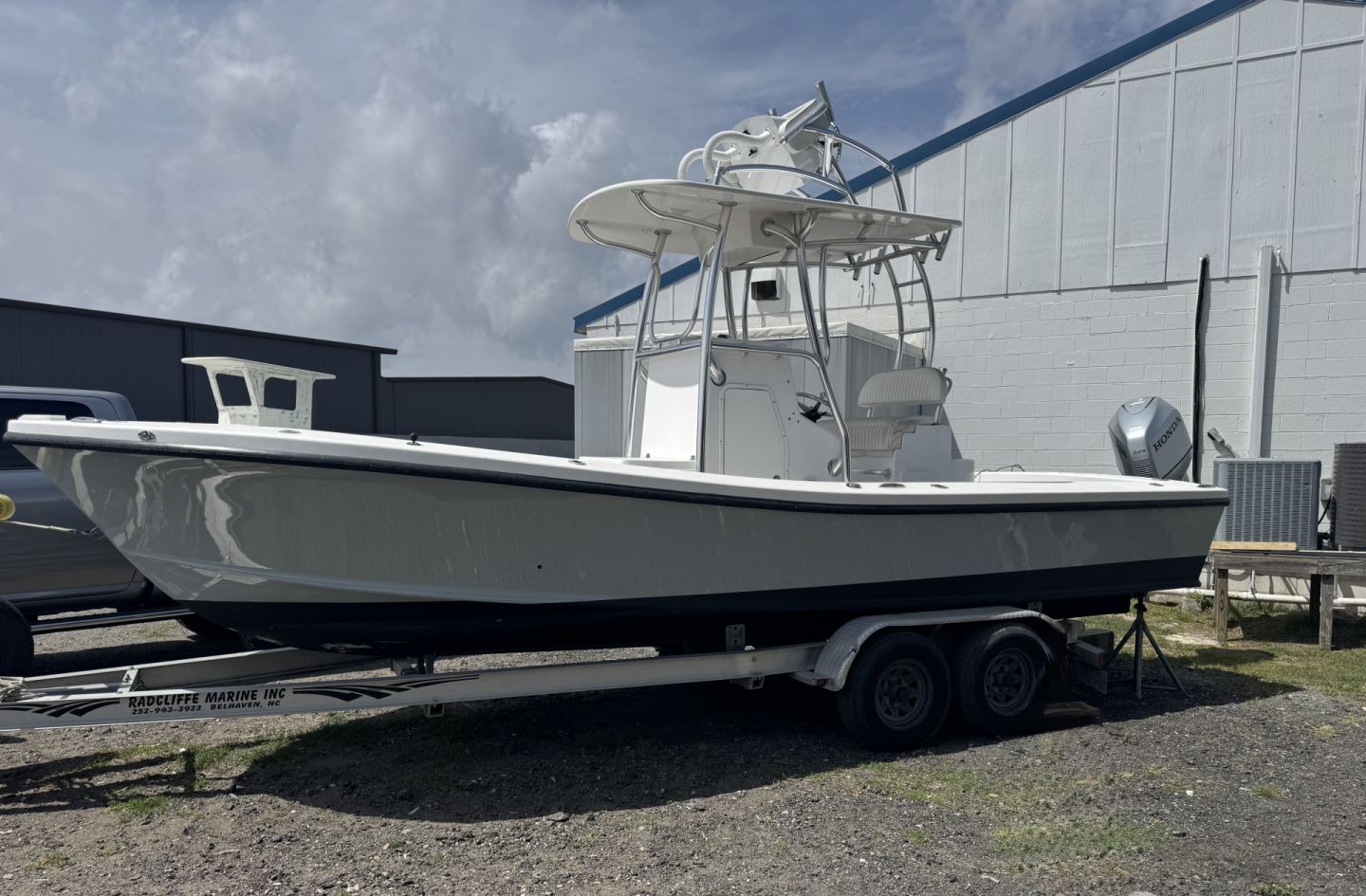
Full-Day Chesapeake Bay Mixed Species Charter
The Chesapeake Bay's fall fishing is something special – cooler water temps push baitfish into predictable patterns, and the gamefish follow right behind them. This full-day inshore charter with Bay Bound Charters puts you right in the thick of it, targeting speckled trout, redfish, and striped bass across the bay's most productive inlets and tributaries. We're talking about a legitimate mixed bag opportunity where you never know what's going to slam your lure next. With departures from various local marinas depending on where the bite is hottest, you'll spend maximum time fishing and minimal time running to spots.
What to Expect on the Water
This isn't your typical charter where you hit one spot and hope for the best. Your captain scouts daily based on seasonal patterns, tide movement, and recent fish activity – that's the difference between a good day and an epic day on the Chesapeake. Fall is hands-down one of the most consistent seasons here, as dropping water temperatures concentrate fish in specific feeding zones. You'll work everything from shallow flats where redfish cruise to deeper channel edges where stripers ambush baitfish. The beauty of this trip is the variety – one minute you're sight-casting to tailing reds, the next you're working structure for hefty tautog. With space for up to four anglers, there's plenty of room to spread out and work different techniques without getting tangled up.
Techniques & Tackle Setup
Your captain comes equipped with everything needed to match the conditions and your skill level. We're talking both artificial lures and live bait options, because some days the fish want that perfect soft plastic presentation, other days they're crushing live spot or finger mullet. You'll work channel edges with jigs, cast topwater plugs over shallow structure, and drift live bait along current breaks – whatever it takes to put fish in the boat. The key spots include grass flats where speckled trout hold, rocky structure where tautog stack up, and current seams where stripers patrol. Techniques get adjusted throughout the day based on what's producing, and your guide will have you dialed in whether you're a seasoned angler or picking up a rod for the first time. Light tackle is the name of the game here – you'll feel every head shake and run these Chesapeake Bay gamefish are famous for.
Top Catches This Season
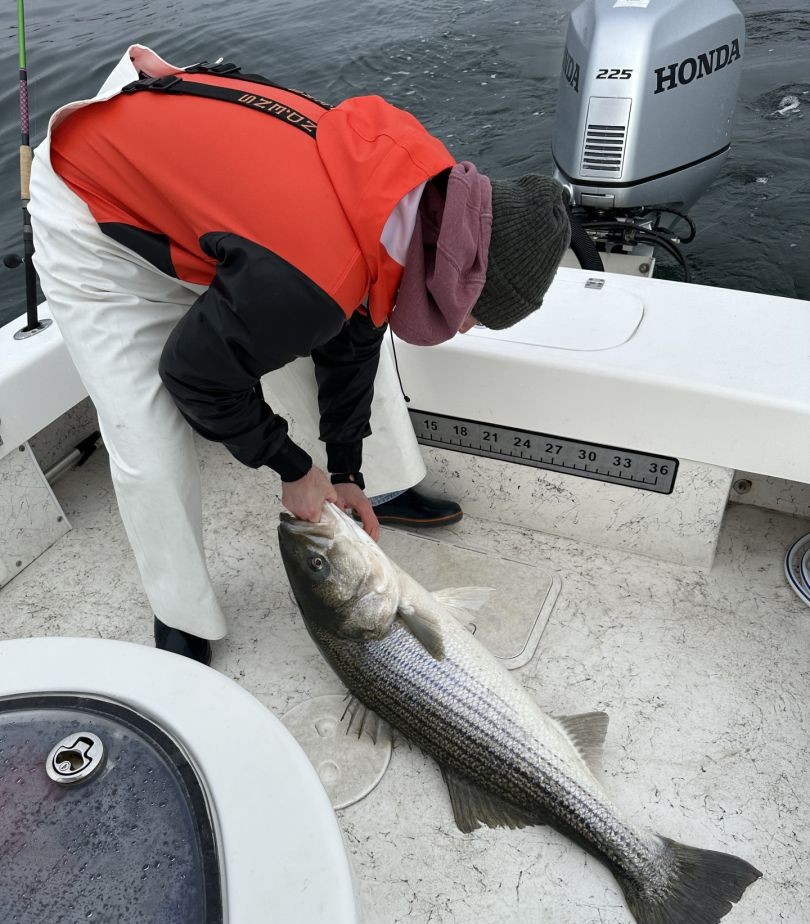
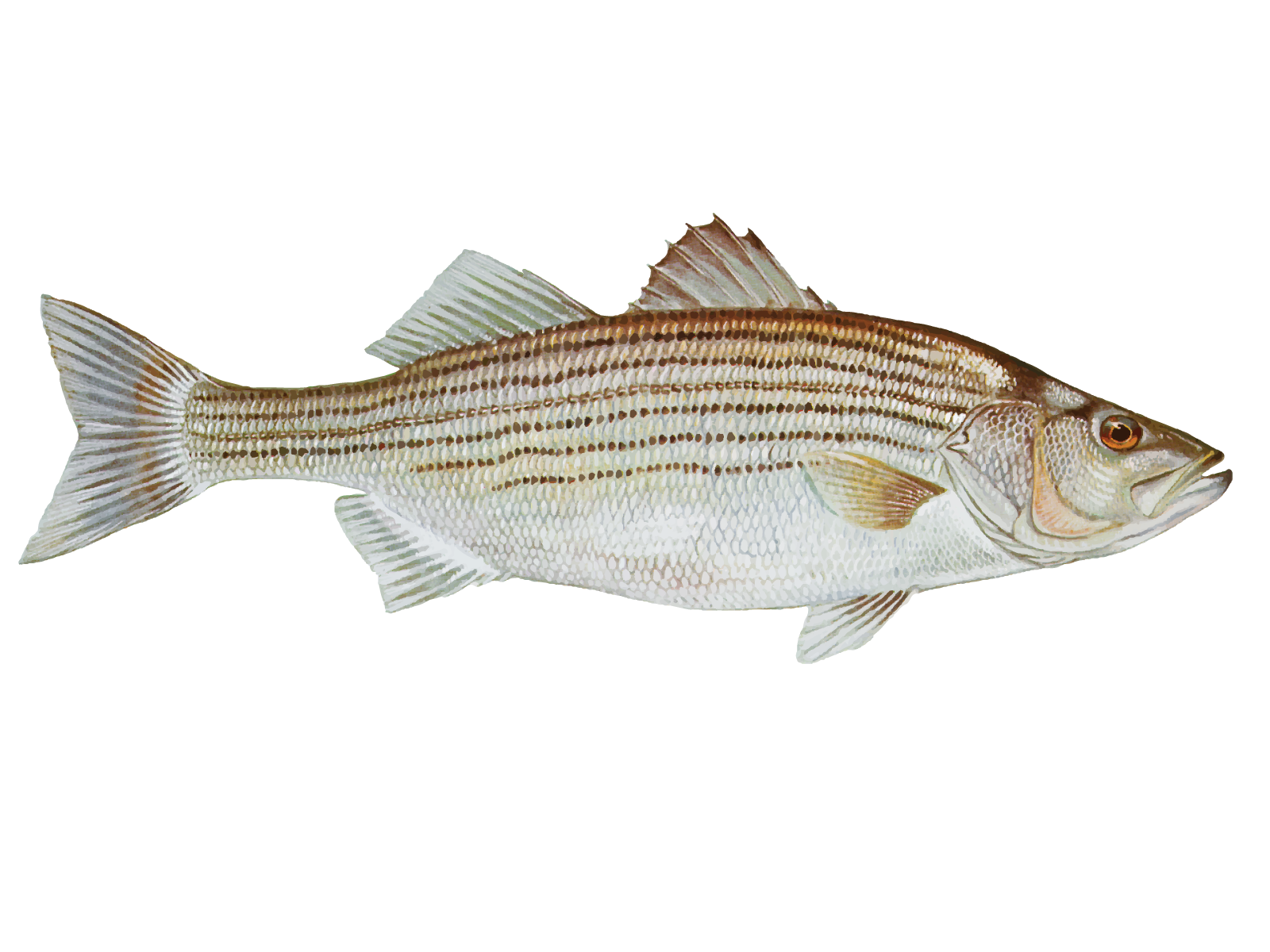
Striped Bass: The Chesapeake Bay's most famous resident, and for good reason. Fall stripers are thick-bodied and aggressive as they feed heavily before winter. These fish range from schoolie size up to genuine cows pushing 30+ inches. They love current breaks, bridge pilings, and anywhere baitfish get pushed by the tide. What makes stripers so addictive is their fight – they'll make screaming runs and jump clear out of the water. Best action typically happens during moving water, especially the last two hours of incoming tide.
Speckled Trout: Also called spotted seatrout, these are arguably the most beautiful fish swimming in the Chesapeake. Their silver sides covered in distinct black spots make for great photos, but it's their delicate bite and acrobatic jumps that keep anglers coming back. Fall specks average 14-18 inches and hold over grass beds and sandy flats. They're structure-oriented fish that love oyster bars and channel drop-offs. The bite is often subtle – more of a tick than a slam – so staying in touch with your lure is critical.
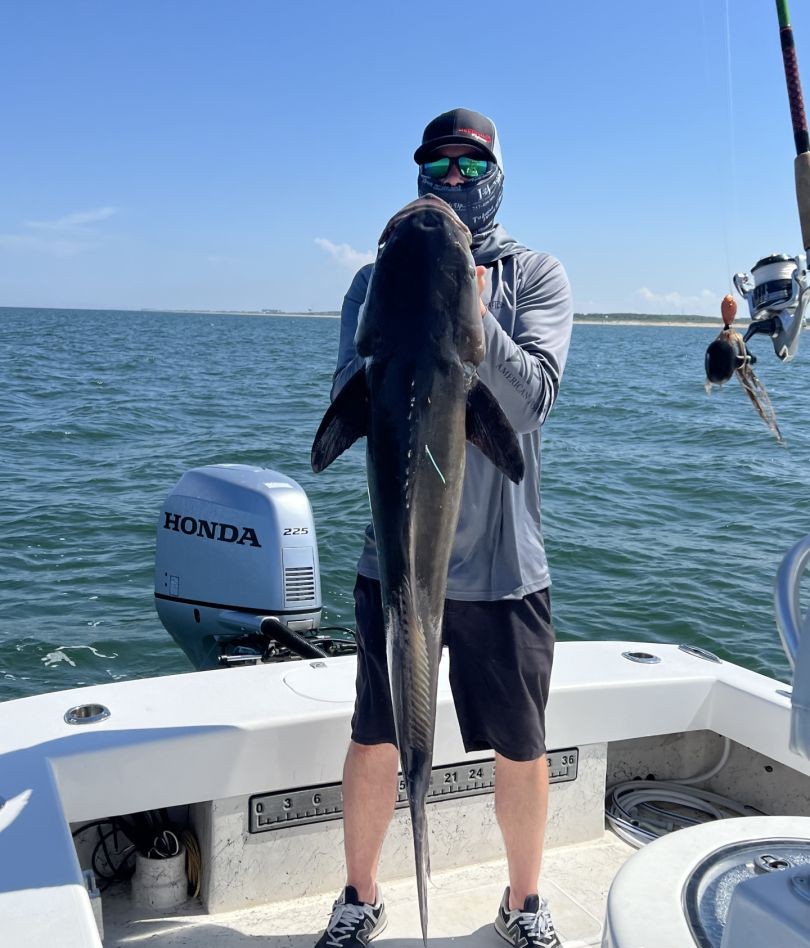
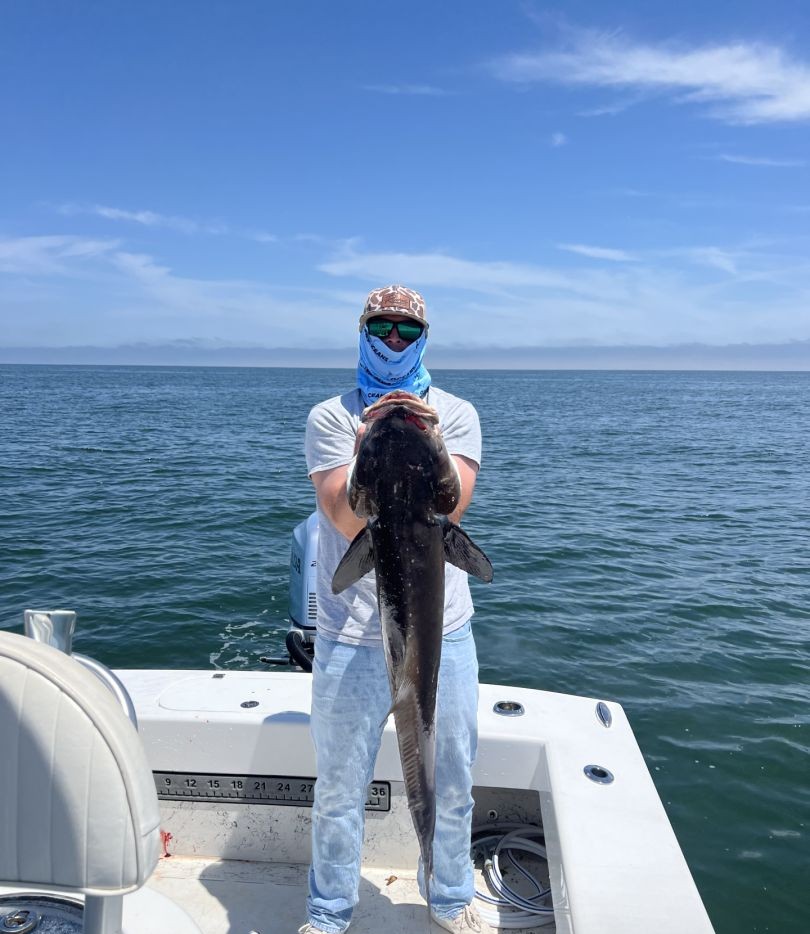
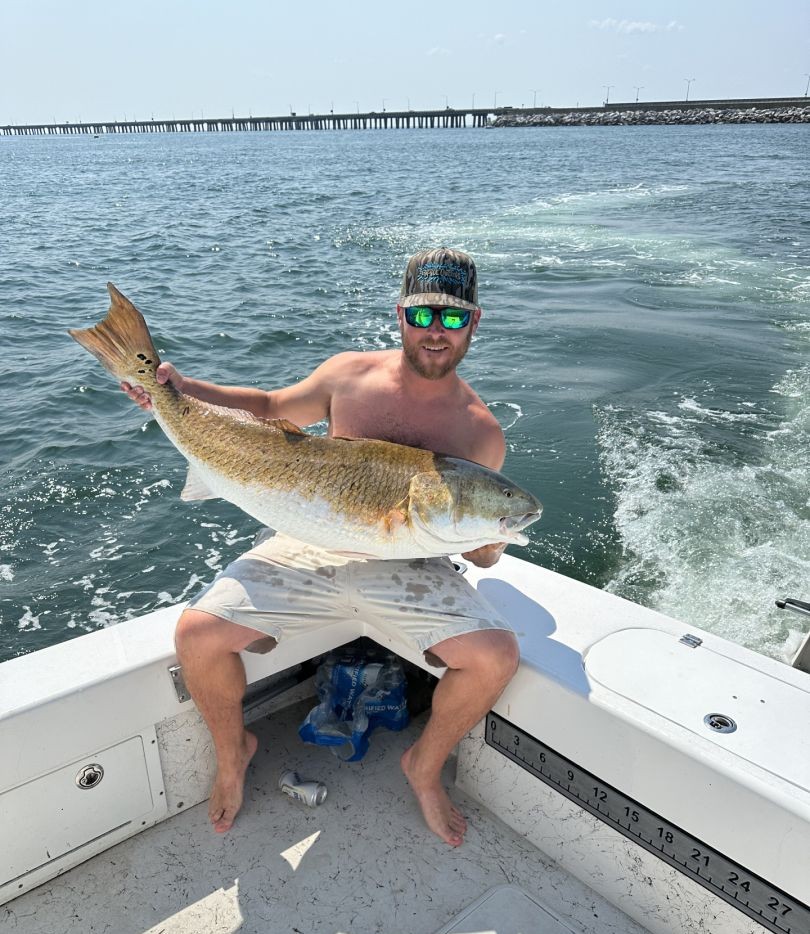
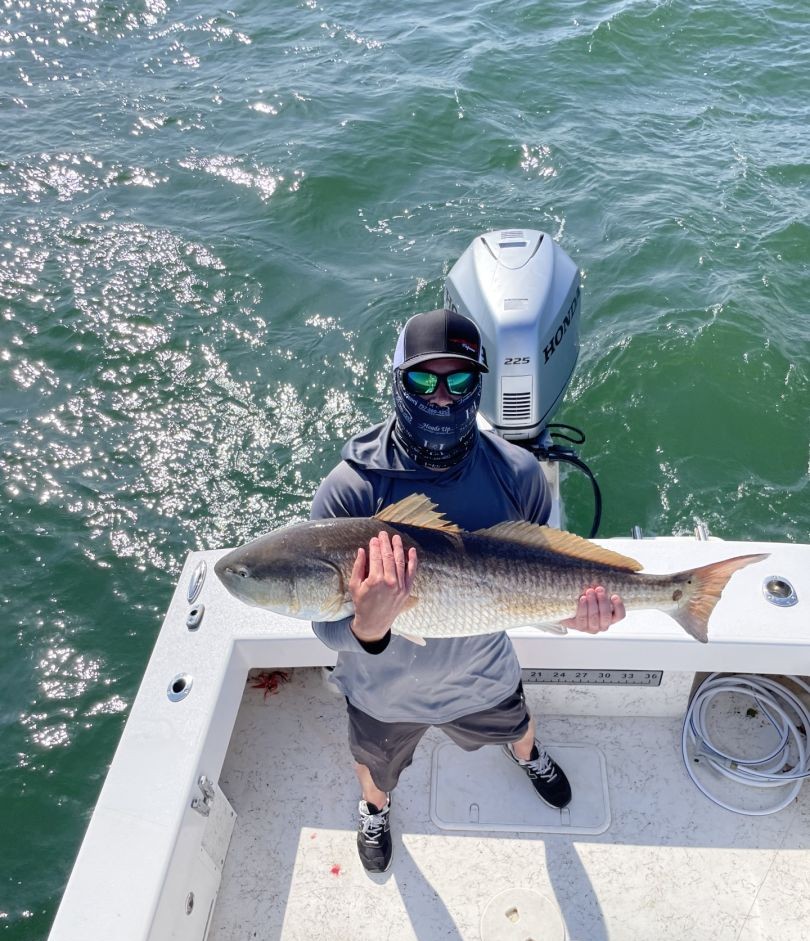
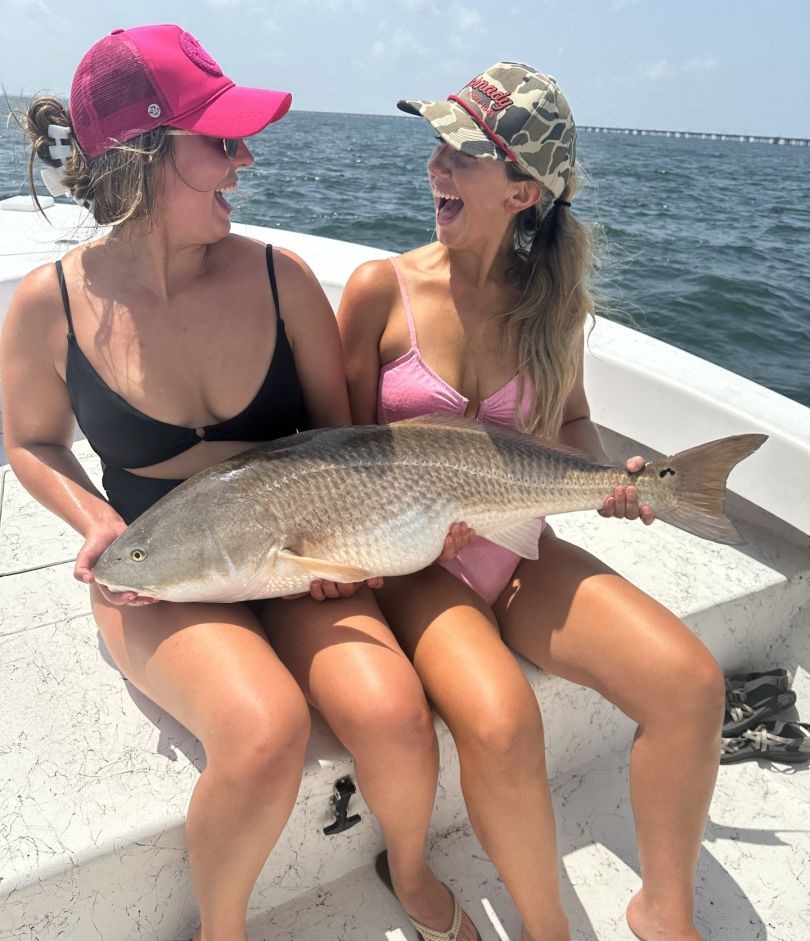
Redfish: Red drum are the bull-dozers of the shallows, and fall brings some of the year's best action. These copper-colored bruisers push into skinny water to feed on crabs and shrimp, often with their backs and tails visible above the surface. Slot-size reds typically run 18-27 inches, but oversized fish over 27 inches provide tackle-testing battles before being released. What makes redfish special is their power – they'll strip line and bulldoze toward any structure they can find. Sight-casting to tailing reds in two feet of water is as good as fishing gets.
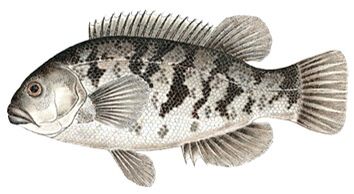
Tautog: These knuckle-dragging bottom dwellers are the heavyweights of structure fishing. Tautog, or blackfish, stack up around oyster bars, rock piles, and bridge pilings throughout the fall months. They're not pretty, but they fight like freight trains and make excellent table fare. Most fish run 2-4 pounds, but double-digit tautog prowl the deeper structures. The challenge with tog fishing is their lightning-fast bite – you've got to stay alert and set the hook immediately when you feel that tap.
Bluefish: When the bluefish are blitzing baitfish on the surface, it's pure chaos – and pure fun. These toothy predators travel in schools and feed aggressively throughout the fall. Chesapeake blues typically range from cocktail size up to hefty choppers pushing 5+ pounds. They'll hit almost anything you throw at them, making them perfect for beginners, but their razor-sharp teeth require wire leaders and careful handling. When you find a bluefish school, the action can be fast and furious with multiple hookups.
Time to Book Your Spot
This full-day Chesapeake Bay charter delivers exactly what serious anglers want – variety, action, and the chance at multiple species in one trip. Bay Bound Charters has dialed in the fall patterns, and their local knowledge shows in the quality of fishing spots you'll hit. Whether you're after that slot redfish, a personal-best speckled trout, or just want to bend rods all day, this mixed species charter covers all the bases. The Chesapeake Bay's fall bite won't last forever, and prime dates fill up fast with returning customers who know
 Private Trip
 Flats/Shallows Fishing
 Chesapeake Bay


 Target speckled trout, redfish, and striped bass inshore