Redfish Fishing Trip - Jacksonville Waters
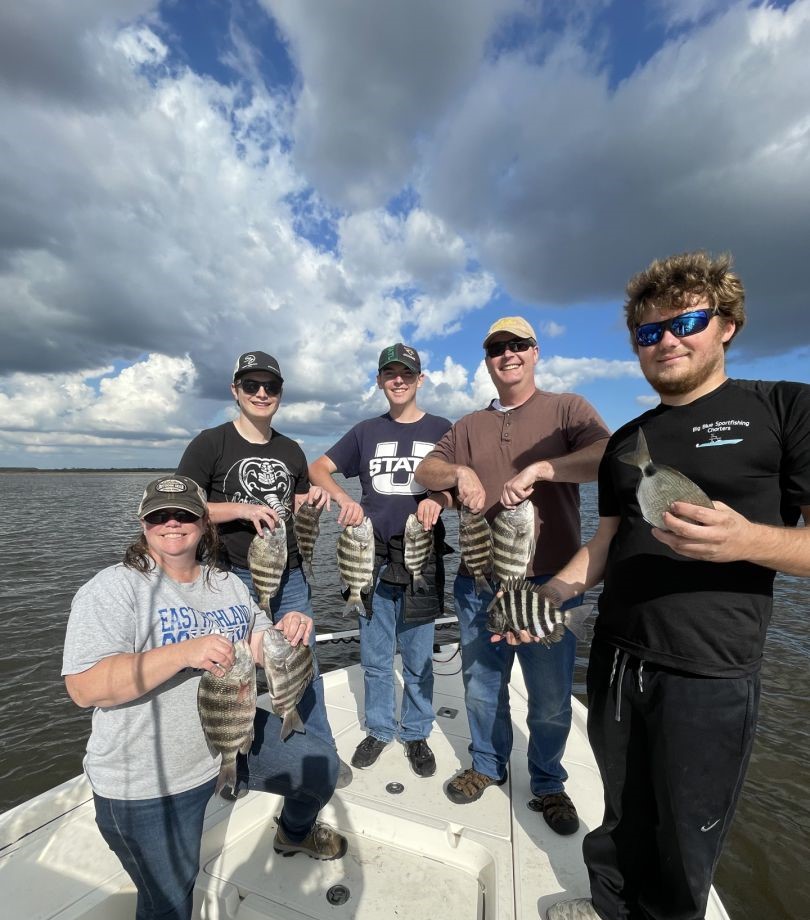
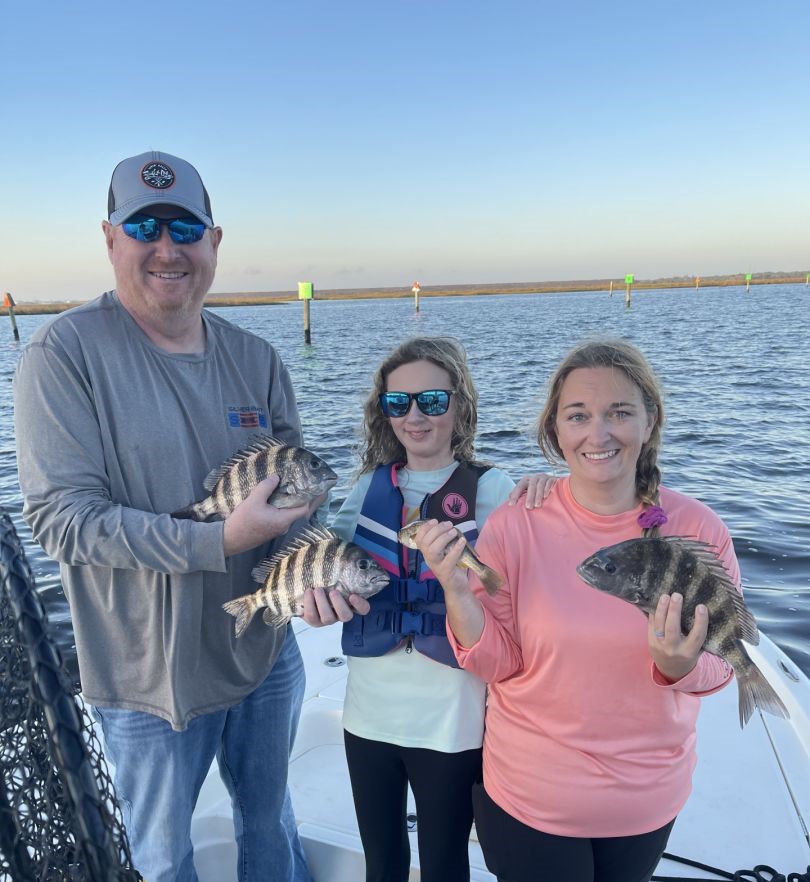
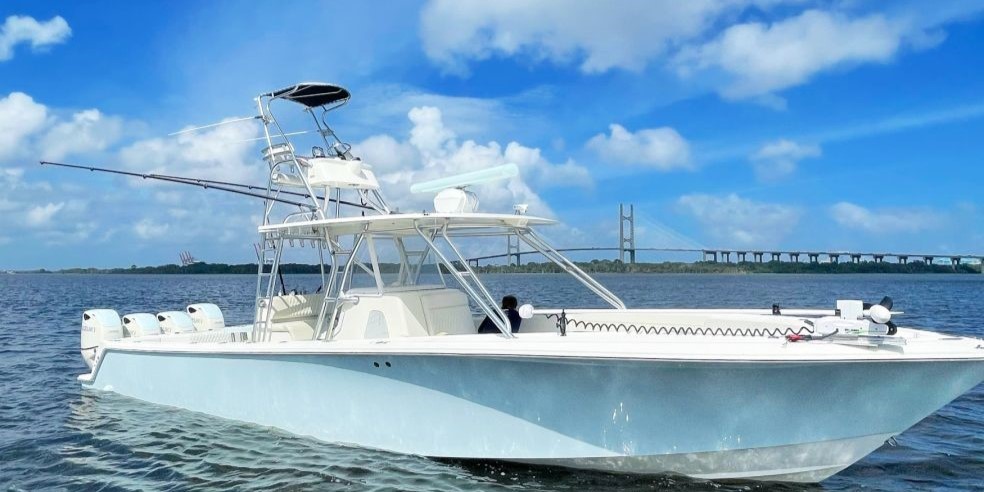
Jacksonville's inshore waters hold some of Florida's most consistent redfish action, and our targeted trips put you right where these copper-backed fighters hang out. Big Blue Sportfishing Charters runs these specialized redfish adventures from September through mid-November, when the fish stack up in the shallows and feed aggressively. You'll fish with experienced local guides who know exactly where to find bull reds and the occasional tarpon that cruise these same flats. We keep groups small at six anglers max, so everyone gets plenty of rod time and personalized instruction. Whether you're new to sight fishing or you've been chasing reds for years, these Jacksonville backwaters deliver the kind of fishing that keeps people coming back season after season.
What to Expect on the Water
Your day starts early when the morning light hits the water just right for spotting fish. We'll run out to the productive flats and creek mouths where redfish patrol for bait, and you'll see why Jacksonville's inshore fishery has such a solid reputation. The boat stays in skinny water most of the day - sometimes just two or three feet deep - where you can actually watch the fish before you cast to them. Your guide will pole the boat quietly through the grass beds and oyster bars, pointing out cruising reds and explaining how to read the water. The fishing style changes throughout the day based on tides and fish behavior, but expect a mix of sight casting and working structure. Between September and November, the water temperature drops just enough to fire up the bite, and you'll find fish in places that stayed empty all summer. Don's forget sunglasses and a hat - you'll be doing a lot of looking, and polarized lenses make all the difference when you're trying to spot a red's back in three feet of water.
Tackle and Techniques
We fish primarily with spinning gear spooled with 15 to 20-pound braid, perfect for the structure-heavy environment where these fish live. Your guide will have rods rigged with everything from topwater plugs to soft plastics, depending on what the fish want that day. Gold spoons work magic here when reds are schooled up and competitive, while soft baits like paddle tails and jerk shads shine when fish are spooky or feeding selectively. Live bait fishing with shrimp or finger mullet produces consistent results, especially around dock pilings and creek bends where big reds like to ambush prey. The key technique is learning to cast accurately and quietly - you'll often have one shot at a fish before it moves on. Your guide will teach you how to lead a moving redfish and how to work lures through oyster bars without hanging up constantly. We also carry heavier tackle for tarpon encounters, since these silver kings show up unexpectedly and can easily destroy light redfish gear. Most of the fishing happens in water shallow enough to see bottom, so stealth and precise presentations matter more than raw power.
Target Species Breakdown
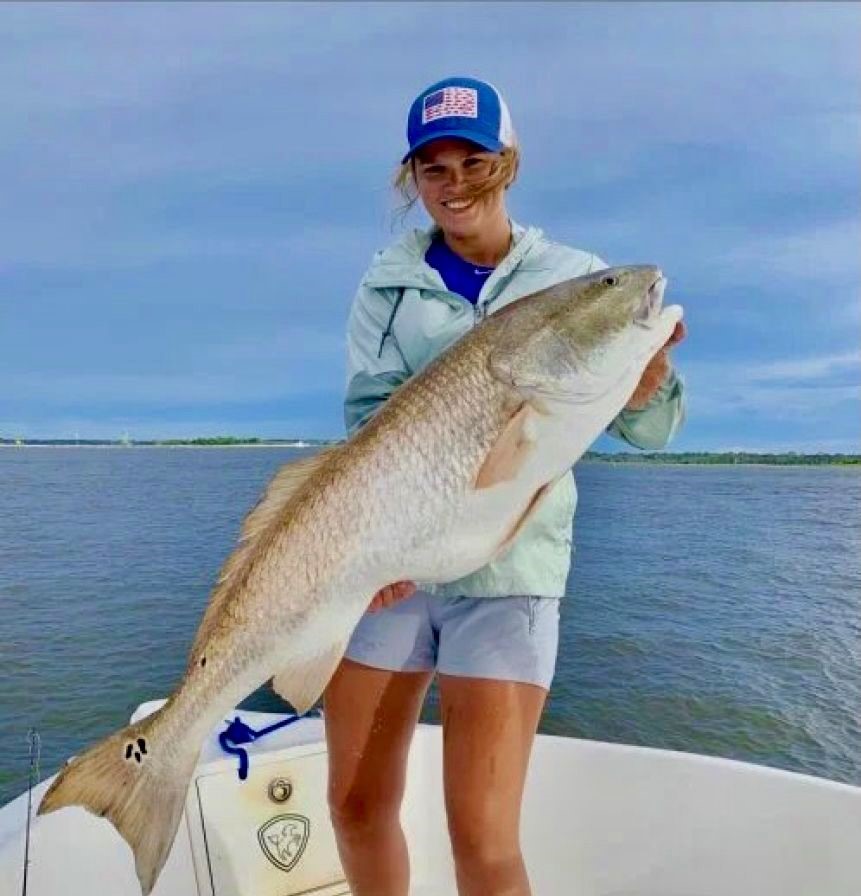
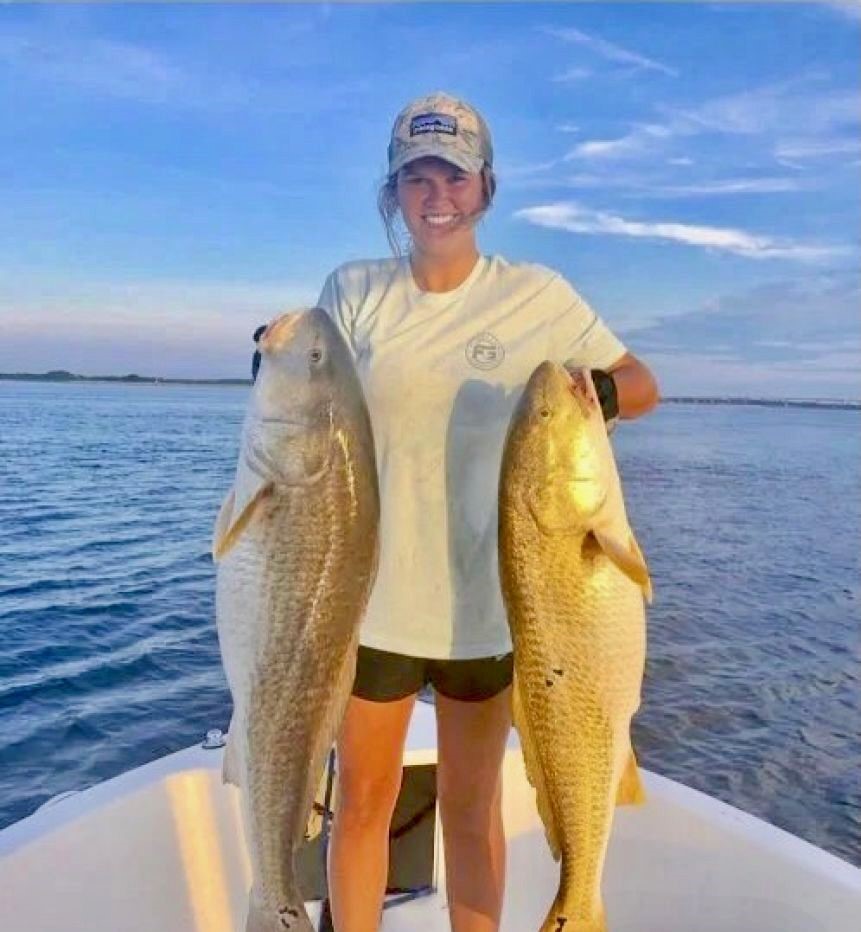
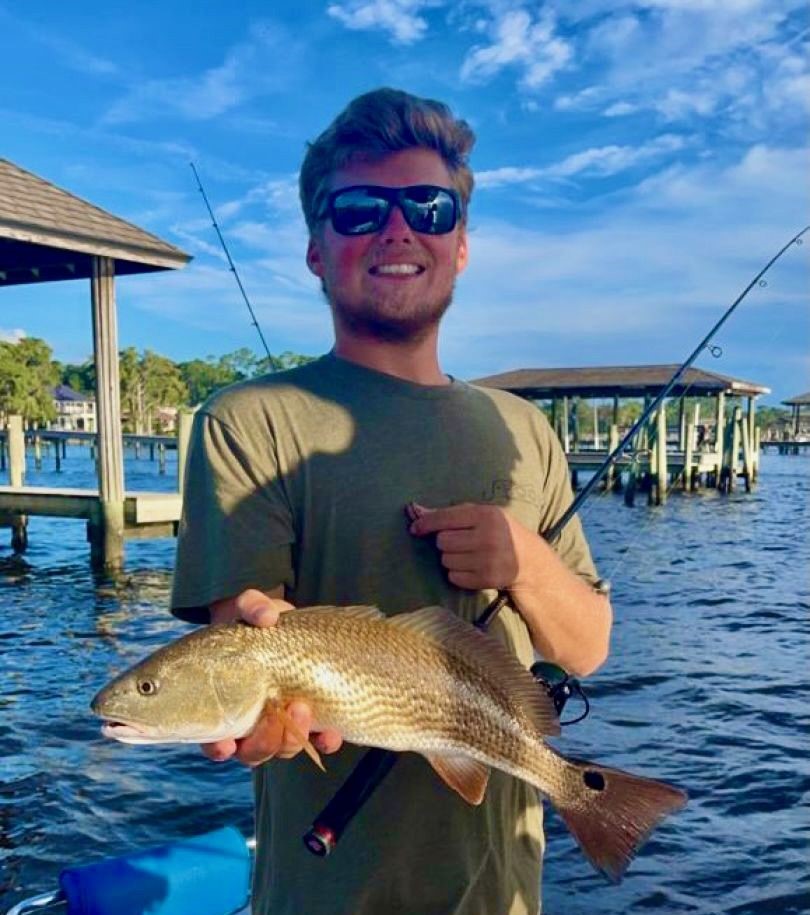
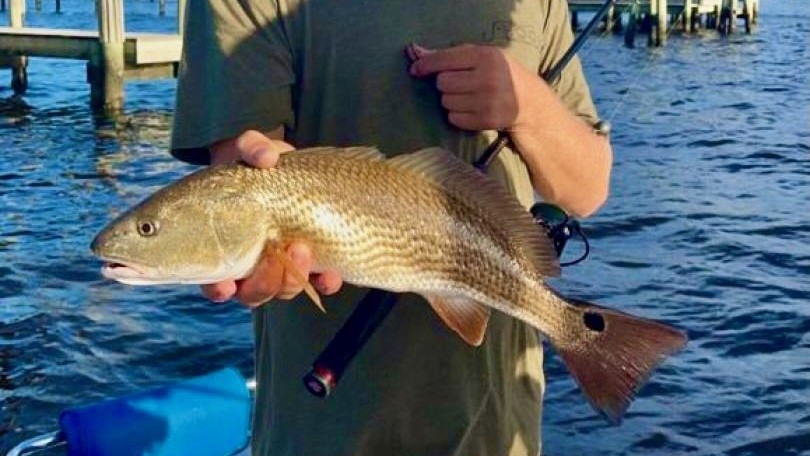
Redfish are the stars of this show, and Jacksonville's population includes both slot-sized fish and monster bulls that can push 40 inches or more. These copper-colored bruisers love the grass flats and oyster bars around the St. Johns River system, where they hunt crabs, shrimp, and small baitfish. September through November represents peak season because cooler water temperatures get them moving and feeding heavily before winter. You'll find them tailing in skinny water, cruising creek edges, and sometimes schooled up in deeper potholes. What makes redfish so addictive is their willingness to eat topwater lures - watching a big red blow up on a spook or popper never gets old. They're also incredibly strong fighters that use their broad tails to make powerful runs toward structure. The slot limit in Florida protects the breeding population while allowing anglers to keep smaller fish for the table, and these Jacksonville reds are known for their excellent eating quality.
Tarpon add an element of surprise to every redfish trip, especially during fall months when juvenile and adult fish move through the area. These silver kings can range from 20-pound juveniles to 100-pound adults, and they're all capable of putting on an aerial display that'll leave your arms shaking. Jacksonville's tarpon population peaks in late summer and early fall, making them a realistic target during prime redfish season. What makes tarpon special is their jumping ability - a hooked fish will often leap completely out of the water multiple times, trying to throw the hook. They're also incredibly strong, capable of long runs that can empty a reel in seconds. Most anglers practice catch-and-release with tarpon due to their status as a premier sport fish, and the memories of fighting one of these giants lasts much longer than any photo. Your guide will have the right tackle ready if we encounter tarpon, but be prepared for a completely different kind of fight than what you'll get from redfish.
Time to Book Your Spot
Fall redfish season in Jacksonville fills up fast because local anglers know how good the fishing gets when water temperatures start dropping. Big Blue Sportfishing Charters has been putting anglers on quality fish for years, and our guides know these waters like their own backyard. The September through November window gives you the best shot at both numbers and size, with plenty of opportunities for that bull red photo you've been wanting. Six-person capacity means you can bring the whole crew or book a more intimate trip with just a couple of friends. No meals are included, but most trips finish early enough to grab lunch at one of Jacksonville's waterfront restaurants where you can relive the day's action. Book now to secure your dates during prime season - the redfish will be there, and your guide will put you in position to make the most of every opportunity.
 Private Trip
 Inshore Fishing
 Jacksonville, FL

 Target bull redfish and tarpon with experienced guides