Half Day Or Full Day Fishing In Islamorada
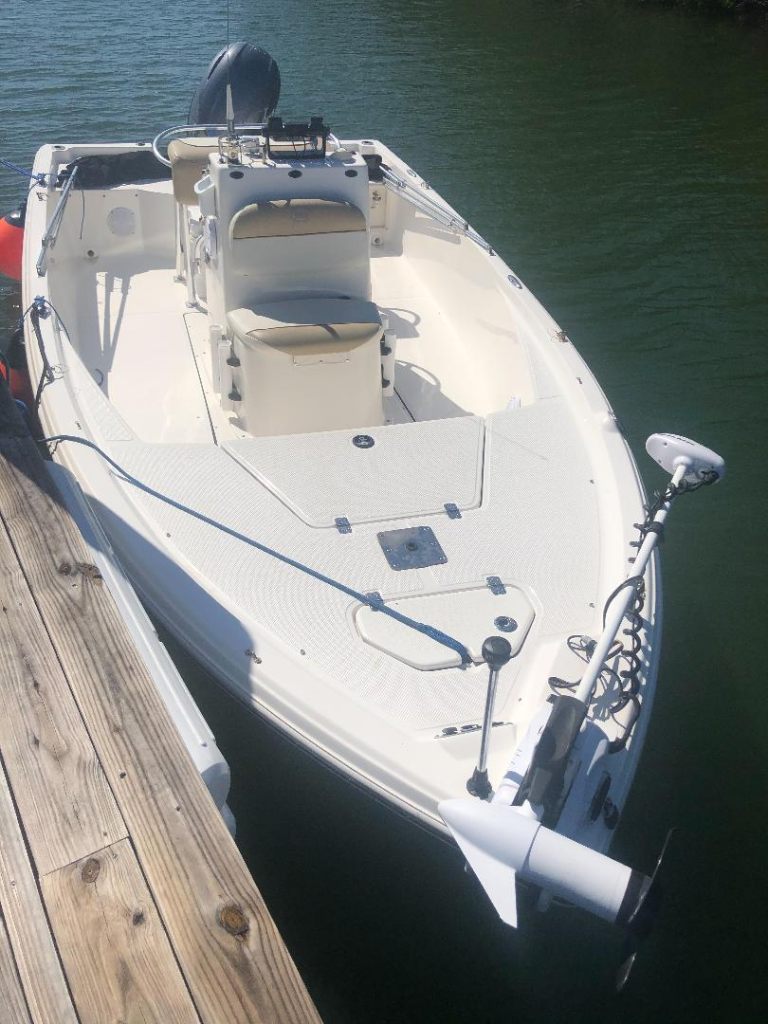
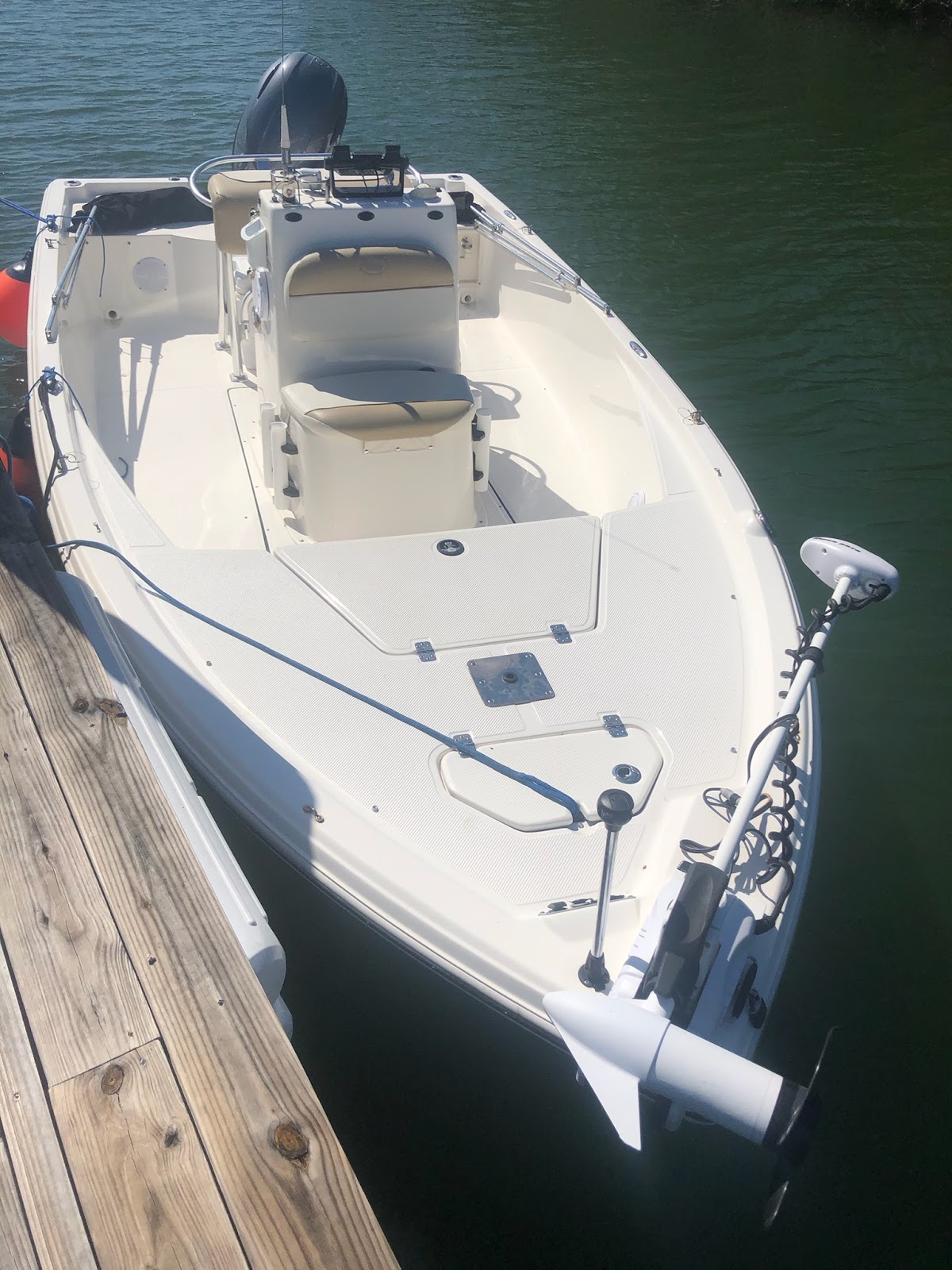
Captain Bill's been working these Islamorada flats for over four decades, and there's a reason anglers keep coming back to fish with him. This isn't your typical tourist charter – it's a legitimate shot at some of Florida's most coveted inshore species. When you step aboard his boat, you're getting access to 42 years of local knowledge that can't be bought or faked. Whether you're chasing the silver king or hoping to sight-cast to tailing bones, Captain Bill knows exactly where to position you for success. His setup handles up to 3 anglers comfortably, giving everyone plenty of room to work without getting tangled up in each other's lines.
What to Expect on the Water
The beauty of fishing with Captain Bill is the flexibility – half day trips work great if you're testing the waters or dealing with weather windows, while full days give you the best shot at multiple species and different fishing scenarios. You'll start early when the fish are most active, and Captain Bill reads conditions like a book. If the tarpon aren't rolling in one spot, he's already got three backup plans brewing. The boat comes loaded with quality tackle matched to whatever you're targeting, plus all the safety gear you'd expect from a seasoned pro. Don't worry about bringing anything except sunscreen, water, and maybe some snacks – Captain Bill's got the fishing covered. He tailors each trip based on what's biting, seasonal patterns, and what gets your group fired up. First-timers get the full coaching treatment, while experienced anglers can push their skills on technical presentations.
Techniques and Tackle
Inshore fishing around Islamorada means reading water, understanding tides, and knowing when to switch tactics fast. Captain Bill runs light tackle that lets you feel every head shake and run – we're talking spinning gear that can handle anything from 8-pound bones to 150-pound tarpon. Sight fishing is the name of the game here, so you'll spend time learning to spot fish before they spot you. Live bait presentations work magic on tarpon and snook, especially around structure and channels where they ambush prey. For permit and bonefish, it's all about quiet approaches and precise casts to feeding fish. Captain Bill positions the boat perfectly, using his push pole to get you within range without spooking anything. The flats around Islamorada offer incredible visibility most days, letting you watch fish react to your bait in real-time. When conditions call for it, you might work deeper channels with jigs or switch to topwater plugs during dawn and dusk feeding periods.
Target Species You'll Hook Into
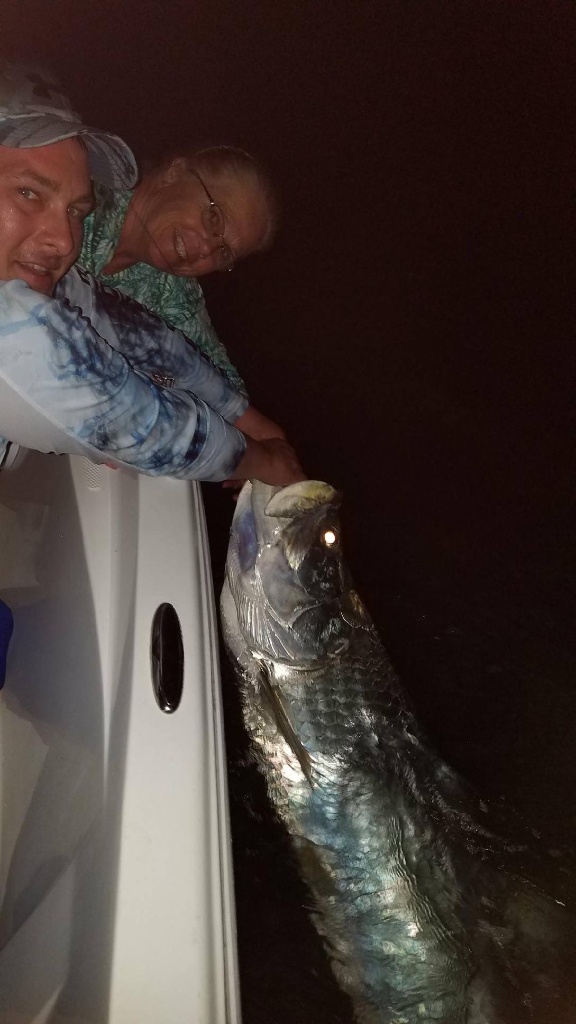
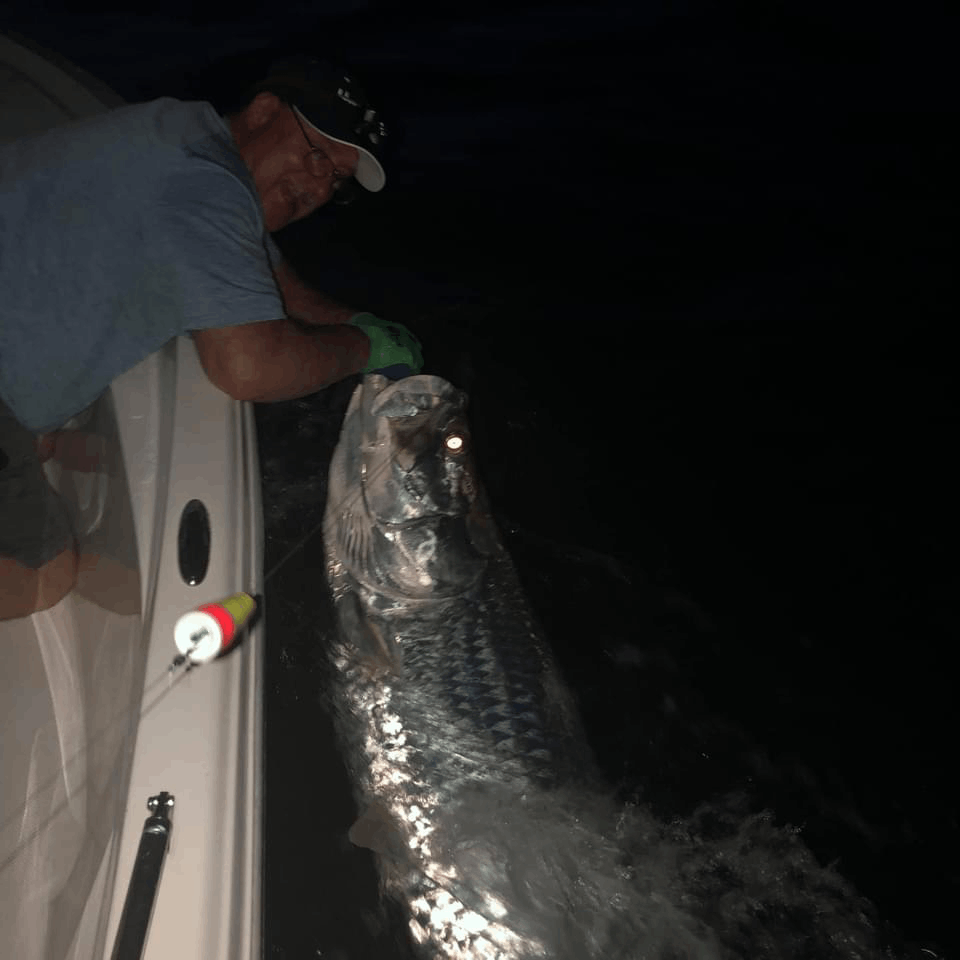
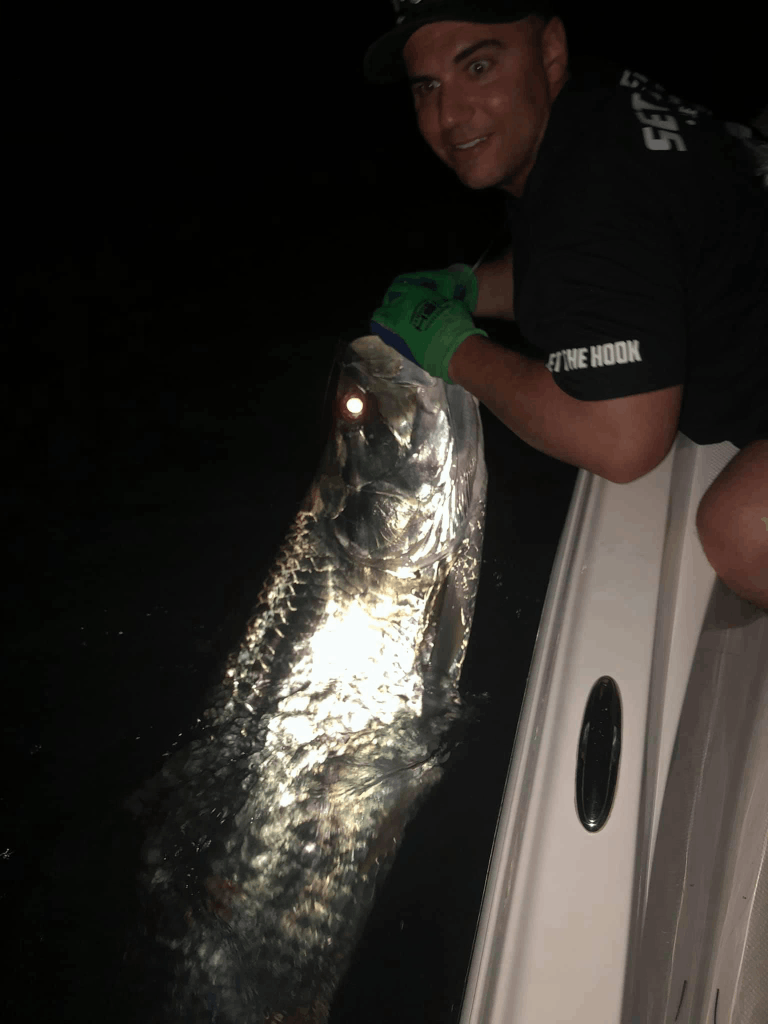
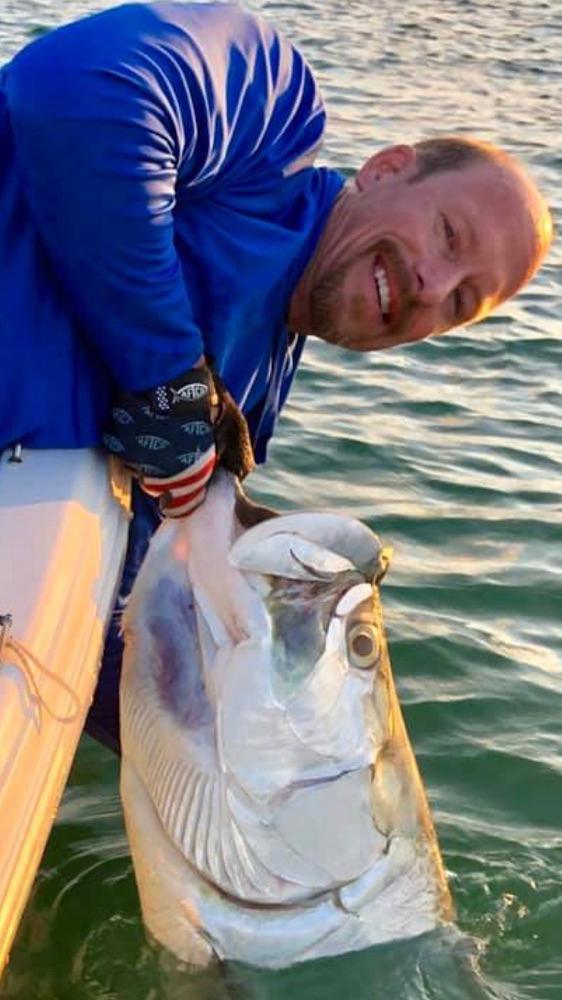
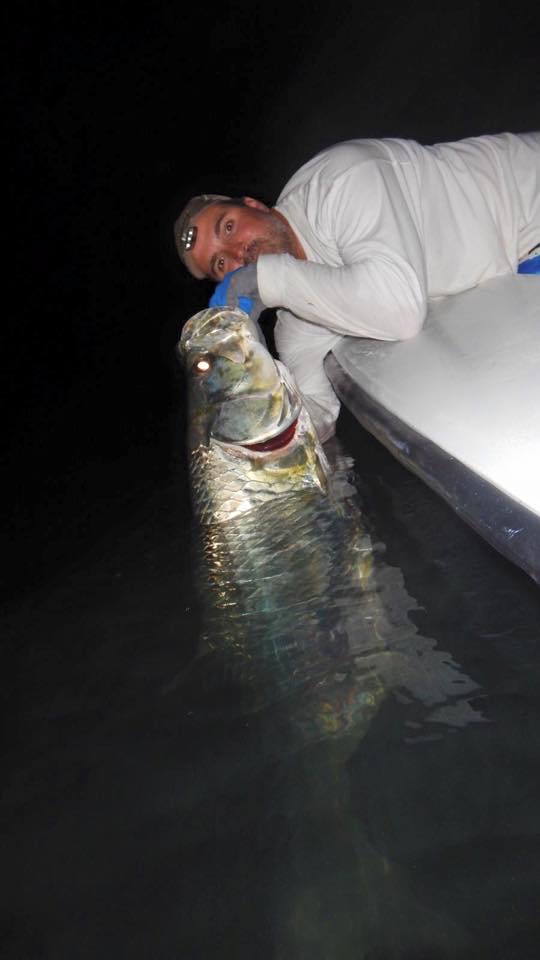
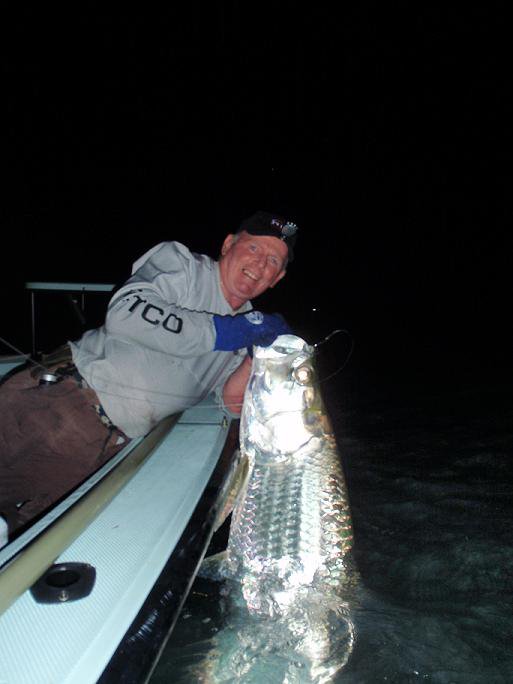
Tarpon are the undisputed kings of Islamorada, and for good reason. These prehistoric giants average 80-120 pounds in local waters, with occasional monsters pushing 200. Peak season runs March through July, when massive schools migrate through the area. What makes tarpon fishing so addictive isn't just their size – it's watching a six-foot fish launch itself completely out of the water just feet from your boat. They're smart, incredibly strong, and will test every knot you tied. Captain Bill knows the traditional tarpon grounds like his own backyard, plus several honey holes that most guides never touch.
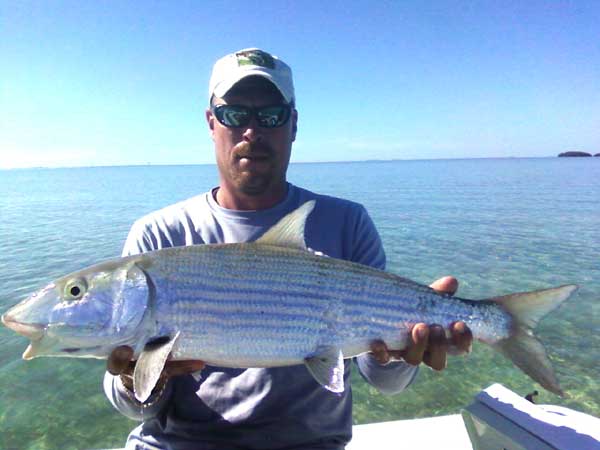
Bonefish represent the technical side of flats fishing, and Islamorada's crystal-clear shallows are perfect for these spooky ghosts. Most bones here run 4-8 pounds, but double-digit fish show up regularly for anglers who can make the right presentations. They're notorious for their blazing runs – a decent bonefish will strip 100 yards of line before you can blink. Best fishing happens during incoming tides when bones move onto the flats to feed on crabs and shrimp. The challenge isn't just hooking them – it's getting close enough for a shot without spooking the entire school.
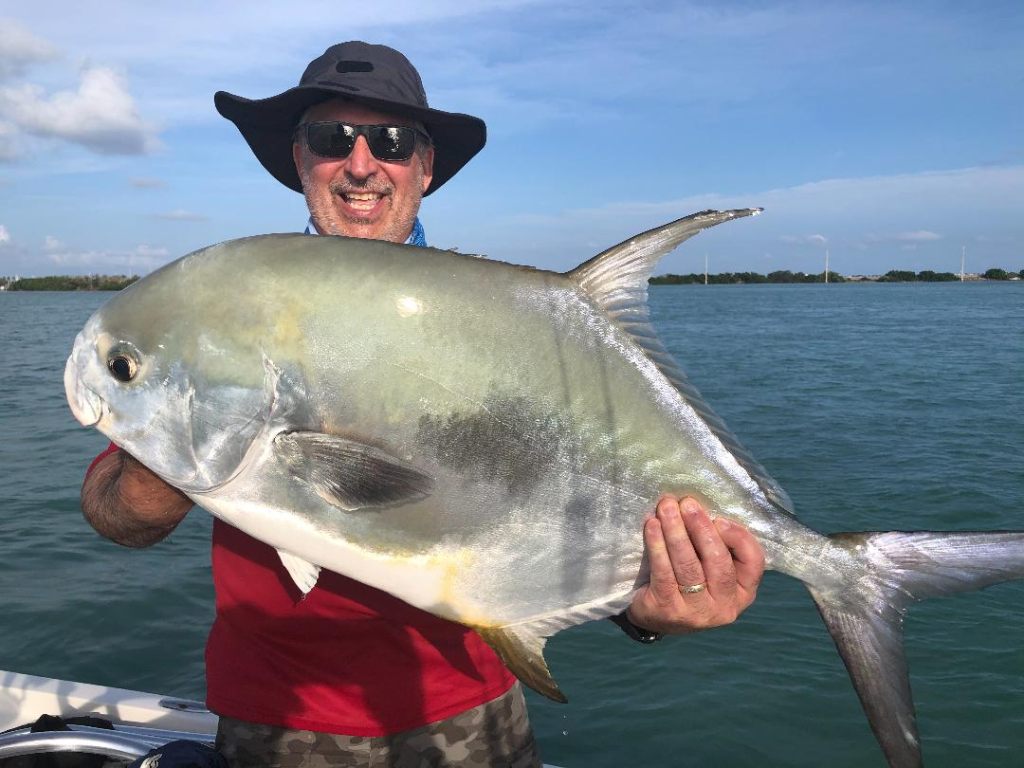
Permit fishing separates the casual anglers from the obsessed ones. These disc-shaped fighters are considered the holy grail of flats fishing, and Islamorada consistently produces some of Florida's best permit action. They average 15-25 pounds locally, with occasional giants exceeding 35. Permit are incredibly picky eaters with eyesight that borders on supernatural. You might get one perfect shot all day, which is why landing a permit feels like winning the lottery. They prefer deeper flats and channel edges, often following rays to feed on stirred-up crabs.
Snook round out the slam possibilities, especially around mangrove shorelines and dock structures. These ambush predators love low-light conditions and moving water. Islamorada snook typically run 5-15 pounds, though slot-busters over 20 show up when you least expect them. They're aggressive feeders but incredibly structure-oriented – get too close to their hideout and they'll cut you off in the roots faster than you can react. Night fishing for snook under lights produces some of the most explosive strikes you'll ever experience.
Time to Book Your Spot
Captain Bill's calendar fills up fast, especially during prime tarpon season and holiday periods. His reputation for putting anglers on fish has built a loyal following, and many of his dates get booked by repeat customers months in advance. The combination of his local knowledge, quality equipment, and genuine passion for helping people catch fish makes this a top-rated choice among serious anglers visiting Islamorada. Whether you're looking to complete a Grand Slam, target a specific species, or just want to experience world-class flats fishing with a true professional, this trip delivers the goods. Keep in mind that deposits are non-refundable, so make sure your dates are locked in before committing. The fishing memories you'll make in these waters are worth planning your whole vacation around.

 Private Trip
 Inshore Fishing
 Marathon, FL


 Target legendary Tarpon with 42 years local expertise