Half Day Or Full Day Fishing In Islamorada
Captain Bill Brown has been working these Islamorada waters for over four decades, and it shows in every trip. With 42 years of experience guiding anglers through the Florida Keys backcountry and flats, he knows exactly where to find the fish you're after. Whether you're booking a half-day or full-day charter, you're getting personalized attention with only up to 3 guests on board. This isn't some crowded party boat - it's real fishing with a captain who remembers when Islamorada was still a sleepy fishing village. Bill provides all the tackle and gear you'll need, plus the kind of hands-on instruction that turns first-timers into confident anglers and helps seasoned fishermen land their personal best.
What to Expect on the Water
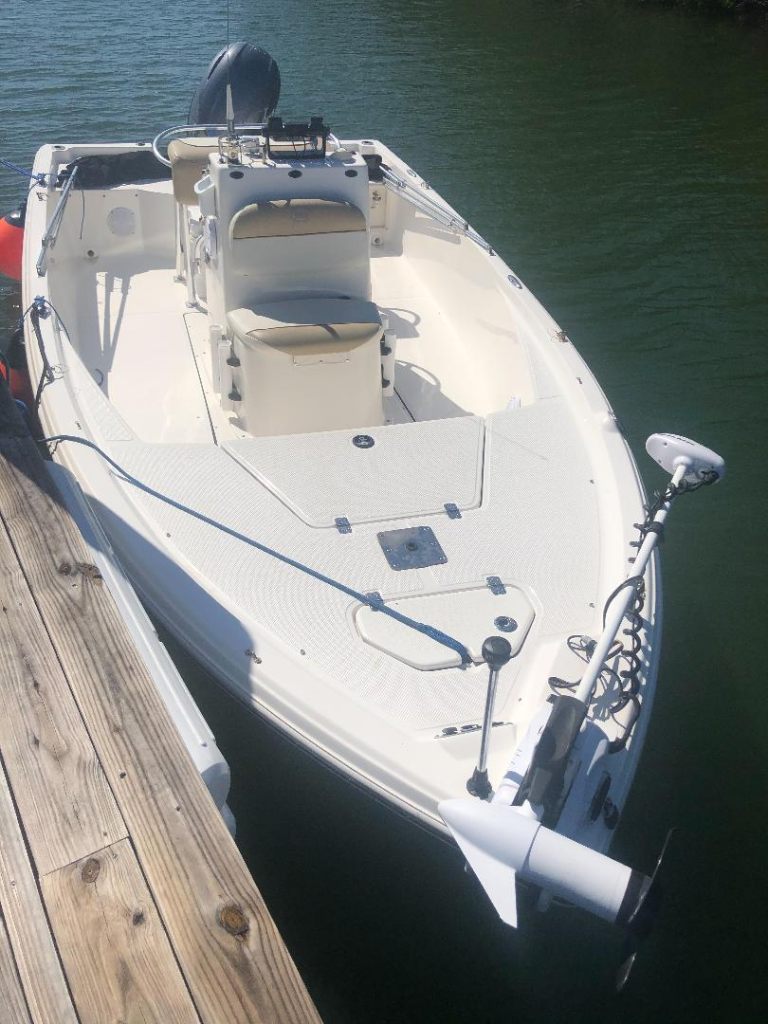
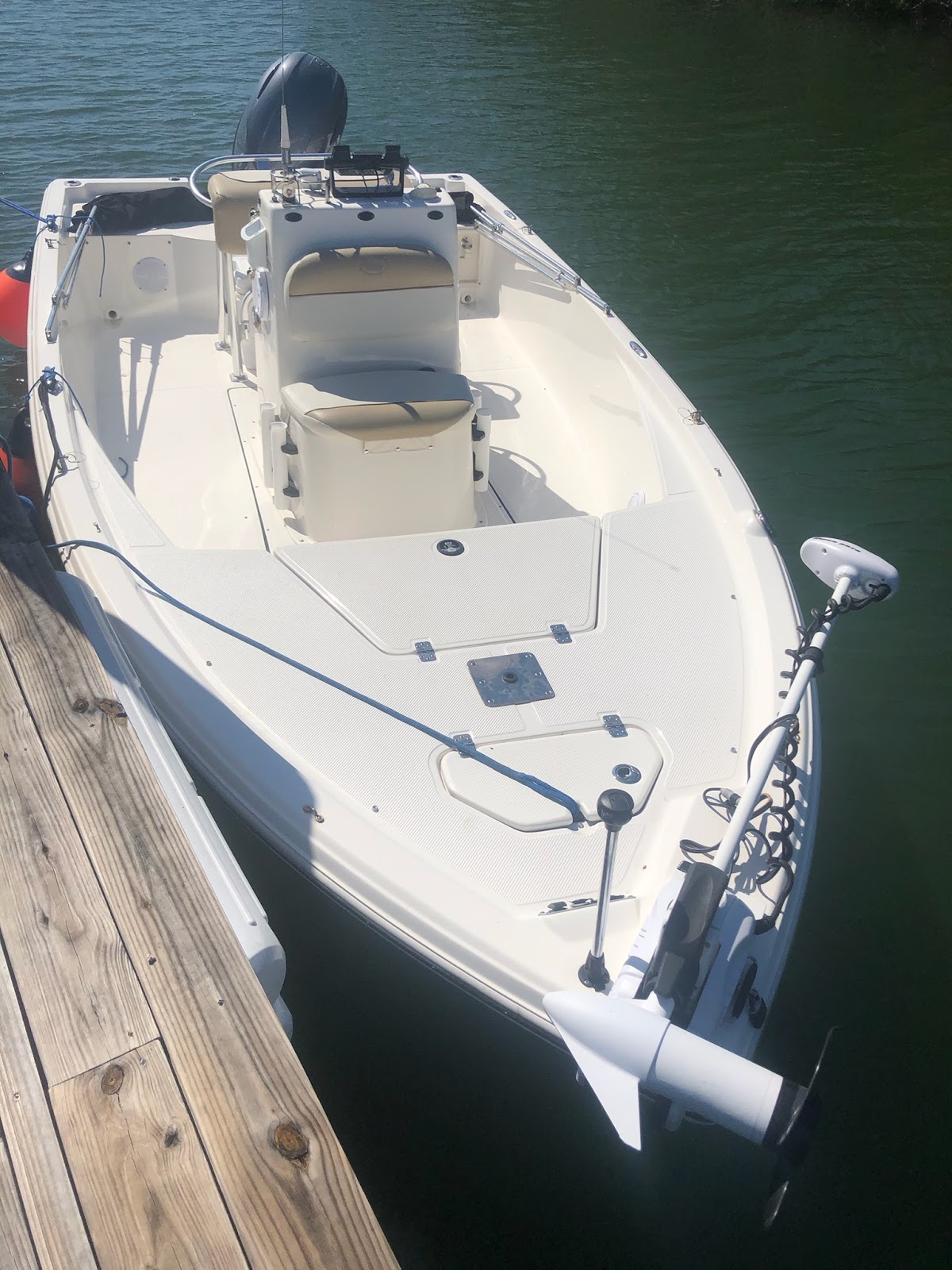
Your day starts early at the dock in Islamorada, heart of the Florida Keys fishing scene. Captain Bill sizes up the weather, tides, and seasonal patterns to decide whether you're heading to the shallow flats for bonefish and permit or targeting deeper channels where tarpon and cobia cruise. The boat is rigged and ready with live bait, artificial lures, and everything from light spinning tackle to heavy conventional gear. Depending on your trip length - anywhere from 5 to 8 hours - you'll cover multiple spots and fishing techniques. Bill adapts the day to your skill level, so beginners get patient coaching while experienced anglers can push their limits. The small group size means everyone gets plenty of rod time and personal attention. You'll learn to read the water, spot fish, and perfect your presentation while actually catching them.
Tackle and Techniques
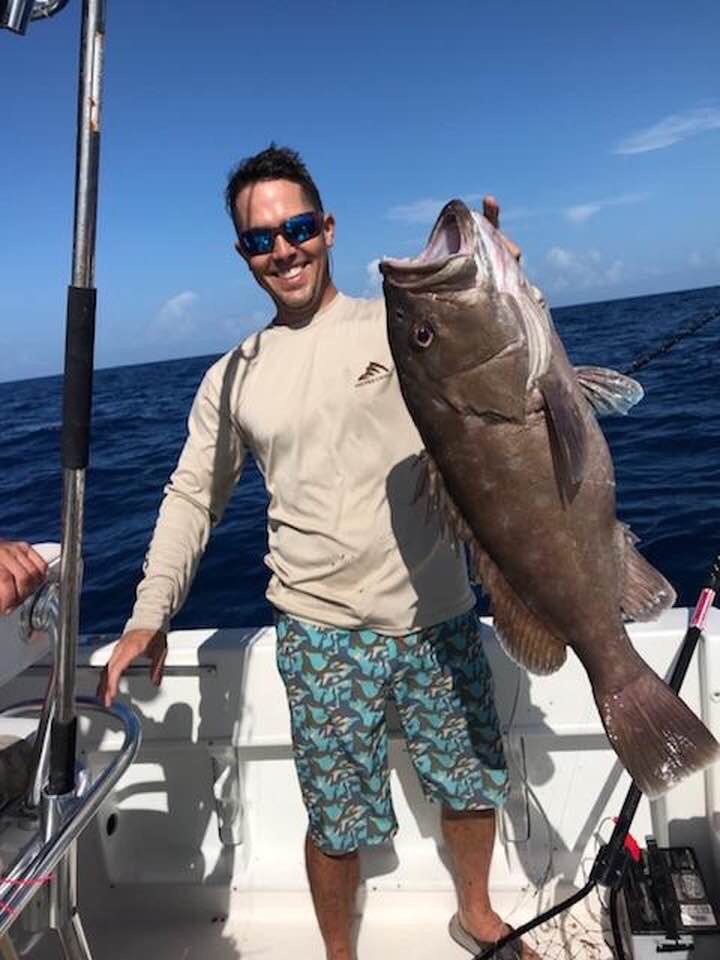
Captain Bill runs a fully equipped charter with tackle suited to everything from spooky bonefish on the flats to bull sharks in the channels. You'll fish with live pilchards, pinfish, and crabs when the situation calls for natural bait, plus an arsenal of jigs, plugs, and flies for artificial presentations. Depending on what's biting, you might be sight-casting to tailing fish in knee-deep water or bottom fishing over structure for snapper and grouper. Bill carries spinning gear from 2500 to 8000 series reels, plus conventional tackle for the big stuff. Circle hooks are standard for catch-and-release fishing, and he's got the long-handled pliers and dehooking tools to safely release your fish. The captain handles all the rigging, bait preparation, and net work - your job is to cast accurately, feel the bite, and fight the fish properly.
Top Catches This Season
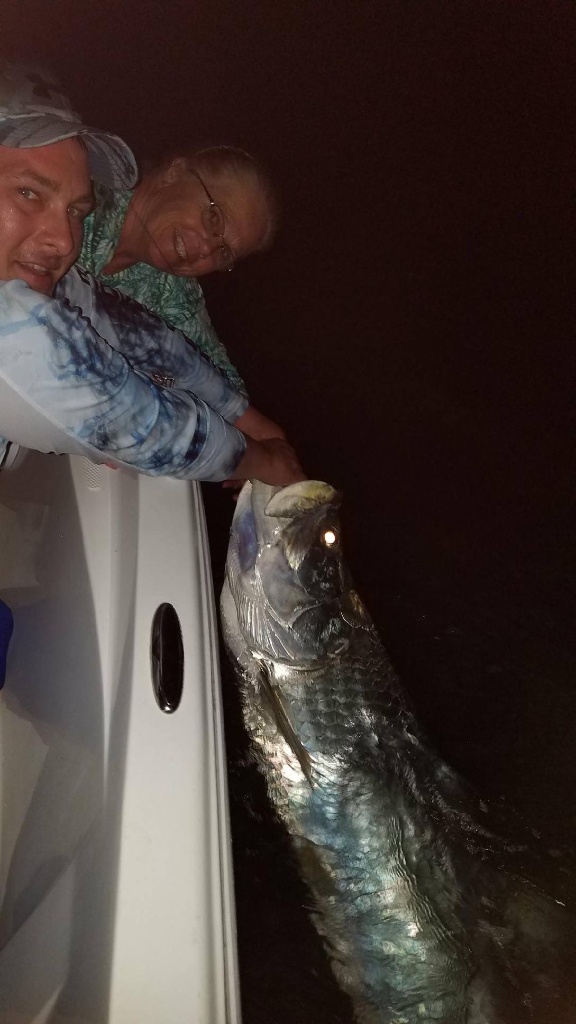
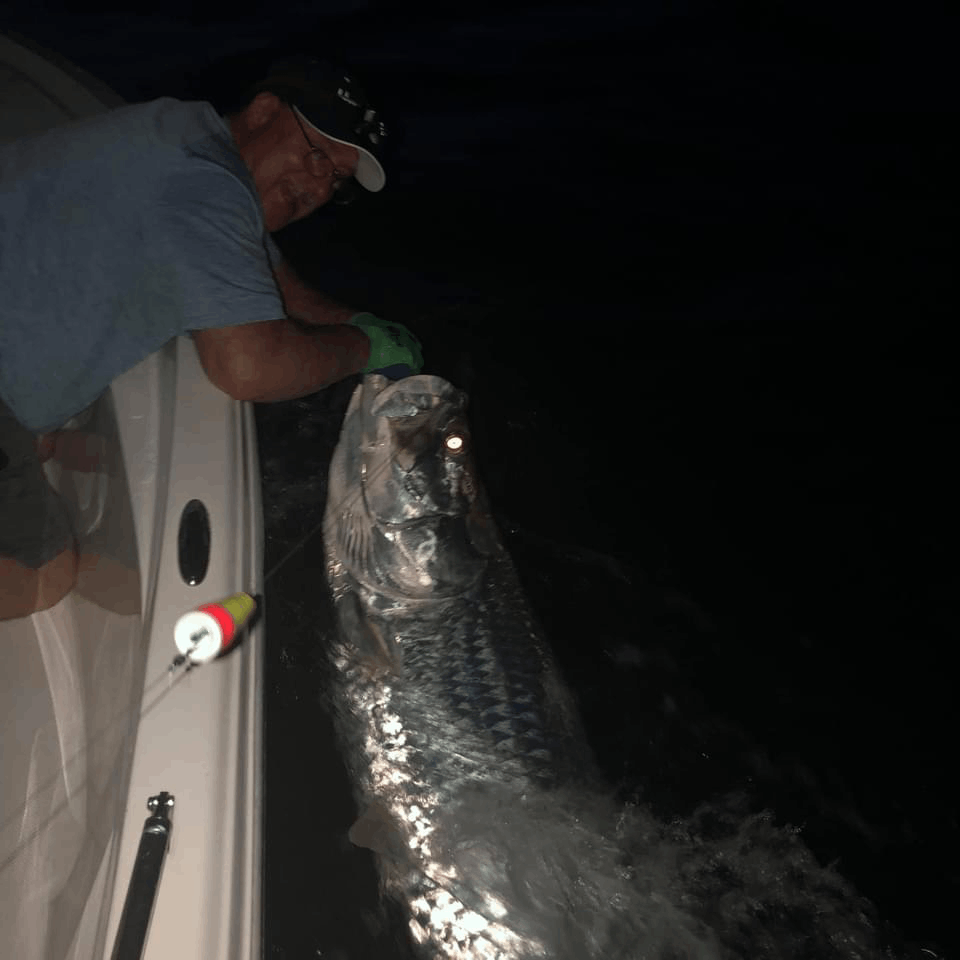
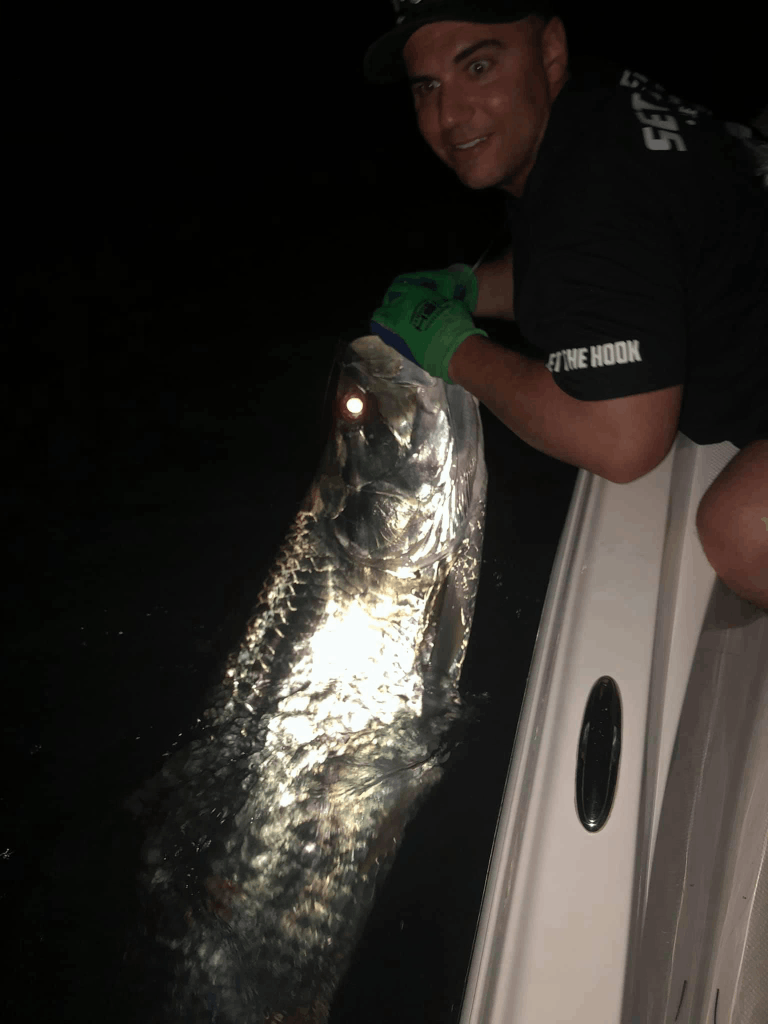
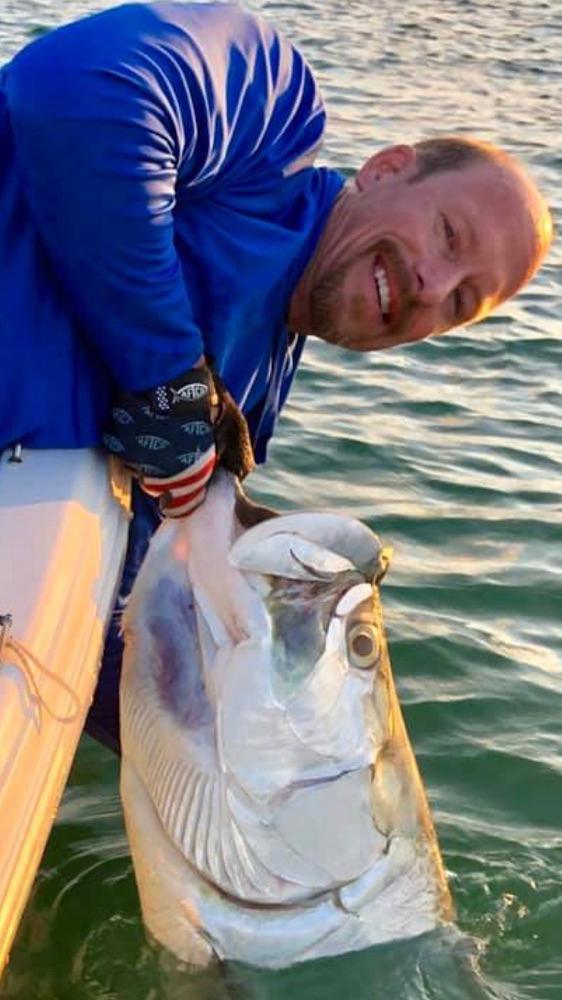
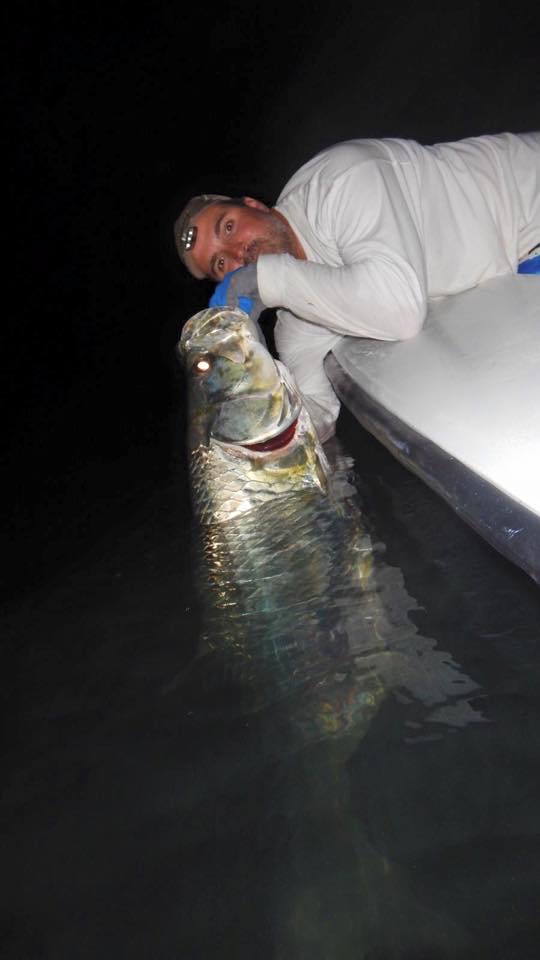
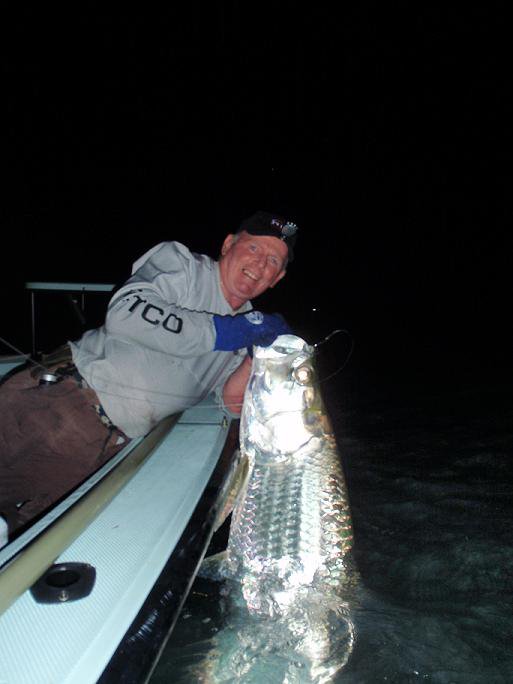
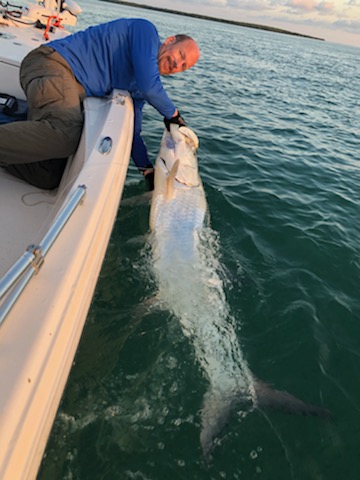
Tarpon are the silver kings of Islamorada, and for good reason. These prehistoric giants can hit 150 pounds and jump like dolphins when hooked. They show up in good numbers from April through July, rolling and feeding in the channels around the bridges. When you hook one, get ready for multiple jumps and long runs that'll test your drag and your nerves. What makes tarpon special isn't just their size - it's their aerial acrobatics and the way they can turn a routine day into something you'll talk about for years. Captain Bill knows the migration routes and feeding times that put you in position for a legitimate shot at these legendary fish.
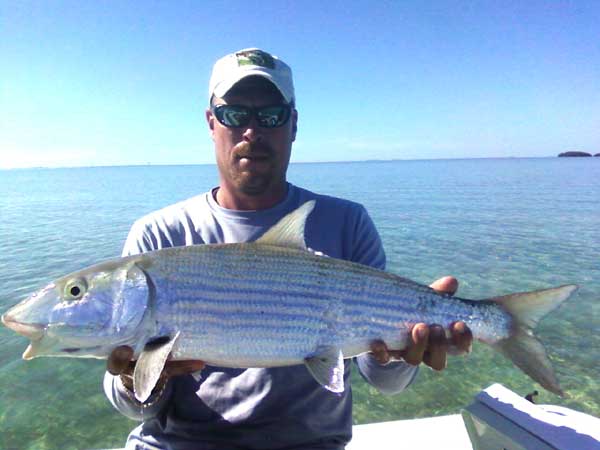
Bonefish are the ghosts of the flats, and Islamorada sits right in prime bonefish territory. These silvery speedsters average 3-6 pounds but pack more fight per ounce than almost any fish in the ocean. They're year-round residents, but spring and fall offer the best action when they're actively feeding on the shallow flats. Spotting them requires sharp eyes - they're nearly transparent in shallow water, often giving themselves away only by their shadows or nervous water. When spooked, they can hit 25 mph in water so shallow their backs are out. Landing one on light tackle is a rite of passage for any serious angler, and the clear Keys waters make sight-fishing for them an art form.
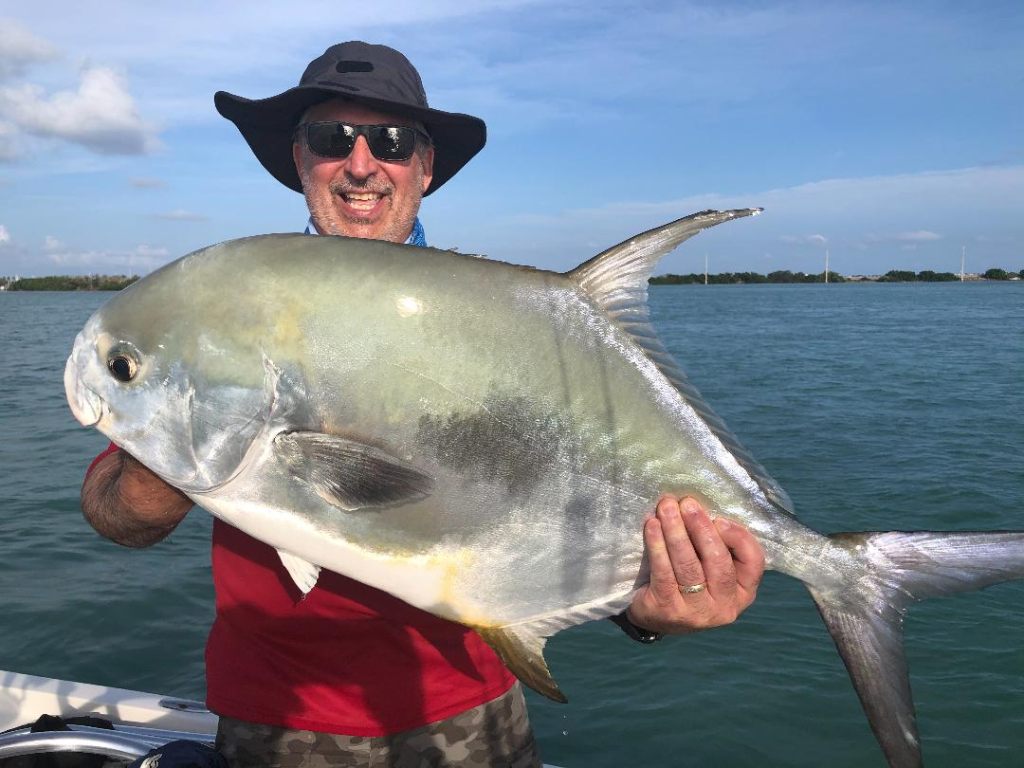
Permit are the holy grail of flats fishing - spooky, selective, and absolutely beautiful when they show their tall black fins cruising the shallows. These disc-shaped fish are notorious for refusing perfectly presented baits, making a successful hookup feel like winning the lottery. They're around year-round but peak in spring and summer when crabs are molting. Most permit run 8-20 pounds, but their broad profile and stubborn fighting style makes them feel much bigger. Captain Bill has the patience and local knowledge to put you on schools of permit, but be prepared to make lots of casts - these fish have humbled more anglers than any other species in the Keys.
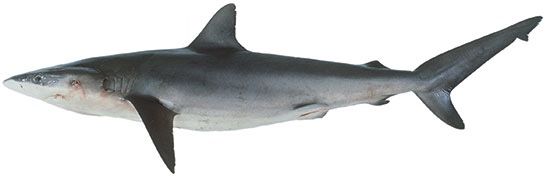
Bull sharks bring serious muscle to your fishing day, especially during summer months when they move into the shallows to feed. These stocky predators can top 200 pounds and aren't picky about what they eat. They'll hit live bait, cut bait, and even large lures worked near structure or channel edges. What makes bull sharks exciting isn't just their size - it's their attitude. They fight dirty, using their bulk and stamina to wear you down over long battles. Captain Bill knows the deeper holes and channel edges where bulls congregate, and he's got the heavy tackle needed to handle them safely.
Cobia are the bonus fish that can make any trip memorable. These brown sharks look-alikes cruise the flats and channels, often following rays and sharks while looking for an easy meal. They're curious fish that will approach the boat, giving skilled anglers a chance at sight-casting to individual fish. Spring brings the best cobia action as they move through the Keys during their annual migration. Most run 15-40 pounds, and they fight with surprising power for their size. They're also excellent table fare, making them a favorite target for anglers who like to keep a fish or two for dinner.
Time to Book Your Spot
Captain Bill's calendar fills up fast, especially during peak fishing seasons when the tarpon are rolling and the permit are tailing. With over four decades
 Private Trip
 Inshore Fishing
 Marathon, FL


 Half or full day inshore fishing with experienced Captain Bill Brown