Half Day Beginner Fishing Trip in Jacksonville
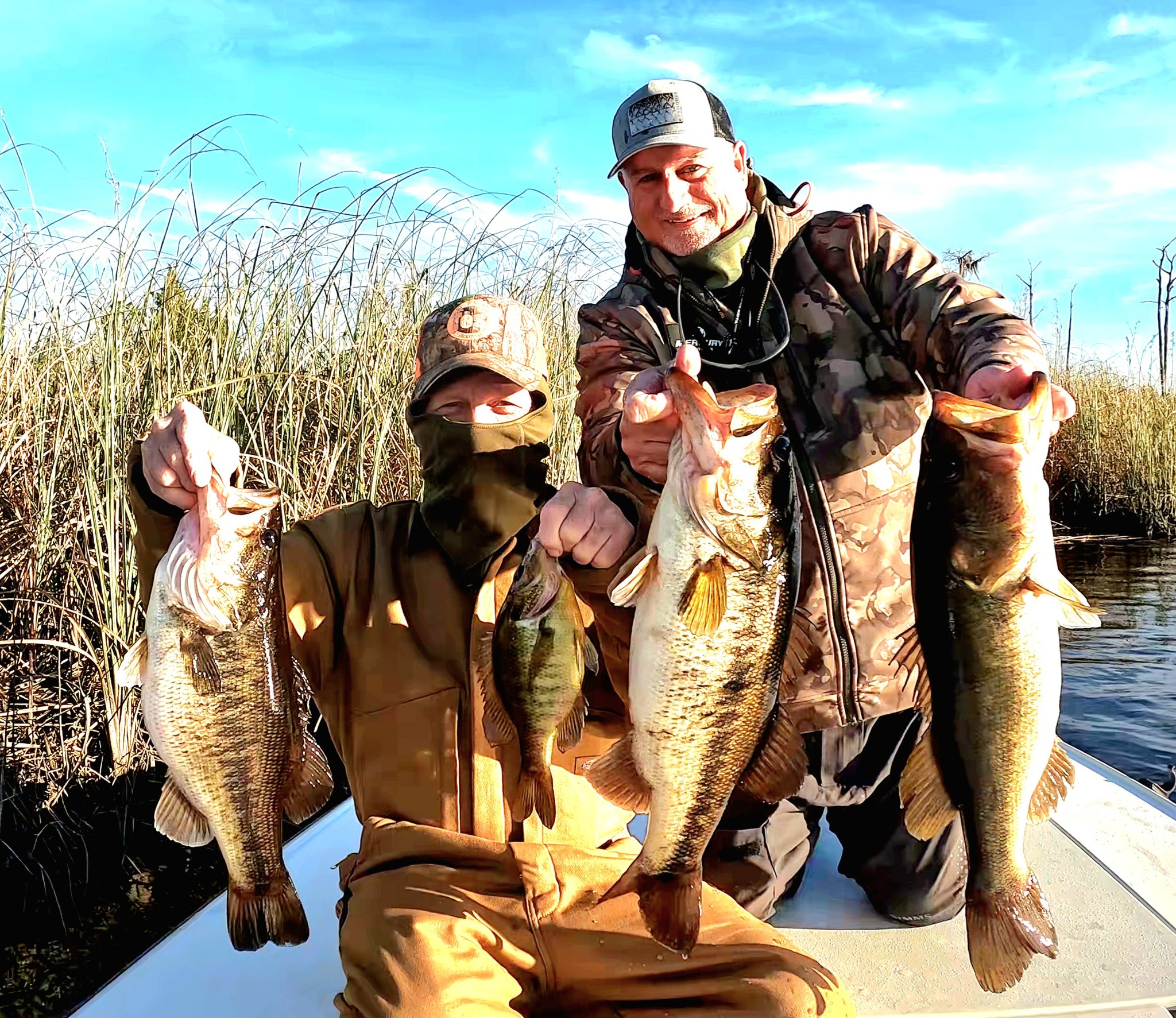
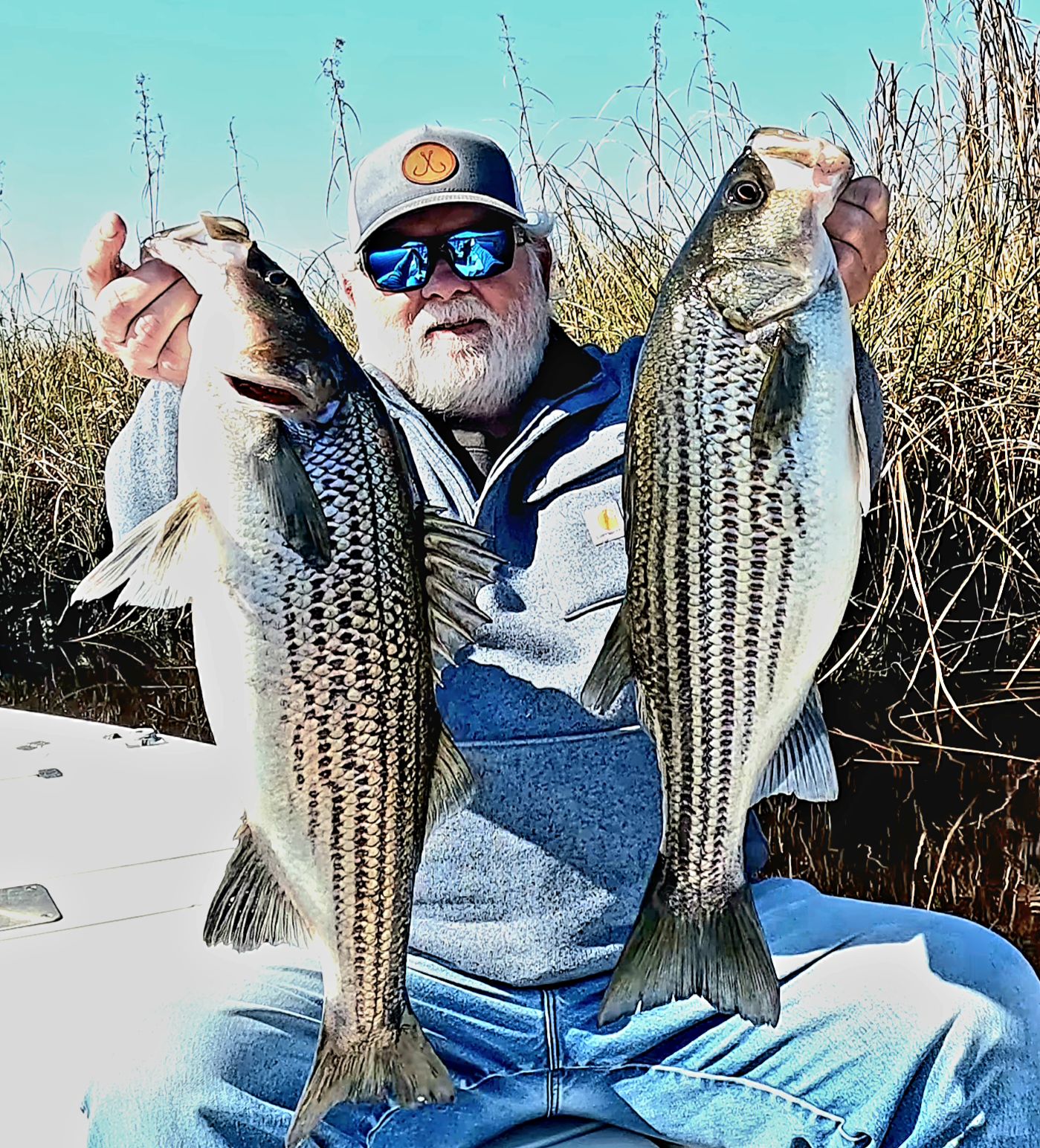
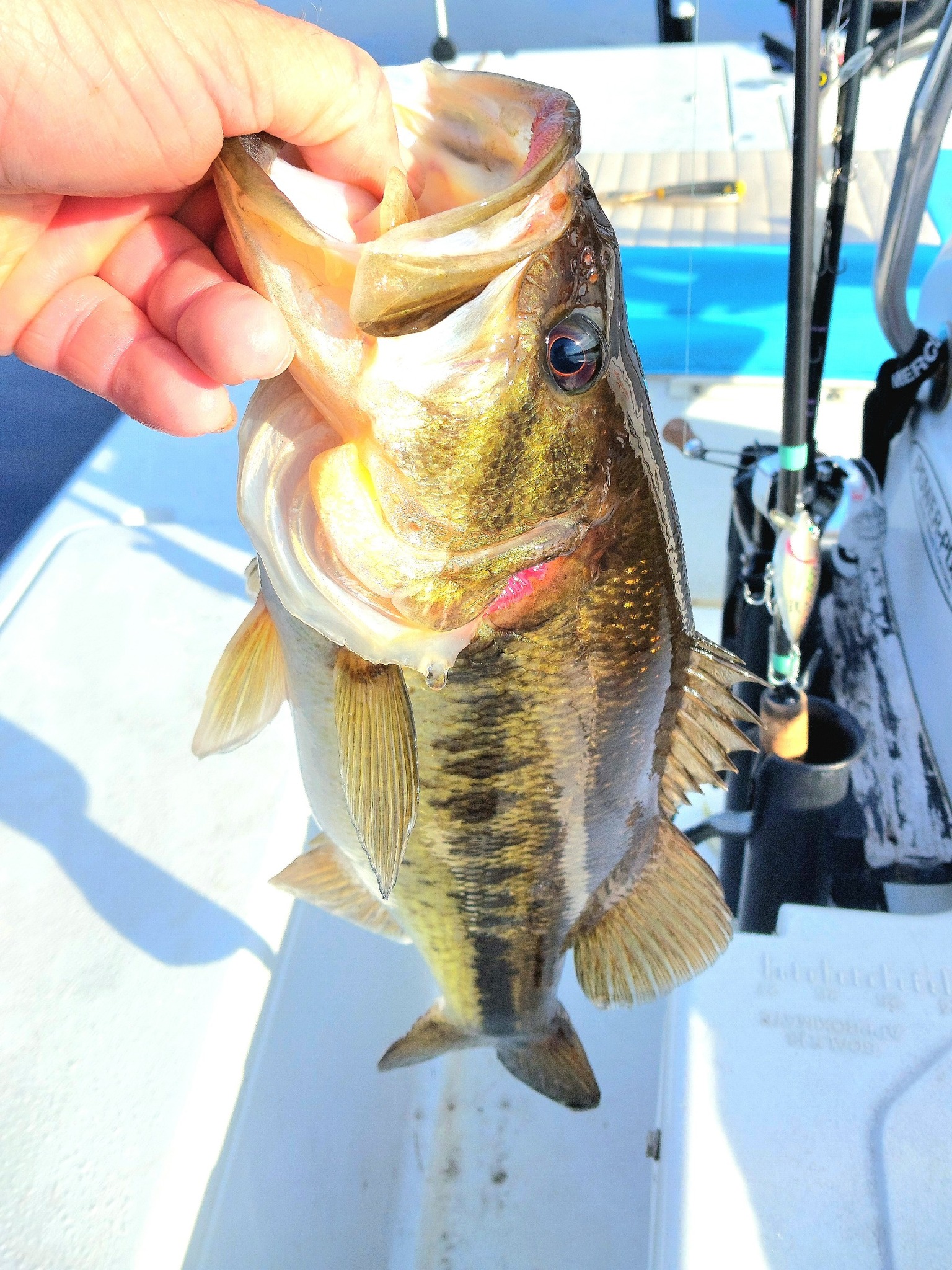
Ready to get your feet wet in Jacksonville's legendary inshore fishing scene? This five-hour guided charter with Blue Cyclone Inland Charters is built from the ground up for folks who are new to fishing or want a relaxed day on the water without any pressure. Your captain knows these backwaters like the back of their hand and genuinely loves showing newcomers the ropes. You'll be targeting some of Florida's most sought-after inshore species – redfish, sea trout, southern flounder, and snook – all while learning proper techniques in a supportive, no-judgment environment. Perfect for couples, parent-child duos, or anyone who wants to discover why Jacksonville's inshore fishing has such a devoted following.
What to Expect on the Water
Your day starts with a friendly meet-up where your captain walks you through the basics without overwhelming you with too much info at once. Jacksonville's inshore waters are incredibly forgiving for beginners – we're talking about protected bays, tidal creeks, and grass flats where the water stays calm and fish are typically cooperative. Your guide will handle the boat positioning and navigation while focusing on teaching you the fundamentals: how to hold a rod properly, when to set the hook, and what it feels like when a fish is actually biting versus just current or weeds. The beauty of this trip is that there's no rushing around or pressure to perform. If you need to practice your cast a few times before we start fishing seriously, that's totally fine. Your captain has seen it all and knows exactly how to keep things fun while building your confidence. The small group size means you get plenty of one-on-one attention, and there's always time for questions or to try a different technique if something isn't clicking.
Tackle Setup & Techniques
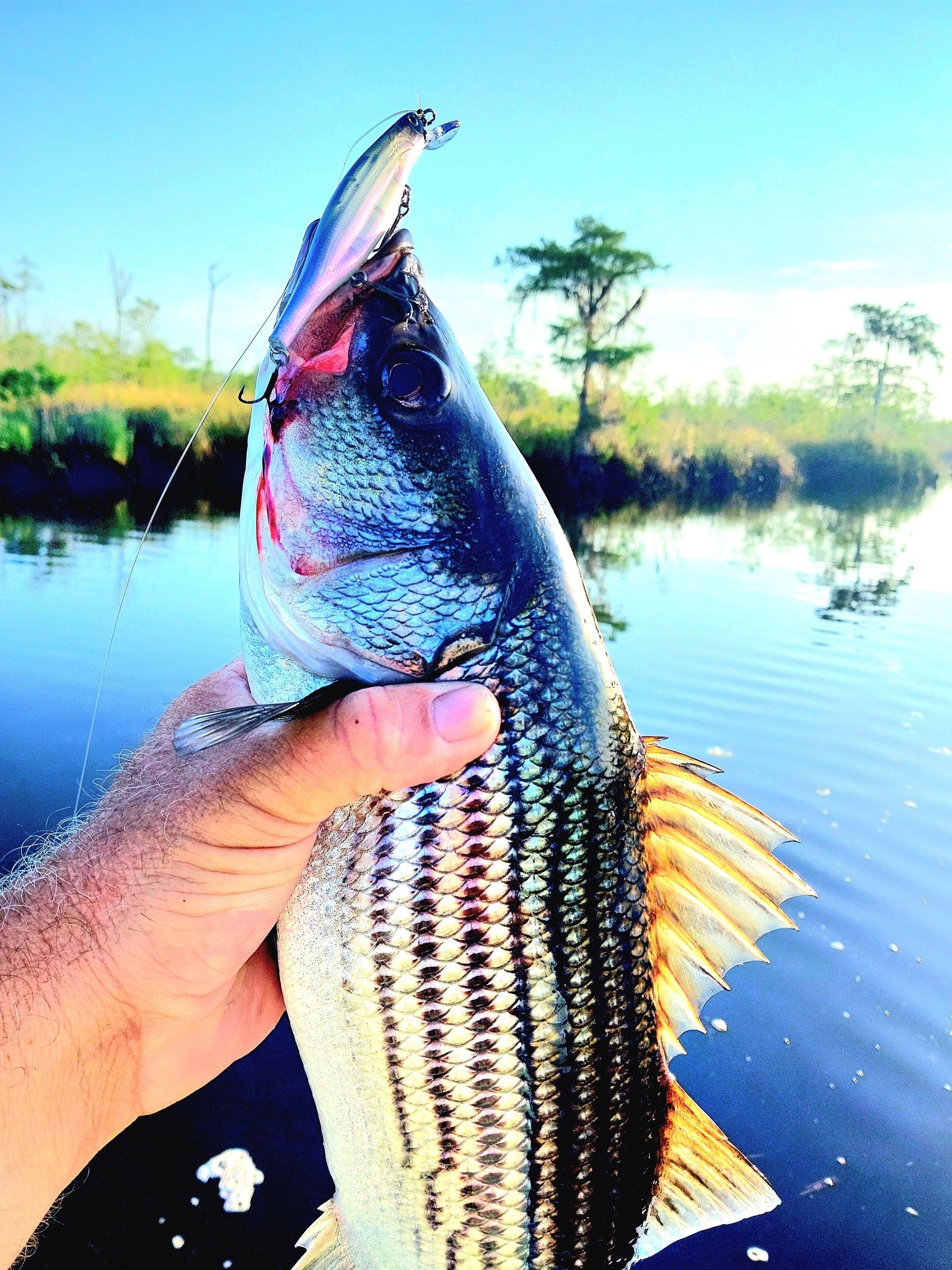
All your gear is provided and pre-rigged, so you don't need to worry about buying anything or figuring out complicated setups. Your captain typically runs medium-light spinning rods that are easy to handle but still have enough backbone for the fish you'll be targeting. Most of the time, you'll be using live or cut bait – think shrimp, pinfish, or mullet – presented under a popping cork or on a simple jig head. These are tried-and-true methods that produce fish and are perfect for learning proper rod handling. Your guide might also introduce you to soft plastic lures if conditions are right and you're feeling confident with your casting. The fishing spots are carefully chosen based on tide, weather, and your skill level. We're talking about productive areas like oyster bars, dock pilings, and grass bed edges where fish naturally congregate. Your captain reads the water constantly, looking for bait activity, bird action, or subtle structure changes that signal good fishing. They'll explain what they're seeing and why certain spots look fishy, giving you insights you can use on future trips.
Species You'll Want to Hook
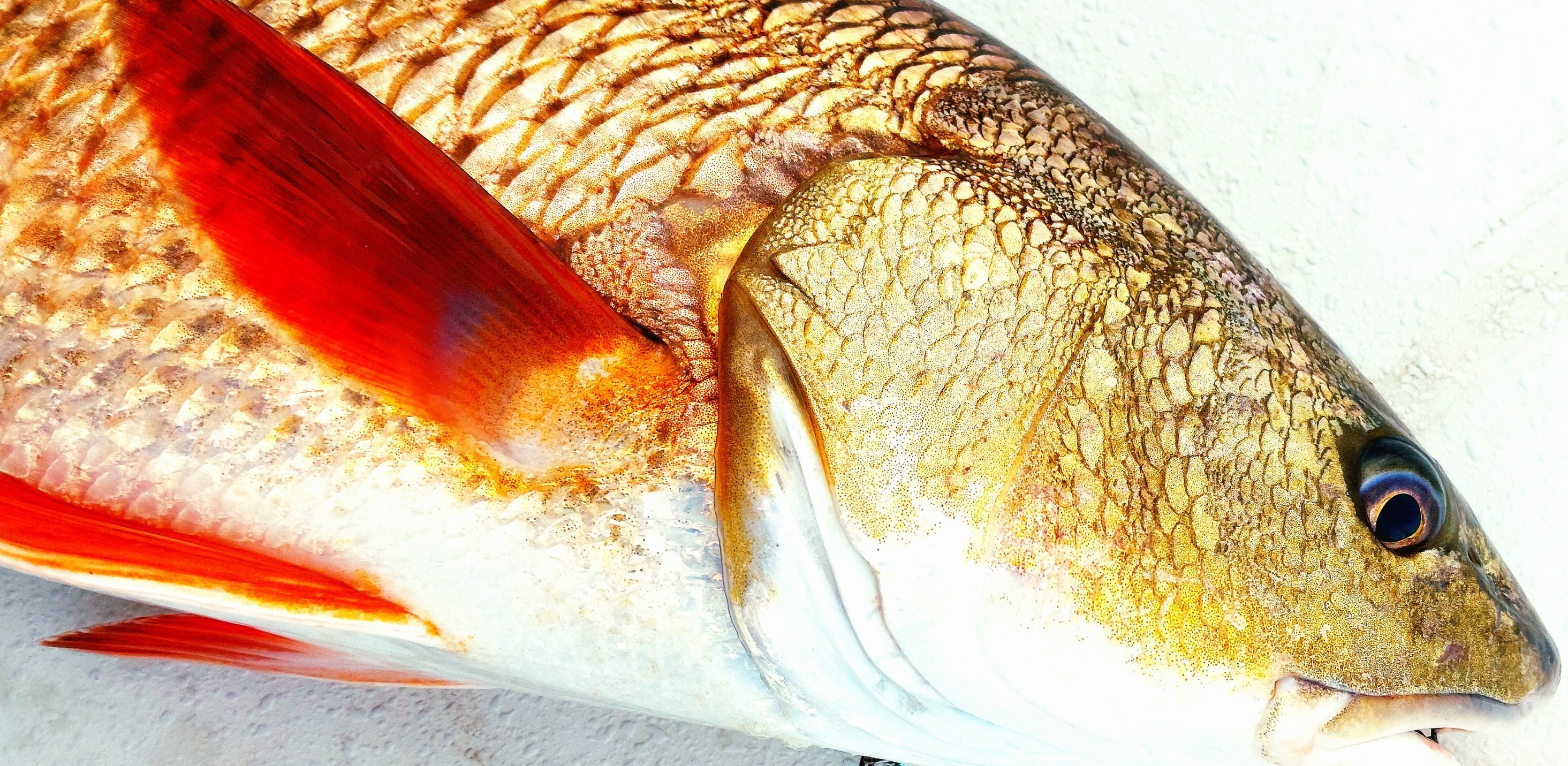
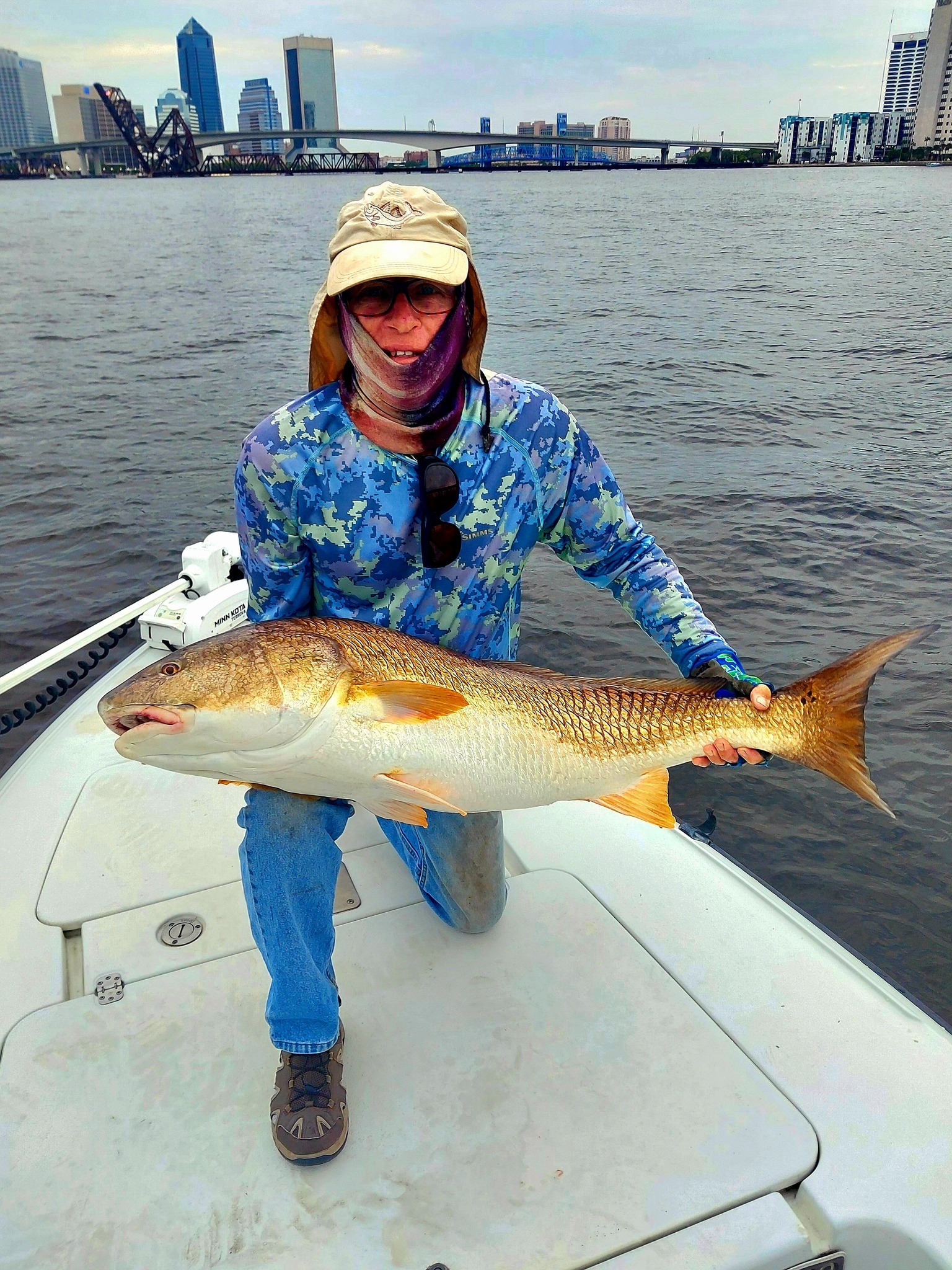
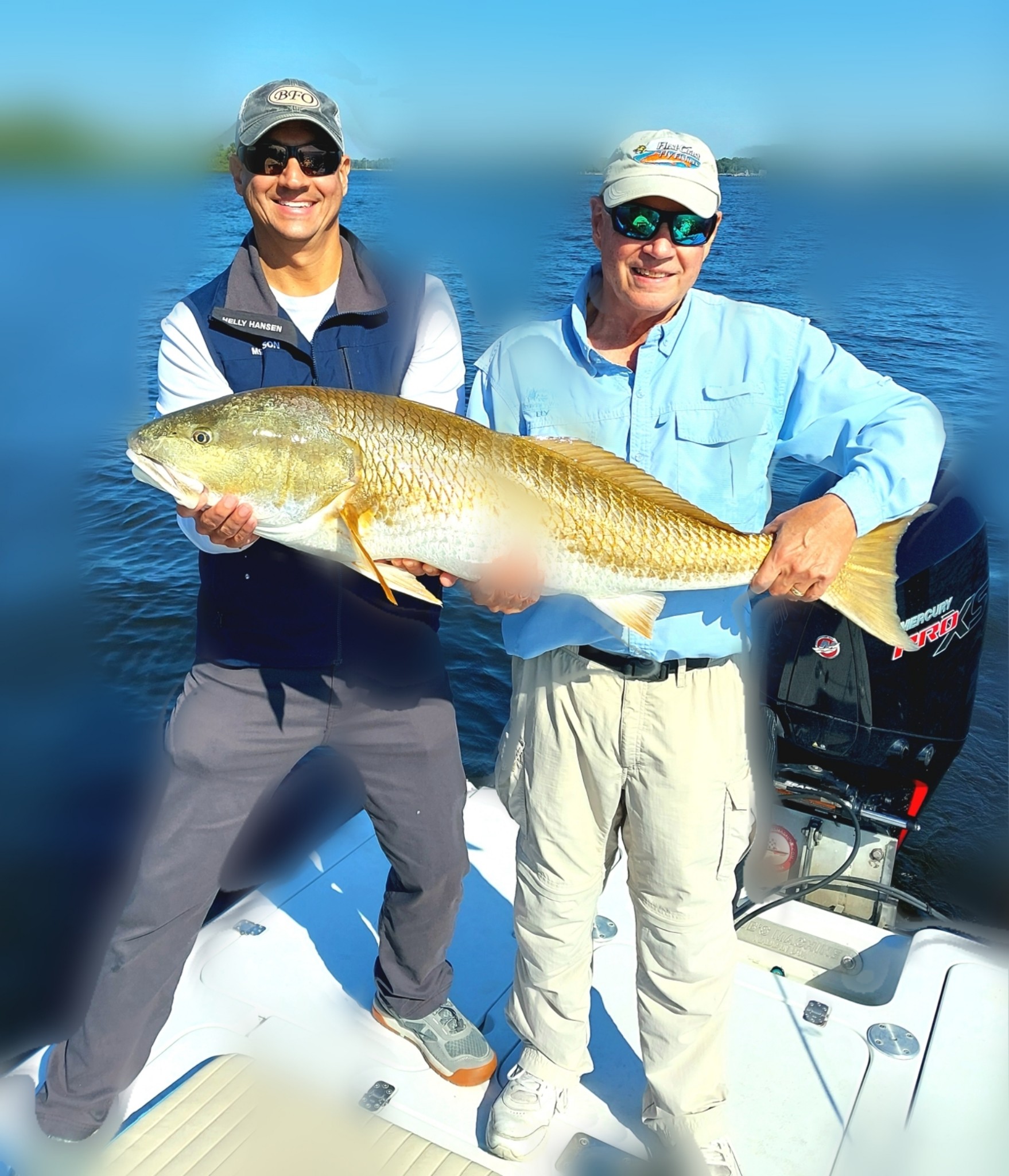
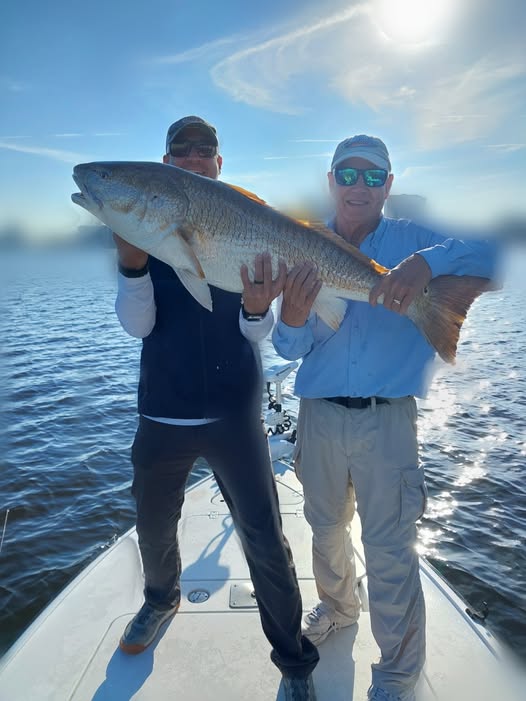
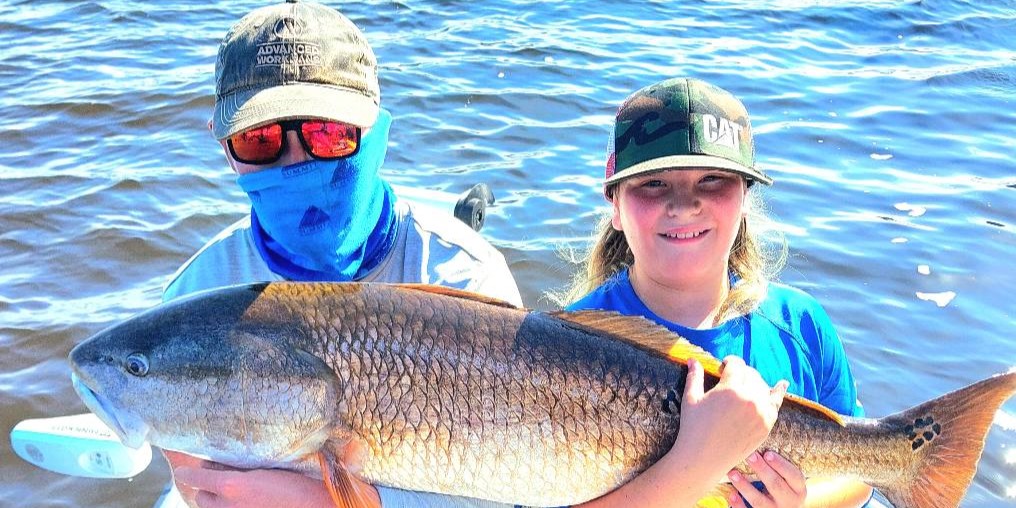
Redfish are the absolute stars of Jacksonville's inshore scene, and for good reason. These copper-colored bruisers typically run 18 to 27 inches in our waters and fight way above their weight class. They're most active during moving tides and love hanging around oyster bars and shallow grass flats. What makes reds so special is their aggressive feeding style – when they eat your bait, you'll know it. They hit hard and make powerful runs that will test your drag and get your heart pumping. Fall and spring are prime time for reds, but Jacksonville's mild winters keep them biting year-round. Your captain knows their seasonal patterns and favorite haunts, dramatically increasing your chances of hooking into one of these local favorites.
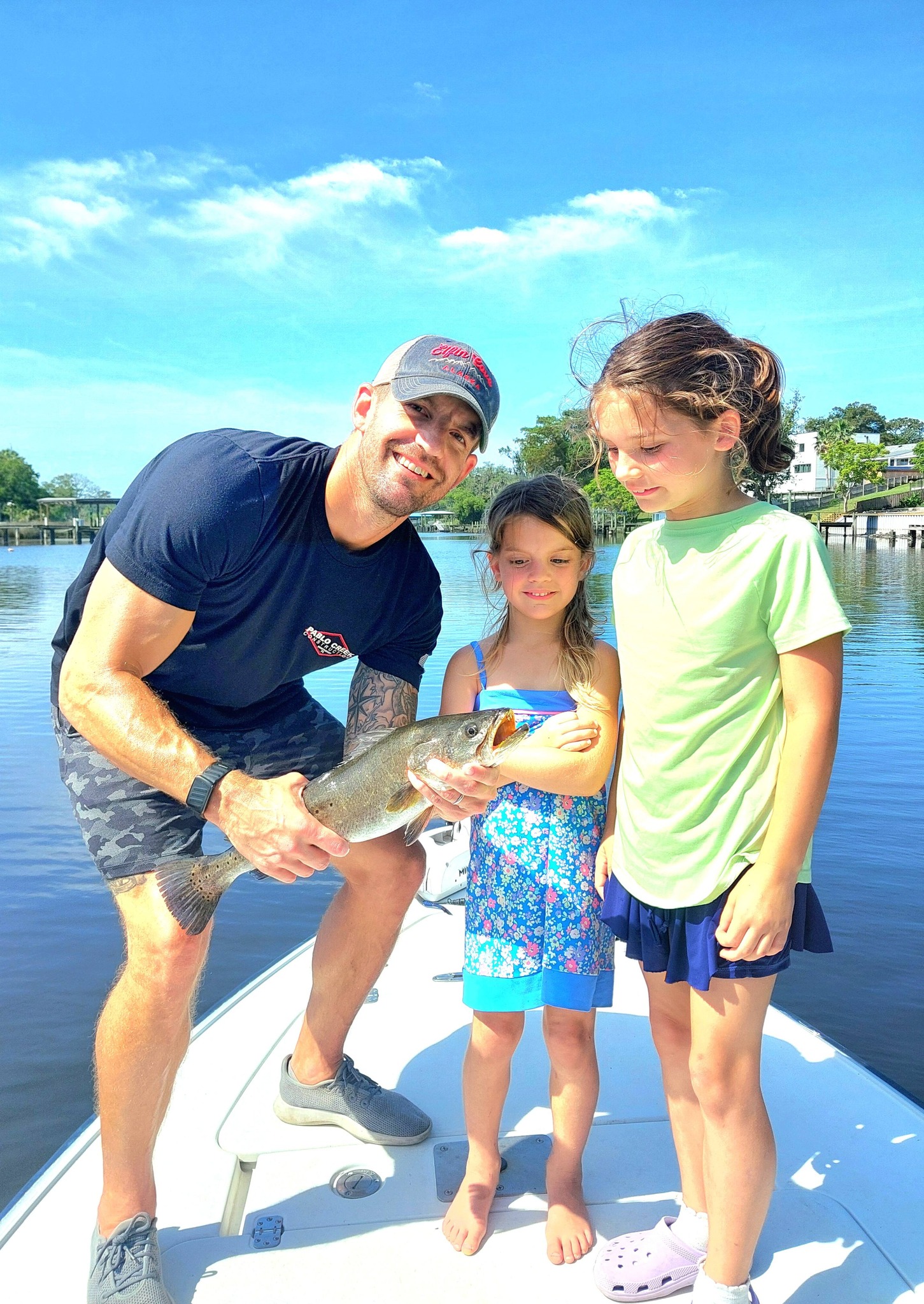
Sea trout are another top target that beginners absolutely love catching. These spotted beauties are typically more numerous than reds and tend to be a bit more forgiving if your hookset isn't perfect. They average 14 to 18 inches and have this distinctive spotted pattern that makes them gorgeous in photos. Trout are structure-oriented fish, meaning they hang around grass beds, channel edges, and drop-offs where baitfish gather. They're most active during cooler months and early morning hours, making them perfect for this type of charter. The best part about trout fishing is that where you find one, you'll often find several, leading to some fast action that keeps beginners engaged and excited.
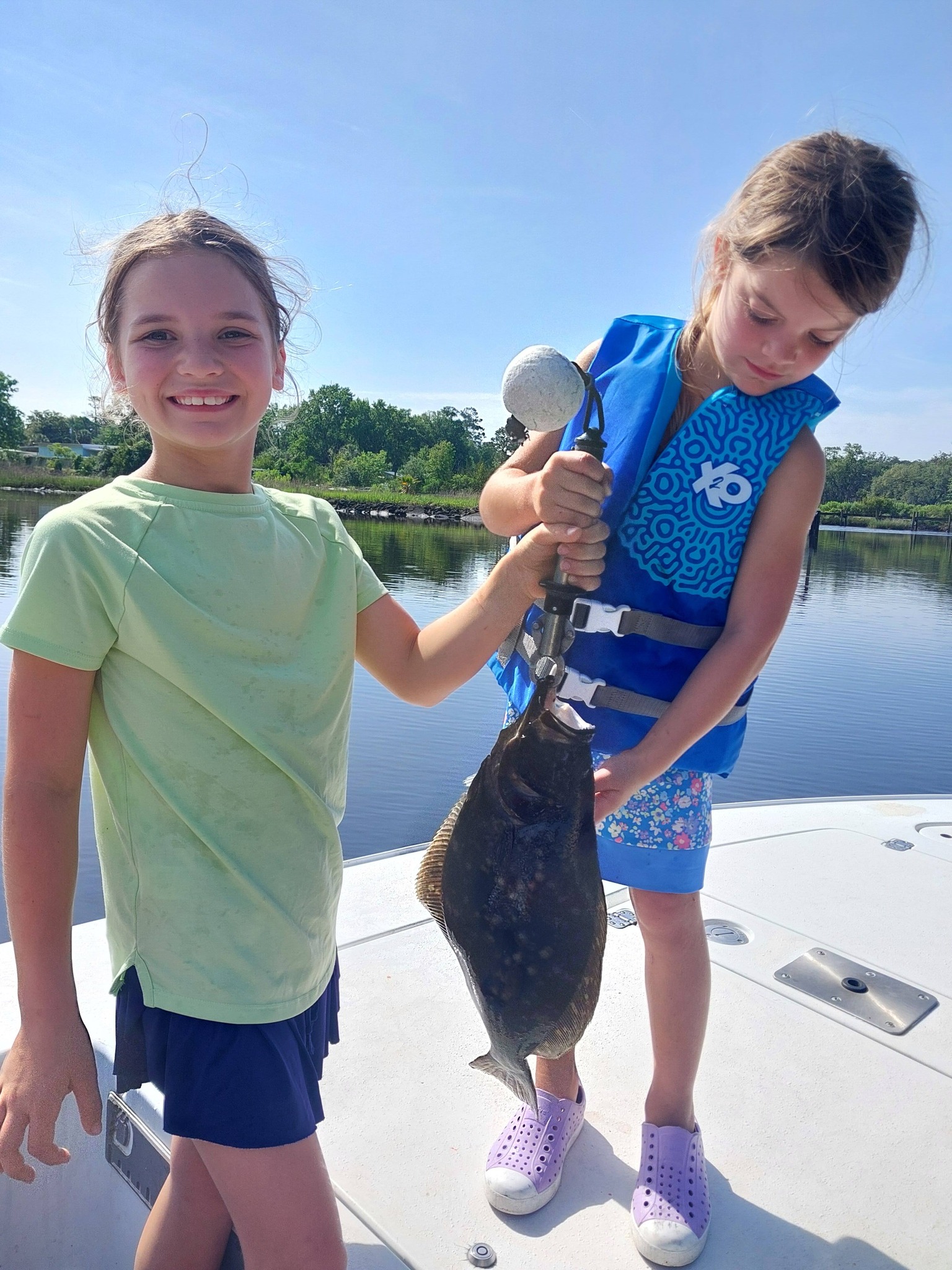
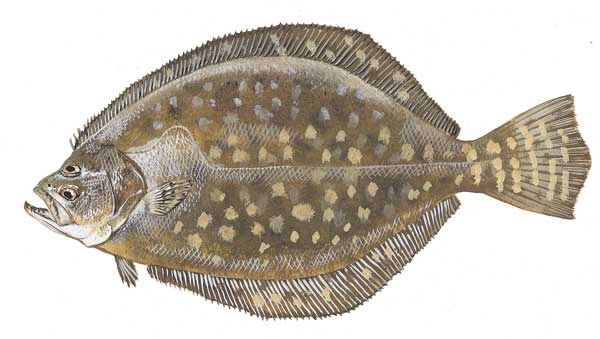
Southern flounder might not win any beauty contests, but they're crafty predators that offer a completely different fishing experience. These flatfish are masters of camouflage, lying motionless on sandy or muddy bottoms waiting to ambush prey. They typically run 14 to 20 inches and have an unusual bite – instead of a hard strike, you'll feel a subtle weight or pressure on your line. Learning to detect and hook flounder teaches you sensitivity and patience that will make you a better angler overall. They're most active during fall months when they're moving toward inlets for their offshore spawning runs. Your captain knows the specific structures and bottom types where flounder like to set up shop.
Snook represent the premium catch on this trip – they're harder to find but absolutely worth the effort when you connect. These silver-sided gamefish are incredibly acrobatic fighters known for their gill-rattling jumps and powerful runs. Jacksonville sits near the northern edge of their range, making them somewhat seasonal and special when encountered. Snook are ambush predators that love structure like dock pilings, bridge supports, and mangrove shorelines. They're most active during warmer months and are particularly fond of moving water around tide changes. Hooking a snook on light tackle is an experience you won't forget – they're smart, strong, and have a knack for throwing hooks if you don't keep steady pressure.
Time to Book Your Spot
This beginner-friendly charter delivers exactly what new anglers need: patient instruction, productive fishing spots, and a genuine introduction to what makes Jacksonville's inshore fishing so special. Your captain's teaching approach takes the intimidation out of fishing while still giving you real skills you can build on. The five-hour format provides enough
 Private Trip
 Inshore Fishing
 Jacksonville, FL


 Five-hour beginner fishing trip targeting redfish and trout