Ponce Inlet Flats Fishing Adventure
Looking for some serious flats action in one of Florida's hottest fishing spots? You've found it right here in Ponce Inlet. Blue Water Fishing Charter Adventures has been putting anglers on fish in these productive waters for years, and we know exactly where the big ones like to hang out. The Halifax River and surrounding backcountry flats offer some of the most consistent fishing on the east coast, with crystal-clear water that lets you sight-cast to tailing redfish and cruising sea trout. Whether you're a seasoned angler with your own techniques or someone just getting serious about flats fishing, our local knowledge will put you in the right spots at the right times.
What to Expect on the Water
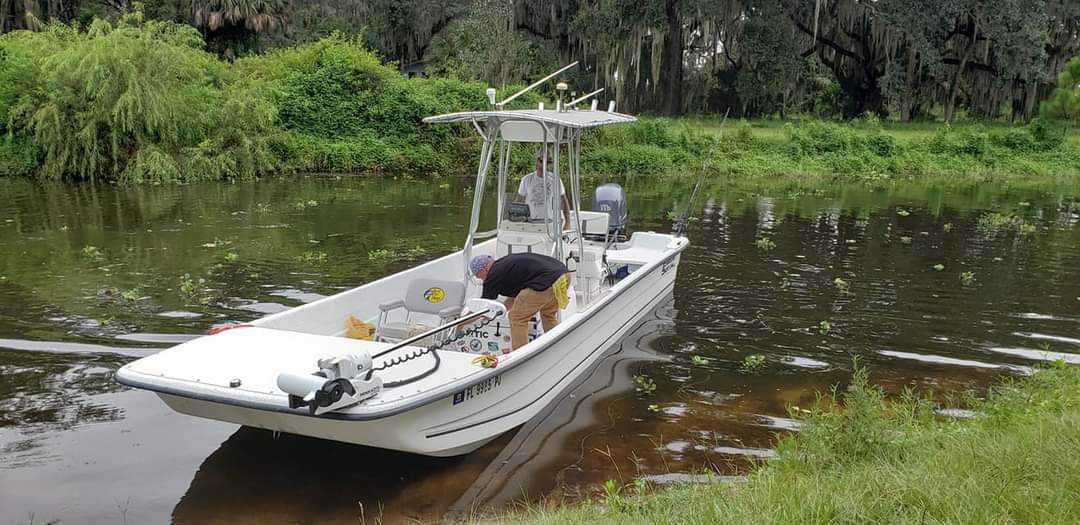
Your day starts early – that's when the fish are most active and the water's like glass. We'll cruise through the Halifax River system, checking out grass flats, oyster bars, and mangrove shorelines where game fish love to feed. The beauty of Ponce Inlet fishing is the variety – one minute you're working a school of black drum in three feet of water, the next you're casting to a laid-up tripletail near a channel marker. Our boats are rigged specifically for flats work, with shallow drafts that let us get into skinny water where bigger boats can't follow. You'll spend most of your time sight fishing and targeting structure, using live bait and artificials depending on conditions. The pace is relaxed but focused – we're hunting fish, not just hoping they'll bite. With a maximum of four anglers, everyone gets plenty of rod time and personalized instruction.
Techniques and Tackle Setup
Flats fishing is all about finesse and reading the water. We use medium-light spinning gear with 15-20 pound braid and fluorocarbon leaders – light enough to feel every bump, strong enough to turn a big red away from the mangroves. Live shrimp and finger mullet are go-to baits, but we also throw plenty of soft plastics, spoons, and topwater plugs when fish are actively feeding. The key techniques here are sight casting and working structure systematically. You'll learn to spot fish before they spot you, make accurate casts in tight quarters, and work baits naturally with the current. We fish everything from two-foot grass flats to ten-foot channel edges, adjusting our approach based on tides, wind, and fish behavior. Polarized sunglasses are absolutely essential – you can't fish what you can't see. The shallow water lets you watch fish react to your presentation, which makes every cast a learning experience.
Top Catches This Season
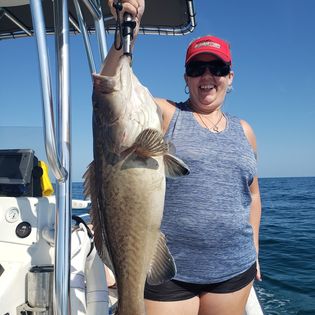
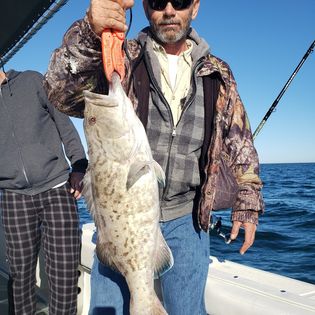
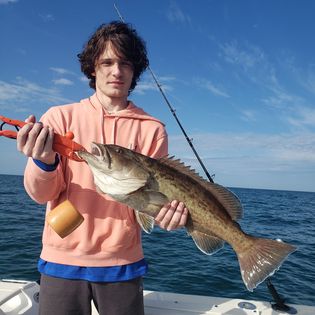
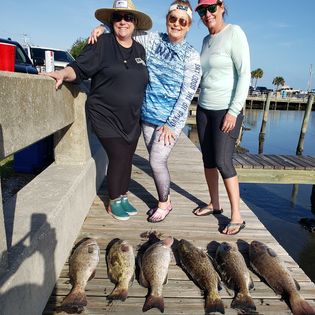
Black drum are the bulldogs of the flats, and Ponce Inlet has some real tanks. These fish cruise the shallow oyster bars and grass edges, often in schools that'll keep you busy for hours. They average 8-15 pounds here, but don't be surprised if you hook into a 20-plus-pound bruiser that'll test your drag system. Black drum are year-round residents, but spring and fall offer the best action when they're feeding heavily before and after spawning. They're suckers for fresh shrimp bounced along the bottom, and once you find a school, the action can be non-stop. What makes them special is their fight – pure power with long, sustained runs that'll make your arms burn.
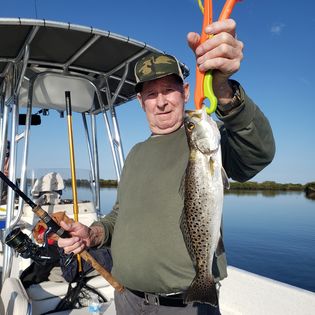
Sea trout are the bread and butter of backcountry fishing, and the Halifax River system holds some beautiful gator trout. Most fish run 15-20 inches, but the grass flats regularly produce trout pushing 24-26 inches that are absolutely gorgeous. They're most active during moving tides, especially around dawn and dusk. Trout love live shrimp under popping corks, but they also crush soft plastic jigs worked slowly over grass beds. Spring through fall offers the most consistent action, though winter can produce some of the biggest fish of the year. The exciting part about trout fishing here is their willingness to hit topwater baits – watching a big trout blow up on a surface plug in two feet of clear water never gets old.
Redfish are what most anglers dream about, and these flats hold some real bulls. Slot-sized reds are plentiful year-round, but fall brings the big oversized fish that'll spool you if you're not careful. Reds love shallow oyster bars, mangrove shorelines, and grass flats where they tail and cruise looking for crabs and shrimp. They're incredibly spooky in skinny water, so stealth and accurate casting are crucial. A perfectly presented live shrimp or gold spoon can trigger explosive strikes from fish you can see coming from 50 yards away. The best part about redfish is their versatility – they'll eat live bait, artificials, and topwater plugs with equal enthusiasm.
Crevalle jacks bring the muscle to every fight, and when they show up in schools, the action gets wild fast. These fish are pure energy, making blistering runs and never giving up until they're in the boat. They're not picky eaters – jacks will crush just about any bait or lure you throw at them. While they're not the prettiest fish in the cooler, they're absolute blast to catch on light tackle. Jacks often travel in schools, so where you catch one, there are usually more. They're most common during warmer months and often mix with other species around bait schools.
Tripletail are the bonus fish that make every trip memorable. These unique fish hang around channel markers, crab trap buoys, and floating debris, often lying on their sides like floating leaves. They're incredibly smart and can be tough to fool, but a perfectly presented live shrimp or small jig can trigger strikes from fish that seem completely uninterested. Tripletail are strong fighters with an unusual fighting style – they roll and shake their heads violently, trying to throw the hook. They're excellent table fare and always a prize catch that gets plenty of photos
 Private Trip
 Flats/Shallows Fishing
 Crystal River


 Target snook, redfish, and trout in Halifax River flats