12 Hour Gulf Stream Fishing in Charleston
Looking for a serious fishing adventure that'll put you right in the heart of Charleston's most productive waters? This 12-hour Gulf Stream trip with BoSs Fishing Company is built for anglers who want to chase the big ones. We're talking about heading out to where the real action happens - those deep blue waters where monster fish cruise year-round. With just 6 spots available, you'll get plenty of room to fish without bumping elbows, and our captain will work with your crew to target whatever species are biting best that day.
What to Expect on the Water
This isn't your typical half-day charter - we're committing to a full 12 hours of serious fishing time. The Gulf Stream sits about 60-80 miles off Charleston's coast, and that ride out gives you time to rig up, talk strategy, and watch the water color change from green inshore to that deep cobalt blue that gets every angler's heart pumping. Once we hit the Stream, you've got options. Want to troll for speed demons like wahoo and mahi? We're on it. Prefer to drop down for bottom dwellers like grouper and snapper? Your call. The beauty of this trip is flexibility - our captain reads the water and works with what you want to target. Some days the trolling bite is hot, other days the bottom fishing steals the show. We'll adjust based on what's working and what gets your crew fired up.
Trolling the Blue Water
Gulf Stream fishing means covering serious ground, and trolling is the name of the game for pelagic species. We'll be pulling a spread of lures and rigged baits at different depths - ballyhoo, cedar plugs, and diving plugs that mimic the baitfish these predators can't resist. The boat stays moving while lines stay in the water, maximizing your chances at multiple hookups. When something hits, you'll know it instantly - wahoo strikes feel like getting hit by lightning, while mahi often come in schools that can keep the whole boat busy. For bottom fishing, we'll anchor up or drift over structure where grouper, snapper, and triggerfish hang out. Heavy tackle and strong drag systems handle the initial runs, but technique matters just as much as gear when you're fighting fish in 200+ feet of water.
Top Catches This Season
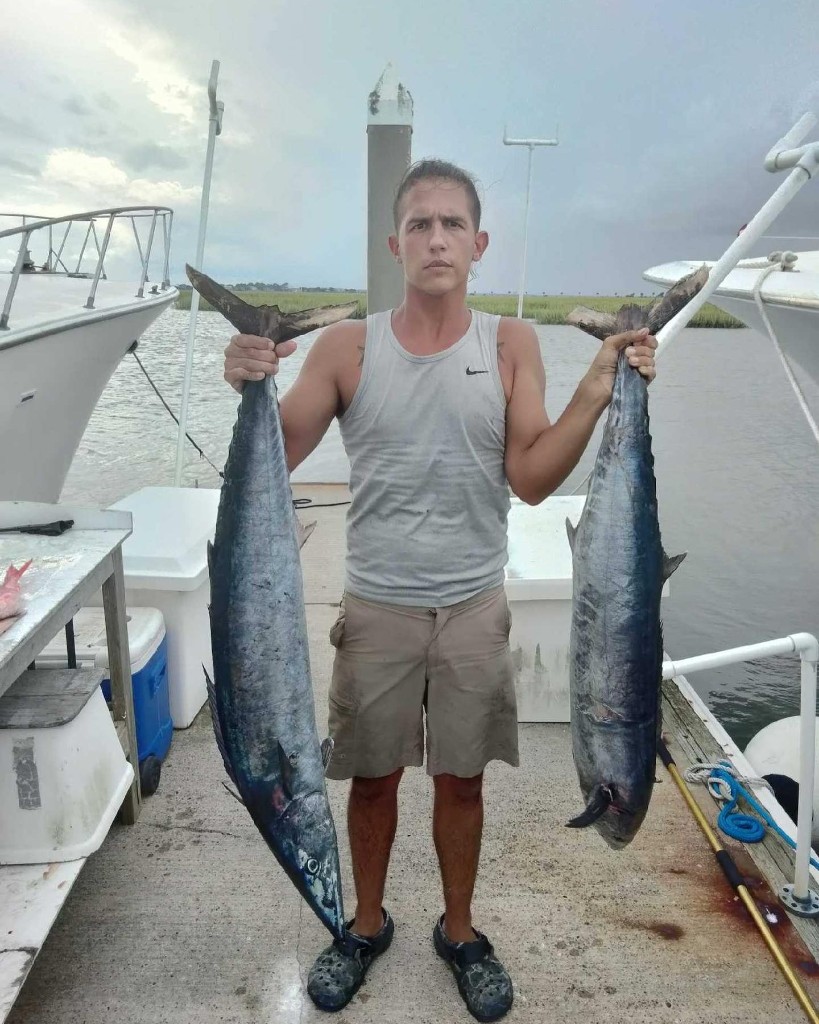
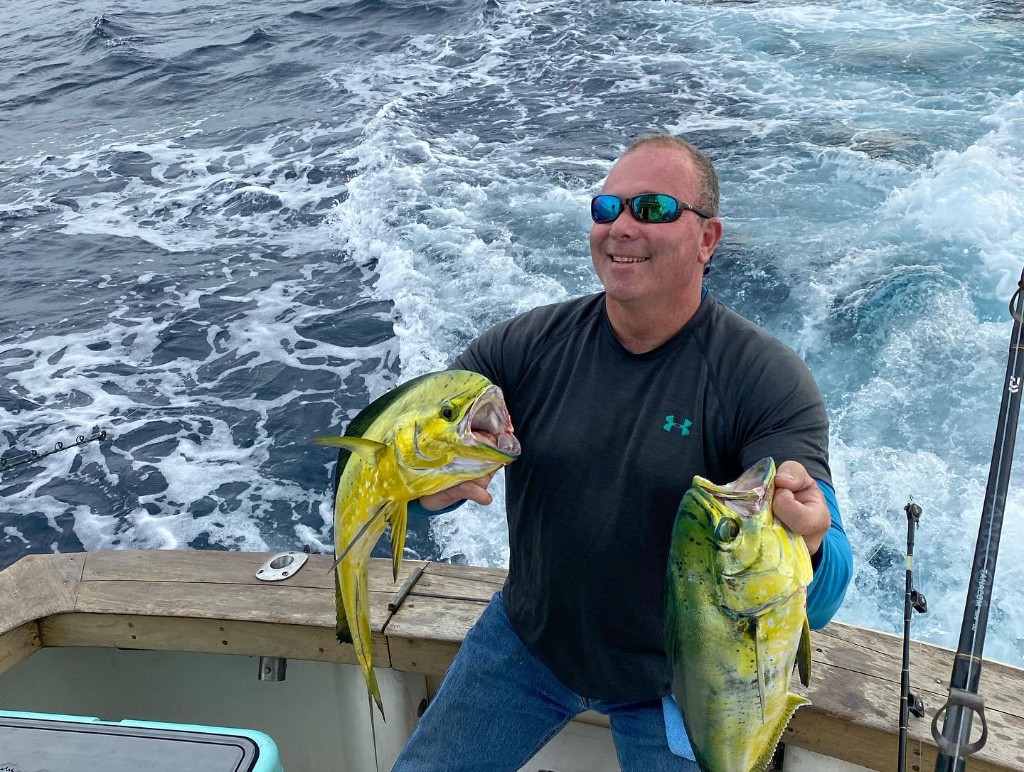
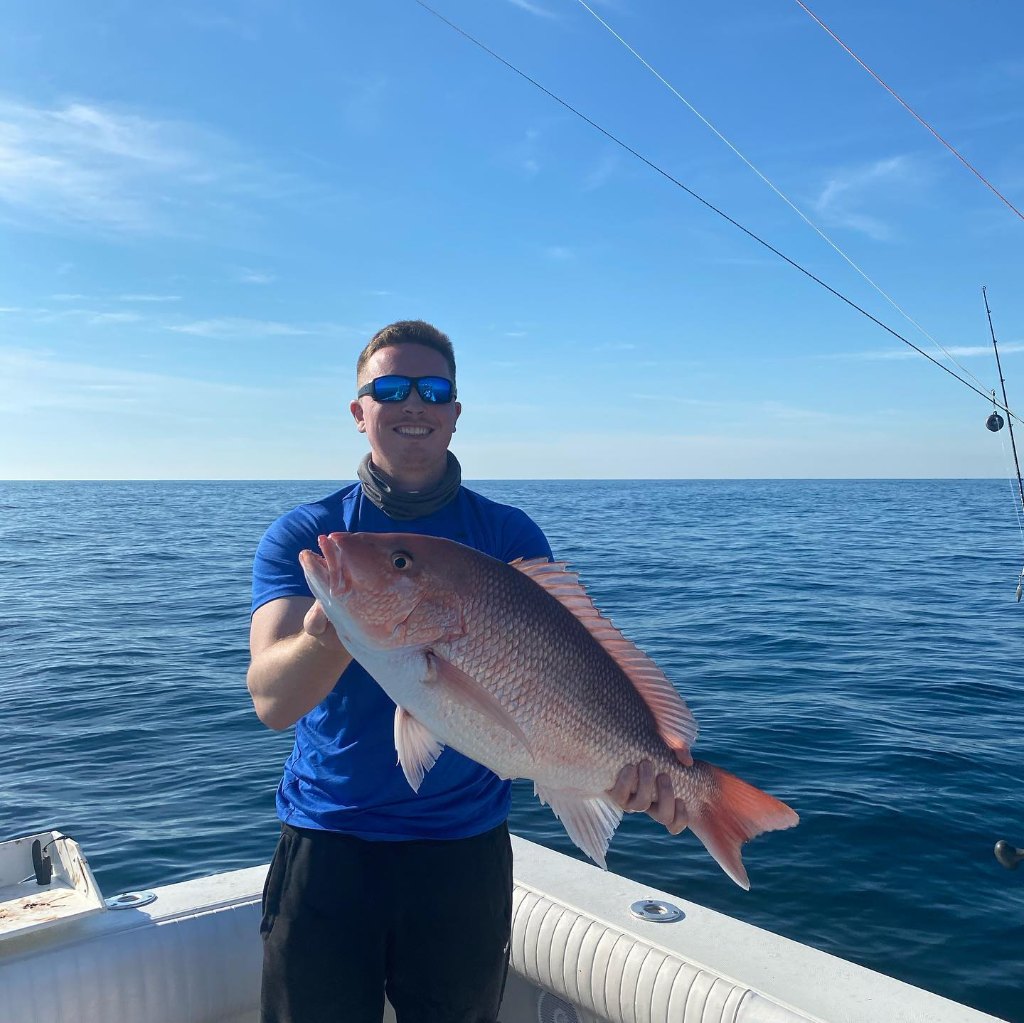
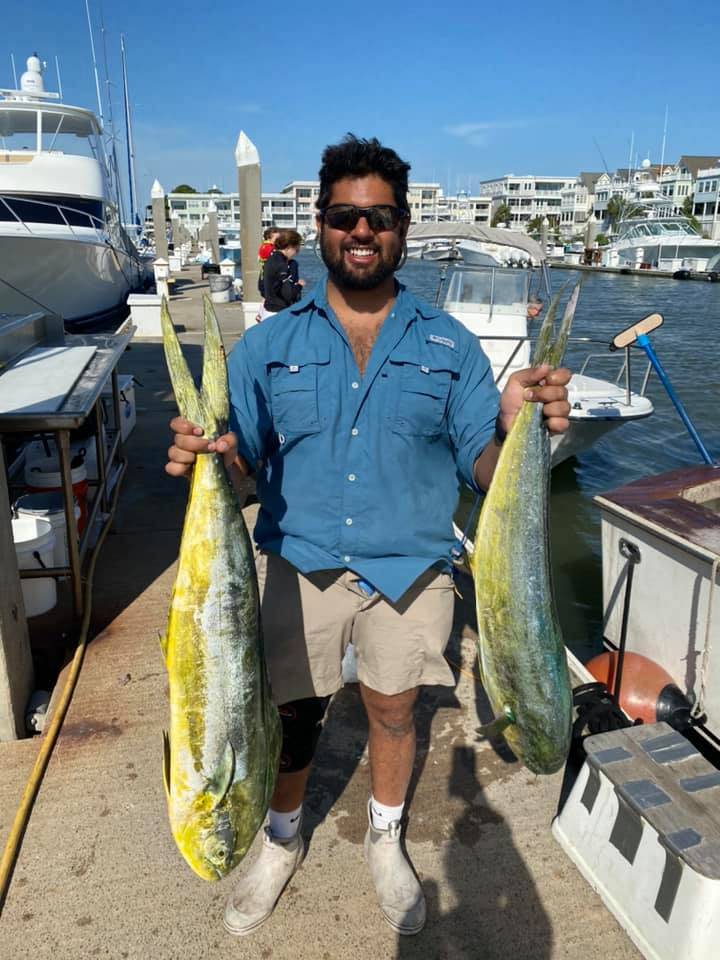
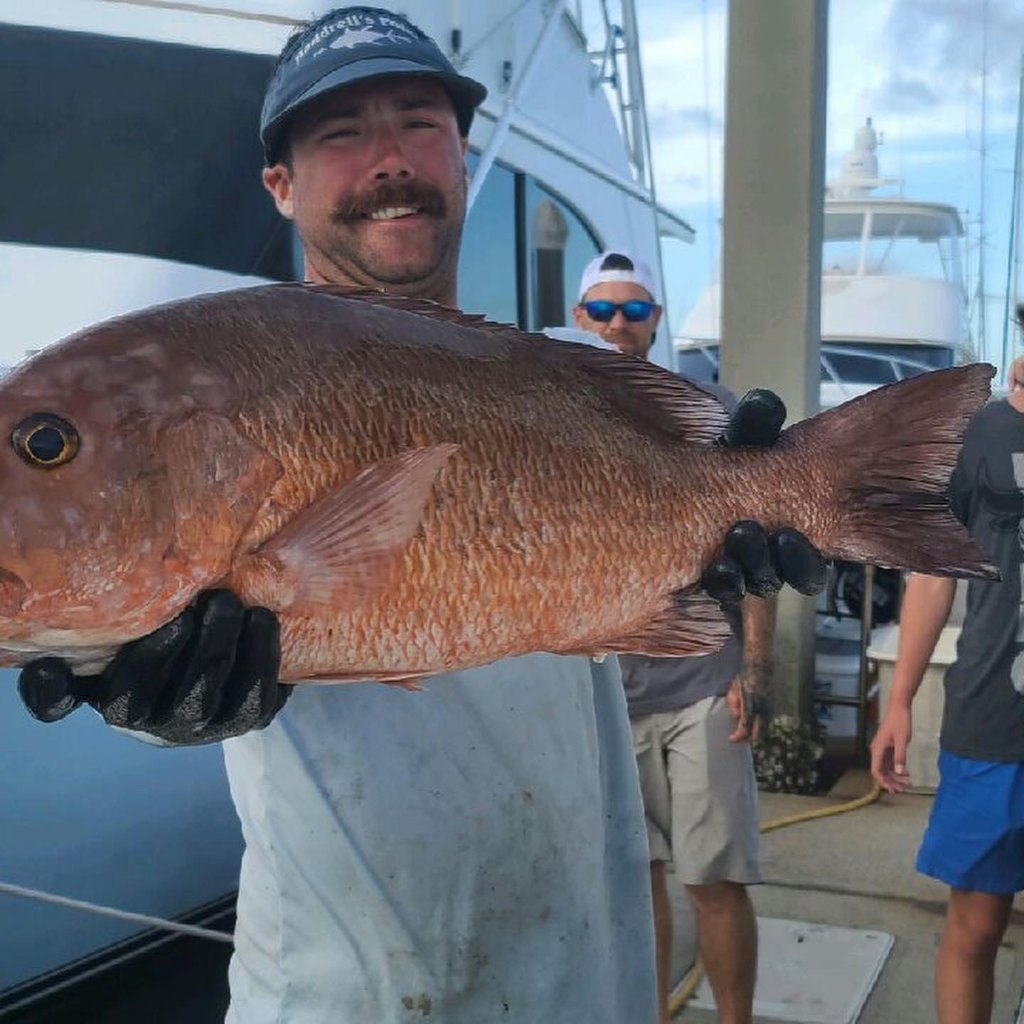
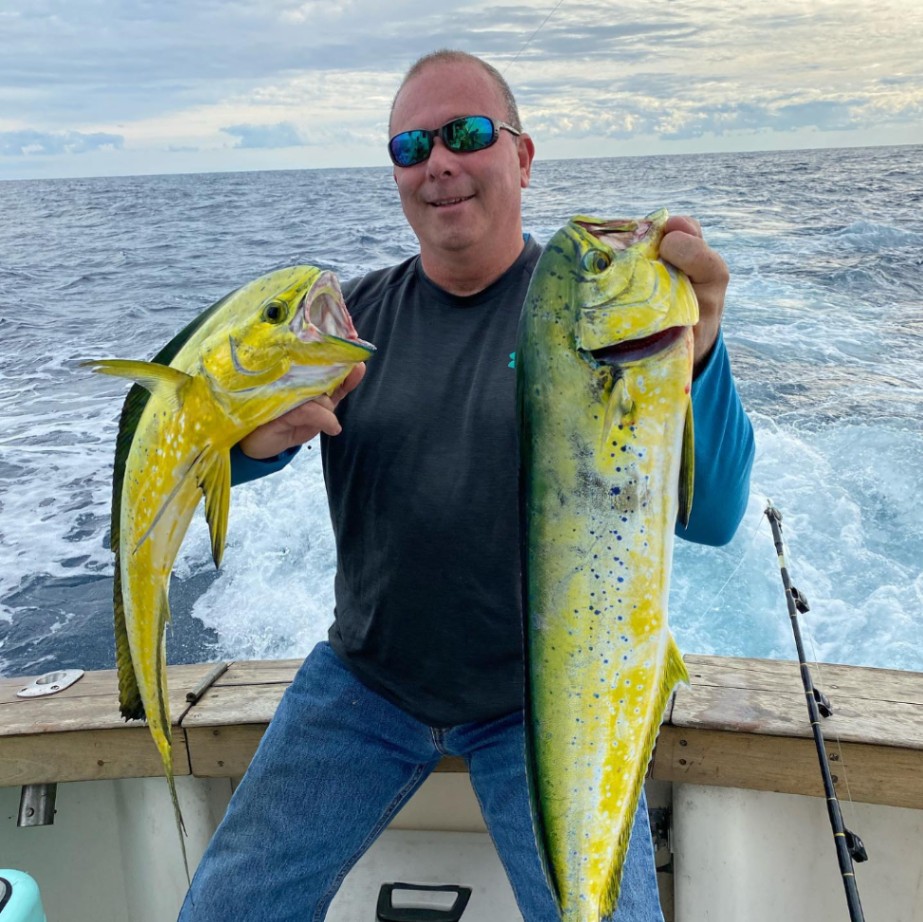
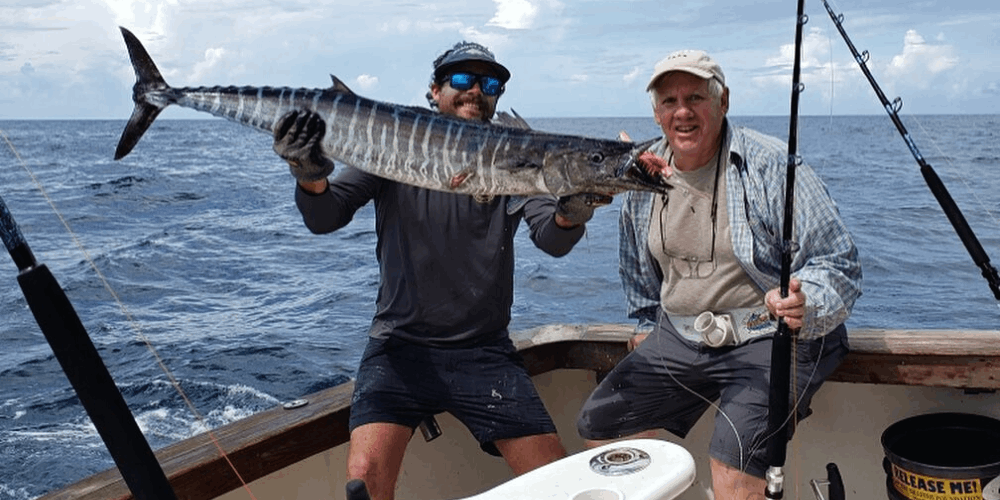
The Mahi Mahi fishing around Charleston's Gulf Stream edge is legendary for good reason. These fish travel in schools and when you find them, it's game on. Mahi are curious by nature and incredibly aggressive feeders - they'll often follow hooked fish right to the boat, giving everyone a shot at multiple catches. Peak season runs spring through fall, with summer offering the most consistent action. What makes mahi so popular isn't just their fighting ability - they're also fantastic table fare and put on a show with their brilliant gold and green colors when brought boatside. Wahoo are the speed merchants of the Gulf Stream, capable of stripping line faster than almost any other fish in these waters. They typically show up best during cooler months when water temperatures drop slightly, and their razor-sharp teeth and blistering runs make every hookup a heart-pounding experience. Red Snapper remain one of the most sought-after bottom fish, and for good reason - they fight hard, taste amazing, and when the bite is on, you can load the cooler quickly. Federal regulations change seasonally, so timing matters, but when snapper season is open, these fish provide non-stop action around structure in 100-200 feet of water. Black Sea Bass might not get the same attention as snapper, but they're incredibly abundant and willing to bite year-round. They school up tight around hard bottom and artificial reefs, making them perfect for filling out a mixed bag when other species are finicky. Blackfin Tuna are the most common tuna species you'll encounter on Charleston Gulf Stream trips, and they're absolute dynamite on appropriate tackle. These fish school heavily and feed aggressively, often providing fast action when you locate them. They prefer slightly cooler water, making spring and fall prime time, but can be found year-round by anglers willing to hunt for them.
Time to Book Your Spot
Charleston's Gulf Stream fishing delivers world-class action, and this 12-hour format gives you the best shot at experiencing everything these waters offer. With only 6 anglers per trip, you're getting a top-rated charter experience without the crowds that plague larger boats. BoSs Fishing Company has built their reputation on putting clients on fish, and this trip showcases exactly why serious anglers keep coming back. Whether you're chasing your first wahoo, looking to load up on snapper, or just want to experience what Gulf Stream fishing is all about, this is your chance to fish with a crew that knows these waters inside and out. Don't wait - prime dates fill up fast, especially during peak fishing seasons.
 Private Trip
 Inshore Fishing
 Charleston


 12-hour Gulf Stream charter targeting Mahi, Wahoo, and Tuna