10-Hour Charleston Offshore Fishing Adventure
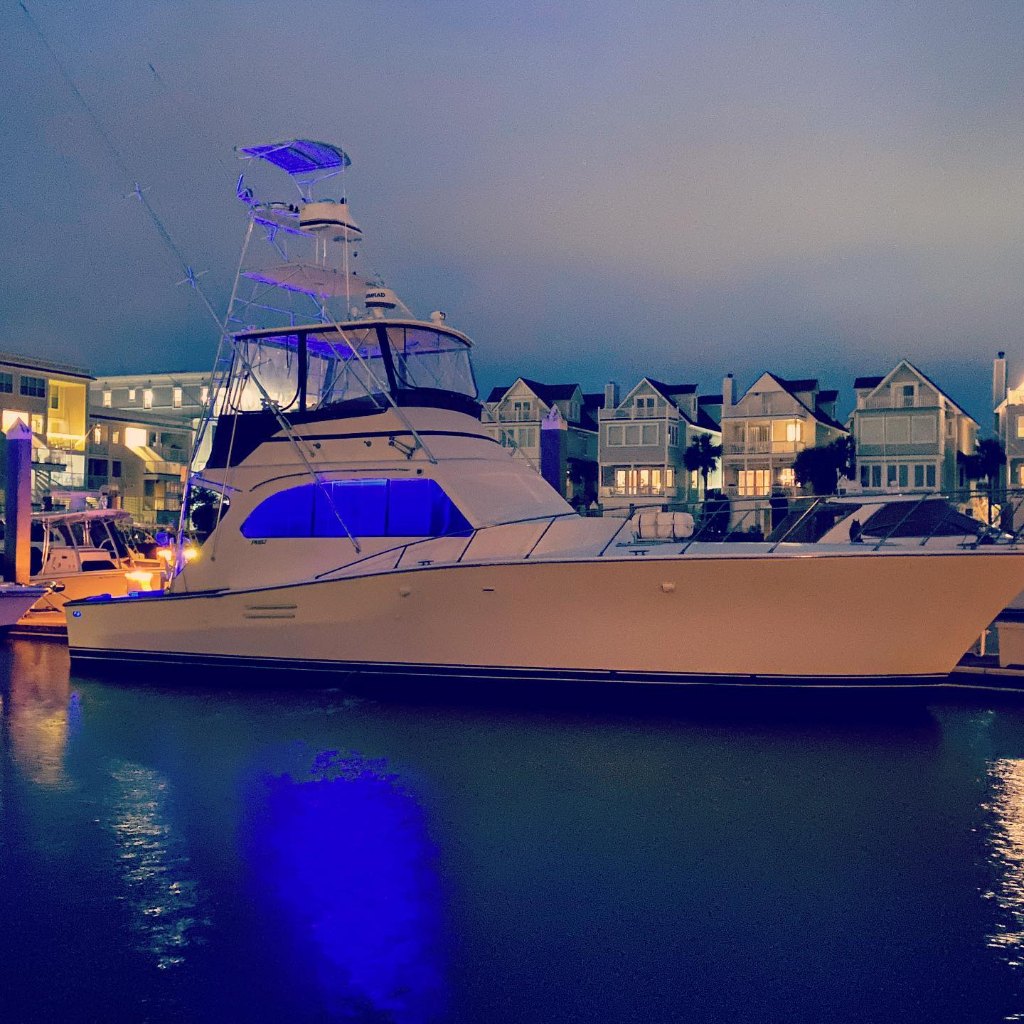
When you're ready to get serious about fishing the Charleston waters, this 10-hour offshore trip with BoSs Fishing Company is exactly what you've been looking for. We're talking about heading up to 40 miles out into the Atlantic, where the real action happens and the big fish live. This isn't your typical half-day trip – we've got the time to find the fish, work different techniques, and put you on some world-class species that'll have you talking for years.
What to Expect on the Water
Here's the deal – this trip is built around what you want to do. Some crews like to troll all day, others want to drop down and work the bottom, and plenty of anglers get fired up about vertical jigging. We're set up to do it all, and honestly, that's what makes these longer trips so productive. You've got 10 hours to play with different techniques and see what's working best on any given day. The boat handles up to 6 anglers, so you're not fighting for rail space or dealing with a crowded deck. Charleston's offshore waters are legendary for good reason – the Gulf Stream influence brings in pelagic species, while our nearshore structure holds plenty of bottom dwellers. Spring through fall, these waters come alive with migrating fish, and winter offers some surprisingly good action when conditions line up right.
Techniques & Tackle Setup
We run three main approaches depending on what's biting and what you're after. Trolling is our bread and butter for covering water and finding active fish – we'll pull spreads of ballyhoo, cedar plugs, and diving plugs to target everything from mahi to wahoo. When we mark bottom structure or find a good wreck, we switch to bottom fishing with heavy tackle, circle hooks, and cut bait or live offerings. The vertical jigging game has really taken off around here, especially for amberjack and big grouper – it's active fishing that keeps you engaged and produces some serious battles. All the tackle is provided, from the trolling rigs down to the bottom tackle, but if you've got favorite lures or setups, bring them along. The crew knows these waters inside and out, from the productive trolling lanes to the honey holes that consistently hold fish.
Top Catches This Season
Black sea bass are the workhorses of Charleston's offshore scene, and for good reason. These chunky fighters hang around structure in 60-120 feet of water and bite year-round, though they're most active in cooler months. Don't let their size fool you – a 3-4 pound black sea bass will give you a solid fight and they're absolutely excellent eating. They're also great confidence builders when other species aren't cooperating, and kids love catching them because they bite readily and fight hard for their size.
Blackfin tuna are pure adrenaline on the end of your line. These speedsters show up best during warmer months, typically running 10-25 pounds around Charleston. They travel in schools, so when you find one, you'll often find more. Blackfins are notorious for their blistering runs and aerial displays – they'll test your drag system and your arms. They hit trolled baits hard and fast, and once hooked, they rarely give up without a serious fight. The meat is top-notch too, perfect for sashimi if you like your fish fresh.
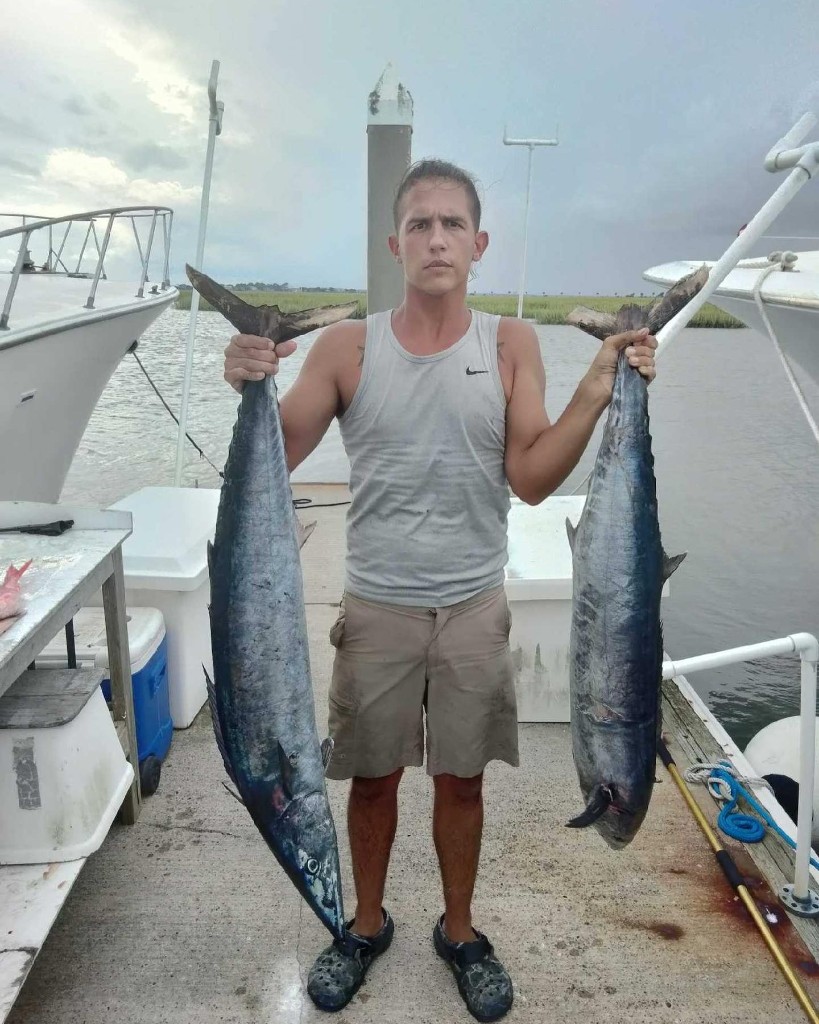
King mackerel, or "smoker kings" as we call the big ones, are Charleston legends. Spring and fall bring the best action, with fish ranging from schoolie size up to 40+ pound monsters. Kings are ambush predators that crush trolled baits, and their initial run is absolutely spectacular. They're also one of the best eating fish in these waters when handled properly. Live bait fishing for kings can be incredibly productive, especially around structure or temperature breaks.
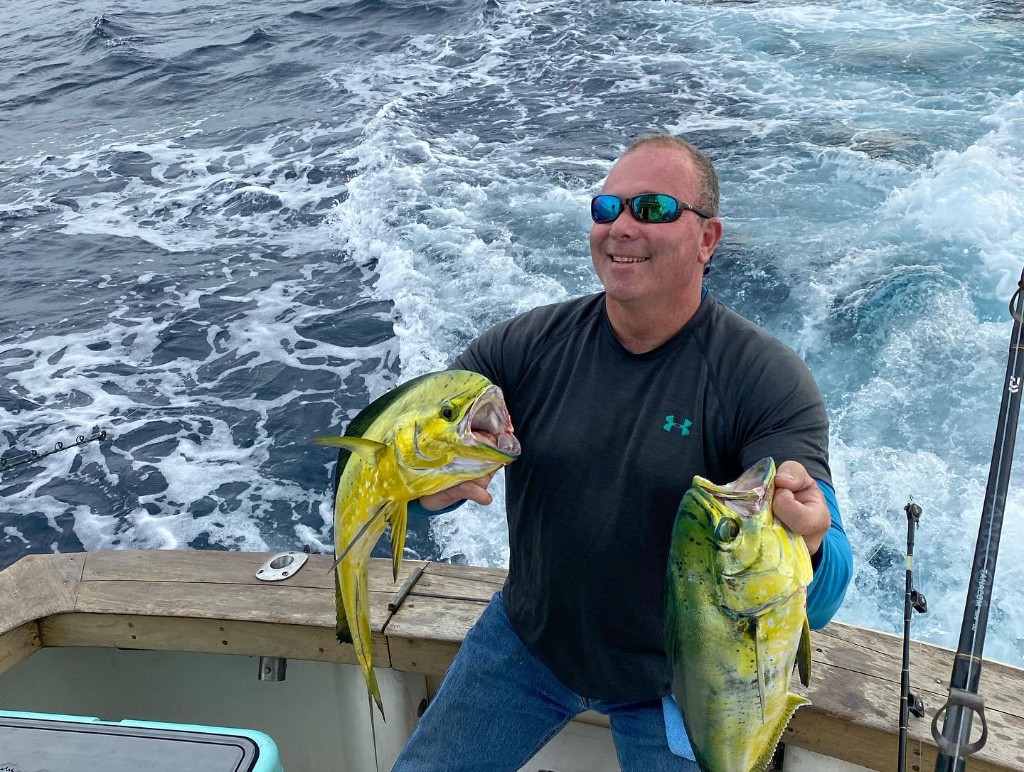
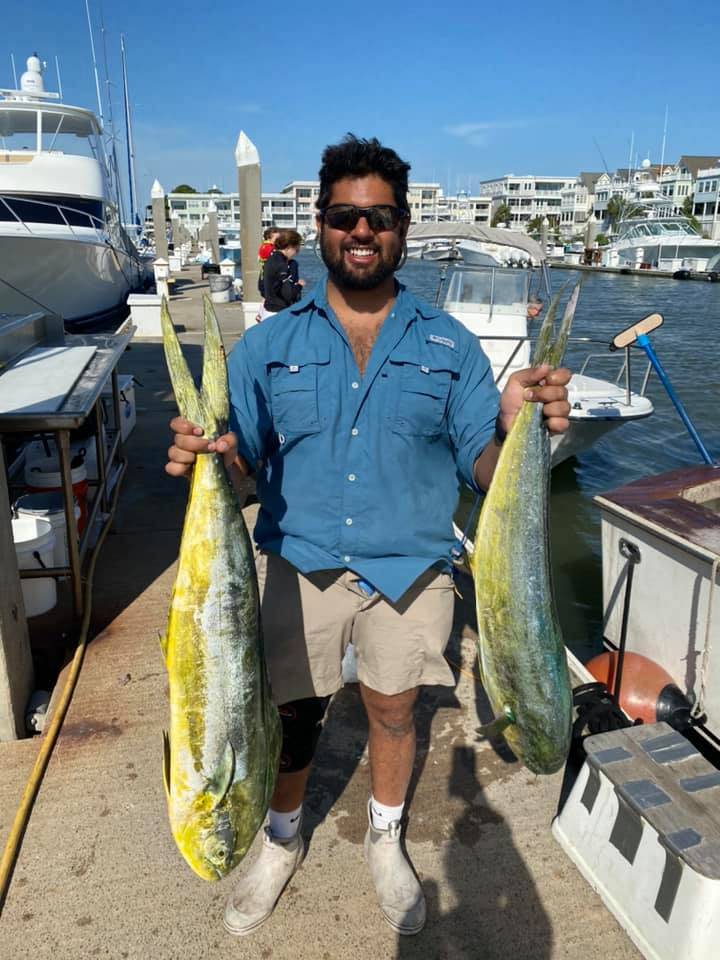
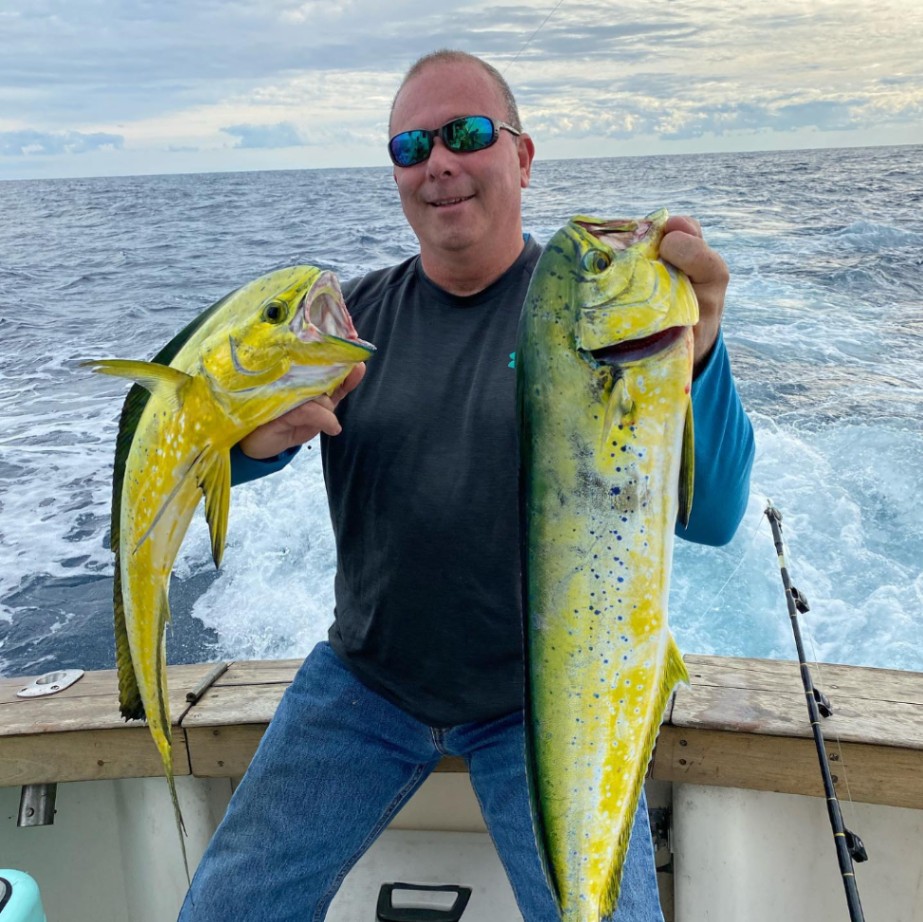
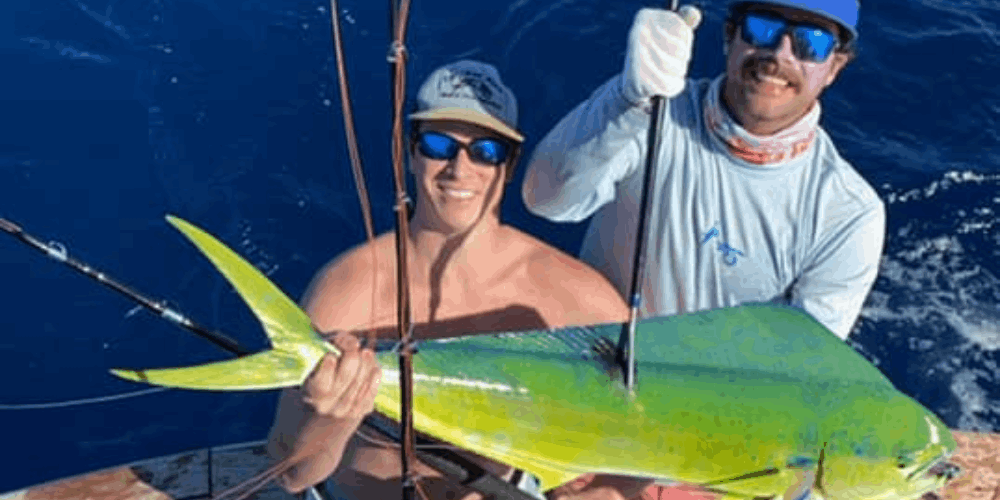
Mahi mahi are what offshore dreams are made of. These colorful fighters show up when water temperatures climb, usually late spring through early fall. Charleston mahi typically run 10-30 pounds, though bulls over 40 pounds are possible. They're attracted to floating debris, weed lines, and current breaks. Once you hook one, keep other baits in the water – mahi are notorious for staying with hooked fish, and double or triple headers are common. Their fighting style is wild and unpredictable, with jumps, runs, and head-shaking that'll keep you on your toes.
Wahoo are the speed demons of the offshore world, capable of runs that'll scream line off your reel before you know what hit you. These torpedo-shaped predators show up best during cooler months around Charleston, typically weighing 20-60 pounds. They hit trolled baits at ridiculous speeds and their initial run is simply devastating. Wahoo have razor-sharp teeth and incredible speed, making them one of the most challenging fish to land consistently. When everything comes together though, there's nothing quite like the sight of a wahoo coming to the boat.
Time to Book Your Spot
Look, 10 hours on the water gives us real opportunities to put you on multiple species and work different techniques until we find what's hot. Charleston's offshore fishing is top-rated for good reason – we've got the structure, the current, and the variety of species that make every trip different. BoSs Fishing Company has the experience and local knowledge to make the most of your time out there, whether you're a seasoned angler looking for your next trophy or someone ready to step up their fishing game. The boat's equipped for serious fishing, the crew knows where to find them, and all that's missing is you. Don't wait too long to book – the best dates fill up fast, especially during prime season when everything's biting.
 Private Trip
 Offshore Fishing
 Charleston


 10-hour offshore adventure targeting multiple premium species up to 40 miles out