San Diego's Premier Mexican Inshore Adventure
When you're looking for some serious fishing action in San Diego waters, Bubba Jean Sportfishing's Mexican Inshore and Coronado Islands charter is where the magic happens. This isn't your typical harbor cruise – we're talking about a legitimate 9 or 12-hour fishing adventure that takes you into productive Mexican waters where the fish are bigger, hungrier, and more willing to play. With only 4 anglers max on board, you get the personalized attention and prime fishing spots that make the difference between telling fish stories and actually landing them.
What to Expect on the Water
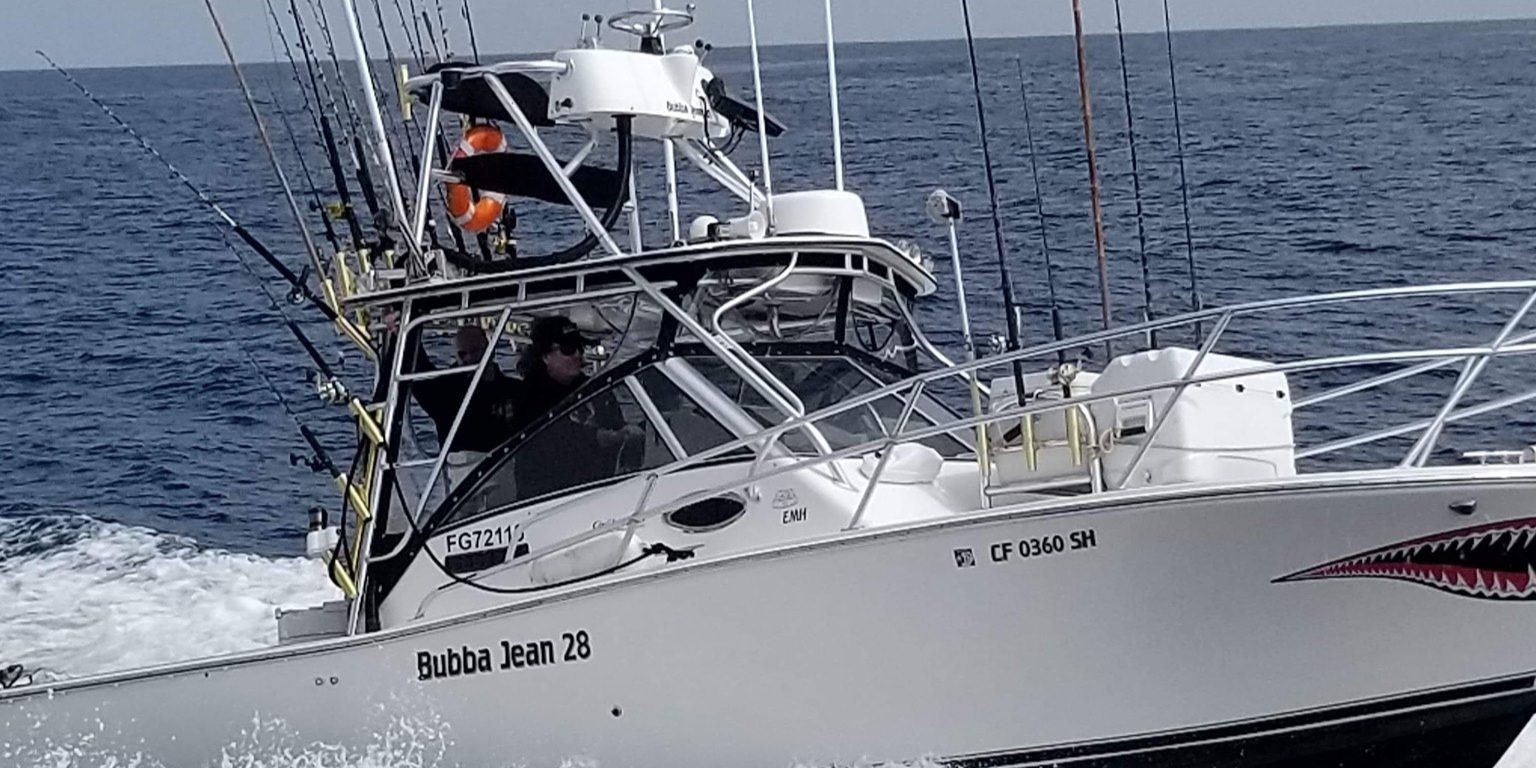
Your day starts early because the best fishing happens when most folks are still hitting the snooze button. We'll cruise south from San Diego toward the Mexican Inshore waters and around the Coronado Islands, where the underwater structure and current breaks create perfect ambush points for gamefish. The water here is deeper and cleaner than what you'll find closer to shore, which means better visibility for the fish and better action for us. Captain Bubba Jean knows these waters like his own backyard – every rock pile, kelp bed, and drop-off that holds fish. The boat's equipped with top-notch electronics to mark schools and structure, plus we've got all the rods, reels, tackle, and live bait you need. Don't forget your unexpired passport or passport card since we'll be crossing into Mexican waters – it's required and non-negotiable. A California fishing license is also mandatory, so grab that ahead of time if you don't already have one.
Techniques and Tactics
Depending on what's biting and where we find them, we'll be using a mix of techniques that work best in these waters. Live bait fishing is king out here – nothing beats a fresh sardine or mackerel on the right rig when yellowtail are cruising the kelp edges. We'll also be throwing iron jigs, especially the heavier stuff that gets down fast in the deeper water around the islands. When the white seabass are schooled up, slow-pitch jigging with lighter tackle can be absolutely deadly. For halibut, we'll drop down with live bait on sliding sinker rigs, working the sandy bottoms and transition zones. Shark fishing means bigger baits, heavier gear, and a lot more patience – but when a thresher takes off with 300 yards of line, you'll understand why people get addicted to it. The crew provides all the gear, but if you have favorite rods or reels, feel free to bring them. Just make sure they can handle fish in the 20-50 pound range because you never know when something big decides to eat your bait.
Species You'll Want to Hook
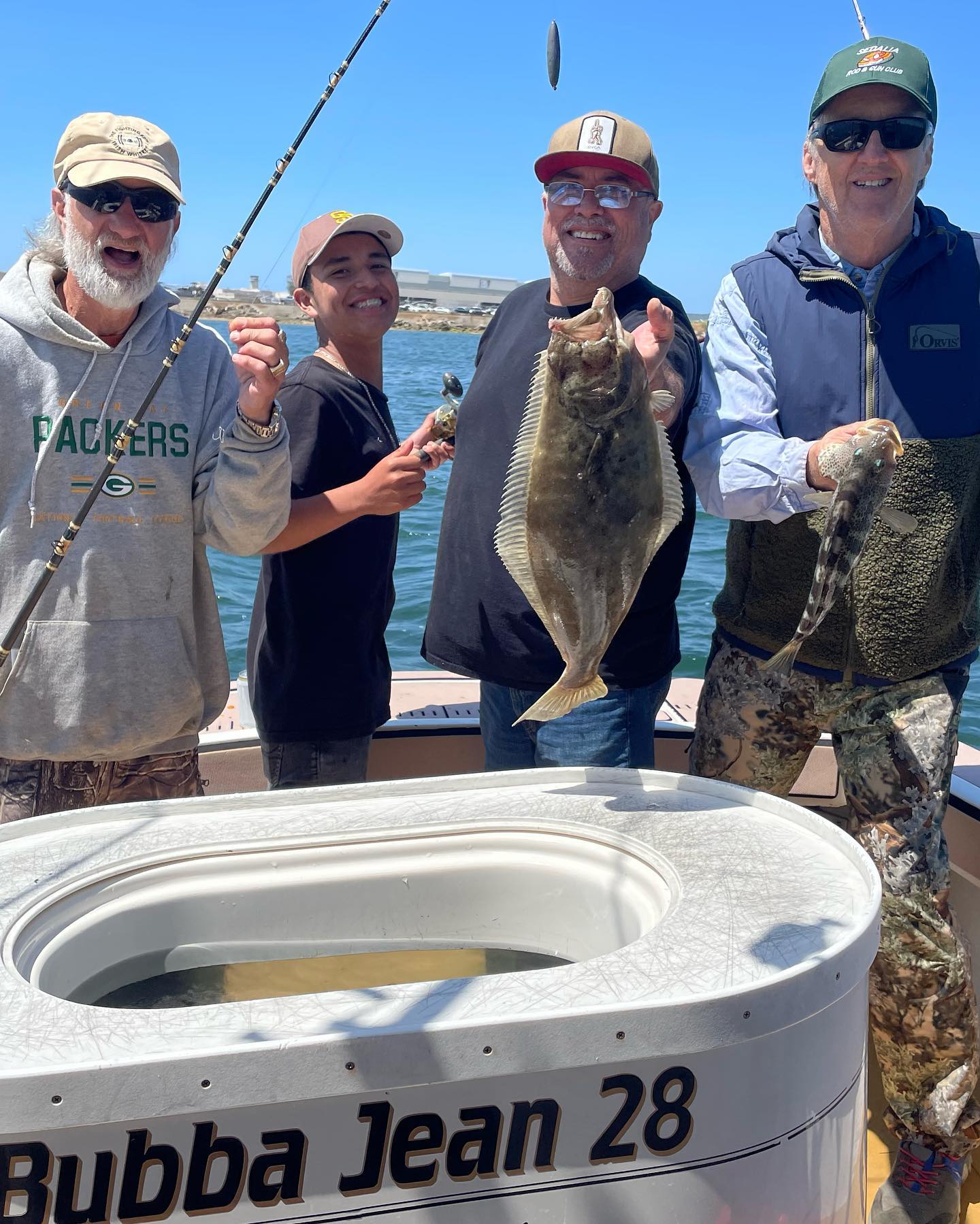
Lingcod are the bullies of the bottom, and around the Coronado Islands, they grow to impressive sizes. These aggressive predators love rocky structure and won't hesitate to grab a large bait or jig. They're ugly as sin but fight hard and taste even better. Best chances are during the cooler months when they move into shallower water to spawn. The fight isn't spectacular, but the steady pull and head-shaking will test your tackle and technique.
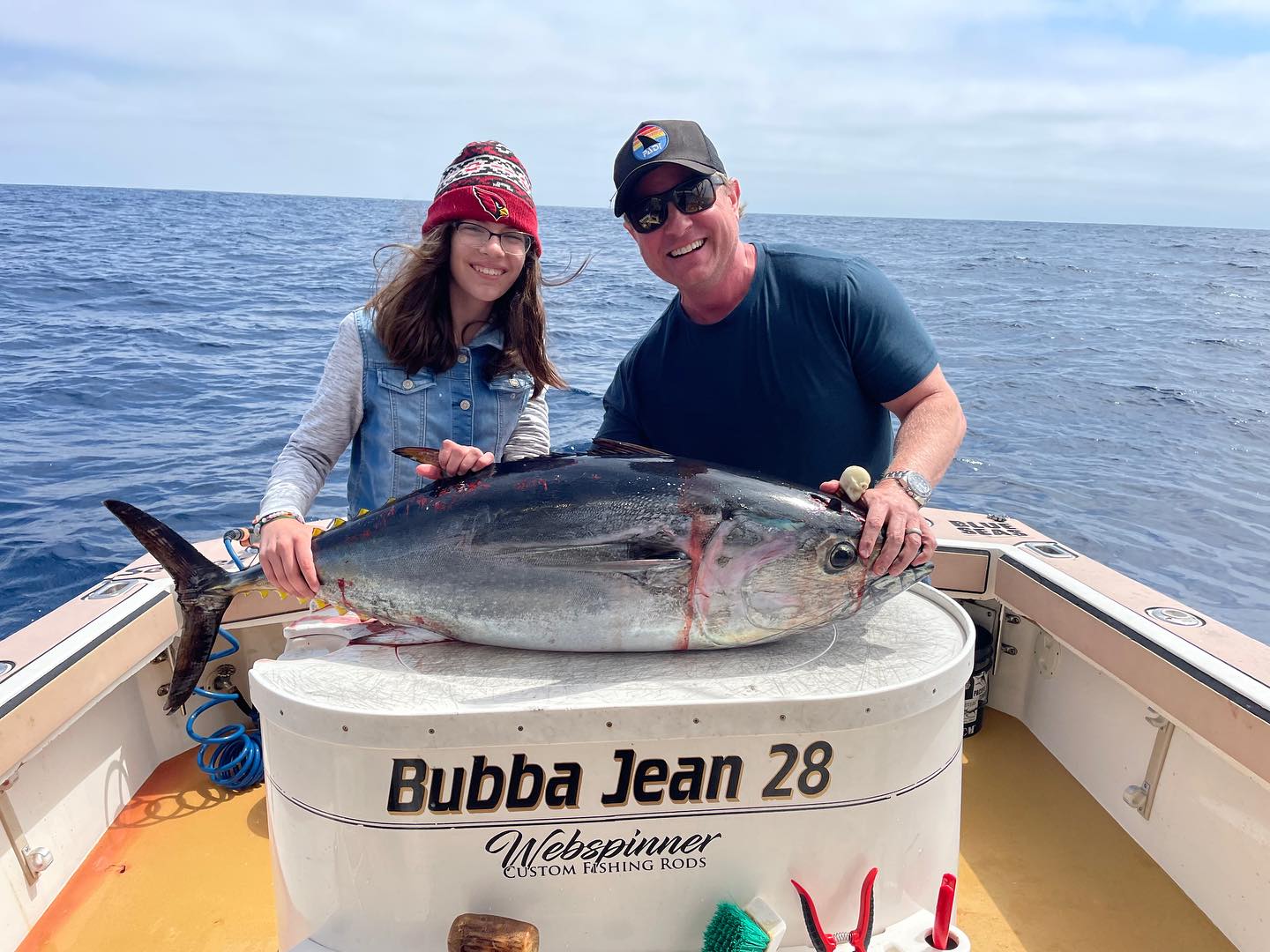
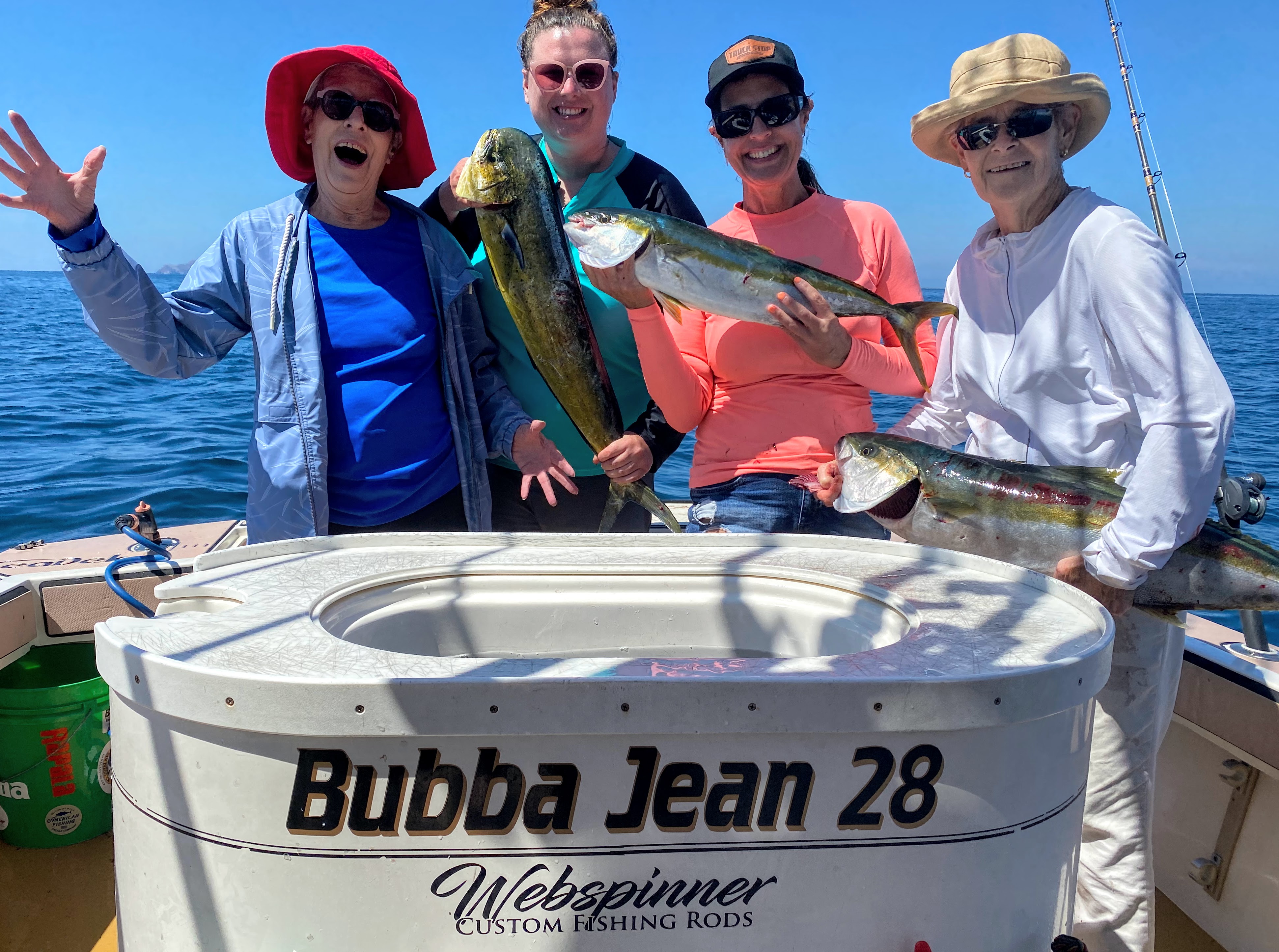
Yellowtail Amberjack are the bread and butter of Southern California fishing, and the Mexican waters consistently produce bigger fish than what you'll find north of the border. These golden rockets are built for speed and endurance, making long runs and testing your drag system. Spring through fall offers the best action, especially when the water warms up and baitfish schools move in. A 20-30 pound yellowtail on appropriate tackle is as good as fishing gets – they're smart, strong, and absolutely delicious on the dinner table.
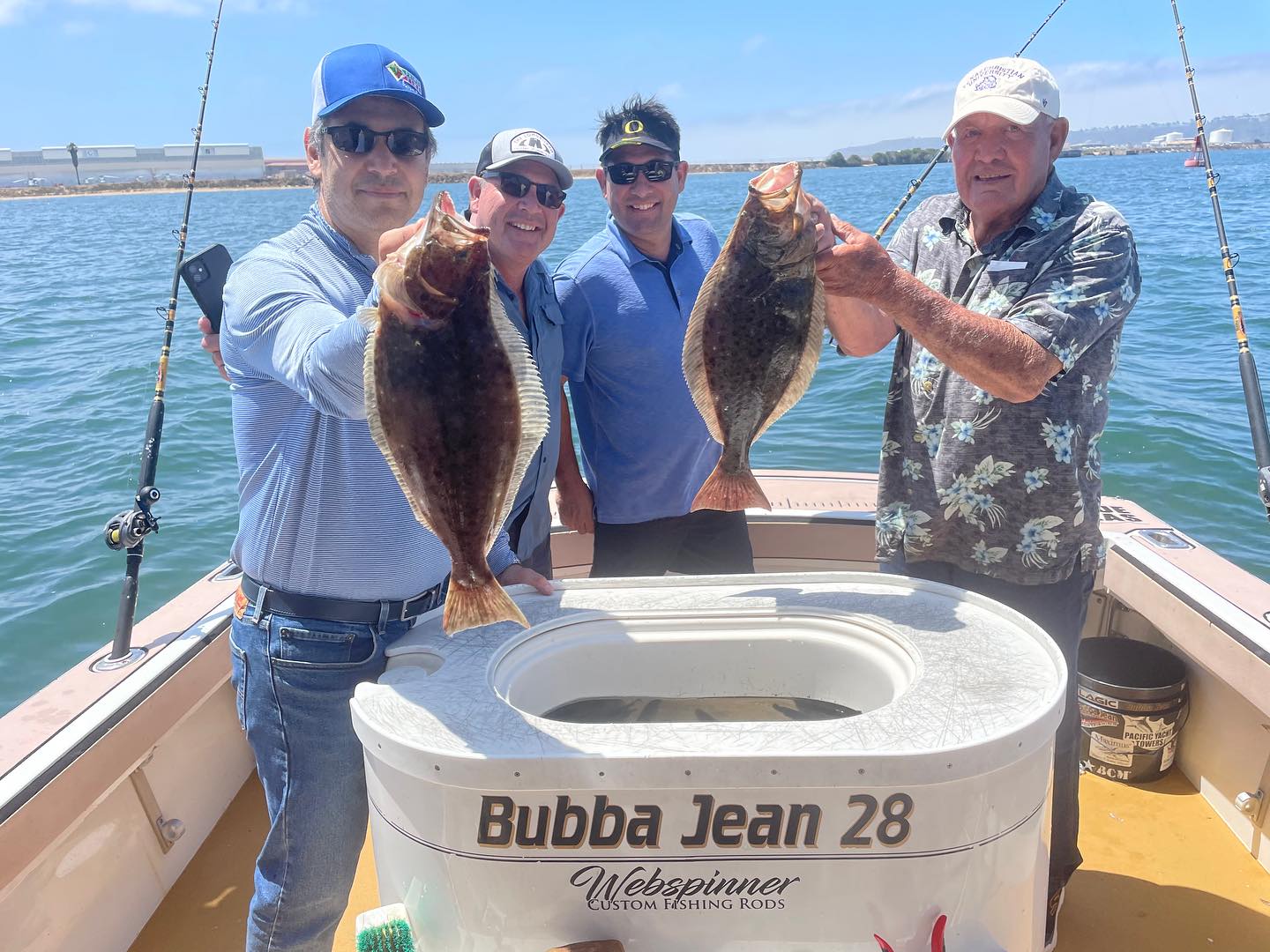
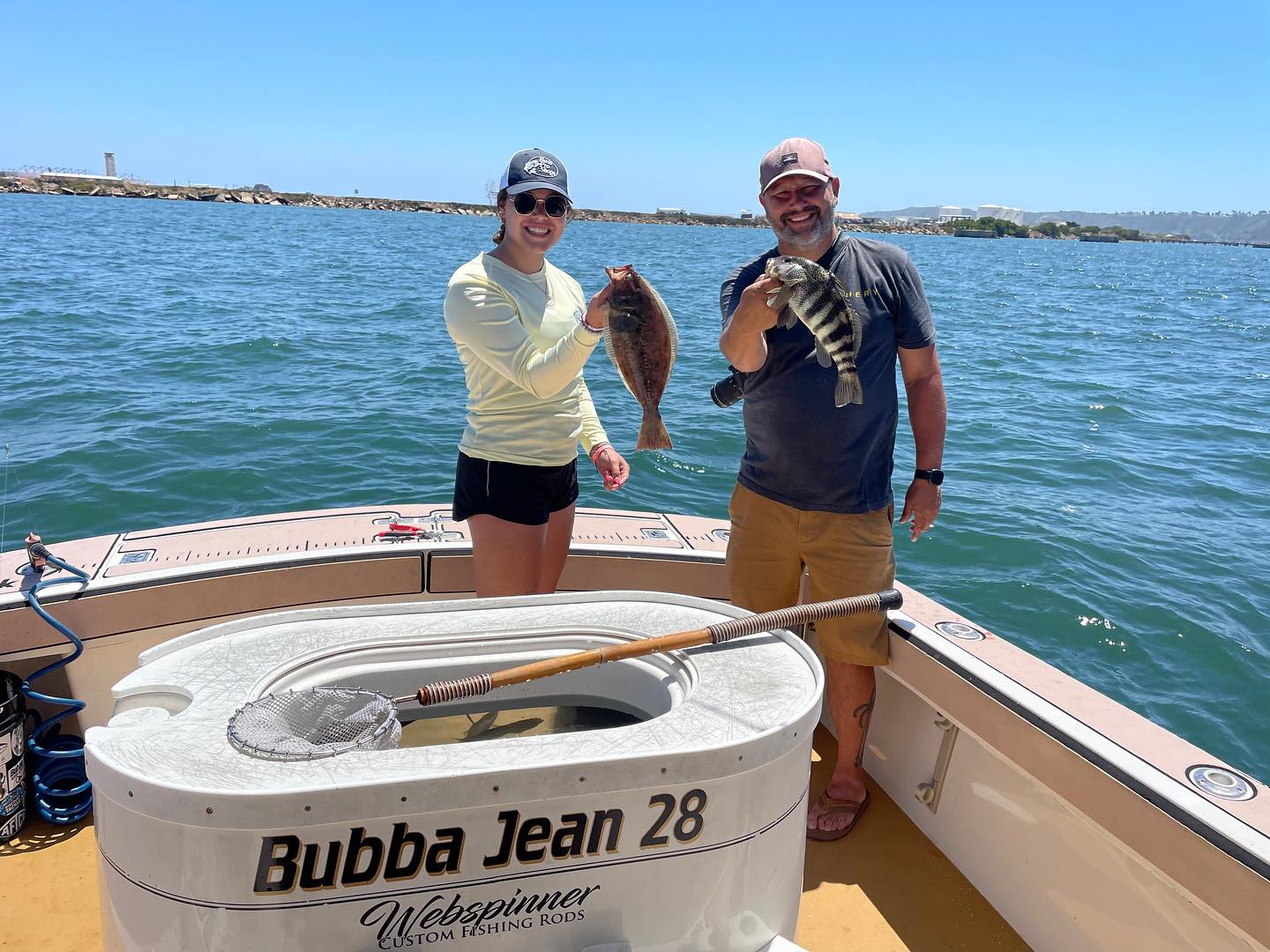
Pacific Halibut might not win any beauty contests, but they're the ultimate prize for bottom fishing enthusiasts. These flatfish can reach impressive sizes in deeper waters, and the Mexican Inshore areas hold some real doormat-sized specimens. They're ambush predators that lie buried in sand waiting for baitfish to swim overhead. The bite is often subtle – just a gentle tap-tap before they swim off with your bait. Once hooked, bigger halibut fight with surprising power, using their flat bodies like underwater sails.
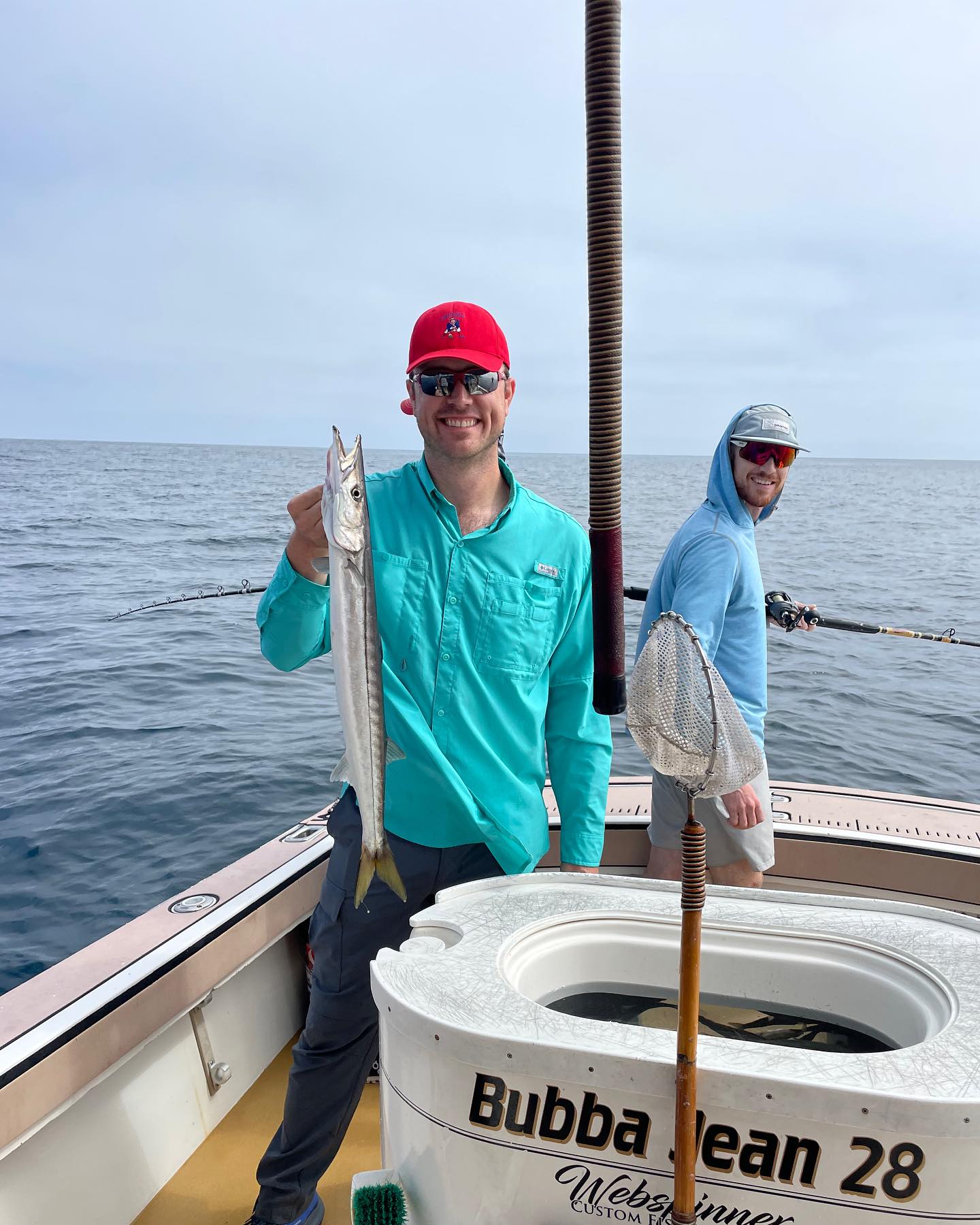
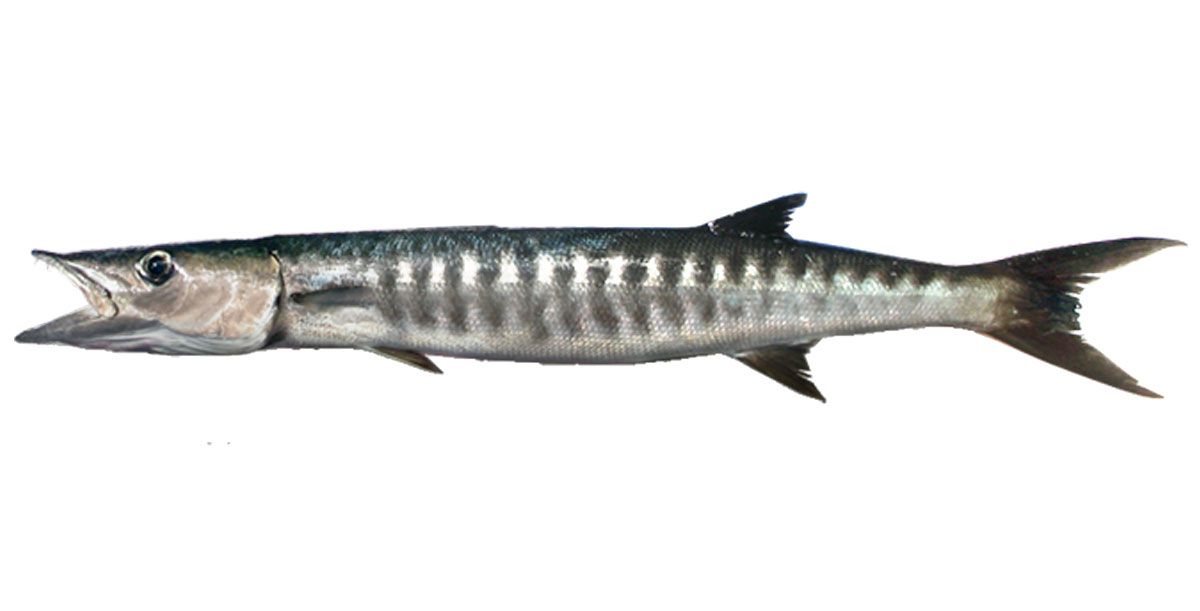
Pacific Barracuda are the speed demons of the inshore waters, with razor-sharp teeth and lightning-fast strikes that'll wake you up in a hurry. They're visual feeders that love shiny lures and moving baits, making them perfect targets for cast-and-retrieve fishing. Summer and early fall bring the best barracuda fishing when schools move into the area chasing baitfish. They're not huge fish, but they make up for size with attitude and aggressive strikes that happen so fast you barely have time to react.
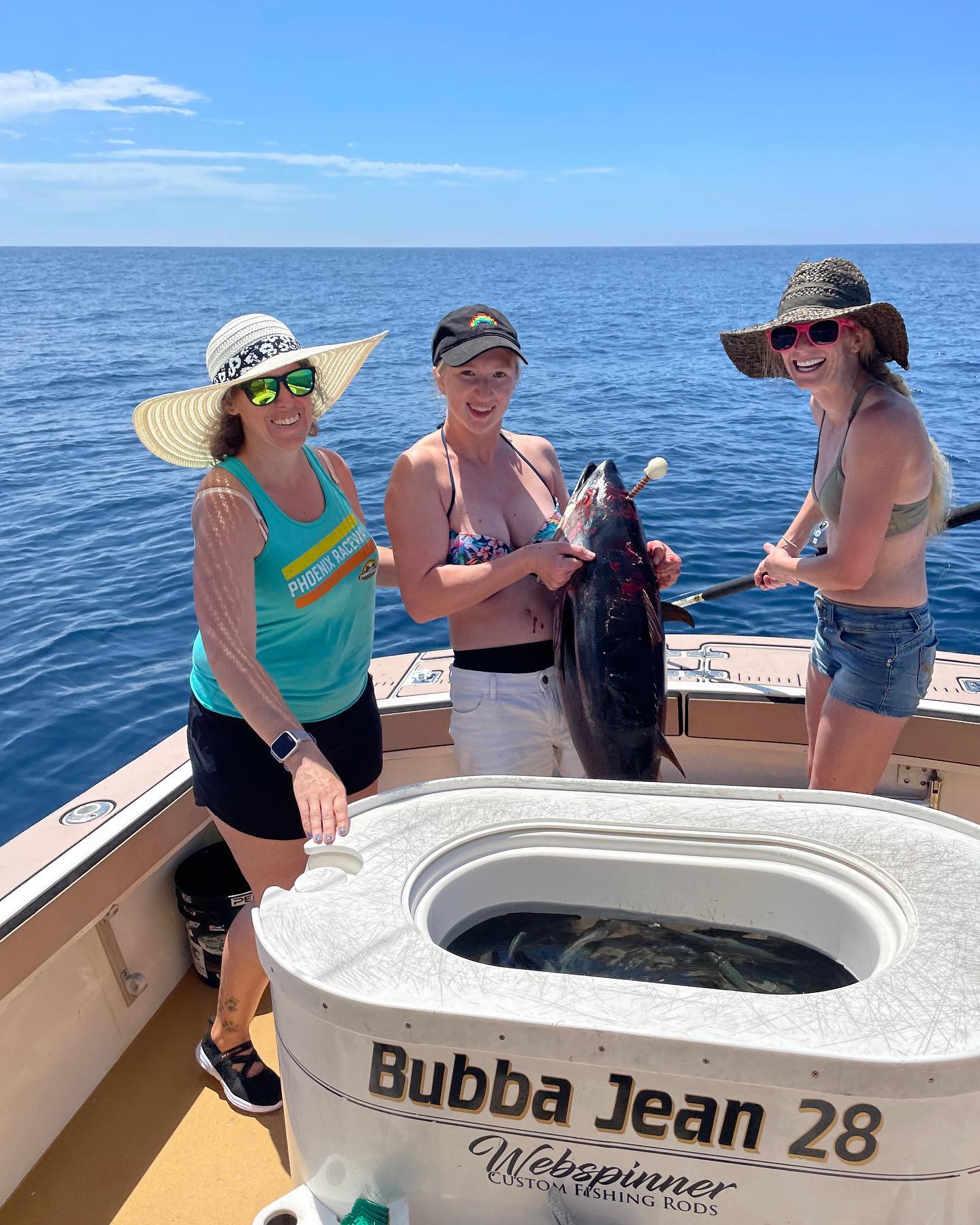
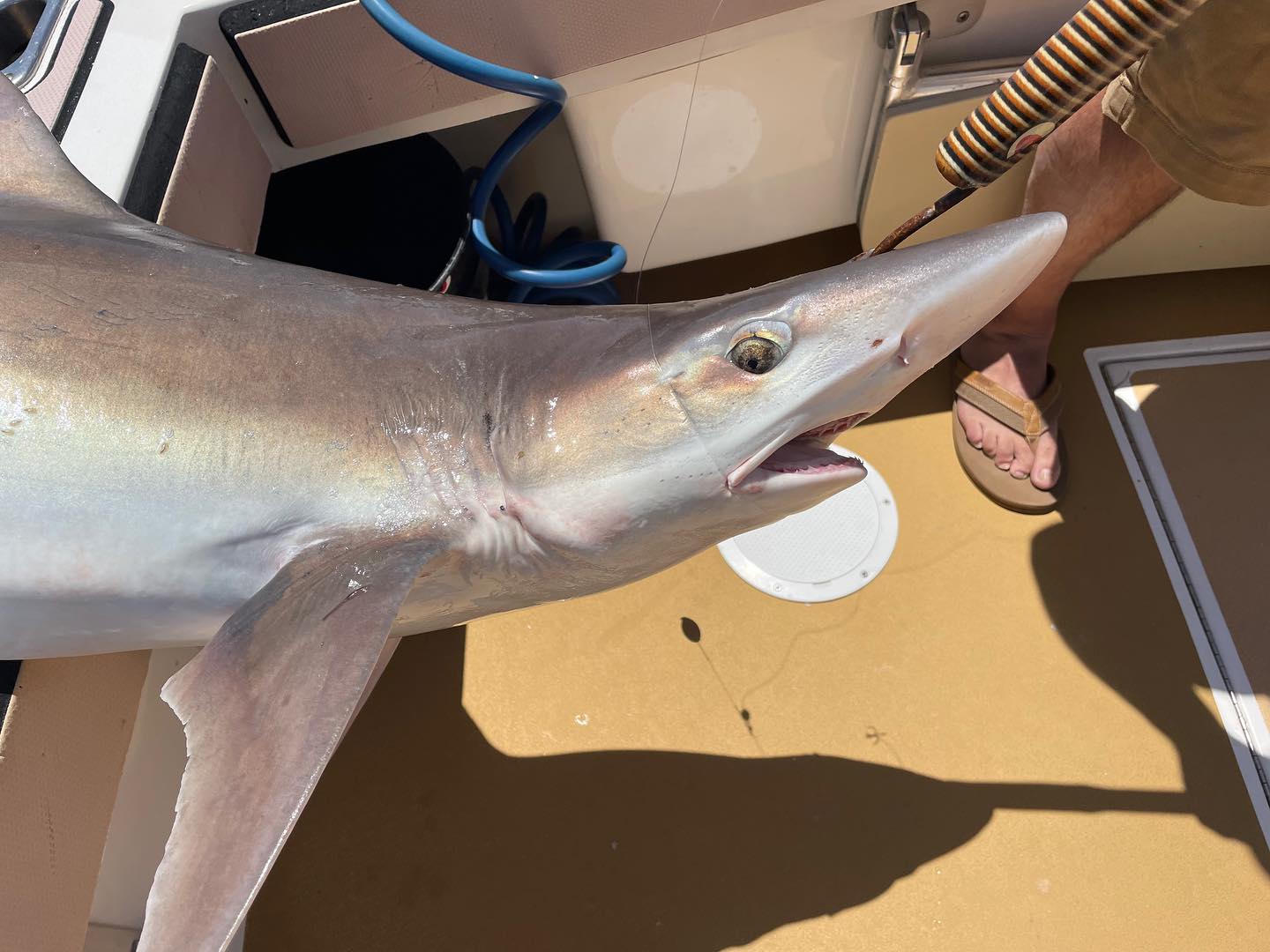
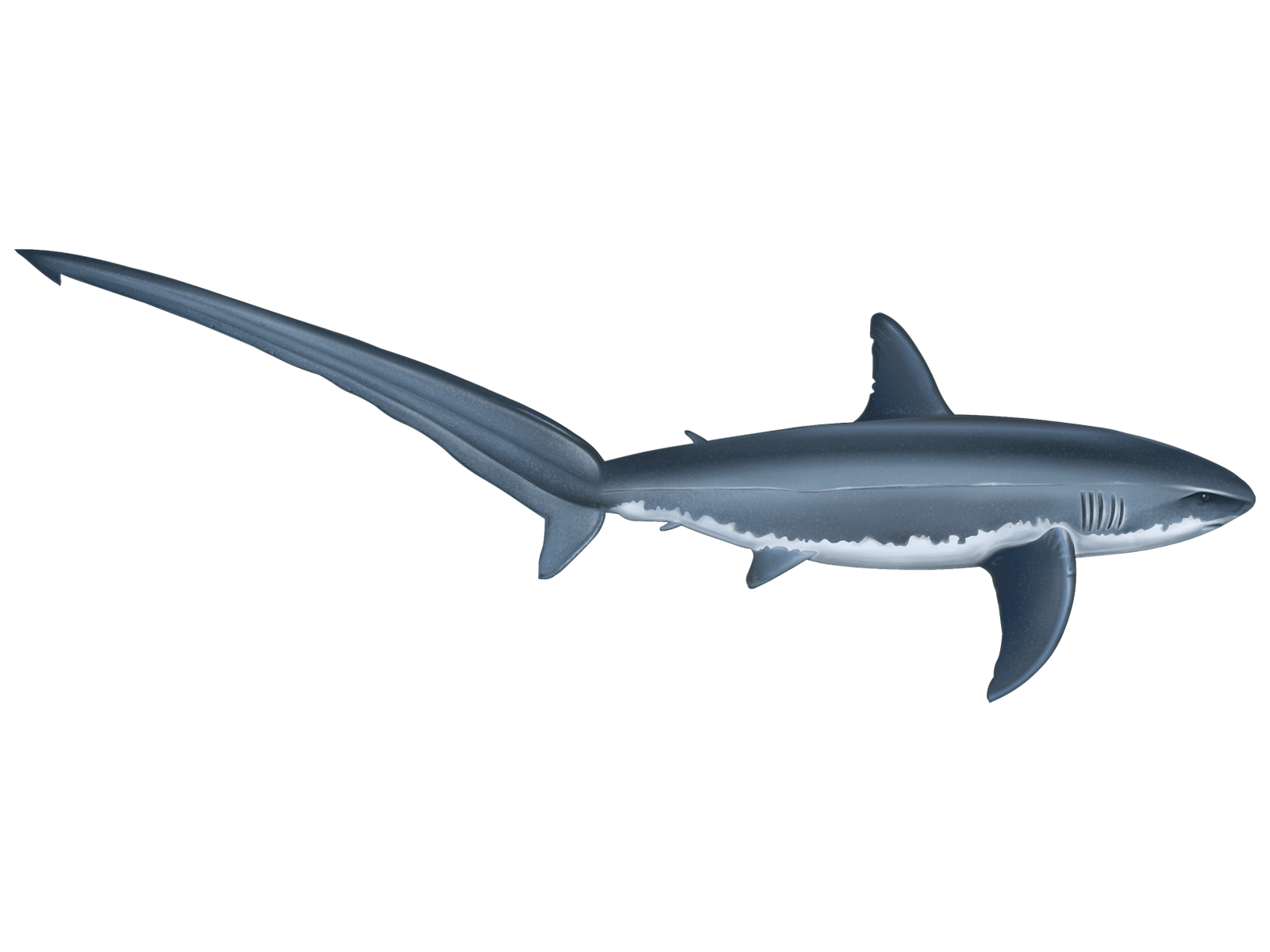
Thresher Shark encounters are what separate the Mexican Inshore experience from typical local trips. These prehistoric predators use their elongated tail fins to stun schools of baitfish before feeding. When a thresher takes your bait, you're in for a fight that can last over an hour. They're acrobatic fighters that jump, run, and test every knot in your tackle system. Threshers are around year-round, but summer months often provide the most consistent action when they follow baitfish schools closer to the islands.
Time to Book Your Spot
With only 4 spots available per trip, this isn't the kind of charter where you can wait until the last minute to make up your mind. The Mexican Inshore and Coronado Islands consistently produce fish when other areas are slow, which is why serious San Diego anglers keep coming back to Bubba Jean Sportfishing. You'll get everything you need for a successful day – tackle, bait, ice, permits, visas, water, and snacks – plus the local knowledge that makes the difference between hoping for fish and actually catching them. Whether you choose the 9 or 12-hour option, you're looking at a full day of fishing the kind of
 Private Trip
 Inshore Fishing
 San Diego


 Full-day fishing trips targeting Yellowtail, White Seabass, and Rockfish