Three Quarter Day Inshore Fishing Jacksonville
Six hours on Jacksonville's productive inshore waters gives you the perfect balance of fishing time and comfort. This three-quarter day trip targets the First Coast's most sought-after species while you explore the maze of tidal creeks, grass flats, and marshy backwaters that make this area a angler's paradise. Captain Cook knows these waters like the back of his hand, and he'll put you on fish while teaching you the nuances of Jacksonville's inshore game. Whether you're a seasoned angler looking to dial in your technique or a family wanting to experience Florida fishing at its finest, this extended trip gives everyone plenty of time to settle in and find their rhythm.
What to Expect on the Water
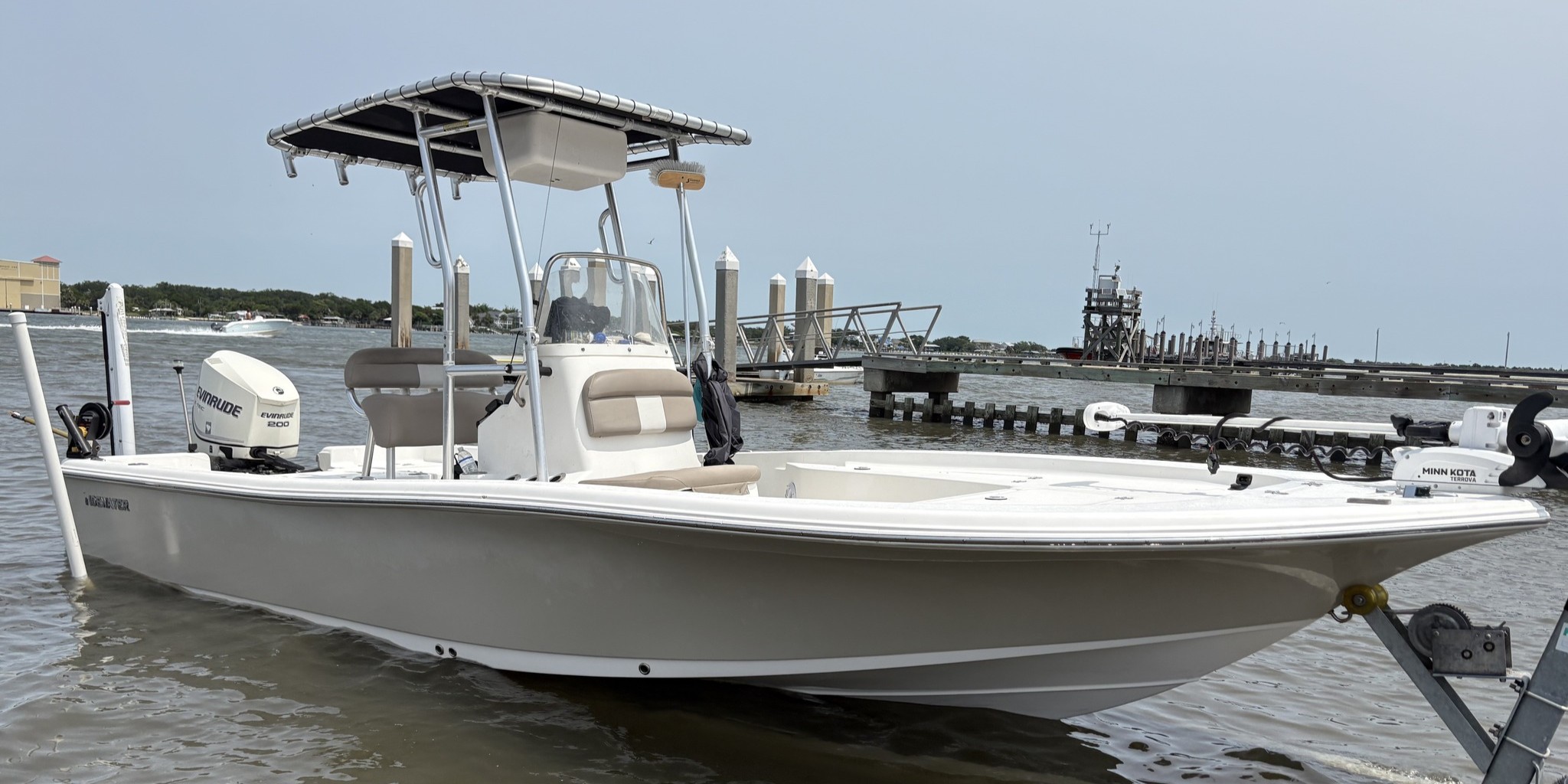
Your day starts early when you meet Captain Cook at the dock, and he'll have the boat rigged and ready to fish. The extended six-hour format means you're not rushed – there's time to work multiple spots, adjust techniques based on conditions, and really get dialed in on what the fish want that day. You'll cover a variety of habitat types, from shallow grass flats where Redfish cruise in skinny water to deeper creek mouths where Spotted Sea Trout stack up during moving tides. The captain provides all your gear, including rods, reels, tackle, and fishing licenses, so you can focus purely on fishing. With space for up to three guests, this trip maintains an intimate feel where everyone gets personalized attention and plenty of casting opportunities. Jacksonville's inshore waters are known for their diversity, and on any given day you might find yourself sight fishing to tailing Reds one hour and bottom fishing for Sheepshead around dock pilings the next.
Techniques & Tackle Setup
Captain Cook runs a variety of techniques depending on conditions and target species, but you'll likely spend time with both artificial lures and live bait. Light tackle spinning gear is the bread and butter for most of the fishing – think 2500 to 4000 series reels spooled with 15-20 pound braided line and fluorocarbon leaders. For Redfish and Sea Trout, you'll throw soft plastics like paddle tails and jerk baits around grass edges and oyster bars, while Sheepshead require a more finesse approach with small hooks and live or cut bait. The boat carries a good selection of jigs, topwater plugs, and suspending baits to match whatever the fish are doing. When conditions allow, there's nothing quite like watching a big Red crash a topwater plug in two feet of water. The captain reads the tides, weather, and seasonal patterns to put you in the right spots at the right times, and he's always willing to explain why certain techniques work better in different situations. Jacksonville's inshore fishing relies heavily on understanding tidal flow, and you'll learn how moving water positions baitfish and gamefish throughout the day.
Target Species Breakdown
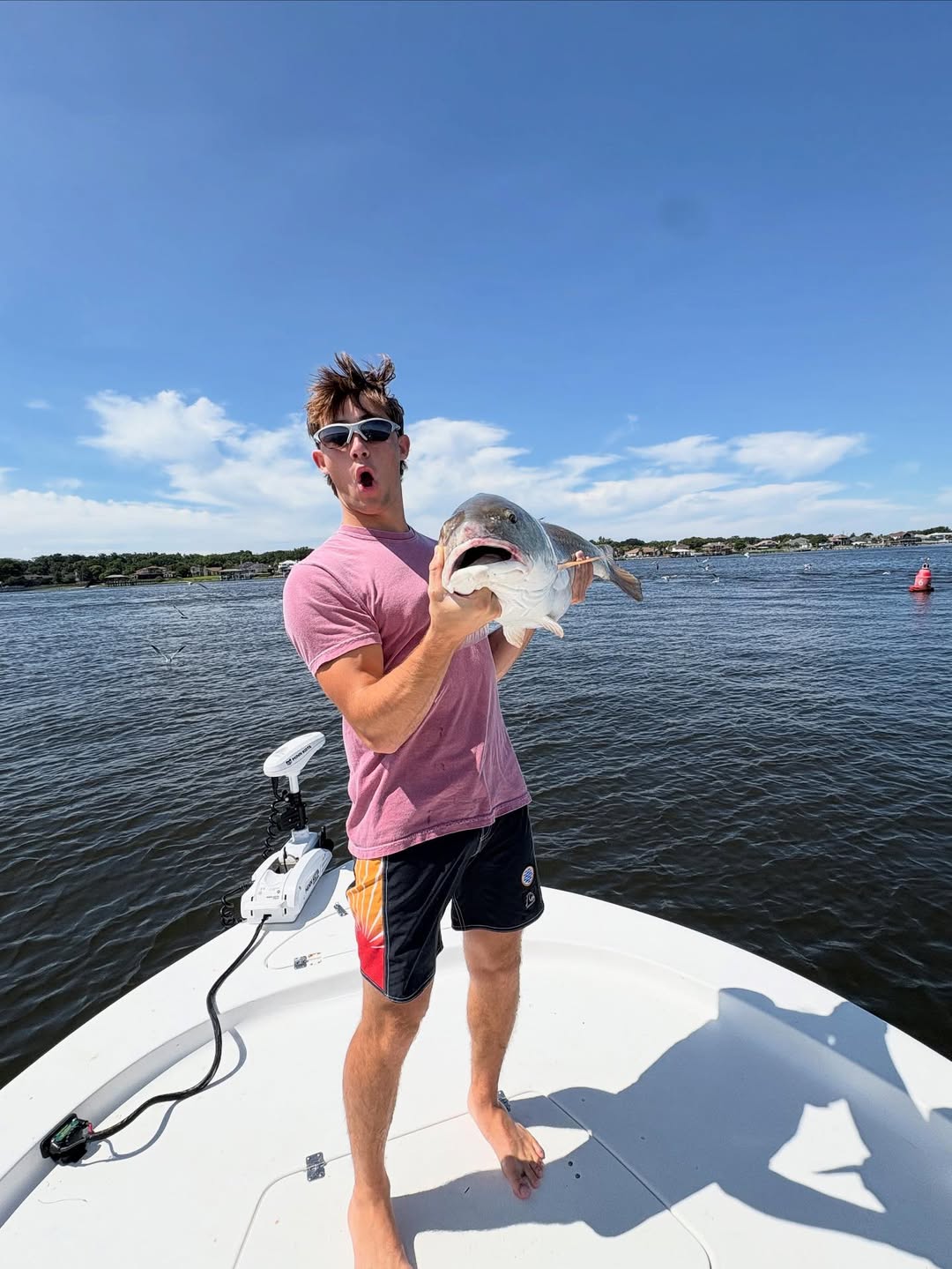
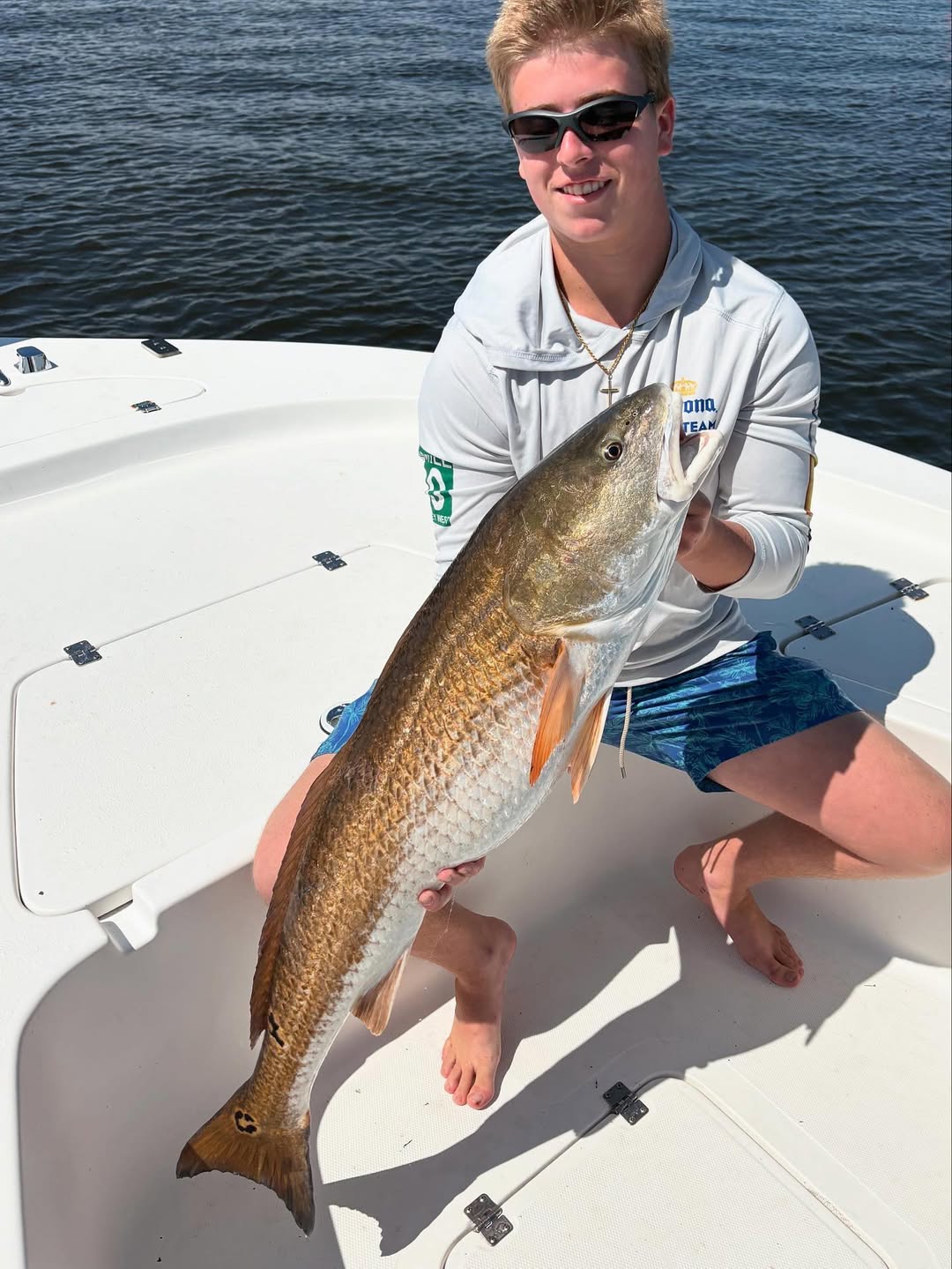
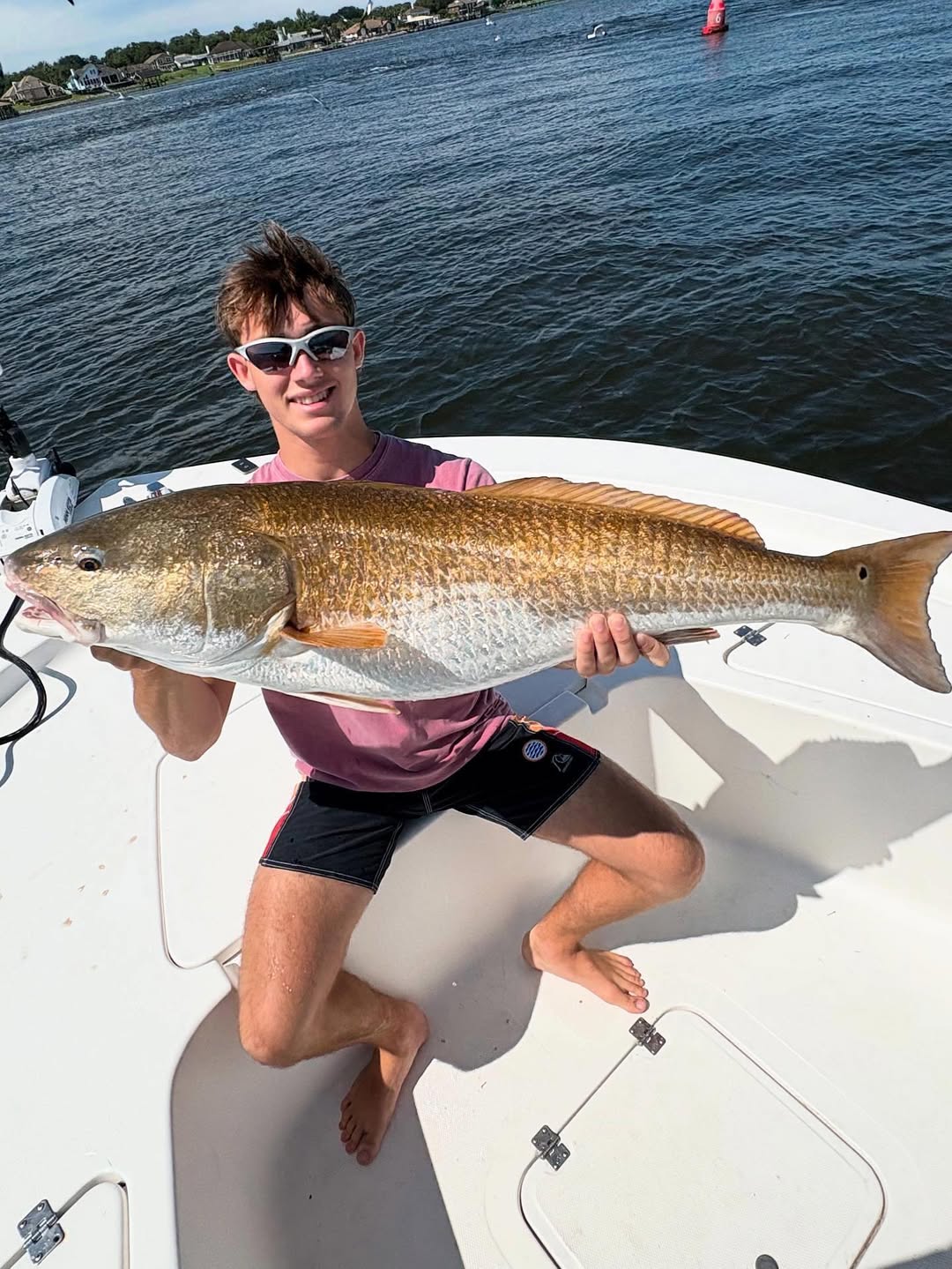
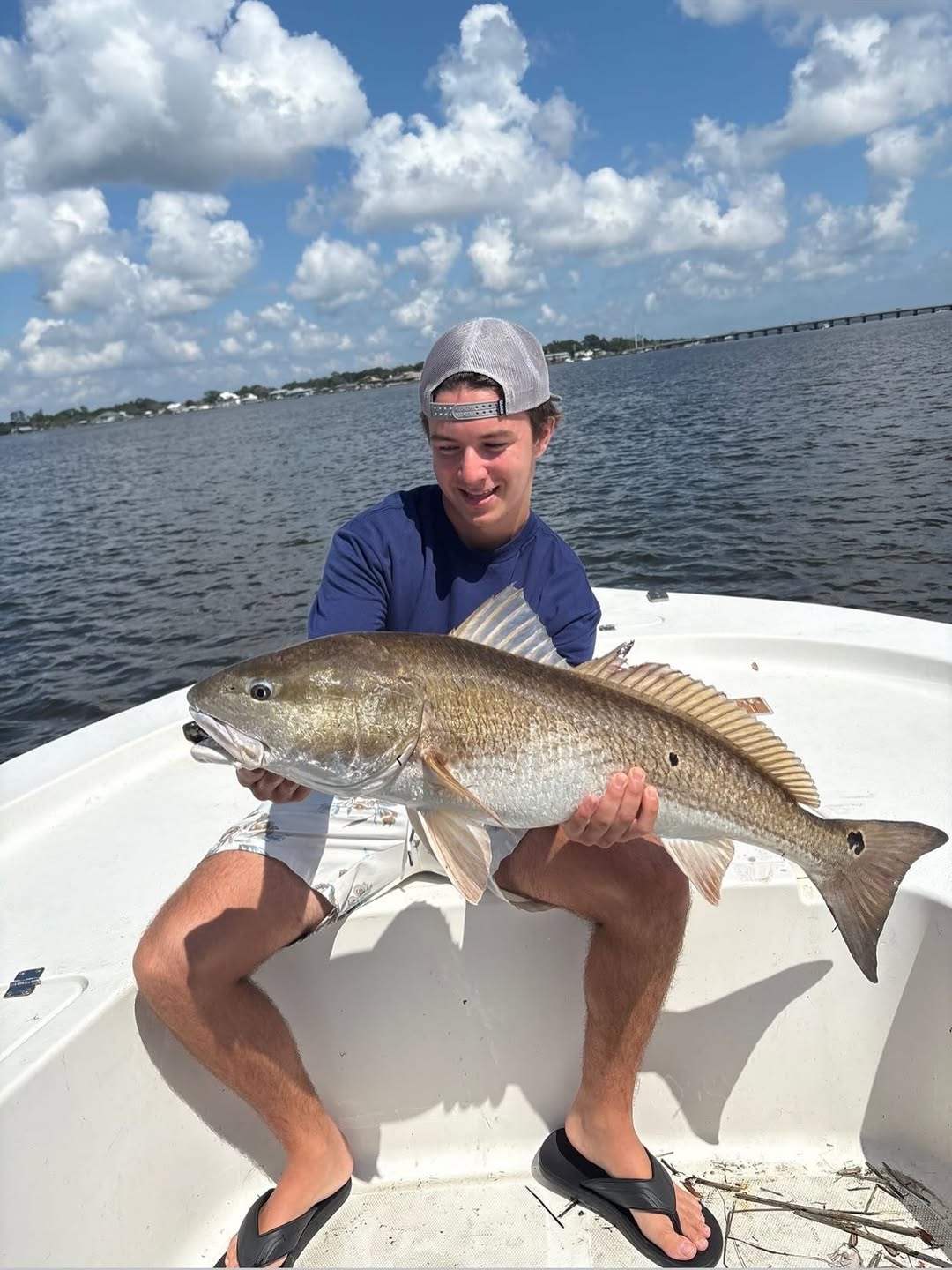
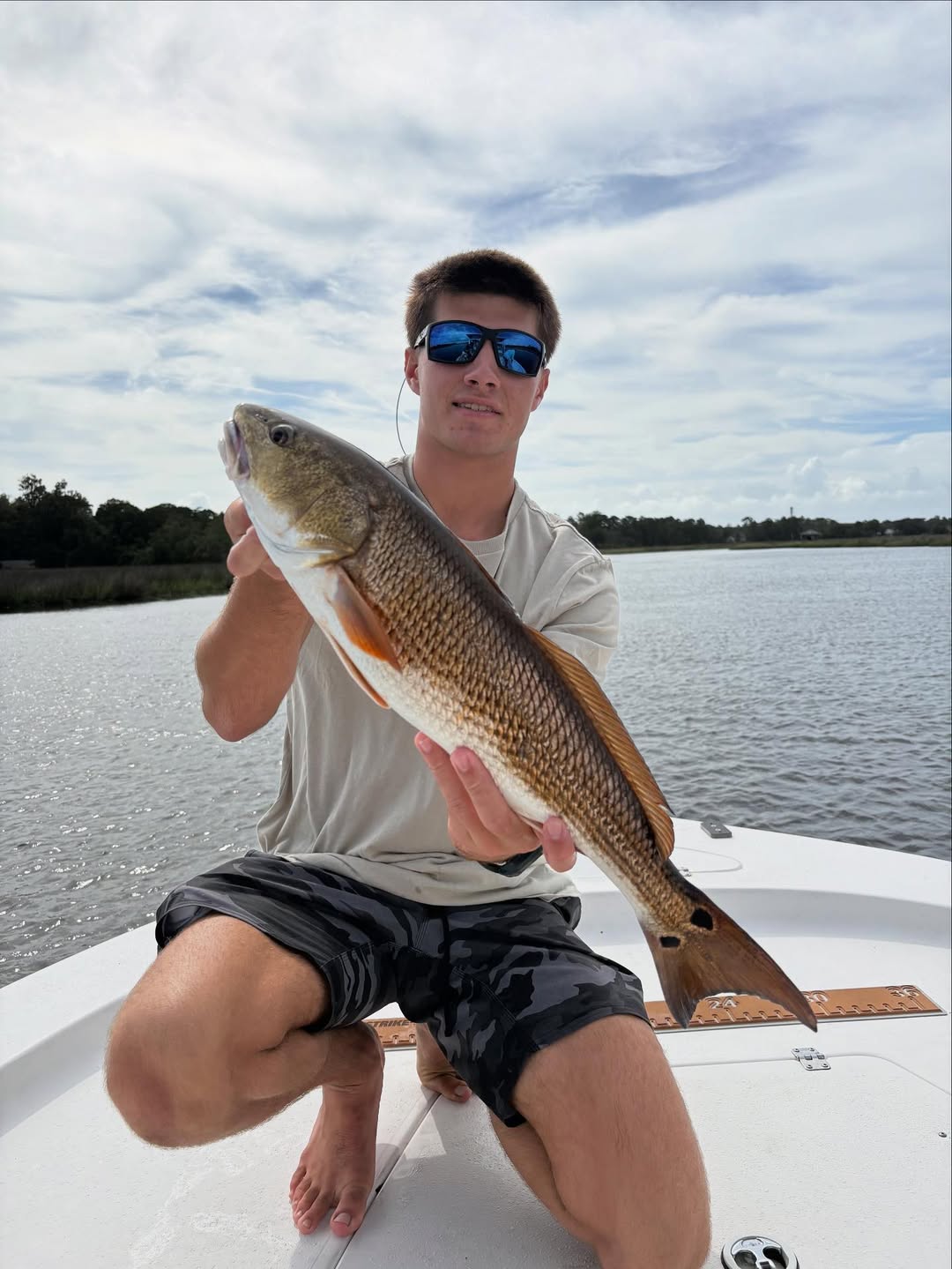
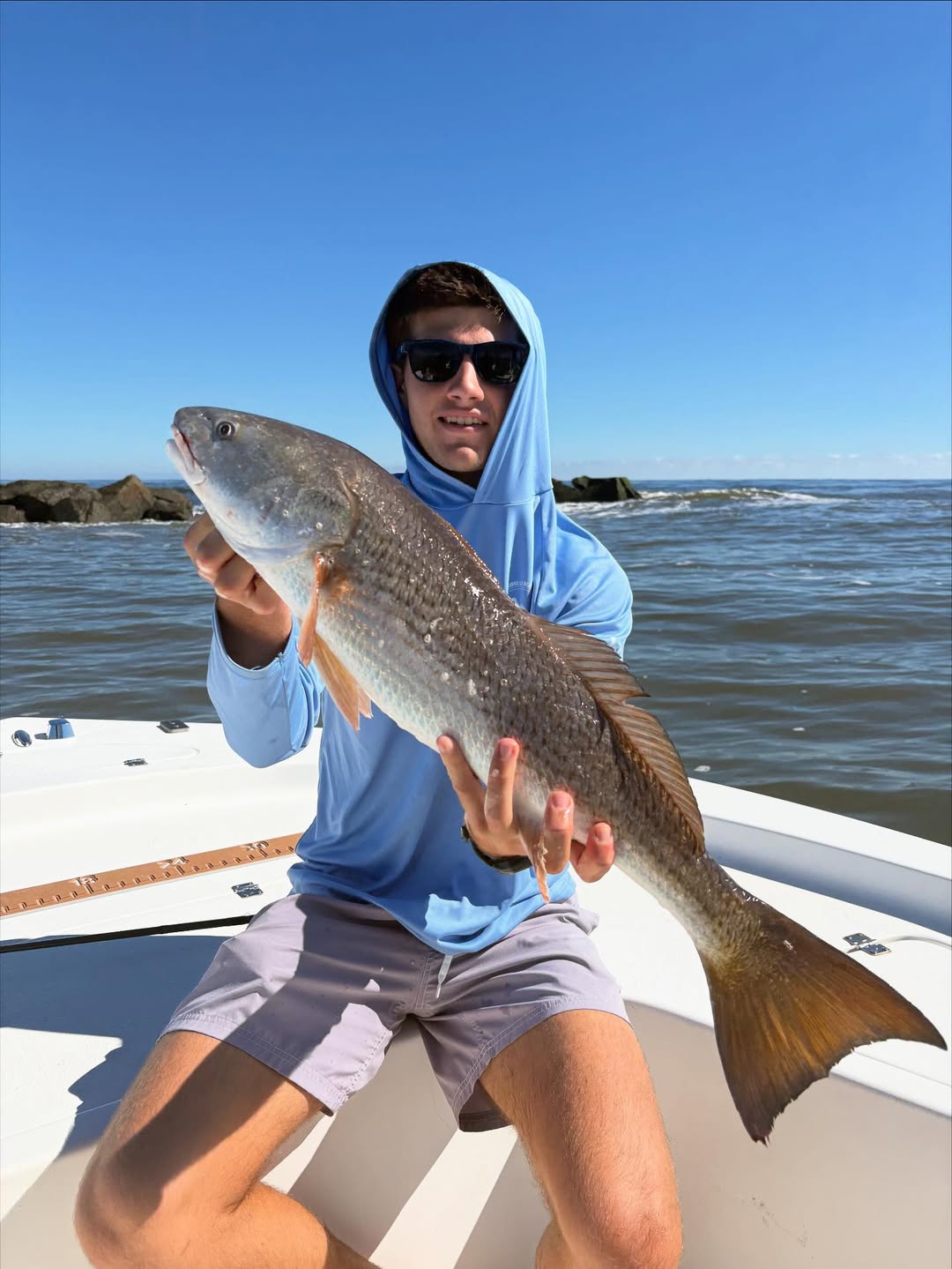
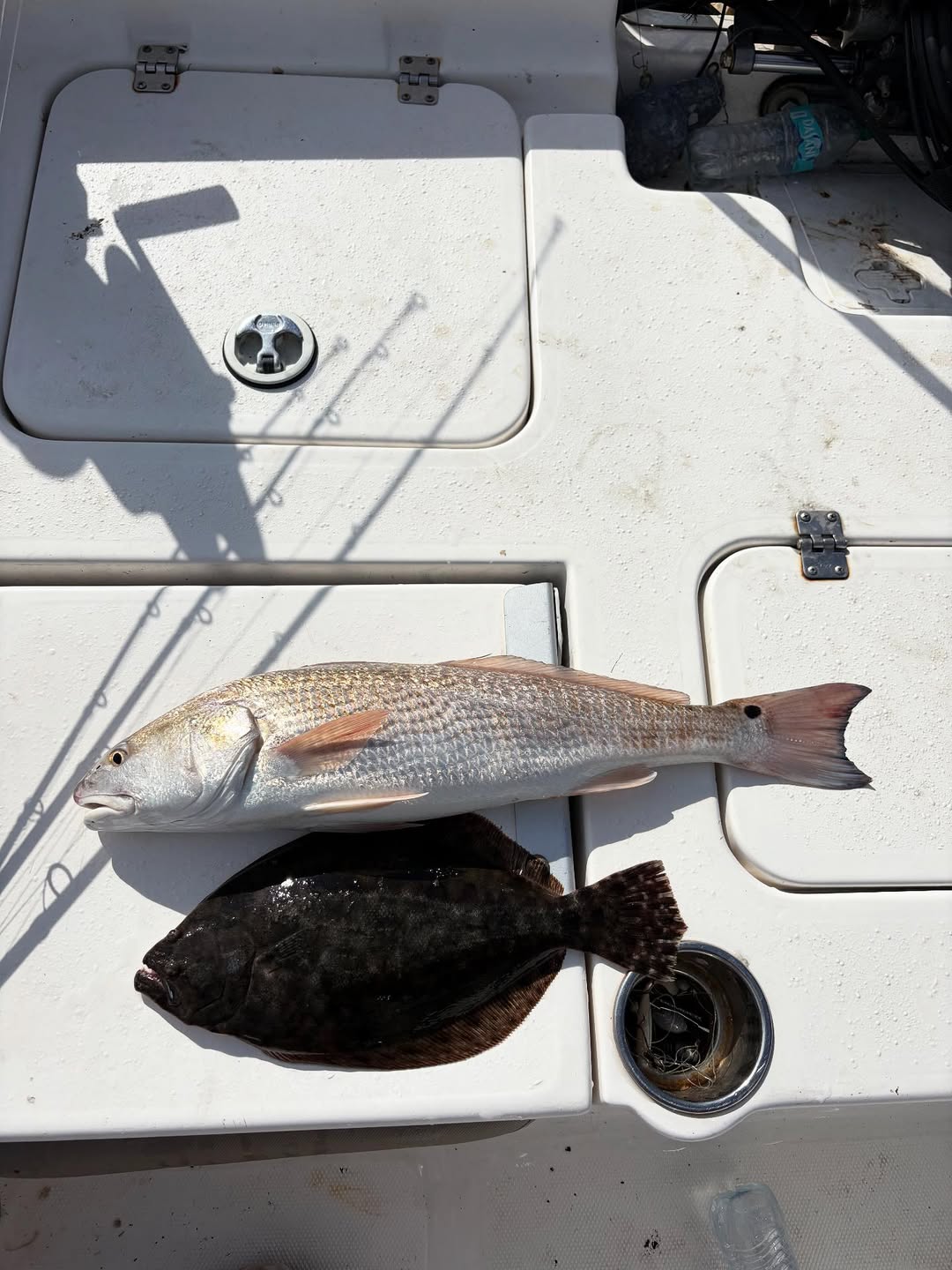
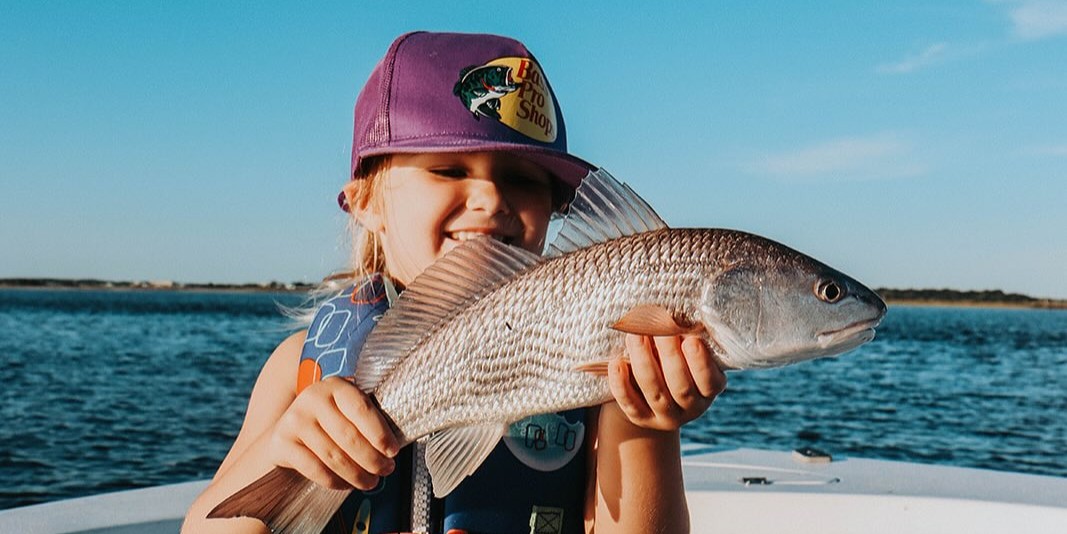
Redfish are the crown jewel of Jacksonville inshore fishing, and these bronze bulldogs provide some of the most visual and exciting fishing you'll find anywhere. These fish range from 18 to 35 inches in local waters, with the slot-sized fish (18-27 inches) being perfect for the dinner table. Reds feed aggressively in shallow water, often with their backs and tails visible as they root around oyster bars and grass flats. Fall and spring offer the most consistent action, but Jacksonville's year-round fishery means you'll find them in different areas throughout the seasons. What makes Redfish so special is their willingness to eat both artificial lures and live bait, plus their fighting ability in shallow water where they can use grass and structure to their advantage.
Spotted Sea Trout are the butter fish of the inshore slam, and Jacksonville's grass flats produce some beautiful specimens. These fish typically run 14 to 22 inches, with bigger "gator" trout showing up during cooler months. They're structure-oriented fish that love grass edges, creek mouths, and areas where deeper water meets shallow flats. Sea Trout have excellent eyesight and can be finicky, making them perfect for anglers who want to refine their presentation skills. They hit soft plastics with authority and provide steady action when you locate a school. The beauty of targeting Specks is learning to read the water – understanding how they use tidal flow and structure to ambush baitfish.
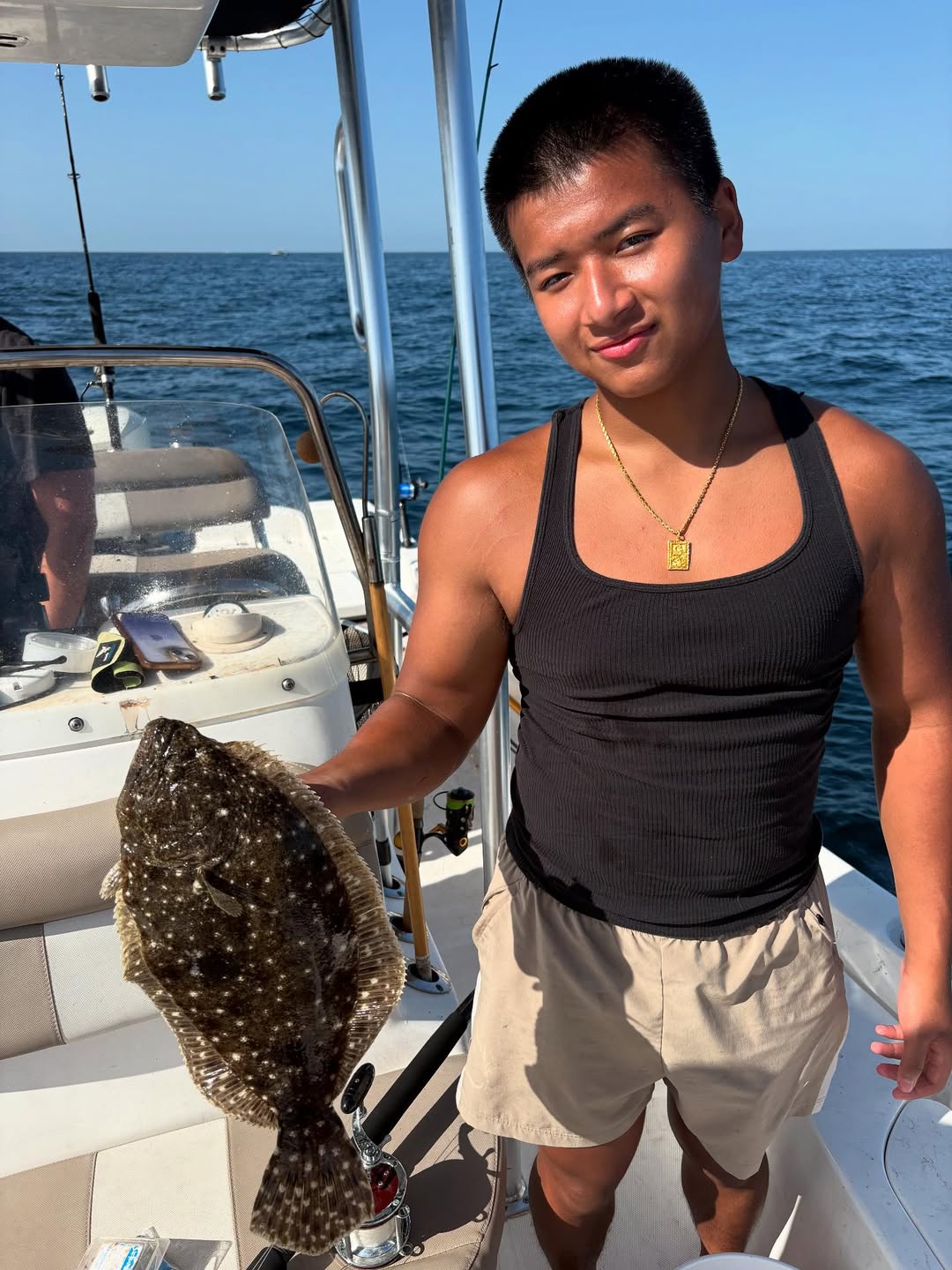
Southern Flounder are the chameleons of the inshore world, and these ambush predators provide a different kind of challenge. Jacksonville's Flounder typically range from 14 to 20 inches, with occasional doormat-sized fish pushing well over that mark. They bury themselves in sandy areas near creek mouths, bridge pilings, and drop-offs, waiting for unsuspecting baitfish to swim by. Fall migration produces some of the best Flounder fishing as these fish move toward inlets and deeper water. What's exciting about Flounder fishing is the technique – you're essentially hunting invisible fish using your understanding of bottom composition and tidal flow. When a good Flounder grabs your bait, there's a distinctive thump followed by dead weight as they try to bury back into the bottom.
Sheepshead are the black and white striped convicts of the inshore world, and they'll test your patience and skill like no other fish. These structure-loving fish have human-like teeth designed for crushing barnacles and crabs, making them notorious bait thieves. Jacksonville's Sheepshead run 12 to 18 inches typically, with occasional fish reaching into the 20-inch range. They're most active during cooler months and can be found around any hard structure – docks, pilings, rockpiles, and bridges. What makes Sheepshead fishing so addictive is the challenge – they require precise presentations, quality bait, and quick hook sets. When you master the technique and start consistently hooking these finicky fish, it's a real confidence booster. Plus, they're absolutely excellent on the dinner plate with firm, white meat that rivals any fish in the ocean.
 Private Trip
 River Fishing
 Jacksonville


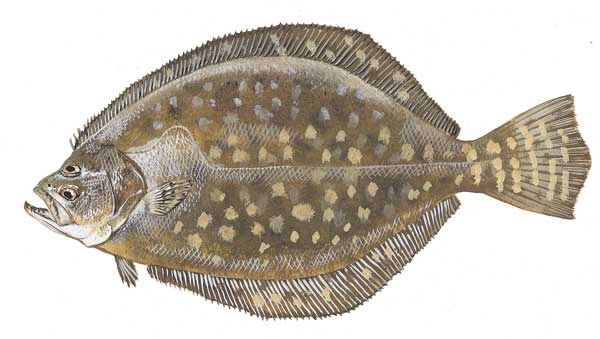
 Six-hour inshore trip targeting redfish, trout, and flounder