Full Day Family Fishing Trip - Fort Pierce
Picture this: eight hours on the calm waters of Indian River Lagoon with your family, everyone from your youngest angler to grandpa working lines for some of Florida's best inshore species. Captain Geoff Horowitz has been running these family-friendly charters out of Fort Pierce for years, and he knows exactly how to make sure everyone on board - whether they're 8 or 80 - has a blast. This isn't your typical rushed half-day trip where you're back at the dock before lunch. With a full eight hours, you've got time to really settle in, learn some techniques, and give every family member a real shot at landing something special. The Indian River Lagoon system here is legendary among local anglers, and for good reason - it's packed with structure, grass flats, and the kind of clear water that makes sight fishing a real treat.
What to Expect on the Water
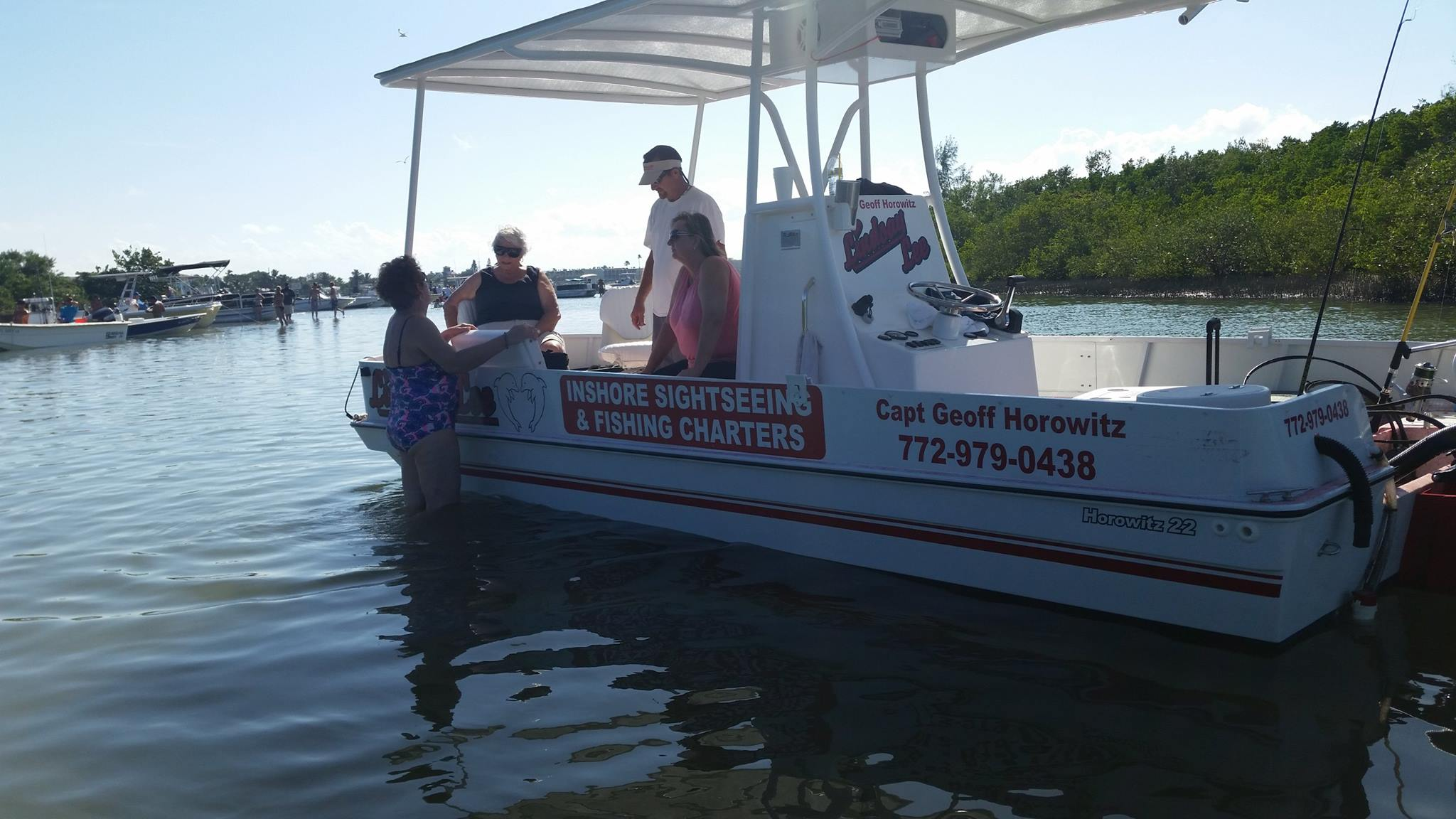
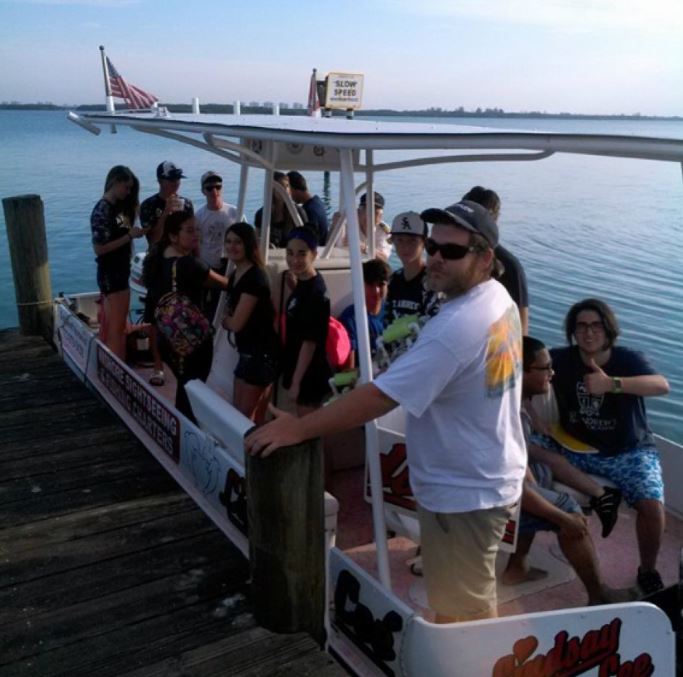
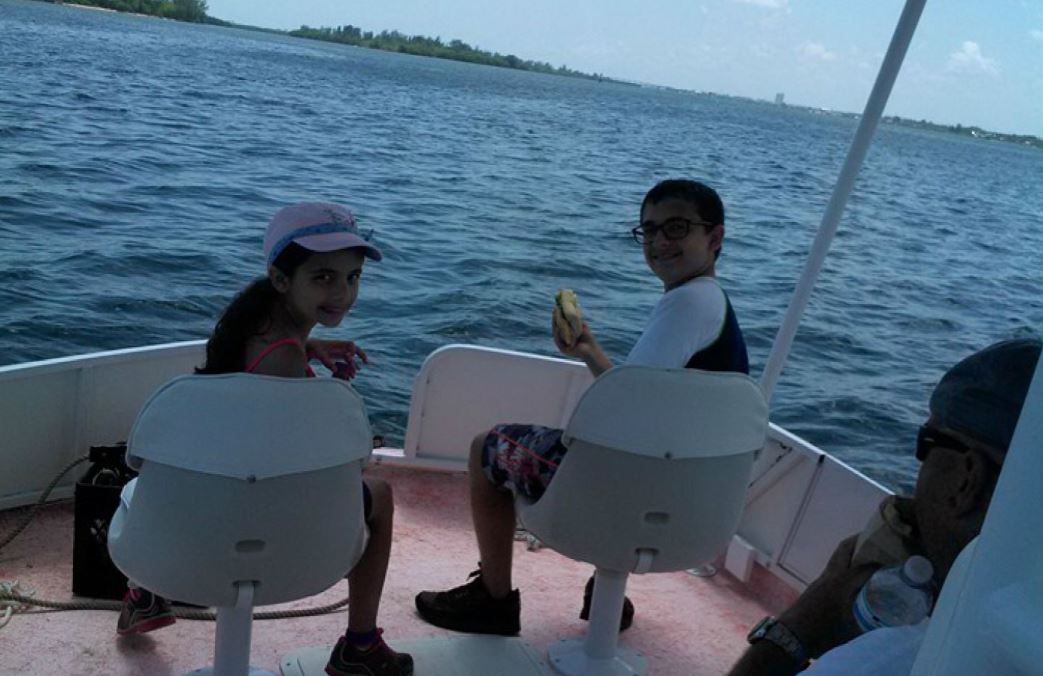
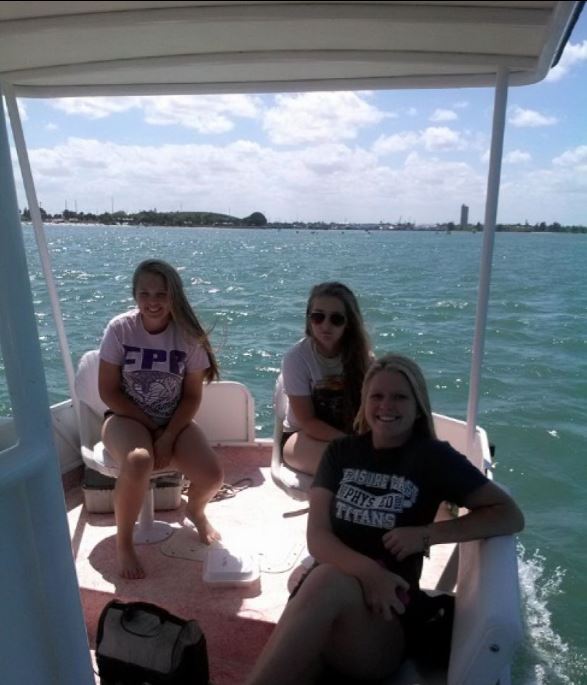
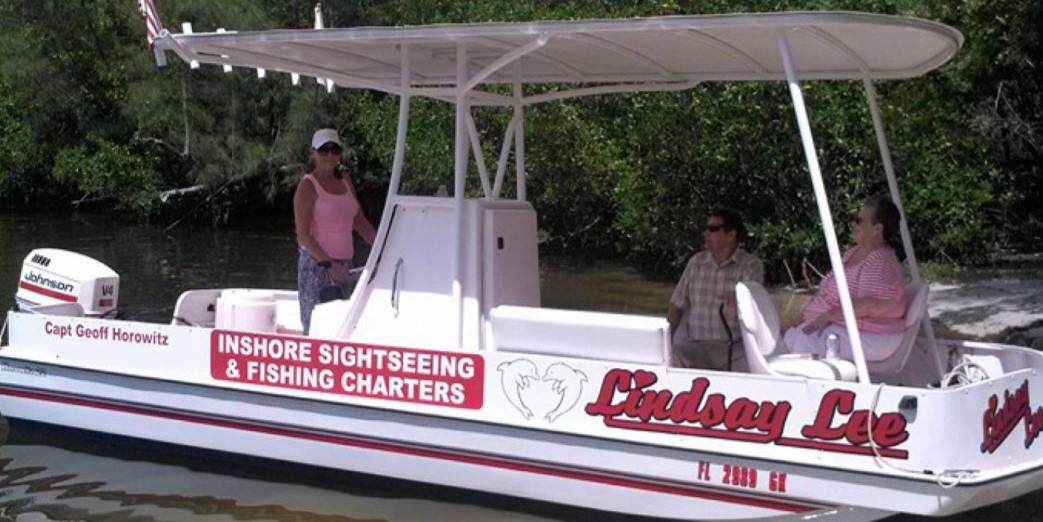
Captain Geoff's approach is all about keeping things relaxed while still putting fish in the boat. You'll start early, usually around sunrise when the fish are most active and the water's like glass. The Indian River Lagoon is perfect for families because it's protected from ocean swells - no one's getting seasick on this trip. Your captain will move between several proven spots throughout the day, from shallow grass flats where you can sight cast to Snook cruising the edges, to deeper pockets where Sheepshead hang around structure. The boat's equipped with everything you need, but if you've got favorite rods or tackle, bring them along. There's plenty of room for six people to fish comfortably without getting tangled up. Between fishing spots, you'll cruise through some of the most beautiful backcountry Florida has to offer - manatees, dolphins, and all kinds of birds are regular sightings. Pack a good lunch and plenty of drinks because eight hours goes by fast when the fish are biting.
Techniques & Tackle
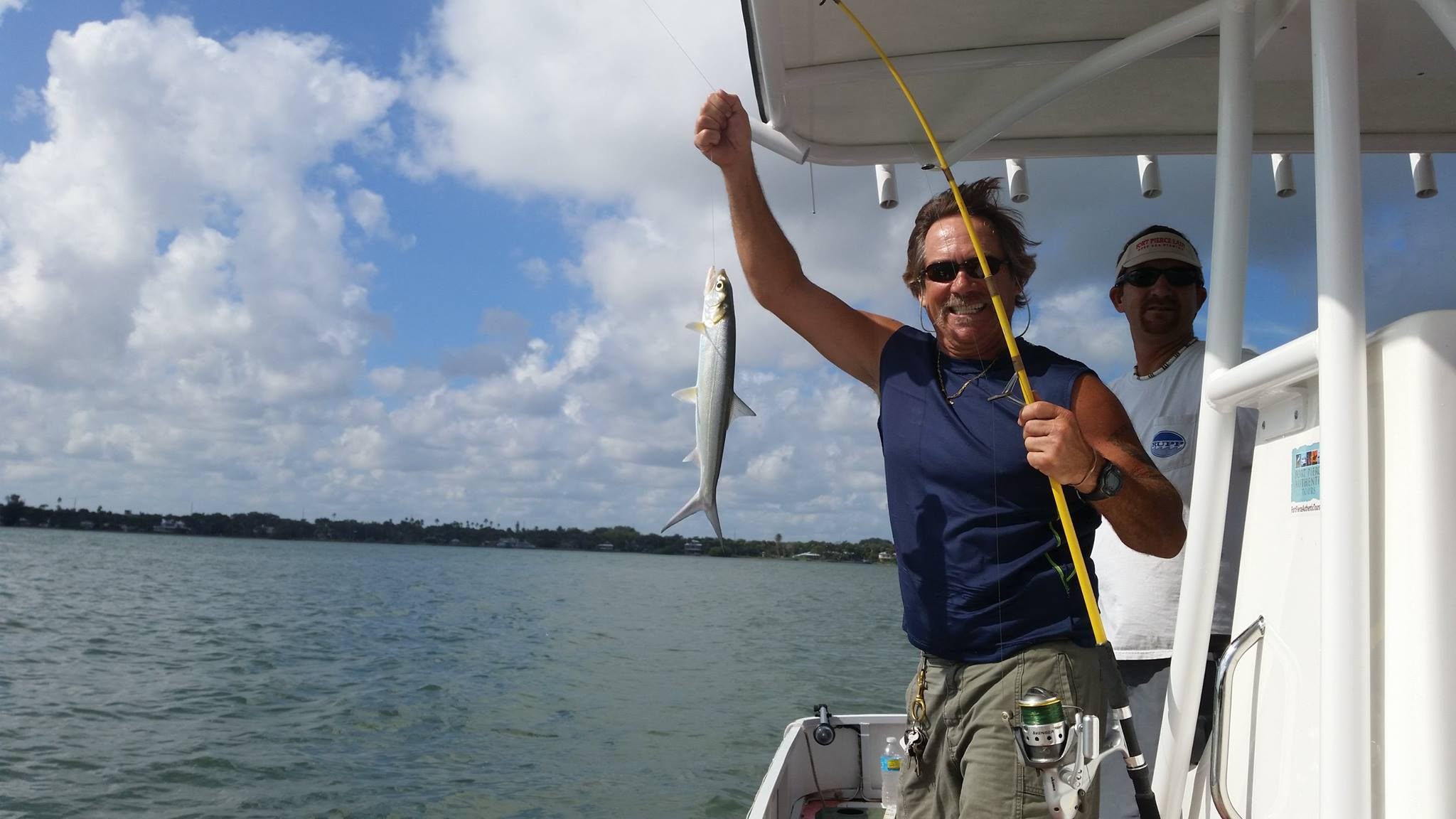
This trip covers a lot of water and fishing styles, which keeps things interesting for the whole family. You'll do everything from live bait fishing with shrimp and pinfish to artificial lures when the fish are actively feeding. Captain Geoff is big on teaching proper techniques - how to work a soft plastic through the grass without getting hung up, the right way to present live bait to a cruising Snook, and reading the water to spot fish before they spot you. The gear on board includes light to medium spinning rods perfect for the species you'll target, along with a full selection of terminal tackle. Circle hooks are the standard here - they're easier for kids to use and much better for fish survival if you're doing catch and release. For the structure fishing around docks and pilings, you'll use heavier tackle to keep those big Sheepshead from diving back into cover. The captain also carries casting nets, so if live bait is what the fish want, you'll have the freshest stuff possible. Don't worry if someone in the family has never fished before - Captain Geoff's got the patience to teach proper casting, how to feel a bite, and the best way to fight a fish without losing it.
Target Species
Snook are the crown jewel of Fort Pierce inshore fishing, and for good reason. These silver-sided fighters typically run anywhere from 18 to 35 inches in this system, with the bigger fish often hiding in deeper cuts and around bridge pilings. They're ambush predators that love to cruise grass flat edges, especially early morning and late afternoon. What makes Snook so exciting is their explosive strike and the way they'll jump and run when hooked. They're year-round residents here, but spring through fall gives you the best shot at multiple hookups. Captain Geoff knows exactly where to find them based on tide, time of day, and water temperature.
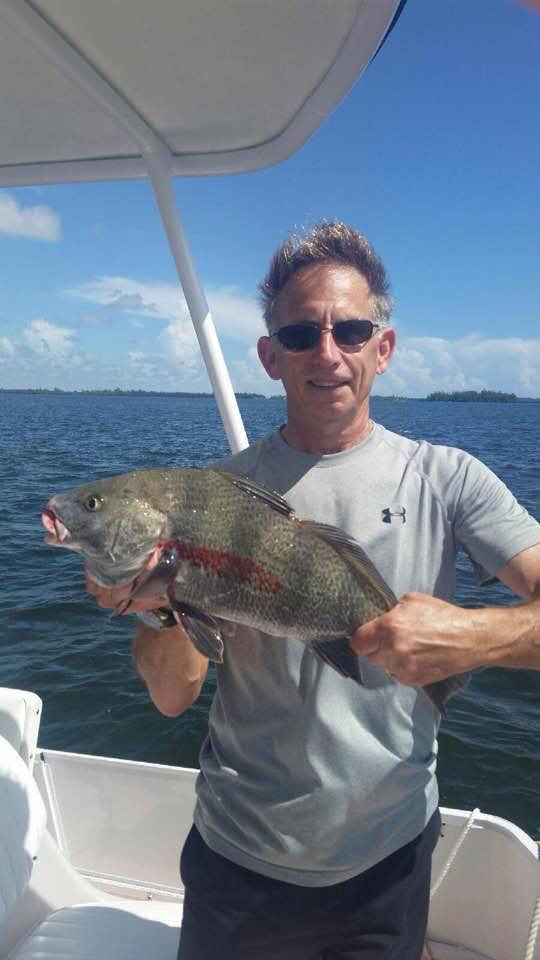
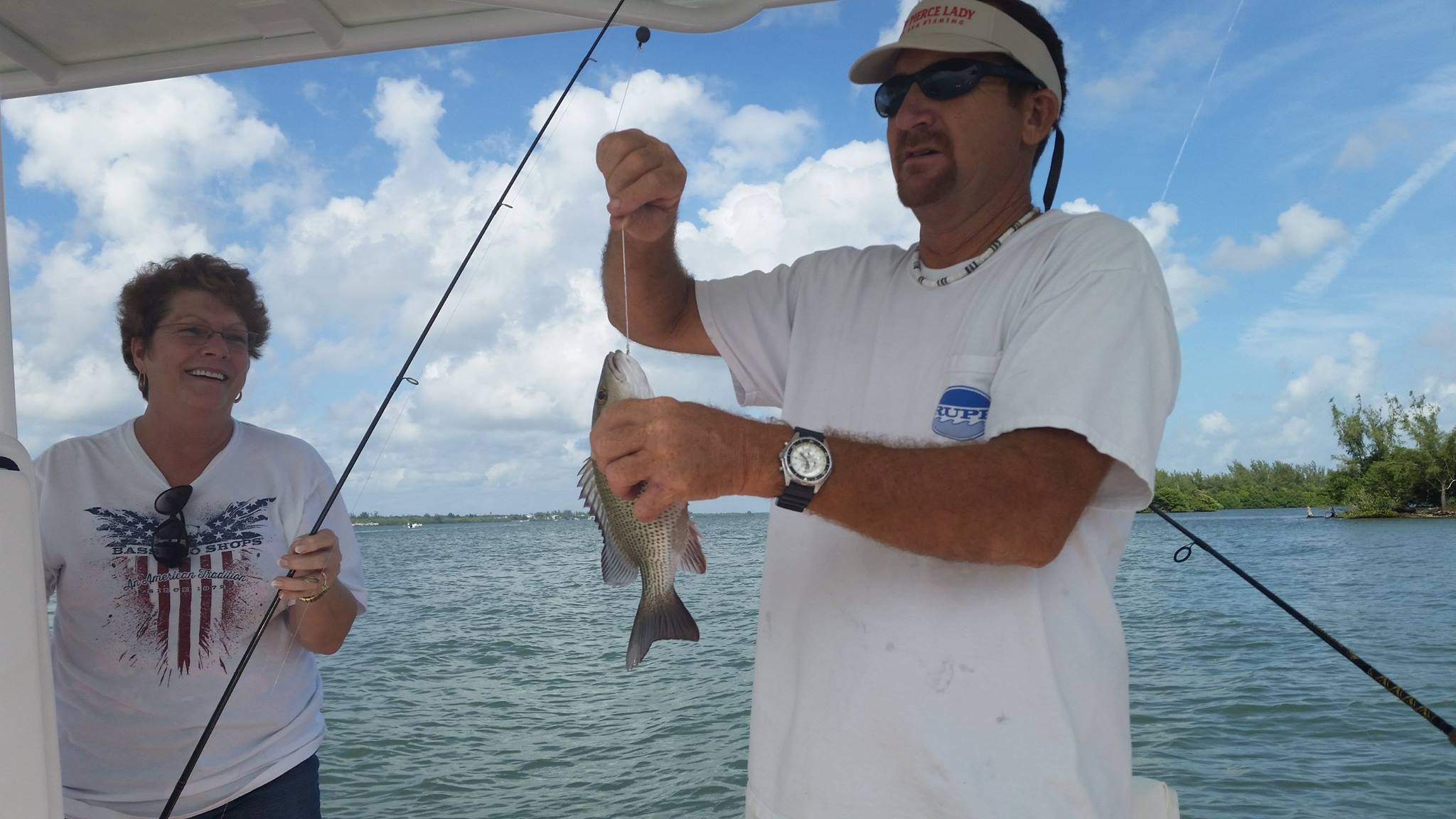
Grey Snapper might not be the flashiest fish, but they're absolute family favorites because they bite consistently and fight hard for their size. Most of the Greys you'll catch run 12 to 20 inches and they're perfect for kids to target since they're not too overwhelming to fight. They hang around any kind of structure - docks, bridge pilings, rock piles - and they're not particularly picky about baits. Live or dead shrimp, small pinfish, or even artificial jigs will get their attention. The best part about Snapper fishing is the action - where you catch one, there's usually more. They school up, especially during cooler months, and you can have the whole family hooked up at once.
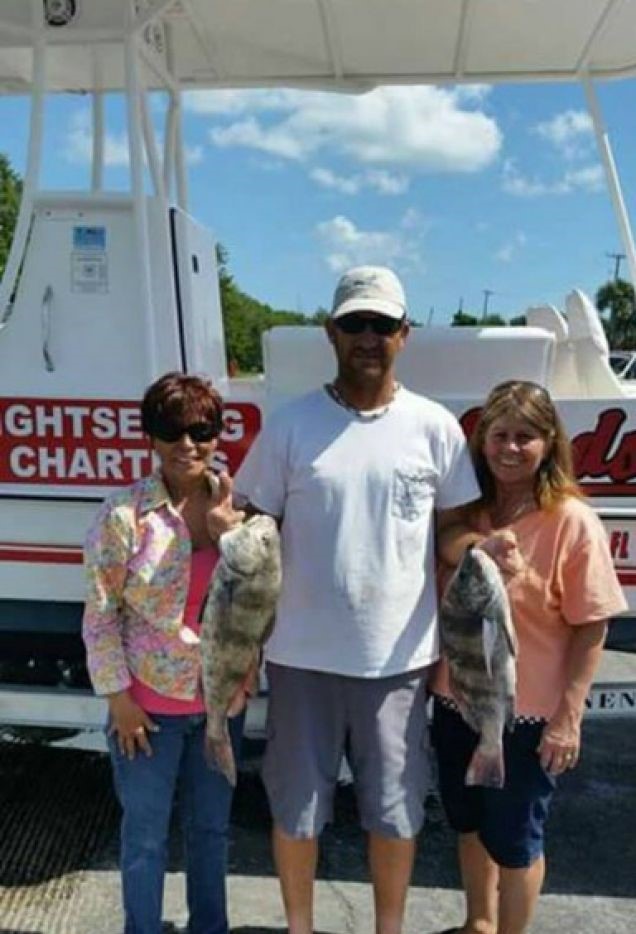
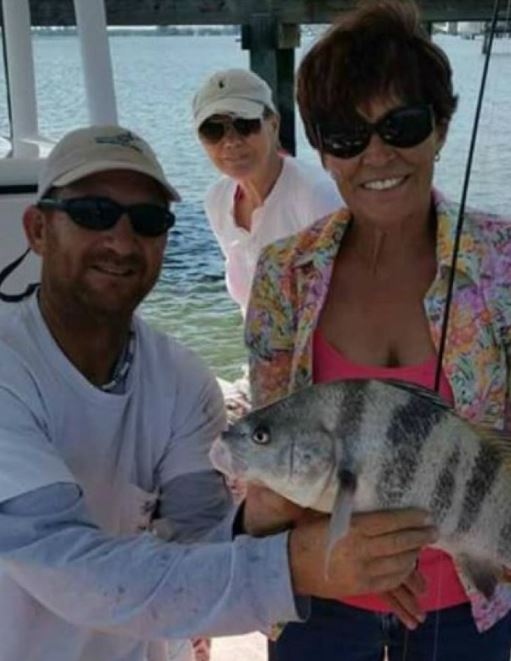
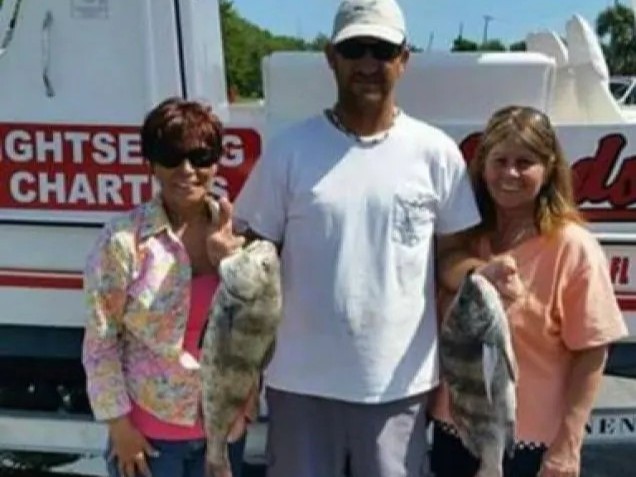
Sheepshead are the technical challenge of this trip, and landing one is something any angler can be proud of. These black-and-white striped fish are notorious for their light bite and their ability to steal bait without getting hooked. They average 12 to 16 inches in the Indian River system, with the occasional whopper pushing 20 inches or more. Sheepshead are structure-oriented fish that feed primarily on crabs, barnacles, and small shellfish, so you'll find them tight to pilings, rock piles, and oyster bars. The key is using small hooks, light weights, and staying alert for that subtle tap-tap-tap bite. When you do hook one, they fight like fish twice their size, using their broad body to pull hard against the rod.
Spotted Seatrout are the bread and butter of Indian River fishing, and they're perfect for families because they're aggressive feeders and relatively easy to catch. Most Trout in this system run 14 to 22 inches, with the occasional gator Trout over 25 inches making an appearance. They love grass flats, especially areas with mixed sand and grass bottom where they can hunt for shrimp and small baitfish. Trout are particularly active during moving tides and overcast conditions. They'll hit live shrimp, soft plastic baits, and topwater lures with equal enthusiasm. The fight isn't as dramatic as a Snook, but they're steady pullers and they make great table fare if you decide to keep
 Private Trip
 Inshore Fishing
 Fort Pierce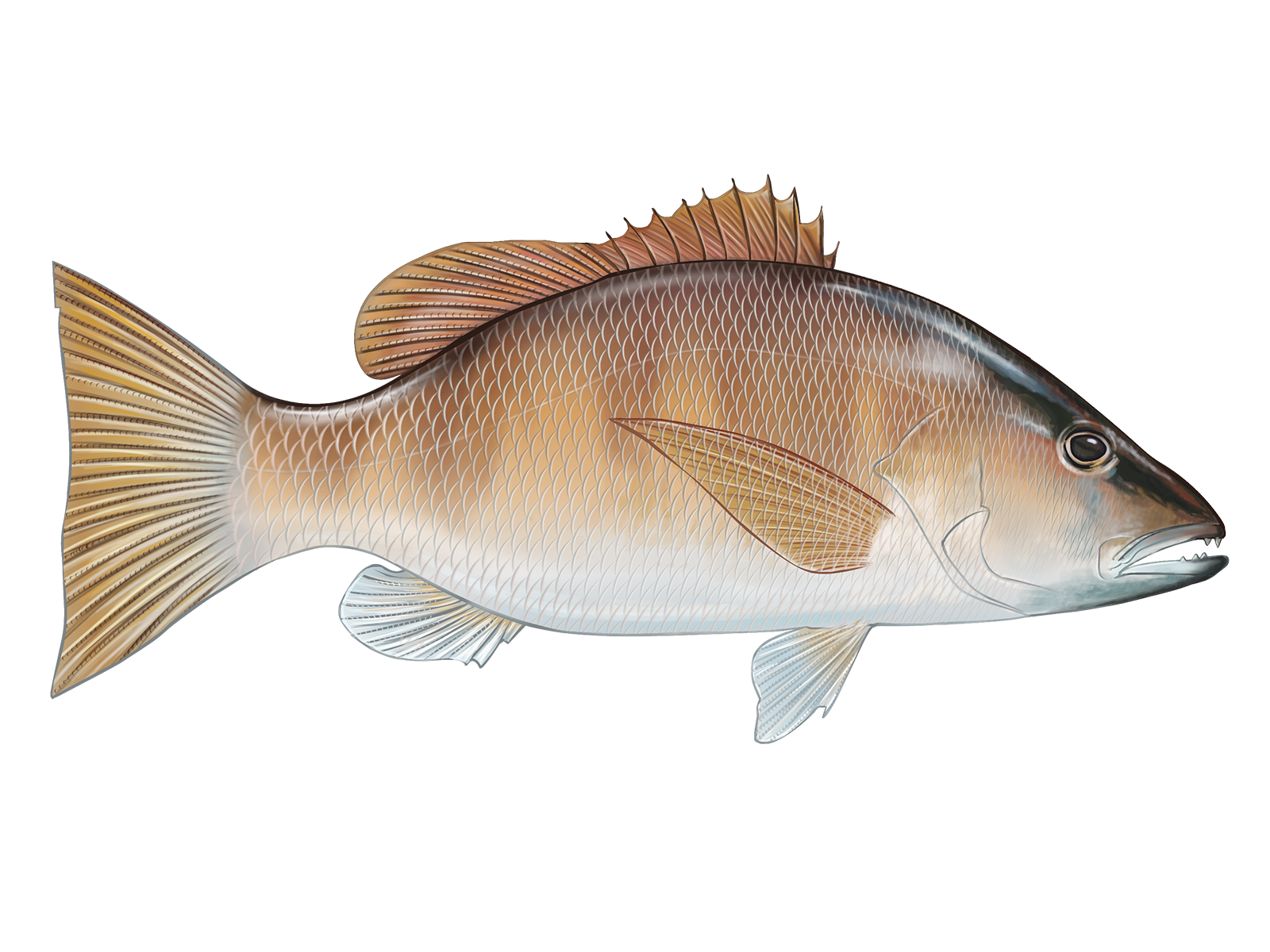


 Eight-hour family fishing adventure in Indian River Lagoon