4 Hour Inshore Fishing Trip with Captain Ariel
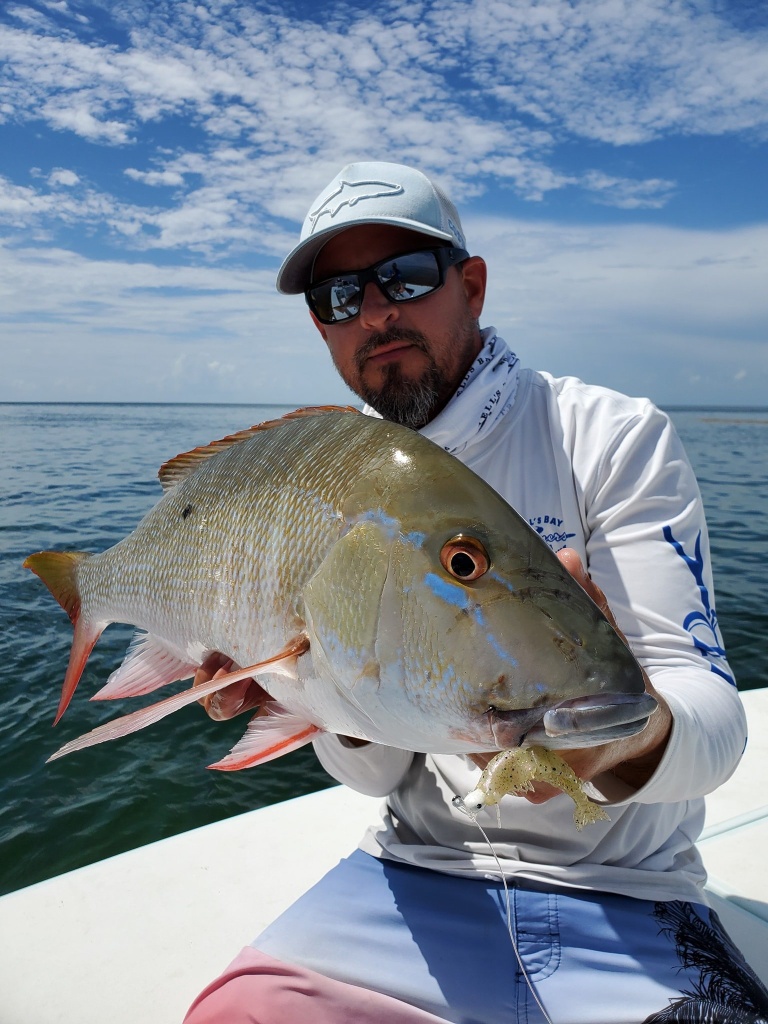
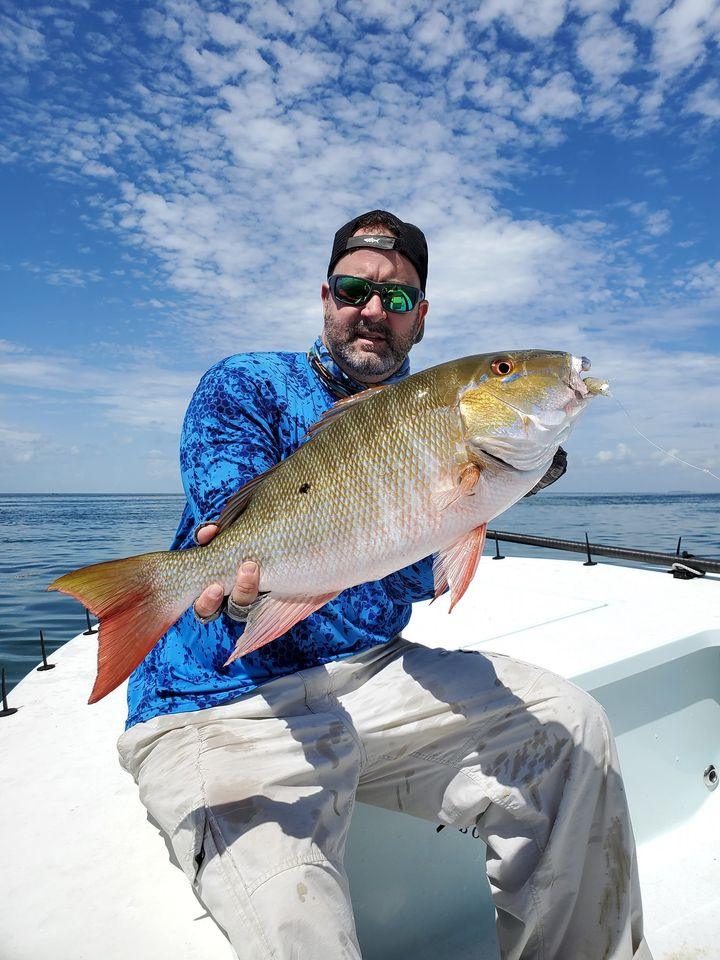
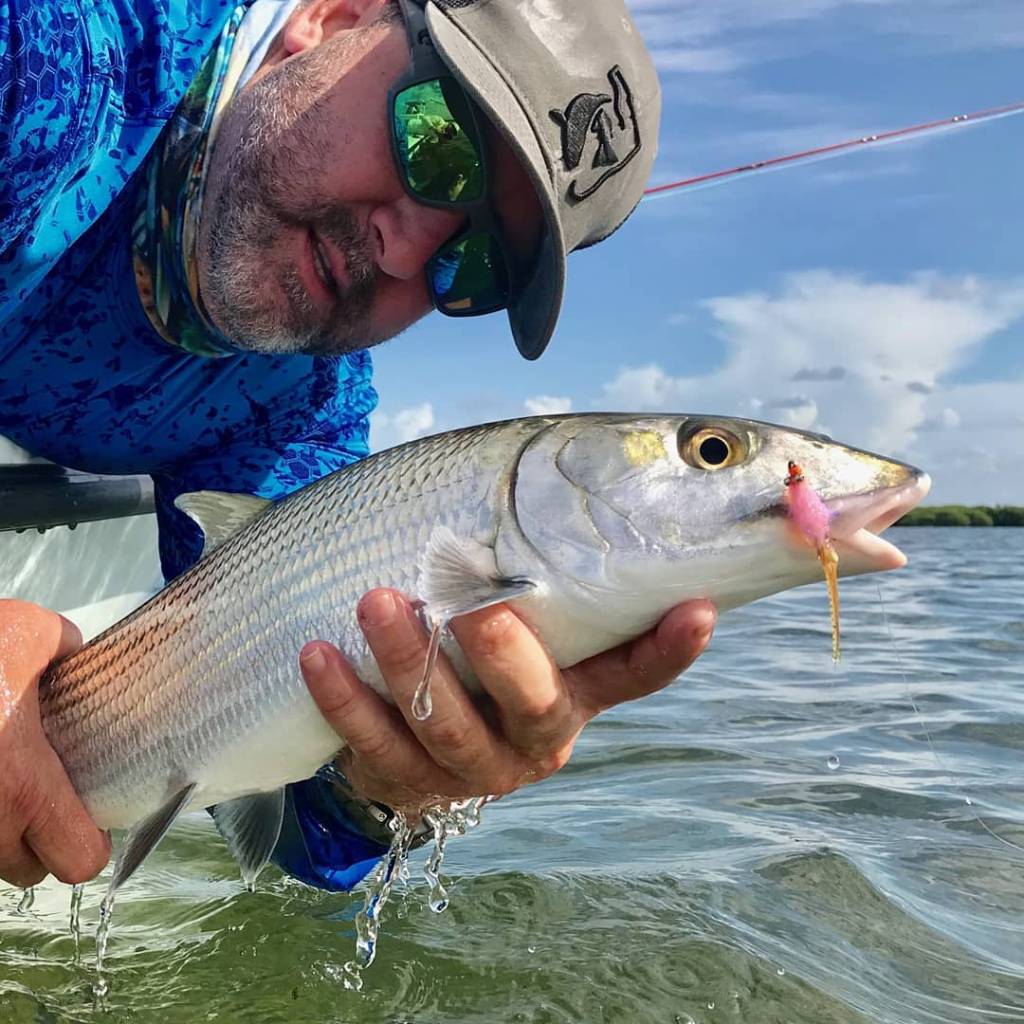
Ready to get your lines wet with one of the most experienced captains on the water? Captain Ariel's 4-hour inshore fishing adventure is exactly what you need to target some of the coast's most sought-after gamefish. Whether you're an early bird ready to hit the flats at 8 AM or prefer the afternoon bite starting at noon, this half-day trip puts you right where the action happens. For $600, you and a buddy get a world-class fishing experience targeting snook, redfish, tripletail, and trout in some of the most productive inshore waters around.
What to Expect on the Water
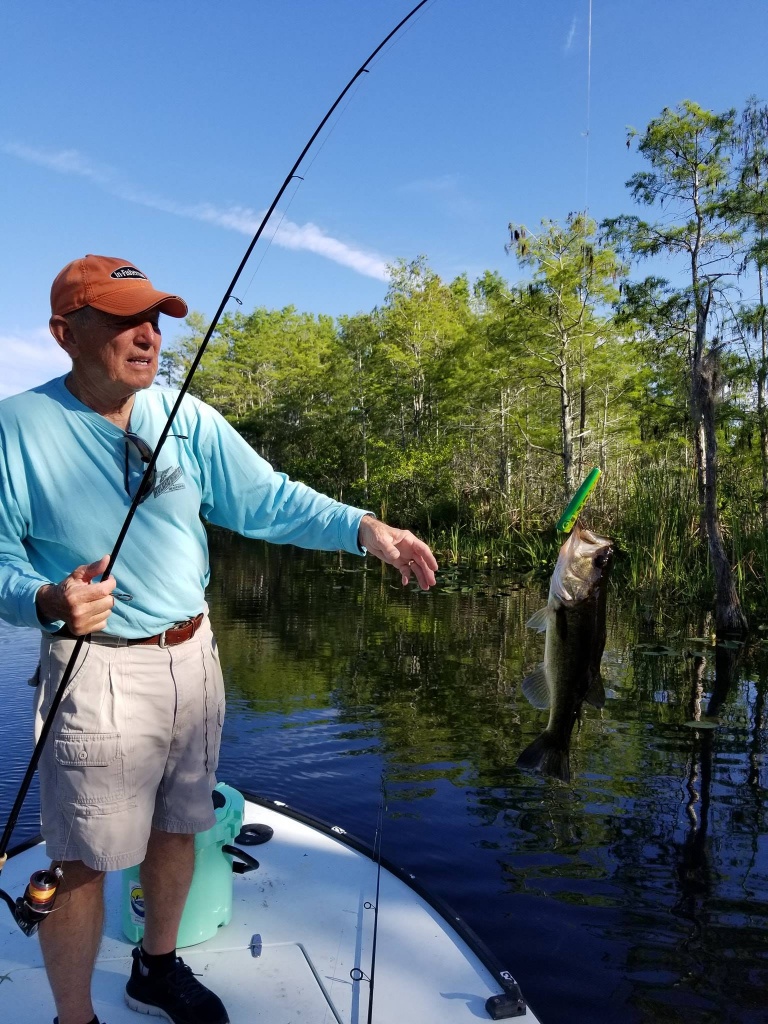
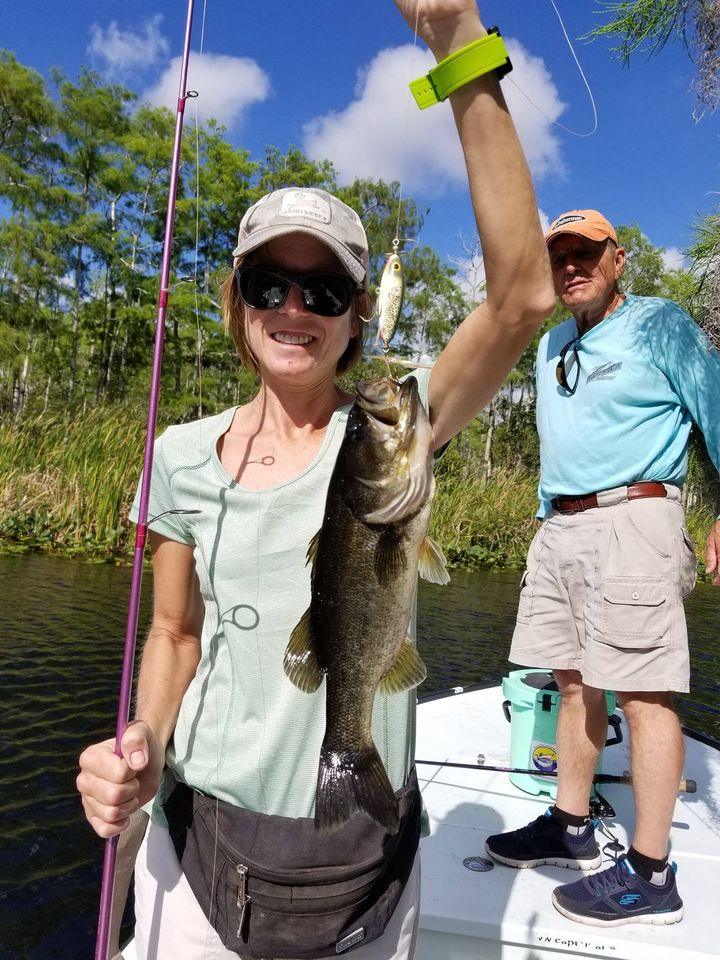
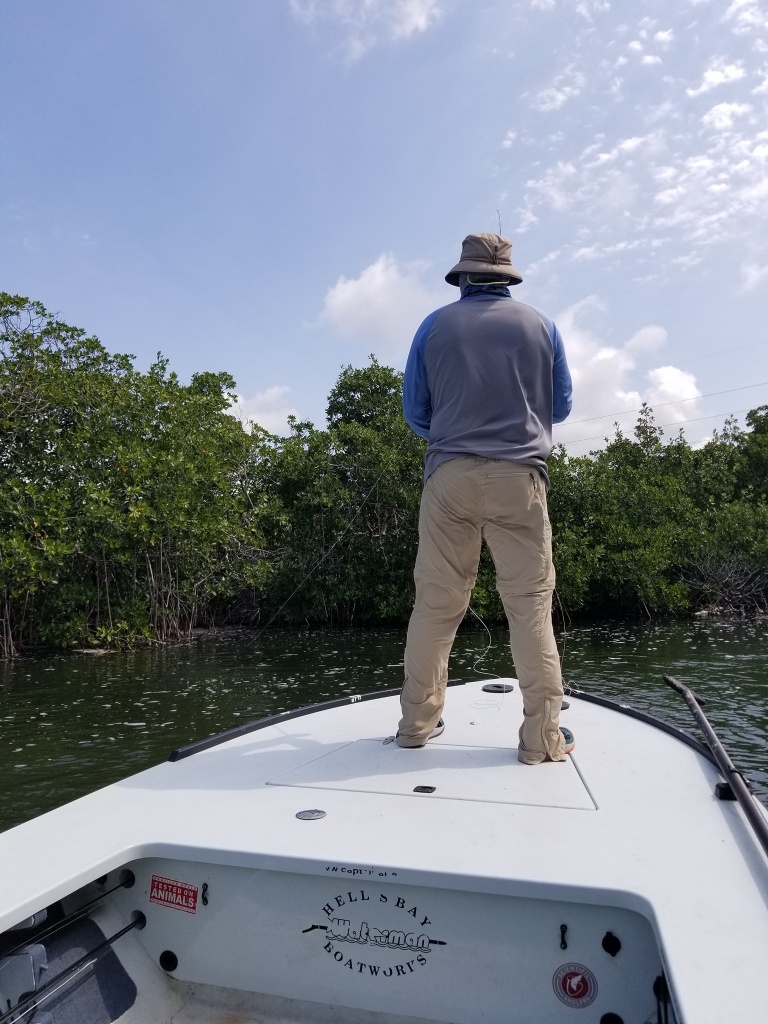
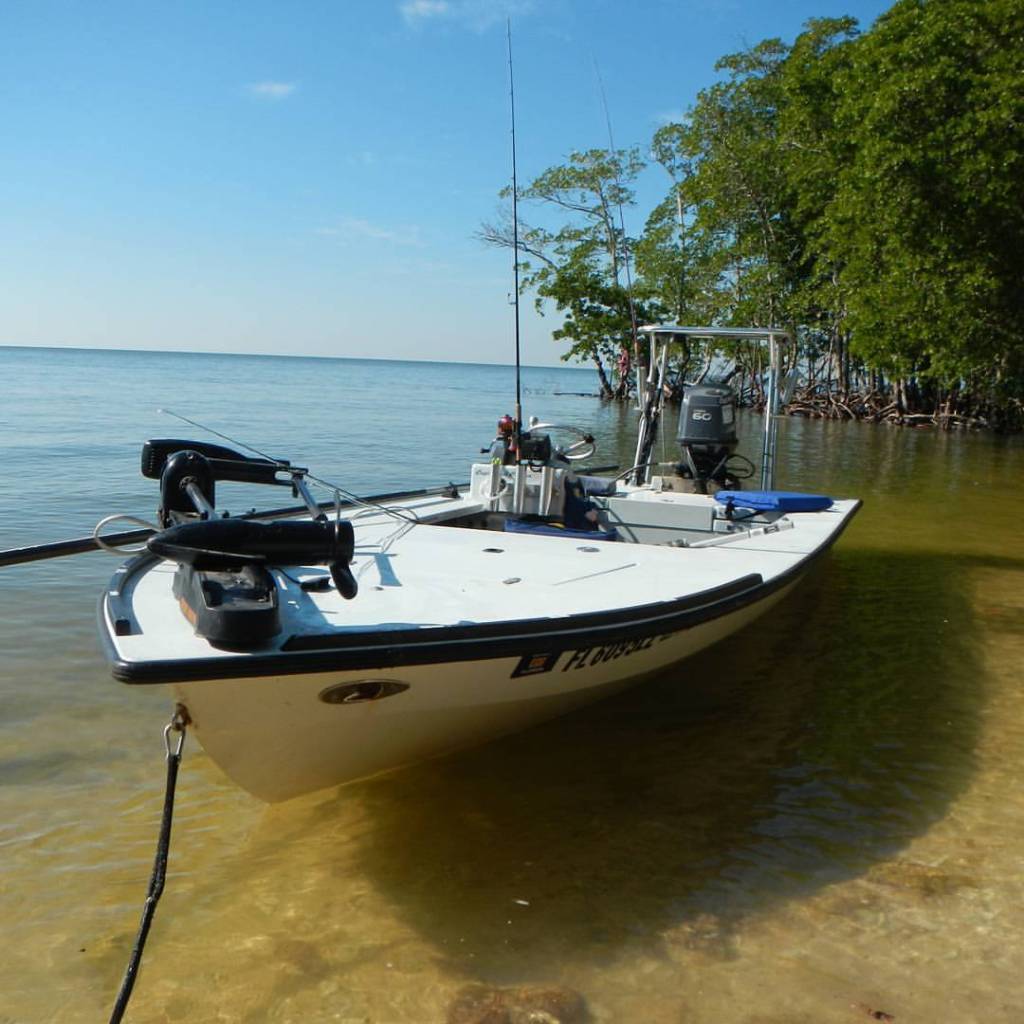
This isn't your typical dock-fishing experience. Captain Ariel knows these inshore waters like the back of his hand, and he'll have you working the grass flats, mangrove shorelines, and structure where these fish love to hang out. The 4-hour window gives you plenty of time to cover ground without feeling rushed, and with just two anglers max, you'll get the personalized attention that makes all the difference between going home empty-handed or with some serious bragging rights. The morning trip often delivers cooler temps and active fish, while the afternoon session can be money when the tide's right. Captain Ariel reads the conditions and adjusts the game plan accordingly, whether that means sight-fishing the shallows or working deeper pockets where the big girls hide.
Tackle & Techniques
All your gear is handled, so you can focus on what matters – hooking up. Captain Ariel provides top-rated rods, reels, and tackle suited for inshore action, from live bait rigs to artificials that get these fish fired up. Depending on conditions and target species, you might be throwing topwater plugs at daybreak, working soft plastics through the grass, or presenting live shrimp around structure. The beauty of inshore fishing is the variety – one cast you're sight-casting to a laid-up red, the next you're working a dock line for snook. Captain Ariel will walk you through the techniques as you go, whether you're a seasoned angler looking to dial in your skills or someone who needs the basics. Just bring your snacks, sunscreen, and a hat – everything else is covered.
Top Catches This Season
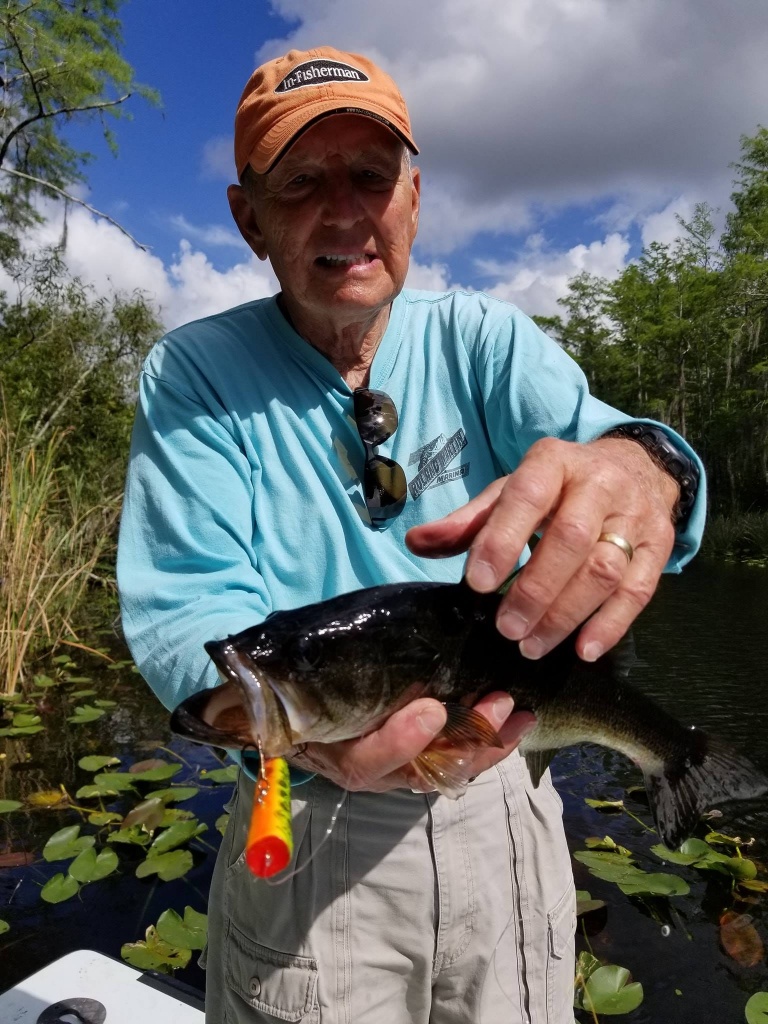
The snook fishing has been absolutely on fire, especially around the mangrove points and deeper channels where they ambush baitfish. These bronze rockets are notorious for their gill-rattling jumps and bulldogging runs that'll test your drag system. Peak season runs from spring through fall, but Captain Ariel knows the winter hideouts where they stack up when temps drop. What makes snook special isn't just their fight – it's the chess match of presentation and timing that keeps anglers coming back.
Redfish are the backbone of any good inshore trip, and these copper-colored bruisers rarely disappoint. You'll find them tailing in skinny water during incoming tides, or cruising the grass flats in small schools. Reds typically run 18-27 inches in these waters, with the occasional bull red showing up to really bend your rod. They're year-round residents, but fall brings some of the best action when they're feeding heavy before winter. The thrill of sight-casting to a red that's got his back out of the water never gets old.
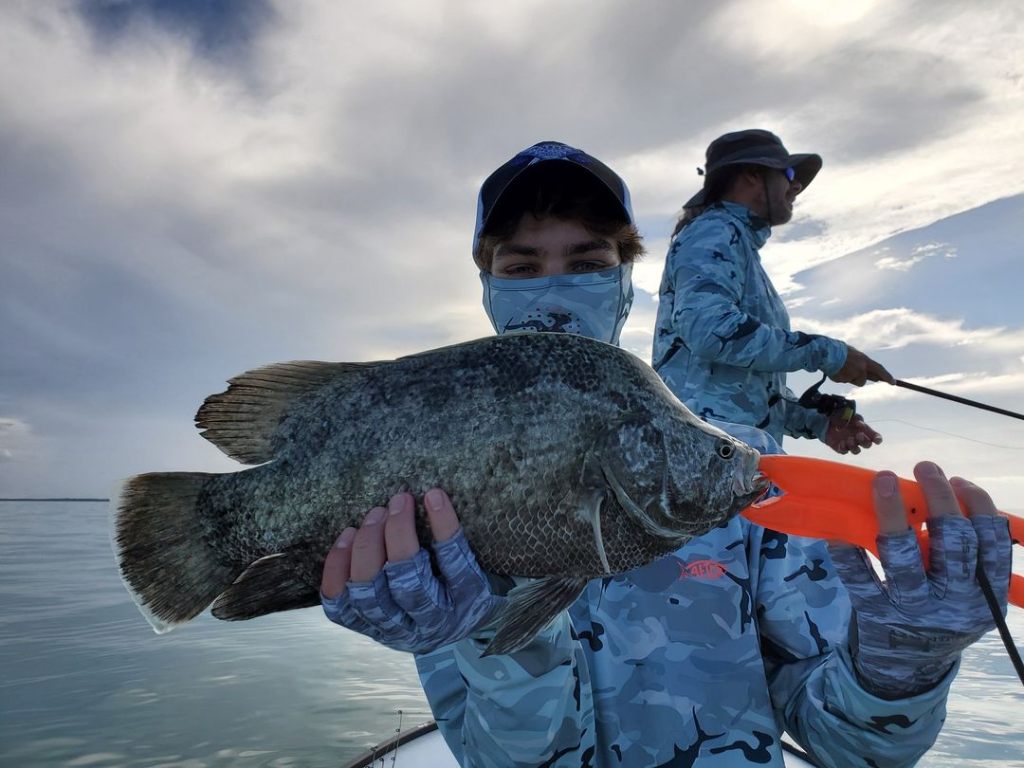
Tripletail might be the most underrated fish on this list, but they're absolute money when you find them. These oddball-looking fish love floating structure – anything from crab trap floats to debris lines. They're incredibly curious and will often come right up to the boat, but don't let that fool you into thinking they're easy. Tripletail have incredible eyesight and will spook if your presentation isn't dialed in. Summer and early fall are prime time, and once you hook one, you'll understand why Captain Ariel gets excited when he spots their distinctive profile.
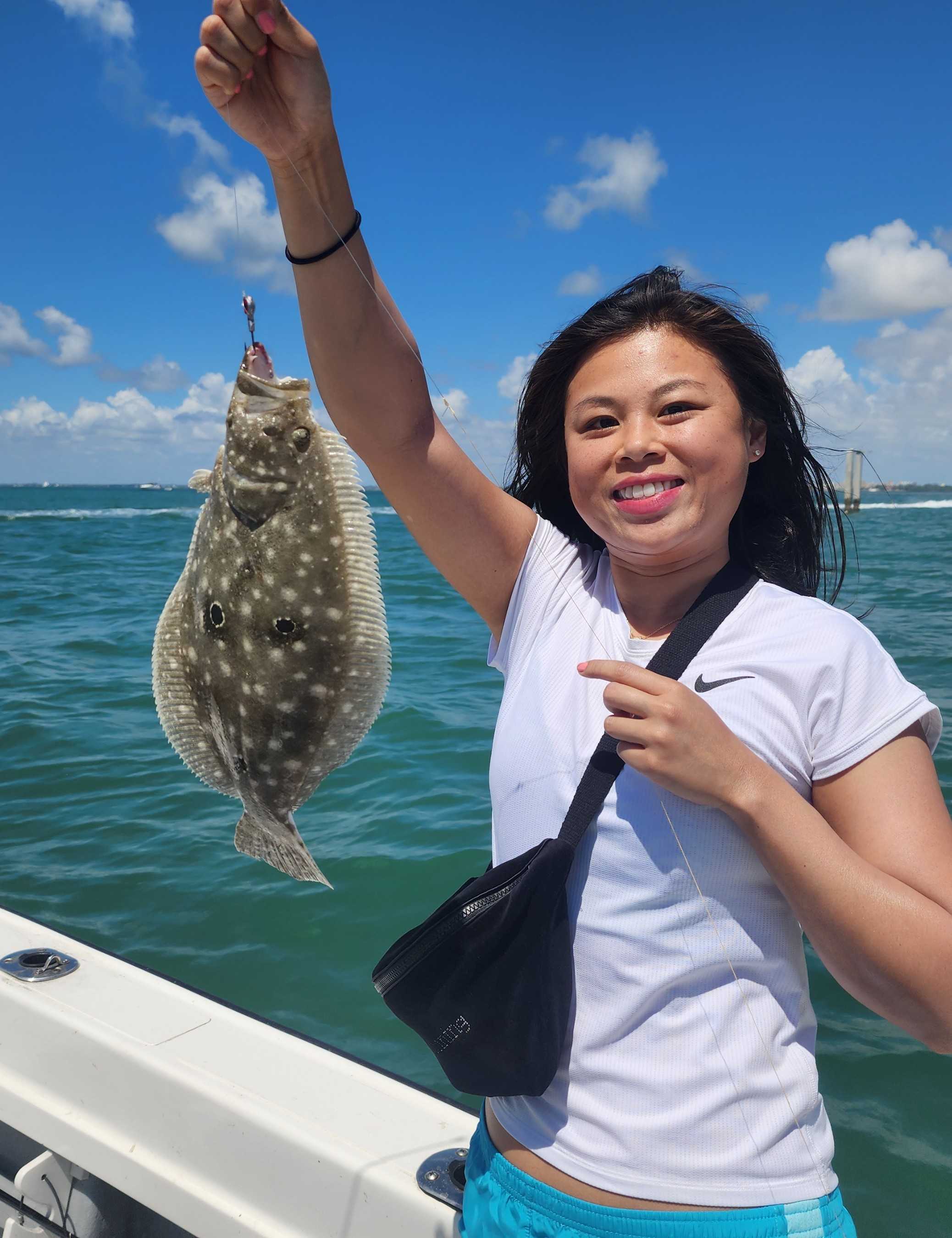
Sea trout round out the slam potential on every trip. These spotted beauties are scattered throughout the grass flats and love to feed on shrimp and small baitfish. They're often the most cooperative species, making them perfect for building confidence if you're new to inshore fishing. Trout bite year-round, but spring and fall produce the best numbers and size. They're also excellent table fare, so if you're looking to take dinner home, a few keeper trout in the box never hurts.
Time to Book Your Spot
Captain Ariel's 4-hour inshore trip delivers exactly what serious anglers want – productive fishing with a captain who knows how to put you on fish. At $600 for two people with all gear included, you're getting customer-favorite value that's tough to beat. The intimate setting with just two anglers means more shots at quality fish and personalized instruction that'll make you a better angler. Whether you choose the morning session to beat the heat or the afternoon trip to catch the evening bite, you're setting yourself up for the kind of fishing memories that last long after you leave the dock. Don't wait on this one – the best dates fill up fast, and Captain Ariel's reputation for consistently putting clients on fish makes his calendar move quickly.
 Private Trip
 Inshore Fishing
 Ochopee


 Half-day inshore fishing targeting snook, redfish, and trout