St Petersburg Full Day Inshore Fishing Adventure
Captain Gills has been putting anglers on fish in the St Petersburg waters for years, and this full-day inshore charter is hands down one of the best ways to experience what Tampa Bay has to offer. You're looking at eight solid hours on the water with a captain who knows every grass flat, mangrove cut, and channel from St Pete all the way up to Indian Shores and Redington. This isn't some cookie-cutter trip – we're talking about a private charter for up to three guests where the day gets tailored to what's biting and what you want to target.
What to Expect on the Water
This top-rated charter covers more water than most guides are willing to run, and that's exactly why it produces. You'll start early and hit multiple spots throughout the day – shallow grass flats where the redfish cruise in packs, deeper mangrove channels where snook ambush baitfish, and the Intracoastal Waterway where trout stack up on structure. Captain Gills moves with the tides and the fish, so if one spot isn't producing, you're not stuck there burning daylight. The boat stays stocked with live bait – we're talking about premium stuff like pilchards, pinfish, and shrimp – plus all the light tackle you'll need. Your fishing licenses are covered, so all you need to bring is sunscreen, snacks, and drinks. The eight-hour window gives us flexibility to chase whatever's hot, whether that's sight-fishing reds on the flats during the morning low tide or working the mangrove edges when the water starts moving.
Techniques and Tackle Setup
We run light spinning gear perfectly matched to inshore fishing – 7-foot medium-light rods spooled with 15-20 pound braid and fluorocarbon leaders. Depending on what we're targeting, you'll be throwing everything from live shrimp under popping corks for trout to free-lining pilchards for snook around structure. The shallow water game here calls for finesse, and Captain Gills will have you rigged right for each spot. When we're sight-fishing the flats, it's all about accurate casts and working baits naturally – no heavy weights or loud presentations that spook fish in three feet of water. In the mangroves, we'll bump up the tackle slightly and use heavier jig heads to get baits down quickly before snook can pull you into the roots. The Intracoastal requires a different approach entirely, with bottom rigs and cut bait for flounder, or working artificial lures along the channel edges. This isn't a trip where you sit in one spot all day – we're constantly adjusting techniques and presentations based on conditions, tides, and what the fish want.
Target Species Breakdown
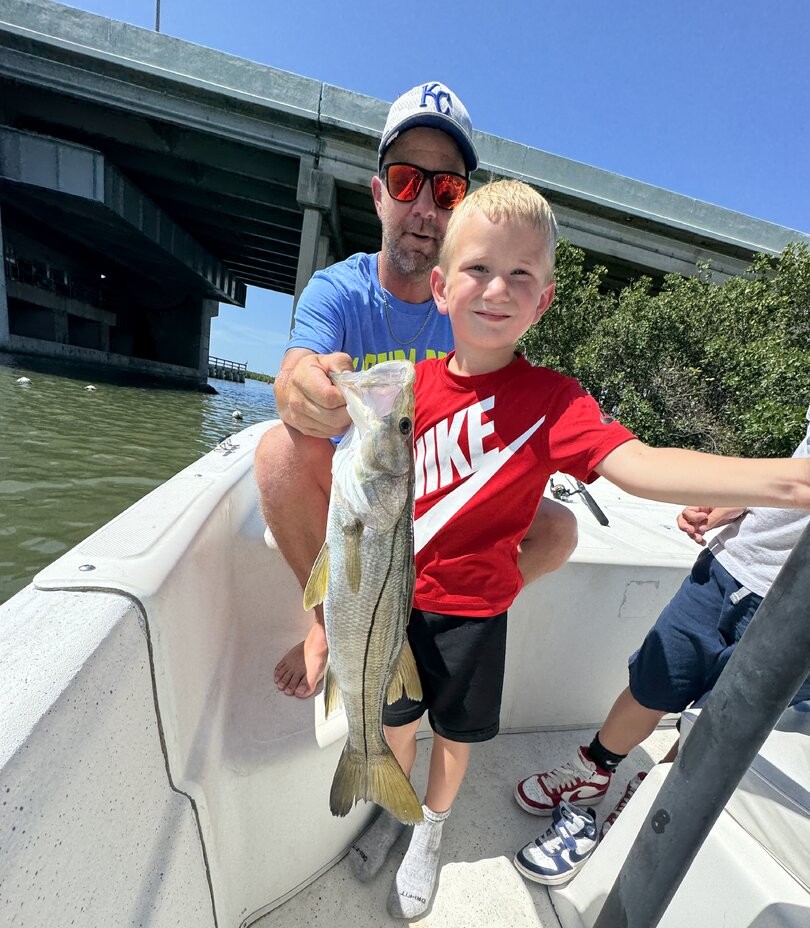
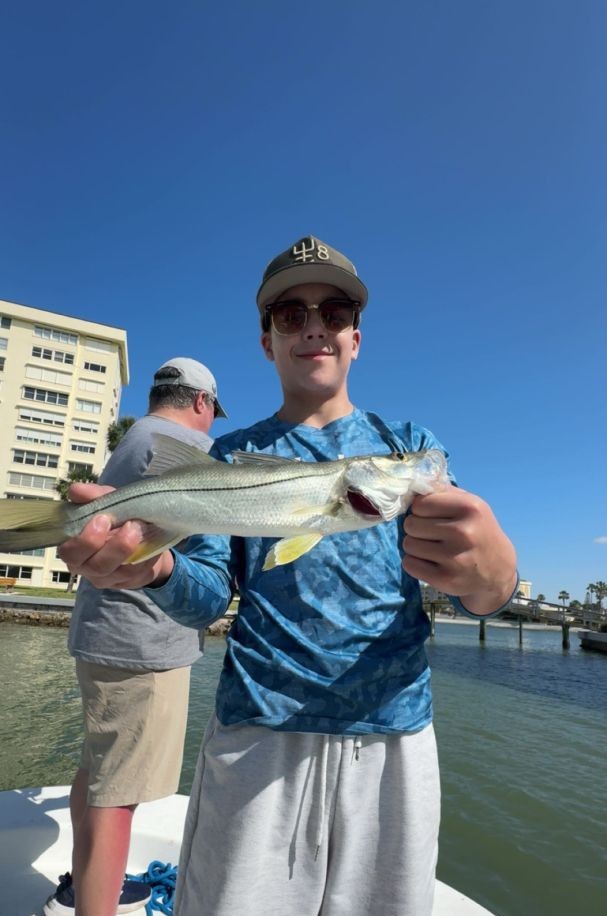
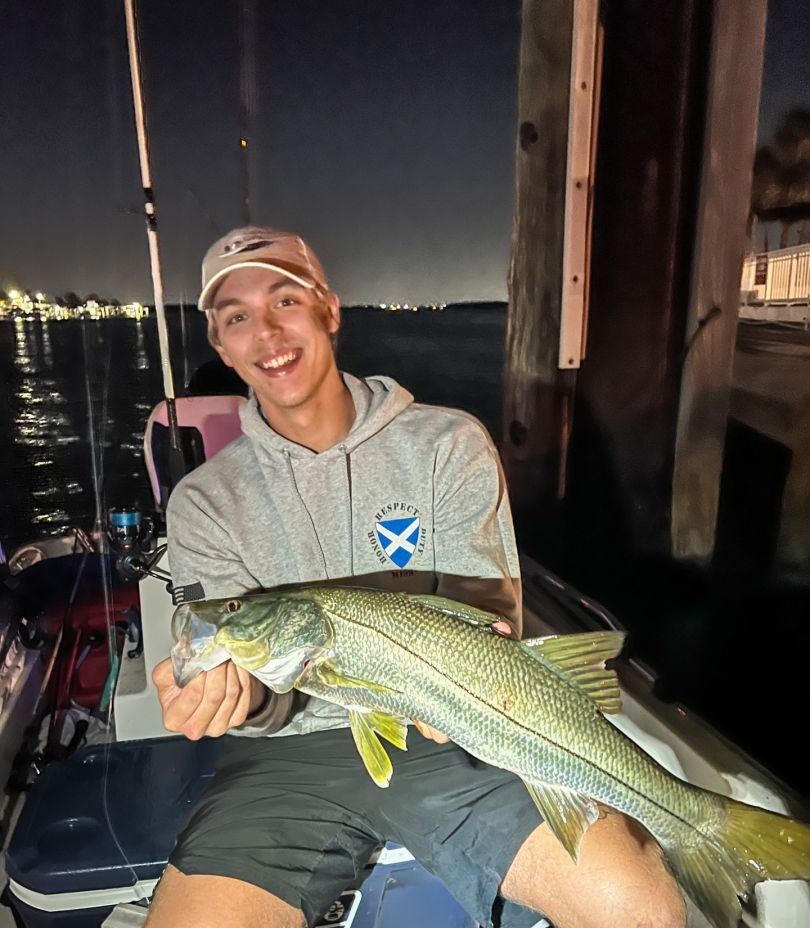
Snook are the crown jewel of Tampa Bay inshore fishing, and for good reason. These ambush predators hang around any structure they can find – bridge pilings, mangrove overhangs, dock lines, and oyster bars. They're incredibly line-shy and structure-oriented, which makes them a blast to target but tricky to land. Peak snook action happens during the warmer months from April through October, especially around the new and full moon phases when they're most aggressive. A slot-sized snook between 28-32 inches will give you a fight you won't forget, with explosive strikes and multiple jumps. They're catch-and-release only right now, but the experience of hooking into a 15-pound snook in shallow water never gets old.
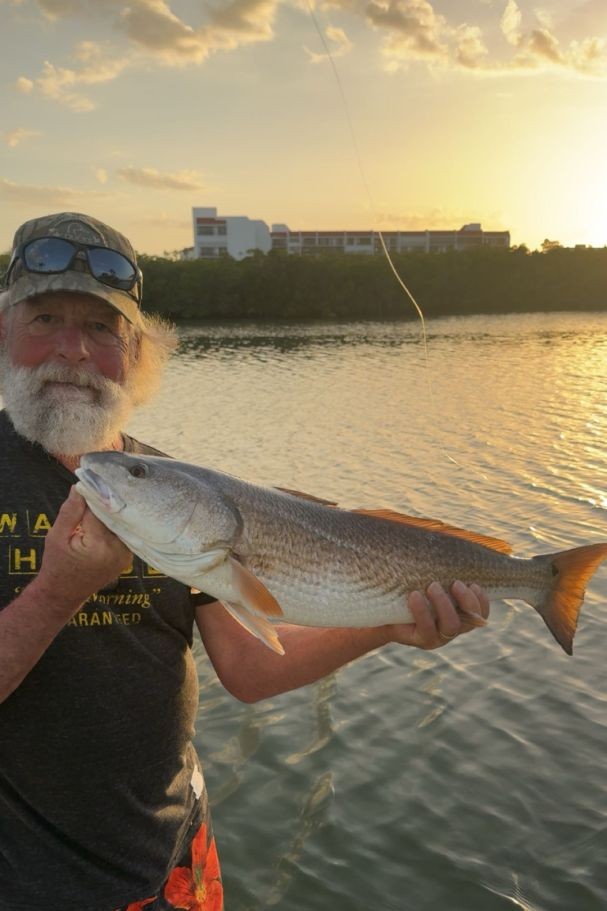
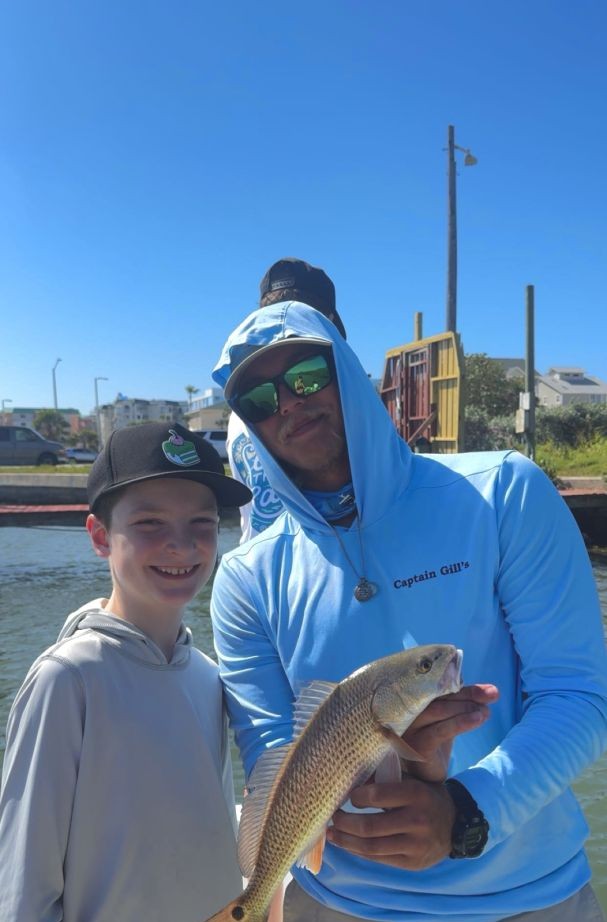
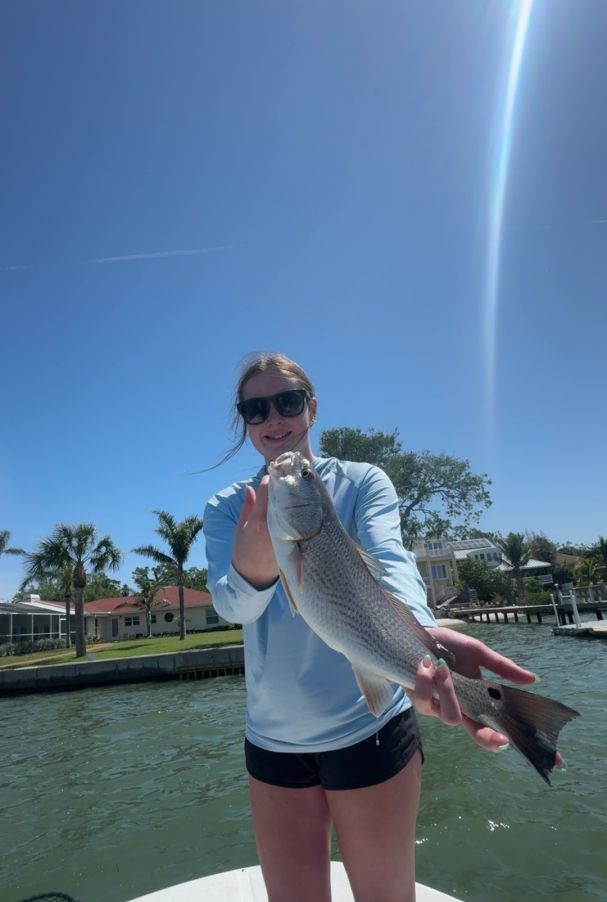
Redfish are probably the most consistent species we target, and they're active year-round in these waters. These copper-colored bruisers cruise the grass flats in schools, especially during the cooler months when they pack up tight. Spring and fall offer the best sight-fishing opportunities when the water's clear and reds are tailing in shallow water. They're not the smartest fish in the bay, but they make up for it with raw power – a 27-inch red will smoke drag and test your patience. The slot limit runs 18-27 inches, and fish in that range are perfect for the dinner table. What makes redfish special here is the variety of presentations that work – live bait, cut bait, soft plastics, and topwater plugs all produce depending on conditions.
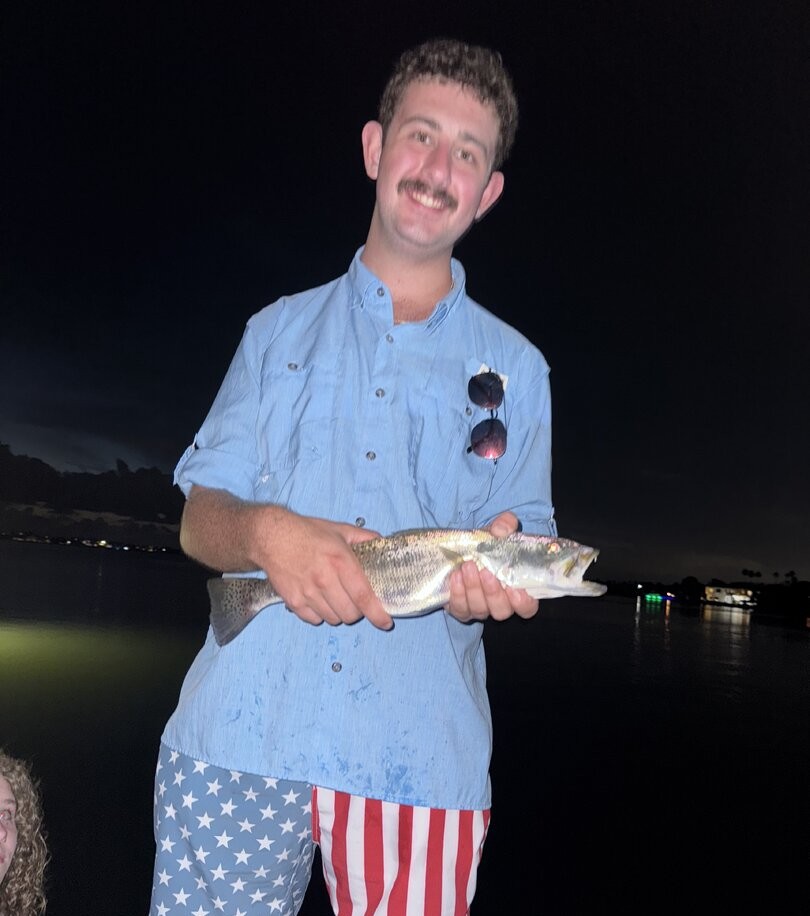
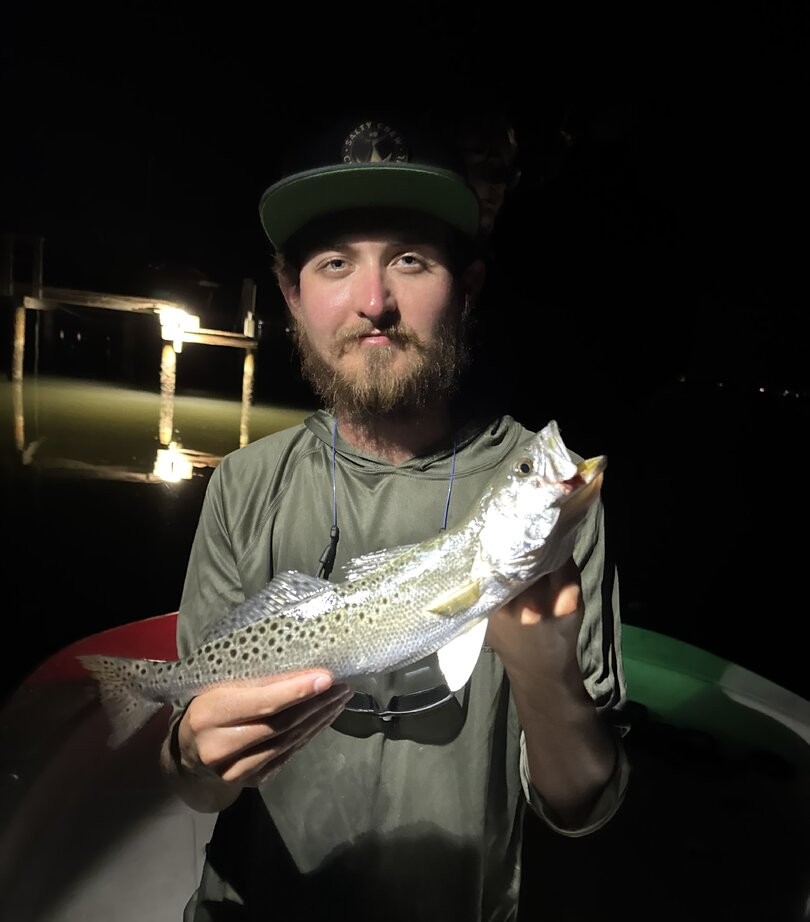
Sea trout might not have the glamour of snook or the power of redfish, but they're the bread and butter of Tampa Bay fishing. These spotted beauties school up over grass flats and around structure, making them relatively easy to target once you find them. The cooler months from November through March offer the best trout fishing, when they move to deeper grass beds and hold tight to bottom structure. A good trout here runs 15-20 inches, and they're fantastic table fare when handled properly. They're also perfect for beginning anglers since they're not particularly line-shy and will eat a variety of baits. The key with trout is finding the schools – once you locate them, you can usually catch several before they move on.
Southern flounder are the chameleons of the bay, lying flat on sandy bottoms and ambushing anything that swims by. These flatfish are most active during the cooler months and around moving tides when baitfish get pushed along the bottom. They're not fast swimmers, but they're masters of camouflage and can be tricky to locate without local knowledge. A keeper flounder runs 15+ inches, and they're considered some of the best eating fish in the bay. What makes flounder fishing interesting is the technique – you're basically dragging baits along the bottom and waiting for that distinctive tap-tap-pull that signals a flatfish has grabbed your offering.
Florida pompano are the bonus fish that can make your day special. These silver speedsters show up seasonally, usually in the spring and fall when they're migrating through the area. They're incredibly fast swimmers and put up a disproportionate fight for their size – a 2-
 Private Trip
 Inshore Fishing
 St. Petersburg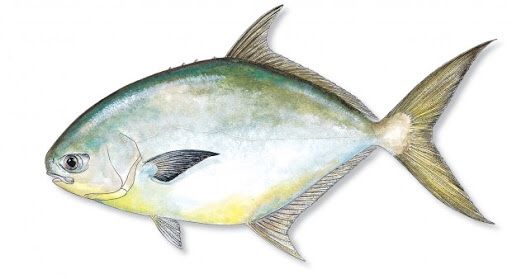


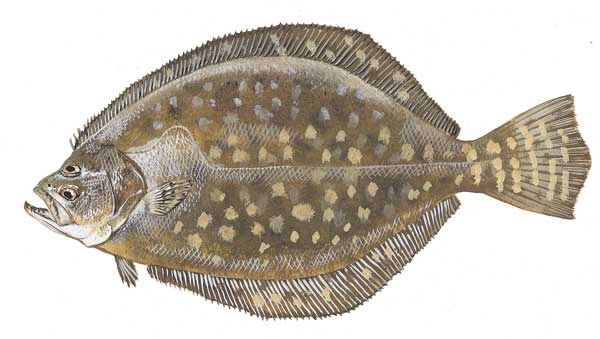
 Full-day inshore charter targeting snook, redfish, trout, and flounder