Full Day St Pete Inshore Charter Adventure
When you book this full-day inshore charter with Captain Gills, you're getting eight solid hours on some of Florida's most productive fishing grounds. We'll cover everything from the shallow grass flats around Indian Shores to the deeper cuts and mangrove channels that hold the big reds and snook. This isn't your typical half-day rush job – we've got time to hit multiple spots, adjust tactics when needed, and really put you on fish. The charter handles up to six anglers, so bring your crew or book solo and fish alongside other passionate anglers. All your tackle, live bait, and fishing licenses are covered, which means you just show up ready to cast.
What to Expect on the Water
This trip spans the prime inshore waters around St Petersburg, Indian Shores, and Redington Shores – three areas that consistently produce quality fish year-round. We'll start early to beat the crowds and target feeding fish in the cooler morning hours. The beauty of an eight-hour charter is flexibility; if the snook are firing in the mangroves at sunrise, we'll stay put. If the bite slows down, we can run to deeper grass flats or work the Intracoastal for trout and reds. Captain Gills knows these waters like the back of his hand and will read conditions – wind, tide, bait movement – to keep you in productive water all day. Expect to fish everything from two-foot skinny water to eight-foot channels, depending on what's biting and where the fish are holding.
Tackle and Techniques
We fish light tackle exclusively on this charter, which means spinning reels spooled with 10-15 pound test and rods that let you feel every headshake and run. The approach varies throughout the day based on target species and structure. In the mangroves, we'll pitch live shrimp and pinfish to undercut banks and oyster bars where snook ambush prey. On the grass flats, we'll drift with live bait or work topwater plugs when fish are feeding aggressively. The deeper channels call for bouncing jigs or freelining live bait in the current. Captain Gills provides a full spread of terminal tackle – circle hooks, weights, leaders – plus a steady supply of live bait including shrimp, pilchards, and pinfish. He'll show you how to read the water, identify productive structure, and adjust your presentation based on what the fish want that day.
Species You'll Want to Hook
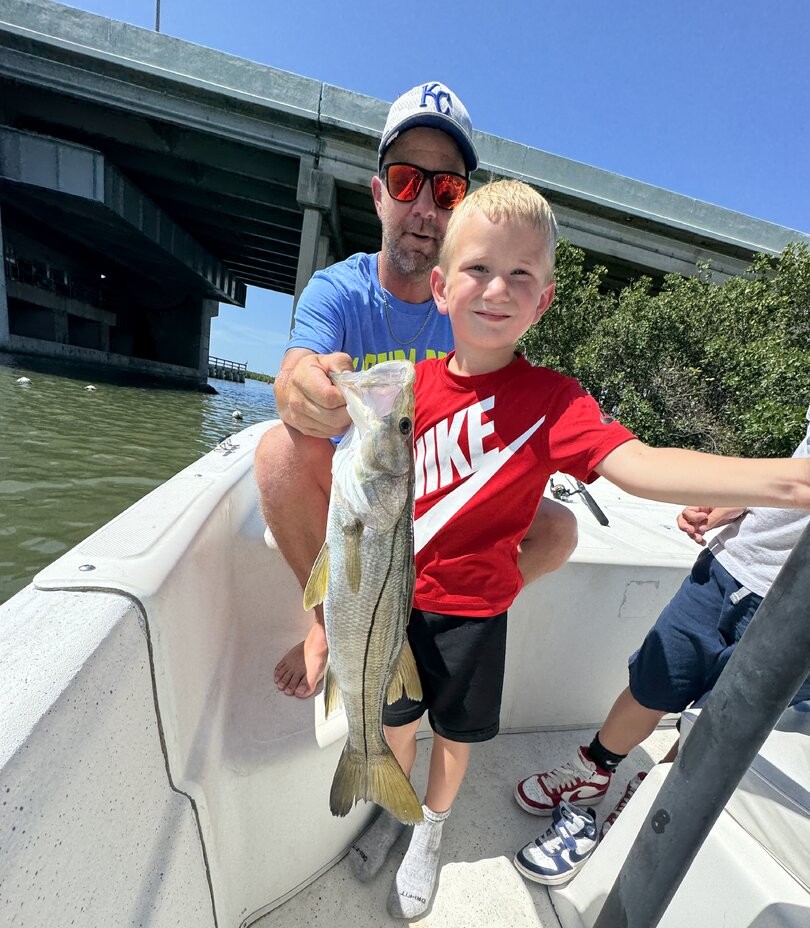
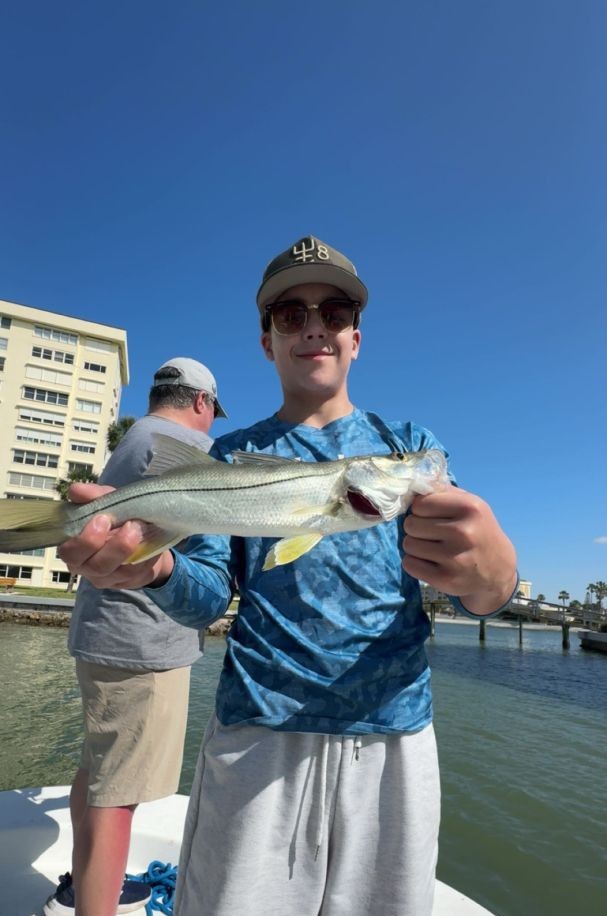
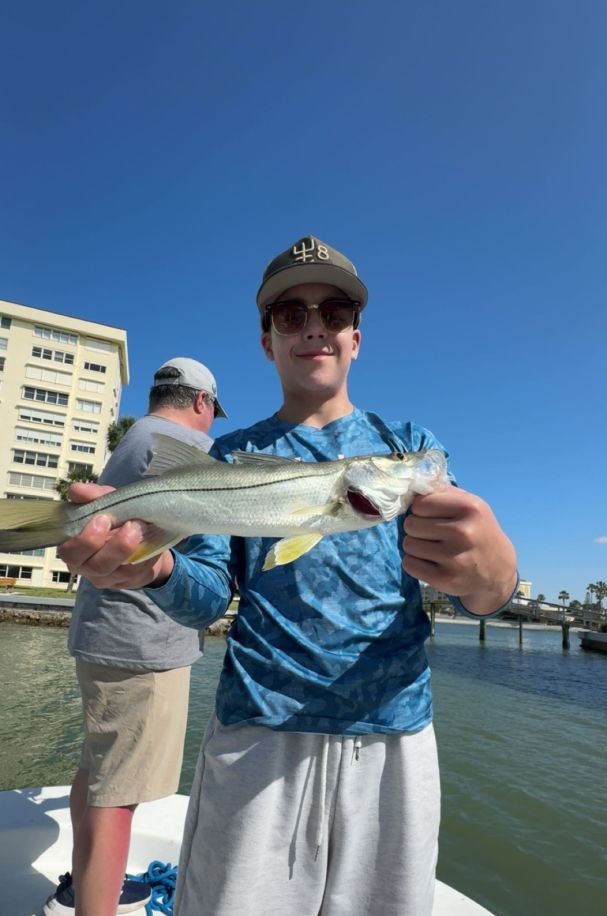
Snook are the crown jewel of Tampa Bay inshore fishing and for good reason. These ambush predators lurk around mangrove shorelines, dock pilings, and bridge structures, waiting to explode on unsuspecting baitfish. They're most active during dawn and dusk but can be caught throughout the day near good structure. A slot-sized snook (28-33 inches) will test your drag and jump multiple times, making them one of the most exciting fish to battle on light tackle. The season runs from September through December and March through May, with catch-and-release the rest of the year.
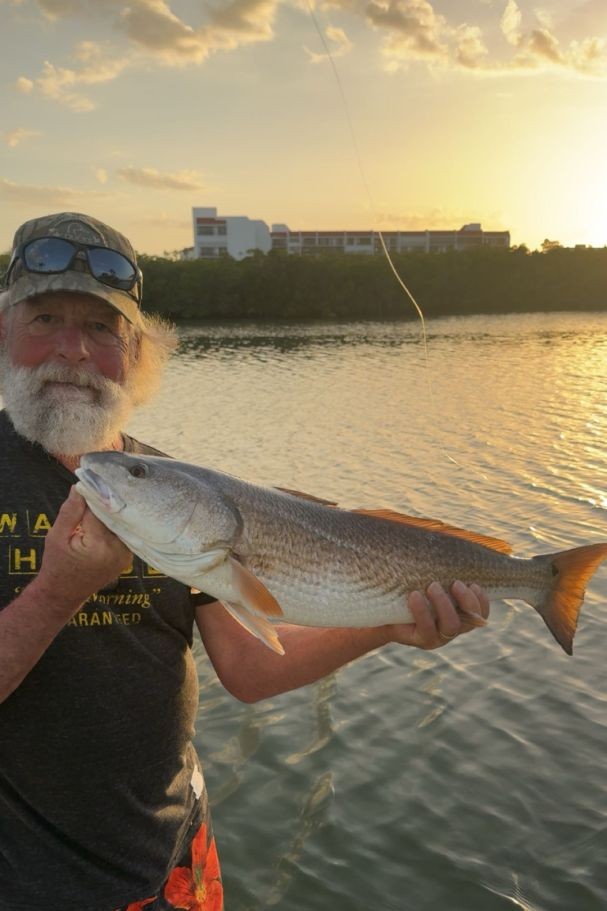
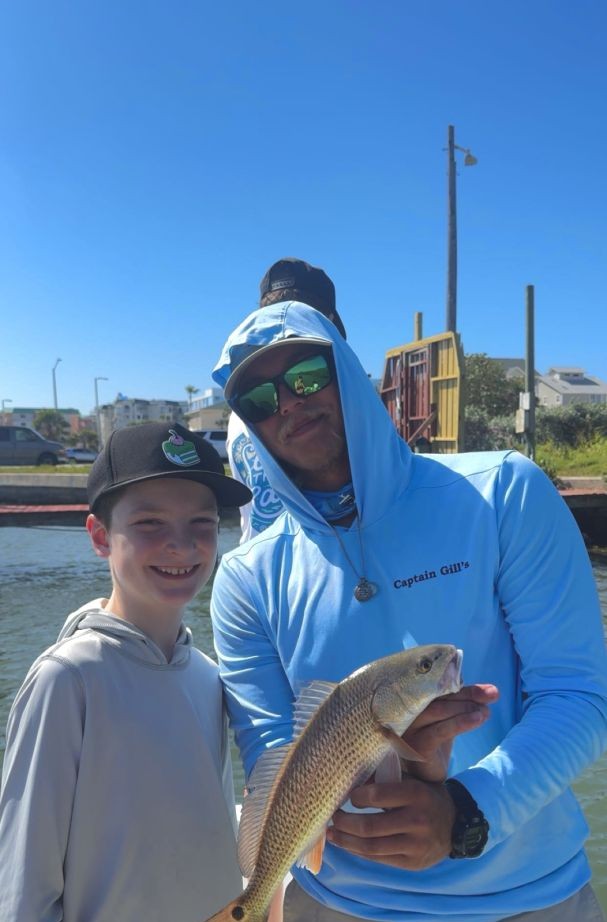
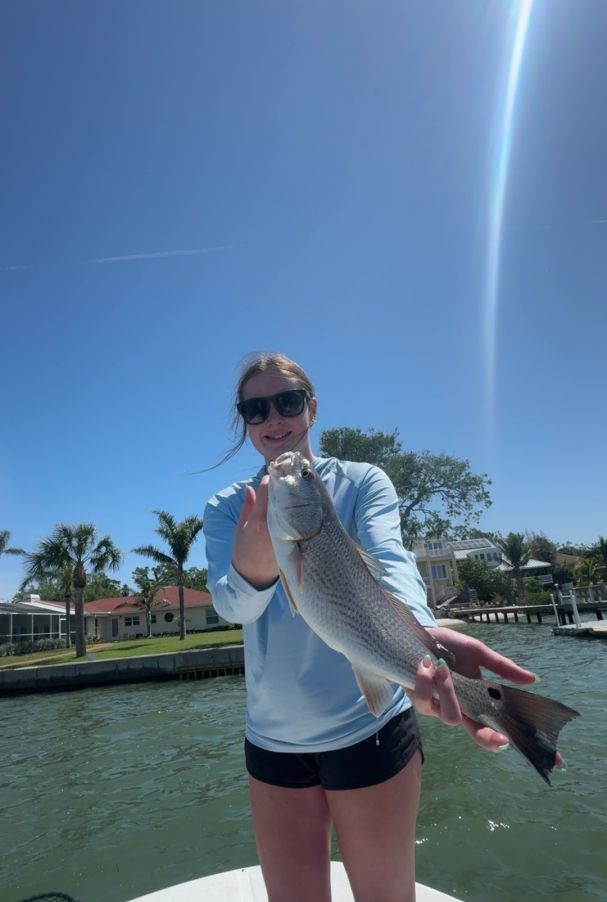
Redfish patrol the grass flats and oyster bars in schools, especially during cooler months when they group up for warmth. These copper-colored bruisers are perfect for sight fishing – watching a red's back and tail break the surface as it roots for crabs is pure fishing magic. They fight dirty, using their broad sides to pull hard and steady, often heading straight for the nearest structure to break you off. Reds between 18-27 inches are keeper size, though many anglers release these fish to fight another day. They're catchable year-round but peak in fall and winter.
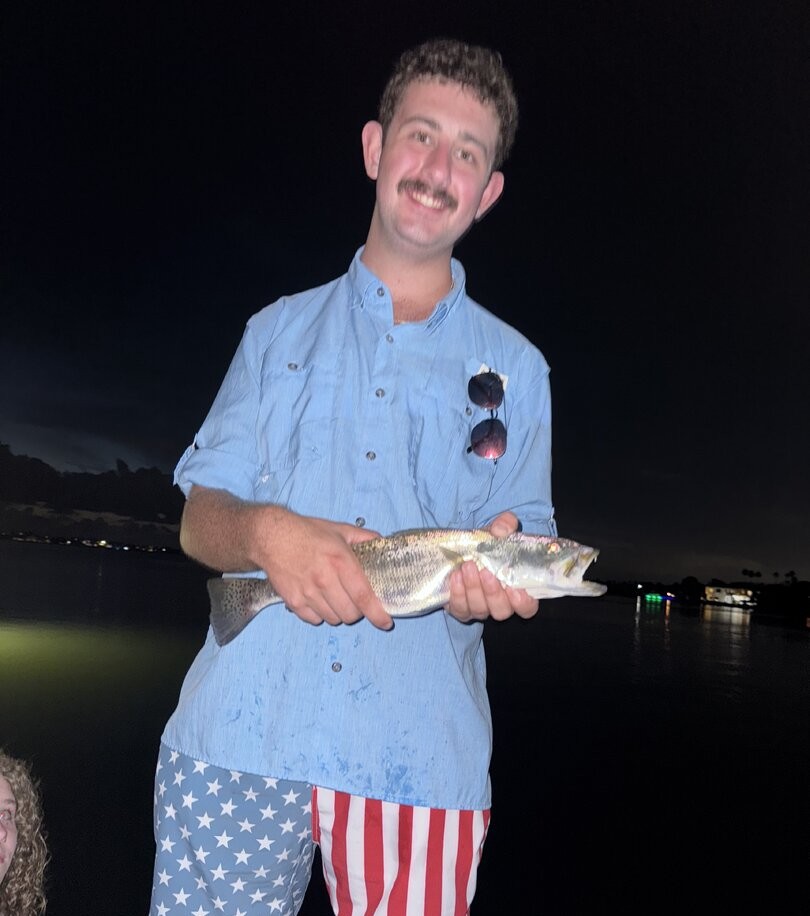
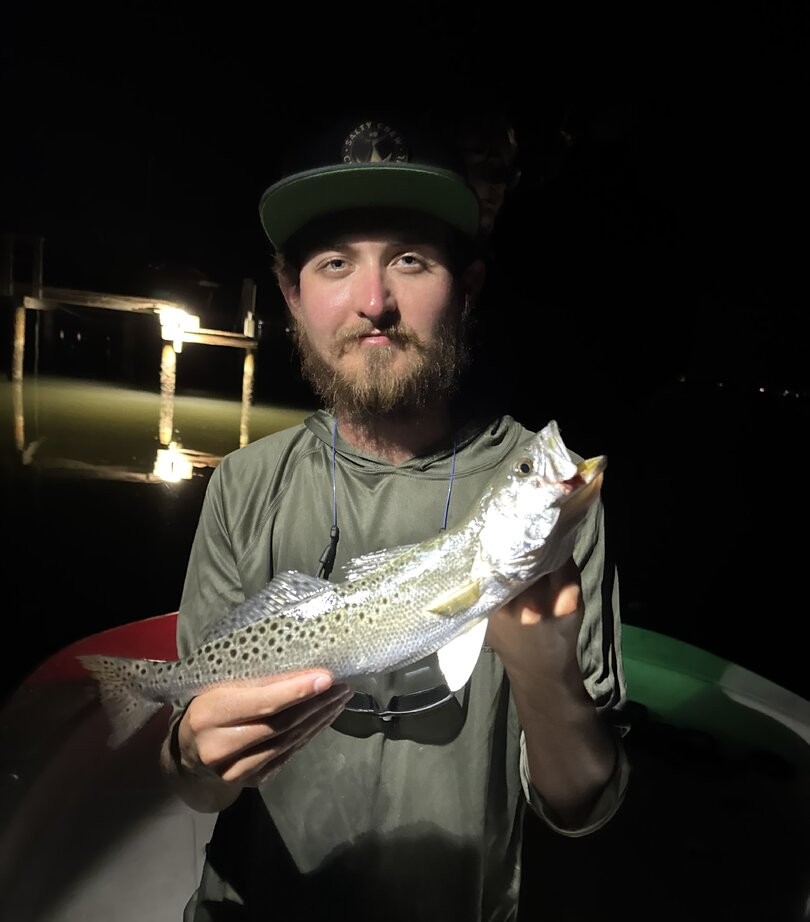
Sea Trout are the bread-and-butter species of Tampa Bay, found over grass flats from two to ten feet deep. They're aggressive feeders that will hit live bait, soft plastics, and topwater plugs with equal enthusiasm. Trout school up heavily during winter months, and finding a good school can mean non-stop action with 15-20 inch fish. They're excellent table fare and relatively easy to catch, making them perfect for newer anglers or anyone wanting consistent action throughout the day.
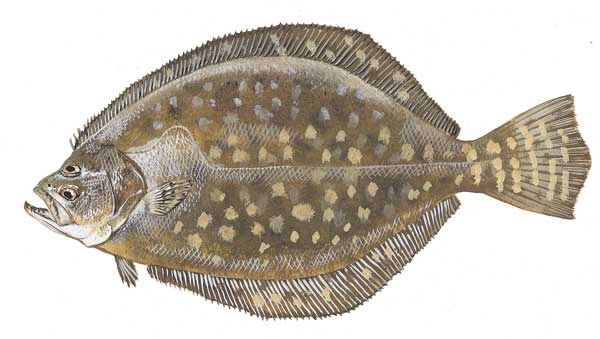
Southern Flounder are masters of camouflage, lying flat on sandy bottoms near creek mouths and channel edges. These flatfish are ambush predators that rely on perfect camouflage to surprise prey. They're typically found in 3-8 feet of water near structure transitions – where sand meets grass or hard bottom meets soft. Flounder fishing requires patience and precise presentation, but a doormat flounder of 3-4 pounds is worth the wait. Fall and winter are prime time when these fish move to deeper water and feed aggressively before heading offshore.
Florida Pompano are the speed demons of the flats, traveling in fast-moving schools over sandy areas and grass edges. These silver bullets are prized for their fight and their table quality – many consider pompano the best eating fish in Florida waters. They're typically found in 2-6 feet of water and prefer areas with moving water and clean sand bottom. Pompano can be finicky, often requiring light leaders and small baits, but when you find a school, the action can be fast and furious. Spring and fall migrations provide the best opportunities.
Time to Book Your Spot
This full-day charter gives you the complete Tampa Bay inshore experience – multiple species, various techniques, and enough time to really learn these waters. Captain Gills' local knowledge combined with top-notch gear and fresh bait puts you in position for a memorable day on the water. Whether you're looking to put fish in the cooler or just enjoy some quality time casting lines, this trip delivers. The eight-hour timeframe means we're not watching the clock, and the six-person capacity keeps things comfortable without overcrowding the boat. Book now to secure your dates – the best fishing days fill up fast, especially during peak seasons.
 Private Trip
 Inshore Fishing
 St. Petersburg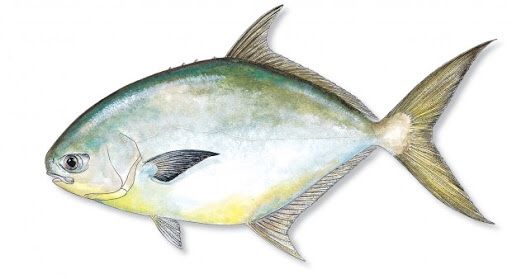


 Eight-hour inshore charter targets snook, redfish, and trout.