Panama City Fishing Tours | 12 Hour Charter
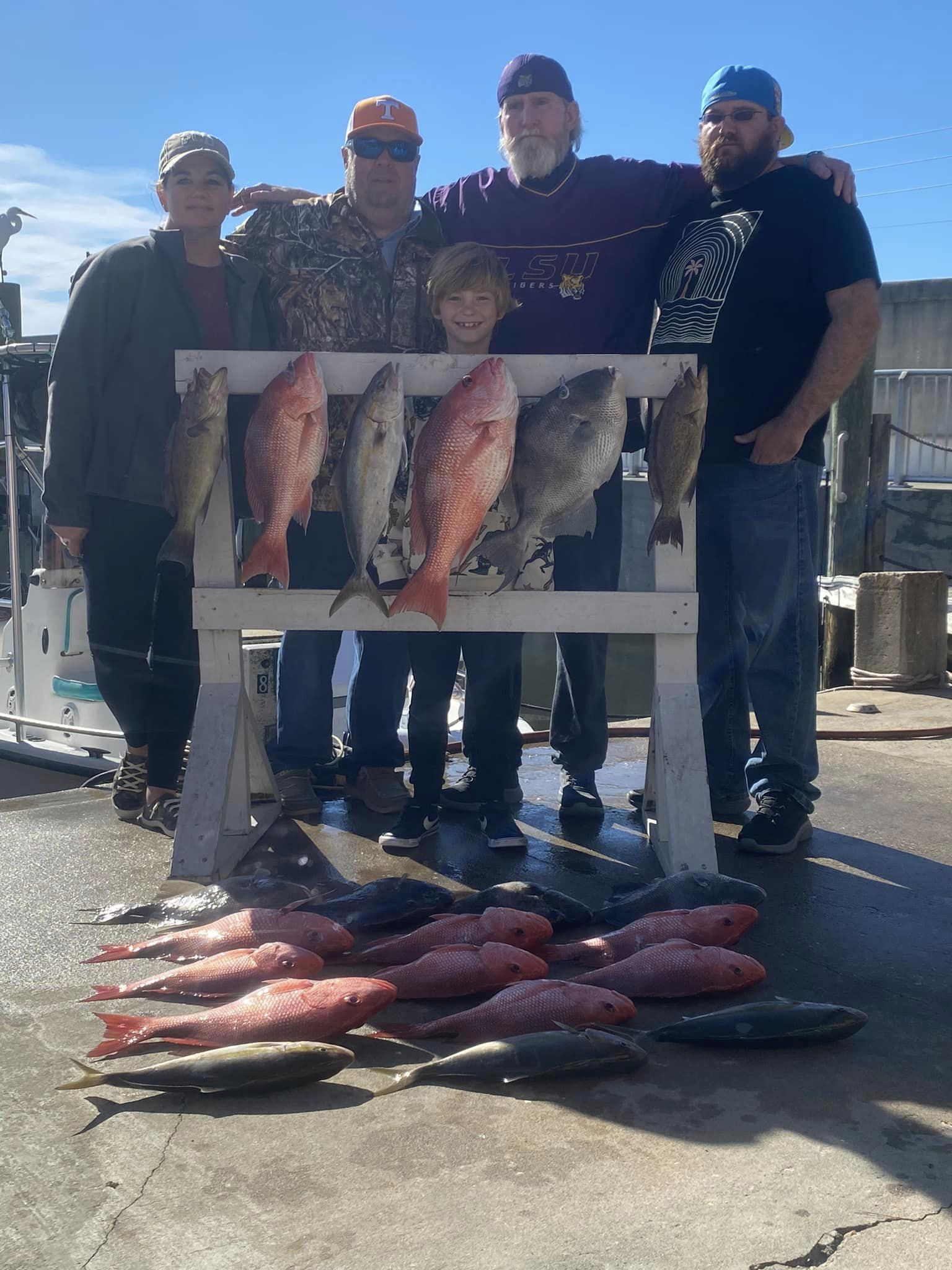
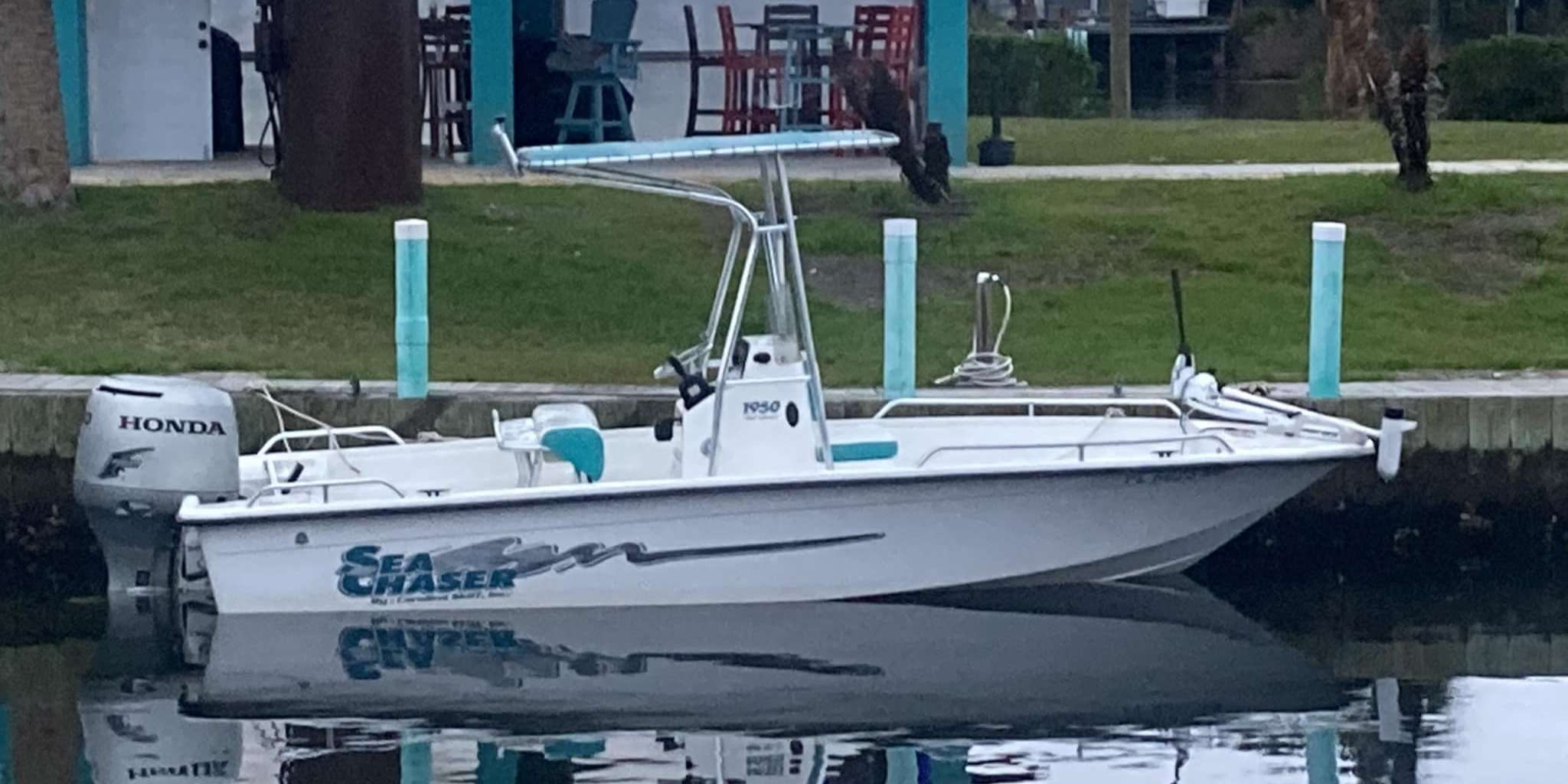
Picture this: you're 15 miles offshore from Panama City, lines in the water, cooler full of ice, and Captain Kota's expertise guiding you to the best fishing spots in the Gulf of Mexico. This isn't your typical half-day trip where you barely get settled before heading back. We're talking about a legitimate 12-hour charter that gives you serious time to work the water and fill the fish box. With room for up to 5 anglers, you get that perfect balance of camaraderie without feeling crowded at the rail. The Gulf waters here are loaded with structure, wrecks, and natural reefs that hold some of the most sought-after species on the coast. From sunrise to sunset, you'll experience what makes Panama City one of the premier fishing destinations in Florida.
What to Expect on the Water
Captain Kota runs a tight operation that focuses on putting fish in the boat while making sure everyone has a great time doing it. We'll start early to maximize our time on the productive waters, heading out to depths ranging from 40 to 100 feet depending on what's biting and where the fish are holding. The Gulf bottom here is riddled with limestone ledges, artificial reefs, and scattered structure that creates perfect ambush points for our target species. You'll spend time bottom fishing with live bait and cut bait, working different depths and structures throughout the day. The beauty of a 12-hour trip is we're not rushed – if the fish are cooperating at one spot, we can stay and work it thoroughly. If they're not, we have plenty of time to move and find the action. The boat comes equipped with quality tackle, but feel free to bring your favorite rods if you've got them. Just remember to pack sunscreen, plenty of water, and snacks since meals aren't included on this charter.
Techniques and Tackle Setup
We'll be primarily bottom fishing with circle hooks and egg sinkers, adjusting weight based on current and depth. The standard setup runs 20-30 pound test main line with a 40-50 pound fluorocarbon leader to handle the teeth and gill plates of our target species. Live pinfish, grunts, and sardines work great for the bigger predators, while cut squid, shrimp, and small crabs are deadly on the sheepshead and black drum. Captain Kota knows exactly how to rig for each species and will have you set up properly for whatever we're targeting. We'll anchor up on productive structure and fish multiple rods per angler when regulations allow. The key is keeping fresh bait down and staying patient – these fish didn't get big by being stupid. Throughout the day, we might move between 8-10 different spots, working everything from shallow nearshore reefs to deeper offshore structure. The variety keeps things interesting and maximizes your chances of a mixed bag.
Target Species You'll Want to Hook
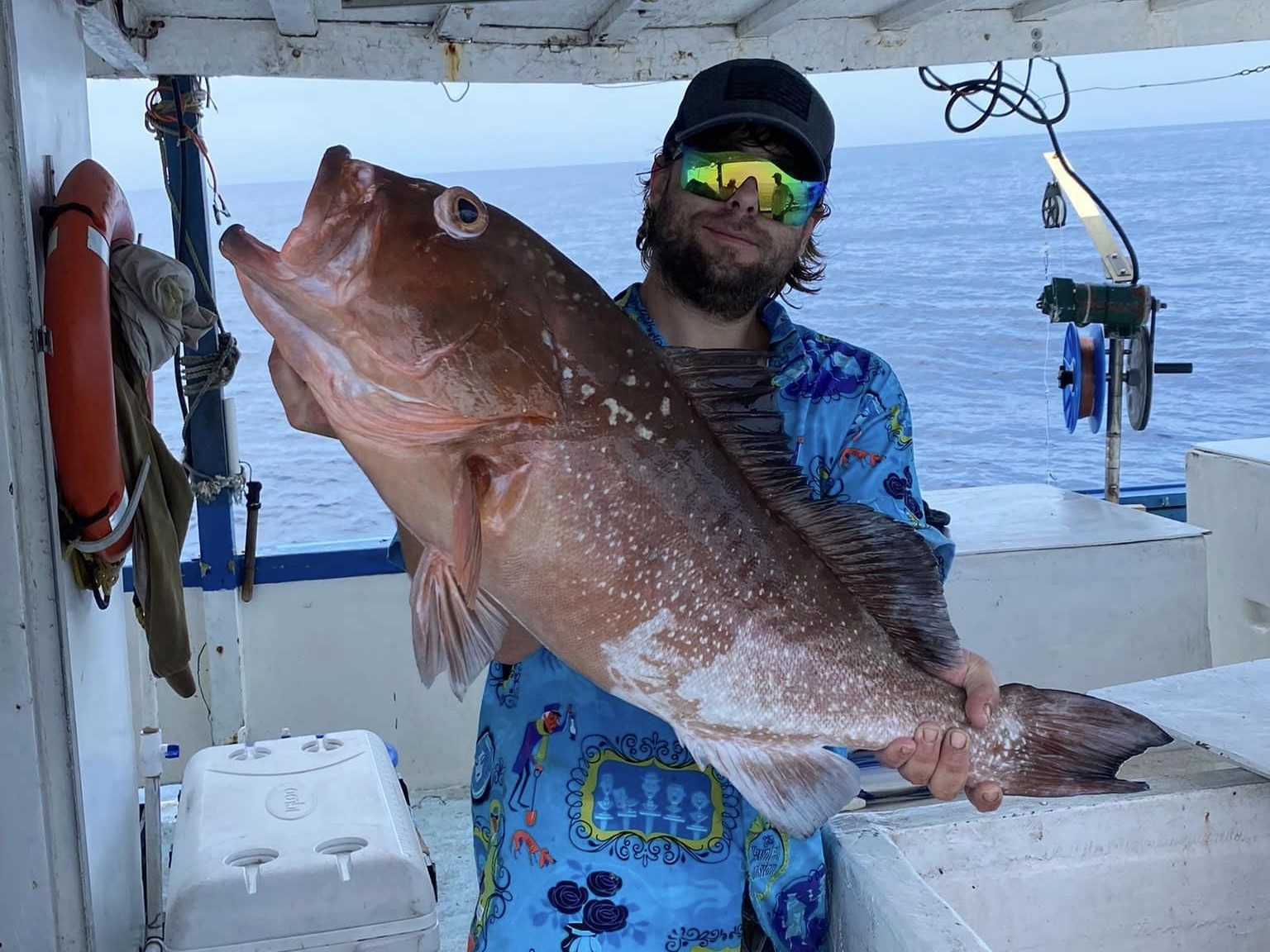
Gag Grouper are the crown jewel of Gulf Coast bottom fishing, and Panama City's waters hold some real monsters. These fish love structure and will absolutely slam a live pinfish or large sardine. They're ambush predators that use their powerful jaws to crush crabs and smaller fish, which means when one hits your bait, you'll know it. Gags are most active during cooler months from October through March, but we catch them year-round on the deeper reefs. What makes them so special is the fight – they'll try to get back to their hole immediately after being hooked, so you need to put pressure on them right away. A nice gag in the 5-10 pound range makes excellent table fare with firm, white meat that's perfect for grilling or frying.
Black Drum might not win any beauty contests, but they're absolute bruisers that will test your tackle and your patience. These fish can live over 50 years and grow to massive sizes – we're talking 20, 30, even 40-pound fish that fight like submarines. They're bottom feeders with powerful pharyngeal teeth that crush oysters, crabs, and mussels, so cut blue crab or fresh shrimp work best for bait. Spring and fall are prime time for big drum, though we catch them throughout the year. The smaller "puppy" drum under 16 inches make great eating, while the big breeders over 30 inches should be released to keep the population healthy. When a big drum takes your bait, get ready for a long, bulldogging fight that'll leave your arms burning.
Sheepshead are the pickpockets of the reef – they'll steal your bait so cleanly you won't even know it's gone. These black and white striped fish have human-like teeth that are perfectly designed for picking barnacles and small crabs off structure. They're found around any hard bottom or structure throughout the year, with peak action during their spawning run from February through April. Live or fresh dead shrimp, fiddler crabs, and sand fleas work best, but you need to scale down your tackle. Light line, small hooks, and quick reflexes are essential because sheepshead have incredibly soft mouths and will drop the bait if they feel too much resistance. A good sheepshead dinner is worth the frustration of missed bites – they're considered one of the best eating fish in the Gulf.
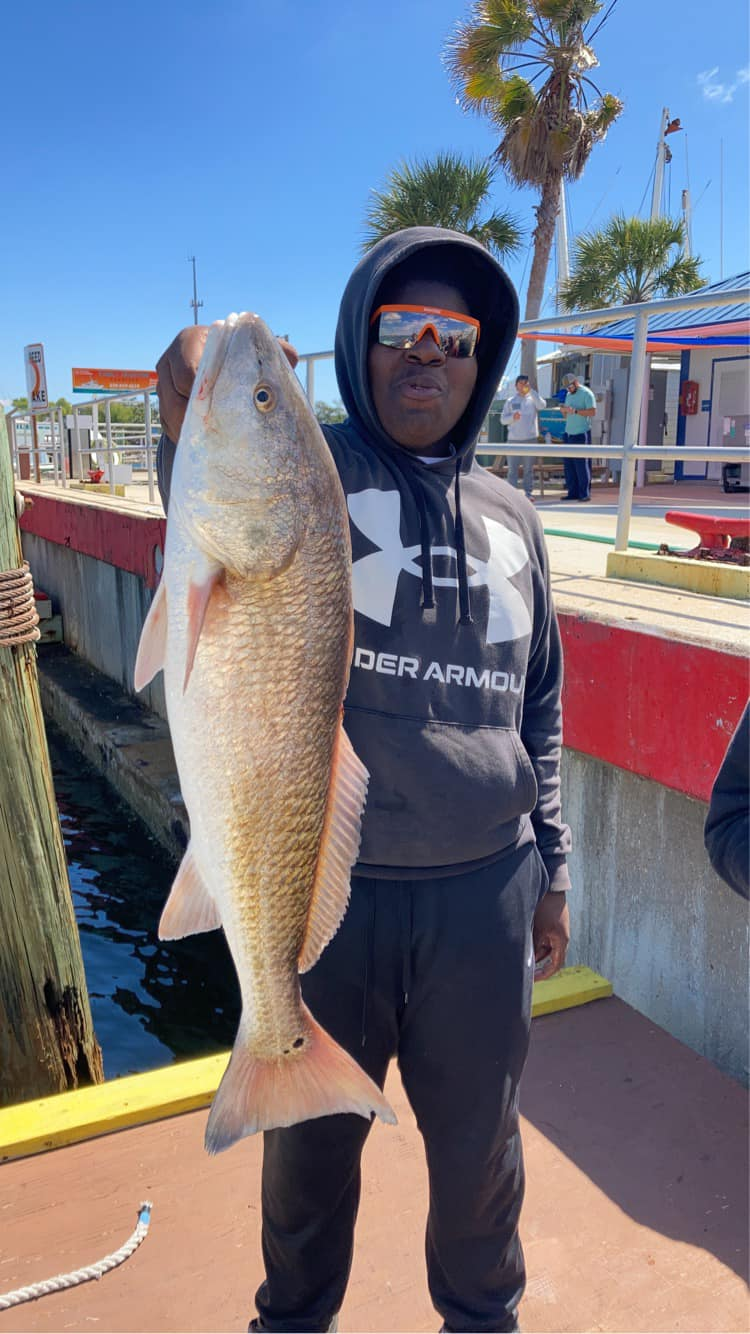
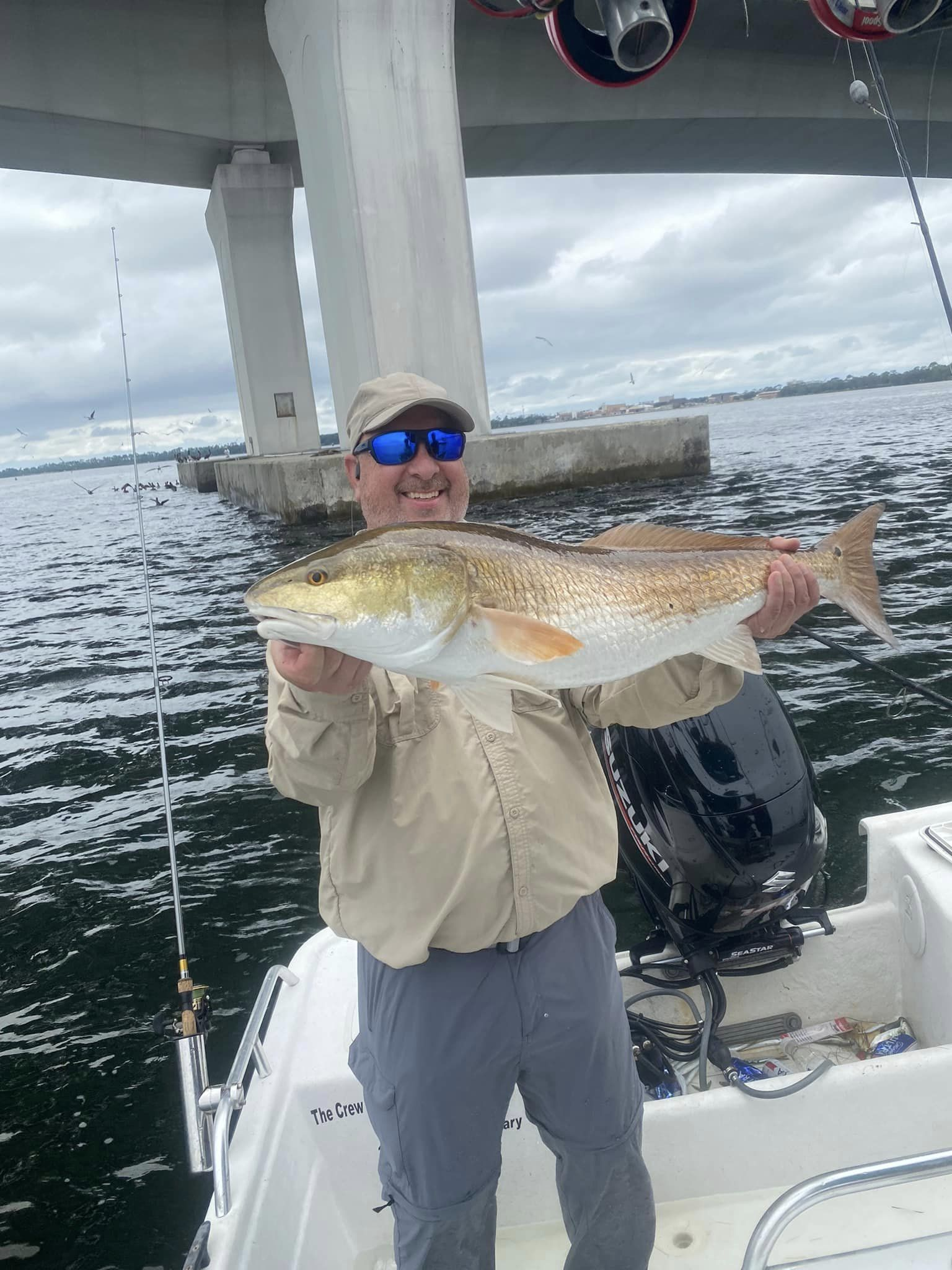
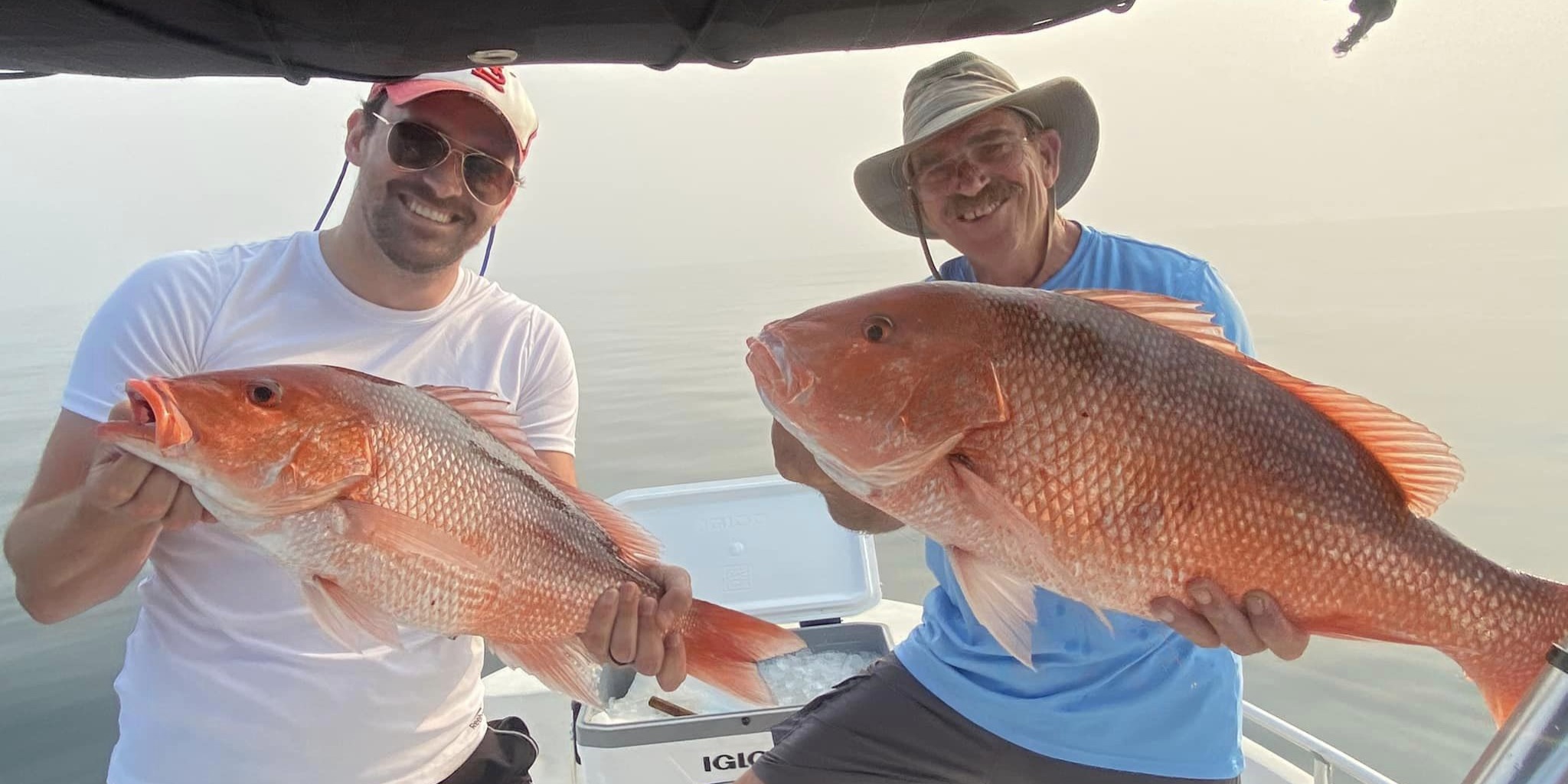
Redfish are the workhorses of inshore fishing, but we catch plenty of them on the nearshore reefs and artificial structure in 20-40 feet of water. These copper-colored fighters are built for power with broad tails that generate serious torque. They'll eat just about anything – live bait, cut bait, even artificial lures when they're feeding aggressively. Reds are most active during warmer months but can be caught year-round in our area. The slot-sized fish between 18-27 inches are excellent table fare, while the big bulls over 27 inches are better released to maintain the breeding stock. When a red hits your bait, expect multiple strong runs and a fight that showcases why they
 Private Trip
 Offshore Fishing
 Panama City Beach


 12-hour offshore fishing charter accommodates up to 5 guests