Full Day Florida Inshore Fishing Charter
Picture this: sunrise breaking over the crystal-clear waters near Pepperfish Key, your line tight with a feisty redfish making its first run. That's exactly what you'll get with Captain RR Excursions LLC's top-rated full-day inshore charter. This isn't your typical half-day rush job – we're talking a solid 8 hours of fishing time starting at 8 AM, giving you the chance to really dial in on the bite and work multiple productive spots along Florida's renowned Nature Coast. At $550 for two anglers (with room for two more at just $50 each), this customer favorite delivers serious bang for your buck in some of the most productive inshore waters you'll find anywhere.
What to Expect on the Water
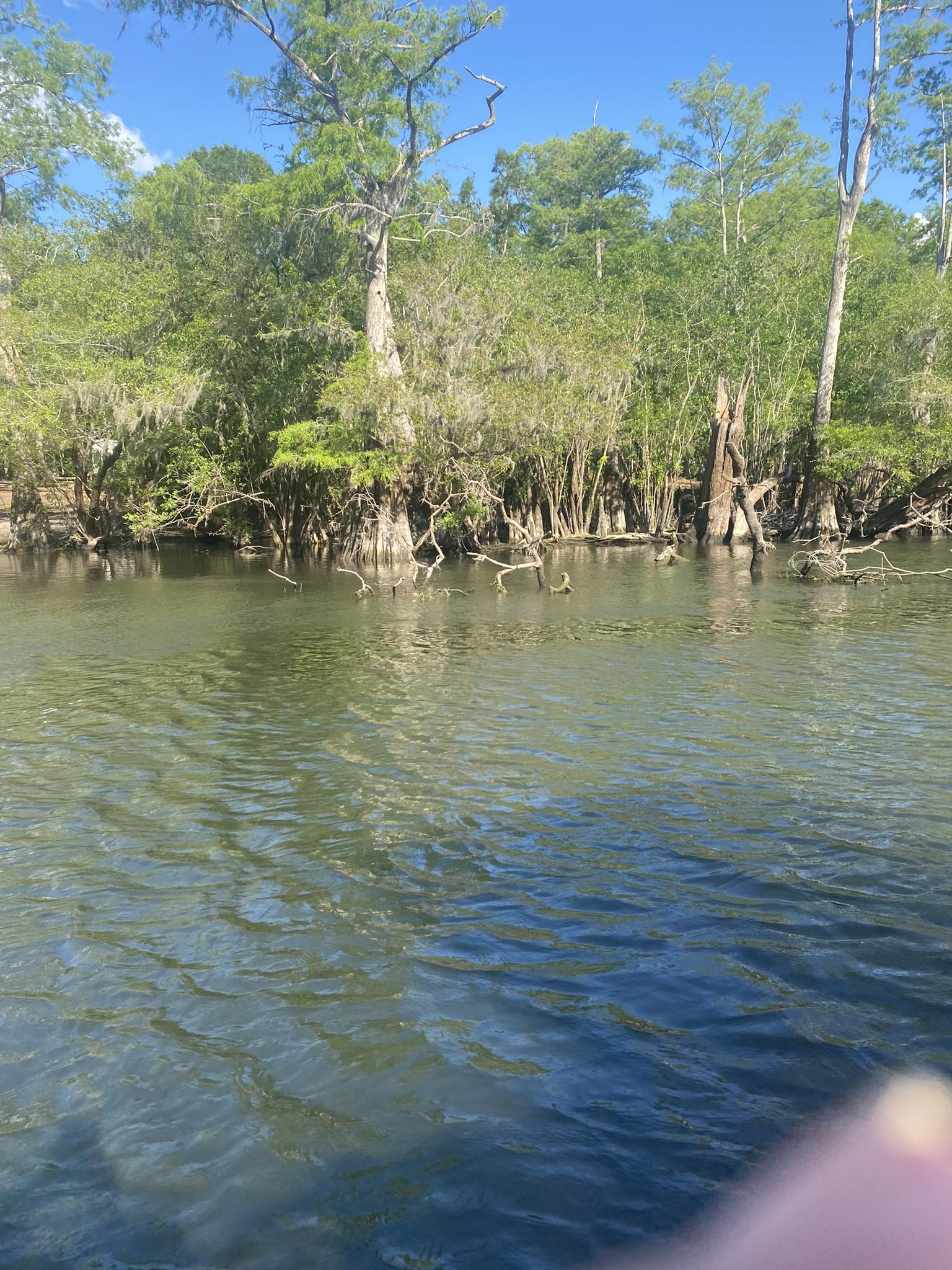
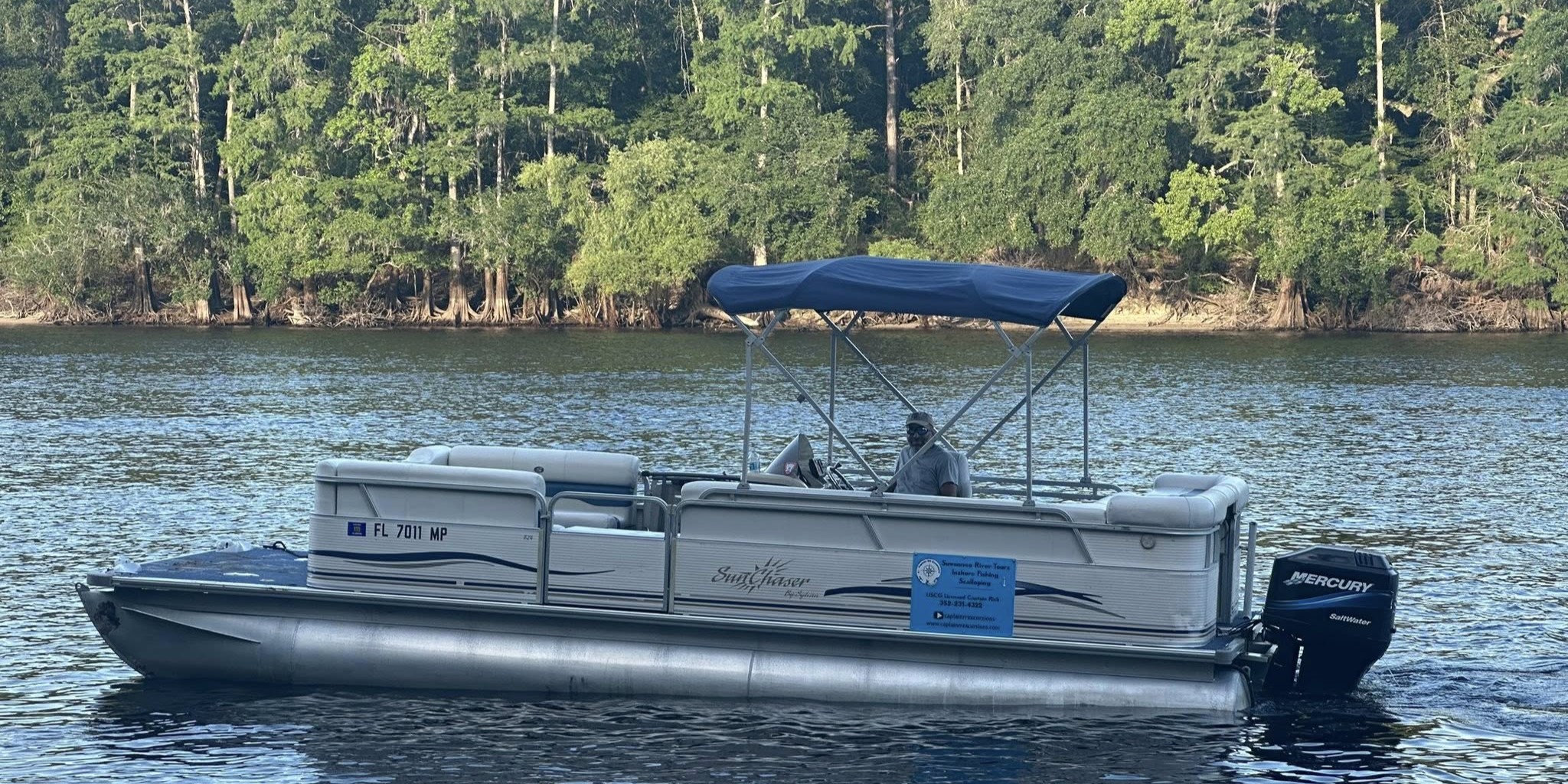
When you step aboard at 8 AM, you're looking at a full day designed around one thing: putting fish in the boat. The Pepperfish Key area sits right in the heart of Florida's Big Bend, where countless grass flats, oyster bars, and creek mouths create world-class habitat for inshore species. Your captain knows these waters like the back of his hand, and with 8 hours to work with, you'll hit the morning bite, ride out the midday lull in productive structure, and capitalize on that killer afternoon action when the fish start moving again. The boat comes loaded with everything you need – quality rods and reels matched to light tackle fishing, a full spread of terminal tackle, plus a cooler stocked with ice and bottled water. Just bring your Florida fishing license, some snacks or lunch to keep your energy up, and get ready to put the heat on some serious inshore gamefish. The pace is relaxed but productive, giving you time to really learn the techniques while still covering plenty of water.
Light Tackle Techniques
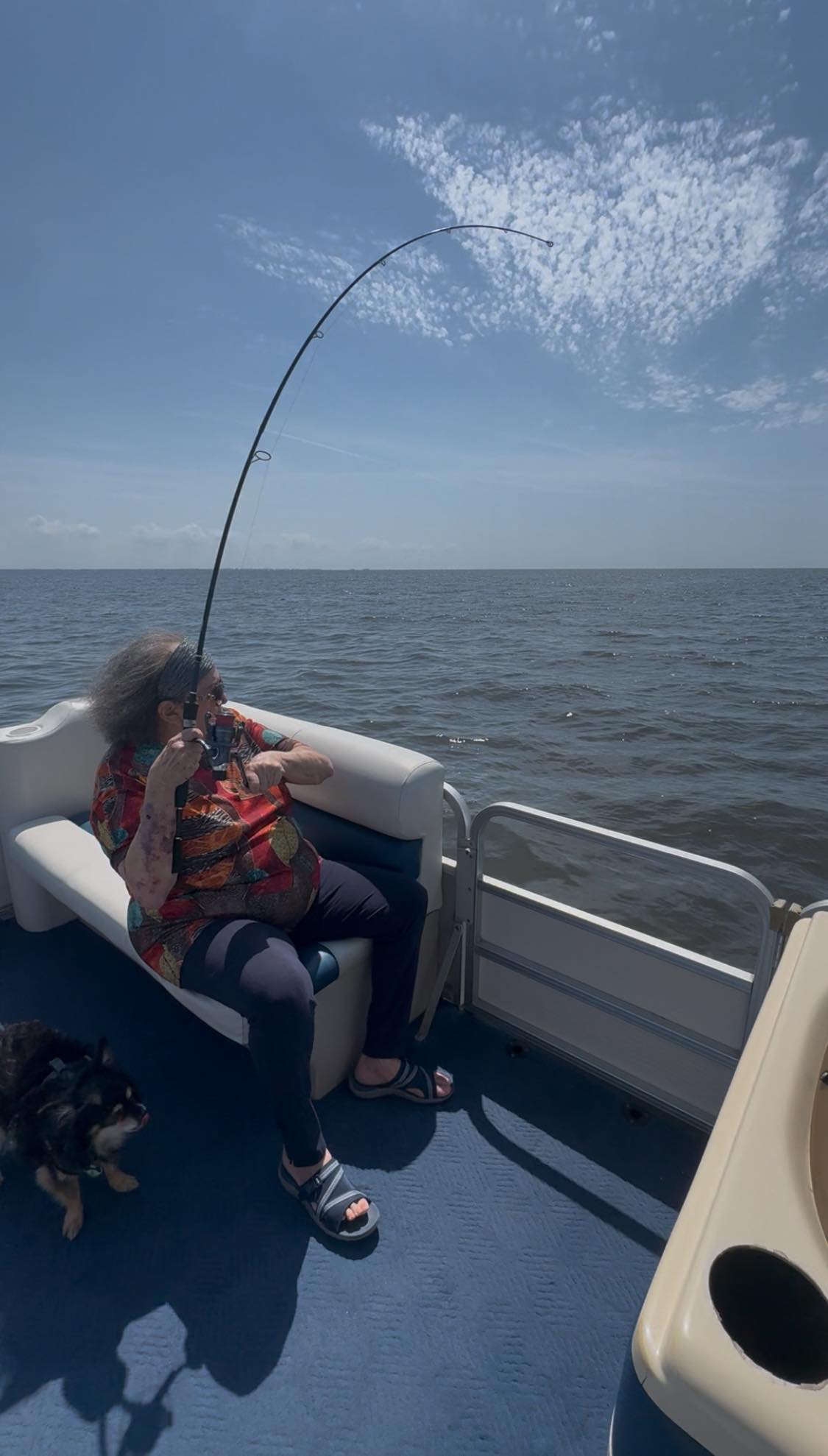
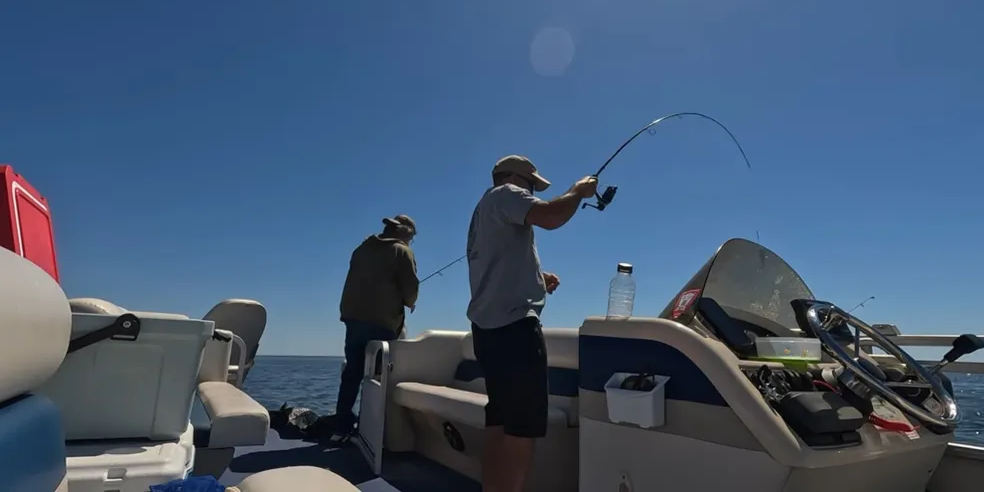
This is pure light tackle fishing at its finest, using the methods that consistently produce in these shallow coastal waters. We're talking spinning gear in the 2500-3000 class range, spooled with 10-15 pound braided line that gives you the sensitivity to feel every bump and the strength to turn fish away from structure. The techniques vary based on conditions and target species – live bait fishing with shrimp, pinfish, or mullet around structure for redfish and trout, artificial presentations like soft plastics and topwater plugs worked over grass flats and drop-offs, and sight fishing opportunities when the water's clean and fish are tailing or cruising in skinny water. The beauty of the Pepperfish Key area is the variety of structure – one minute you're working a shallow grass flat for trout, the next you're pitching baits around oyster bars for reds, then moving to deeper channels where cobia cruise and Spanish mackerel bust bait schools. Your captain reads the water, weather, and tides to put you on the most productive patterns throughout the day.
Target Species You'll Hook
Redfish are the bread and butter of Florida inshore fishing, and the waters around Pepperfish Key hold some beauties. These copper-colored fighters typically run 18-27 inches in this area, with plenty of slot fish perfect for the dinner table and enough oversized bulls to test your drag system. Spring through fall offers the most consistent action, though winter can produce some monster fish when you find them staged up in deeper holes. What makes reds so special is their willingness to eat just about anything – live shrimp freelined over oyster bars, cut mullet on the bottom, or soft plastic jigs worked slowly through the grass. When you hook one, get ready for that classic bulldogging fight as they try to reach the nearest structure.
Spotted Sea Trout are the perfect light tackle adversary, and these grass flats hold good numbers of quality fish. Most trout here run 14-20 inches, with occasional "gator" trout pushing 24+ inches that'll make your heart race. The best trout fishing typically runs from late spring through early fall, especially during those low-light periods at dawn and dusk. These fish love structure transitions – where sand meets grass, drop-offs along channel edges, and potholes in the flats. They're suckers for live shrimp under a popping cork, but artificial presentations like soft plastics and topwater plugs can absolutely light them up when they're actively feeding.
Summer Flounder add a different dimension to the day, typically found around sandy areas, channel edges, and nearshore structure in 8-15 feet of water. These flatfish can range from keeper-sized 14-inchers up to genuine doormat flounder exceeding 20 inches. Summer and early fall provide peak action, and they're absolute masters of camouflage until that telltale thump on your line gives them away. Live bait like mud minnows or finger mullet works great, but don't overlook soft plastics bounced along the bottom – flounder can't resist that action.
Cobia represent the wild card species that can turn a good day into an epic one. These brown sharks (as locals call them) cruise the flats and channels, often following rays or just free-swimming near the surface. They typically range 25-40 inches in this area, with the occasional true giant that'll put your tackle to the test. Spring and early summer offer prime cobia opportunities, and sight fishing for these curious fish ranks among inshore fishing's most exciting experiences. They'll eat live bait, but they're also notorious for crushing large soft plastics or jigs worked near the surface.
Spanish Mackerel bring non-stop action when they move through the area, typically during warmer months when baitfish schools are active. These speed demons average 12-16 inches but make up for their size with pure aggression and blistering runs. They're perfect for light tackle, and kids especially love the constant action they provide. Small jigs, spoons, or live bait fishing
 Private Trip
 Inshore Fishing
 undefined, undefined


 Full 8-hour inshore fishing adventure targeting redfish and trout