Fajardo Spearfishing: Wreck Hunting for Big Game
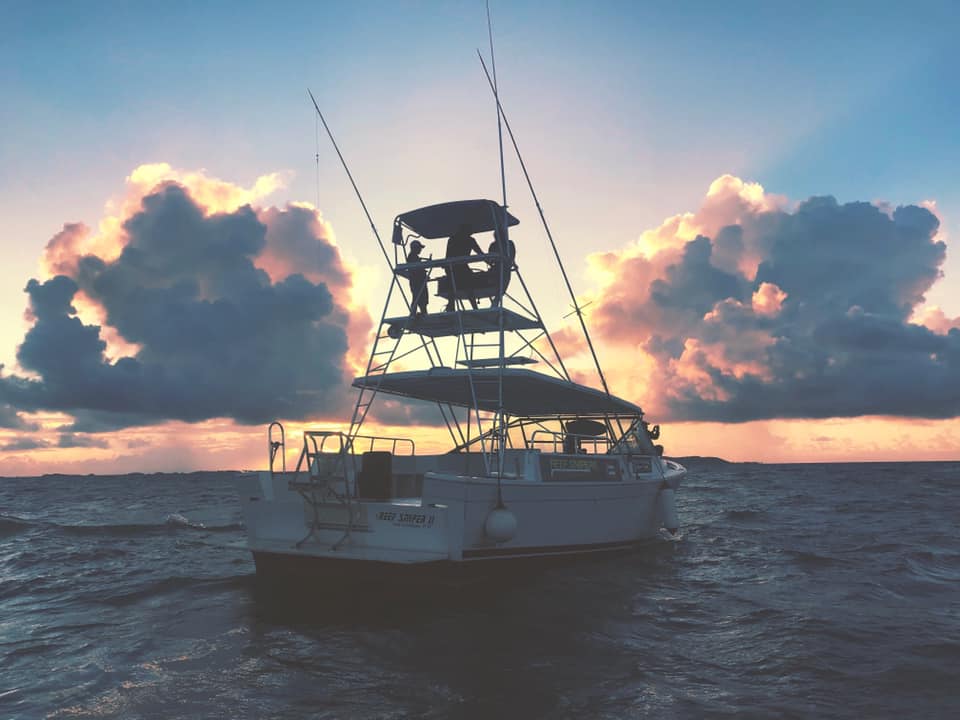
Get ready to drop down on some of the Caribbean's most productive wreck sites around Fajardo, where the big pelagics cruise and the reef fish stack up thick. This five-hour spearfishing adventure puts you on prime hunting grounds where marlin patrol the drop-offs and king mackerel slash through bait schools around sunken structures. With Caribbean Reef Charters, you're not just getting a boat ride – you're getting access to local knowledge that takes years to build, plus all the drinks and sandwiches you need to fuel a serious day of hunting underwater.
What to Expect on the Water
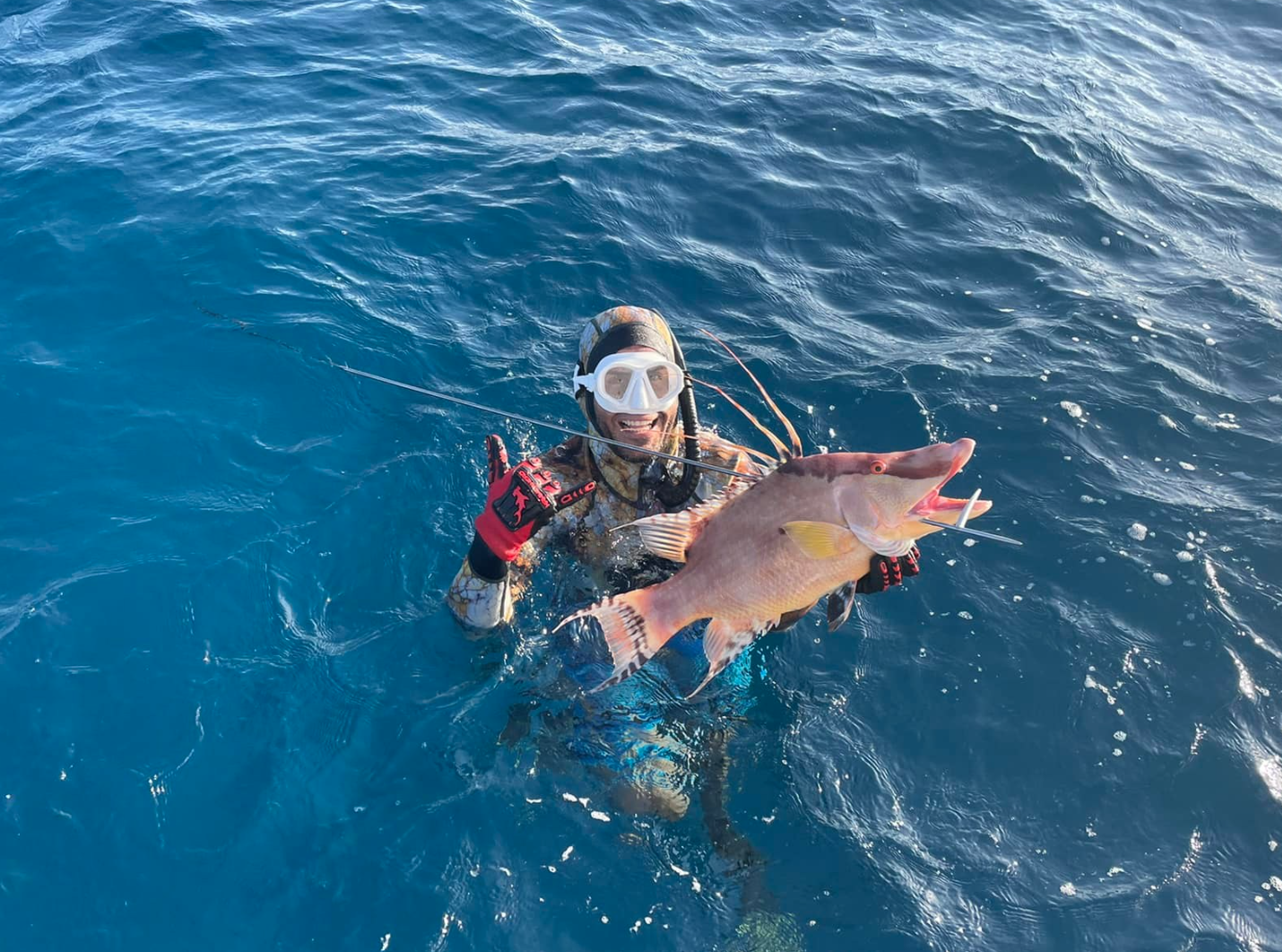
Your captain knows these wrecks like the back of his hand, and that makes all the difference when you're looking to put trophy fish on the boat. We'll hit 2-3 different wreck sites depending on conditions, each one holding different species and offering unique hunting opportunities. The deeper wrecks around 80-120 feet are where the big boys hang out – think wahoo, big barracuda, and the occasional marlin cruising the edges. Shallower structures in 40-60 feet are perfect for amberjack, grouper, and snapper that love to hide in the twisted metal and coral growth. Your group of up to six hunters gets personalized attention, and we'll adjust our dive plan based on everyone's skill level and what's biting that day.
Hunting the Wrecks
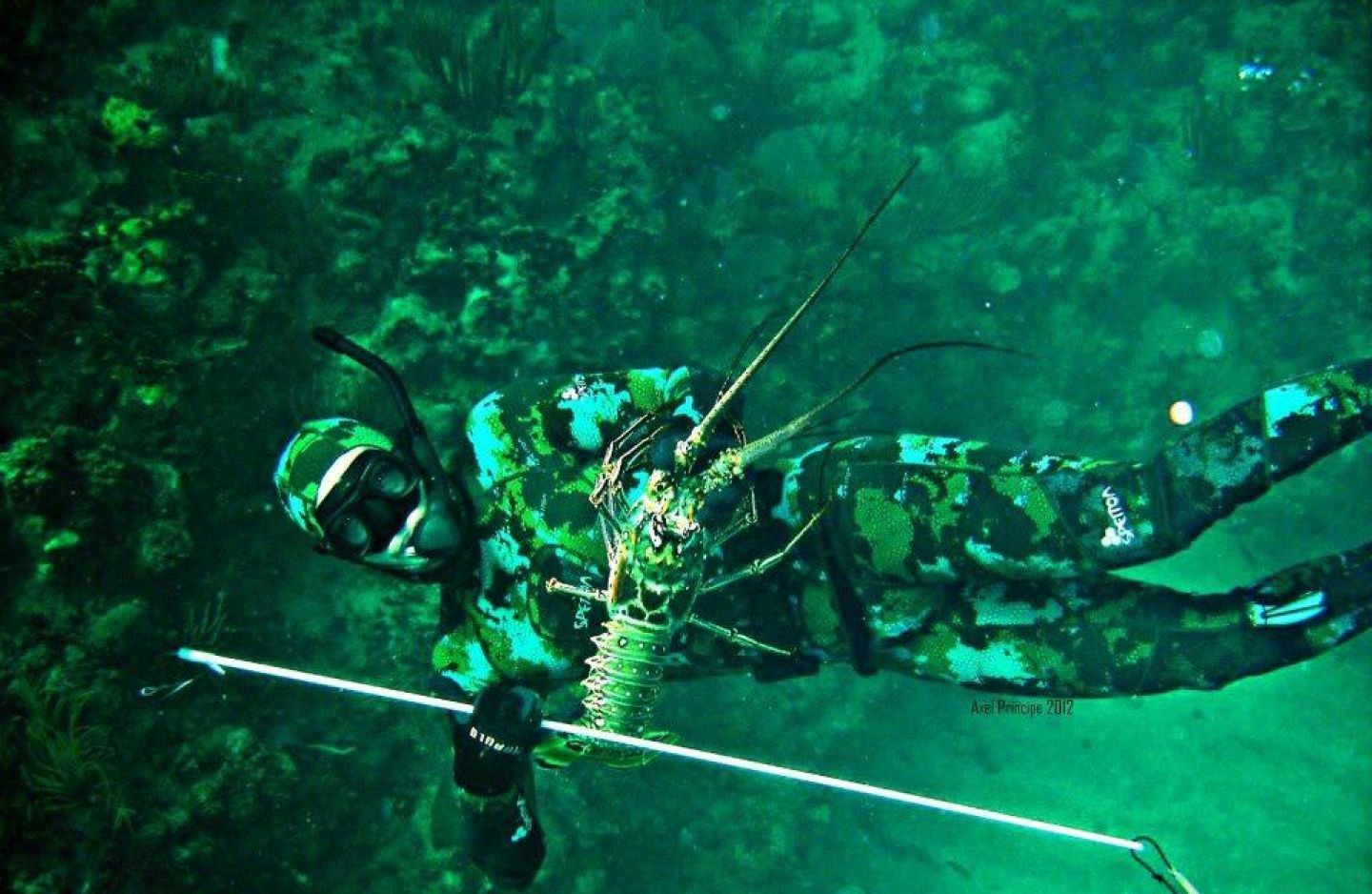
Spearfishing these Caribbean wrecks requires a different approach than reef hunting. The structures create ambush points and highways that pelagics use to navigate, so positioning is everything. We'll drop you on the up-current side of each wreck, letting you drift with the structure while keeping an eye on the blue water where the big fish appear. Hawaiian slings and pole spears work great for the smaller reef fish tucked into the wreckage, while experienced hunters with spearguns can target the larger pelagics that cruise the edges. Visibility usually runs 60-100 feet on these sites, giving you plenty of time to spot approaching fish and plan your shot. The key to success out here is patience – these wrecks see pressure, but the fish that call them home are worth the wait.
Target Species
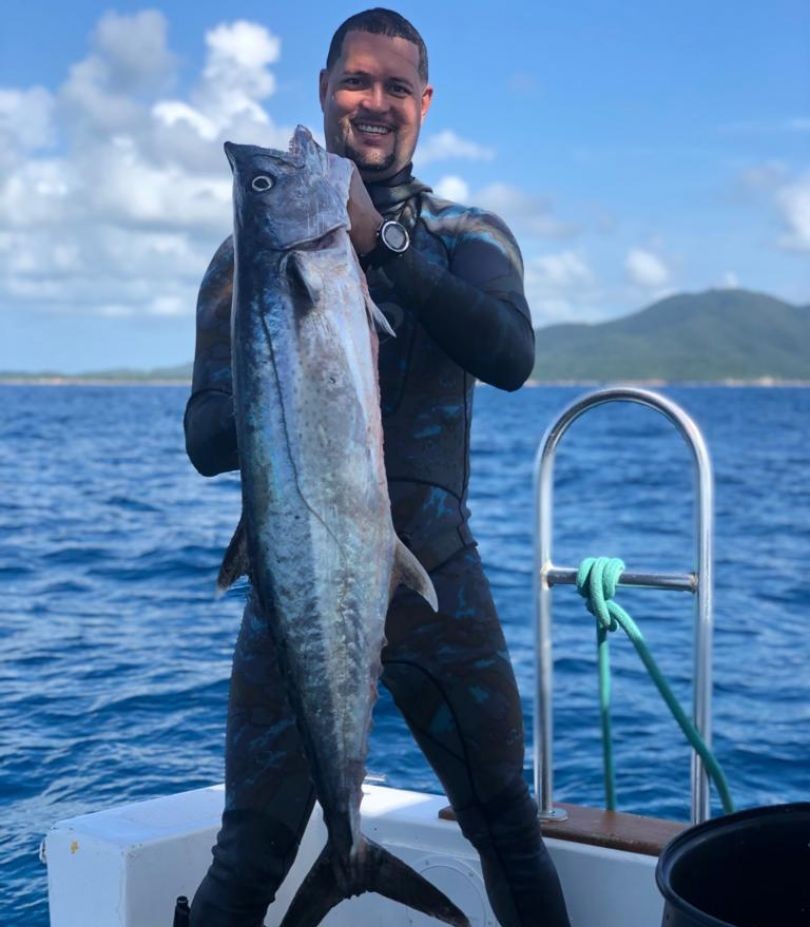
King Mackerel are the bread and butter of wreck spearfishing around Fajardo, and for good reason. These silver bullets typically run 15-40 pounds and patrol the wreck edges looking for baitfish. They're most active during the cooler months from December through April, but you'll find them year-round if you know where to look. Kings are curious fish – they'll often circle back for a second look, giving experienced hunters a chance to line up the perfect shot. The meat is excellent when handled properly, making them a favorite for both the hunt and the dinner table.
Blue Marlin sightings around these wrecks create those heart-stopping moments that keep spearfishers coming back. While shots at marlin require advanced skills and serious equipment, just seeing one of these apex predators cruise through your hunting grounds is worth the price of admission. Peak marlin season runs from June through October when they follow bait schools along the continental shelf. Most encounters happen in the 100-foot-plus range where the bigger wrecks sit on the drop-off, and these fish can exceed 200 pounds. Even if you're not equipped to target them, having marlin in the area means the ecosystem is healthy and other species are feeding actively.
Mahi Mahi, or dorado as the locals call them, are the most acrobatic fighters you'll encounter on these wrecks. They show up around floating debris and structure year-round, but peak activity happens during the warmer months from May through September. These fish travel in schools, so where you see one, there's usually more. Bulls can hit 30-50 pounds, while the smaller females provide great action on lighter equipment. Their incredible colors and aggressive feeding behavior make them a top target for underwater hunters, plus the meat is among the best eating fish in these waters.
Wahoo are the speed demons of the wreck scene, hitting 40+ mph when they're on the hunt. These torpedo-shaped predators typically run 20-60 pounds around Fajardo's deeper structures, and they're most active during the winter months when water temperatures cool slightly. Wahoo are ambush predators that use the vertical structure of wrecks to trap baitfish, making them perfect targets for spearfishers who can read the action. They're incredibly fast, so your shot needs to be precise and well-placed. The meat is firm and white, perfect for the grill after a successful hunt.
Great Barracuda are the apex predators of the shallower wrecks, and hunting them requires serious respect for their speed and razor-sharp teeth. These silver shadows can exceed four feet in length and are incredibly curious about divers, often circling at the edge of visibility. They're most aggressive during dawn and dusk feeding periods, but around productive wrecks, they'll hunt throughout the day. Barracuda use their incredible acceleration to capture prey, making them exciting targets for experienced spearfishers. While some areas have concerns about ciguatera in larger specimens, the medium-sized fish around these wrecks are typically safe and provide excellent eating.
Time to Book Your Spot
These wreck sites don't give up their secrets easily, but when everything comes together – good visibility, active fish, and experienced hunters – you'll experience some of the best spearfishing the Caribbean has to offer. The combination of structure fishing and blue water hunting makes every dive different, and the variety of species means there's always something worth targeting. At $1,000 for up to four hunters including drinks, sandwiches, and local expertise, this trip delivers serious value for serious hunters. Remember that deposits are non-refundable, so make sure your crew is committed before booking. These Faj
 Private Trip
 Wrecks/Reefs Fishing
 Fajardo


 Five-hour spearfishing adventure targeting marlin, mackerel, and grouper