Jacksonville Inshore Redfish and Seatrout Charter
There's something special about fishing Jacksonville's inshore waters, and Captain Chad knows exactly where to find the best action. This 8-hour charter takes you into the heart of the St. Johns River and Intracoastal Waterway, where redfish cruise the flats and seatrout stack up in the deeper holes. With all gear provided and drinks on ice, you'll spend a full day targeting some of Northeast Florida's most popular inshore species. Whether you're new to saltwater fishing or you've been at it for years, Chad's got the local knowledge to put you on fish.
What to Expect on the Water
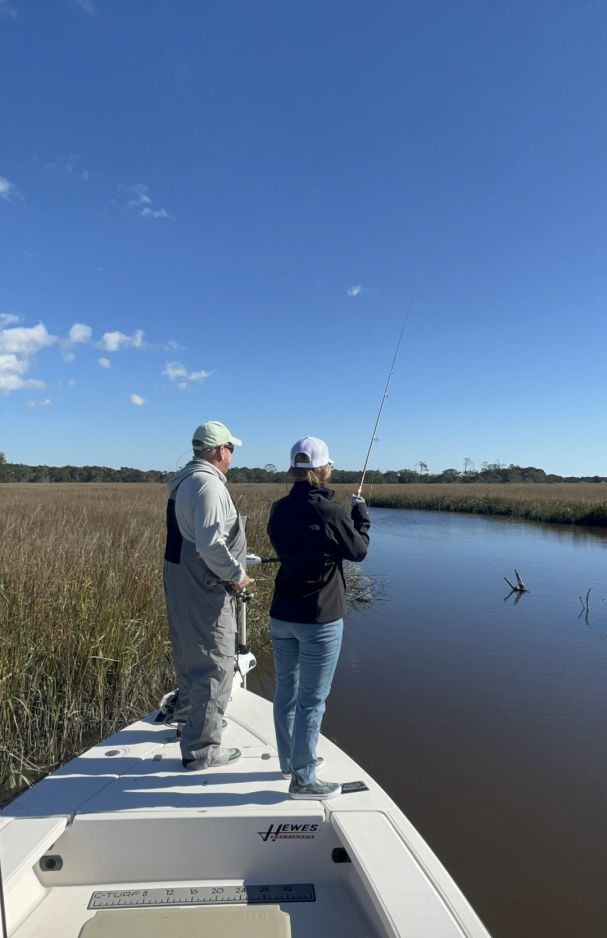
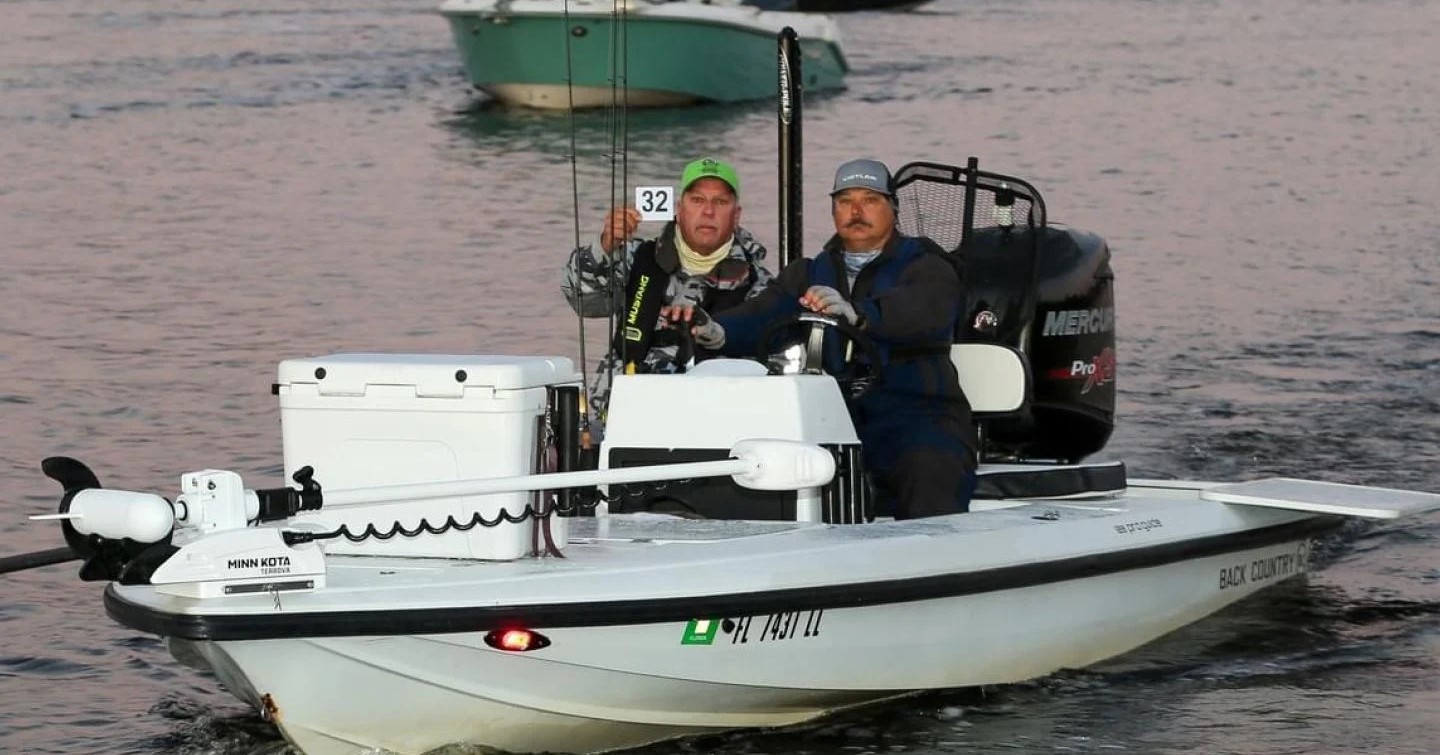
Your day starts early, heading out to explore Jacksonville's vast network of creeks, backwaters, and grass flats. The beauty of inshore fishing here is the variety – one minute you're sight-casting to tailing redfish in two feet of water, the next you're working a deep creek bend for flounder. Captain Chad runs a well-equipped boat that's built for these waters, with a shallow draft that lets you get into spots where the big boats can't go. The pace is relaxed but productive, with plenty of time to learn techniques and enjoy the scenery. You'll cover a lot of water throughout the day, hitting different spots based on tides, weather, and what's biting. Don't worry about bringing tackle – everything's provided, from rods and reels to bait and terminal gear. Just pack some snacks, sunscreen, and get ready for a solid day of fishing.
Techniques and Tackle
Inshore fishing in Jacksonville is all about reading the water and adapting your approach. You'll be using medium-action spinning rods paired with reels spooled with braided line – perfect for feeling those subtle bites and having the backbone to turn a big red away from structure. Live bait is king out here, with shrimp, mud minnows, and finger mullet accounting for most of the action. Captain Chad will also have you throwing artificials when the conditions are right – soft plastics worked along oyster bars, topwater plugs over grass beds during low light, and spoons for covering water when fish are scattered. The key is staying versatile and letting the fish tell you what they want. You'll learn to read the signs – bird activity, bait movement, and structure changes that hold fish. The boat is rigged with quality electronics to mark productive spots and track bait schools, but Chad's local knowledge is what really makes the difference.
Customer Stories
"My wife and I had an incredible day on the water and are already looking forward to our next trip. The captain was not only welcoming and easy to talk to, but also incredibly knowledgeable. He went out of his way to make sure every detail was taken care of so we could truly enjoy the experience from start to finish." - Blake
Species You'll Want to Hook
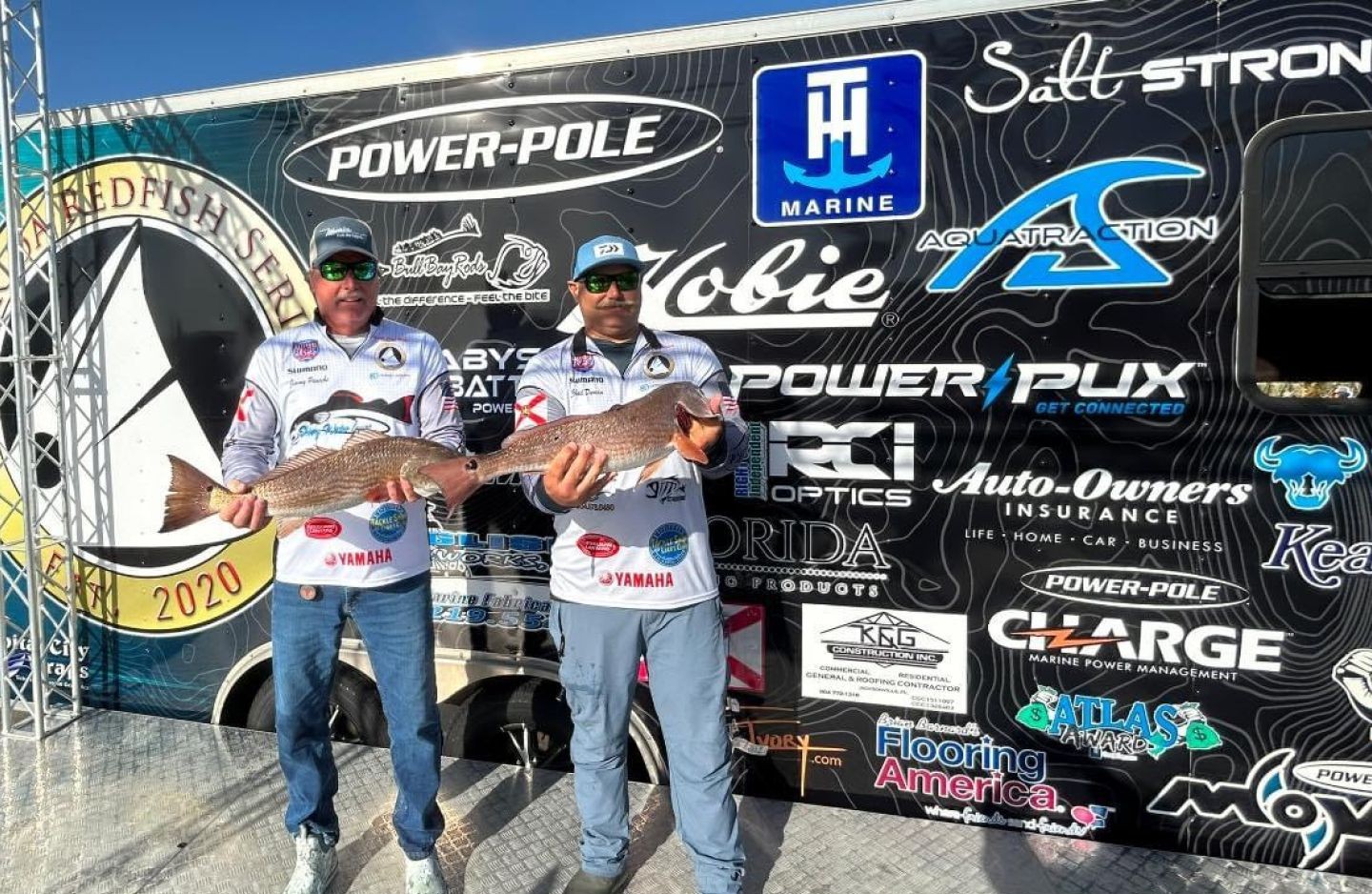
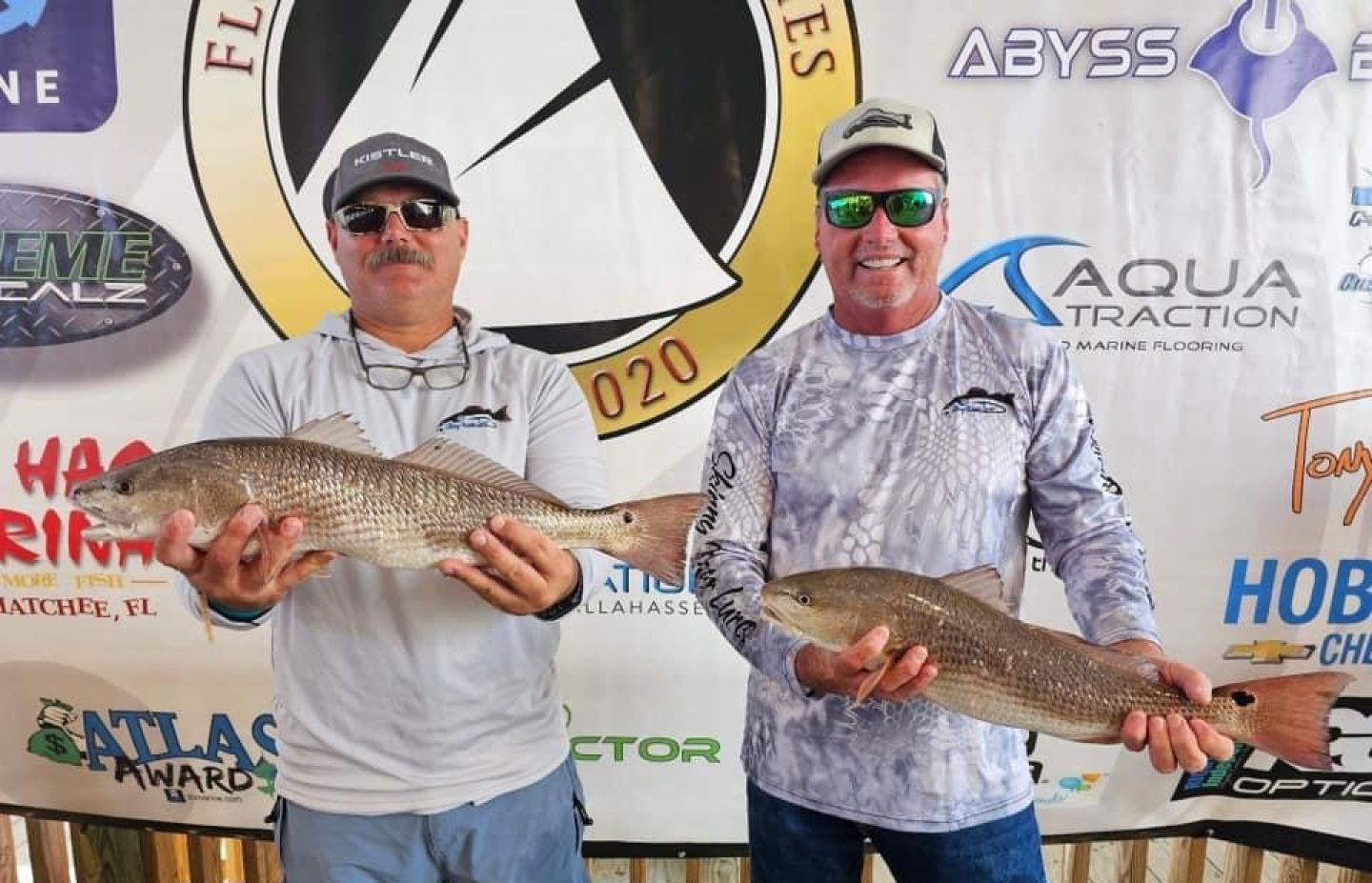
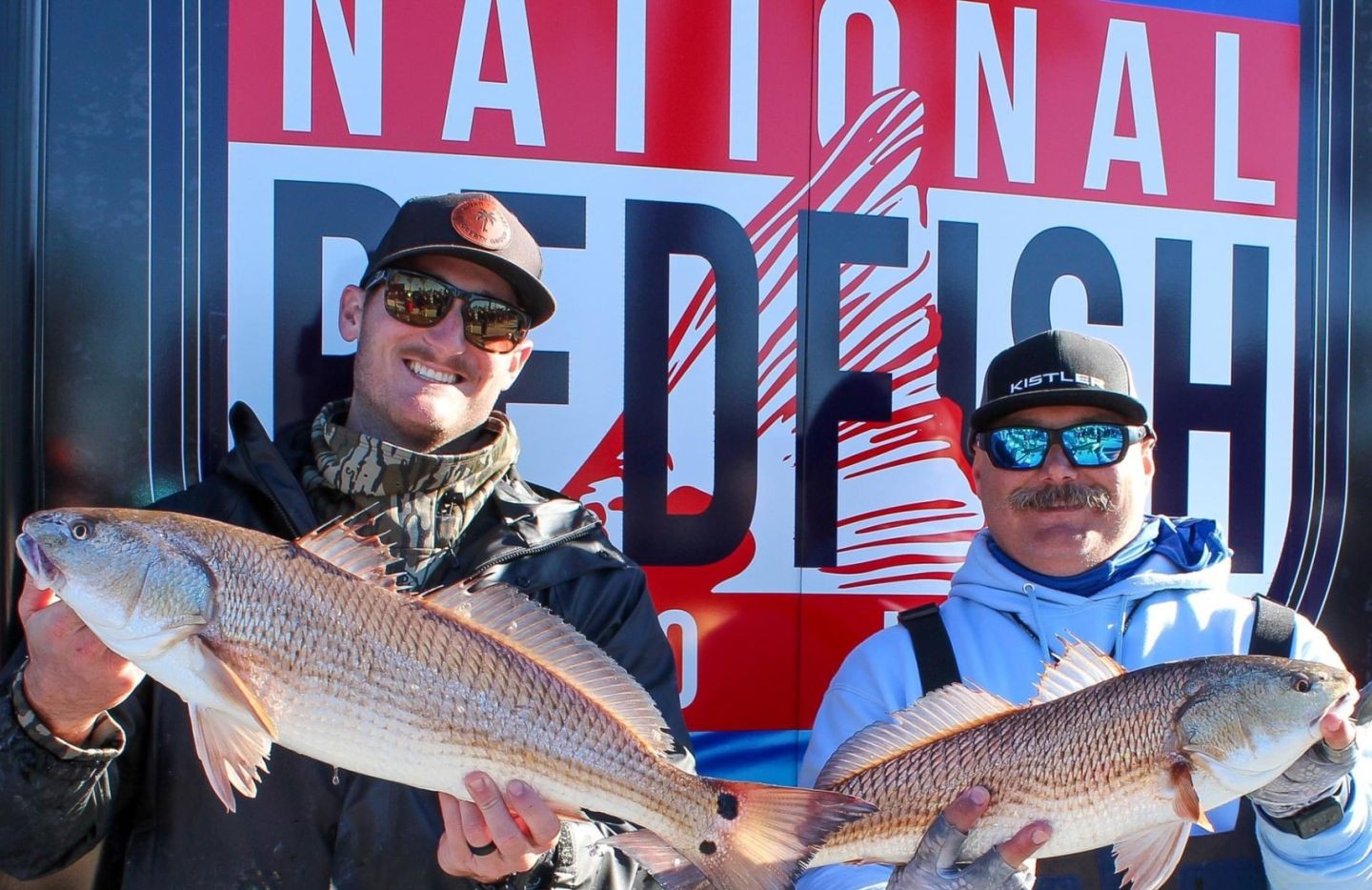
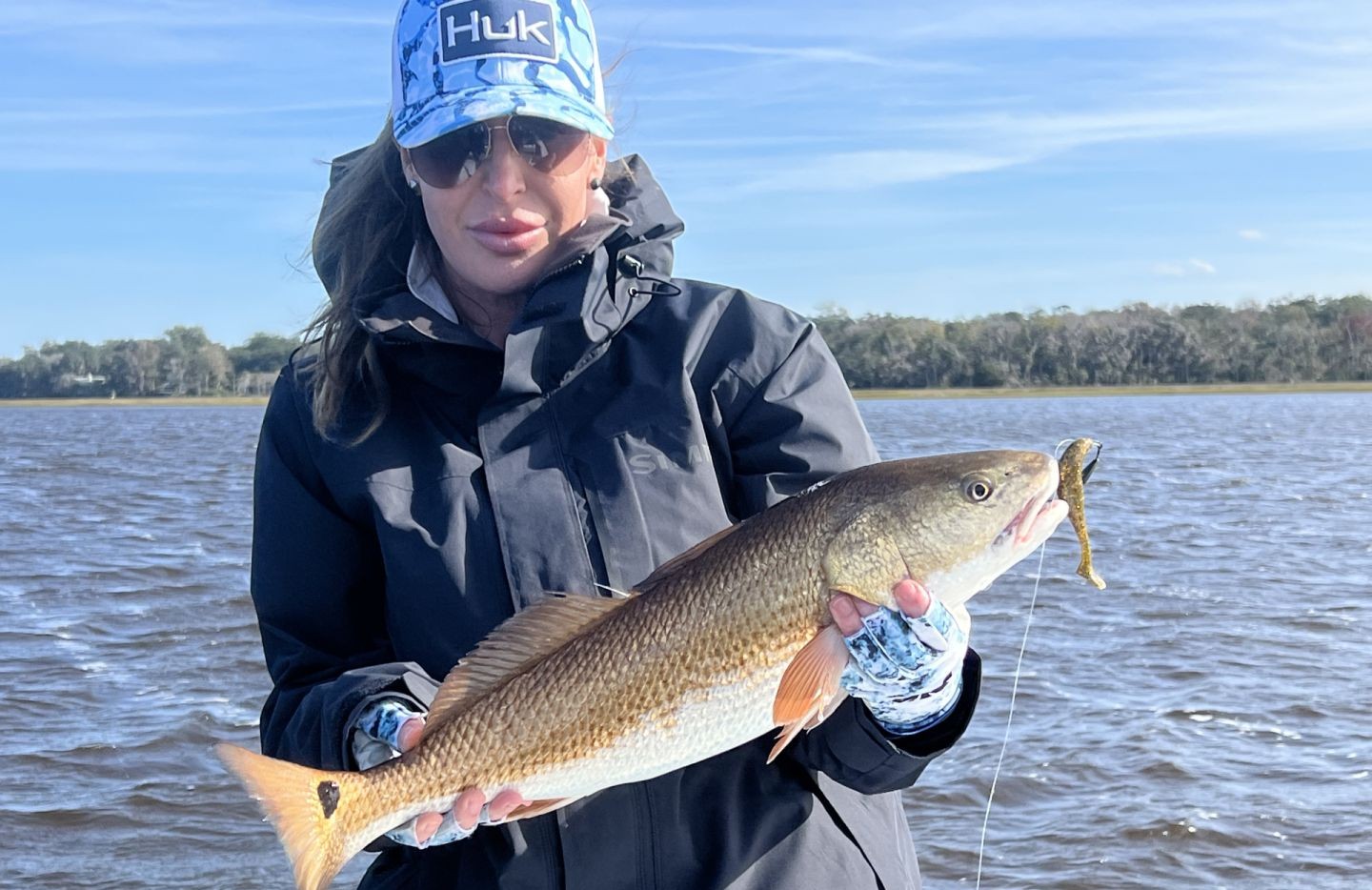
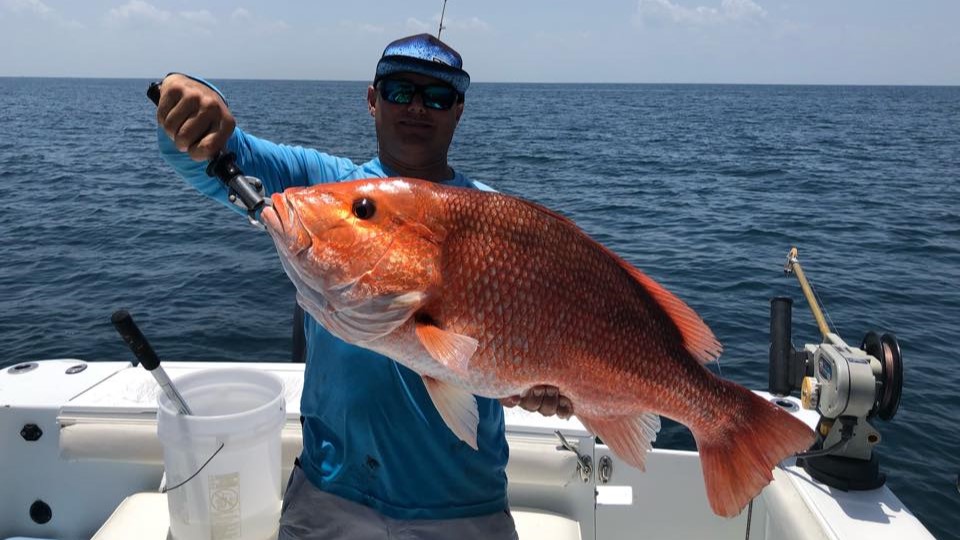
Red Snapper are the crown jewel of Jacksonville's inshore scene, though true red snapper are typically found in deeper offshore waters. What you're really after are the redfish that cruise these flats and creeks. These bronze-colored bruisers are ambush predators that love structure – oyster bars, dock pilings, and grass edges are prime real estate. Reds are most active during moving water, especially the first two hours of incoming tide. They fight hard and smart, using their broad tails to make powerful runs toward the nearest snag. Spring through fall offers the best action, with cooler months bringing larger fish into shallow water. What makes them so popular is their willingness to eat both live and artificial baits, plus they're just plain fun to catch.
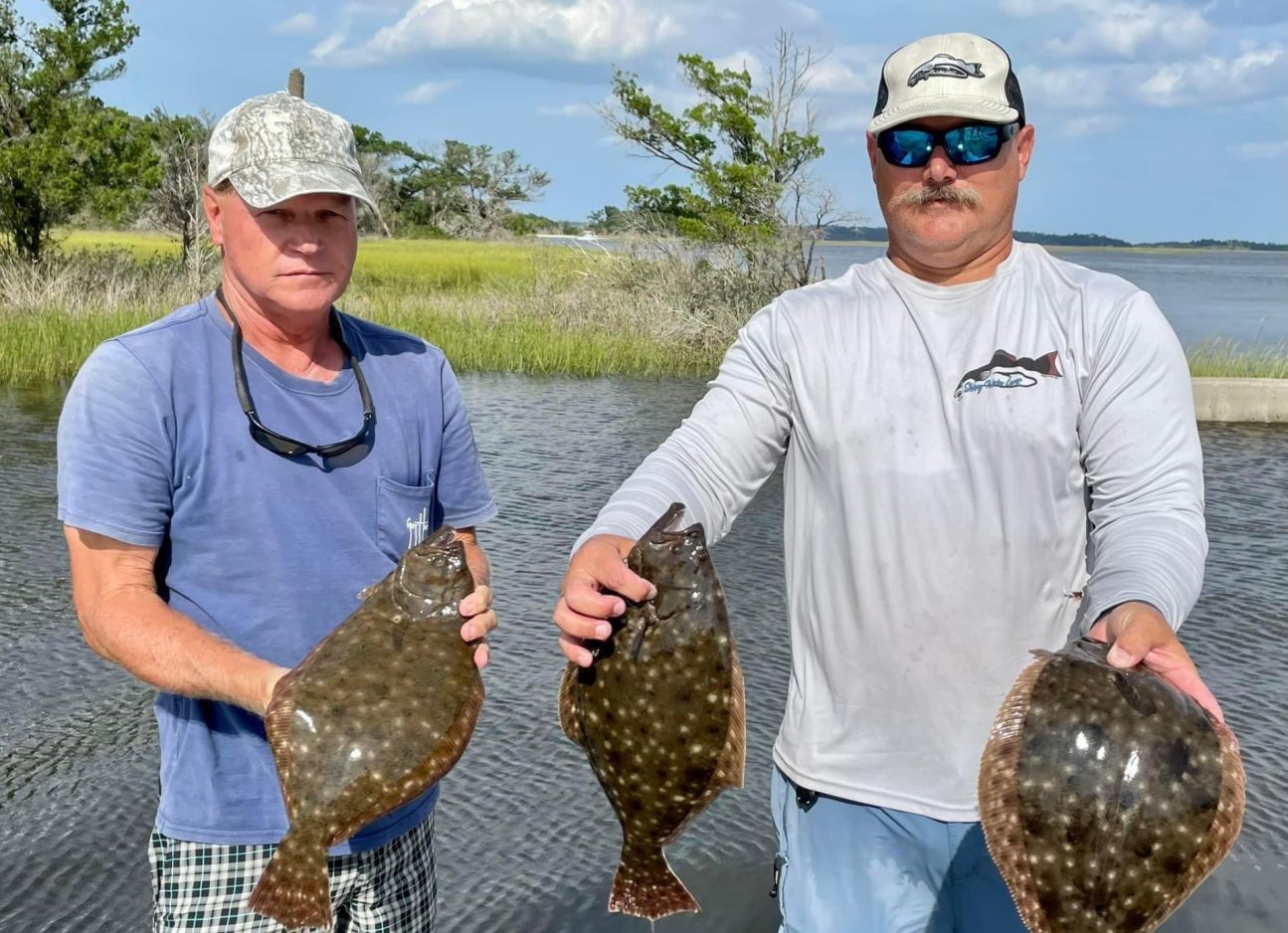
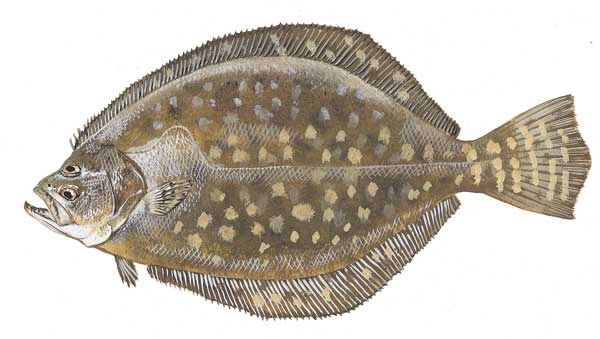
Southern Flounder are the masters of camouflage in Jacksonville's inshore waters. These flatfish bury themselves in sand and mud bottoms, waiting to ambush passing baitfish. You'll find them around creek mouths, channel edges, and anywhere current brings food their way. Fall is prime time for flounder fishing, as they stage for their offshore spawning run and feed heavily. They're not the flashiest fighters, but they make up for it on the dinner table. Flounder fishing requires patience and a good feel for your bait – when you feel that subtle tap-tap, count to three before setting the hook. Captain Chad knows the productive spots where these fish concentrate, especially during those key tidal changes.
Tarpon are the silver kings of Jacksonville's waters, and while you might not boat many of these giants, the chance at hooking one makes every cast exciting. These prehistoric fish can reach massive sizes and are famous for their acrobatic jumps when hooked. Summer months bring tarpon into the St. Johns River and nearby waters, where they feed on schools of baitfish. Even juvenile tarpon in the 20-40 pound range will give you a fight you won't forget. They're catch-and-release only, but the experience of battling one of these silver bullets is worth the trip alone. Tarpon have hard, bony mouths, so sharp hooks and solid hooksets are essential.
Sheepshead are the convict fish of Jacksonville's inshore waters, with their distinctive black and white stripes making them easy to identify. These fish are structure-oriented, hanging around pilings, oyster bars, and rocky areas where they feed on barnacles, crabs, and shrimp. They're notorious bait stealers with small mouths and human-like teeth, so you'll need to downsize your hooks and stay alert. Winter is prime sheepshead season, when they move inshore to spawn. Don't let their size fool you – a good sheepshead will surprise you with its fight, and they're excellent table fare with firm, white meat.
Mahi Mahi occasionally make appearances in Jacksonville's inshore waters, though they're more commonly found offshore. When they do show up, usually following floating debris or weed lines, they provide some of the most exciting fishing you'll find. These colorful fish are incredibly fast and aggressive, often traveling in schools
 5.0(1 Reviews)
 Private Trip
 Inshore Fishing
 Jacksonville



 Full-day inshore charter targets redfish and spotted seatrout