3 HR Inshore Fishing Adventure
Charleston's inshore waters are pure magic for anglers, and this 3-hour fishing trip with Charleston Saltwater Guide Co. puts you right in the heart of the action. Captain Crawford knows these waters like the back of his hand, and he's ready to put you on some serious fish. Whether you're a weekend warrior or just getting your feet wet, this top-rated inshore adventure delivers the kind of fishing that keeps folks coming back season after season. With just 2 anglers max, you'll get personalized attention and plenty of room to work without bumping elbows.
What to Expect on the Water
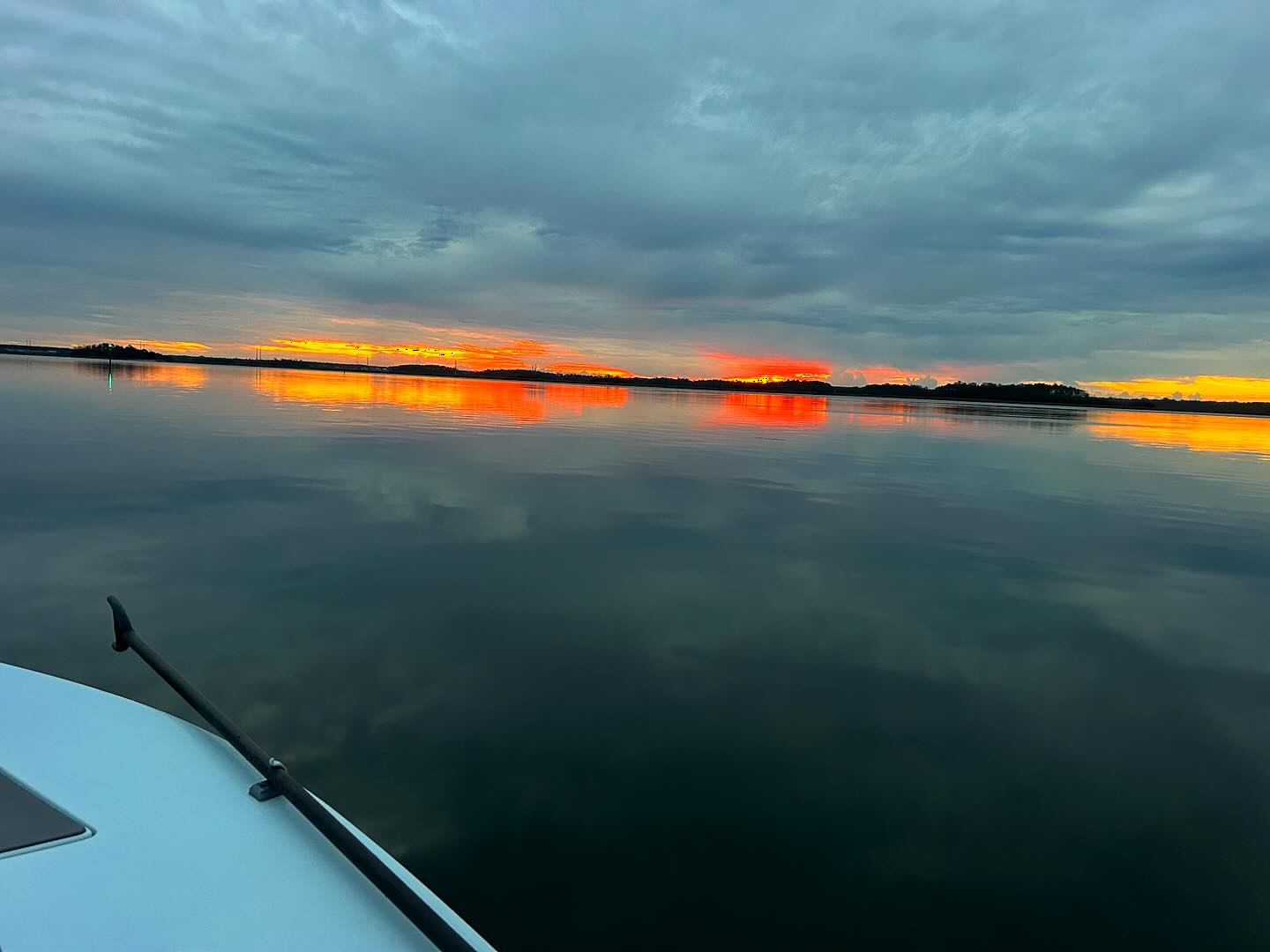
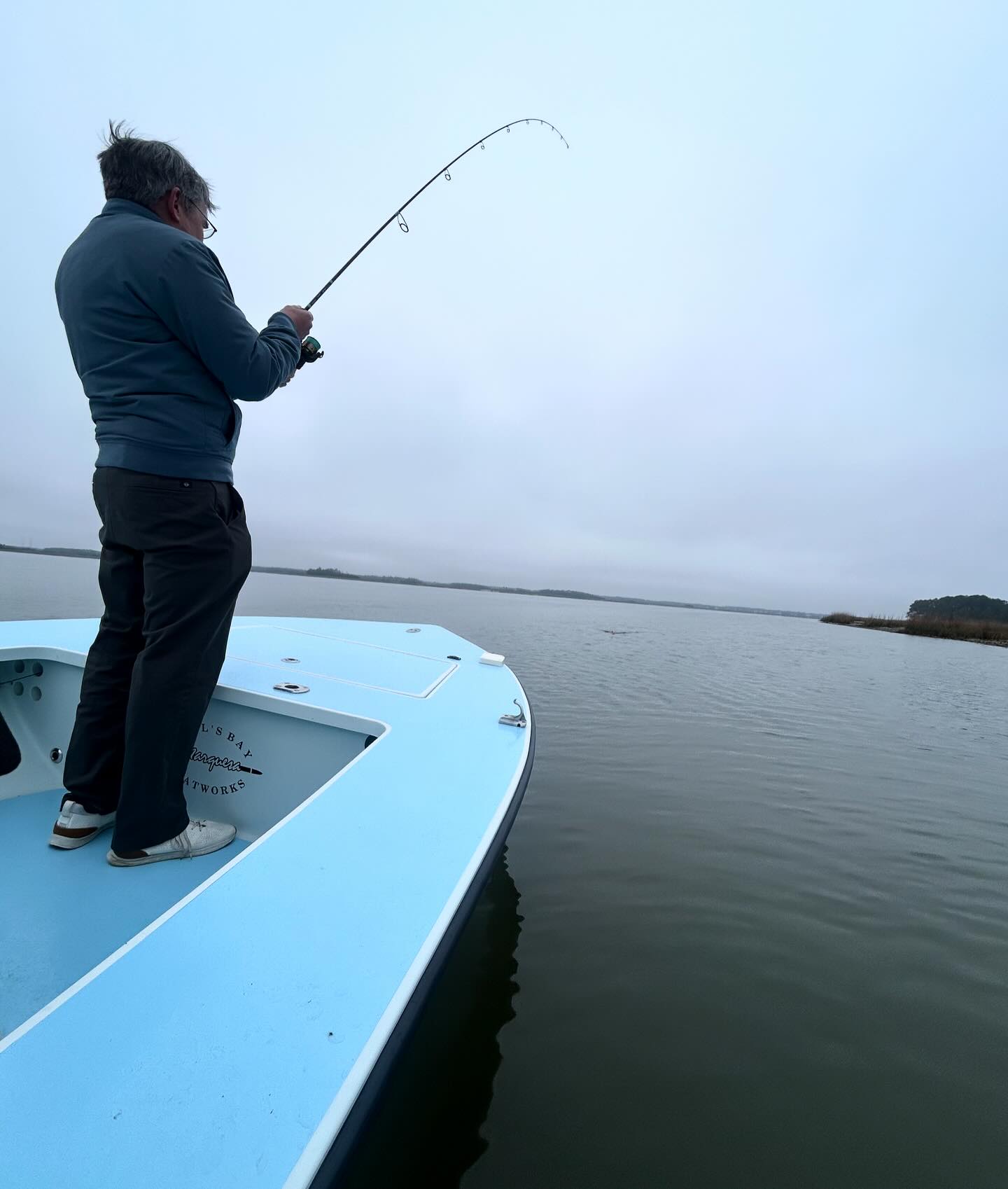
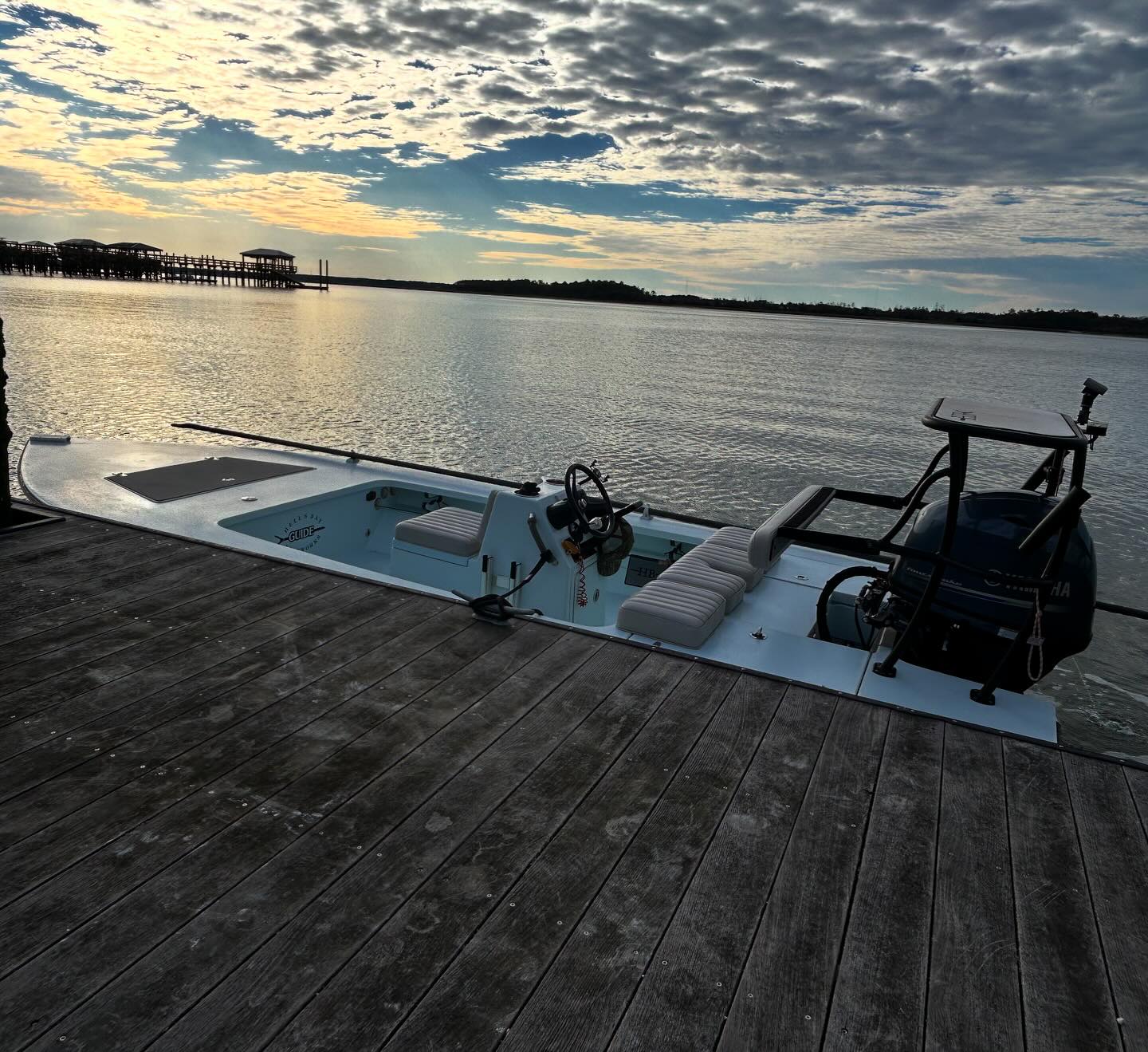
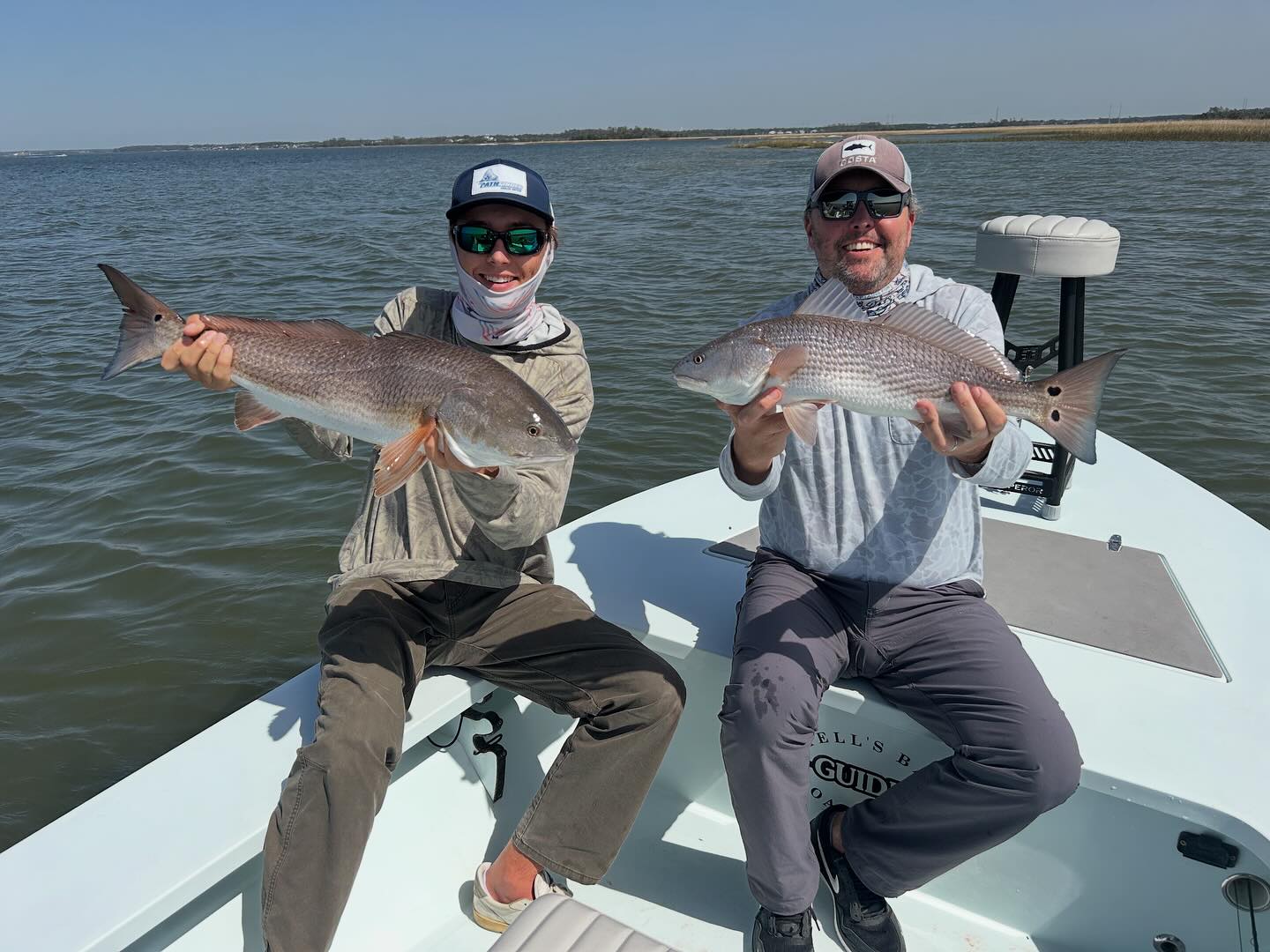
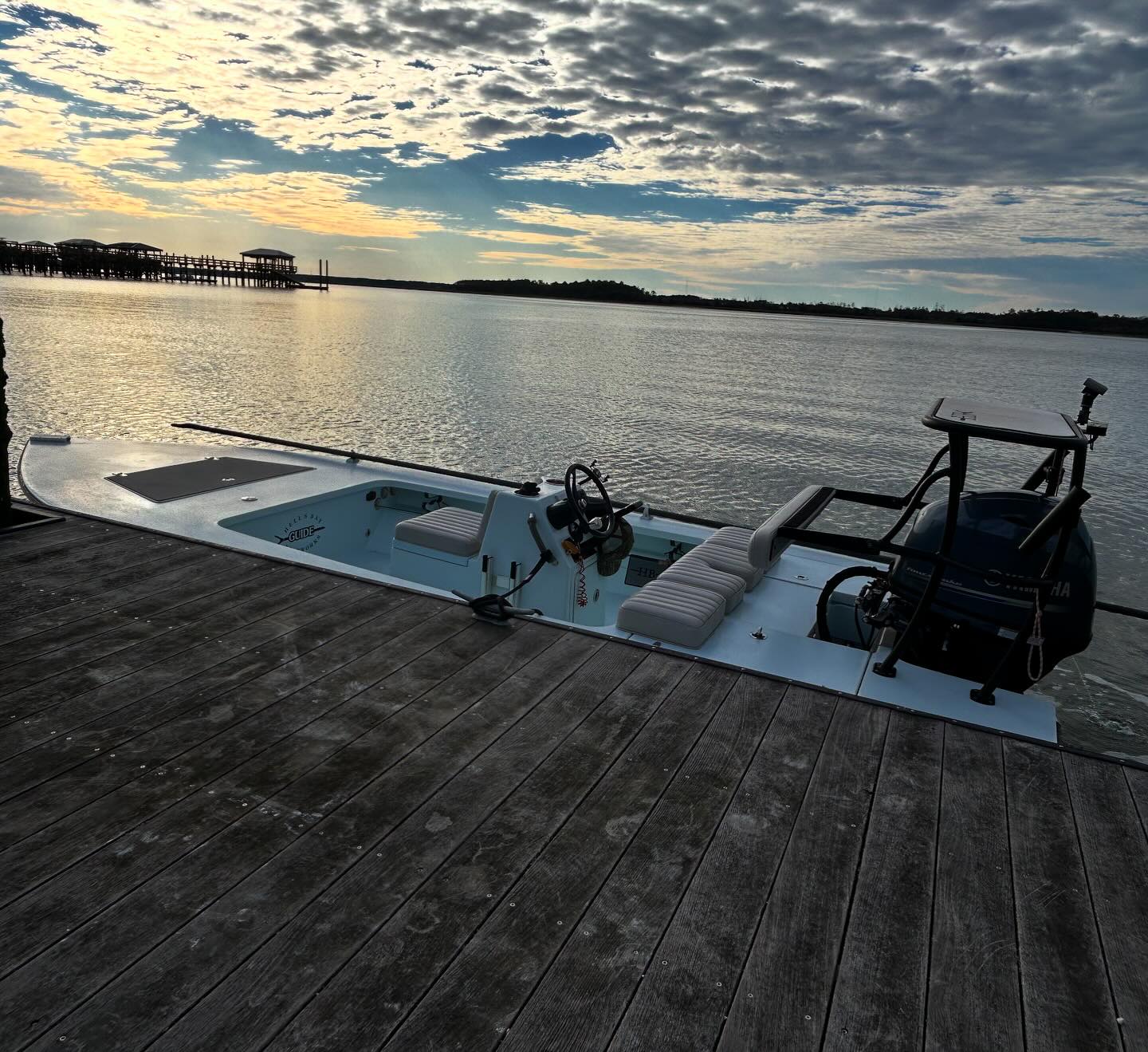
This isn't your typical charter boat crowd - it's just you, your fishing buddy, and Captain Crawford heading out to the best spots Charleston has to offer. The shallow inshore waters around here are absolutely loaded with structure and grass beds that hold fish year-round. You'll be working the creeks, oyster bars, and flats where the big reds like to cruise and the drum stack up thick. The boat stays in skinny water most of the time, so you're always close to the action and can watch fish work in crystal clear shallows. Captain Crawford reads these waters like a book and adjusts the game plan based on tides, weather, and what's been biting. Some days you're sight casting to tailing reds, other days you're dropping baits near structure for drum and flounder.
Gear Setup & Techniques
Captain Crawford comes loaded with quality spinning tackle that's perfectly matched for inshore work - medium action rods that can handle everything from 2-pound trout to 30-pound tarpon. You'll be using a mix of live bait and artificials depending on conditions and target species. Circle hooks are the go-to for live shrimp and cut bait when targeting drum and reds around structure, while soft plastics on jig heads work magic for trout in the grass. The beauty of inshore fishing here is the variety - you might be pitching a gold spoon at a school of jacks one minute, then switching to live finger mullet for tarpon the next. The captain handles all the rigging and re-rigging, so you stay focused on fishing instead of fumbling with tackle. Most fishing happens in 2-8 feet of water where you can actually see what's happening below the surface.
Species You'll Want to Hook
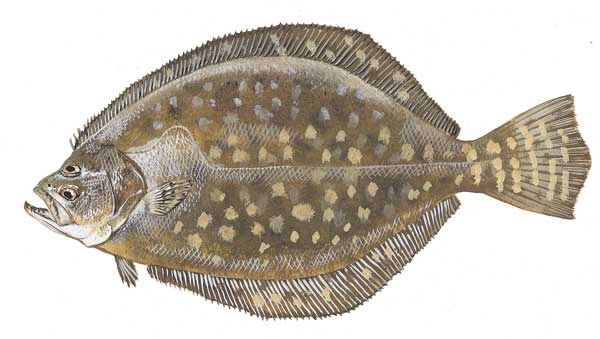
Southern Flounder are the masters of disguise in Charleston's inshore waters, lying perfectly camouflaged on sandy bottoms near creek mouths and drop-offs. These flatfish hit hard and fight with surprising power for their pancake profile. Fall months from September through November are prime time when big females stage near inlets before heading offshore to spawn. What makes flounder fishing so addictive is the anticipation - they'll study your bait forever before committing, then slam it with authority. Captain Crawford knows exactly where to find the deeper holes and channel edges where doormat flounder hang out during moving tides.
Black Drum are the bulldogs of the inshore scene, and Charleston's waters hold some absolute monsters. These fish stack up around oyster bars, bridge pilings, and creek bends where they root around for crabs and shellfish. Winter months bring the best drum fishing when big schools move into creeks and stay put for weeks. A 15-pound drum will test your drag and make you wonder if you're hooked to the bottom, while the 40-pounders will have you questioning your tackle choices. The fight is all about endurance - drum don't jump or run far, but they pull steady and hard until your arms burn. Fresh cut blue crab is like candy to these fish, and the sound of a screaming drag never gets old.
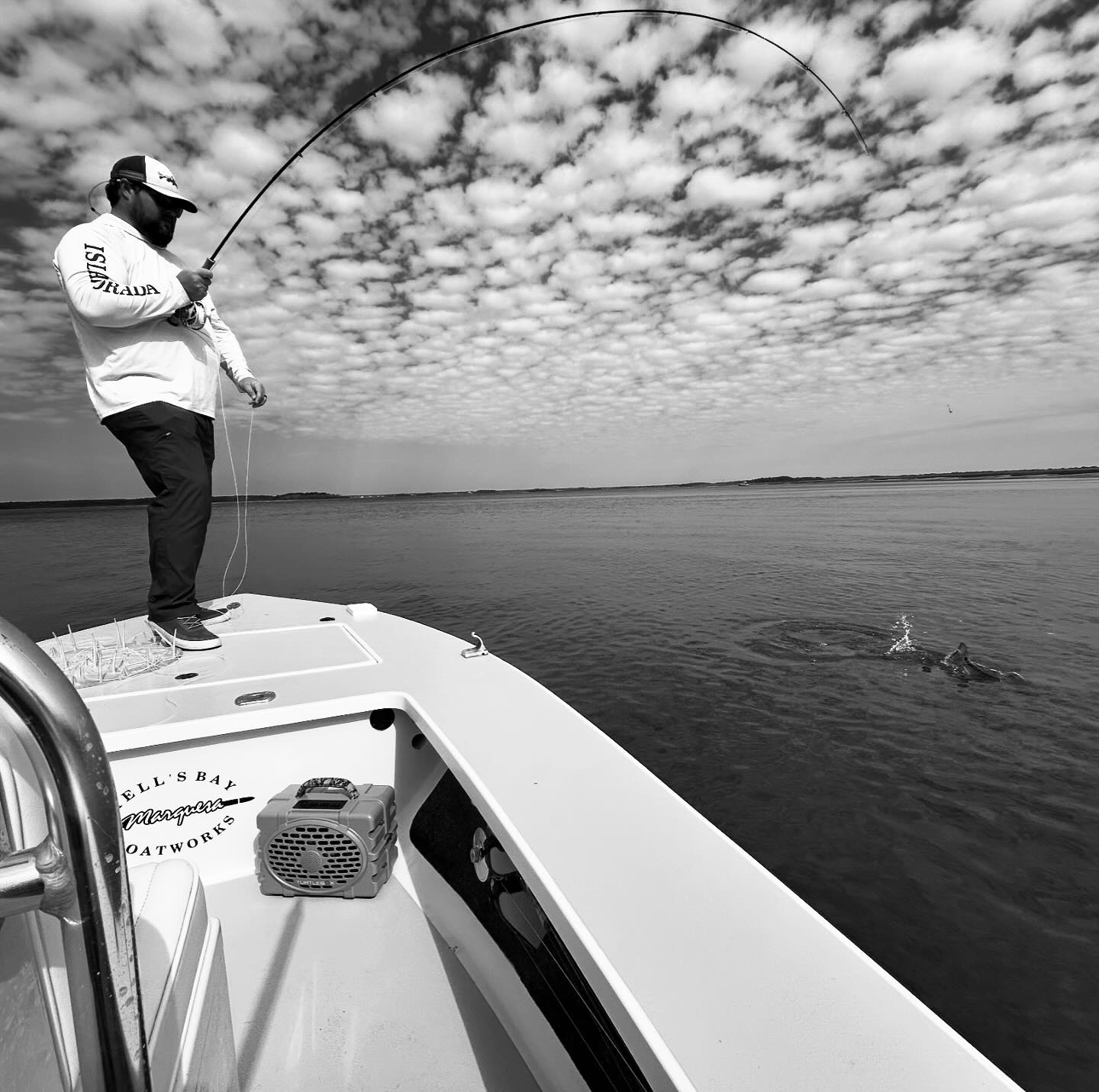
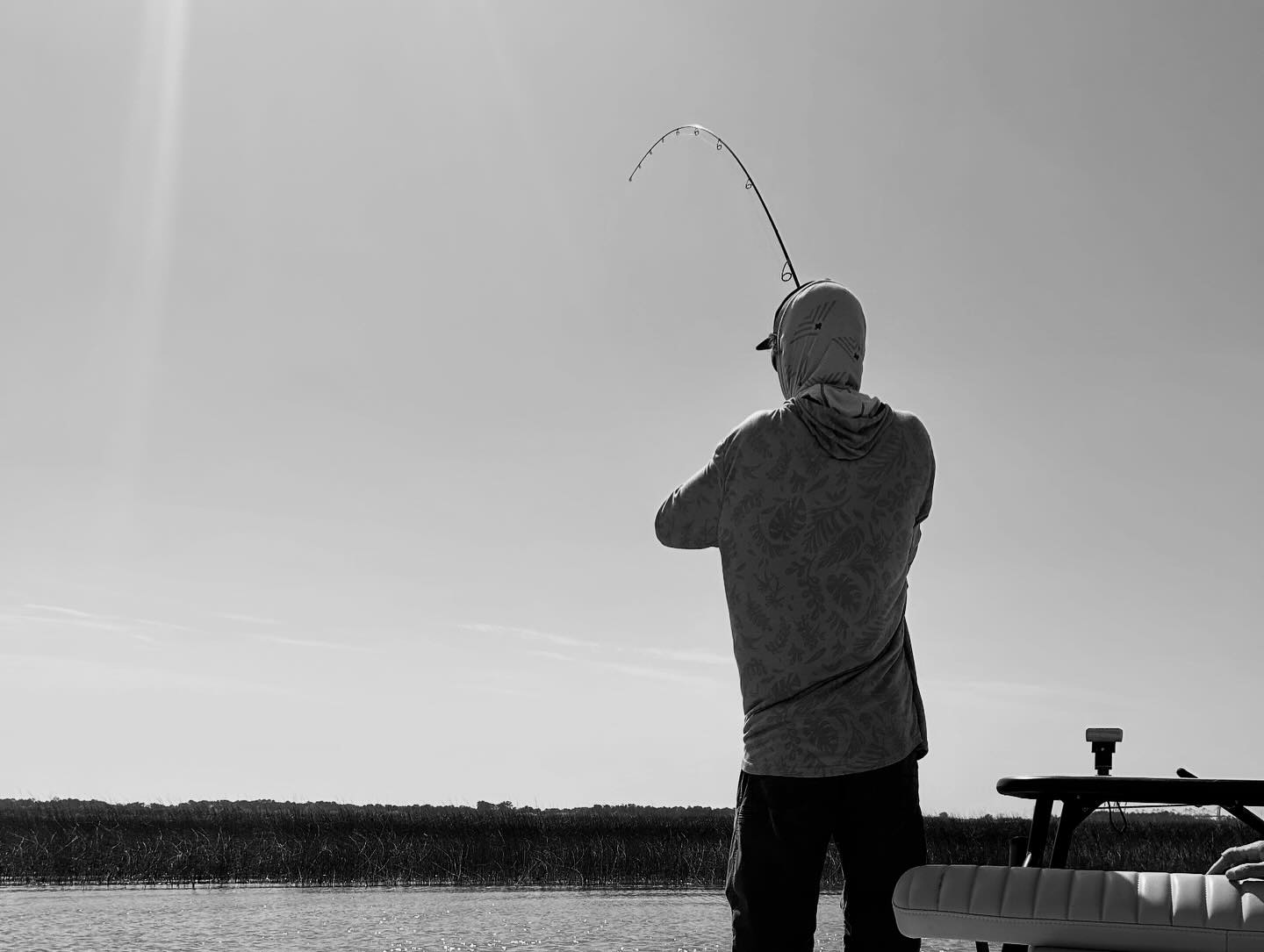
Tarpon are the silver kings of Charleston's inshore waters, and hooking one will ruin you for other fish forever. These prehistoric beasts show up in good numbers from late spring through early fall, cruising the flats and ambushing baitfish near creek mouths. A 100-pound tarpon on spinning tackle is pure chaos - they'll clear the water 6 feet high and throw the hook if you're not ready. What makes tarpon fishing here special is the shallow water encounters where you can see them coming from 50 yards away. Live mullet or large artificials get their attention, but the real skill is in the fight. You've got to bow to the king when they jump and keep constant pressure without pulling too hard. Most tarpon get released after a quick photo, but the memory of that first jump stays with you forever.
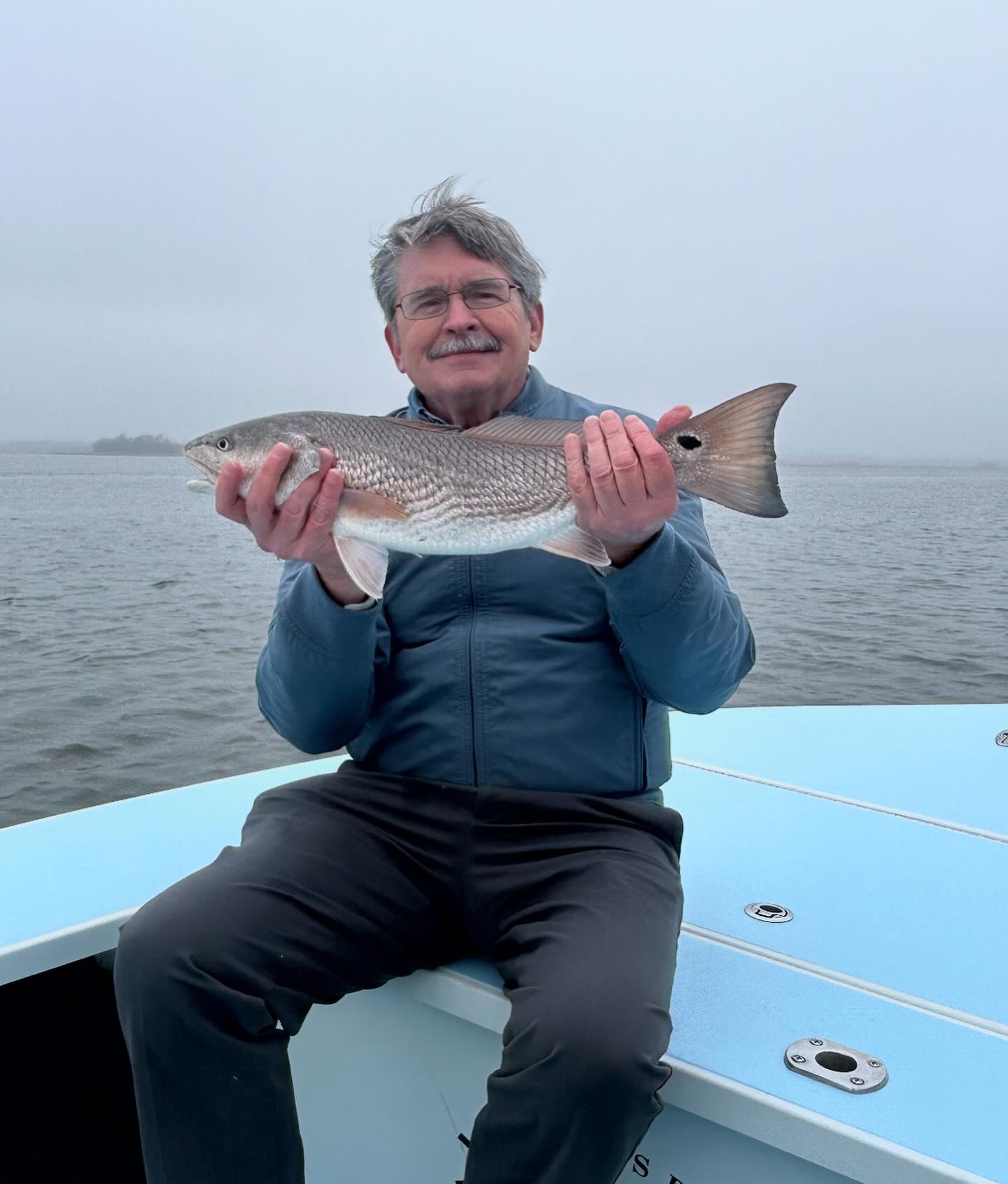
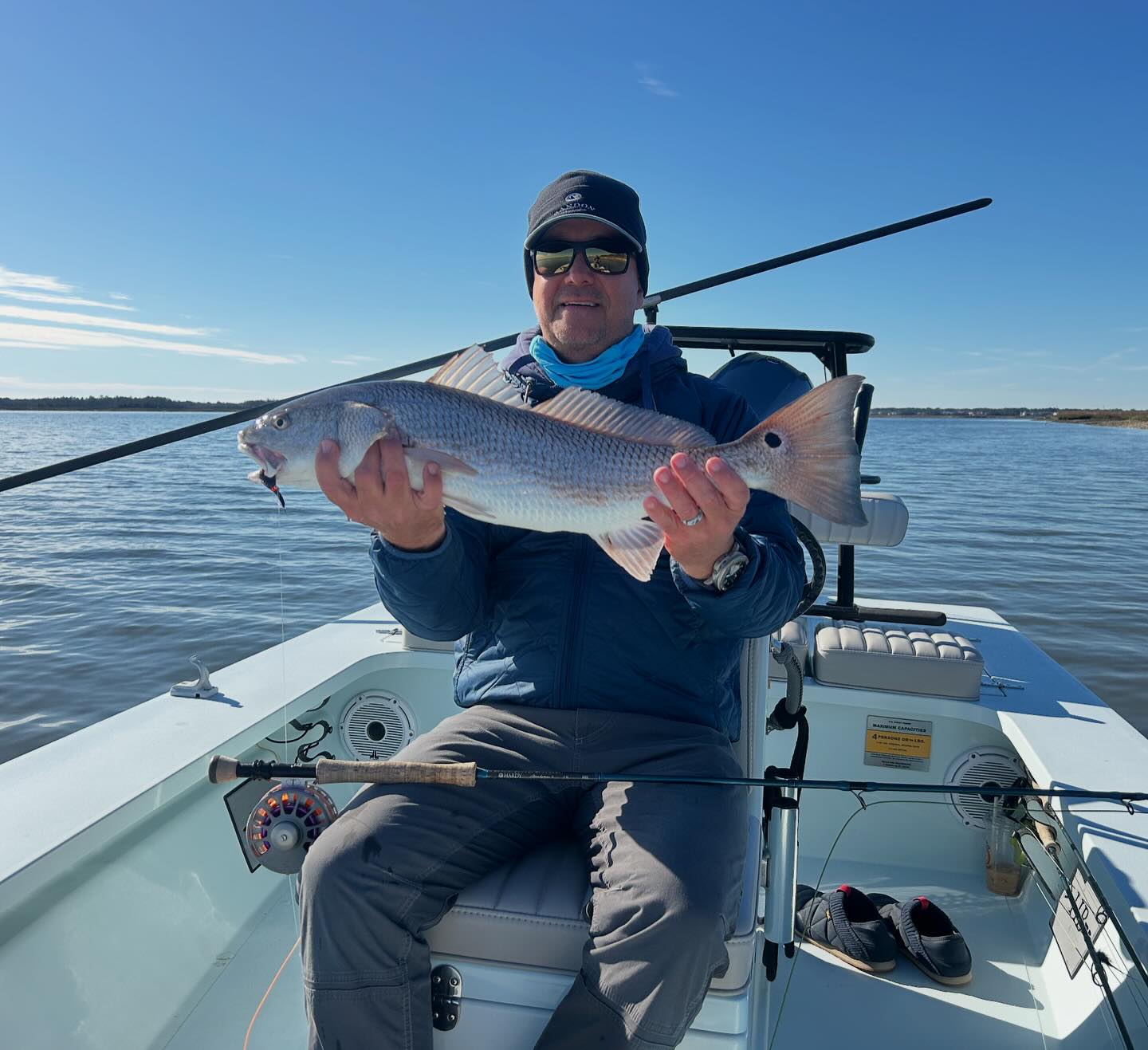
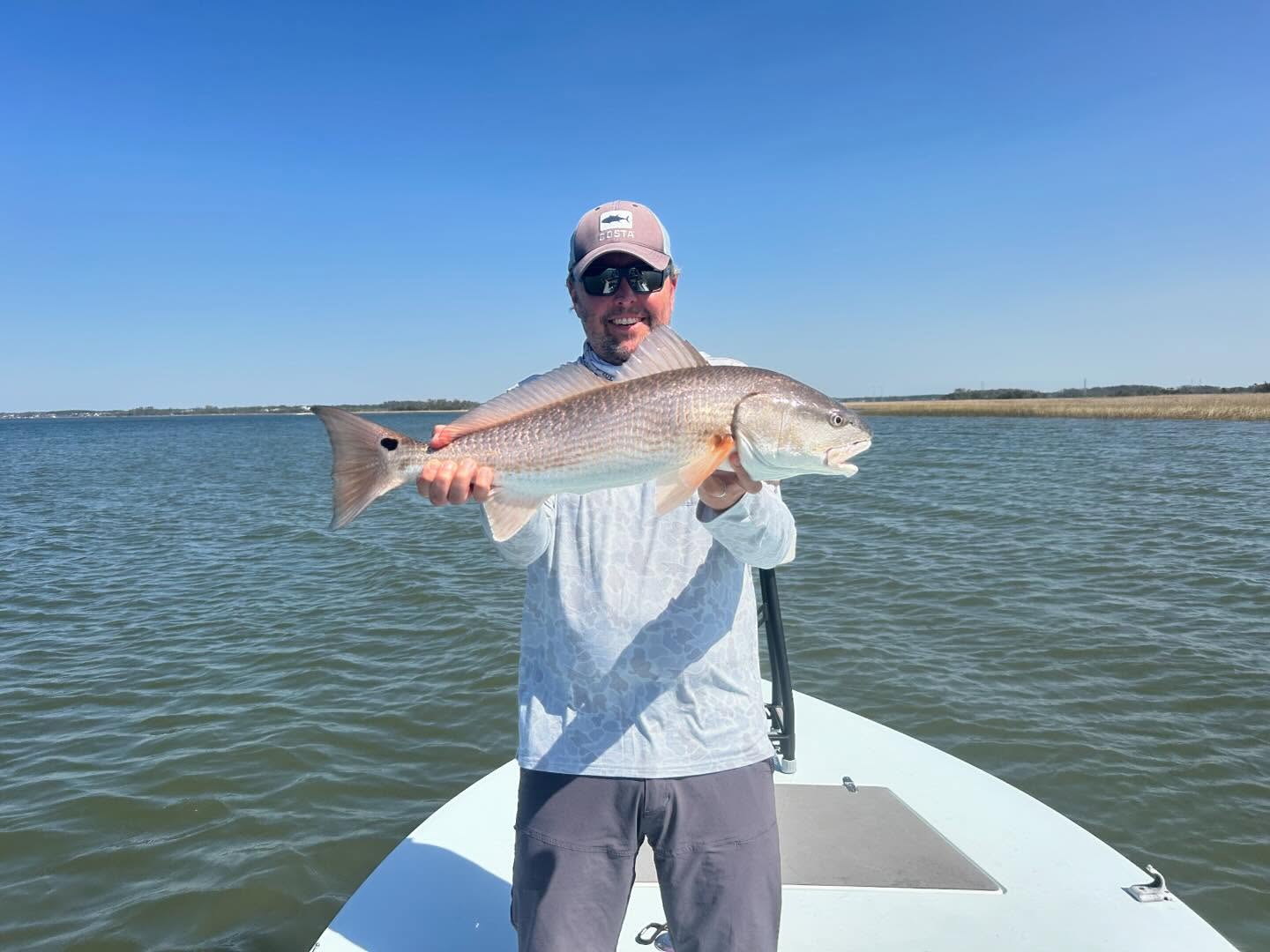
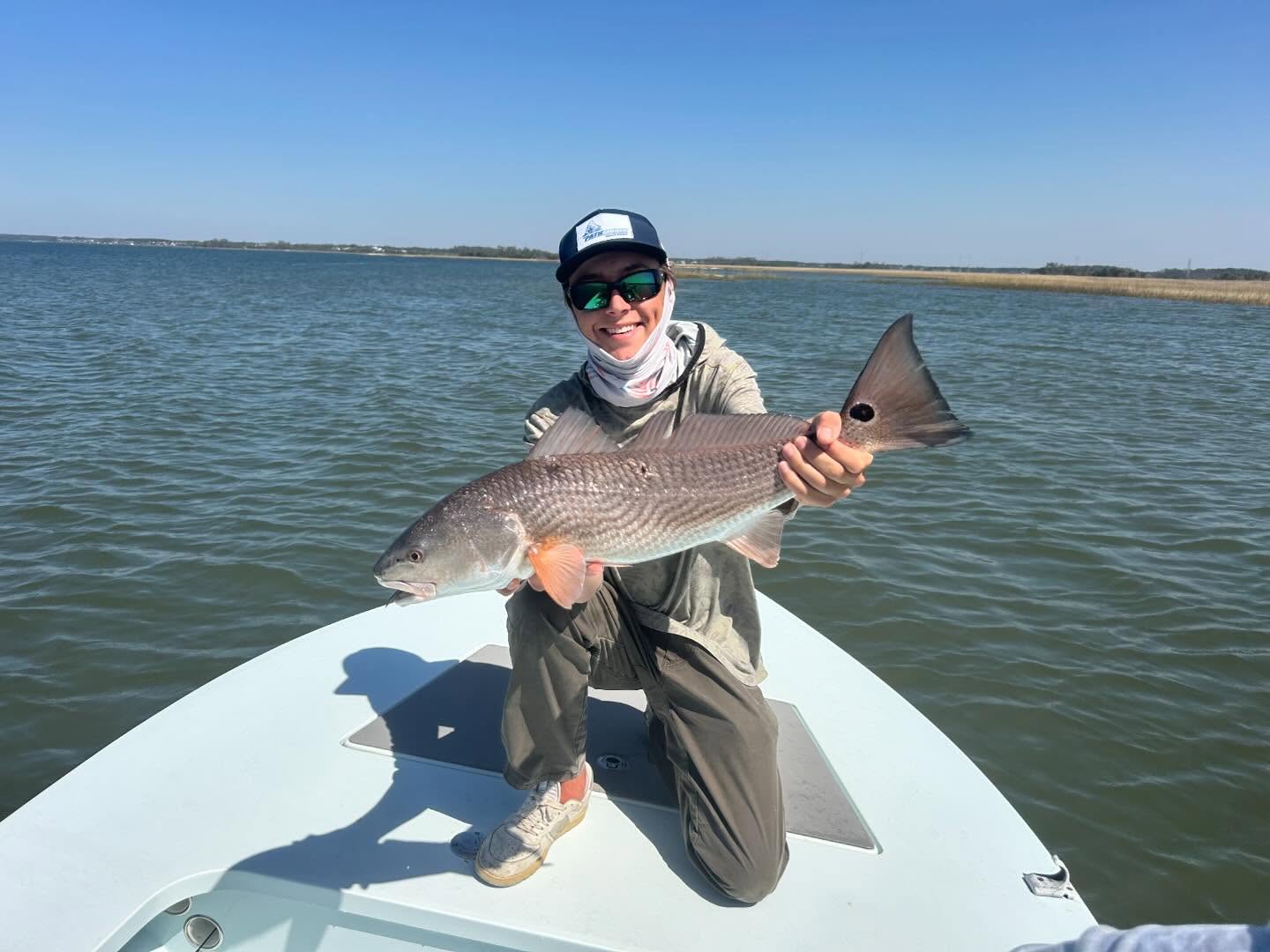
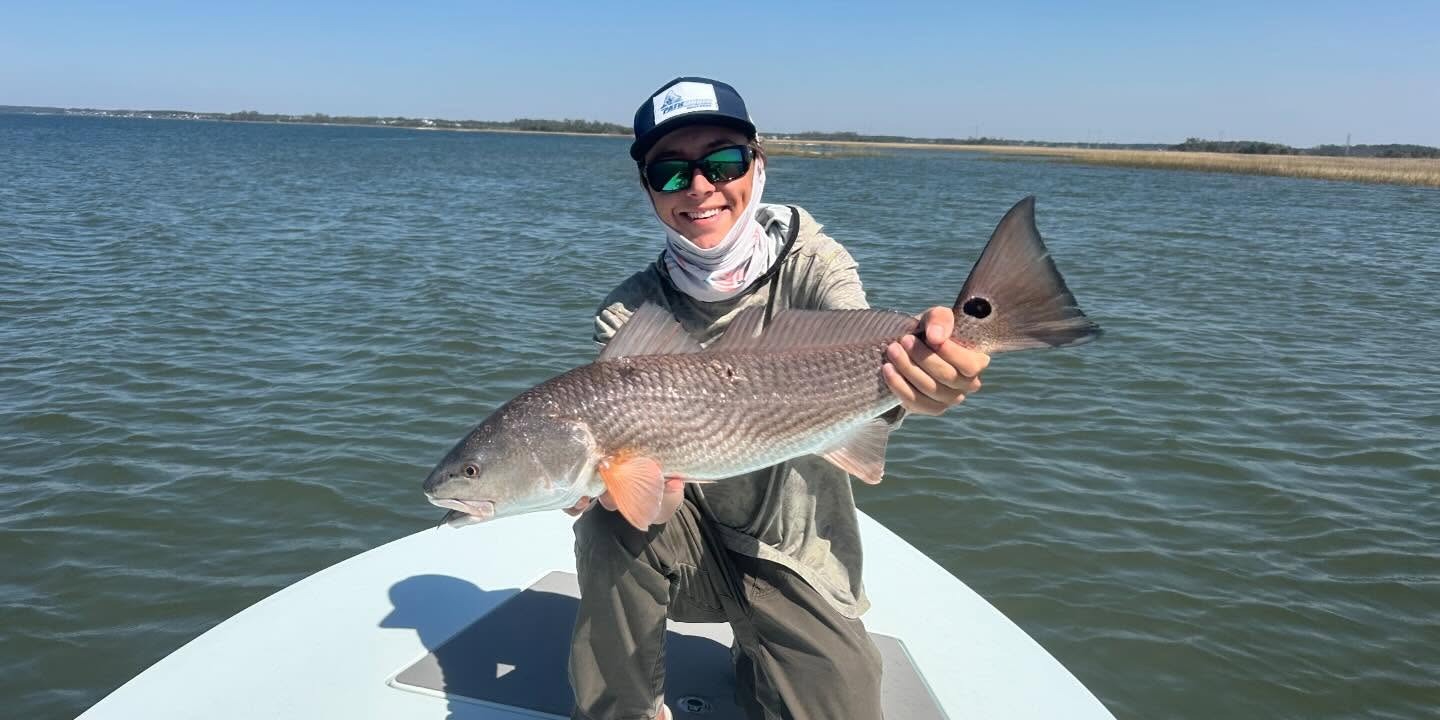
Redfish are the bread and butter of Charleston inshore fishing, and for good reason - they're plentiful, they fight hard, and they taste great on the dinner table. These copper-colored bruisers patrol the oyster bars, grass flats, and creek edges looking for crabs, shrimp, and small fish. Fall fishing is world-class when big schools of bull reds migrate through the area, but slot-sized fish from 18-27 inches provide action all year long. What makes redfish special is their willingness to eat just about anything - live shrimp, cut mullet, gold spoons, soft plastics, topwater plugs. They'll blow up on a surface bait in 2 feet of water or pick up a Carolina-rigged shrimp in a deep hole. The fight is all about that first run when they realize they're hooked - pure power heading for the nearest structure.
Time to Book Your Spot
Charleston's inshore fishing scene is as good as it gets on the East Coast, and Captain Crawford puts you right in the thick of it. This 3-hour adventure gives you enough time to hit multiple spots and target different species without feeling rushed. The intimate 2-angler setup means you're not fighting for rod space or waiting your turn to fish prime water. Whether you're chasing your first redfish or looking to tangle with a tarpon, this trip delivers the kind of fishing memories that last a lifetime. Don't wait around - the best fishing
 Private Trip
 Inshore Fishing
 Charleston, SC


 Target six species including Redfish and Tarpon in shallow waters