Bahamas Fishing Charter with Chasin Finz II
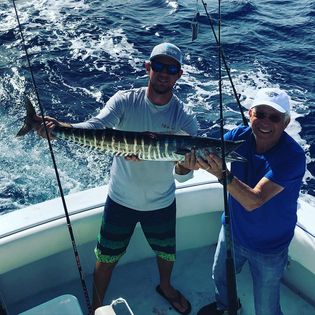
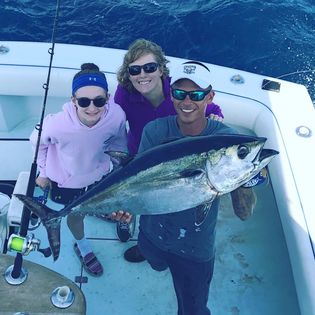
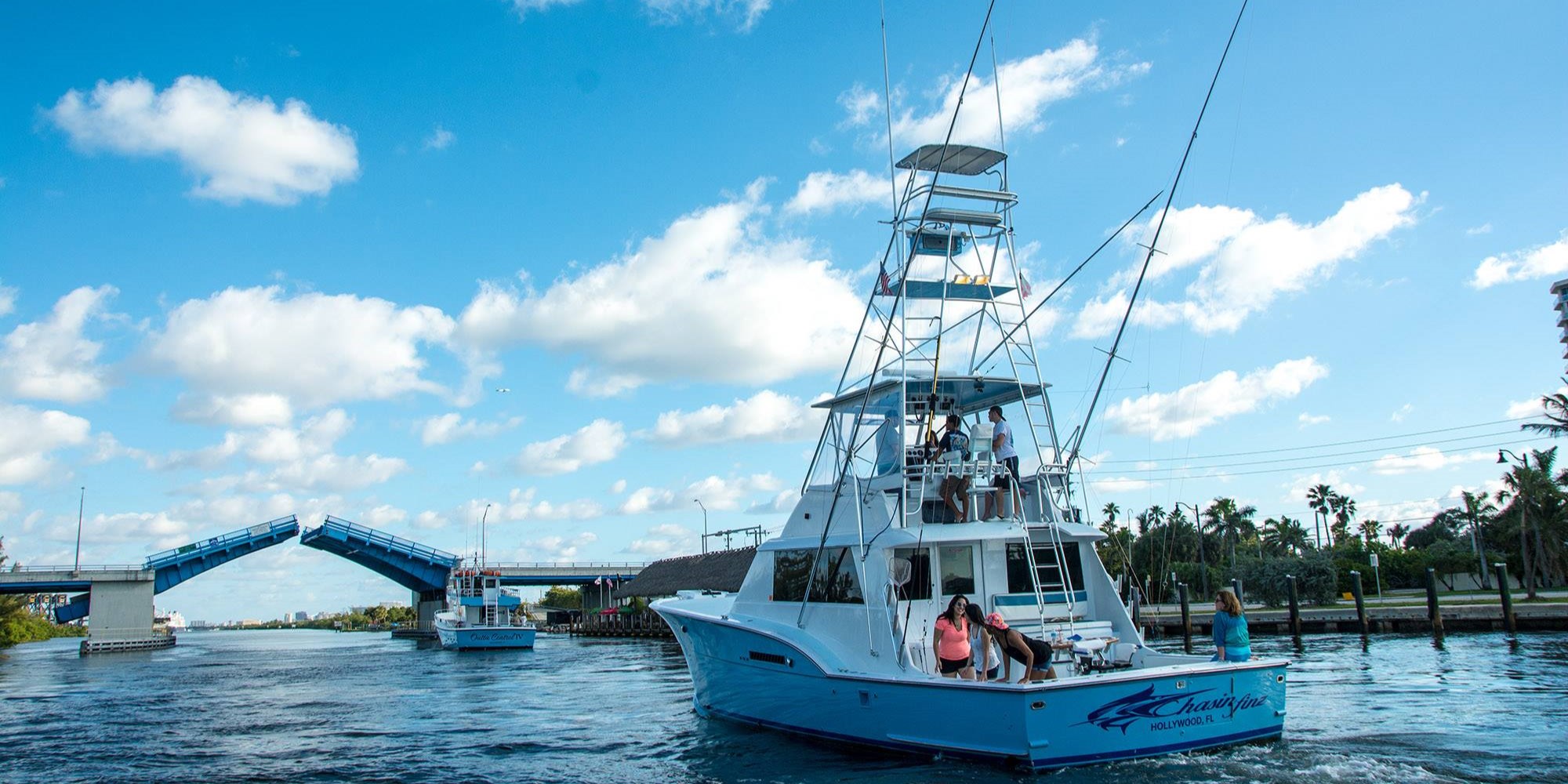
Picture this: you're 30 miles out in crystal-clear Bahamian waters, lines in the water, and your captain just spotted a thermocline that's holding serious fish. That's exactly what you're signing up for with Chasin Finz II Sport Fishing. These aren't your typical half-day trips – we're talking 4 to 8 hours of serious offshore fishing, or if you're really looking to commit, extend it to two full days of non-stop action. Captain and crew know these waters like the back of their hand, and they'll put you on blue marlin, white marlin, sailfish, mahi, and even swordfish if conditions are right. With room for up to 6 anglers and gratuity already built into the price, you can focus on what matters most – fighting fish and making memories.
What to Expect on the Water
Your day starts early – that's just how offshore fishing works. The boat departs while it's still dark, giving you the best shot at reaching prime fishing grounds as the sun comes up. That's when the magic happens. The captain will be watching the fish finder, looking for structure, baitfish, and those telltale signs that predators are nearby. You'll be trolling most of the day, running a spread of lures and rigged baits designed to attract pelagic species. The boat handles beautifully in the open ocean, and the crew keeps everything organized so you can concentrate on fishing. Between the tropical scenery and world-class fishing, you'll understand why anglers travel from all over to fish these waters. The two-day option lets you really dial in on the bite – day one you're learning the patterns, day two you're capitalizing on what worked.
Trolling Tactics & Gear Setup
Offshore fishing in the Bahamas is all about covering water and presenting the right baits at the right depths. The crew runs a classic spread – typically 5 to 6 lines with a mix of skirted lures, rigged ballyhoo, and maybe a few specialty baits depending on what's been producing. You'll have outriggers working the sides, flat lines down the middle, and often a deeper bait running off a downrigger or planer board. The tackle is heavy enough to handle whatever takes the bait – we're talking 50 to 80-pound class gear with quality reels that can handle long runs and sustained pressure. When something hits, the crew springs into action, clearing lines and coaching you through the fight. Circle hooks are standard for billfish conservation, and the captain follows all catch-and-release protocols for protected species. If you hook into a keeper-sized mahi or smaller billfish, you'll have the option to take it home.
Species You'll Want to Hook
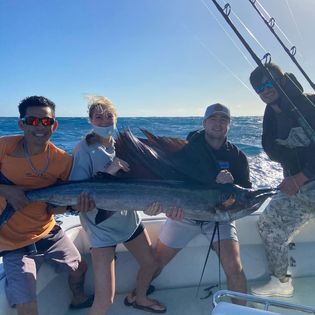
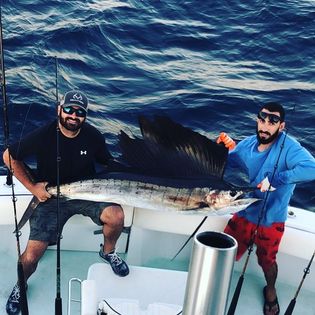
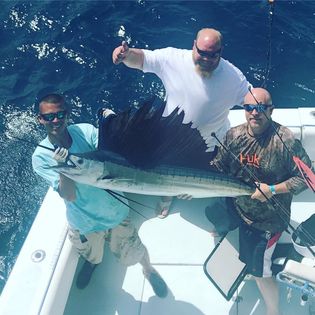
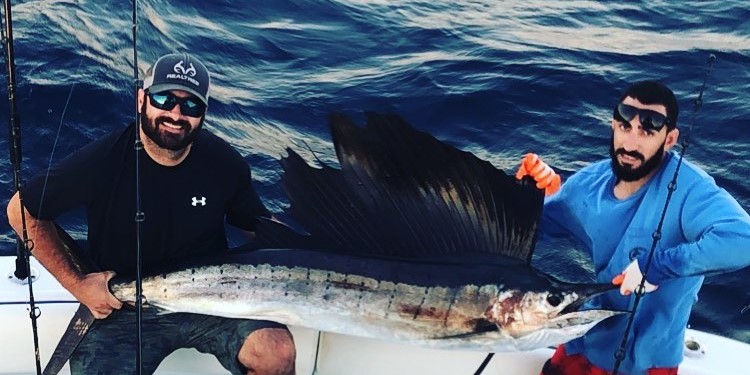
Atlantic Sailfish are the bread and butter of Bahamian offshore fishing, and for good reason. These fish are pure electricity when hooked, often jumping 10 or 15 times in the first few minutes of the fight. They typically run 30 to 60 pounds here, with the occasional fish pushing 80. Prime sailfish season runs from December through April, though you can find them year-round. What makes them so special is their aerial display – few fish put on a show like a hot sailfish. They'll tail-walk across the surface, throw the hook if you're not careful, and test every ounce of your skill as an angler.
Blue Marlin represent the pinnacle of offshore fishing, and Bahamian waters hold some true giants. These apex predators can exceed 500 pounds, though most fish caught here range from 150 to 300 pounds. Blues are most active during the warmer months, with peak season running May through September. When you hook a blue marlin, you know it immediately – they hit like a freight train and often launch completely out of the water. The fight can last anywhere from 30 minutes to several hours, depending on the size of the fish and your technique. Landing a blue marlin is a bucket-list achievement that most anglers never forget.
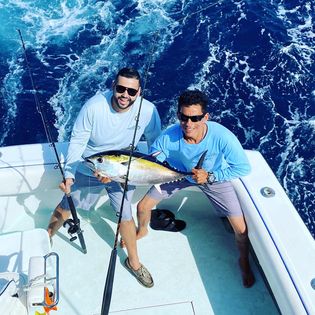
Mahi Mahi or Common Dolphinfish bring explosive action and excellent table fare to the equation. These colorful fighters typically travel in schools, so when you find one, you often find many. Mahi range from 10-pound schoolies to 40-pound bulls, with females generally smaller than males. They're most abundant from March through August, often found around floating debris, weed lines, or temperature breaks. What makes mahi special is their willingness to bite and their acrobatic fighting style. They'll jump, dive, and change colors throughout the fight, flashing brilliant gold and green.
White Marlin are smaller than their blue cousins but no less impressive. These fish typically run 50 to 100 pounds and are known for their incredible jumping ability. They're most common during the spring and early summer months, often mixed in with sailfish schools. White marlin have a more delicate build than blues but make up for it with pure athleticism. They're also more likely to be found in smaller numbers, making each encounter special.
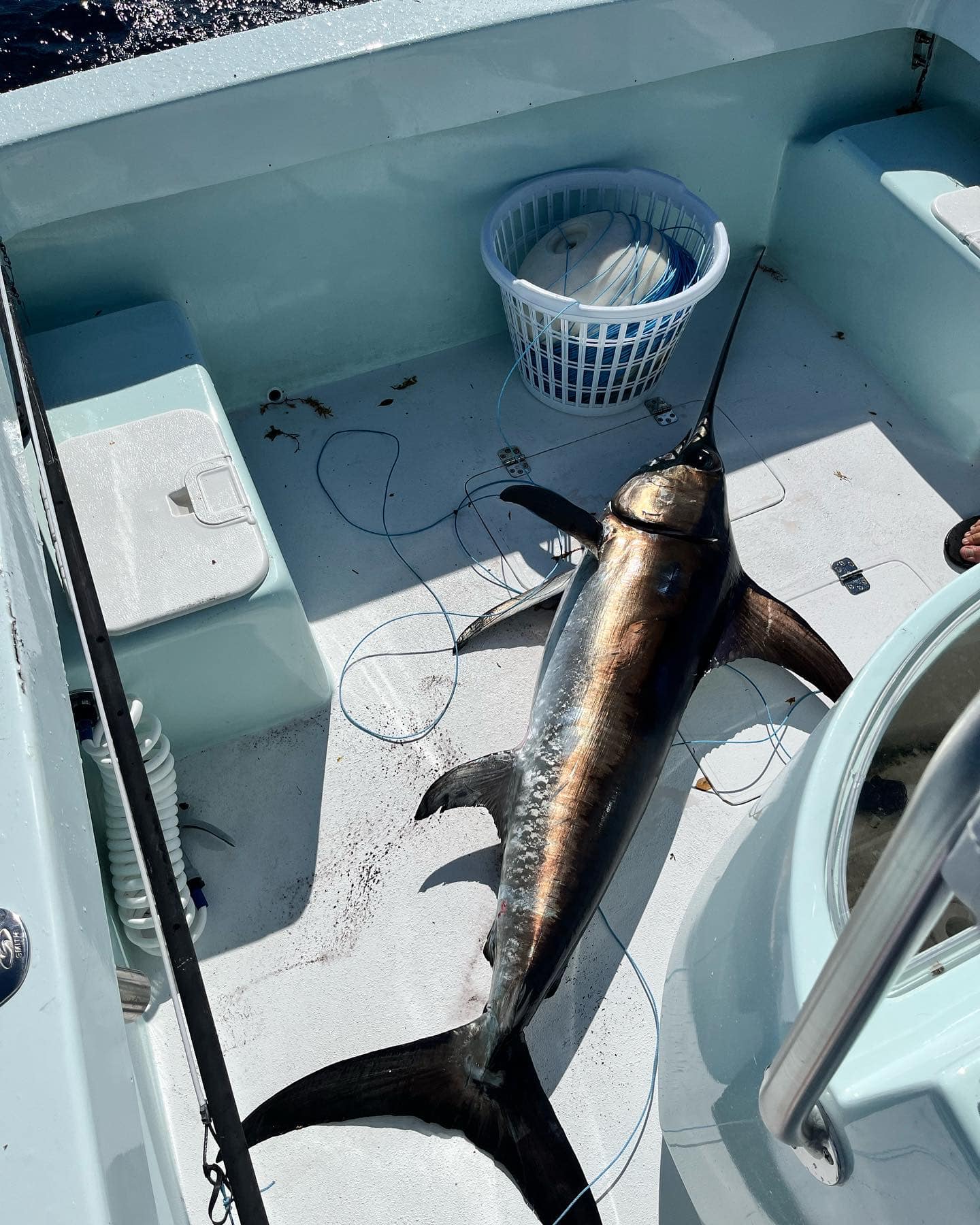
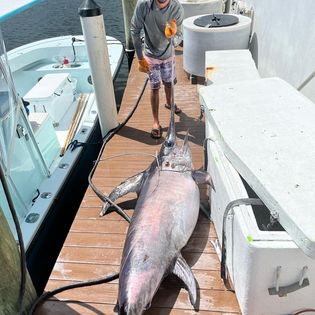
Swordfish represent the ultimate challenge in these waters. While primarily caught at night using deep-dropping techniques, daytime sword fishing has become increasingly popular. These prehistoric-looking fish can exceed 200 pounds and are found in deeper waters, usually beyond the 100-fathom curve. Swordfish are known for their powerful runs and bulldogging fighting style. They don't jump like billfish, but they'll test your endurance with sustained deep runs. Landing a swordfish requires patience, skill, and often a bit of luck.
Time to Book Your Spot
Look, fishing trips like this don't come around every day. You've got an experienced captain who knows where the fish are, quality tackle that can handle anything that swims, and some of the best offshore fishing grounds in the Atlantic. Whether you choose the single-day option or commit
 Private Trip
 Offshore Fishing
 Miami
Miami


 4-8 hour offshore charters targeting marlin, sailfish, and mahi