Mississippi Inshore Fishing with Chasing Dots
Looking for some solid inshore action in Mississippi waters? You've found the right crew. Our 4-hour fishing trips with Chasing Dots put you right where the fish are biting – in the productive bays and around the inshore reefs that Mississippi's coast is known for. This isn't just another charter; it's your chance to get into some real Gulf Coast fishing with guides who know these waters like the back of their hand. We keep it simple with small groups – just 3 anglers max – so everyone gets plenty of rod time and personal attention. Whether you're bringing the kids for their first fishing adventure or you're a seasoned angler wanting to explore Mississippi's inshore fishery, we've got you covered.
What to Expect on the Water
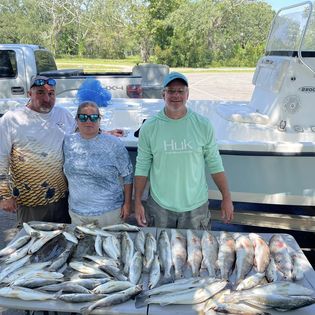
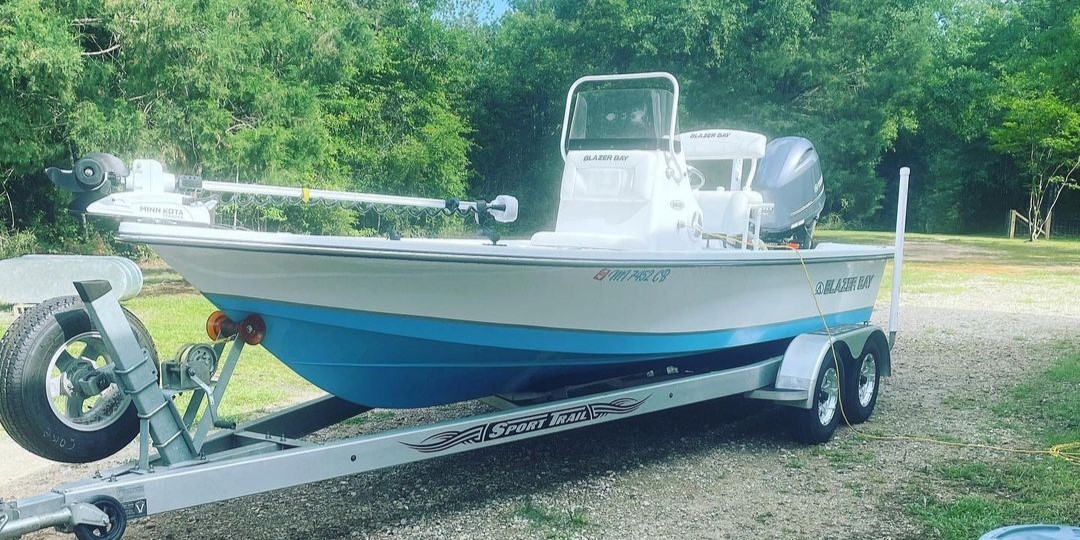
Mississippi's inshore waters offer some of the most consistent fishing action on the Gulf Coast, and that's exactly where we'll spend our day. We launch early and head straight to the productive flats, grass beds, and reef structures where redfish, trout, and flounder call home. The beauty of inshore fishing here is the variety – one minute you're working a shallow oyster bar for reds, the next you're drifting a grass flat for speckled trout. Our boats are rigged specifically for this type of fishing, with shallow drafts that let us get into those back-country spots where the big fish hide. The Mississippi Sound and its network of bays create the perfect nursery habitat, which means steady action throughout the trip. Don't worry about experience level – our guides are patient teachers who love sharing their knowledge, especially when it comes to helping kids land their first fish. The 4-hour window gives us plenty of time to hit multiple spots and adapt to what's biting best that day.
Techniques & Tackle We Use
Inshore fishing in Mississippi requires finesse and local knowledge, which is exactly what you'll get on these trips. We primarily use light tackle – spinning reels spooled with 15-20 pound braid – that gives you the sensitivity to feel those subtle bites while having enough backbone for the fight. Live bait is king out here, and we'll have fresh shrimp, finger mullet, and mud minnows ready to go. For artificial lures, we rely heavily on soft plastics rigged on jig heads, topwater plugs during the right conditions, and suspending baits around structure. The technique varies based on what we're targeting and where we find them. Sight fishing for tailing redfish in skinny water is pure adrenaline, while working live shrimp under popping corks over grass beds is deadly for trout. Around the inshore reefs and structures, we'll bump jigs along the bottom for flounder, drum, and sheepshead. All tackle and bait are included, though you're welcome to bring your own gear if you have favorites. Our guides will teach you the local techniques that work best in these specific waters – knowledge that you'll be able to use for years to come.
Species You'll Want to Hook
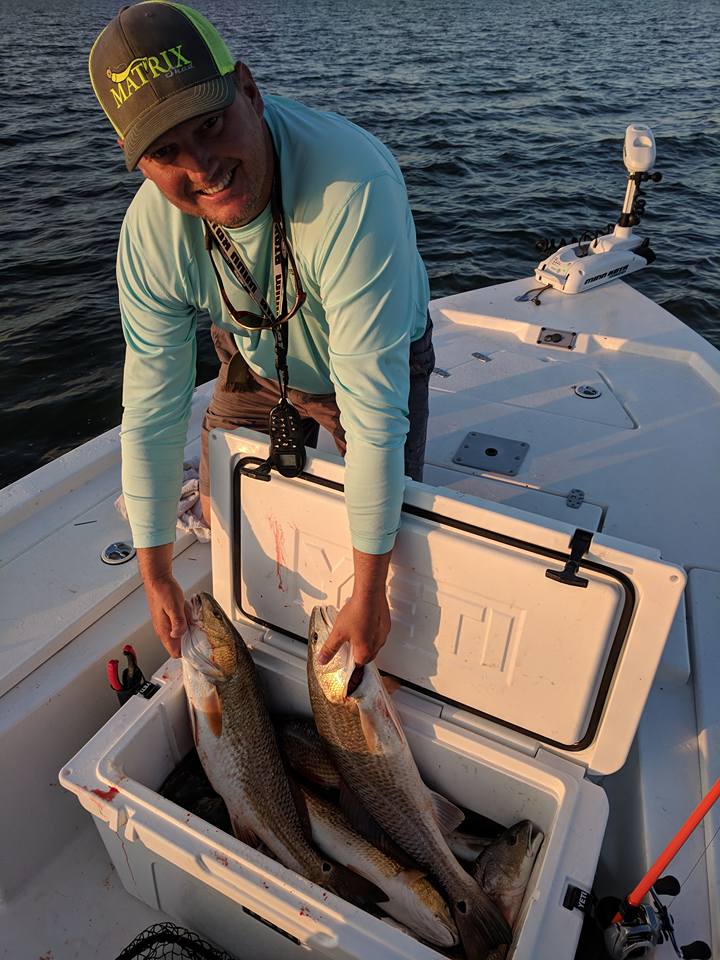
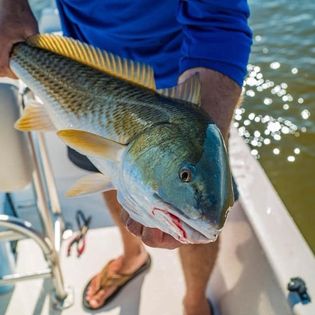
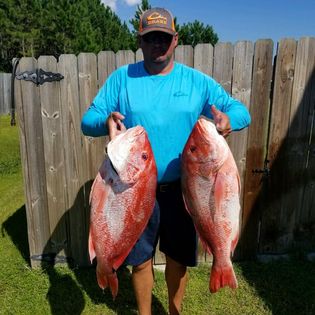
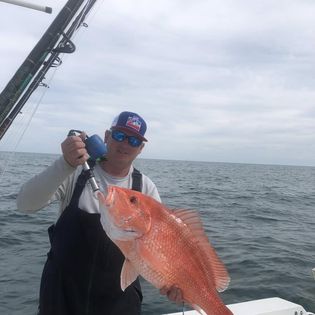
Redfish are the crown jewel of Mississippi inshore fishing, and for good reason. These copper-colored bruisers average 20-28 inches in our waters, with plenty of oversized bull reds mixed in during fall and spring. What makes them special is their aggressive attitude and powerful runs – they'll tear drag and test your skills every time. Peak season runs from April through November, though we catch them year-round. They love shallow oyster bars, grass flats, and marsh edges, often feeding in water so shallow their backs are exposed. The sight of a red's tail breaking the surface as it feeds is something every angler should experience.
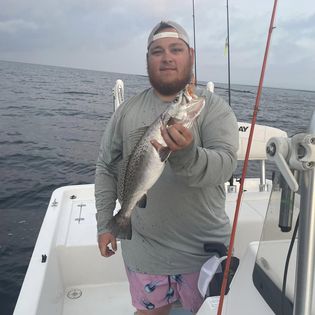
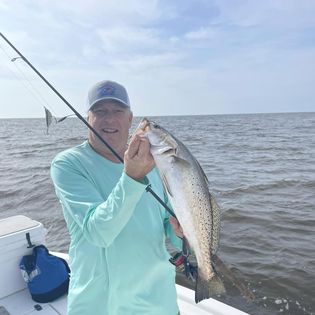
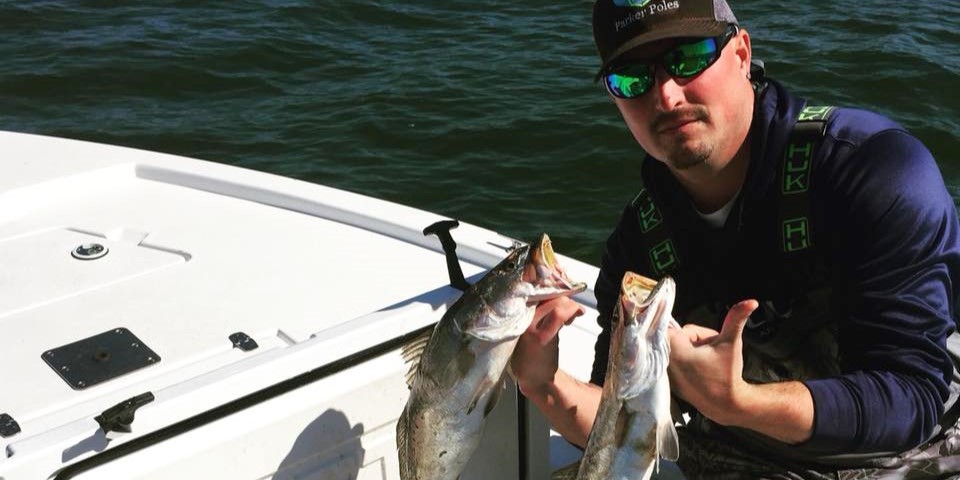
Speckled trout, or "specks" as we call them, are the bread and butter of Mississippi inshore fishing. These beautiful fish average 14-18 inches with some reaching trophy proportions over 20 inches. They're most active during cooler months, from October through March, making them perfect targets when other species slow down. Specks are structure-oriented, holding around grass beds, drop-offs, and shell bottoms. What anglers love most is their willingness to hit both live bait and artificials, plus they're excellent eating. The key is finding the right depth – they'll move shallow early and late, then slide out to deeper grass beds during midday.
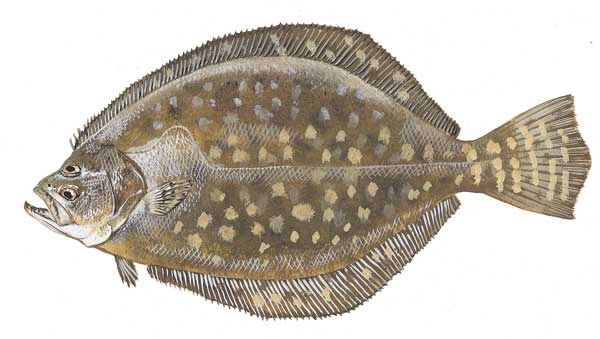
Southern flounder are the ultimate ambush predators, and Mississippi's muddy bottoms and structure provide perfect habitat. These flatfish average 15-20 inches but can reach impressive sizes over 24 inches. Fall is prime time, from September through November, when they're feeding heavily before their offshore spawning migration. Flounder fishing requires patience and technique – they'll often pick up your bait and just sit there, so knowing when to set the hook is crucial. They're masters of camouflage, lying buried in sand or mud near structure, waiting to ambush passing baitfish. Once hooked, they fight surprisingly hard for a flatfish, and they're absolutely delicious on the table.
Black drum might not win beauty contests, but they're fantastic fighters that test your tackle and skills. Mississippi waters hold good numbers ranging from 2-pound juveniles to massive 30-plus pound bulls. The bigger drums are most common in cooler months and around structure like bridges, reefs, and channels. They're bottom feeders with powerful jaws designed for crushing shellfish, so fresh cut crab or shrimp works best. The fight is all about power – they'll use their broad sides and weight to try wearing you down. What makes them special is their size potential; landing a 20-pound drum on light tackle is a memory that lasts forever.
Sheepshead are the technicians of the inshore world, known for their bait-stealing abilities and excellent table fare. These black-and-white striped fish average 12-16 inches but can reach impressive sizes over 20 inches and 5 pounds. They're most active in cooler months, particularly around structure like bridges, docks, and reefs
 Private Trip
 Inshore Fishing
 Jackson


 Four-hour inshore fishing adventure targeting redfish, trout, and flounder