Backcountry Trout (Physically Demanding)
This isn't your typical put-in-and-drift kind of day. We're talking about a legitimate backcountry wade fishing adventure that'll get your heart pumping before you even wet a line. Just 20 minutes from downtown Chattanooga, you'll find yourself on one of Tennessee's most scenic river systems, where the trout fishing is as good as the views are stunning. This is a hike-in trip that demands some sweat equity, but trust me—the payoff is worth every step. Whether you've been fly fishing for decades or you've never held a rod, this one-on-one experience will put you in prime trout water that most anglers never see.
What to Expect on the Water
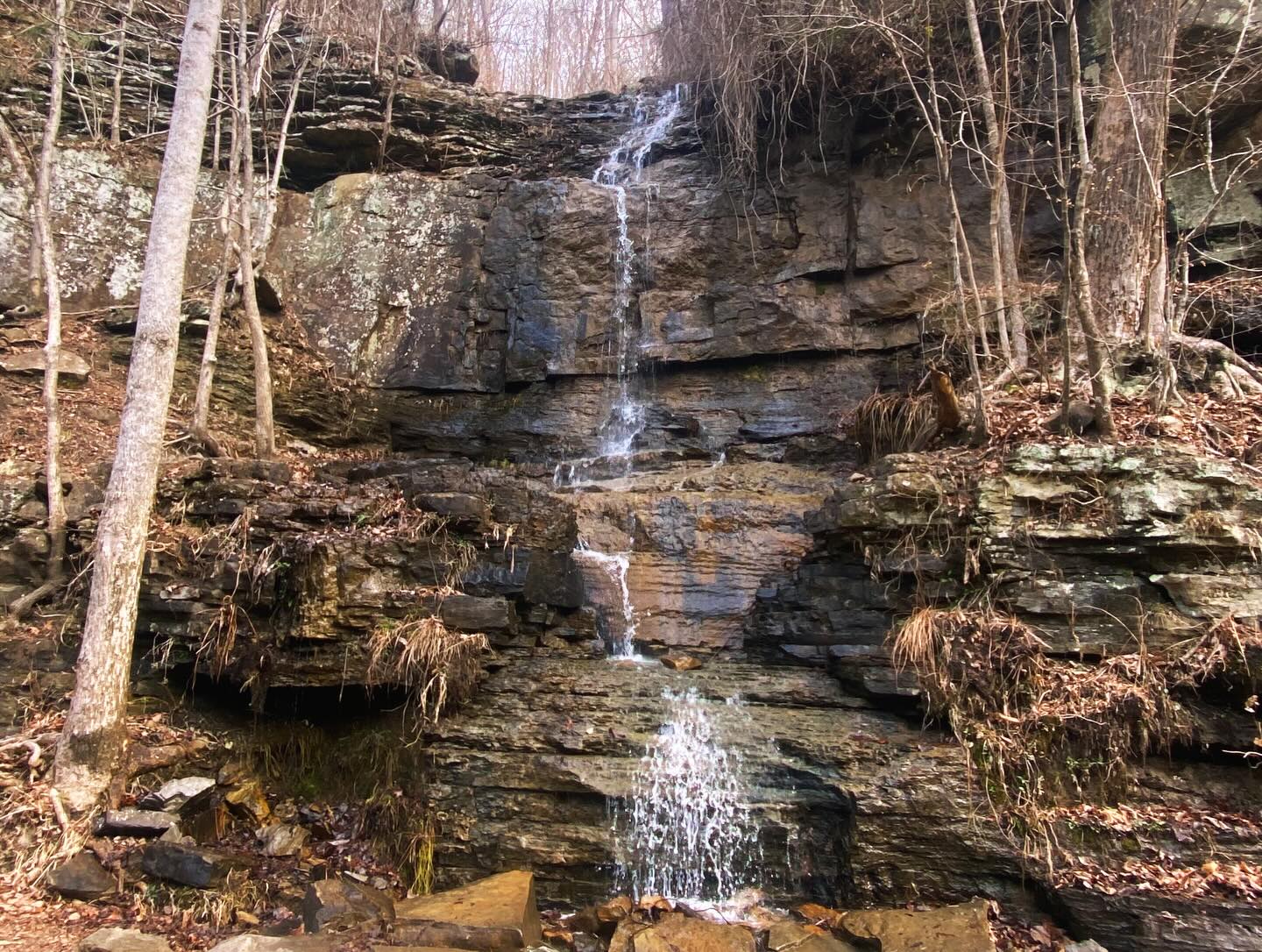
Right off the bat, let's be clear about what "physically demanding" means. We're hiking into backcountry waters, which translates to about a mile of uneven terrain before we reach our fishing spots. You'll be navigating rocky trails, creek crossings, and some steep sections—nothing extreme, but you'll definitely feel it in your legs. The reward? Pristine pools and runs that hold healthy populations of rainbow trout and smallmouth bass, far from the crowds that hit the easily accessible stretches. This is seasonal fishing at its finest, timed perfectly with hatches and water conditions that make these fish active and aggressive. The river system we're hitting is fed by cold mountain springs, creating the ideal habitat for trout year-round. You'll be wade fishing in water that's crystal clear, letting you sight fish to individual trout when conditions are right. The scenery alone is worth the hike—think towering bluffs, dense canopy cover, and the kind of solitude that makes you forget you're just minutes from a major city.
Fly Fishing Techniques
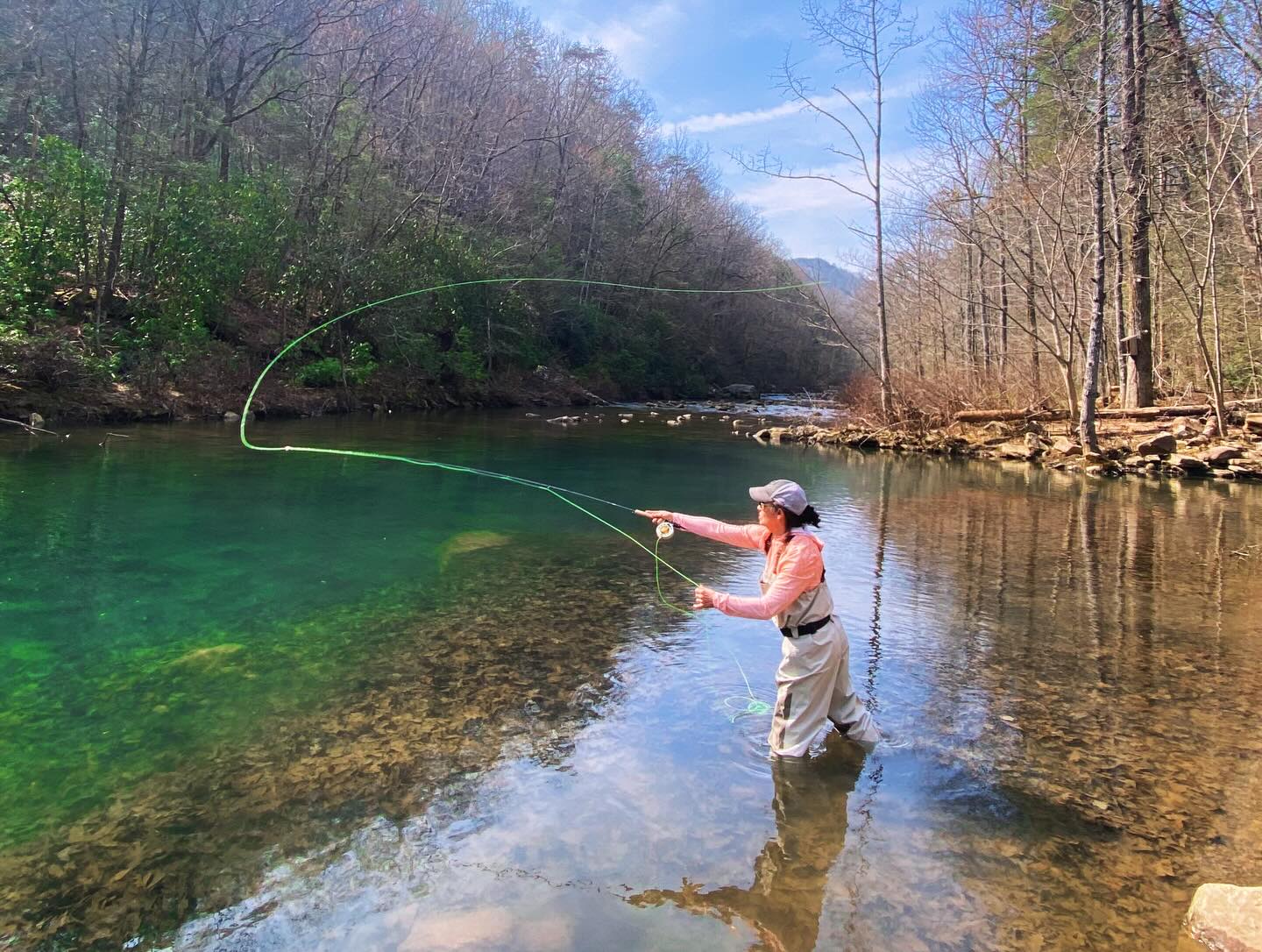
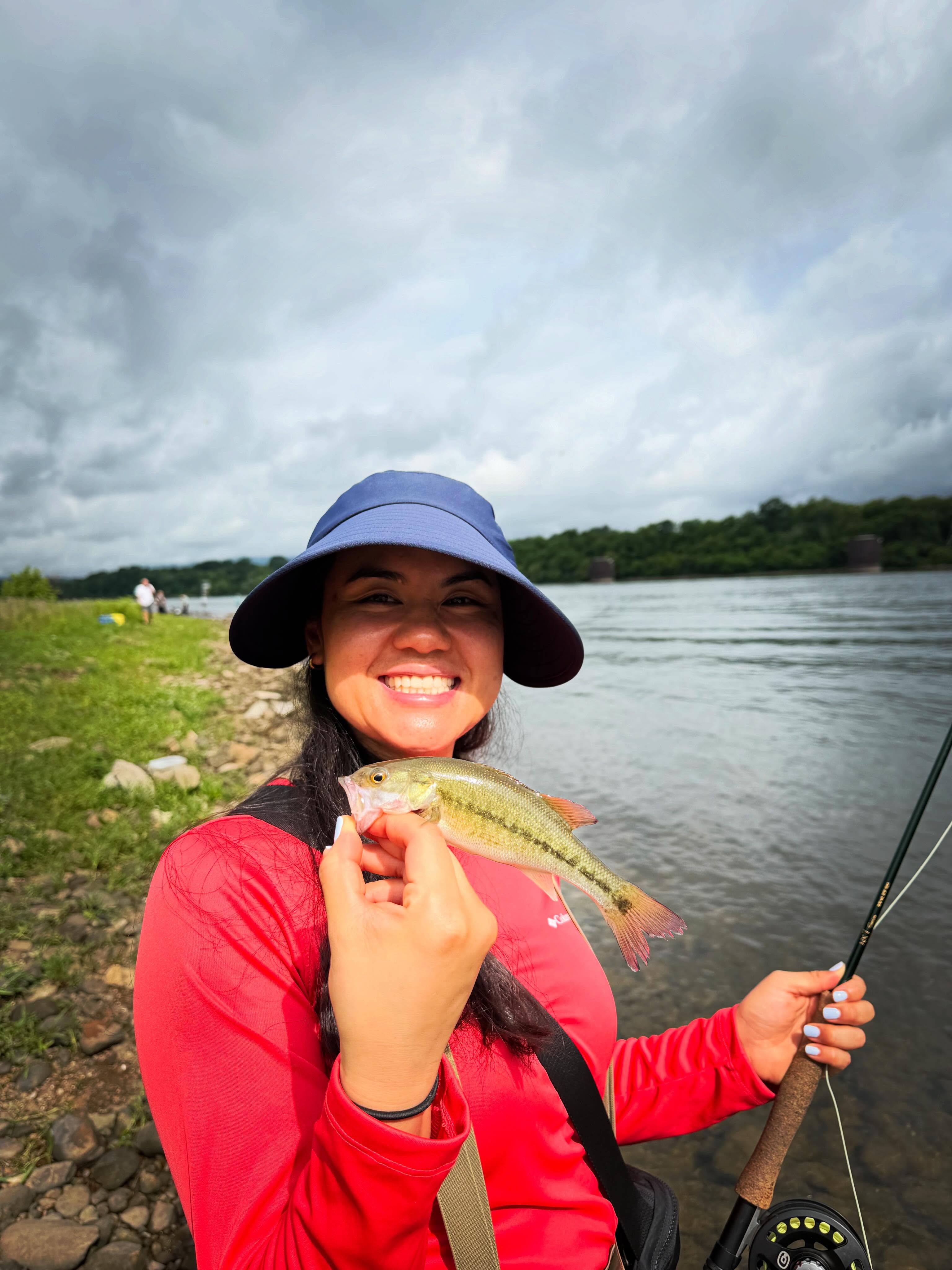
We're focusing on classic Appalachian trout techniques that work best in these mountain streams. Depending on the season and conditions, we'll be working everything from dry flies during evening hatches to weighted nymphs in the deeper pools. I'll set you up with the right rod weight—typically a 4 or 5-weight that's perfect for these waters—and we'll match the flies to whatever the fish are feeding on that day. If you're new to fly fishing, don't sweat it. We'll start with the fundamentals: basic casting, reading the water, and understanding how trout behave in different types of current. For experienced anglers, we can dive into more advanced presentations like high-sticking in pocket water or working terrestrial patterns along undercut banks. The gear is all provided, from waders and boots to flies and tippet. I'll have backup rods rigged and ready, so if you lose a fly or need to switch techniques quickly, we're not wasting fishing time. These streams require stealth and precision—trout in clear water are spooky, so we'll talk about approach angles and how to move through the water without sending every fish in the pool running for cover.
Customer Stories
"I had an amazing time with Chattanooga Fly Fish! We went trout fishing and got to try it for the first time—it was such a fun and memorable experience. I'd definitely love to do it again sometime!" - Sean
"We had a great time trout fishing with Brian! Really excellent guide and teacher. Highly recommend." - Laura
"Brian was an excellent guide! We would 100% book with him again. He put us on fish all day long." - Amelia
Species You'll Want to Hook
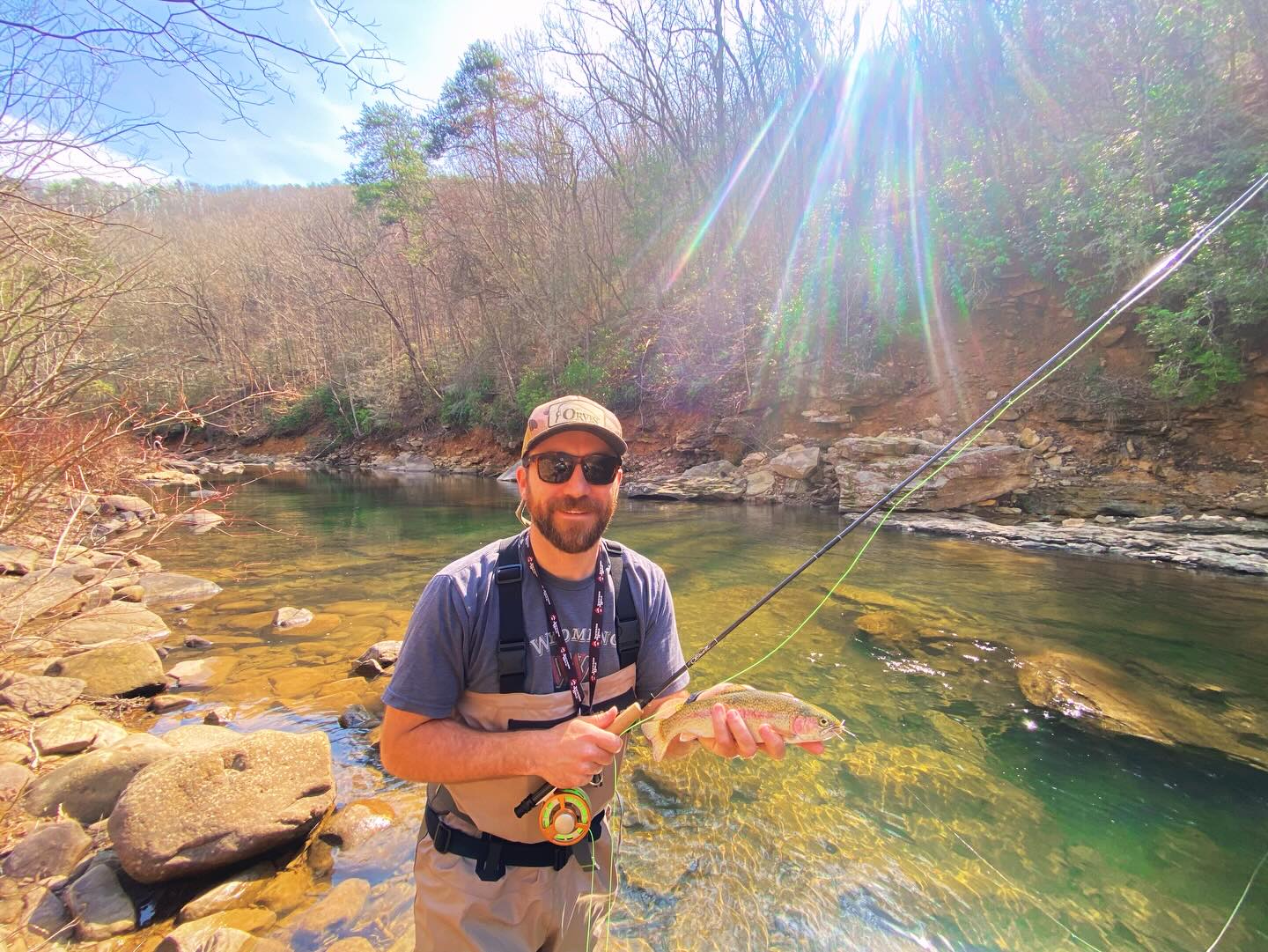
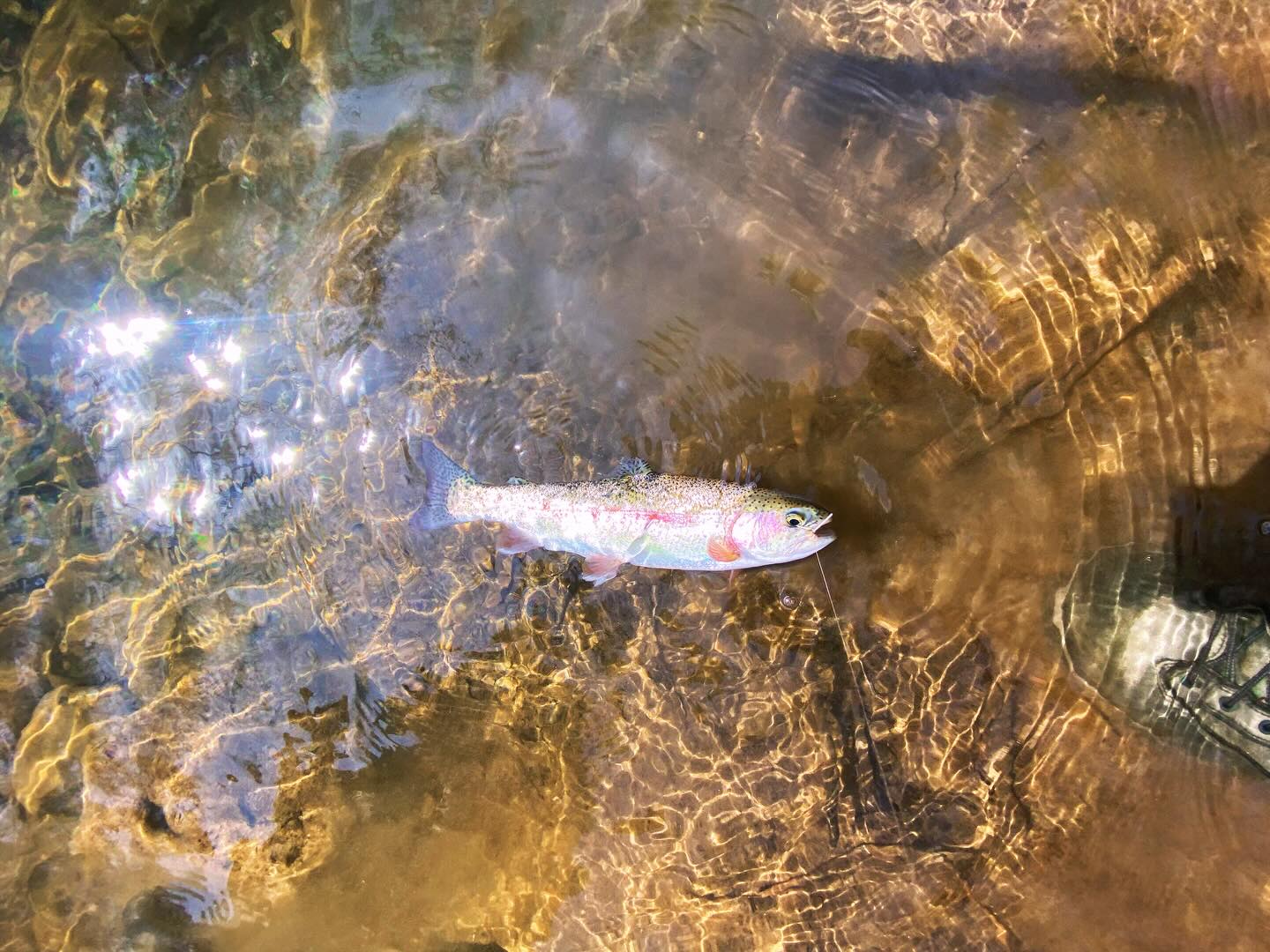
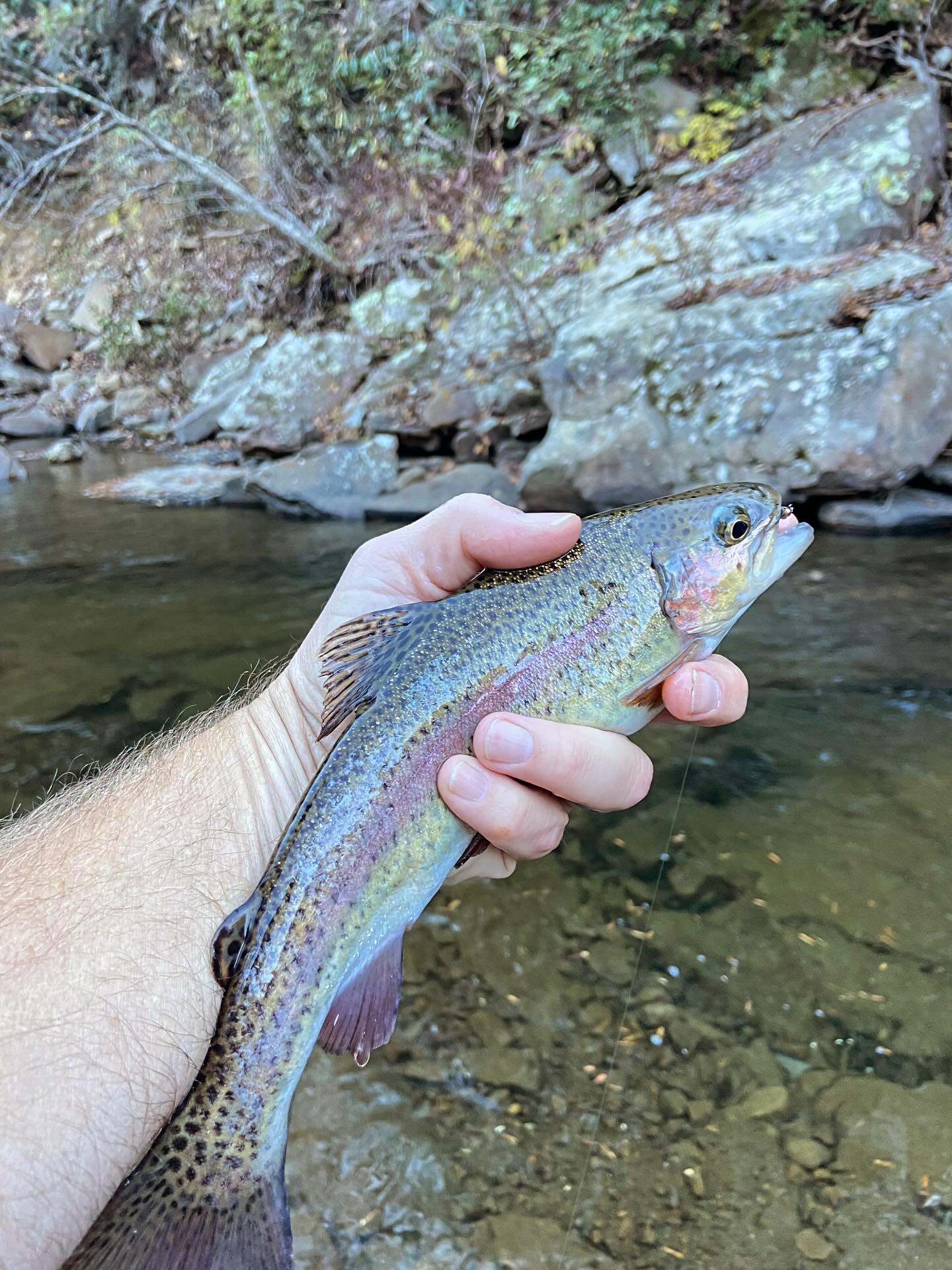
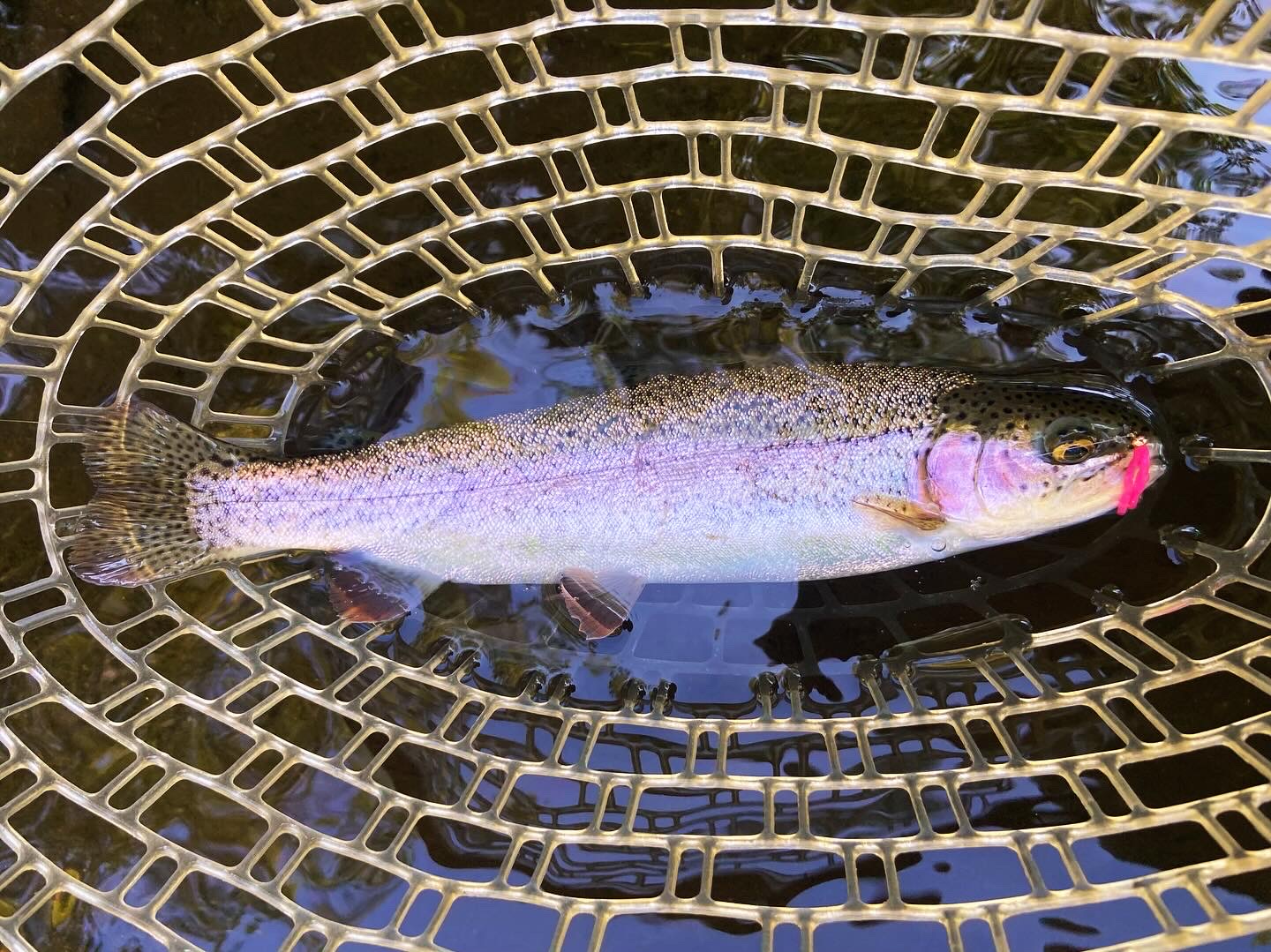
Rainbow trout are the stars of this show, and these aren't your typical stocked fish. The rainbows in this system are stream-bred and wild, with that classic pink stripe and the fight that'll make your drag sing. They typically run 10 to 14 inches, with some larger specimens pushing 16 inches in the deeper pools. Spring and fall are prime time for rainbows here—they're most active when water temperatures are in that sweet spot between 55 and 65 degrees. What makes catching them so rewarding is their wariness. These fish have seen pressure, so when you fool one with a well-presented fly, you've earned it. They're opportunistic feeders, taking everything from mayfly nymphs to terrestrials like ants and beetles that drop from the overhanging trees. The takes can be subtle or explosive—sometimes you'll see a gentle sip at your dry fly, other times they'll crush it and immediately head for the nearest log jam.
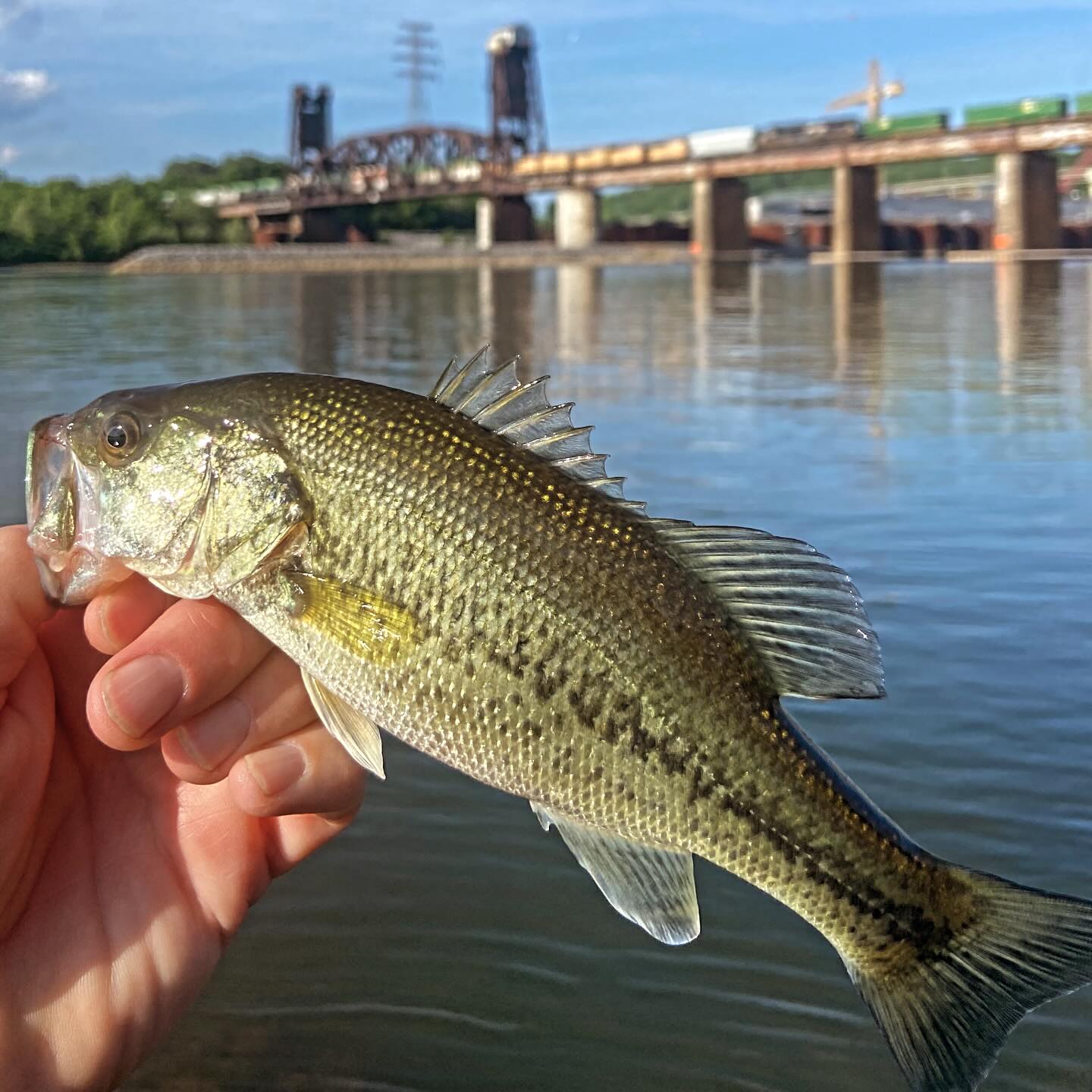
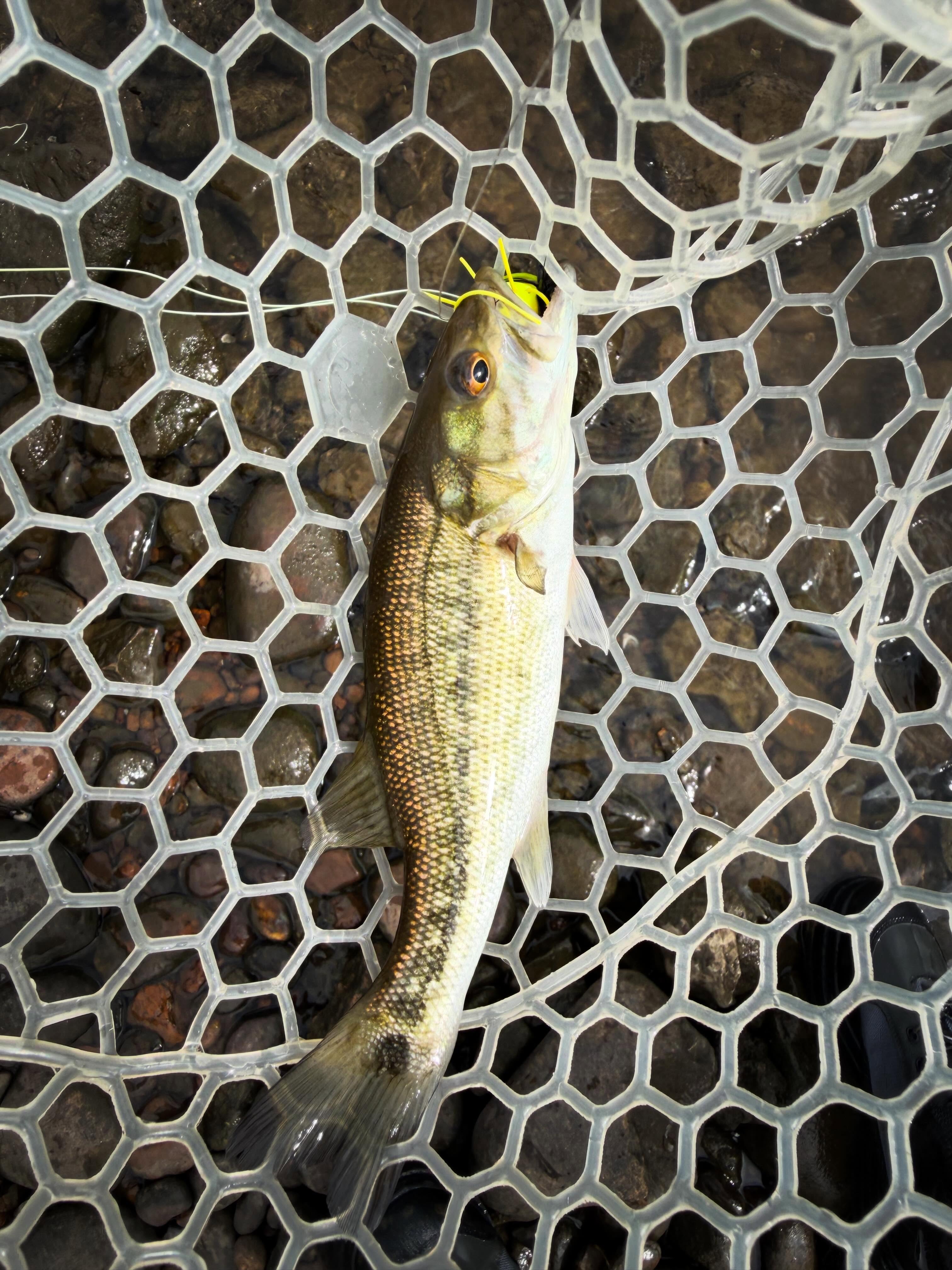
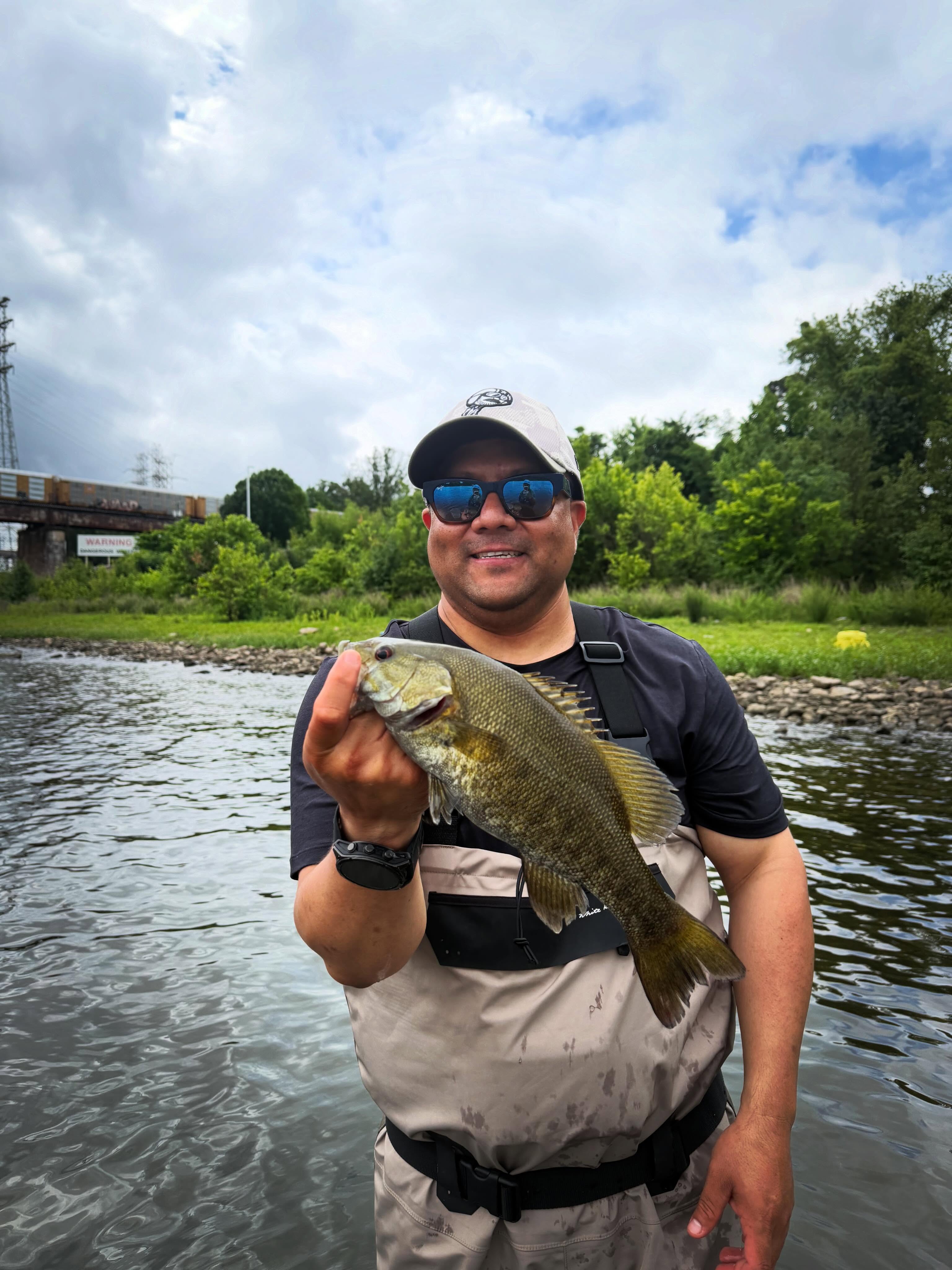
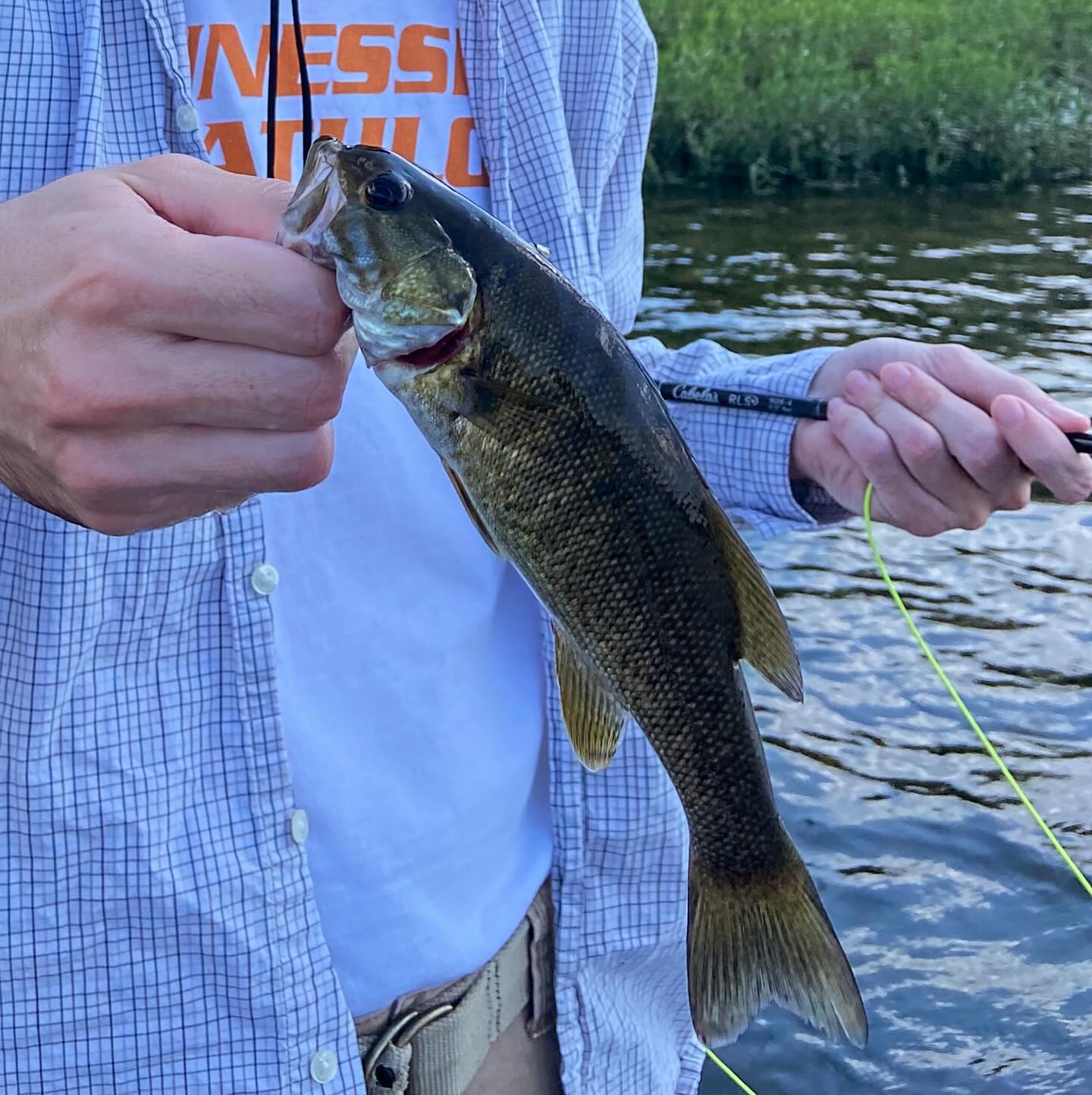
Smallmouth bass add a different dimension to this fishery, especially in the warmer months. These aren't huge fish—most run 12 to 15 inches—but pound for pound, smallmouth are some of the hardest fighting fish you'll encounter in freshwater. They love the rocky structure and current breaks that define this river system, ambushing prey from behind boulders and in the slack water below rapids. Late spring through early fall is when they're most aggressive, and they'll hit streamers with authority. Crayfish patterns and olive woolly buggers are consistently productive, but don't be surprised if they take a trout fly intended for something else entirely. What's exciting about targeting smallmouth in this setting is the variety—you might be working a nymph rig for trout and suddenly have a smallmouth hammer your point fly. They jump, they run, and they use the current to their advantage, making every hookup a test of your tackle and technique.
Time to Book Your Spot
This backcountry trout experience is exactly what serious anglers are looking for—access to quality fish in pristine water, away from the crowds and close to downtown Chattanooga. The one-on-one format means you get personalized instruction and the flexibility to fish at your own pace. Whether you're looking to learn fly fishing fundamentals or fine-tune advanced techniques, this trip delivers. The seasonal nature of this fishery means we're only running these trips when conditions are optimal, so spots fill up
 5.0(3 Reviews)
 Private Trip
 Backcountry Fishing
 Chattanooga

 Seasonal trout fishing on scenic river system near Chattanooga