Full Day Cedar Key Inshore Fishing Adventure
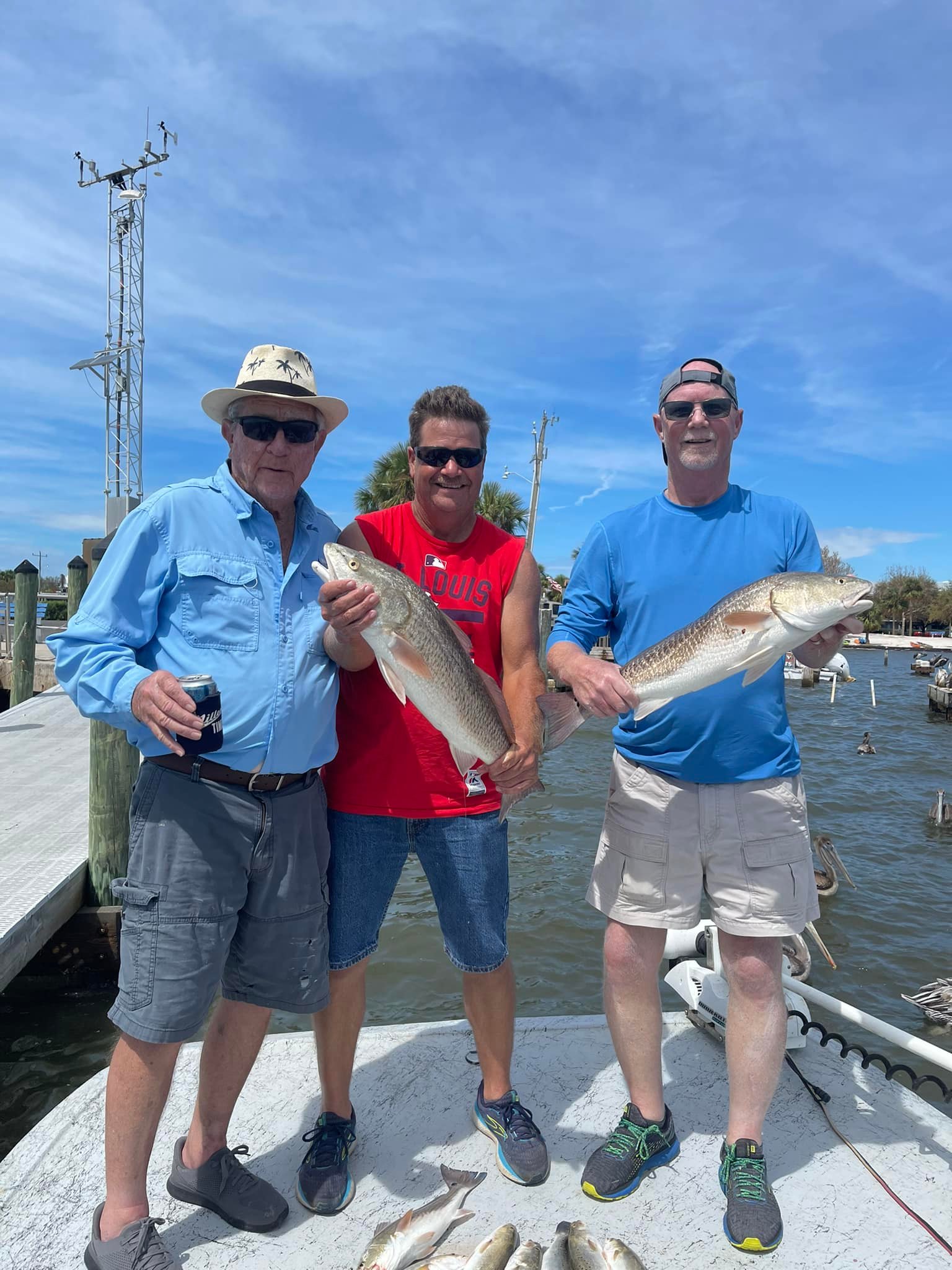
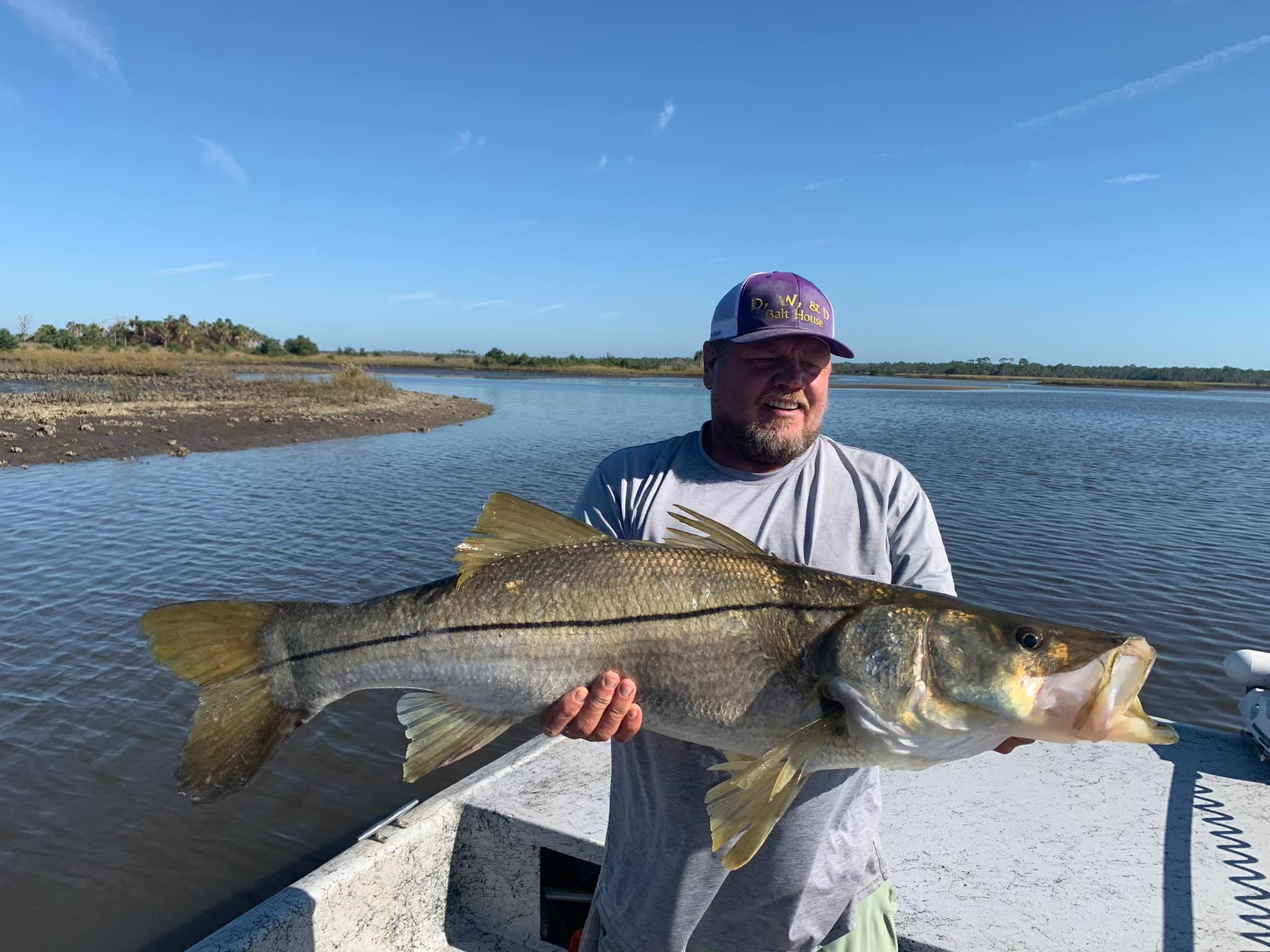
When you're serious about putting fish in the boat, Captain Chad's full-day inshore trip is exactly what you need. Eight solid hours on Cedar Key's legendary flats and backcountry waters means you'll have time to work multiple spots, chase different species, and really dial in what's biting. This isn't a rushed half-day where you barely get your bearings – we're talking about a proper fishing day where you can settle into the rhythm and make it count. Cedar Key's maze of oyster bars, grass flats, and deep cuts holds some of Florida's best redfish, speckled trout, cobia, and black drum, and with a full day, we'll find them.
What to Expect on the Water
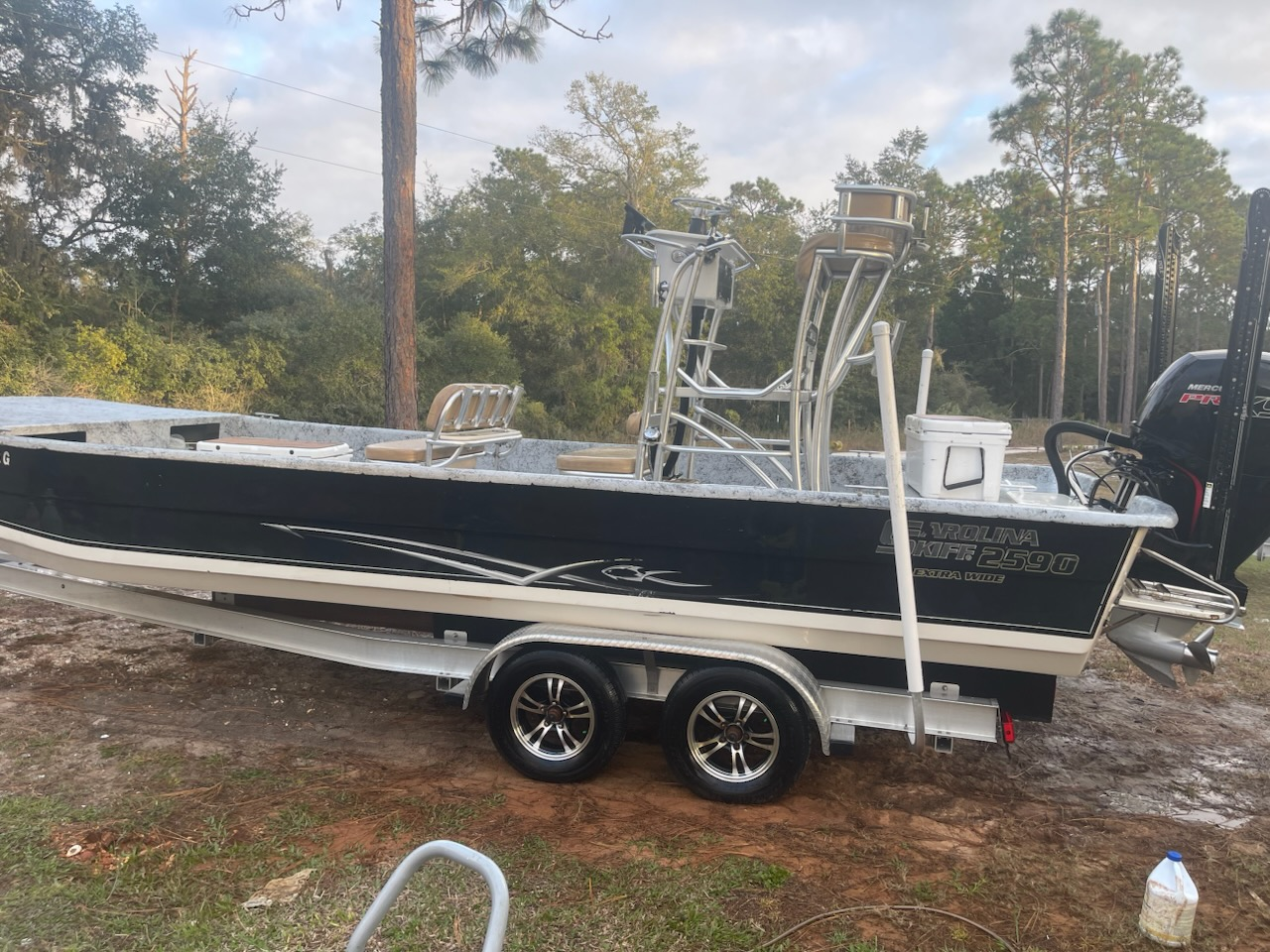
Your day starts early, which is exactly how it should be. The best bite often happens in those first few hours when the water's still cool and the fish are actively feeding. Captain Chad knows these waters like the back of his hand – every oyster bar, every grass bed, every drop-off where fish like to hang out. You'll fish a variety of spots throughout the day, moving when the action slows and staying put when it's hot. The boat's rigged with everything you need: quality rods and reels, fresh bait, a full tackle selection, and all the licenses sorted out. Just bring your drinks, some snacks to keep you going, and good sun protection because eight hours under the Florida sun is no joke. The trip covers up to two anglers, but you can bring up to four more friends at $100 each – max of six total, which makes for a fun crew without overcrowding the boat.
Techniques & Tackle Setup
Inshore fishing around Cedar Key means adapting to what the conditions and fish are telling you. We'll be throwing live bait around structure, working artificial lures over grass flats, and sight-fishing when the water's clear and the fish are showing themselves. Captain Chad runs medium-action spinning gear that's perfect for the 15-30 inch fish we're targeting, but strong enough to handle that occasional big cobia or oversized drum. You'll learn to read the water – watching for nervous bait, bird activity, and those telltale signs that predators are working an area. The beauty of an eight-hour trip is having time to try different approaches. If the topwater bite dies down, we switch to bottom fishing. If the flats go quiet, we move to deeper structure. This isn't about rushing through spots; it's about fishing smart and staying on the fish.
Species You'll Want to Hook
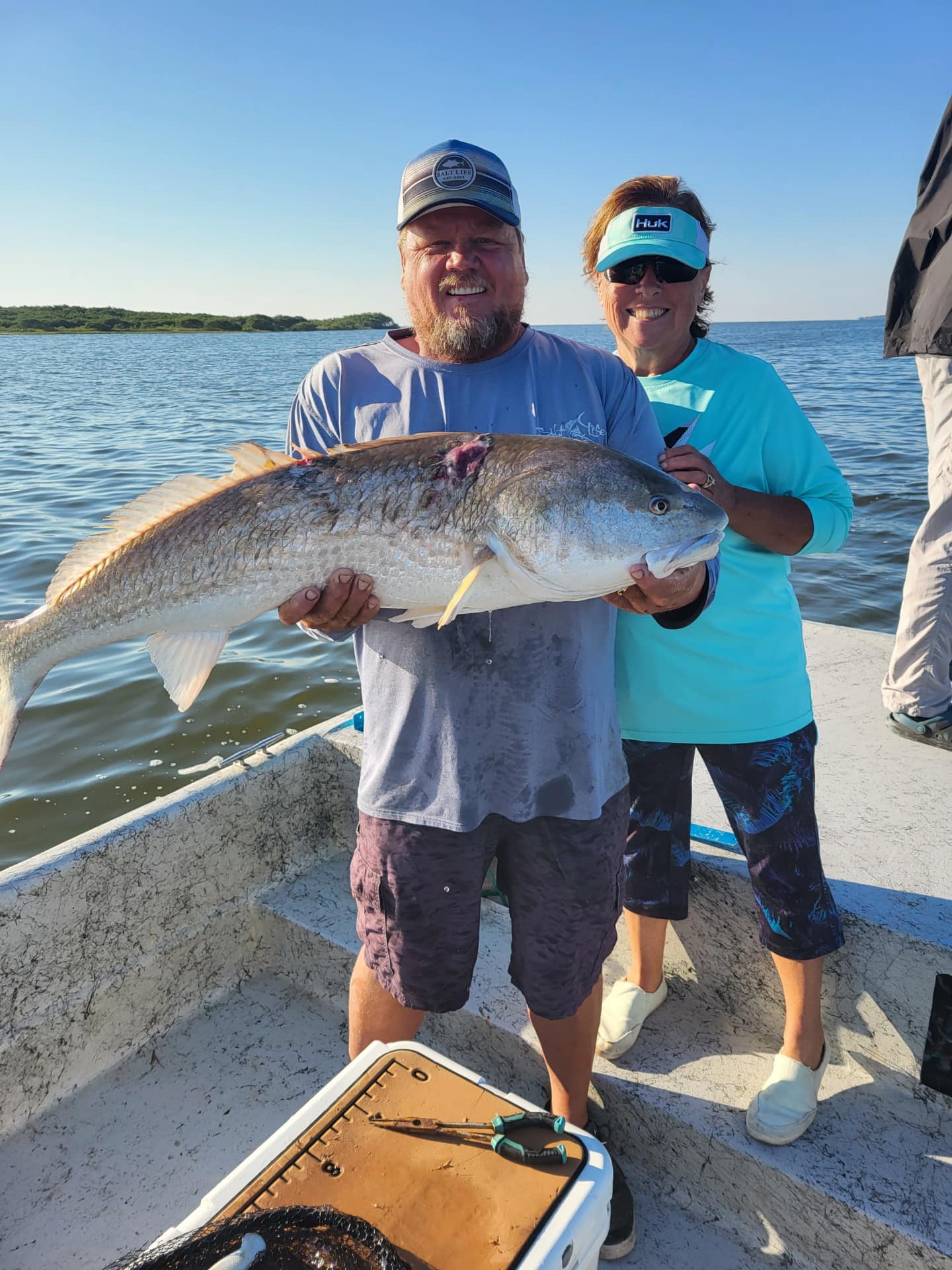
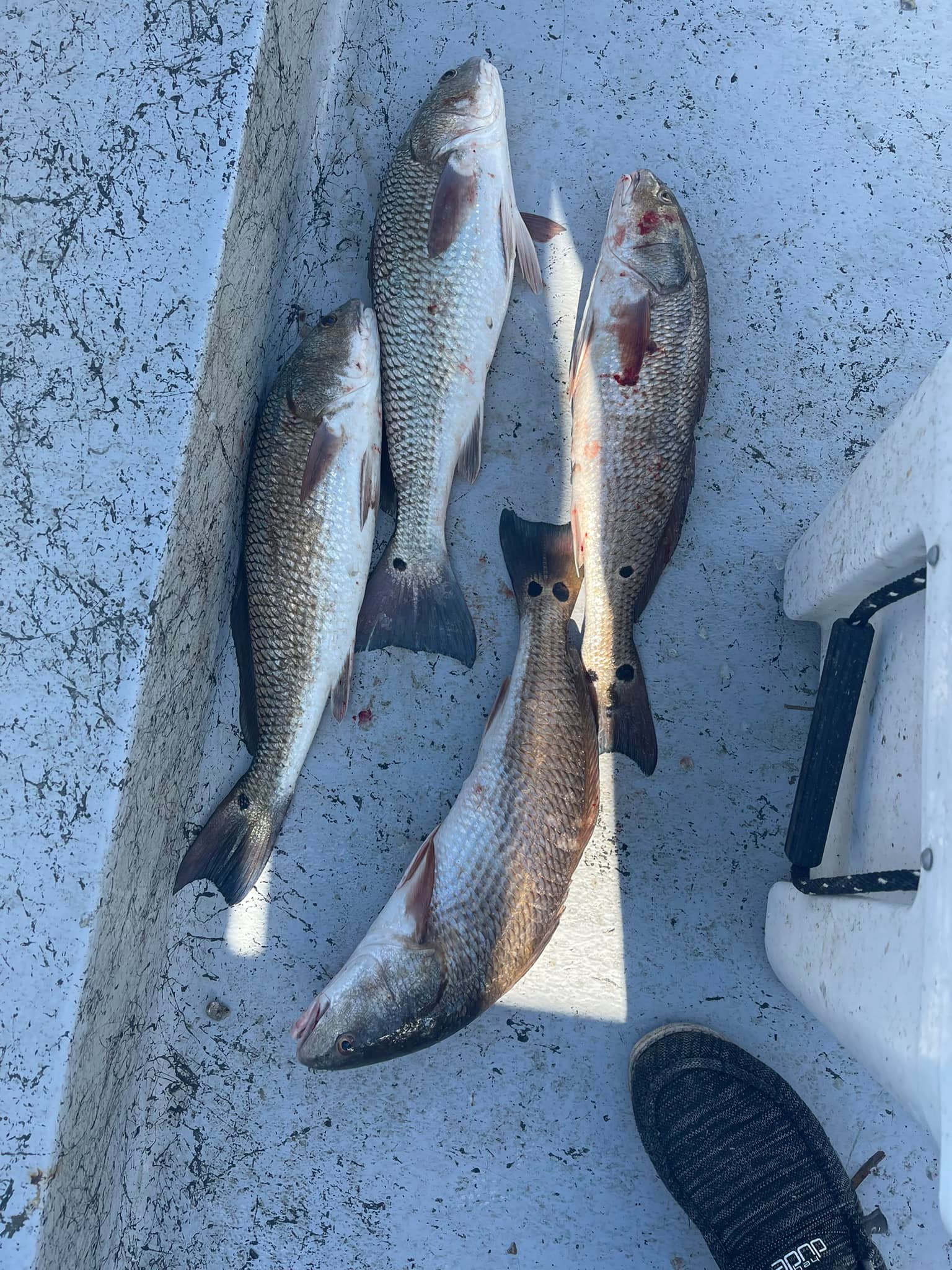
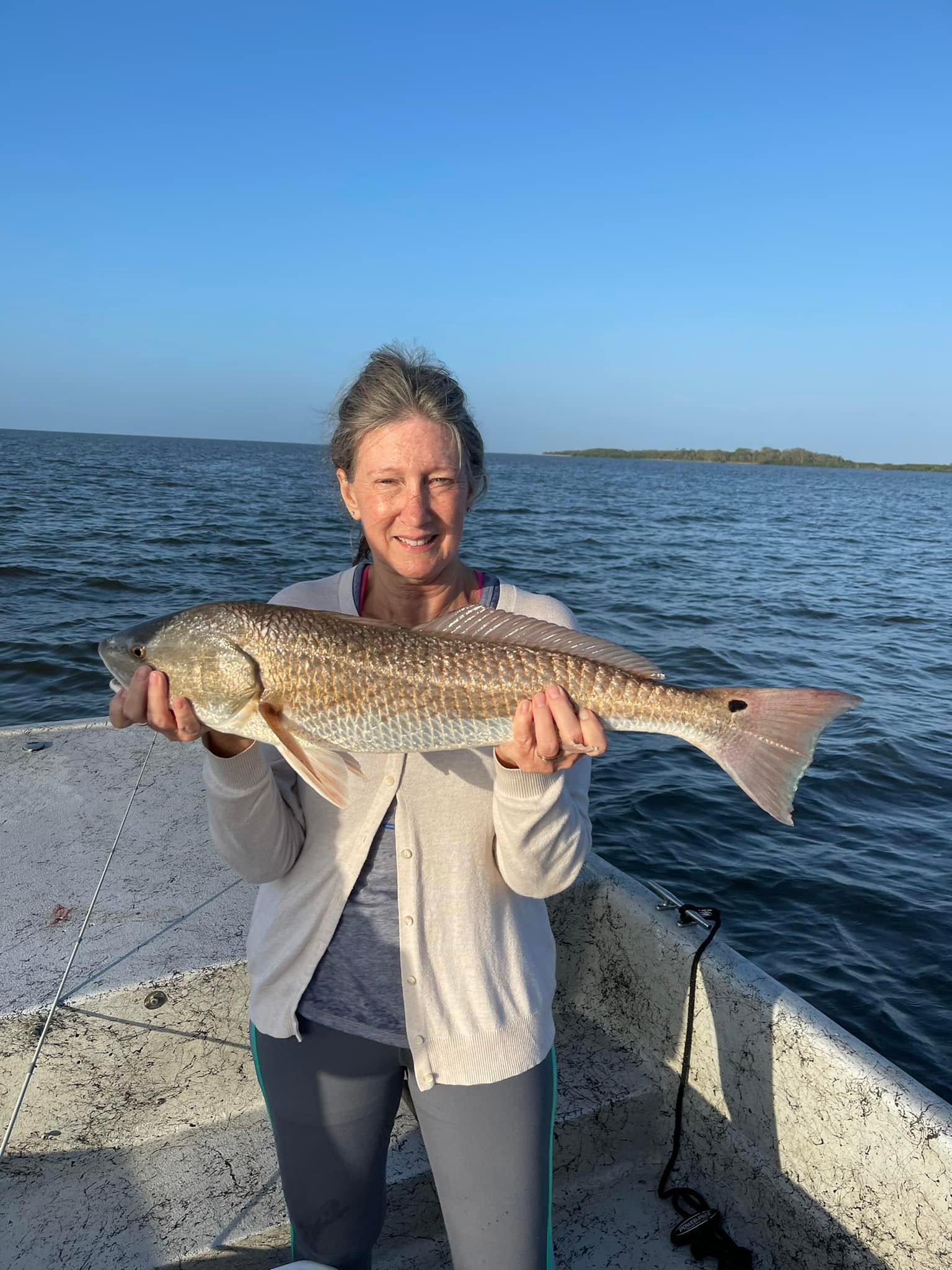
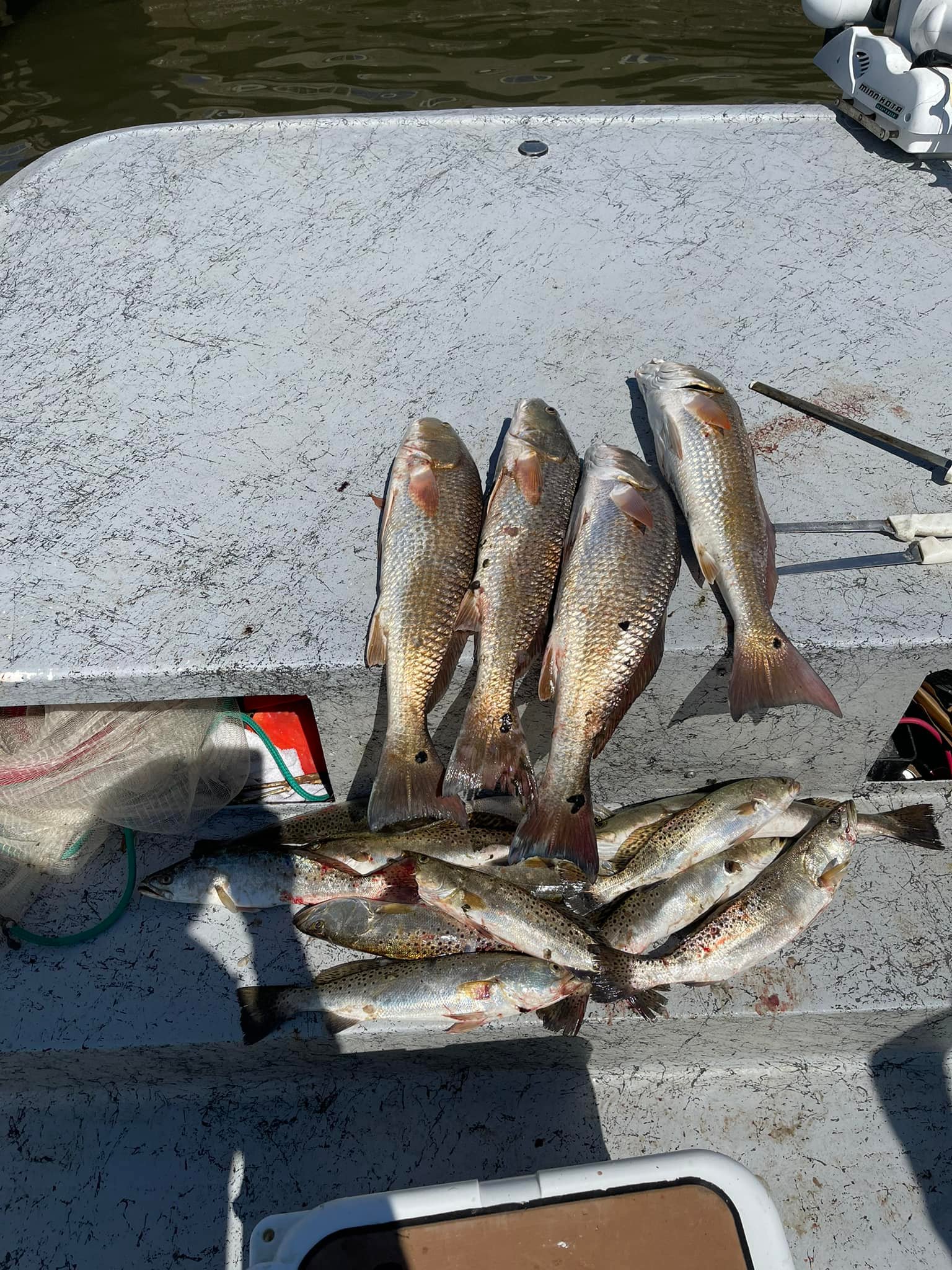
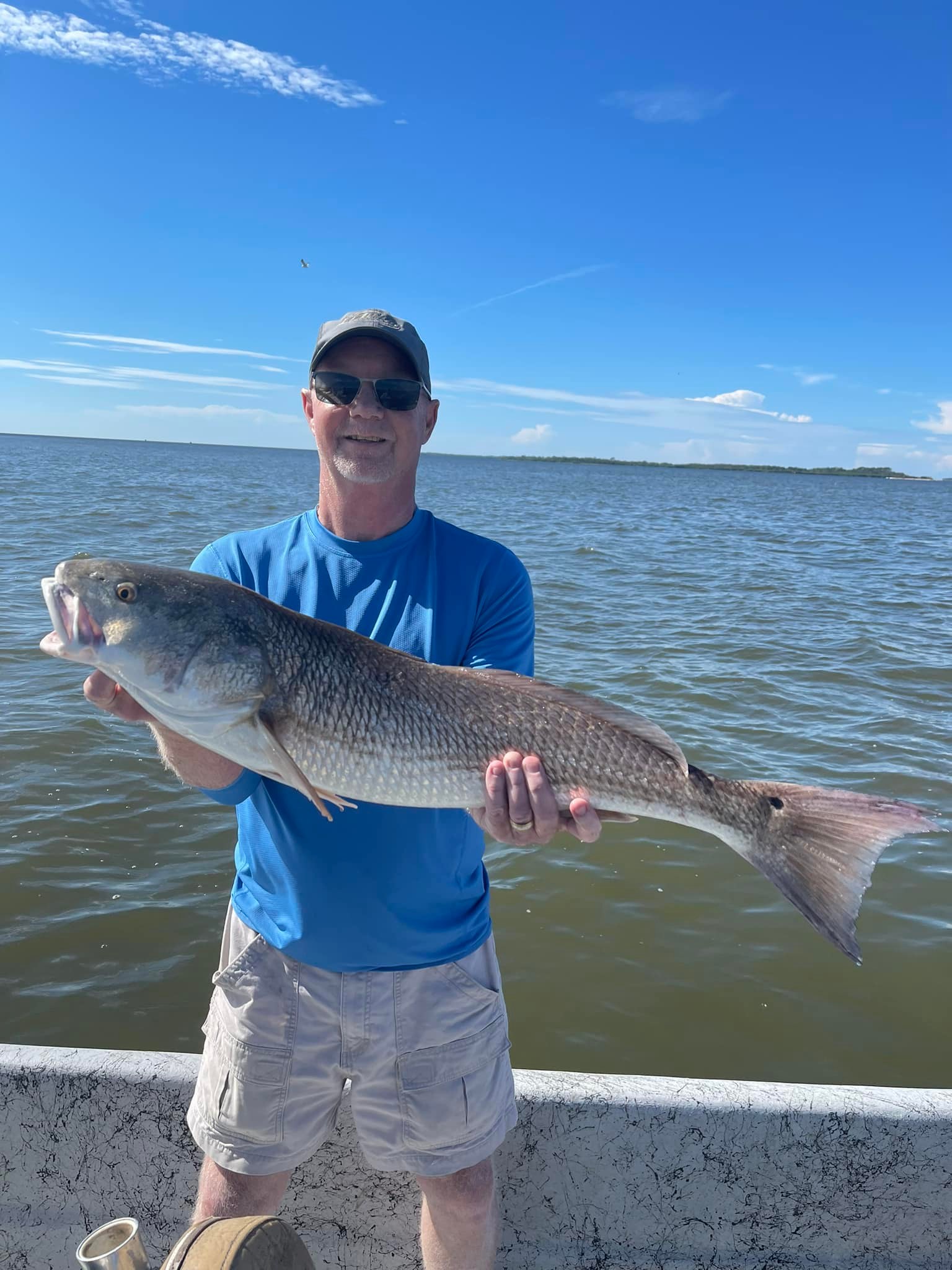
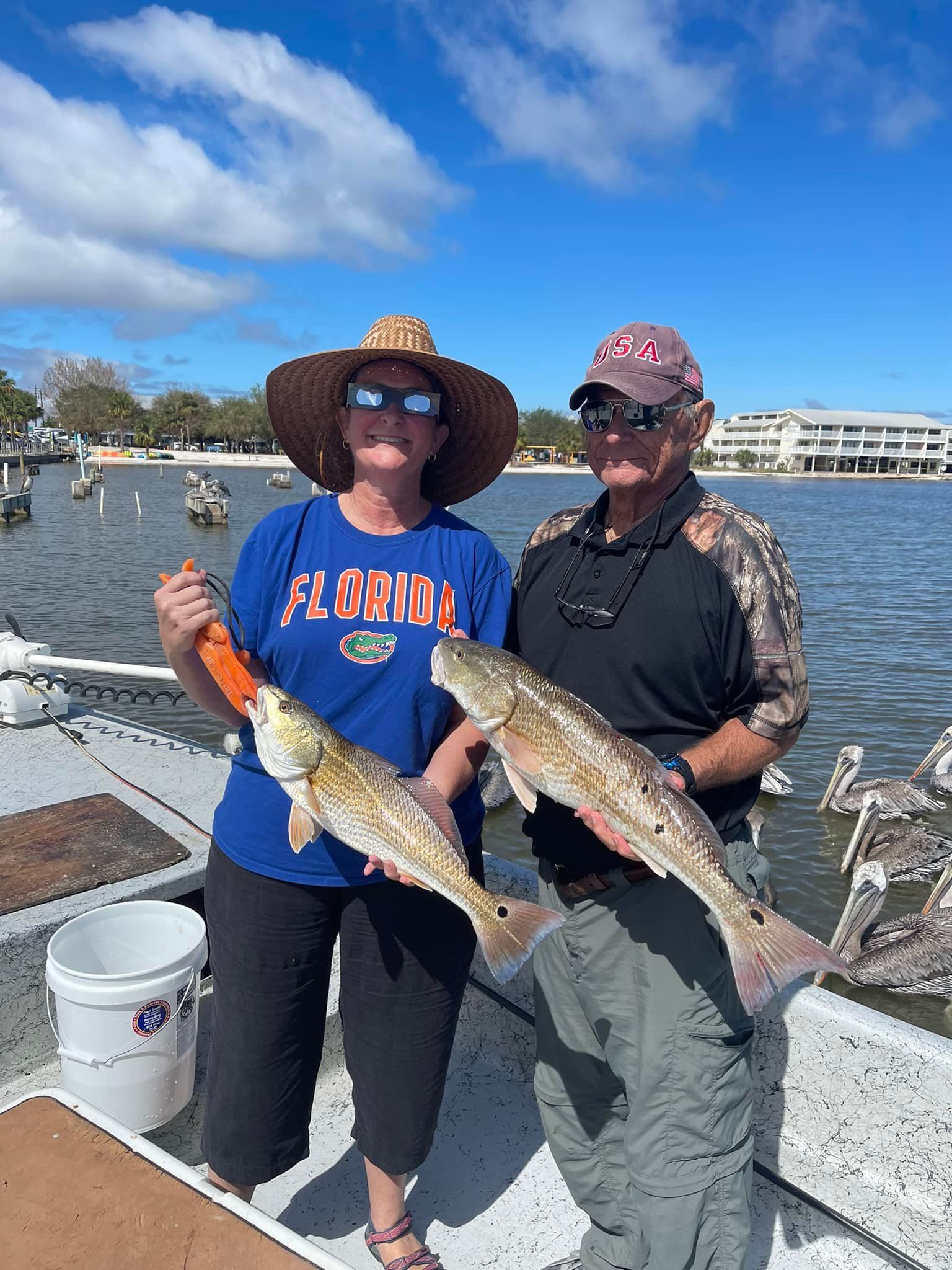
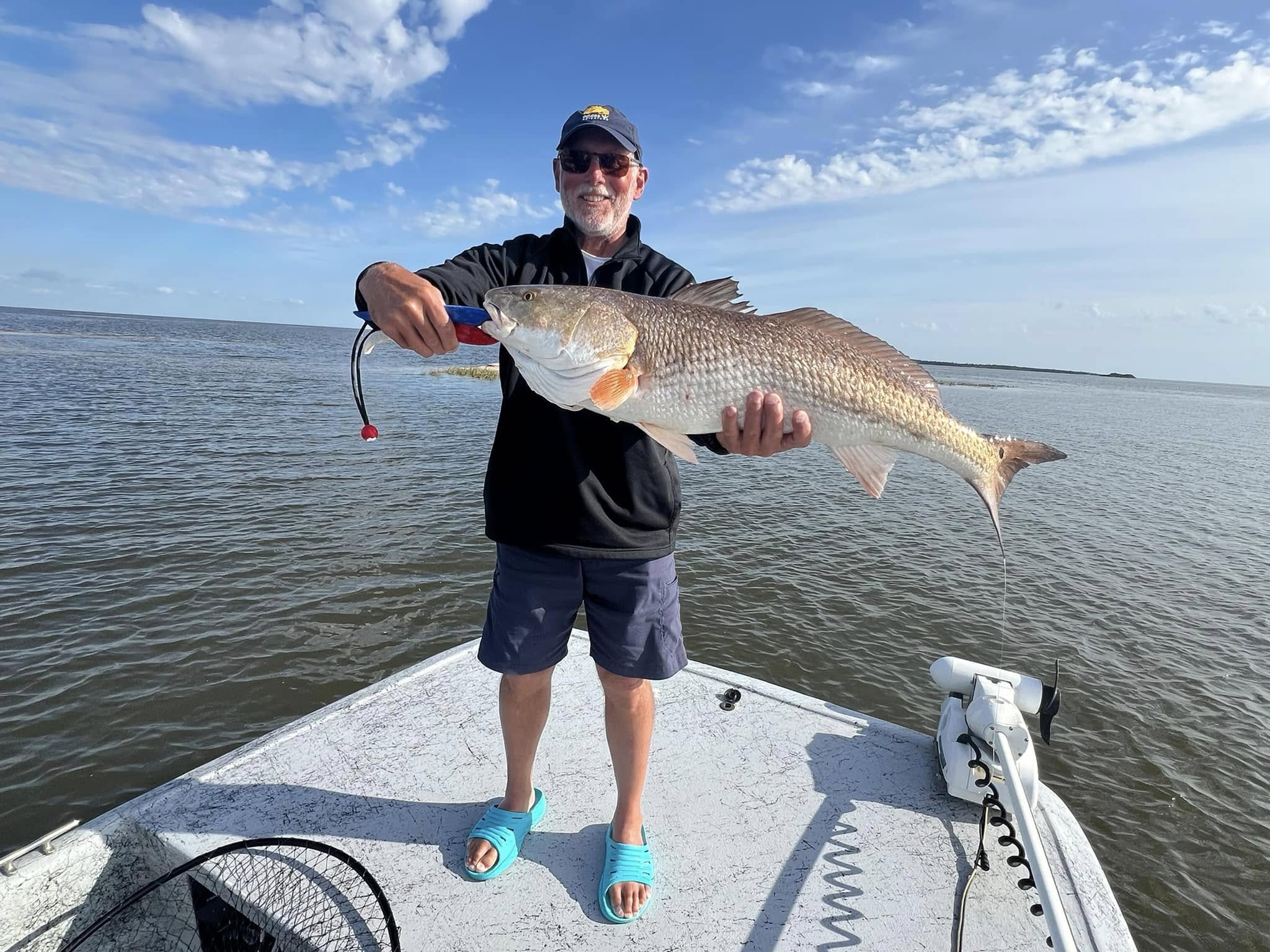
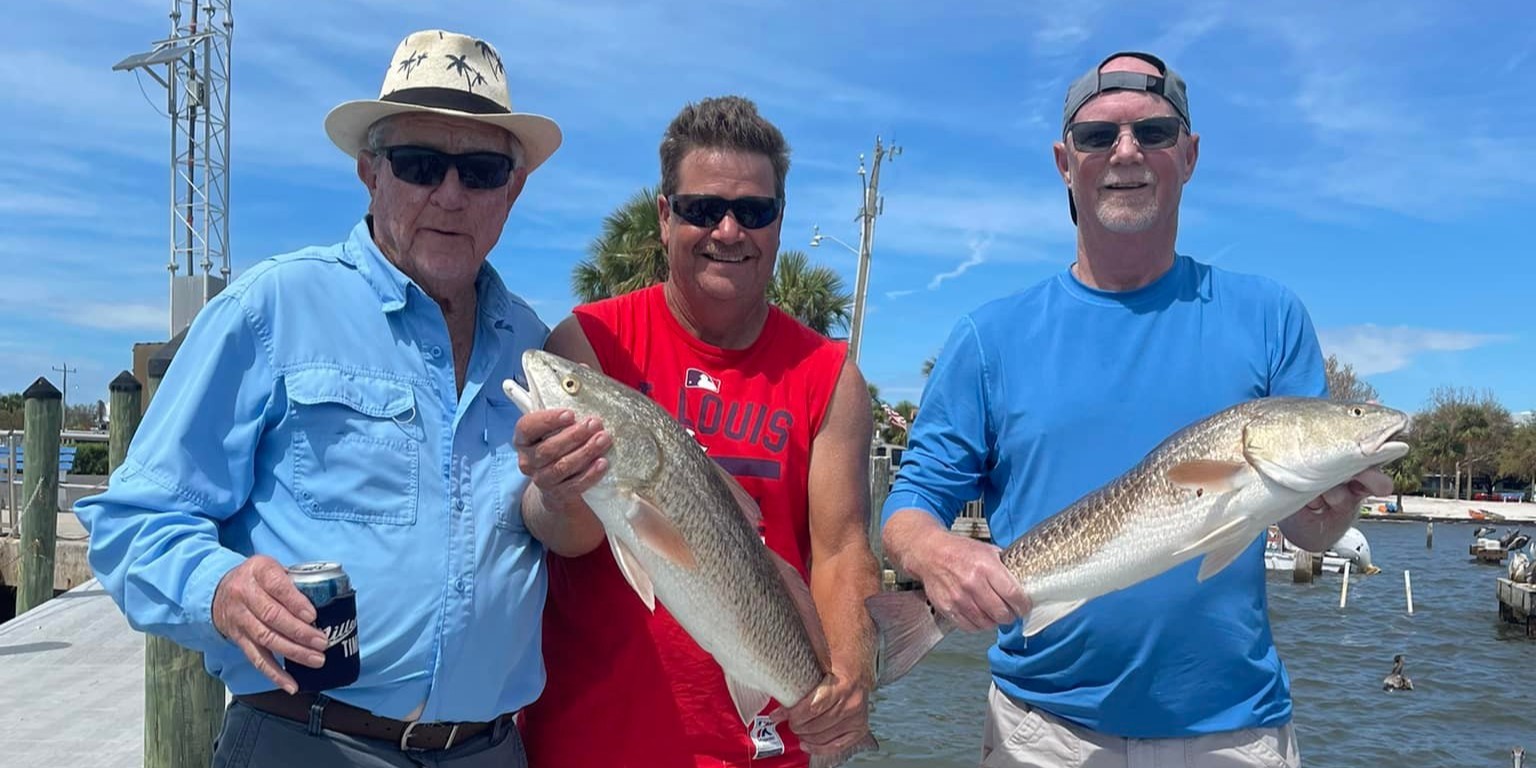
Redfish are the bread and butter of Cedar Key inshore fishing, and for good reason. These copper-colored bruisers love the shallow flats and oyster bars around here, especially during the warmer months from spring through fall. A typical Cedar Key red runs 20-27 inches and fights like it's twice that size, peeling drag and making long runs through the shallows. What makes reds so special is how they feed – you'll often see their backs and tails breaking the surface as they root around for crabs and shrimp. When you hook into a good red on light tackle, that first run will get your heart pumping every single time.
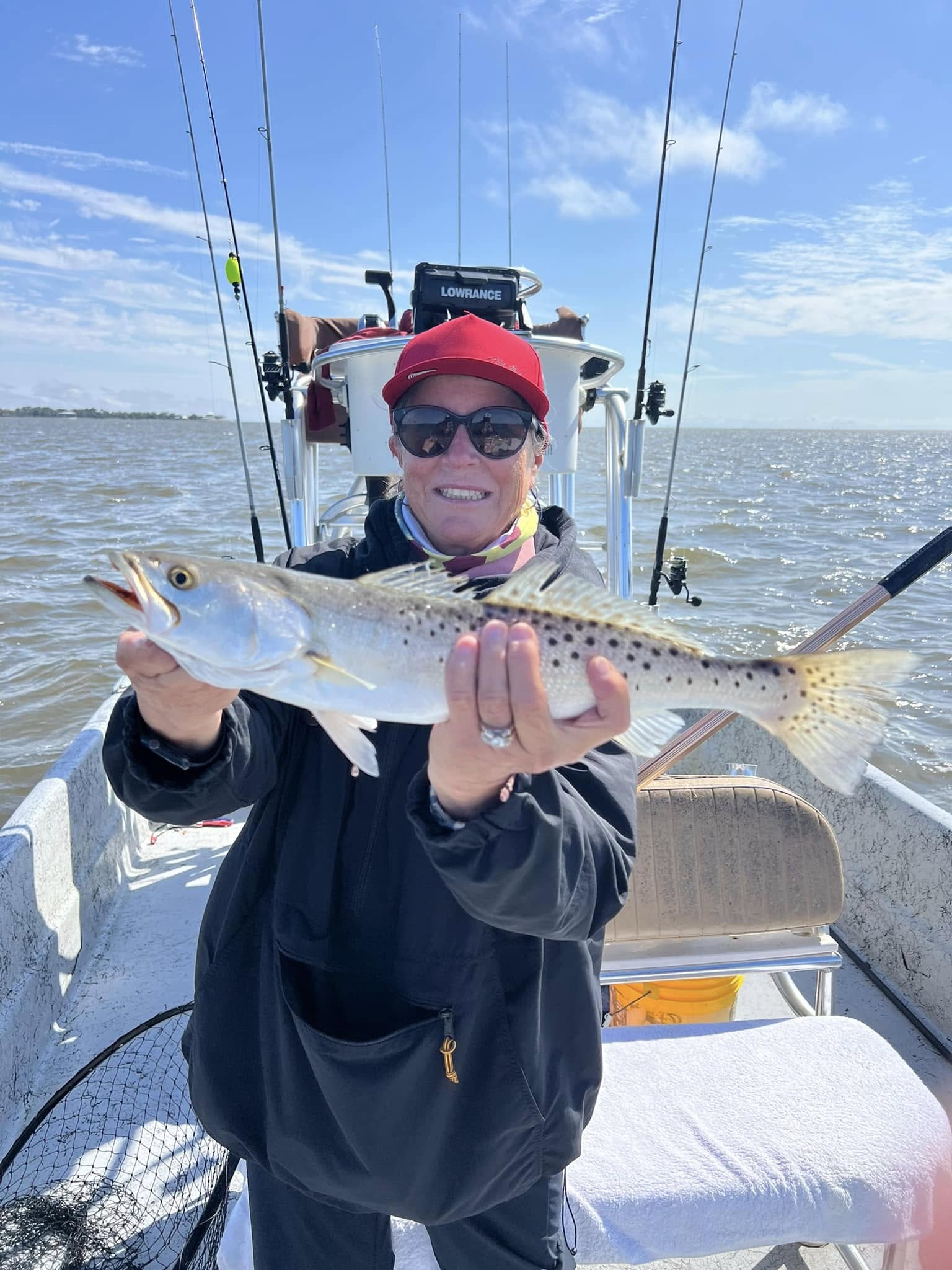
Speckled trout are the other staple that keeps anglers coming back to these waters. These beautiful fish with their distinctive black spots love the grass flats and can be incredibly finicky or absolutely aggressive depending on the day. Most specks here run 14-20 inches, with the occasional gator trout pushing 24-26 inches. They're structure-oriented fish that like to ambush prey, so we'll work the edges of grass beds, around downed trees, and over sandy potholes. Spring and fall are prime time for specks, but they bite year-round if you know where to look. There's something satisfying about the way a good speck hits a topwater lure right at dawn – that explosive strike never gets old.
Cobia are the wild card that can make your entire trip. These brown sharks (as some folks call them) show up when you least expect them, often following rays or cruising the flats solo. A typical Cedar Key cobia runs 30-40 inches and 15-25 pounds, though bigger fish definitely swim these waters. They're curious fish that will often come right up to the boat to investigate, giving you a perfect shot with a live bait or jig. Cobia season peaks in spring and early summer when they're moving through on their spawning migration, but you never know when one might show up. When you hook a good cobia, get ready for a fight – they're strong, stubborn fish that don't give up easy.
Black drum round out the primary targets and they're absolute bulldogs on the end of your line. These fish love structure – bridges, oyster bars, and rocky bottom where they can root around for crabs and shellfish. Cedar Key drum typically run 16-30 inches, with the bigger fish showing up in the cooler months. They're not the prettiest fish in the water, but they make up for it with pure pulling power. A big drum will get down and stay down, using every bit of structure to try to break you off. They're perfect for anglers who like that steady, heavy pressure rather than the flashy jumps and runs of other species.
Time to Book Your Spot
Eight hours with Captain Chad means you're getting the full Cedar Key experience – multiple spots, different techniques, and the best shot at a mixed bag of quality fish. This is the trip for anglers who want to fish, not just wet a line for a couple hours. The inshore waters around Cedar Key are consistently productive, but having a full day gives you the flexibility to adapt and move with the fish. Whether you're a seasoned angler looking to put together a banner day or someone who wants to really learn these waters, this trip delivers. Captain Chad provides the local knowledge, quality gear, and friendly guidance that turns a good day into a great one. Just
 Private Trip
 Offshore Fishing
 undefined, undefined


 Full-day inshore fishing targeting redfish, trout, and cobia