Half-Day Inshore Fishing Charter in St. Augustine
Captain Clay Philips knows the Matanzas River like the back of his hand, and he's ready to put you on fish during this half-day inshore charter. Whether you're bringing the family for their first taste of saltwater fishing or you're a seasoned angler looking to bend some rods, this trip delivers the goods. The Matanzas River system around St. Augustine offers some of Northeast Florida's most reliable inshore action, with winding creeks, grass flats, and oyster bars that hold fish year-round. You'll fish light tackle in skinny water where every cast has potential, and Captain Clay's local knowledge means you'll be fishing the right spots at the right time.
What to Expect on the Water
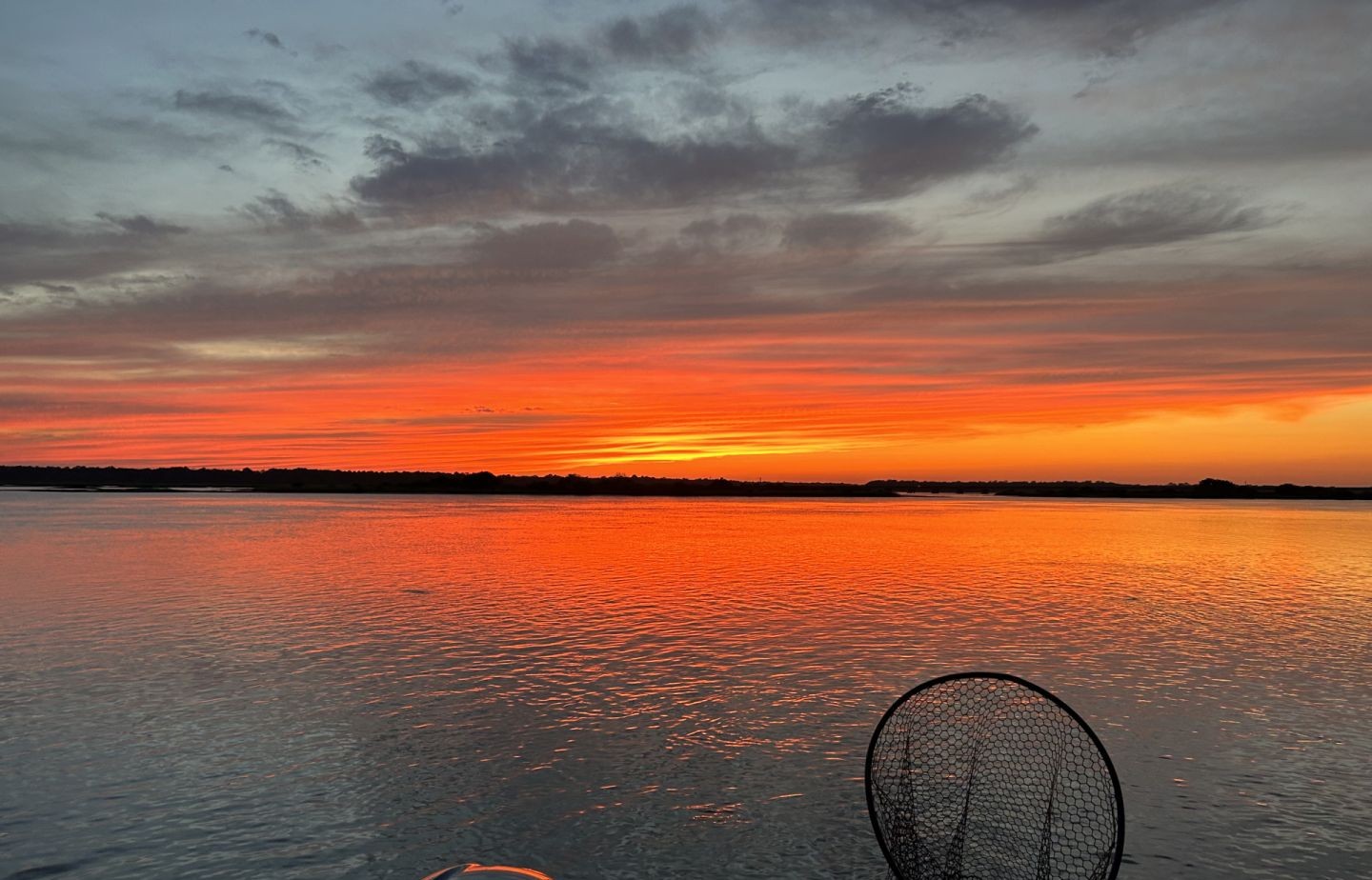
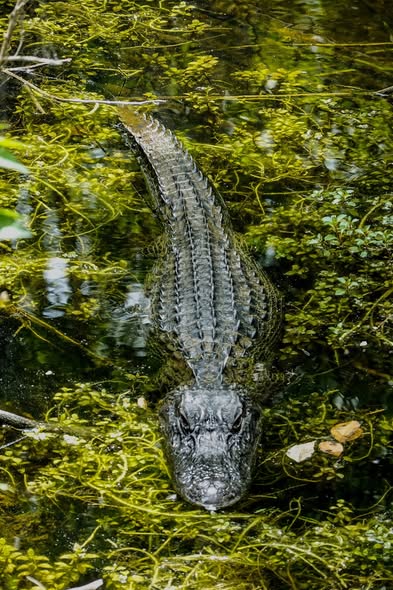
This half-day adventure keeps things intimate with just three anglers max, so you'll get plenty of personal attention from Captain Clay. The Matanzas River is a maze of productive water - from the main river channel to hidden creek mouths and shallow grass beds that come alive during moving tides. You'll be sight fishing crystal clear flats one minute, then working oyster bars where redfish cruise for crabs and shrimp. The beauty of inshore fishing here is the variety - every spot fishes differently, and Captain Clay reads the water conditions to put you where the fish are feeding. The scenery doesn't hurt either, with historic St. Augustine as your backdrop and plenty of wildlife like dolphins, manatees, and coastal birds keeping things interesting between hookups. This isn't a cattle boat operation - it's quality fishing with a captain who genuinely wants to see you catch fish.
Light Tackle Techniques
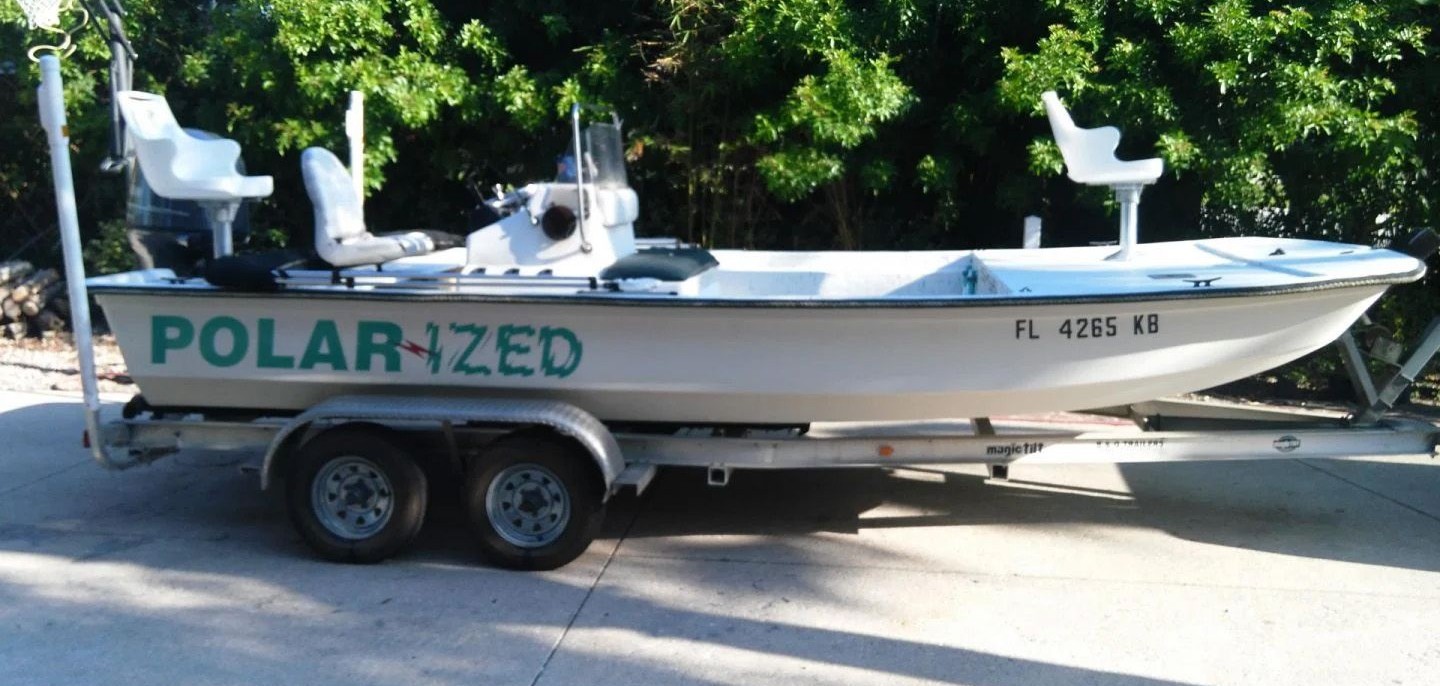
Captain Clay runs a well-equipped boat with quality spinning gear that's perfect for the inshore game. You'll be throwing live shrimp under popping corks, working soft plastics around structure, and maybe even getting some topwater action when conditions are right. The water around St. Augustine fishes best with 15-20 lb test line and medium action rods that have enough backbone to pull fish out of cover but won't overpower smaller species. Depending on what's biting, you might be sight casting to tailing redfish in two feet of water or dropping baits near dock pilings where sheepshead hang out. Captain Clay provides all the gear, but if you've got a favorite rod setup, feel free to bring it along. The key here is staying quiet and making accurate casts - these fish see plenty of pressure, so finesse beats power every time.
Customer Stories
"my boys and i had a great time fishing is hit or miss regardless" - Jon. "Capt. Clay was so awesome, friendly, attentive, just a wonderful experience. Caught some sea bass, puffer fish, Sheepshead, very relaxing, definitely will be back" - Gary. "trust me go fishing with clay" - Jim. "Clay was awesome. He was very knowledgeable of the area and knew the spots the fish usually bite. We had a great time on the water and will definitely be using Clay again in the future. Highly recommend!" - Alain.
Species You'll Want to Hook
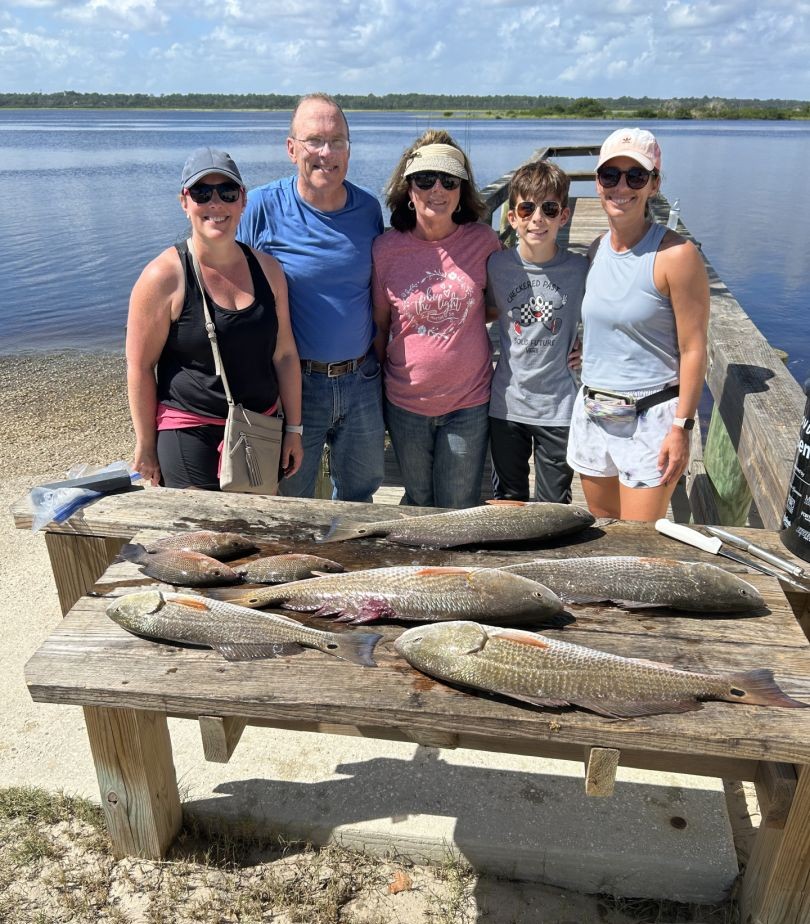
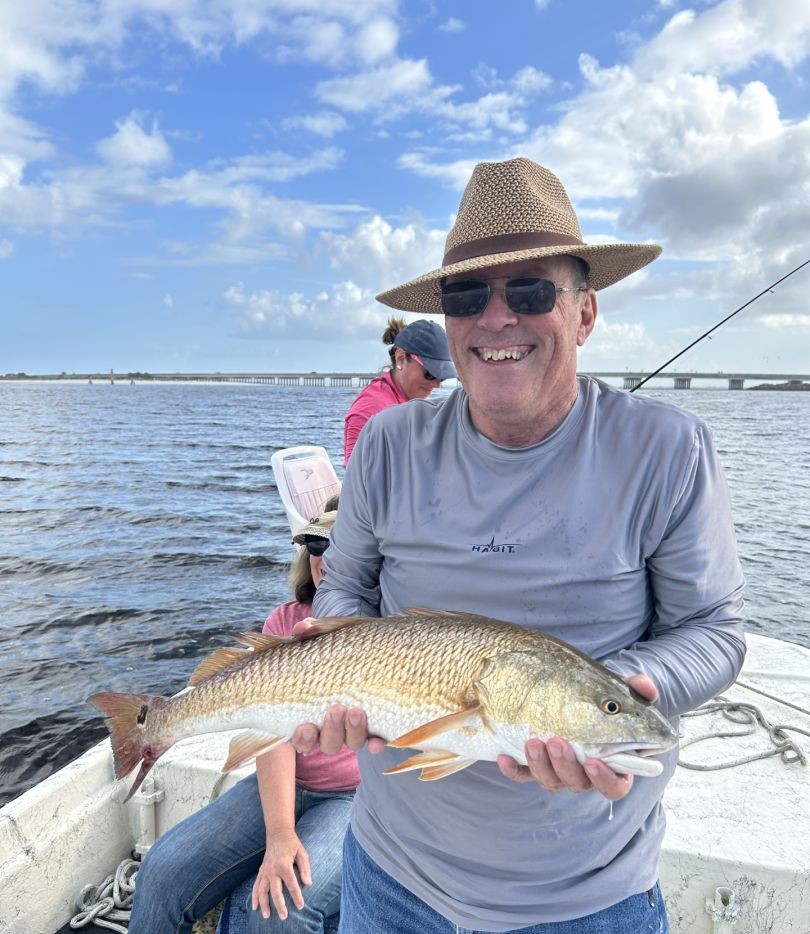
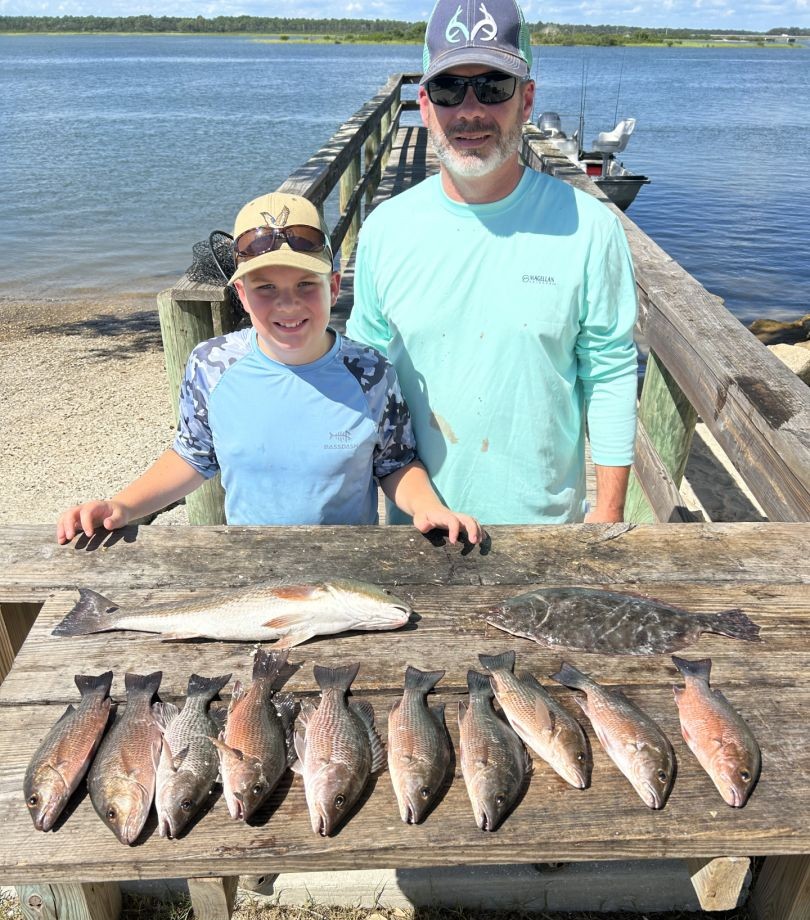
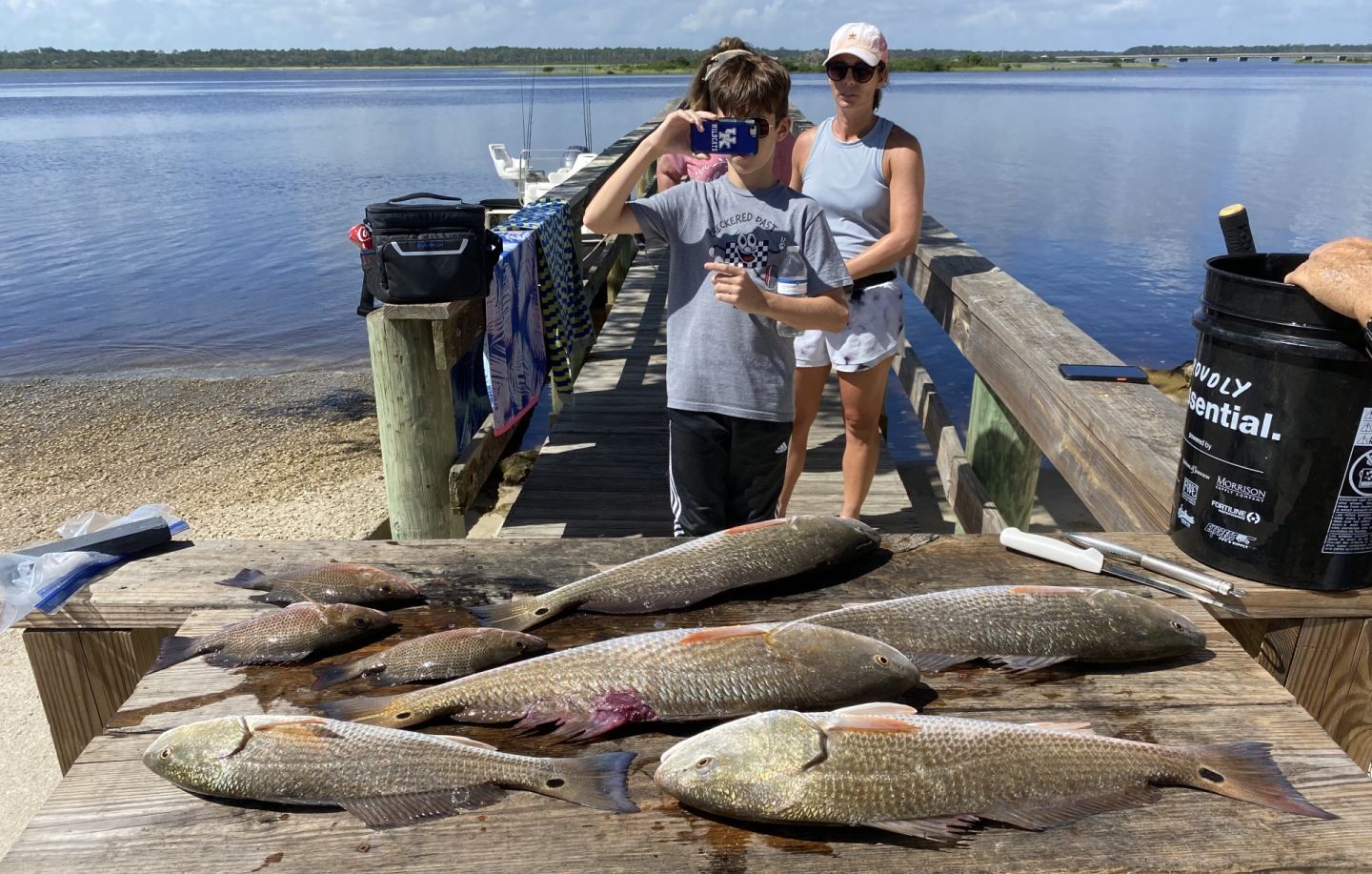
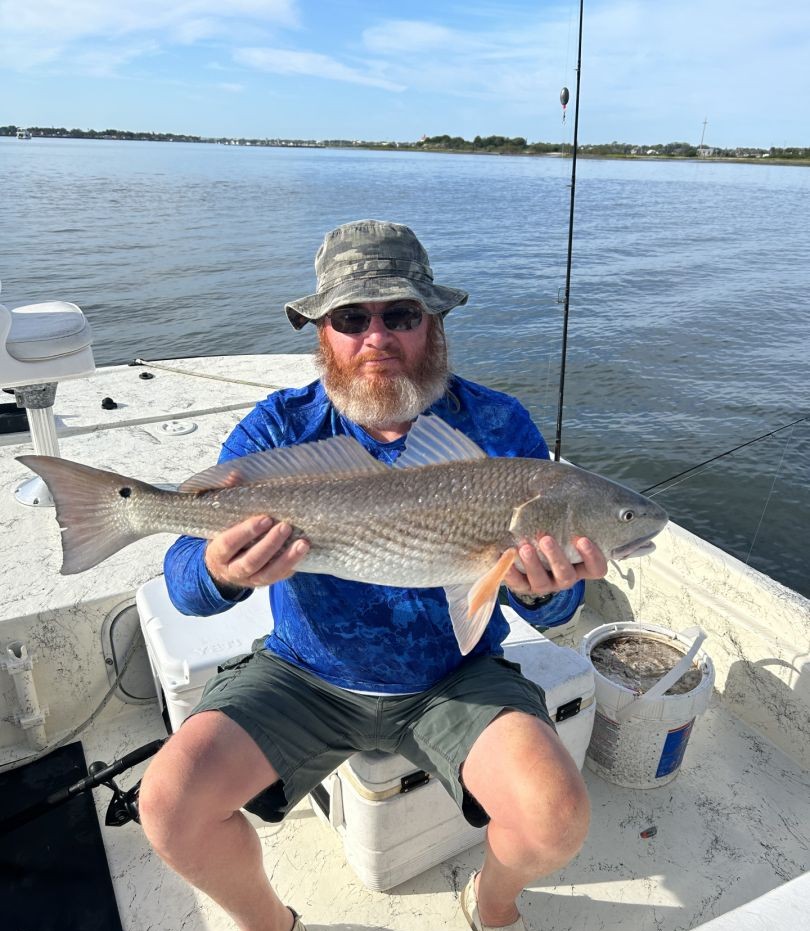
Redfish are the bread and butter of Matanzas River fishing, and these copper-colored bruisers put up one hell of a fight. They range from slot-sized fish around 20-27 inches to oversized bulls that'll test your drag system. Spring through fall offers the most consistent redfish action, especially during moving tides when they cruise the flats looking for prey. What makes reds so special is their attitude - they eat aggressively, fight dirty, and often travel in schools. When Captain Clay spots a pod of reds tailing in shallow water, your heart will be pounding before you even make the cast.
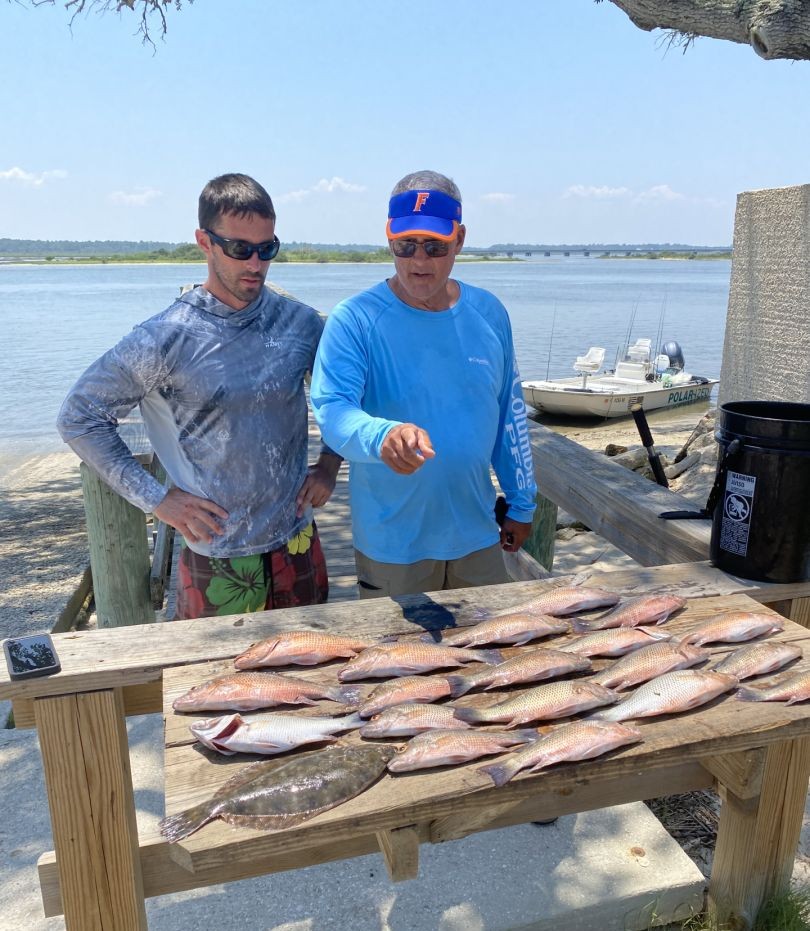
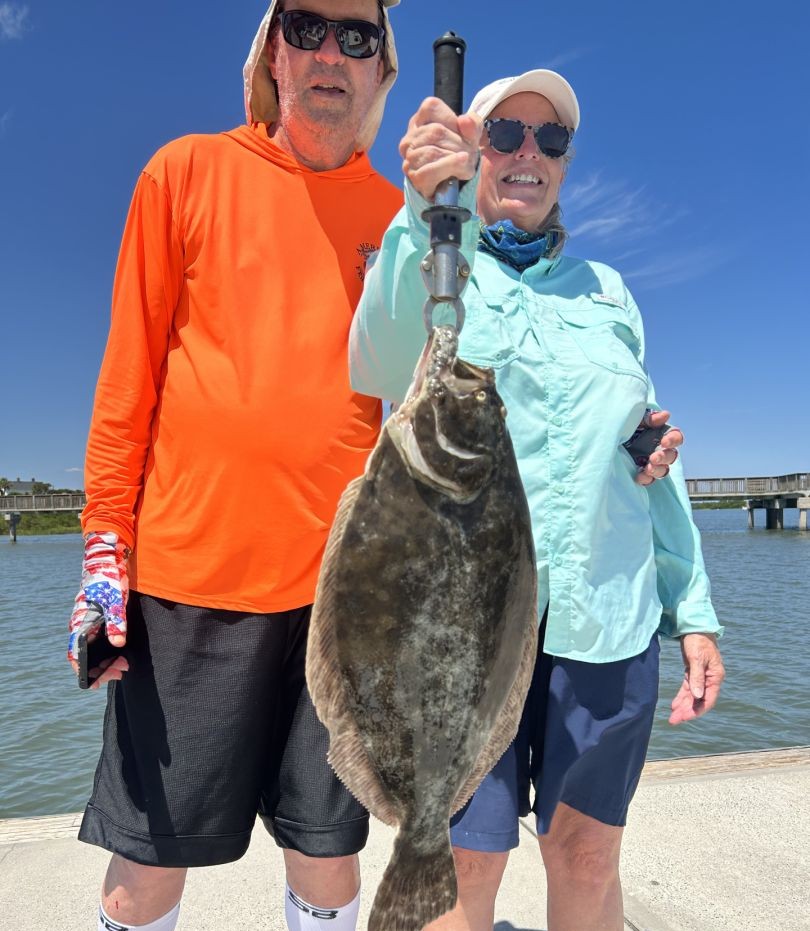
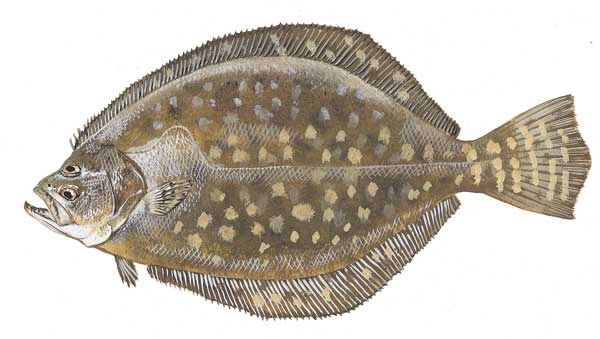
Southern Flounder are the masters of camouflage in these waters, lying flat on sandy bottoms waiting to ambush baitfish. These flatfish typically run 14-20 inches and are absolute table fare champions. Fall migration brings the best flounder fishing as they move toward inlets, but you can find them year-round around creek mouths and channel edges. They're not the strongest fighters, but they're sneaky - many anglers mistake the initial bite for a snag until the fish starts shaking its head. Captain Clay knows the specific bottom contours and current breaks where flounder set up shop.
Black Drum are the heavyweights of the inshore scene, with fish ranging from puppy drum around 12-16 inches to bull drum pushing 30+ pounds. They're bottom feeders that love crabs and shrimp, often found around oyster bars and bridge pilings. The bigger fish show up in late winter and early spring, while the smaller, better-eating drum are around most of the year. When a big drum takes your bait, there's no mistaking it - they pull like a freight train and use their bulk to bulldoze toward structure.
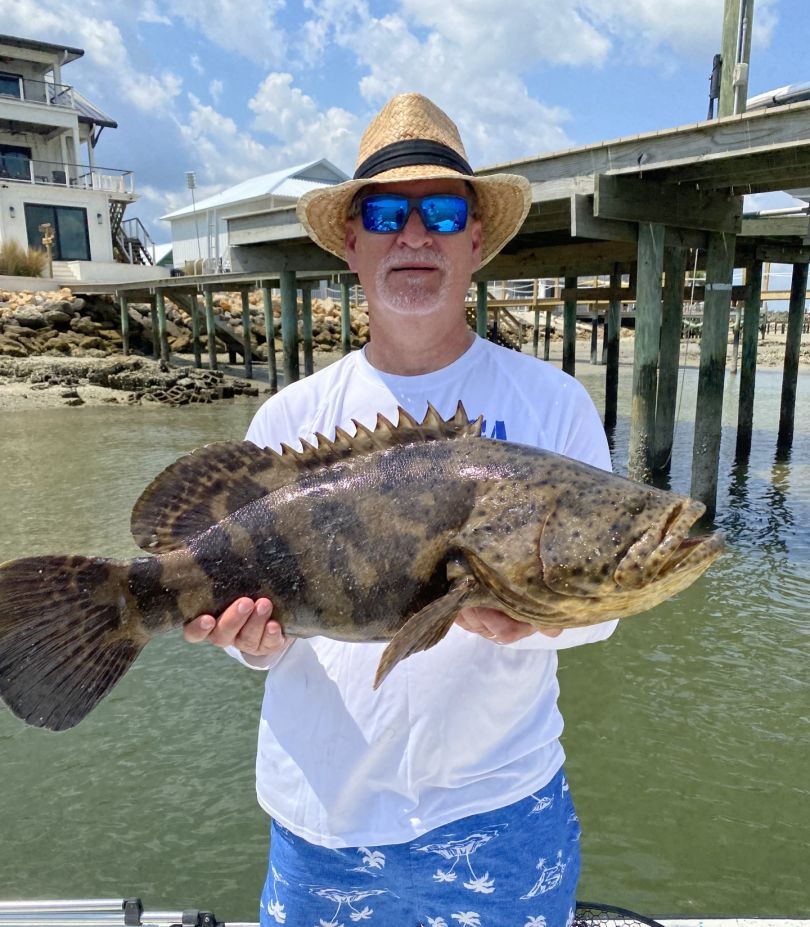
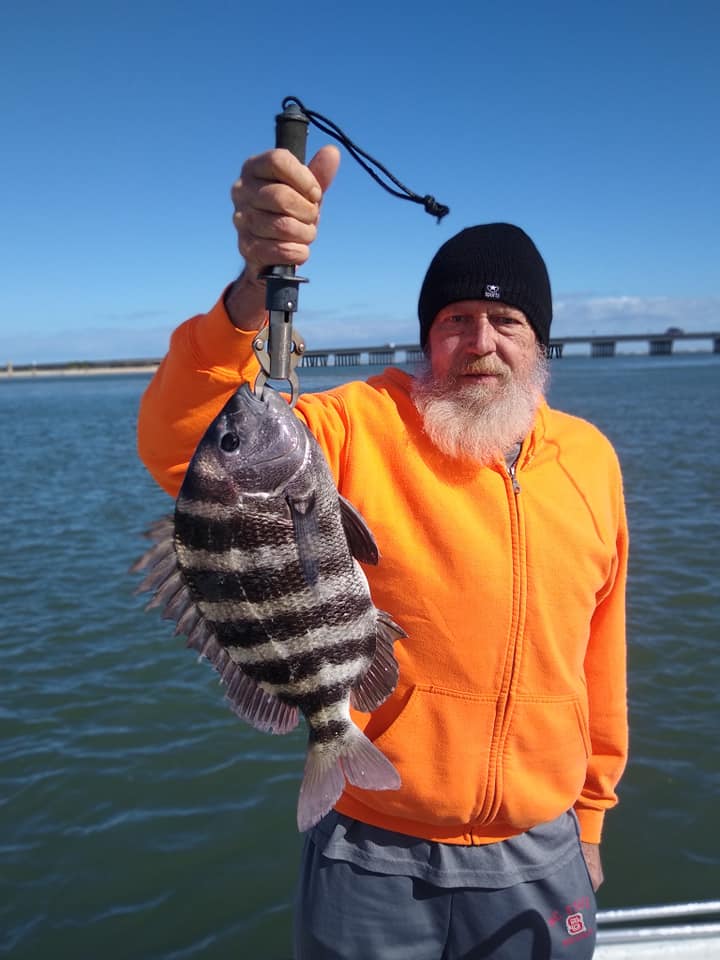
Sheepshead are the convict-striped tricksters that'll test your hook-setting skills. These bait stealers hang around any hard structure - docks, pilings, rock piles - and they're notorious for picking baits clean without getting hooked. But when you do connect with a good sheepshead, they're surprisingly strong fighters that make multiple runs. They're most active in cooler months and are considered some of the best eating fish in these waters. Captain Clay has the patience and technique to put you on these finicky feeders.
Blacktip Sharks add some serious excitement to the mix, especially during warmer months when they cruise the flats and channel edges. These sleek predators typically run 2-4 feet long and are famous for their acrobatic jumps when hooked. They're catch-and-release fish that provide pure adrenaline - nothing gets your blood pumping like watching a blacktip explode from the water on the end of your line. They're also a sign of healthy water, and Captain Clay knows the areas where
 5.0(4 Reviews)
 Private Trip
 St. Augustine


 Half-day inshore fishing charter on scenic Matanzas River