Bluewater Pursuit of Marlin and Tuna
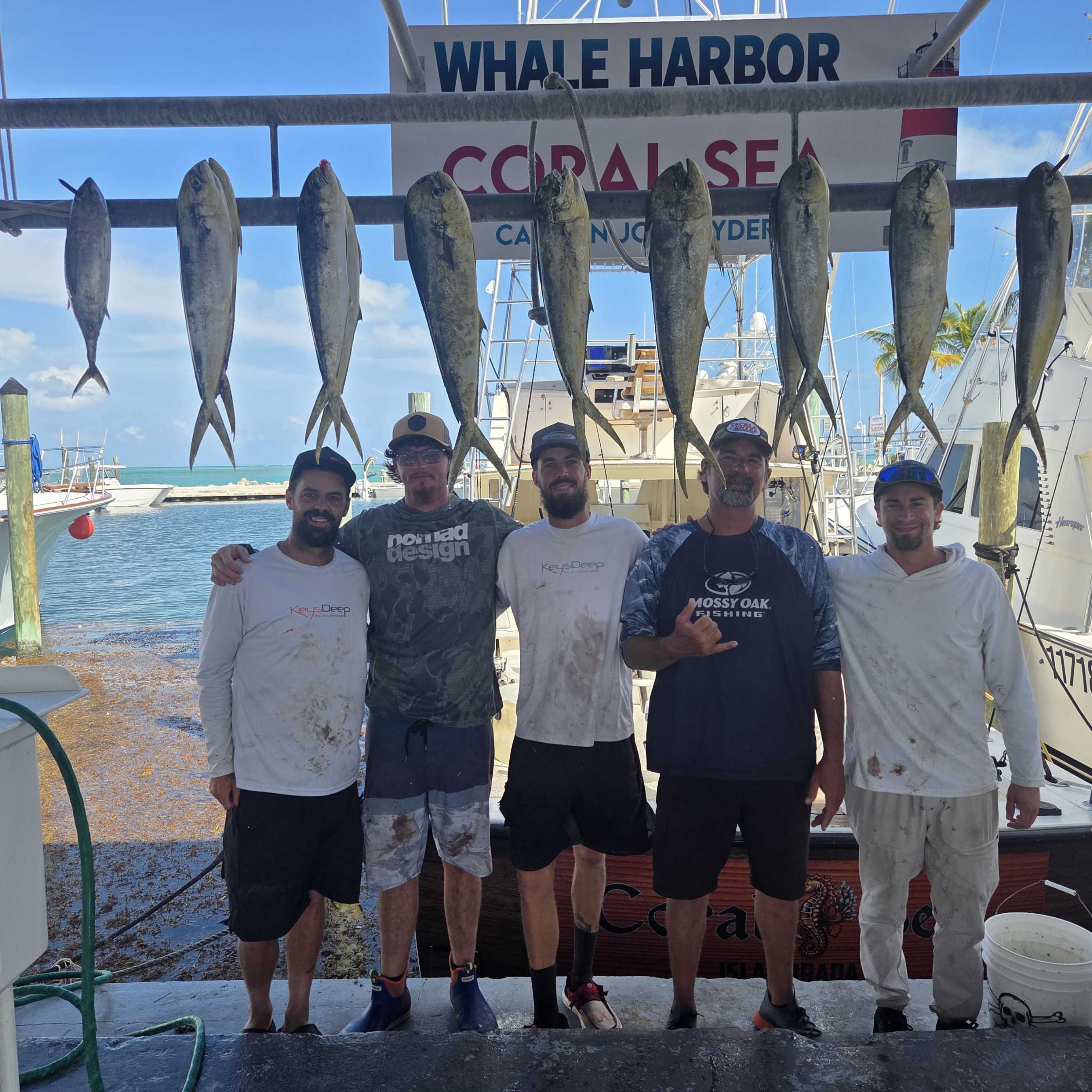
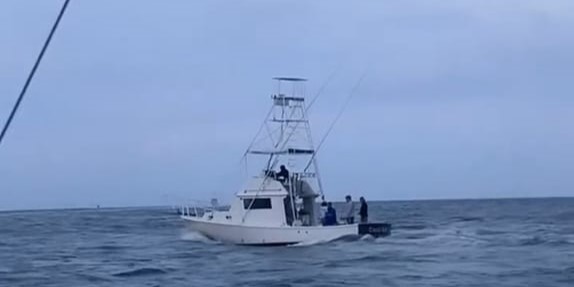
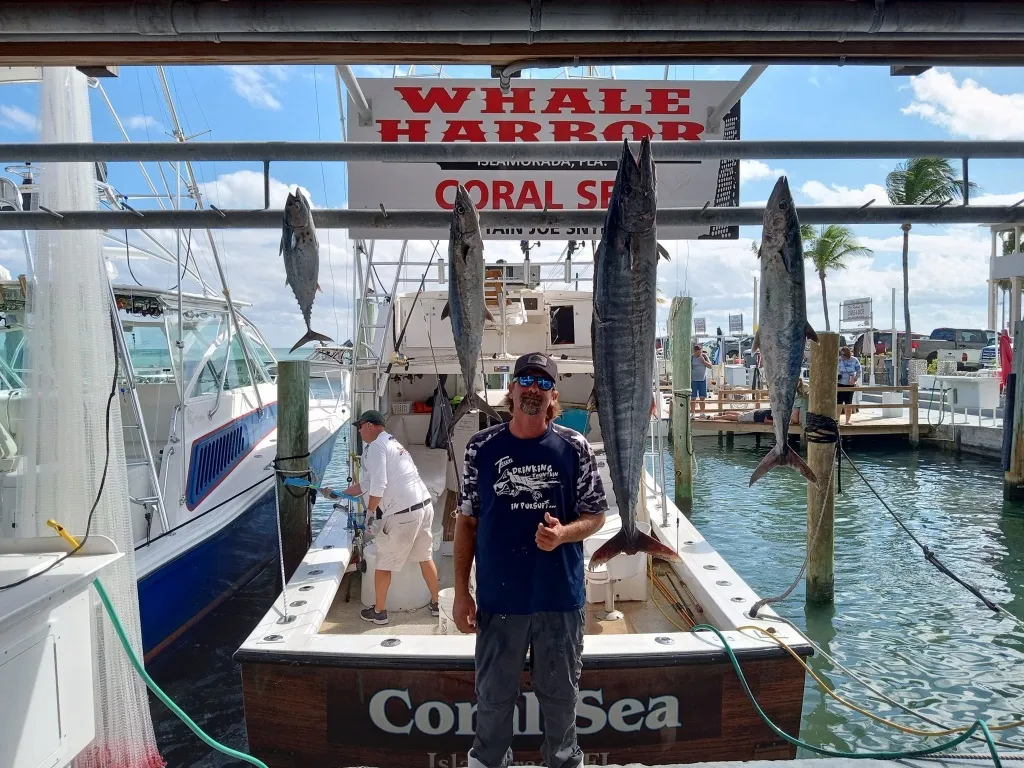
Captain Joe Snyder's 6-hour offshore charter from Islamorada puts you right where the action is – the deep blue waters off the Florida Keys where pelagic giants roam. This isn't your typical half-day inshore trip; we're talking serious bluewater fishing where marlin, tuna, and other top-tier gamefish cruise the current breaks and temperature edges. Departing from Whale Harbor Marina, you'll cover serious ground to reach those productive offshore waters where the continental shelf drops off and the real fishing begins. With all gear, bait, licenses, and water included, you just need to show up ready to fish. Captain Joe keeps groups small – max six anglers – so everyone gets plenty of rod time and personal attention whether you're a seasoned angler or picking up a rod for the first time.
What to Expect on the Water
This charter hits the sweet spot between serious offshore fishing and a manageable day on the water. Captain Joe runs a well-equipped boat that can handle the offshore conditions while keeping you comfortable during the 6-hour trip. You'll head out to depths where the water changes from that shallow Keys green to deep cobalt blue – that's where the magic happens. The trip focuses on trolling the offshore waters, working structure, and reading the signs that indicate where fish are holding. Don't expect to just sit back and wait for bites; Captain Joe encourages hands-on participation, teaching you to read the water, spot birds working baitfish, and understand why certain areas hold more fish than others. The pace stays active with frequent moves to stay on productive water, and the captain's local knowledge of seasonal patterns and current conditions keeps you in the strike zone.
Trolling Tactics & Gear Setup
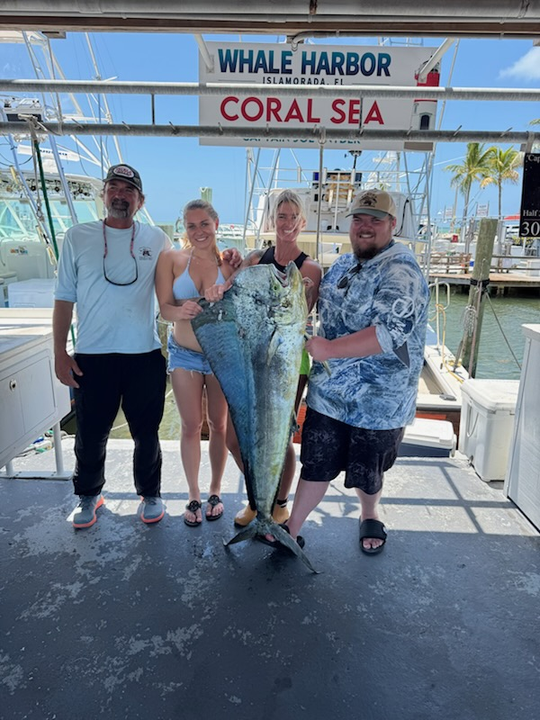
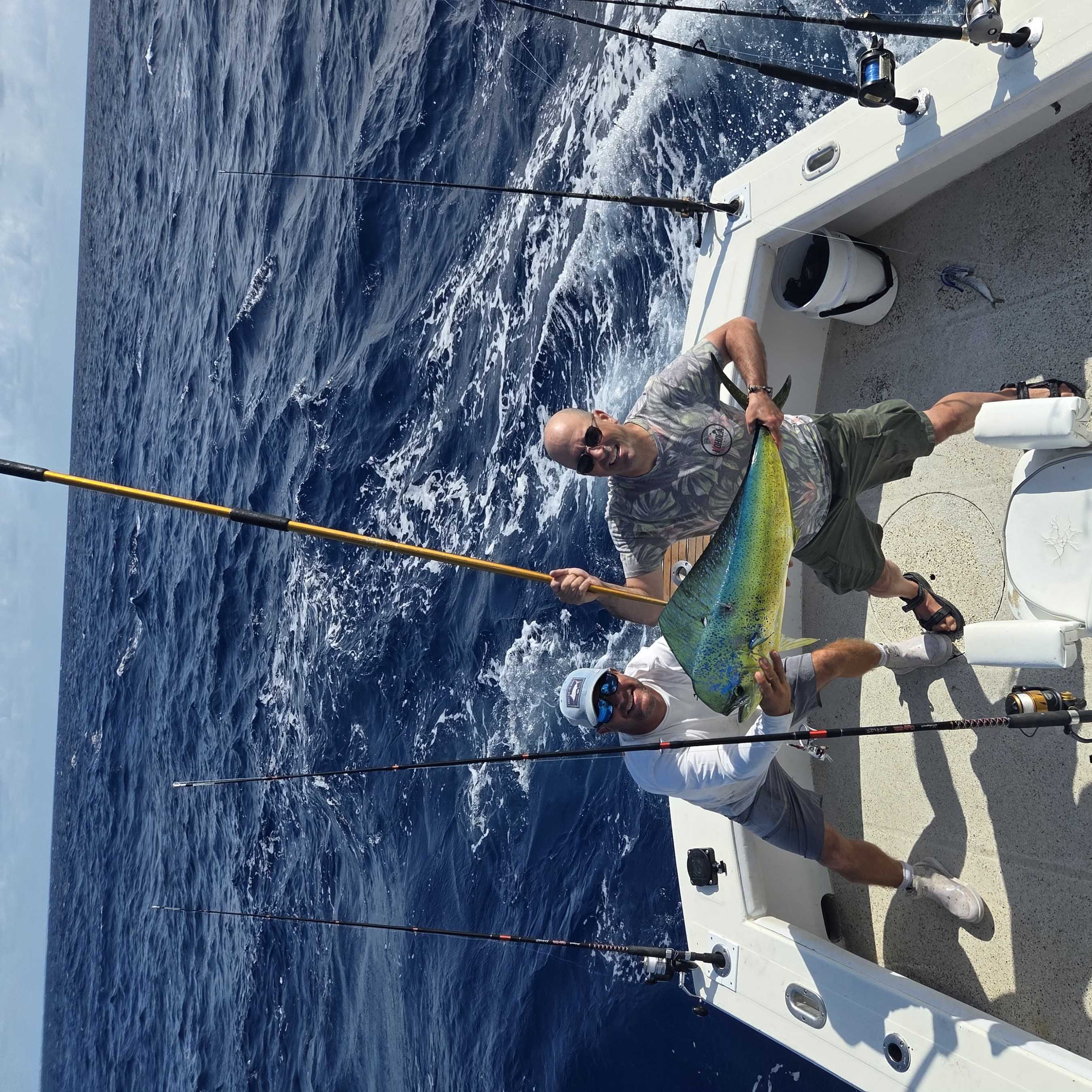
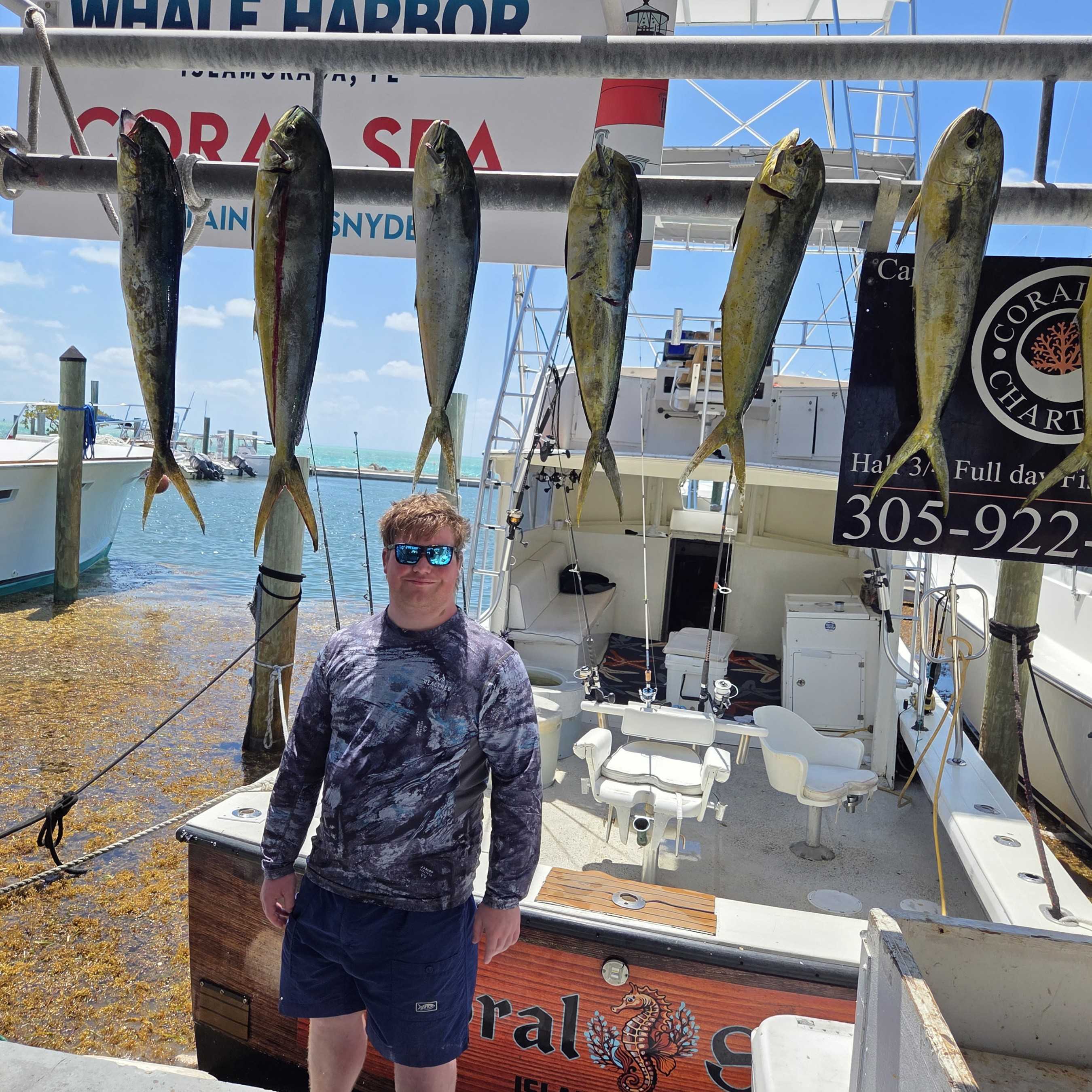
Offshore fishing in the Keys is all about trolling, and Captain Joe runs a spread of baits designed to attract everything from fast-moving wahoo to acrobatic sailfish. The boat carries top-quality rods and reels matched to handle different species – lighter tackle for mahi-mahi and cobia, heavier gear when marlin or large tuna are the target. You'll learn about different trolling speeds, how to work ballyhoo and artificial lures, and why certain baits produce better in specific conditions. The captain uses outriggers to spread baits wide and keep them in the clean water, while downriggers help get baits to specific depths where fish are marking on the electronics. Circle hooks and proper release techniques are standard practice, especially for billfish, ensuring healthy releases when you're not keeping fish for dinner. The boat's fish finder and GPS help locate structure, temperature breaks, and baitfish concentrations that indicate where gamefish are likely feeding.
Customer Stories
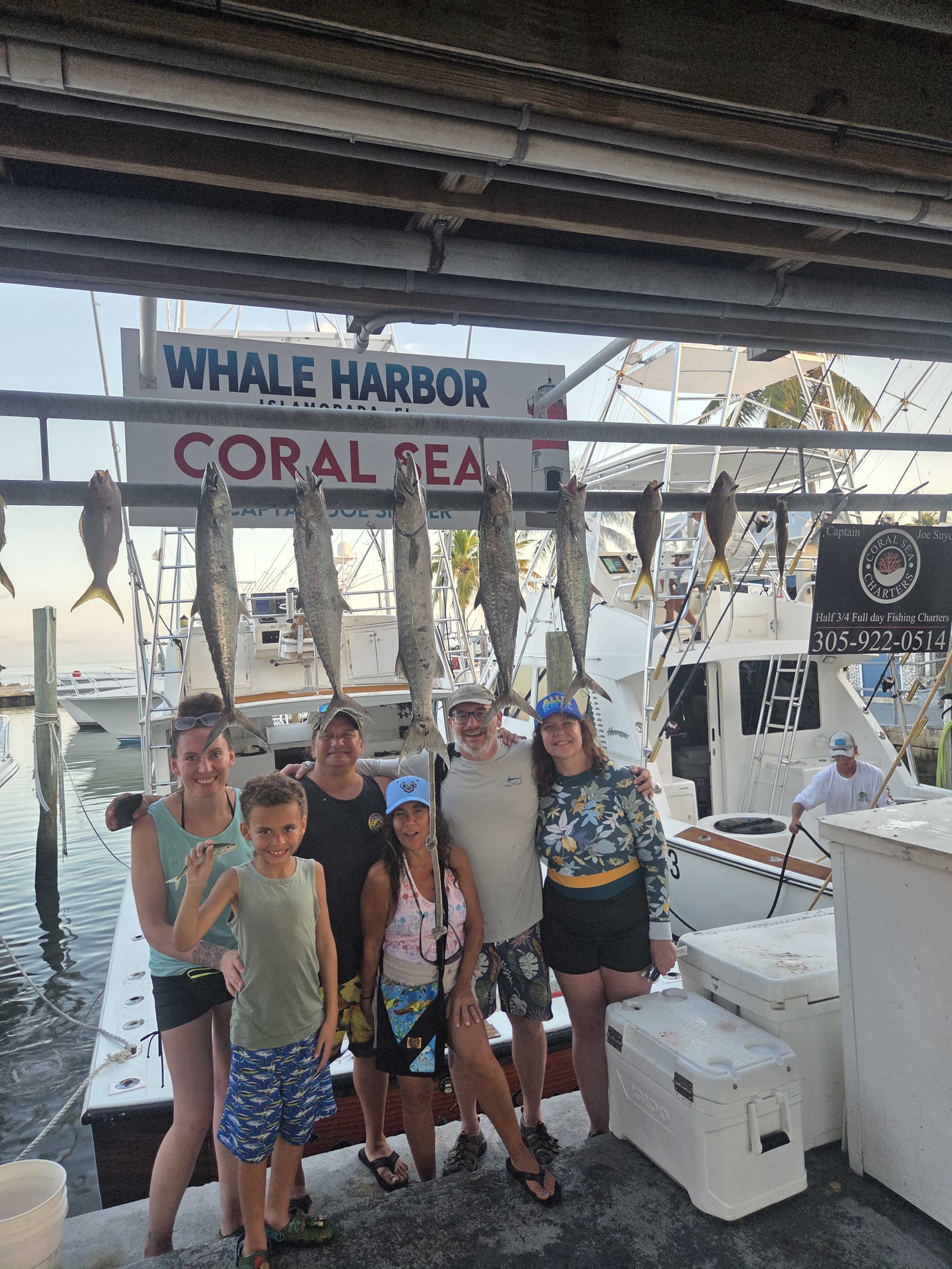
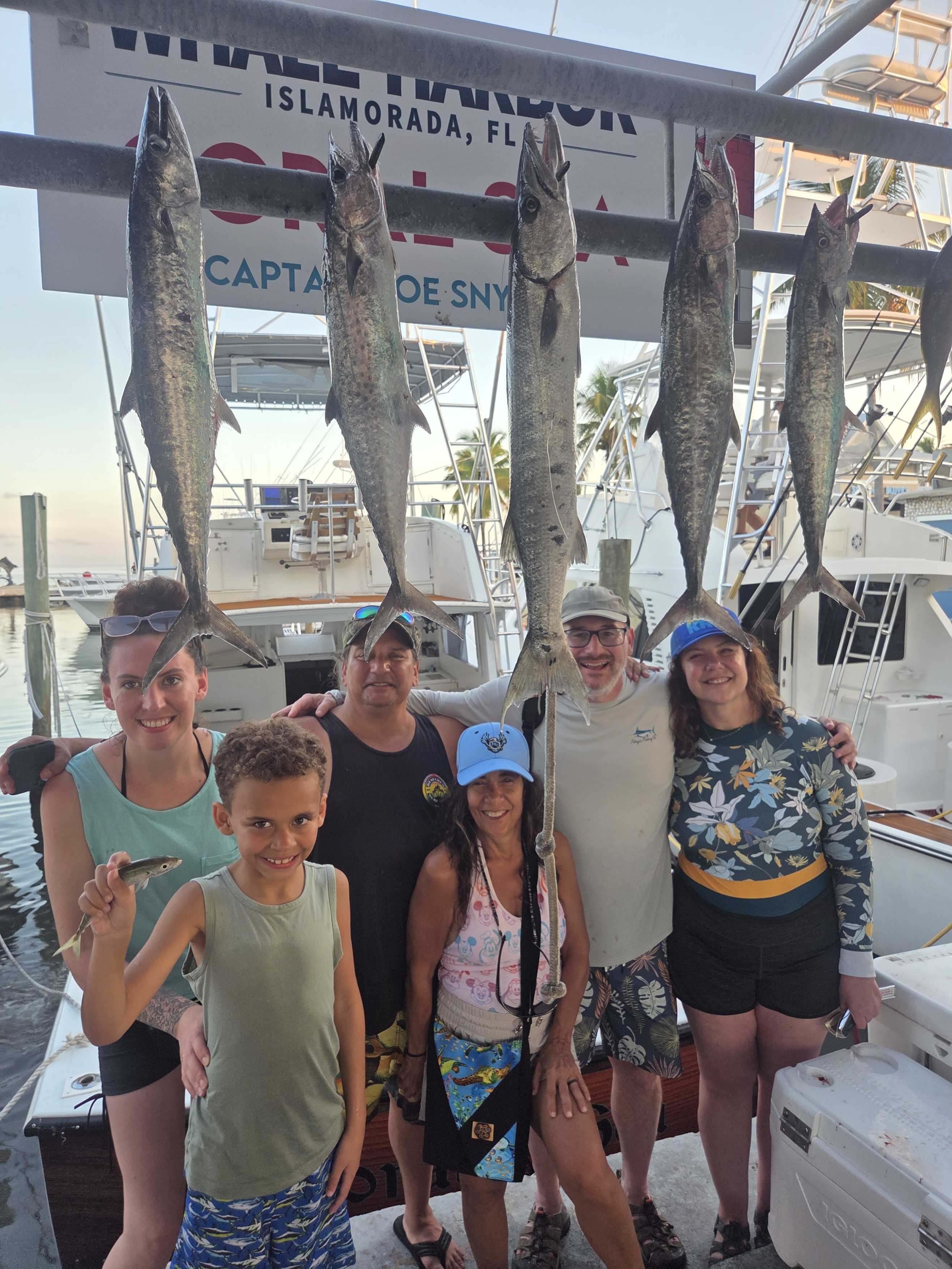
"Captain Joe and his First Mate Jay were truly amazing. We got the full offshore fishing experience during our trip, and would happily come back and go out again. They will also keep you laughing the whole time!" - Billy Harper
Species You'll Want to Hook
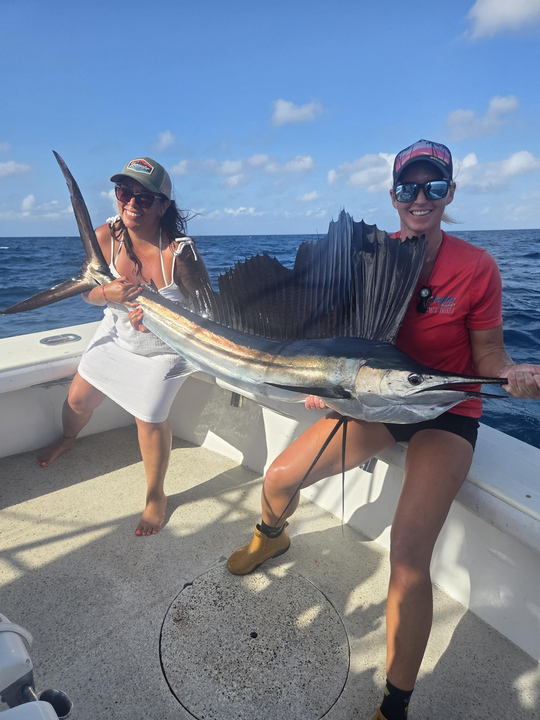
Atlantic Sailfish are the crown jewel of Keys offshore fishing, and these spectacular billfish put on a show like no other species. Averaging 6-8 feet long and 60-80 pounds, sailfish are known for their lightning-fast runs and aerial displays when hooked. Peak season runs from December through April when cooler water temperatures bring them close to the reef line. What makes sailfish special is their fighting style – they'll jump repeatedly, often clearing the water completely while shaking their heads violently to throw the hook. Captain Joe practices catch-and-release for sailfish, using circle hooks and proper handling techniques to ensure these magnificent fish swim away healthy. The sight of that distinctive sail fully extended during the fight is something every angler remembers forever.
Tarpon earn their nickname "Silver King" for good reason – these prehistoric giants can reach 8 feet long and exceed 200 pounds in local waters. May through August marks prime tarpon season when schools of these massive fish migrate through the Keys. What sets tarpon apart is their incredible jumping ability; a hooked tarpon will often launch completely out of the water multiple times, creating heart-stopping moments as they try to throw the hook. These fish are pure muscle, capable of long, powerful runs that test your endurance as much as your tackle. Tarpon have extremely hard mouths, making hook-setting crucial, and their gill plates are razor-sharp, requiring careful handling. Most tarpon are released due to their poor eating quality and important role in the ecosystem.
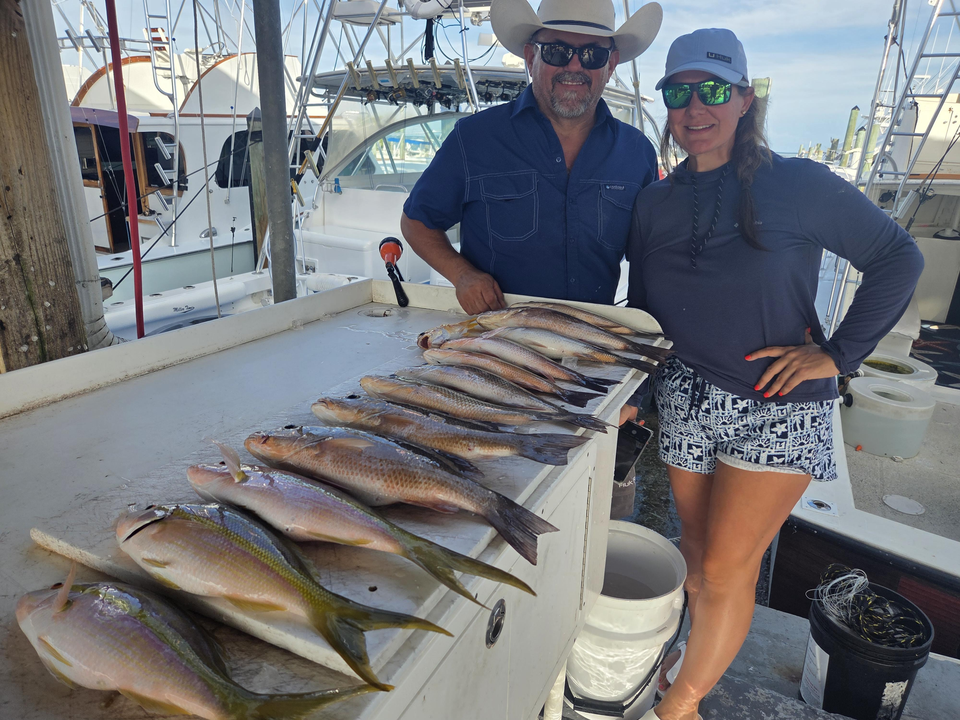
Sea Trout might not have the size of tarpon or the acrobatics of sailfish, but they make up for it with aggressive strikes and excellent table fare. These spotted beauties typically run 2-5 pounds in offshore waters, though larger specimens over 8 pounds occasionally show up around structure. Sea trout are most active during dawn and dusk periods, making them perfect targets during the early and late portions of your charter. They respond well to both live bait and artificials, often hitting with surprising force for their size. What anglers love about sea trout is their willingness to bite and their delicate, flaky white meat that's perfect for a fish dinner. They're also great confidence builders for newer anglers since they're typically easier to hook and land than larger gamefish.
Cobia are the ultimate opportunistic predators, often following rays, sharks, and even the boat itself while looking for an easy meal. These brown, shark-like fish can reach impressive sizes offshore – 30-50 pounders are common, with occasional giants over 60 pounds. Spring and fall provide the best cobia action as they migrate along the coast. What makes cobia fishing exciting is their curiosity and willingness to eat almost anything. They'll often approach the boat to investigate, giving you a shot at sight-fishing these powerful fish. Cobia fight with bulldogging strength, using their broad tails and muscular bodies to wage a straight-up tug of war. Their white, flaky meat rivals any fish in the ocean, making them a prized catch for the dinner table.
 5.0(1 Reviews)
 Private Trip
 Offshore Fishing
 Islamorada, FL


 Six-hour offshore charter targeting marlin, tuna, and gamefish