Half-Day Reef & Wreck Sprint with Coral Sea Charters
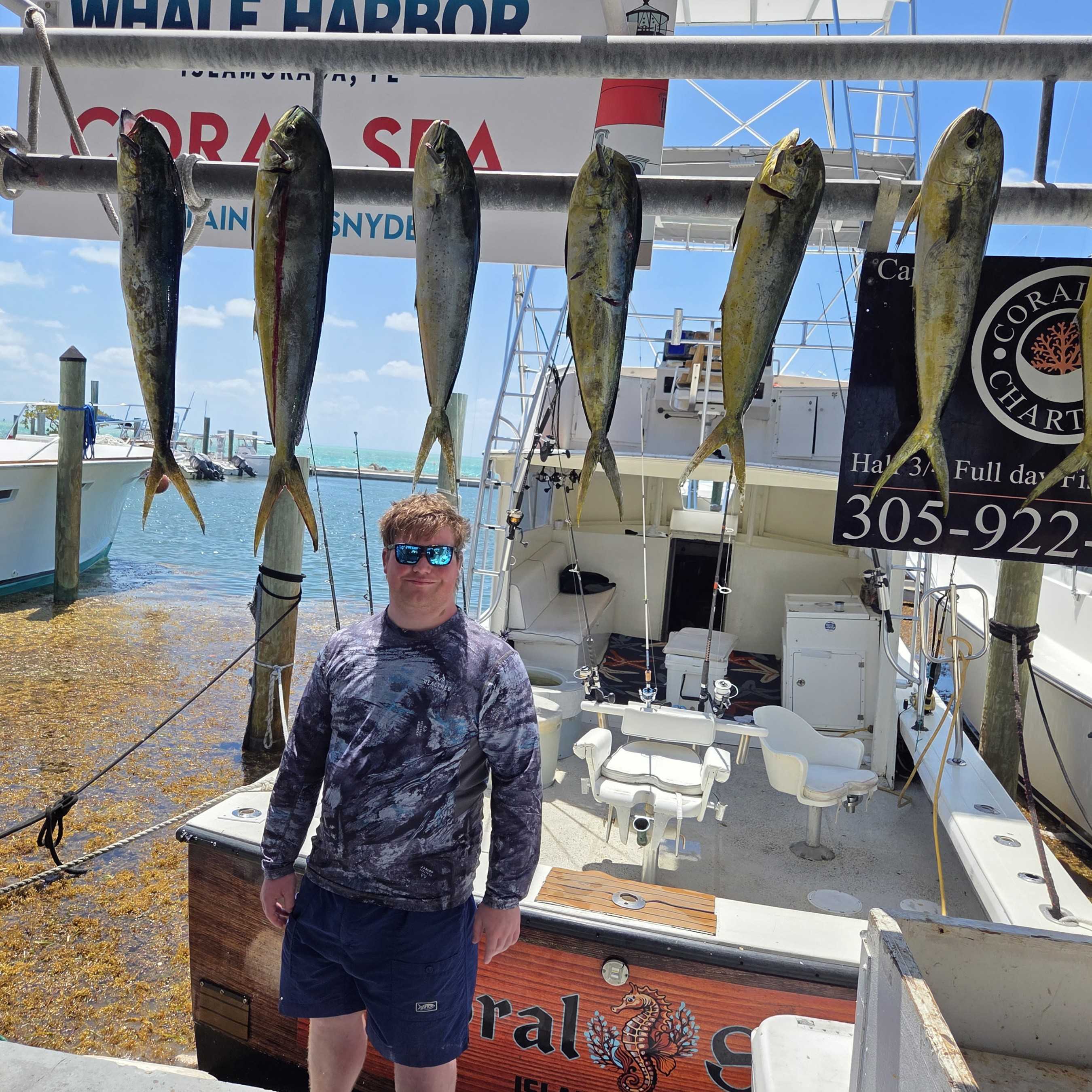
Looking for a quick offshore fishing fix in the Florida Keys? Captain Joe Snyder's half-day charter out of Islamorada delivers exactly what serious anglers need when time's tight but the fish are calling. This isn't your typical tourist boat ride – we're talking about a focused 4-hour mission to the reef and wreck zones where the action happens fast and the cooler fills up quick. Perfect for families wanting to introduce kids to offshore fishing, business travelers squeezing in some lines between meetings, or locals who know that sometimes four hours of good fishing beats eight hours of waiting around.
What to Expect on the Water
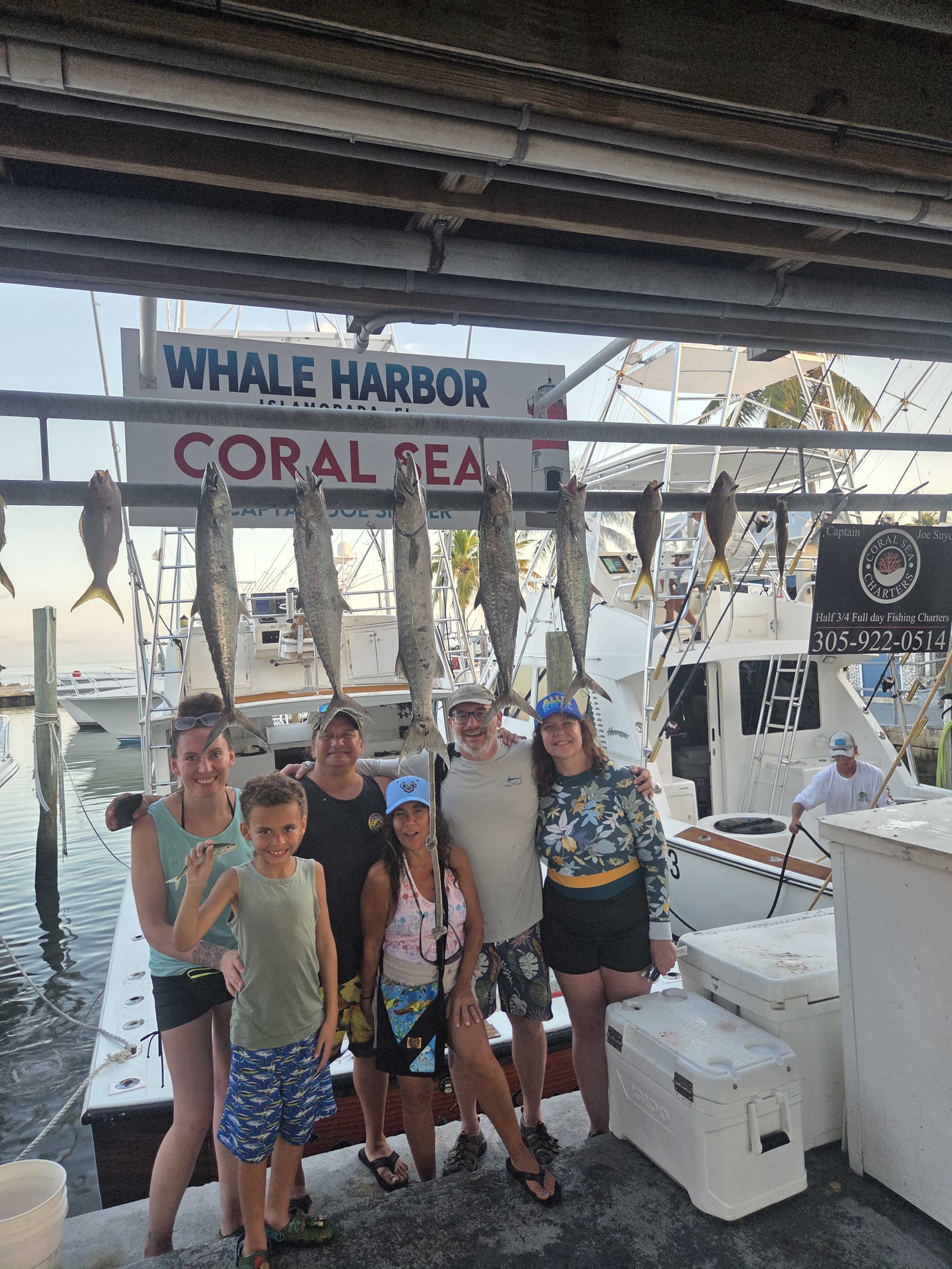
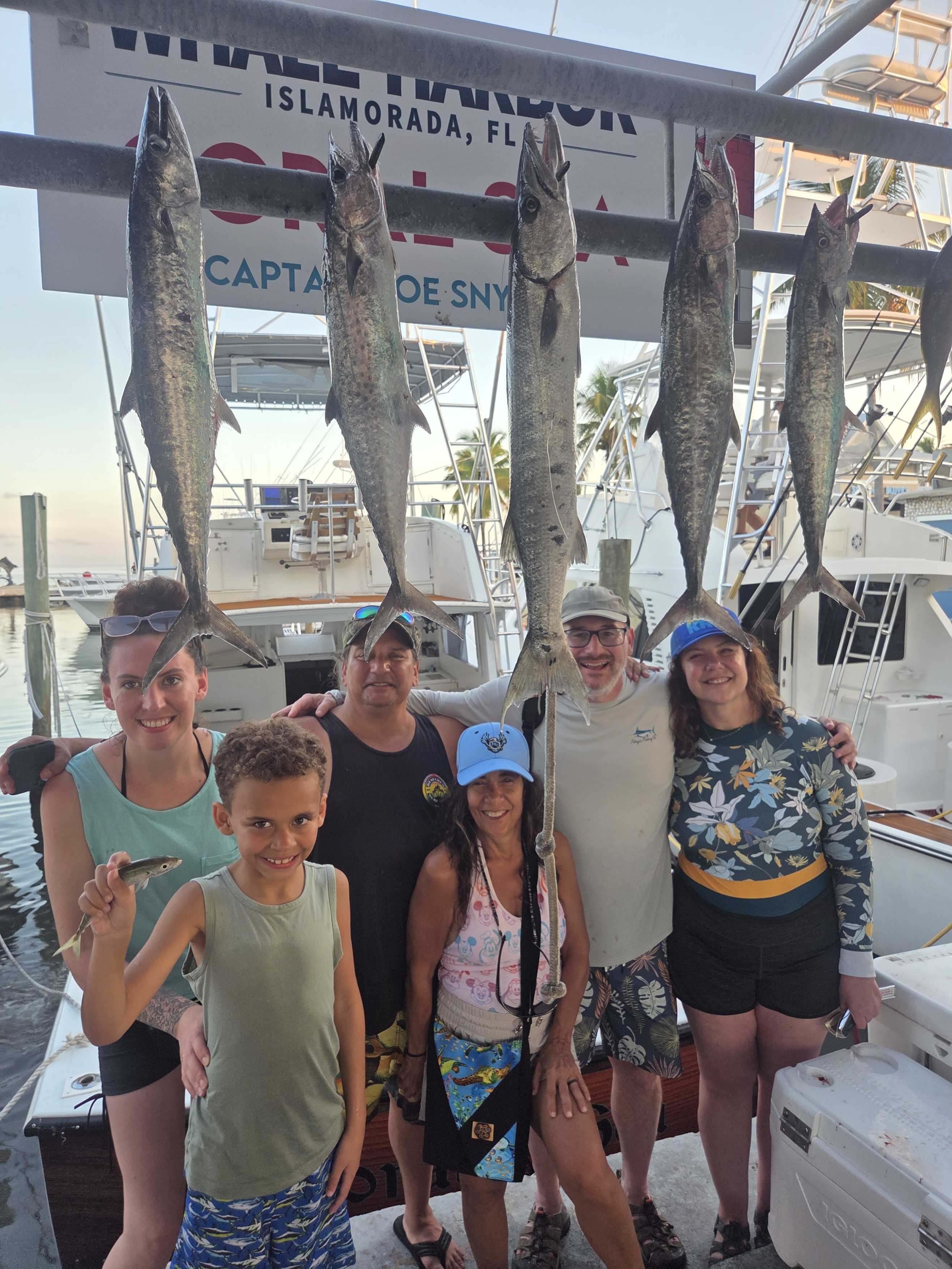
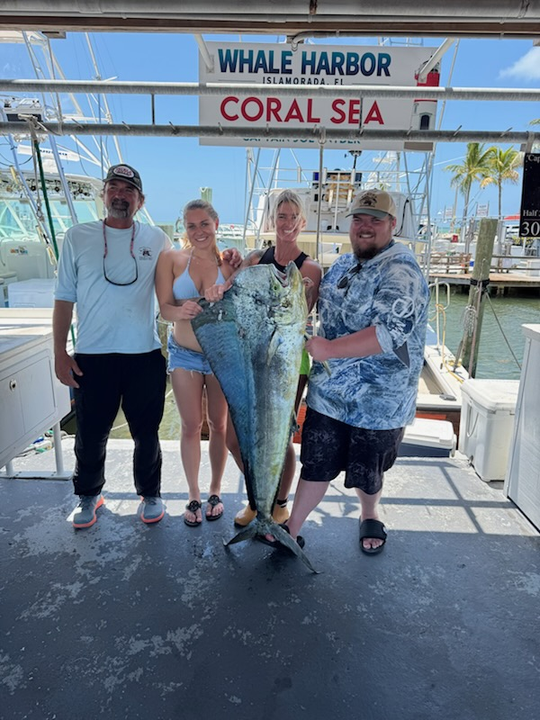
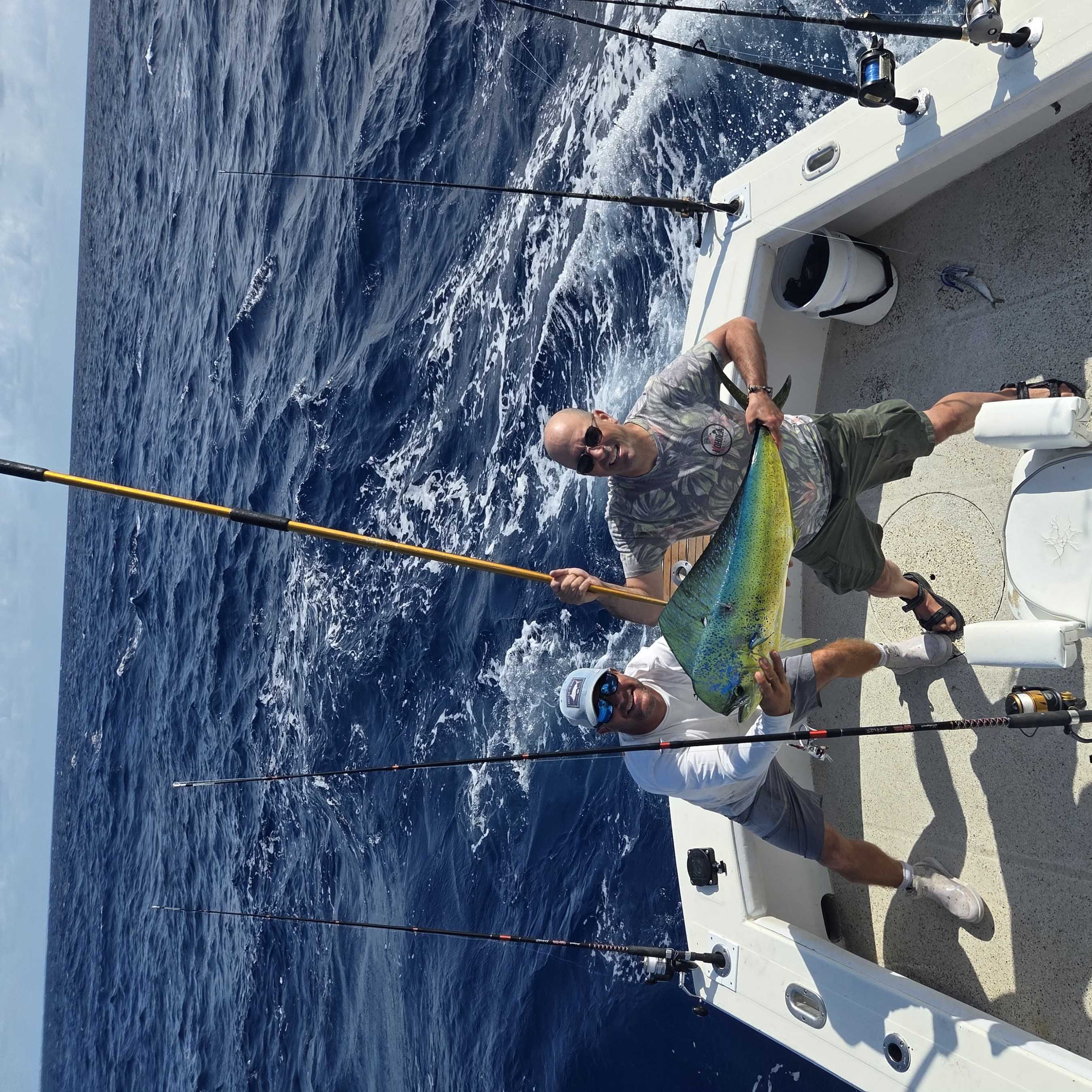
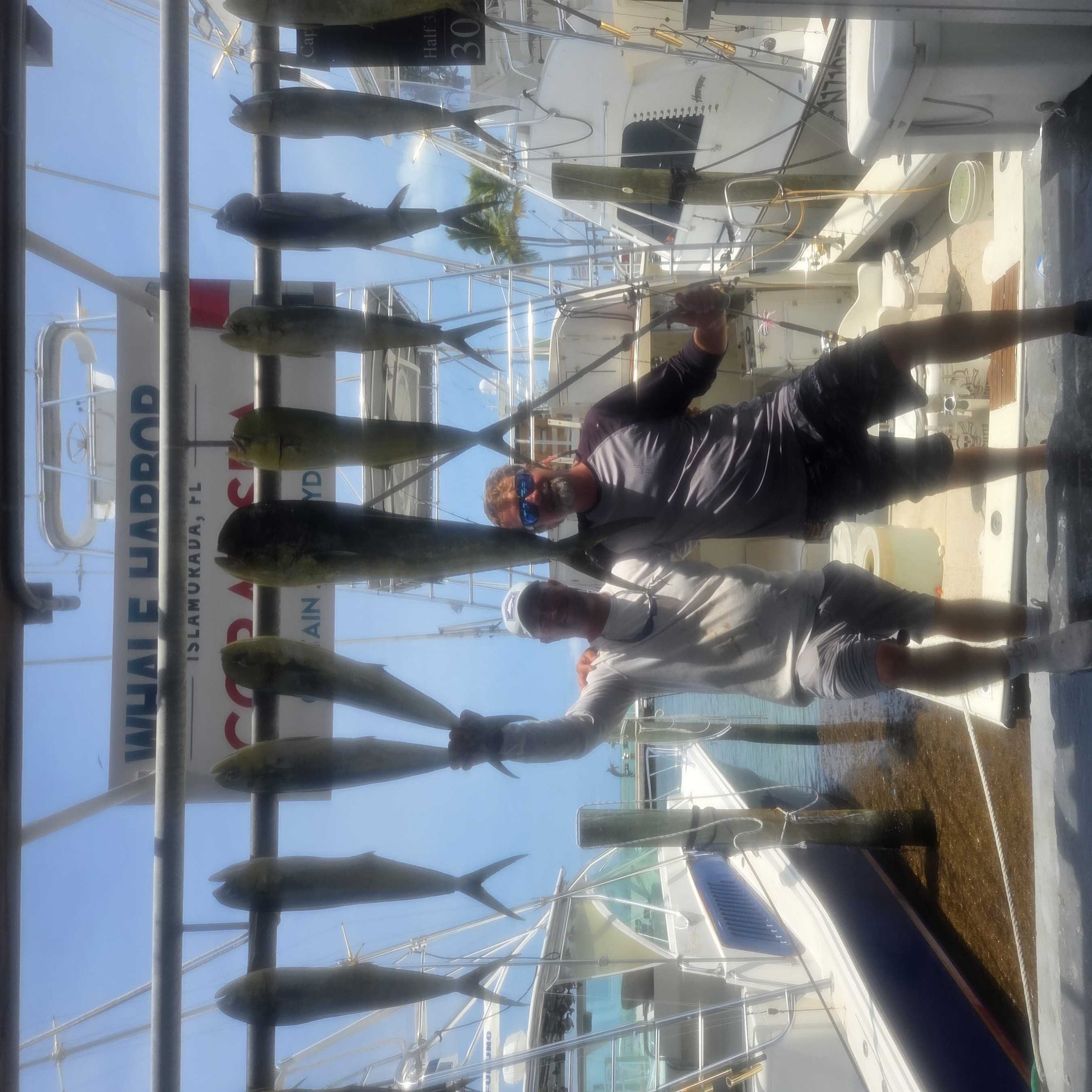
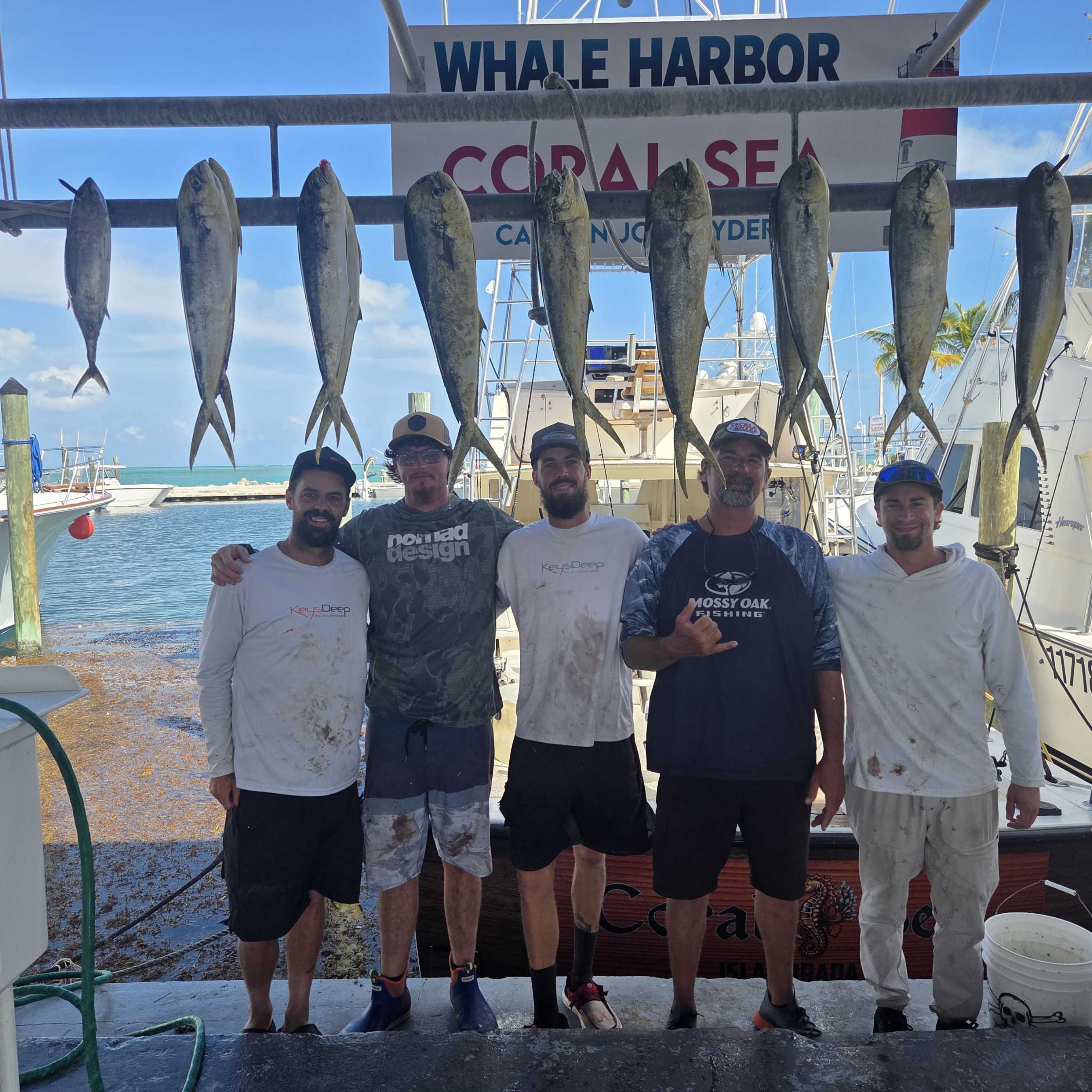
Captain Joe runs a tight ship that accommodates up to six anglers, making this charter ideal for small groups who want personalized attention on the water. We launch from Whale Harbor Marina right in the heart of Islamorada, giving us quick access to some of the most productive fishing grounds in the Keys. The beauty of this half-day format is that we skip the long runs and get straight to business – hitting the nearby reefs and wrecks where fish congregate year-round. You'll spend more time with lines in the water than burning fuel, which is exactly how it should be. The boat comes fully rigged with quality tackle, fresh bait, and all the essentials including fishing licenses and ice-cold water to keep you hydrated under that Florida sun.
Reef & Wreck Techniques
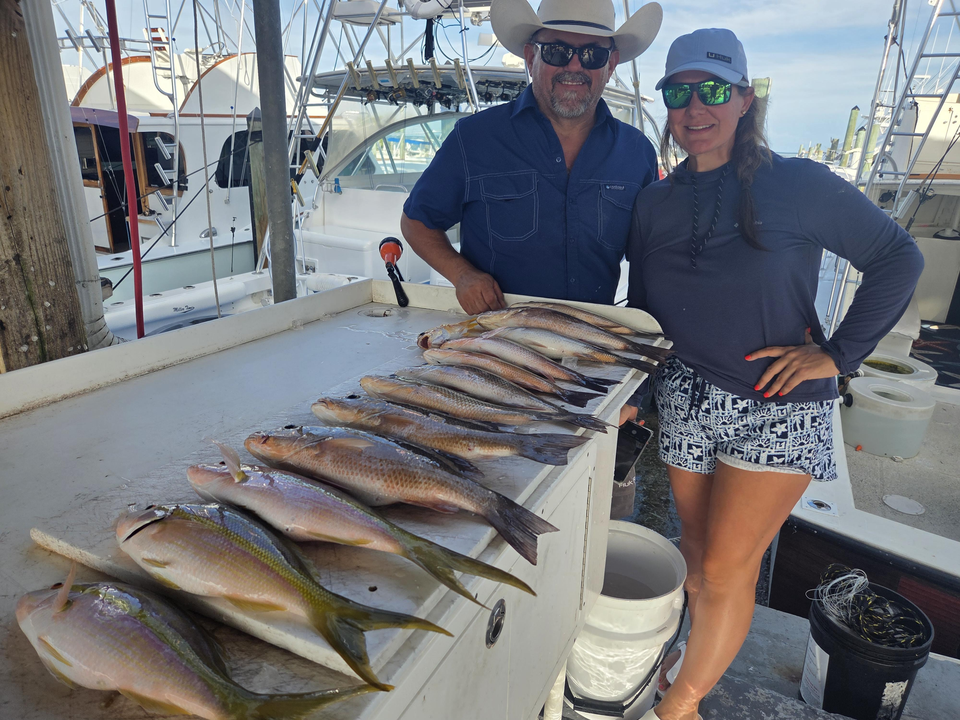
This charter focuses on two proven fishing strategies that consistently produce results in Islamorada waters. When we hit the reefs, we're typically bottom fishing with live or cut bait, targeting structure where snapper, cobia, and other reef species hang out. The artificial reefs and natural coral formations create perfect ambush points for gamefish, and Captain Joe knows exactly where to position the boat for maximum success. Wreck fishing is a different game entirely – these sunken vessels become underwater cities teeming with marine life. We'll drift or anchor depending on conditions, dropping lines to specific depths where fish stack up in the structure. The gear is straightforward but effective: medium to heavy spinning and conventional setups spooled with enough line to handle the occasional monster that calls these wrecks home. Don't worry about bringing tackle – everything's provided and rigged correctly for the specific techniques we'll be using.
Species You'll Want to Hook
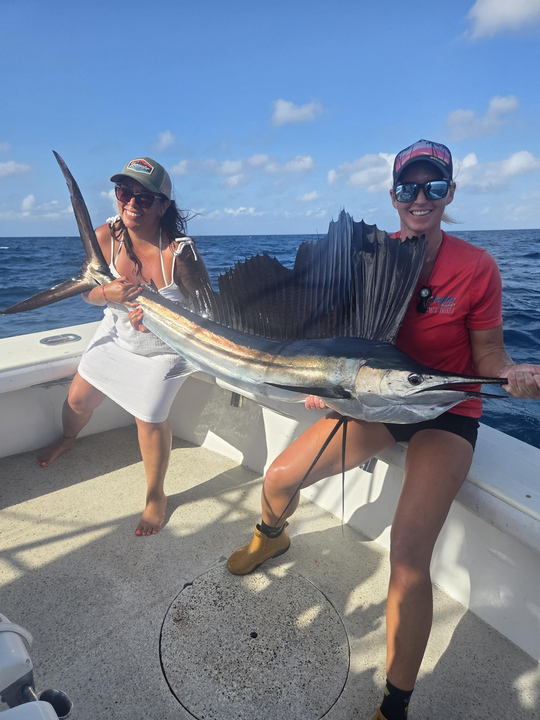
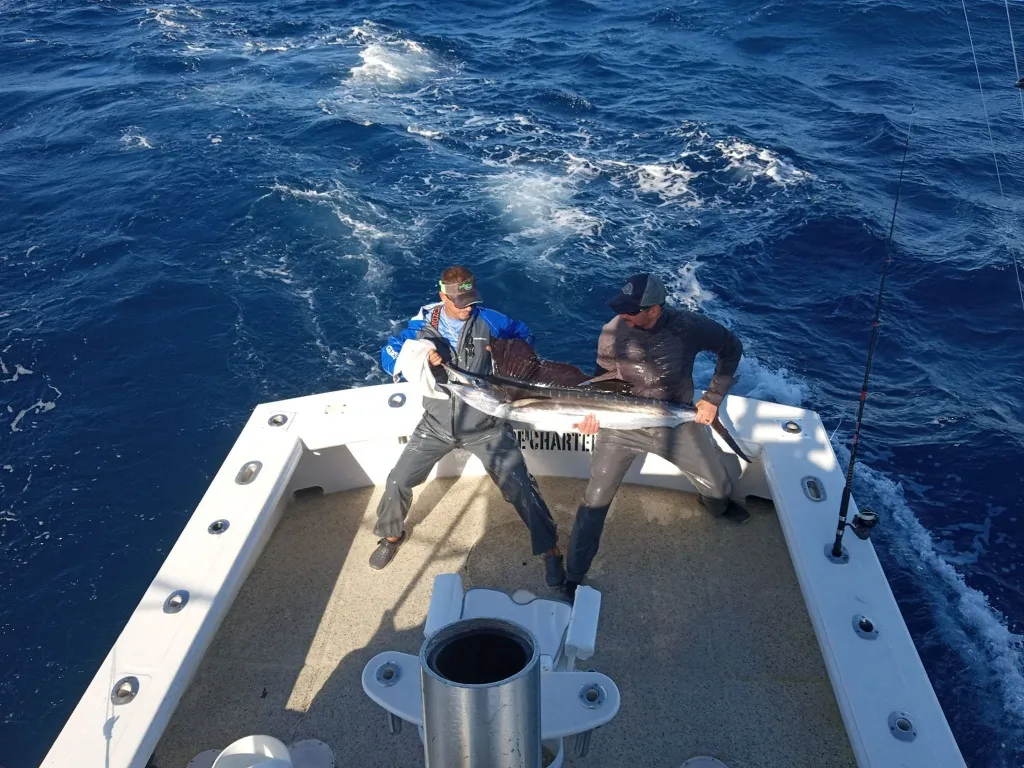
Atlantic Sailfish are the crown jewel of offshore fishing in these waters, and while they're more commonly caught on longer trips, the reefs and wrecks can produce surprise encounters with these spectacular gamefish. Sailfish average 6-8 feet long and put on an aerial show that'll have you whooping and hollering. Peak season runs from November through March when cooler water temperatures bring them closer to shore. What makes sailfish special isn't just their acrobatic fights – it's the respect they command from every angler who's ever hooked one.
Tarpon fishing in Islamorada is legendary, and these silver kings can show up around both reefs and wrecks throughout the year. We're talking about fish that can exceed 100 pounds and jump completely out of the water when hooked. Late spring through early fall offers the best shot at tarpon, especially around the full moon periods when they're most active. The fight from a big tarpon will test every piece of tackle and every muscle in your body – it's pure adrenaline from hookset to release.
Sea Trout might not have the glamour of sailfish or tarpon, but they're fantastic table fare and aggressive feeders that make for consistent action. These spotted beauties typically run 2-4 pounds in our waters and are especially active during cooler months. They're perfect for introducing kids to offshore fishing because they fight hard for their size but won't snap light tackle. Sea trout also school up, so when you find them, you'll often fill the cooler quickly.
Cobia are the wildcards of this fishery – curious, aggressive, and absolutely delicious on the dinner table. These brown sharks look intimidating but they're actually some of the best eating fish in the ocean. Cobia can show up any time of year around wrecks and reefs, often following other fish or just cruising the structure looking for an easy meal. They typically range from 20-40 pounds in our area and fight with surprising power for their streamlined build.
Red Snapper are the bread and butter of reef fishing, and for good reason. These crimson beauties are among the finest table fare swimming in our waters, with sweet, firm white meat that's perfect for the grill or fryer. Red snapper fishing requires patience and finesse – they're notorious for testing your bait before committing to a bite. When regulations allow, these fish typically run 5-15 pounds around our local reefs and provide steady action for anglers willing to put in the effort.
Time to Book Your Spot
The Half-Day Reef & Wreck Sprint delivers exactly what it promises – fast-paced offshore fishing action without the full-day commitment. Whether you're introducing family to the sport, maximizing limited vacation time, or just need a quick fishing fix, this charter hits the sweet spot. Captain Joe's local knowledge and no-nonsense approach means you'll spend your time fishing, not searching. The combination of reef and wreck fishing gives you the best shot at variety, and the included gear and licenses mean you just show up ready to fish. Book early, especially during peak season – word travels fast about good fishing, and these half-day slots fill up quick when the bite is on.
 Private Trip
 Offshore Fishing
 Islamorada, FL


 Four-hour offshore charter targeting reef and wreck species.